
Did you know that nearly 70 million Americans suffer from sleep disorders, often leading to persistent fatigue and health issues? If you’re struggling with sleep problems, you may find yourself wondering whether a dentist can help by ordering a sleep study. While it may seem unconventional, dentists are increasingly recognizing the role oral health plays in conditions like sleep apnea. Understanding your options for sleep studies-whether through dental professionals or alternative referrals-can be crucial for finding effective solutions to improve your sleep quality. This article will guide you through the intricate world of sleep studies, the involvement of dental professionals, and the various pathways to getting the help you need. Let’s explore how you can take charge of your sleep health and make informed choices that work for you.
Understanding the Role of Dentists in Sleep Medicine
Understanding the impact of sleep on overall health is essential, and dentists are increasingly recognized for their role in sleep medicine. Many people may not realize that dentists can identify oral health issues that contribute to sleep disorders, such as obstructive sleep apnea (OSA). These conditions often manifest through physical symptoms like teeth grinding, jaw clenching, and specific structural anomalies in the mouth. By addressing these dental concerns, dentists can help improve sleep quality, making them an integral part of the multidisciplinary approach to sleep health.
When it comes to diagnosing sleep disorders, dentists possess unique insights due to their training in anatomy and physiology related to the oral cavity. They can conduct preliminary assessments and determine if a referral for a sleep study is necessary. This partnership with sleep specialists allows for a seamless transition in patient care. A dentist’s referral can expedite the process of obtaining a sleep study, enabling patients to start their journey toward better sleep sooner.
In many cases, dentists provide initial treatment for conditions like sleep apnea through oral appliance therapy, which can be a more comfortable alternative for patients who struggle with CPAP machines. These appliances are designed to reposition the jaw and tongue, keeping the airway open during sleep. Evidence suggests that utilizing dental interventions not only helps alleviate symptoms but also enhances patients’ adherence to treatment protocols.
Therefore, when considering sleep health and the potential need for a sleep study, consulting with a dentist can be a wise first step. They play an essential role in recognizing symptoms, conducting preliminary assessments, and providing referrals, ultimately guiding patients toward appropriate treatment options. With the rising awareness of sleep-related issues, the collaboration between dental and sleep medicine is likely to increase, further emphasizing the dentist’s importance in holistic health care.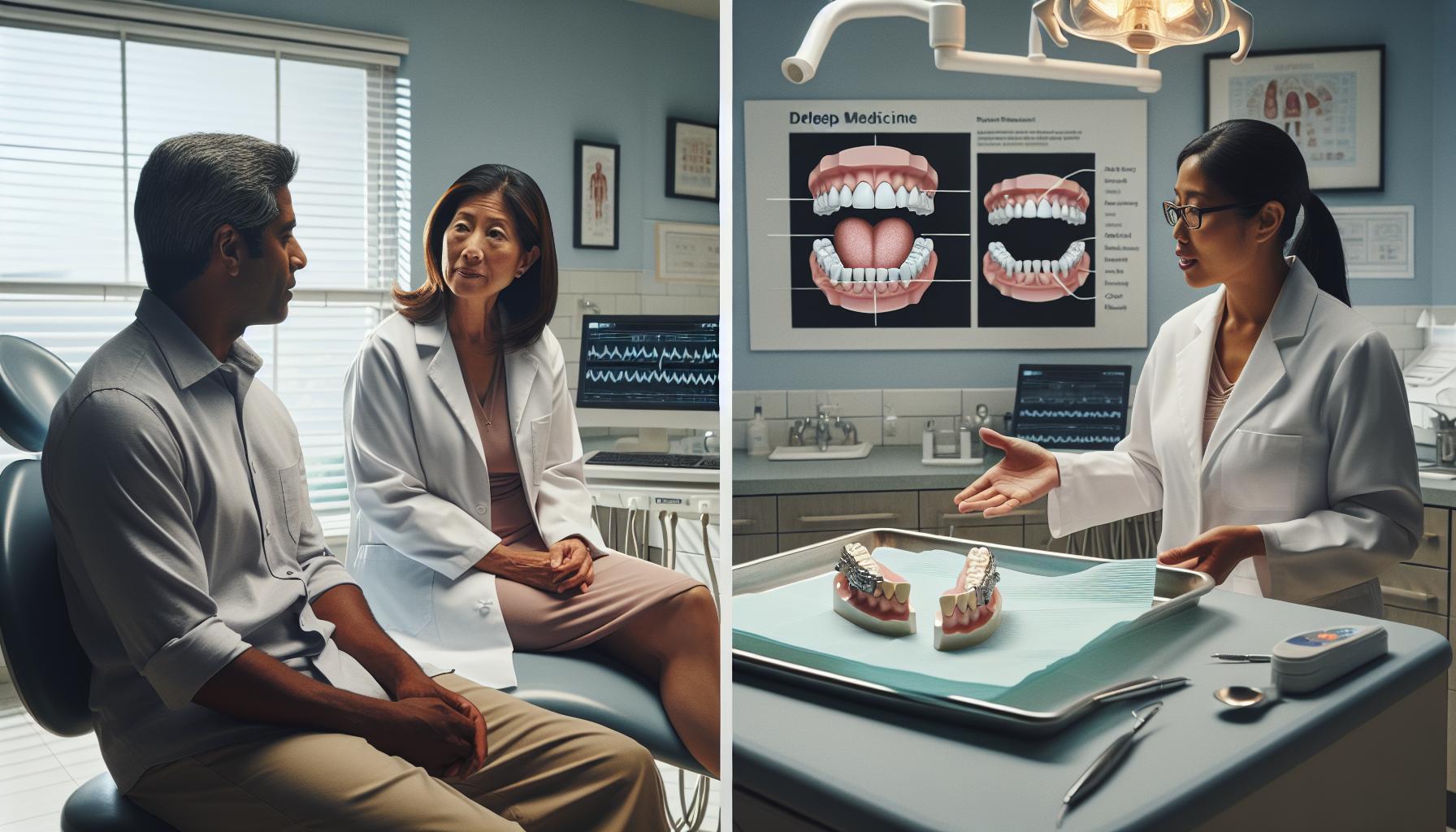
When to Refer for a Sleep Study: Dentist’s Guide
Dentists are uniquely positioned to recognize the signs of sleep disorders, particularly those linked to oral health, such as obstructive sleep apnea (OSA). If you notice symptoms like chronic snoring, daytime fatigue, or frequent morning headaches, it may be time to consult your dentist. They can assess your oral health and identify signs that could indicate the need for further evaluation through a sleep study. This proactive approach can significantly impact your overall health, as untreated sleep disorders are associated with a range of serious conditions including heart disease and diabetes.
When determining if a referral for a sleep study is necessary, dentists typically look for specific indicators. These may include the presence of an enlarged tongue, dental crowding, or signs of bruxism (teeth grinding). They’ll also consider patient-reported symptoms and medical history to make an informed decision. If your dentist believes a sleep study is warranted, they can guide you through the referral process, making it as seamless as possible. This collaboration can ensure timely access to diagnostic services, which is crucial for effective treatment.
For many patients, oral appliance therapy may be a first-line treatment option offered by dentists before resorting to more complex solutions like CPAP machines. These devices are custom-designed to reposition the jaw and keep the airway open during sleep. If your dentist recommends an oral appliance, they can help monitor its effectiveness and make adjustments as needed. Should symptoms persist or worsen, they may then refer you to a sleep specialist for a comprehensive evaluation, which typically involves undergoing a sleep study.
In cases where a sleep study is necessary, you will have options for how to proceed. There are primarily two types of sleep studies: in-lab studies conducted at sleep clinics and home sleep tests that allow you to monitor your sleep in the comfort of your own home. Your dentist can provide insights into which option may suit your needs best based on their initial assessment and your comfort level with procedure settings. Understanding when to seek this specialized care-and the role your dentist plays in the process-can empower you to take charge of your sleep health.
Types of Sleep Studies: In-Lab vs. Home Testing
There’s a growing awareness of how sleep quality influences overall health, leading to a surge in interest around sleep studies. If you’ve been referred by your dentist or are considering a sleep study on your own, understanding the differences between in-lab studies and home testing can empower you to make the best decision for your sleep health.
In-Lab Sleep Studies
In-lab sleep studies, formally known as polysomnography, are comprehensive tests that occur in specialized sleep clinics. During these studies, a trained technician monitors you overnight while you sleep, providing a detailed picture of your sleep patterns and behaviors. This method is particularly effective for diagnosing complex sleep disorders as it allows for the observation of multiple parameters, including:
- Brain Activity: EEG monitors electrical activity in the brain, revealing sleep stages and disturbances.
- Heart Rate and Breathing: ECG records heart rhythms, and sensors track your breathing patterns.
- Movement: Sensors monitor physical movements, which can indicate conditions like restless legs syndrome or other sleep-related issues.
While in-lab studies provide extensive data, they can be expensive-ranging from $1,000 to $3,000-without insurance coverage. You’ll also need to prepare for a night away from home, which may cause anxiety for some patients. Luckily, most facilities provide guidance on what to expect during the study, making the process smoother.
Home Sleep Testing
Home sleep tests offer a more convenient and comfortable alternative, allowing patients to undergo testing in their own beds. Typically, patients receive a portable device that tracks essential sleep metrics, focusing primarily on diagnosing obstructive sleep apnea. These devices often monitor:
- Oxygen Levels: Pulse oximeters measure blood oxygen saturation during sleep.
- Airflow: Sensors gauge airflow through the mouth and nose.
- Body Position: Movement sensors help assess sleep postures associated with apnea events.
While home testing is generally more affordable-costing around $150 to $500-it may not be suitable for everyone, particularly those with complicated sleep issues. It’s important to ensure that you are a good candidate for home testing, as certain symptoms or medical histories could warrant an in-lab study instead.
In summary, the choice between in-lab studies and home testing often depends on the complexity of your symptoms, personal preference, and the insights provided by your dentist. Understanding these options can help you take actionable steps toward improving your sleep health while addressing any concerns you may have.
Insurance Insights: Navigating Coverage for Sleep Studies
Navigating insurance coverage for sleep studies can feel like deciphering a complex puzzle, especially when you’re already managing concerns about your sleep health. Understanding how your policy works and what to expect can relieve some of that anxiety and empower you to seek the necessary care. Many insurance companies recognize sleep disorders as legitimate health concerns, which typically means they cover sleep studies-either in a lab or at home-but the specifics can vary widely between plans.
When it comes to coverage, the first step is to verify whether your insurance provider requires a referral or prior authorization from your dentist or a sleep specialist. Many plans do accept referrals from dentists for sleep studies, particularly if your dentist identifies symptoms of disorders such as obstructive sleep apnea. Having a clear diagnosis from your dentist may make it easier to secure coverage for testing.
Key Considerations for Insurance Coverage
- Diagnosis Documentation: Ensure that your dentist provides thorough documentation regarding your symptoms, including any relevant medical history. This documentation can significantly impact the likelihood of insurance approval.
- Check the Network: Investigate whether the sleep clinic or home sleep test provider is in-network. Out-of-network services can lead to higher out-of-pocket expenses, so it’s crucial to confirm this upfront.
- Cost Estimates: Inquire about the costs associated with your sleep study. While in-lab studies can range from $1,000 to $3,000, home tests are typically more affordable (around $150 to $500). Request cost estimates directly from your provider to guide you in managing expenses.
- Claim Submission: After the study, your provider may submit claims to your insurance. It’s essential to follow up and ensure that the claim is processed correctly. Keep receipts and documentation in case you need to appeal a denial.
Common Coverage Questions
When planning for a sleep study, you can alleviate some uncertainty by asking your insurance provider the following questions:
- What is my deductible, and has it been met? Understanding your deductible can help you estimate out-of-pocket costs.
- Do I need pre-approval for the sleep study? Ensure that you follow all necessary procedures for your insurance to cover the test.
- What are the in-network options for sleep studies? This will save you money and may streamline the approval process.
- Are there specific diagnostic criteria that need to be met for coverage? Knowing these can help you prepare with your dentist and other healthcare professionals.
By proactively addressing these points, you’re more likely to secure the coverage you need for sleep testing. Obtaining a comprehensive understanding of the financial aspects of your sleep health journey can ease some of the apprehension, allowing you to focus on achieving better sleep quality and overall well-being.
Alternative Specialists for Sleep Disorder Referrals
Understanding the possibilities for referrals to specialists in sleep medicine can significantly enhance your approach to dealing with sleep disorders. While dentists play a crucial role in identifying symptoms like obstructive sleep apnea, they are not the only professionals equipped to navigate the complexities of sleep health. Exploring alternative specialists can provide a broader range of perspectives, diagnostics, and treatments that may be beneficial for your sleep concerns.
Primary Care Physicians
Your first stop can often be your primary care physician (PCP). They have a comprehensive understanding of your medical history and can conduct initial assessments. PCPs can refer you to sleep specialists or order preliminary tests to evaluate potential sleep disorders. They often collaborate with other healthcare providers to ensure a holistic approach to your health, making them valuable allies in your journey toward better sleep.
Sleep Medicine Specialists
Referring directly to a sleep medicine specialist is another option. These professionals are dedicated to diagnosing and treating various sleep disorders, including insomnia, sleep apnea, and restless leg syndrome. Specialists typically conduct advanced tests like polysomnography and have the expertise to interpret the results effectively. They can also prescribe treatment plans, which may include CPAP therapy or sleep aids.
Psychologists and Psychiatrists
Sleep disorders often have psychological underpinnings, making mental health professionals crucial in managing your sleep health. Psychologists can offer cognitive behavioral therapy (CBT) for insomnia, helping address any anxiety or behavioral patterns that interfere with sleep. Psychiatrists can evaluate and prescribe medication when necessary, providing a dual approach to addressing both mental health and sleep quality.
Alternative Therapists
Consider exploring alternative therapists, such as acupuncturists or holistic practitioners, who specialize in integrating mind and body approaches. While their methods may not replace traditional medical treatments, many individuals find complementary therapies beneficial for stress reduction and relaxation, which are essential components of achieving good sleep.
By leveraging these various specialists, you can create a comprehensive plan that addresses your sleep concerns from multiple angles. It’s essential to communicate openly with your dentists and any other healthcare providers about your symptoms and concerns, as this can help facilitate more accurate referrals and tailored treatments.
How Oral Health Affects Sleep Quality
Oral health plays a surprisingly critical role in determining the quality of your sleep. Many people may not realize that conditions like gum disease, tooth decay, and even sleep apnea can directly affect how well you sleep at night. Poor dental hygiene can lead not only to painful conditions that make it difficult to find comfort at night but can also contribute to systemic inflammation that exacerbates sleep issues.
For instance, obstructive sleep apnea (OSA), a condition that causes breathing interruptions during sleep, can be influenced by dental health. It often manifests in individuals with a history of oral health problems, as the structure of the mouth and throat can be altered by conditions such as enlarged tonsils, jaw misalignment, or obesity, all of which might stem from poor dental care. Dentists are sometimes the first to notice signs of OSA during routine check-ups, making it essential for them to ask the right questions about your sleep patterns.
In terms of practical steps to link oral health with better sleep, maintaining good oral hygiene is a must. Here are some tips to improve your dental health, which can, in turn, enhance your quality of sleep:
- Brush and Floss Regularly: Ensure you brush at least twice a day and floss daily to prevent gum disease.
- Regular Dental Visits: Keep up with dental cleanings and check-ups to address any emerging issues before they escalate.
- Mouthguards: If you grind your teeth at night, consider a custom mouthguard to protect your teeth and promote better sleep quality.
- Avoid Late-Night Snacks: Try not to eat heavy meals or snacks close to bedtime, which may cause discomfort while sleeping.
By understanding these links, you can take proactive measures to not only improve your oral health but also pave the way for a more restful night’s sleep. Addressing oral health should be a part of any comprehensive approach to achieving better sleep, and involving your dentist in discussions about sleep issues can lead to very positive outcomes.
Exploring Sleep Disorders Commonly Identified by Dentists
Many people are surprised to learn that dentists play a pivotal role in identifying and managing sleep disorders. This often-overlooked connection stems from the fact that oral health and sleep quality are deeply intertwined. For example, conditions such as obstructive sleep apnea (OSA) can be closely linked to dental anatomy. Dentists are trained to spot signs of these disorders, making them crucial in the early detection and referral for sleep studies that can lead to proper diagnosis and treatment.
One of the most common sleep disorders identified by dentists is obstructive sleep apnea (OSA). Patients with OSA may experience interrupted breathing patterns during sleep, leading to chronic fatigue and other health issues. Dentists can recognize potential indicators of OSA, such as enlarged tonsils or a recessed jaw, during routine examinations. This proactive approach allows them to recommend further evaluation or refer patients to sleep specialists who can conduct formal sleep studies.
Another condition frequently encountered is bruxism, or teeth grinding, which is often exacerbated by stress and can contribute to sleep disturbances. Dentists might observe worn-down enamel or cracked teeth during check-ups, signaling to them that a patient could benefit from a more in-depth analysis of their sleep habits. In such cases, a dentist might suggest a sleep study to better understand the patient’s nocturnal behaviors and help devise an effective treatment plan.
In addition, dentists can identify signs of restless leg syndrome (RLS) and other sleep-related disorders that manifest through symptoms affecting oral health. For example, a patient who complains of chronic dry mouth might be experiencing RLS, where discomfort leads to frequent awakenings. By recognizing these connections, dentists ensure that patients receive comprehensive care that addresses both dental and sleep health.
Ultimately, the strong link between oral health and sleep quality underscores the importance of involving a dentist in conversations about sleep issues. By leveraging their expertise, patients can navigate their journey toward better sleep health while also addressing any dental concerns that may arise.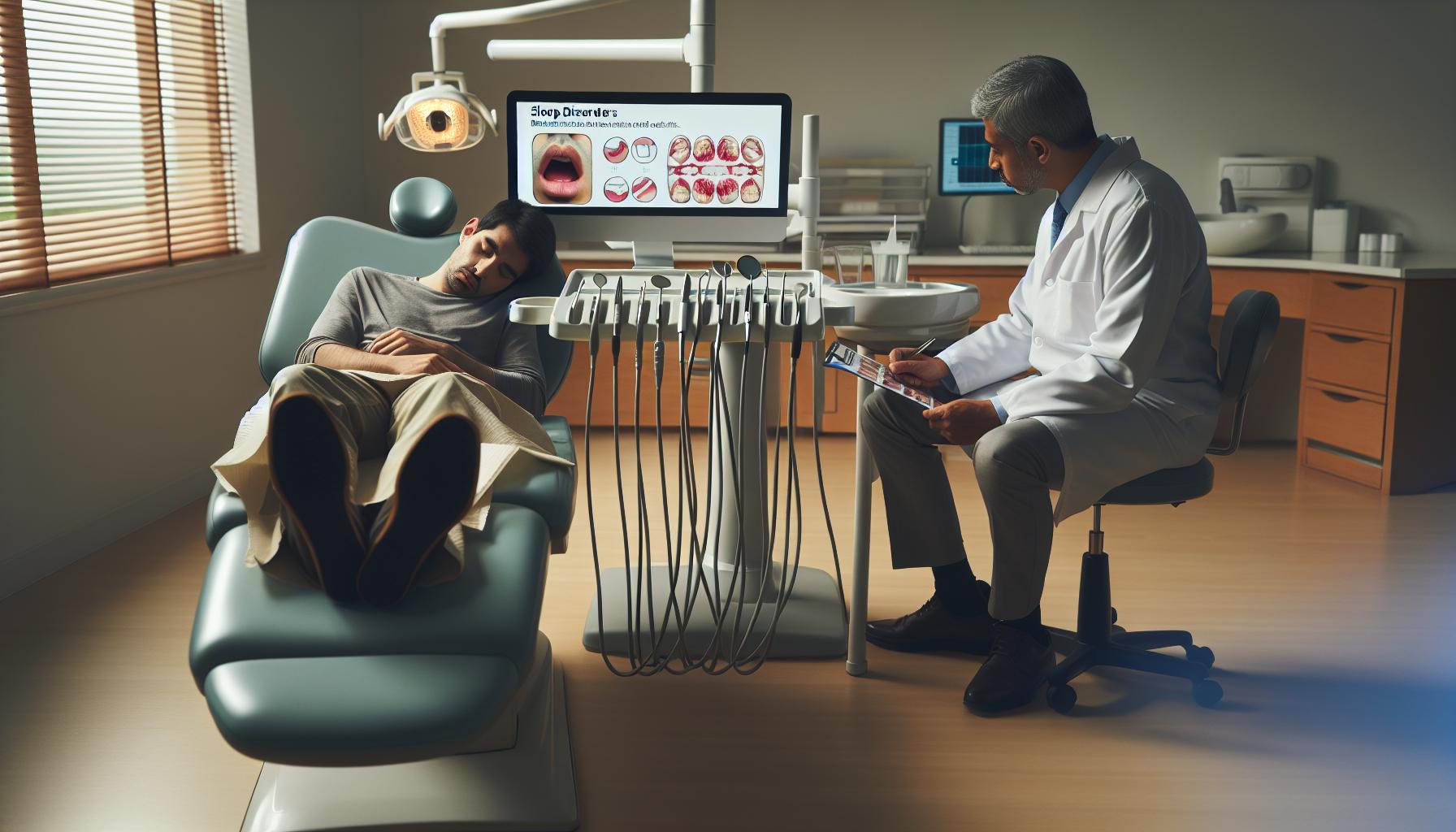
Innovative Sleep Tech: Devices and Wearables Overview
The sleep technology landscape is evolving rapidly, changing the way we understand and manage our sleep health. From smart wearables that track sleep patterns to innovative devices designed to assist in diagnosing sleep disorders, advancements in sleep tech have empowered individuals to take charge of their sleep quality. Today, many consumers are turning to these technologies as preliminary tools to help identify sleep issues before considering more formal avenues like sleep studies.
### Wearable Sleep Trackers
Wearable sleep trackers, such as smartwatches and fitness bands, have become essential companions for those looking to improve their sleep habits. These devices offer features that monitor heart rate, movement, and sleep stages, providing valuable insights into sleep quality. Some popular options include:
- Fitbit Charge Series: Tracks sleep duration, REM cycles, and provides a Sleep Score to simplify assessment.
- Oura Ring: A discreet ring that monitors heart rate variability, body temperature, and sleeping patterns with exceptional accuracy.
- Aura Smart Sleep Mask: Designed to block light and soothe, it offers built-in audio for relaxation and automatic sleep tracking.
While these wearables can help individuals identify patterns and behaviors that impact sleep quality, it’s essential to remember that they should not replace professional diagnoses. If users spot concerning trends, such as frequent awakenings or prolonged periods of wakefulness, a consultation with a dentist or sleep specialist may be warranted.
### Home Sleep Apnea Testing Devices
For those who suspect sleep apnea, home sleep testing devices offer a more comprehensive solution than simple wearables. These compact devices can monitor various physiological indicators relevant to sleep apnea, such as oxygen saturation, breathing patterns, and heart rate. Some notable devices include:
- WatchPAT: A portable device that fits comfortably on the wrist and provides a thorough analysis of sleep apnea.
- ApneaLink Air: This compact device records airflow, respiratory effort, and snoring patterns for analysis.
These devices typically require a prescription from either a dentist or a sleep specialist, aligning with the importance of professional guidance in interpreting the results and pursuing appropriate treatment.
### Cost Considerations and Accessibility
When exploring sleep technology, many consumers wonder about costs associated with wearables and home testing. Wearable trackers generally range from $50 to several hundred dollars, depending on features and brand. Home sleep testing can vary significantly in cost, often falling between $150 and $500, sometimes covered by insurance if a sleep disorder is suspected.
### Conclusion
As technology continues to advance, it offers practical solutions for evaluating and improving sleep health. Understanding the available options allows individuals to make informed choices about their care. It is crucial, however, to recognize that while these technologies can provide insights, they are not a replacement for professional evaluation. Consulting with a dentist or a sleep specialist when necessary ensures a comprehensive approach to sleep health, marrying technology with expert advice for optimal outcomes.
Real-Life Scenarios: When to Seek Professional Help
It’s not uncommon for individuals to overlook signs that may indicate a sleep disorder, dismissing them as temporary phases or merely the side effects of a hectic lifestyle. However, certain persistent symptoms can signal the need for professional assistance, particularly from a dentist familiar with sleep medicine. Acknowledging these signs early on can be crucial for obtaining timely treatment and improving overall quality of life.
### Recognizable Symptoms Requiring a Referral
If you find yourself consistently experiencing any of the following conditions, it may be time to consult a dental professional who can guide you in the right direction:
- Chronic Snoring: If snoring is not only disruptive to your sleep but also to others, it’s a critical sign that should not be ignored. Dentists can assess whether your snoring may be linked to obstructive sleep apnea (OSA).
- Morning Headaches: Regular headaches upon waking can indicate airway obstruction during sleep, potentially pointing toward sleep apnea.
- Daytime Fatigue: Persistent fatigue affecting your daily activities and productivity suggests that your sleep quality is compromised. This is something that warrants a discussion with a dentist.
- Restlessness at Night: Frequent awakenings or a feeling of restlessness during the night may signal deeper issues needing evaluation.
### The Importance of Timely Intervention
Procrastinating a consultation can lead to more significant health concerns down the line. Sleep disorders are interconnected with various medical issues, ranging from cardiovascular disease to diabetes and mental health disorders. If a dentist identifies potential warning signs during a routine checkup, they may refer you for a sleep study to investigate further. This partnership between dental and sleep professionals can provide a comprehensive perspective on your condition.
### Consultative Process with Your Dentist
During your visit, your dentist would likely conduct an evaluation of your oral health and discuss your sleep habits. Depending on the findings, they might either recommend a sleep study or provide you with a device for preliminary assessment. This collaborative approach helps demystify the process-you’re not navigating it alone. It’s beneficial to be honest with your dentist about what you’re experiencing, as this rapport fosters a more effective dialogue about your sleep health.
Taking these steps not only empowers you in the realm of sleep health but also places you on a more informed path toward effective diagnosis and treatment. By understanding when to seek professional help, you can leverage your dentist’s expertise and ensure you are addressing potential sleep issues promptly.
Demystifying Sleep Study Procedures and Expectations
Understanding sleep study procedures can seem daunting, but being informed can significantly ease anxiety and improve your experience. A sleep study, also known as polysomnography, is a comprehensive test used to diagnose sleep disorders such as obstructive sleep apnea (OSA). This examination monitors various bodily functions during sleep, including brain activity, eye movement, heart rate, and breathing patterns. Many people find reassurance in knowing that sleep studies are routine and are often carried out in pleasant, calm environments.
Before the study, a sleep specialist or dentist may perform a preliminary assessment, discussing your symptoms and reviewing your health history. This dialogue helps determine the appropriate type of sleep study for you. There are two main options: in-lab studies conducted at a sleep center and home sleep tests that you can do in the comfort of your own bedroom. In-lab studies typically offer more comprehensive data, while home tests are often simpler and more convenient. Here’s a brief comparison of the two:
| Feature | In-Lab Study | Home Sleep Test |
|---|---|---|
| Environment | Sleep center | Your home |
| Monitoring | Comprehensive (EEG, respiratory, etc.) | Basic (usually focusing on breathing) |
| Comfort | Possibly less comfortable | More comfortable |
| Cost | Generally higher | Generally lower |
Regardless of the type of study, you can expect the setup to be straightforward. For an in-lab test, technicians will attach sensors to key areas of your body before you sleep. Don’t worry-they’ll guide you through the process and ensure you’re comfortable. For a home test, you’ll receive a device that records your data, usually requiring just a few simple steps to set up before bedtime.
Common concerns may arise regarding privacy and discomfort, but it’s important to understand that the healthcare professionals involved are trained to keep everything confidential and to make the experience as smooth as possible. If you’re anxious about the results or the process itself, talk to your dentist or sleep specialist-they can provide insights to alleviate your worries.
In summary, while sleep studies are key tools in diagnosing sleep disorders, they are designed to be as non-invasive and user-friendly as possible. Engaging with your healthcare provider throughout the process ensures you feel prepared and supported, leading to a more successful evaluation of your sleep health.
Tips for Reducing Anxiety Before a Sleep Study
Facing the prospect of a sleep study can be daunting, especially when the stakes feel high and the unknowns loom large. Acknowledging these feelings is the first step in managing them. Research indicates that nearly 40% of individuals experience significant anxiety about undergoing sleep studies, largely due to uncertainty surrounding the process and its implications for their health. However, several helpful strategies can alleviate these concerns, making the experience more manageable and even empowering.
Educate Yourself About the Process
Understanding what to expect during a sleep study is vital for reducing anxiety. Familiarize yourself with the entire procedure, from setup to what happens while you’re monitored overnight. Typically, you’ll have sensors placed on your body to track various physiological parameters, but knowing that technicians are there to guide you can ease nervousness. Consider these points:
- Pre-study Consultation: Schedule a discussion with your dentist or sleep specialist to clarify any doubts.
- Visual Resources: Look for online videos or literature demonstrating a sleep study-seeing it in action can demystify the procedure.
- Know the Data: Understand how the collected data will be used and what it can reveal about your sleep health.
Practice Relaxation Techniques
Prior to your scheduled study, try incorporating relaxation techniques into your daily routine. This can help create a sense of calm heading into the big night. Here are some techniques worth considering:
- Deep Breathing Exercises: Focus on your breath-inhale deeply through your nose, hold for a few seconds, and exhale slowly through your mouth.
- Meditation or Mindfulness: Engaging in mindfulness can center your thoughts. Use apps like Headspace or Calm for guided sessions.
- Gentle Yoga or Stretching: Light physical activity can relieve tension in your body and help you feel more at ease.
Prepare a Comfortable Environment
Since sleep quality is closely tied to your comfort level, take steps to create a soothing experience at home as well. Before the day of your sleep study:
- Choose Comfortable Sleepwear: Wear something loose and cozy to bed that allows you to move freely and feel at ease.
- Control the Sleep Environment: Adjust the room temperature to your preference and consider using blackout curtains or white noise machines to ensure a conducive sleeping environment.
- Create a Bedroom Routine: Establishing a calming bedtime ritual-like reading or listening to soft music-can signal to your body that it’s time to wind down.
By arming yourself with knowledge, embracing relaxation techniques, and personalizing your sleep environment, you can modify the anticipation surrounding your sleep study. Remember, seeking help is a courageous step towards understanding and improving your sleep health. Your dentist is a valuable ally in this journey, equipped to guide you through the entire process.
Comparing Dental Sleep Apnea Devices: Options and Costs
When it comes to treating sleep apnea, dental sleep devices have emerged as effective alternatives to traditional CPAP machines. They work by repositioning the jaw or tongue to keep the airway open during sleep, which can lead to significant improvements in breathing and overall sleep quality. But with various options available, it’s essential to compare their features, costs, and suitability for different patients.
Types of Dental Sleep Apnea Devices
There are primarily two types of dental appliances used for treating obstructive sleep apnea (OSA): Mandibular Advancement Devices (MAD) and Tongue Retaining Devices (TRD).
- Mandibular Advancement Devices (MAD): These devices are custom-fitted to your mouth and work by repositioning the lower jaw slightly forward to prevent airway obstruction. They’re widely regarded for their comfort and effectiveness.
- Tongue Retaining Devices (TRD): A less common option, TRDs hold the tongue in place to maintain an open airway. While they can be effective for some individuals, they may be less comfortable due to their design.
Cost Considerations
Understanding the financial part of obtaining a dental sleep device can help you budget accordingly. Costs can vary significantly based on the appliance type, the dental practice, and whether your insurance covers any portion.
| Device Type | Average Cost | Insurance Coverage |
|---|---|---|
| Mandibular Advancement Device | $1,800 – $2,500 | Often partially covered |
| Tongue Retaining Device | $1,000 – $2,000 | Less commonly covered |
While the up-front investment might seem daunting, many patients find that the quality of sleep and overall health benefits outweigh these costs. Speak with your dentist about payment plans or financing options if needed. Additionally, check with your insurance provider regarding coverage specifics-some policies might cover a portion of the costs for sleep studies or devices, particularly if a physician refers you.
What to Expect When Fitting for a Device
Getting fitted for a dental sleep apnea device is generally a straightforward process. Your dentist will conduct a thorough evaluation, which may include imaging studies or molds of your mouth. This custom approach ensures that the device fits comfortably and effectively addresses your specific condition.
After receiving your appliance, it’s normal to take some time to adjust. Here are a few tips for easing into the use of your new device:
- Start Slowly: Use the device for small increments at first to get accustomed to the sensation.
- Practice Good Oral Hygiene: Maintaining your oral health is essential as these devices can harbor bacteria if not cleaned regularly.
- Follow Up with Your Dentist: Schedule follow-up appointments to ensure the device is functioning as intended and make any adjustments if necessary.
By exploring the different types of dental sleep apnea devices and understanding their costs and processes, you can make informed decisions about your treatment options. Taking a proactive approach to your sleep health not only empowers you but can lead to restorative sleep that enhances your overall quality of life.
Frequently Asked Questions
Q: Can a dentist legally refer a patient to a sleep study?
A: Yes, a dentist can legally refer patients for a sleep study, especially if they suspect sleep apnea or other sleep disorders linked to oral health. While they may not conduct the sleep study themselves, their referral can be crucial for diagnosis and treatment-supporting health through specialized care.
Q: What qualifications should a dentist have to refer for sleep studies?
A: Dentists should have training in sleep medicine to effectively refer patients for sleep studies. This includes understanding sleep apnea symptoms and related conditions. Look for dentists certified in Dental Sleep Medicine (like the American Academy of Dental Sleep Medicine) for reliable guidance.
Q: How can a patient initiate a sleep study referral from their dentist?
A: To initiate a sleep study referral, the patient should express any sleep-related concerns, such as snoring or fatigue, during their dental visit. The dentist will evaluate symptoms and, if necessary, provide a referral to a sleep specialist or order a sleep study directly.
Q: Are there alternative specialists to consider for sleep disorder referrals?
A: Yes, alternative specialists include sleep medicine physicians, pulmonologists, and neurologists. These professionals can offer detailed evaluations and treatments for sleep disorders. Each specialist provides unique insight, ensuring comprehensive care based on specific sleep issues.
Q: How do home sleep studies differ from in-lab studies?
A: Home sleep studies are typically less intrusive and can be done at the patient’s convenience, providing basic measurements of sleep patterns. In-lab studies are more comprehensive, capturing detailed data under professional supervision, which is critical for accurate diagnosis.
Q: What insurance coverage options exist for sleep studies?
A: Many insurance plans cover sleep studies, but coverage varies based on the provider and the medical necessity of the test. It’s advisable for patients to check with their insurance company beforehand and understand out-of-pocket costs. Refer to our “Insurance Insights” section for detailed guidance.
Q: How long should I expect to wait for sleep study results?
A: Typically, sleep study results are available within one to two weeks after the study is completed. The sleep specialist will review your data and provide a comprehensive report to your dentist or referring physician, ensuring timely follow-up on treatment options.
Q: What should I do if my dentist is unable to refer me for a sleep study?
A: If your dentist is unable to provide a referral, consider consulting a primary care physician or a sleep specialist directly. They can evaluate your symptoms and recommend appropriate sleep studies tailored to your health needs.
Key Takeaways
As we’ve explored, dentists can play a pivotal role in identifying sleep disorders and recommending sleep studies. If you’re considering your options, remember that actionable steps are available to you today. Explore our articles on the differences between home sleep tests and in-lab studies, as well as how to interpret sleep study results. Don’t hesitate to reach out if you have more questions about costs, preparations, or devices-our dedicated resources are just a click away.
Feeling overwhelmed? You’re not alone. Our expert guides can help simplify the process and reduce anxiety about sleep testing. Take control of your sleep health today! Subscribe to our newsletter for the latest insights or consult our team to find the best solutions tailored for you. Your journey to better sleep starts now-let’s make informed choices together.