
Are you tossing and turning at night, struggling to get quality rest? You’re not alone-sleep disorders affect millions and can severely impact your daily life. Understanding sleep diagnostics is crucial for transforming your sleep experience. From polysomnography (traditional sleep studies) to innovative home testing options, each method unveils insights into your sleep patterns and potential issues like sleep apnea. This guide aims to demystify the testing processes and technologies available to you, empowering you with the knowledge to make informed decisions about your sleep health. Explore how the right sleep study can pave the way for better rest and rejuvenation. Your journey to restorative sleep starts here!
Understanding Sleep Diagnostics: Why It Matters
Sleep is not just a passive state; it is a complex process crucial to our overall well-being. Understanding sleep diagnostics can be the key to unlocking improved sleep quality and, ultimately, a better quality of life. Many people suffer from sleep-related issues without recognizing their impact on daily function. Sleep diagnostics help identify issues such as sleep apnea, insomnia, and restless leg syndrome, allowing for targeted treatment that can significantly enhance both health and performance.
When we think about why sleep diagnostics matter, it’s essential to understand their role in detecting disorders that can lead to serious health complications if left untreated. For instance, untreated sleep apnea can increase the risk of cardiovascular problems, affect mental health, and even diminish cognitive function. By utilizing tests like polysomnography, which assesses your sleep cycles and brain activity, healthcare professionals can gather invaluable data that leads to personalized treatment plans. Furthermore, advancements in home sleep testing have made these diagnostics more accessible and less intimidating than traditional lab settings, alleviating some anxiety people may feel about undergoing testing.
The benefits of understanding sleep diagnostics extend beyond mere diagnosis; they empower patients. By knowing what to expect from a sleep study, how to prepare, and what the results mean, individuals can take an active role in their health journey. For example, being aware of the different types of sleep tests, such as in-lab polysomnography versus home sleep tests, equips patients with the knowledge to make informed decisions that align with their unique needs and lifestyles. This informed approach can help mitigate the confusion often associated with sleep health, leading to timely intervention and management.
In today’s world, where technology plays an ever-increasing role in health monitoring, wearable sleep devices also offer an accessible way to track and improve sleep patterns. These devices can provide insights into sleep duration and quality, serving as a preliminary check before seeking professional help. However, it is crucial to recognize the limitations of these devices compared to comprehensive sleep diagnostics conducted by specialists. A balanced perspective on these tools can facilitate a better understanding of when to take advantage of professional services versus self-monitoring, ultimately strengthening one’s approach to achieving better sleep health.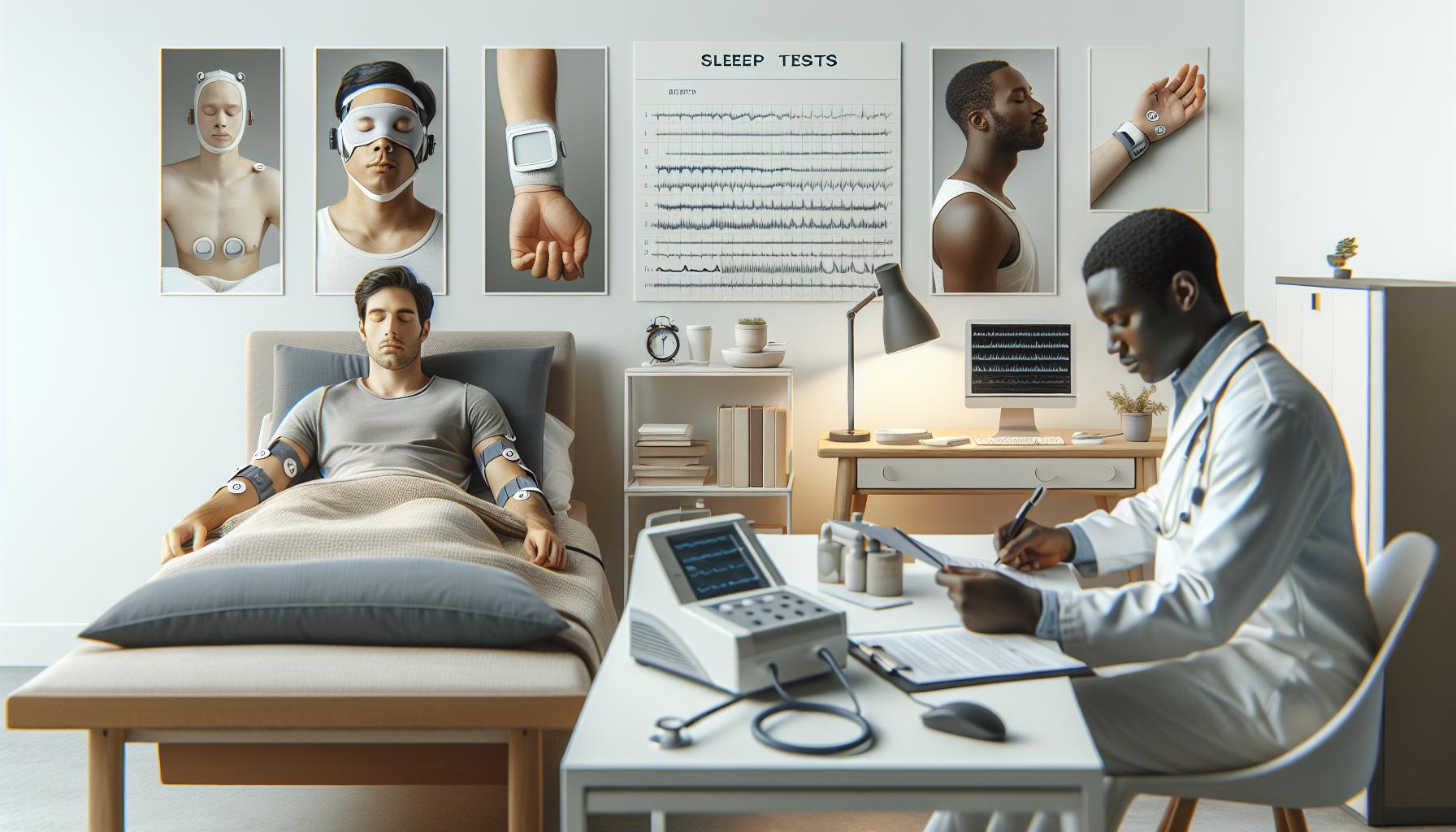
Types of Sleep Tests: An Overview
While sleep is essential for our physical and emotional health, many people struggle to get quality rest due to undiagnosed sleep disorders. Understanding the various types of sleep tests available can empower you to take the necessary steps toward better sleep health, whether you suspect you have a condition like sleep apnea or simply want to learn more about your sleep patterns.
In-Lab Polysomnography
One of the most comprehensive options is in-lab polysomnography, which is often considered the gold standard for sleep diagnostics. This test involves staying overnight in a sleep center where your brain waves, oxygen levels, heart rate, and breathing are continuously monitored. Technicians gather data on various sleep stages, helping pinpoint issues such as sleep apnea, narcolepsy, or REM sleep behavior disorder. Although this option offers a detailed assessment, it can be intimidating for some due to the unfamiliar environment and overnight stay.
Home Sleep Testing
For those who might feel anxious about in-lab tests, home sleep testing is a convenient alternative. Designed to diagnose obstructive sleep apnea (OSA), these tests involve using portable monitoring devices that track your breathing and oxygen levels while you sleep in the comfort of your home. Simplified and less invasive, home sleep tests are attracting many people for their ease of use. However, they may not capture all aspects of sleep disorders, making them less comprehensive than lab tests.
Wearable Devices
With technology evolving, wearable sleep devices have become increasingly popular for monitoring sleep habits. Devices like smartwatches and fitness trackers can provide insights into your sleep duration and quality by tracking movement and heart rate. While these wearables can be beneficial as preliminary tools to gauge your sleep, it’s important to remember that they lack the precision of professional sleep studies. They might indicate when to consult a healthcare provider but should not replace formal testing if a sleep disorder is suspected.
Comparison Summary
To help clarify your options, consider the following comparison of different types of sleep tests:
| Type of Test | Pros | Cons |
|---|---|---|
| In-Lab Polysomnography | Comprehensive data on various sleep stages; monitored by professionals | Can be intimidating; requires overnight stay |
| Home Sleep Testing | More comfortable; conducted at home; good for diagnosing OSA | Less comprehensive; may miss other disorders |
| Wearable Devices | Convenient; easy to use; tracks sleep trends | Limited accuracy; not diagnostic for sleep disorders |
When considering a sleep study, it’s crucial to weigh the benefits and limitations of each method. Understanding your options can help you make informed choices and ultimately lead you toward improving your sleep quality and overall health.
How to Prepare for Your Sleep Study
The thought of undergoing a sleep study can be daunting, but proper preparation can transform the experience into a smooth and enlightening process. Understanding what to expect and how to prepare can ease anxiety and improve the quality of your sleep study, ultimately leading to better insights into your sleep health.
To start, it’s essential to understand the logistics of your sleep study. If you’re attending an in-lab polysomnography, know that you will typically stay overnight at a sleep center. Dress comfortably in loose-fitting clothing and bring items that help you relax and sleep better, such as your favorite pillow or blanket. Make sure to arrive with clean hair and skin; avoid using oils, sprays, or any products that can interfere with sensor attachments.
For those opting for a home sleep test, the preparation is slightly different but equally crucial. Your healthcare provider may send a portable monitoring device to your home or provide instructions on how to pick it up. The device will often include sensors for measuring your breathing and heart rate. Confirm that you understand how to connect and wear the device correctly before your test night. Following the provider’s guidelines for setup and timing is key to ensuring accurate results.
Here are some additional tips to consider:
- Avoid stimulants: Stay away from caffeine and nicotine for at least 24 hours before your test, as these can disrupt sleep patterns.
- Medication check: Consult with your healthcare provider about any medications you’re taking. They may advise you to alter your routine or stop certain medications for the night.
- Sleep schedule: Try to maintain your regular sleep schedule leading up to the study. Going to bed and waking up at the same time each day can help your body prepare for the test.
Remember, the goal of the sleep study is to understand your unique sleep patterns and identify any disorders. Being well-prepared not only enhances your comfort level but also contributes to the accuracy of the data collected during the study. Embrace this opportunity to gain insights into your sleep health-an essential step toward better rest and overall well-being.
What to Expect During a Sleep Test
Undergoing a sleep test can feel overwhelming, but understanding what to anticipate can significantly alleviate your anxiety. Whether you’re having an in-lab polysomnography or a home sleep test, the process is designed to be as comfortable as possible while still providing vital data about your sleep health.
As you enter the sleep center for an in-lab study, you’ll be greeted by a sleep technician who will guide you through the process. After a brief orientation, you will be asked to settle into a private room where you can relax. The technician will apply sensors to your scalp, face, chest, and legs to monitor brain waves, heart rate, and breathing patterns-this is completely painless. You may be required to wear a nasal cannula to measure airflow, along with a pulse oximeter on your finger to monitor your blood oxygen levels. Expect to feel a bit of wiring, but technicians are trained to ensure that you’re as comfortable as possible throughout the night.
For those utilizing a home sleep test, the experience differs but is just as crucial. You will receive a portable device that records essential sleep metrics such as oxygen levels, heart rate, and respiratory effort. Before your test, it’s vital to familiarize yourself with the equipment-make sure you understand how to set it up and wear it correctly. Some devices will have small sensors that are easy to attach, while others may require a bit more setup. At bedtime, follow the instructions provided by your healthcare provider, ensuring you’re in a quiet, comfortable environment conducive to sleep.
Regardless of where you undergo the sleep study, expect to sleep with various devices attached and perhaps feel a bit restless at first. Most people adapt and find the experience is manageable. Remember, the data collected during your sleep study is invaluable in diagnosing potential sleep disorders such as sleep apnea, insomnia, or restless leg syndrome. Your healthcare provider will analyze the information and reach out with results, helping you take the next steps toward better sleep health. Embrace the experience as a crucial step in understanding your unique sleep patterns-it’s an opportunity to enhance your overall well-being.
Decoding Polysomnography: The Gold Standard
Polysomnography, often referred to as a sleep study, remains the gold standard for diagnosing sleep disorders. This comprehensive test captures various sleep metrics, offering invaluable insights into the intricacies of your sleep patterns, ultimately empowering you to improve your sleep health. During this detailed assessment, the quality of your sleep-along with relevant physiological parameters-is meticulously monitored. This not only helps identify common issues like sleep apnea, insomnia, and restless leg syndrome but also uncovers more obscure disturbances that may be affecting your overall well-being.
When you undergo polysomnography, expect a setup that might initially feel overwhelming but is relatively simple. The process typically involves the use of various sensors placed on your body to monitor brain wave activity, heart rate, breathing patterns, and even blood oxygen levels. These sensors, attached to your scalp, face, and chest, are painless and designed to collect data throughout the night. Although you may experience some discomfort from the wiring, the technicians are specially trained to ensure your comfort, making adjustments as necessary.
The results of polysomnography are meticulously analyzed by specialists who translate the sleep data into actionable insights. This translates into a better understanding of your unique sleep architecture-including how long you spend in each sleep stage (light, deep, and REM) and how often you experience disturbances. With this knowledge, your healthcare provider can tailor a treatment plan specifically for your sleep challenges, whether that involves lifestyle changes, therapy, or medical interventions.
While polysomnography is the most definitive sleep study available, it’s crucial to recognize its distinction from home sleep tests, which provide valuable but often limited data. Home tests, while convenient, may not capture the full range of metrics that a lab-based polysomnography can. It’s essential to discuss the appropriate testing options with your healthcare provider to ensure that you’re receiving the most suitable evaluation for your sleep concerns. With an informed approach to your sleep health, you can take proactive steps toward better rest and overall wellness.
Home Sleep Testing vs. In-Lab Testing
When it comes to understanding your sleep health, choosing between home sleep testing and in-lab testing can feel overwhelming. Both options have their advantages and drawbacks, which can impact the quality of the information you collect about your sleep patterns. A key factor to consider is the depth of data each method provides: in-lab testing, typically through polysomnography, captures comprehensive details about your sleep stages, heart rate, and respiration, while home testing offers a more basic overview of breathing patterns and oxygen levels.
In-lab testing usually occurs in a sleep clinic. During this overnight stay, medical professionals attach sensors to your scalp, chest, and limbs, allowing them to monitor a wide range of physiological responses throughout the night. Expect to sleep in a controlled environment where technicians can respond to any issues that may arise, ensuring your comfort throughout the study. This thorough approach is particularly beneficial when diagnosing complex sleep disorders such as sleep apnea or narcolepsy.
Conversely, home sleep tests are designed for convenience and can be a great alternative for those who may be anxious about sleeping in a clinic setting. These portable devices typically measure essential data like airflow and oxygen saturation from the comfort of your bed. However, it’s crucial to recognize their limitations; home tests often lack the sensitivity and comprehensive metrics provided by in-lab studies. They may miss subtle issues that could be critical for a thorough diagnosis.
Ultimately, selecting the right test depends on your specific needs. If you’re experiencing severe sleep disturbances or unexplained daytime fatigue, an in-lab study may be essential. However, if sleep apnea is suspected and your doctor deems it appropriate, a home test may suffice. Discussing your symptoms and concerns with your healthcare provider is vital for making a well-informed decision that will guide your next steps to better sleep health.
Wearable Devices: Monitoring Sleep at Home
Wearable technology has transformed how we monitor our health, and sleep is no exception. From fitness trackers to dedicated sleep devices, these gadgets can provide valuable insights into your sleep patterns and overall rest quality. Understanding how to effectively use these tools can empower you to make informed decisions about your sleep health.
When considering a wearable device for sleep monitoring, it’s essential to know what these gadgets typically measure. Most track essential metrics like:
- Sleep Duration: How long you sleep each night.
- Sleep Stages: Time spent in light, deep, and REM sleep.
- Heart Rate: Fluctuations throughout the night can indicate changes in sleep quality.
- Movement: How much you toss and turn, which may highlight restlessness.
While wearables are convenient, they have limitations. Many rely on algorithms to estimate sleep stages based on movement and heart rate, which may not be as accurate as polysomnography found in a sleep lab. It’s important to set realistic expectations and understand that while wearables can highlight patterns or general trends, they may miss subtle issues related to sleep disorders like sleep apnea or insomnia.
Setting up a sleep monitoring device is typically straightforward, often involving pairing the device with a smartphone app. These apps allow you to view nightly reports and trends over time. If you notice consistent disruptions in your sleep cycle, such as frequent awakenings or insufficient deep sleep, it may be time to consult a healthcare provider. They can determine if further testing, like a home sleep study or in-lab evaluation, is necessary to gain deeper insights into your sleep health.
Ultimately, wearable devices can be a valuable part of your sleep health journey, helping to illuminate patterns that guide further exploration and enhancements in your sleep quality.
Interpreting Sleep Test Results: A Simple Guide
Understanding your sleep test results can feel overwhelming, but breaking them down into digestible parts can empower you to take charge of your sleep health. Sleep studies gather vital information about your sleep patterns and potential disorders, making it crucial to interpret these findings clearly. Whether you’re using a home sleep apnea test or undergoing polysomnography, let’s explore what those numbers and metrics truly mean for your well-being.
The primary outcome of a sleep study is the identification of sleep disorders. Common conditions like sleep apnea, insomnia, or restless leg syndrome are diagnosed based on specific indicators captured during the study. For instance, during polysomnography, several physiological parameters such as brain waves, oxygen levels, heart rate, and breathing patterns are monitored. The presence and frequency of apneas (pauses in breathing) and hypopneas (shallow breathing) are critical for diagnosing conditions like obstructive sleep apnea, where interruptions in breathing can disturb your sleep and lead to more severe health complications.
Key Metrics to Consider
When reviewing your sleep test results, focus on the following key metrics:
- AHI (Apnea Hypopnea Index): This number indicates the severity of your sleep apnea-classified into mild, moderate, or severe. Higher values reflect more frequent breathing disruptions.
- Sleep Stages: Information on the time spent in each sleep stage (light, deep, REM) can reveal how restorative your sleep is. Healthy sleep involves adequate time in deep and REM sleep.
- Oxygen Saturation: Monitoring your blood oxygen levels helps assess the overall health of your respiratory function during sleep. Drop in oxygen levels may signal sleep-related breathing issues.
Understanding these metrics assists you in discussing your results with your healthcare provider, enabling a more informed conversation about potential treatment options.
Navigating your Next Steps
Interpreting test results is only the beginning; consider what steps you should take next. If your results indicate a sleep disorder, your provider might recommend interventions such as lifestyle changes, CPAP therapy for sleep apnea, or cognitive-behavioral therapy for insomnia. On the other hand, if your sleep study reveals you have healthy sleep patterns but you still feel fatigued, you might explore other contributing factors like stress, nutrition, or lifestyle habits.
Ultimately, recognizing the nuances in your sleep study results is vital to enhancing your sleep quality and overall health. Don’t hesitate to ask your healthcare provider questions about any figures or terms that seem unclear to you. Taking the time to understand your sleep health will empower you to make better lifestyle choices and pursue necessary treatments, guiding you toward a more restful nights ahead.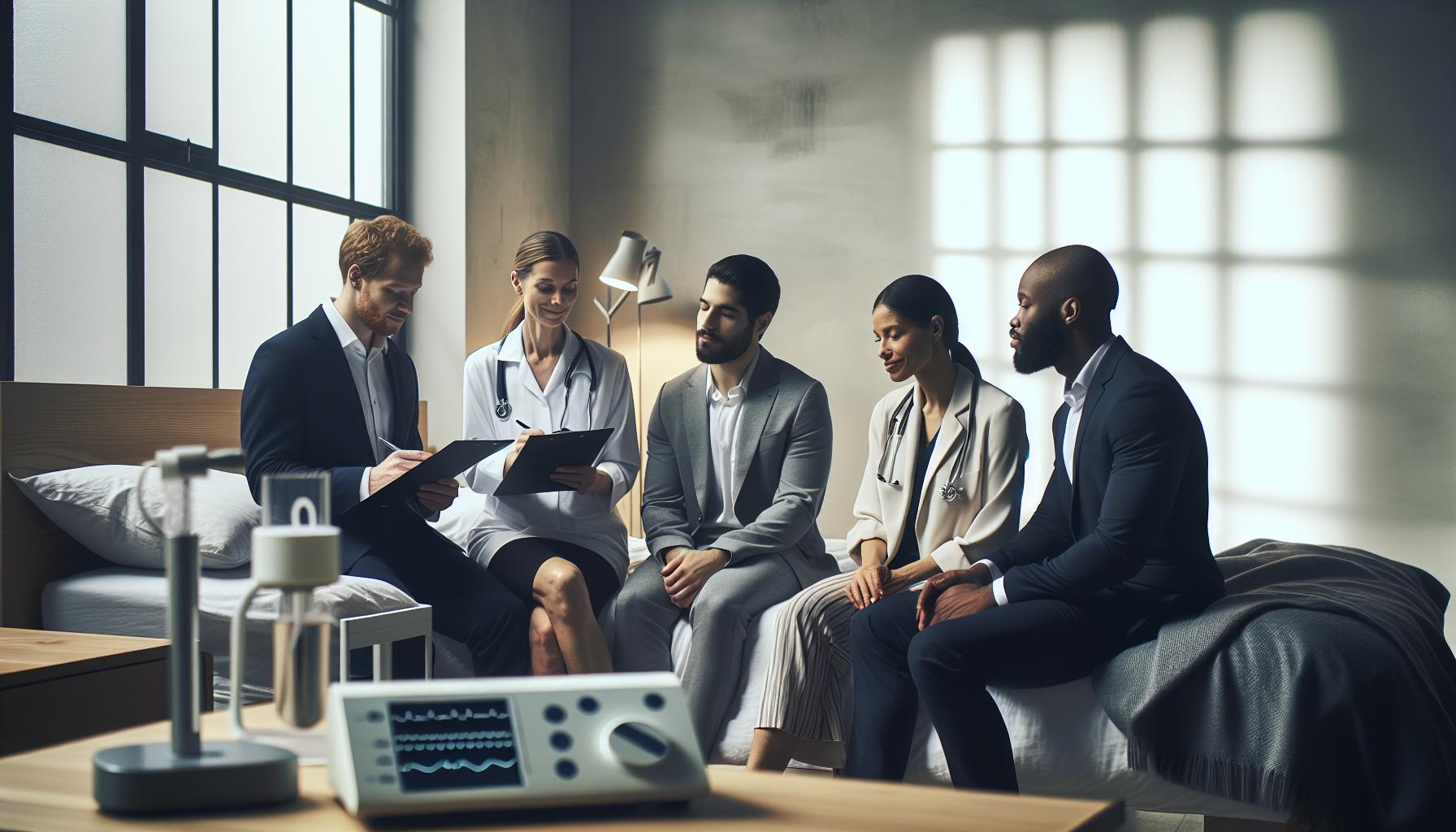
Common Sleep Disorders Identified Through Testing
Sleep disorders can significantly affect your quality of life, and many people remain unaware that their symptoms may be tied to underlying issues that can be identified through testing. Recognizing these common sleep disorders is the first step toward improving your sleep health. Below are some of the most prevalent conditions diagnosed through sleep studies.
Obstructive Sleep Apnea (OSA)
Obstructive sleep apnea is one of the most common sleep disorders, characterized by repeated pauses in breathing during sleep due to blocked upper airways. Symptoms include loud snoring, gasping for air during sleep, and excessive daytime fatigue. Diagnosing OSA typically involves monitoring the Apnea Hypopnea Index (AHI), which measures the frequency of these breathing disruptions. If diagnosed, treatments may include lifestyle changes, CPAP (Continuous Positive Airway Pressure) therapy, or even surgery in severe cases.
Insomnia
Insomnia is marked by difficulty falling asleep, staying asleep, or waking too early. This disorder can lead to significant daytime impairments due to fatigue, mood swings, and difficulties concentrating. Sleep studies can help determine if the insomnia is primary or related to other factors, such as sleep apnea. Effective treatments may include cognitive-behavioral therapy for insomnia (CBT-I) or changes to sleep hygiene practices.
Restless Legs Syndrome (RLS)
Restless Legs Syndrome is characterized by uncomfortable sensations in the legs, often accompanied by an irresistible urge to move them, particularly during the evening or night. This movement is often a temporary relief, but it can lead to difficulty falling asleep. Sleep studies that include leg movement monitoring can help diagnose RLS, and treatments may range from lifestyle adjustments to medications.
Periodic Limb Movement Disorder (PLMD)
Similar to RLS, Periodic Limb Movement Disorder involves involuntary leg movements during sleep. These movements can disrupt sleep, leading to daytime fatigue. PLMD is typically diagnosed during a polysomnography study, observing the frequency and duration of leg movements during sleep. Treatment may involve medications or lifestyle changes.
Understanding these disorders empowers you to communicate effectively with healthcare providers. If you notice symptoms aligning with any of these conditions, consider seeking a sleep study for proper diagnosis and guidance on effective treatment options. Recognizing and addressing sleep disorders can lead to not only better sleep but also improved overall health and quality of life.
Insurance and Sleep Studies: What You Need to Know
Navigating insurance coverage for sleep studies can often feel like a daunting task, yet it’s a crucial part of ensuring you receive the necessary care for your sleep health. Many people are surprised to learn that most health insurance plans cover some form of sleep testing, particularly if it is deemed medically necessary. However, the extent of coverage can vary significantly depending on your specific plan and provider. It’s essential to verify coverage details before proceeding.
Understanding Coverage Options
To start, contact your insurance provider to understand what types of sleep studies are covered. Here are some key points to inquire about:
- Type of Study: Ask whether both in-lab polysomnography and home sleep apnea tests are included in your benefits.
- Referral Requirements: Confirm if you need a referral from your primary care physician or a sleep specialist to initiate the process.
- Pre-Authorization: Some plans may require pre-authorization for coverage, especially for in-lab studies.
- Out-of-Pocket Costs: Learn about copays, deductibles, and coinsurance rates that may apply.
What to Expect During the Process
Once you understand your coverage, preparing for a sleep study is next. If approved, your provider will guide you on how to set up the test, whether at home or in a sleep lab. For a home sleep test, you’ll typically receive a portable device that monitors your sleep patterns and other critical data like oxygen levels, heart rate, and breathing patterns. Make sure you return the device promptly to ensure timely processing of results.
Real-World Example
Imagine a scenario where a patient, Jane, experiences severe daytime fatigue and loud snoring. After consulting her doctor, they recommend a sleep study to rule out obstructive sleep apnea. Before scheduling, Jane calls her insurance company to check if the study is covered. She learns that in-home testing is covered if authorized by her physician, saving her money while still providing her with the insights needed to address her sleep issues.
In conclusion, understanding your insurance coverage for sleep studies not only helps in alleviating financial stress but also empowers you to take charge of your sleep health. With the right knowledge and preparation, you can successfully navigate the complexities of insurance and embark on your journey towards better sleep.
Transforming Your Sleep: Next Steps After Testing
Understanding the results from your sleep study can be a transformative moment in your life. Whether you’ve been experiencing chronic fatigue, disruptive snoring, or unexplained sleep issues, the outcomes of your test will guide you on the path to improved sleep quality. After reviewing your results with your healthcare provider, the next steps involve taking actionable steps toward better sleep hygiene, lifestyle modifications, and possibly treatment options.
Interpreting Your Results
It’s essential to take the time to fully understand what the results mean. Your doctor will explain key aspects, such as whether you have sleep apnea, insomnia, or another sleep disorder. This clarity will empower you to make informed decisions moving forward. For those diagnosed with obstructive sleep apnea, for example, a common recommendation is the use of Continuous Positive Airway Pressure (CPAP) therapy. This device helps keep your airways open during sleep, significantly reducing interruptions.
Implementing Lifestyle Changes
Beyond medical interventions, lifestyle changes can dramatically improve your sleep health. Here are a few strategies that commonly benefit those with diagnosed sleep disorders:
- Establish a Sleep Routine: Aim to go to bed and wake up at the same time every day to regulate your body clock.
- Create a Sleep-Inducing Environment: Keep your bedroom dark, quiet, and cool. Consider using blackout curtains or white noise machines.
- Avoid Stimulants: Limit caffeine and nicotine intake, especially in the hours leading up to bedtime.
Exploring Treatment Options
Depending on your diagnosis, several treatment options may be available. Here’s a brief overview:
| Treatment Type | Purpose | Common Tools/Methods |
|---|---|---|
| CPAP Therapy | Keep airways open during sleep | CPAP machine, masks |
| Cognitive Behavioral Therapy for Insomnia (CBT-I) | Treat chronic insomnia | Therapist-guided sessions, sleep tracking |
| Medications | Manage symptoms related to sleep disorders | Prescription sleep aids, antidepressants |
By taking action based on the recommendations derived from your sleep study, you can significantly enhance your sleep quality and overall well-being. Remember, it’s about finding the right balance of medical intervention and personal lifestyle adjustments to transform your sleep experience. As you embrace these changes, keep a positive mindset and be patient with yourself-improvements may take time, but a restful night’s sleep is well worth the effort.
Real Stories: When to Seek Professional Help
Recognizing when to seek professional help for sleep issues can be a daunting task, especially in a world where sleep disturbances seem almost commonplace. However, knowing the signs can guide you toward getting the rest you deserve. For instance, if you frequently wake up feeling groggy or struggle to stay awake during the day, it’s crucial to consider a sleep study. Your sleep quality is more than just a personal comfort; it’s a vital component of your overall health. Conditions like sleep apnea can lead to severe long-term consequences if left unchecked.
Many people write off their nighttime struggles as just part of life-occasional insomnia, snoring, or general fatigue. But when these issues become persistent, it’s time to take action. If your partner notices you regularly gasping for air during sleep or if you experience severe morning headaches, these red flags should not be ignored. Such symptoms often warrant a more in-depth evaluation through sleep diagnostics, helping to pinpoint conditions that can affect your health far beyond the bedroom.
Another consideration is when your sleep problems are accompanied by daytime impacts-you’re irritable, have difficulty concentrating, or find it hard to perform daily tasks. These could indicate an underlying disorder that needs addressing. A sleep study, whether at home or in a clinic, can offer valuable insights. Your healthcare provider can use the data collected during the study to create a treatment plan tailored to your specific needs, such as Continuous Positive Airway Pressure (CPAP) for obstructive sleep apnea or Cognitive Behavioral Therapy for insomnia.
In this journey, it’s essential to seek help not only for immediate relief but also to enhance your overall well-being. If you’re contemplating consulting a sleep specialist, consider keeping a sleep diary to track your patterns, symptoms, and how they affect your routine. It can provide useful insights during your consultation and strengthen your case for attending a sleep study. Embracing this proactive approach can lead to a significant overhaul in your sleep quality and daily experience, setting you on the path to restorative slumber and vibrant health.
Exploring Advanced Sleep Technologies: Emerging Options
Advancements in sleep technology are revolutionizing how we understand and improve our sleep experiences. From wearables to sophisticated in-lab tests, these tools are becoming increasingly accessible, allowing individuals to take charge of their sleep health. Imagine being able to monitor your sleep patterns from the comfort of your home or receiving data-driven feedback to enhance your nightly rest.
Types of Emerging Sleep Technologies
- Wearable Devices: These smart gadgets, such as fitness trackers and smartwatches, analyze your sleep cycles by monitoring heart rate, movement, and even oxygen levels. Many users enjoy the convenience of tracking their sleep without needing to visit a clinic. However, while convenient, remember that their accuracy can vary, so it’s wise to consult with a professional for severe sleep issues.
- Smart Mattresses: Companies like Eight Sleep produce advanced mattresses that not only track your sleep but also regulate temperature to optimize comfort. These technologies can enhance your sleep quality significantly but can be an investment, ranging from several hundred to a few thousand dollars depending on features.
- Home Sleep Testing Devices: Devices designed for at-home testing can diagnose conditions such as obstructive sleep apnea by collecting data on your breathing and heart rate while you sleep. These tests are usually less invasive and more comfortable than traditional lab studies, providing a valuable option for many individuals.
Cost and Accessibility
Costs for these technologies can vary widely. While wearables may range from $50 to $300, home testing kits can be priced between $150 and $500, depending on the complexity of the test. It’s essential to check with your insurance provider as many plans are beginning to cover sleep studies, particularly those deemed medically necessary. This coverage can lessen the financial burden and encourage more people to seek help for their sleep disorders.
While these emerging technologies offer exciting opportunities for better sleep, understanding their capabilities and limitations is crucial. For instance, while wearables provide insights, they lack the comprehensive data gathered through polysomnography-considered the gold standard in sleep testing. So, for those who experience symptoms of sleep disorders, a mix of technology and professional evaluation is often the best path forward. By embracing these tools and understanding when to seek further assistance, you can take significant steps toward improving your sleep health.
Q&A
Q: What is a sleep study and why is it essential?
A: A sleep study, or polysomnography, is a test that records brain waves, oxygen levels, heart rate, and breathing during sleep. It is essential for diagnosing sleep disorders like sleep apnea and insomnia, helping to tailor effective treatment plans for better sleep health.
Q: How can sleep diagnostics improve my sleep quality?
A: Sleep diagnostics identify underlying sleep disorders and disruptions, enabling tailored treatment. By understanding your sleep patterns, healthcare providers can recommend lifestyle changes, therapies, or devices to enhance sleep quality and overall health.
Q: Are home sleep tests as effective as in-lab studies?
A: Yes, home sleep tests can be effective for diagnosing conditions like sleep apnea, offering convenience and comfort. However, in-lab studies provide comprehensive data and are preferable for complex sleep issues. Each approach has its advantages based on individual needs.
Q: How should I prepare for a sleep study?
A: Preparation includes avoiding caffeine and heavy meals before the test, and informing your doctor about medications. It’s essential to follow specific guidelines to ensure accurate results. Read more in the section on preparing for your sleep study.
Q: What are common sleep disorders detected through sleep diagnostics?
A: Common disorders include obstructive sleep apnea, insomnia, restless legs syndrome, and narcolepsy. Diagnostic tests help pinpoint these issues, enabling targeted treatment to improve sleep quality.
Q: What can I expect on the night of my sleep study?
A: During your sleep study, you’ll be monitored in a comfortable setting with sensors attached to track various sleep metrics. Expect minimal disruption to your sleep routine as the equipment is designed for your comfort.
Q: How do I interpret the results of my sleep study?
A: Your sleep study results will show sleep stages, breathing patterns, and any abnormalities. Discussing these findings with your healthcare provider will clarify your diagnosis and recommend appropriate next steps for treatment.
Q: What steps should I take if I suspect I have a sleep disorder?
A: If you suspect a sleep disorder, consult a healthcare professional who can evaluate your symptoms and recommend a sleep study. Early diagnosis leads to timely solutions and improved sleep health. Explore more on the next steps after testing in our article.
In Conclusion
Understanding sleep diagnostics is crucial for transforming your sleep health. If you’re dealing with issues like insomnia or sleep apnea, testing can provide valuable insights to guide your treatment. Remember, exploring options like home sleep studies or wearables can empower you to take control of your sleep journey. For further information on sleep studies, comparison of testing devices, or expert advice on navigating insurance, check out our detailed guides on sleep studies and sleep technology.
Don’t let another restless night pass by-take the first step towards better sleep today. Consider signing up for our newsletter for ongoing tips and strategies or scheduling a consultation with our sleep health professionals. Your path to restorative sleep starts here, and we’re here to support you every step of the way! Share your thoughts below or connect with us to learn more about optimizing your sleep health.
Get our latest guides, news, and insights highlighted in your Google Search & AI Overviews.