
Did you know that nearly one in three adults suffers from sleep disorders? As sleep health becomes a crucial component of overall well-being, staying updated on the latest advancements in sleep testing is more important than ever. “Sleep Diagnostics News: Breaking Updates in Sleep Testing” is your go-to source for empowering insights, guiding you through the complexities of sleep studies, wearable technologies, and innovative diagnostic tools. Whether you’re seeking to understand the nuances of polysomnography or curious about the latest at-home testing options, this is the resource for you. Our mission is to demystify sleep testing, providing you with the information you need to make informed decisions for your health. Keep reading to unlock valuable resources that can enhance your sleep quality and overall health!
The Importance of Sleep Testing for Health
Understanding the crucial role of sleep testing can be a game-changer for your health. Did you know that approximately 70 million Americans suffer from sleep disorders? Many of these issues go undiagnosed and untreated, leading to severe consequences like chronic fatigue, cardiovascular problems, and even mental health issues. Sleep testing is not just for those who snore loudly or feel sleepy during the day; it plays a pivotal role in diagnosing a variety of sleep disorders, helping individuals reclaim their quality of life.
What makes sleep testing essential is its ability to unveil underlying problems that individuals might not be aware of. Conditions such as sleep apnea, restless legs syndrome, and insomnia can significantly impact daily functioning and overall health. Polysomnography, the most comprehensive sleep study, records your brain activity, breathing patterns, heart rate, and more while you sleep. This data provides valuable insights that can guide clinicians in deciding the most effective treatment plans. Moreover, early diagnosis through sleep studies allows for immediate lifestyle adjustments or interventions that can prevent more severe health consequences down the road.
Understanding that sleep affects every facet of our lives can empower individuals to take action. If you’re experiencing symptoms like excessive daytime sleepiness, loud snoring, or difficulty focusing, reaching out for a sleep study could be your first step toward better health. Comprehensive testing not only clarifies what’s happening during sleep but can also open up discussions about treatment options, from lifestyle changes to CPAP machines for sleep apnea. Ultimately, prioritizing sleep testing is about investing in your health, ensuring you have the information needed to function at your best every day.
Understanding Common Sleep Disorders
Sleep disorders are more than just an inconvenience; they can profoundly impact your physical health, mental well-being, and overall quality of life. In fact, common sleep disorders such as sleep apnea, insomnia, and restless legs syndrome affect millions of people, often without them realizing the extent of their condition. Understanding these disorders is crucial, as early recognition and appropriate testing can lead to effective treatments that significantly improve daily functioning and health.
Sleep Apnea
One of the most prevalent sleep disorders, sleep apnea, involves repeated interruptions in breathing during sleep. This condition primarily affects men and people who are overweight, but it can occur in anyone. Symptoms include loud snoring, gasping for air during sleep, and excessive daytime sleepiness. If left untreated, sleep apnea can lead to serious complications, such as high blood pressure, heart disease, and diabetes. An overnight sleep study (polysomnography) is typically recommended to diagnose this disorder, providing insights into the frequency and duration of breathing interruptions.
Insomnia
Insomnia, characterized by difficulties in falling or staying asleep, can stem from various factors, including stress, anxiety, and medical conditions. This disorder can be acute (short-term) or chronic (long-lasting), and it affects your ability to function effectively during the day. Individuals with insomnia might find themselves struggling with mood swings, fatigue, and concentration issues. Cognitive Behavioral Therapy for Insomnia (CBT-I) is often the recommended treatment, but a sleep study may be useful for individuals whose insomnia is linked to other sleep disorders.
Restless Legs Syndrome (RLS)
Another common condition is restless legs syndrome (RLS), which causes uncomfortable sensations in the legs and an urge to move them, particularly at night. This condition can disrupt sleep and lead to significant discomfort during the day. RLS is often associated with other medical conditions, including iron deficiency and certain neurological disorders. A sleep study can help differentiate RLS from other sleep disorders and guide treatment options.
Understanding these common sleep disorders not only aids in identifying potential symptoms but also paves the way for proactive health measures. If you recognize any of these conditions in yourself or loved ones, consider discussing them with a healthcare provider. Early intervention is key in reclaiming restful sleep and, with it, a healthier life.
Polysomnography: What to Expect from Your Sleep Study

Polysomnography, often referred to as a sleep study, is a crucial diagnostic tool for understanding your sleep patterns and is key for diagnosing various sleep disorders. During this overnight test, your brainwaves, heart rate, oxygen levels, and breathing patterns will be monitored as you sleep. This comprehensive approach allows healthcare providers to gather detailed data about your sleep stages, making it easier to identify issues like sleep apnea, insomnia, and restless legs syndrome.
Preparing for your sleep study is straightforward, yet it’s essential for optimal results. Before the test, ensure you maintain your regular sleep schedule. Avoid caffeine and alcohol within 24 hours of your appointment, and come dressed in comfortable clothing. A trained technician will attach small sensors to your scalp, face, chest, and legs before you settle in for the night. You may feel a bit anxious about the setup, but rest assured, these sensors are non-invasive and won’t cause any discomfort.
During the study, you’ll be in a quiet, private room designed to create a restful atmosphere. The technician will monitor you from an adjacent room. It’s normal to experience some initial difficulty falling asleep due to the unfamiliar environment and equipment, but remember, the goal is to capture your natural sleep patterns. The findings from your polysomnography will be analyzed by a sleep specialist, who will prepare a report highlighting indicators of various sleep disturbances.
In terms of costs, sleep studies can vary significantly based on your location and whether they are conducted in a lab or at home. While some insurance plans may cover the cost, it’s essential to confirm your coverage beforehand. Understanding the specifics of your insurance can save you from unexpected expenses. Overall, polysomnography offers invaluable insights into your sleep health, paving the way for targeted treatments and improved overall well-being.
Comparing At-Home Sleep Tests vs. In-Lab Studies
At-home sleep tests and in-lab studies provide valuable insights into your sleep patterns, but they each offer distinct advantages and limitations. Understanding these differences can help you make an informed decision about the best option for your sleep assessment.
At-Home Sleep Tests
At-home sleep tests have surged in popularity due to their convenience and accessibility. These tests typically involve a portable monitoring device that you wear while sleeping in your own bed, significantly reducing the anxiety associated with sleeping in an unfamiliar setting. You can expect a setup that includes a few sensors attached to your body, often positioned on your fingers, chest, and sometimes your forehead, similar to how a pulse oximeter works. The data collected generally covers aspects like breathing patterns, oxygen levels, and heart rate, making it particularly efficient for diagnosing conditions like obstructive sleep apnea.
However, it’s important to recognize the limitations of at-home tests. While they are easier and often more affordable-costing between $150 to $400 depending on the provider-they may not capture the complete picture of your sleep health. Complex disorders may require more extensive monitoring that encompasses brain activity, eye movement, and muscle tone, which are primarily analyzed in a clinical environment.
In-Lab Studies
In-lab polysomnography remains the gold standard for diagnosing sleep disorders. These comprehensive sleep studies provide a detailed analysis of your sleep cycles and any disturbances by monitoring a wide range of physiological signals, including EEG patterns for brain waves, eye movements, and muscle activity. The technician overseeing your study can observe you throughout the night and make adjustments as needed, offering a level of care in real-time that home tests simply cannot provide.
While in-lab studies are thorough, they also come with challenges such as higher costs-often ranging from $1,000 to $3,000 depending on the facility and your insurance coverage-and potential discomfort due to the presence of wires and sensors. Many people find it harder to relax and fall asleep in a clinic setting, which could affect the quality of the data collected.
Making the Right Choice
Ultimately, the choice between at-home sleep tests and in-lab studies depends on your specific needs and symptoms. If you suspect sleep apnea or have straightforward sleep issues, an at-home test may suffice. However, if you experience complex sleep disorders, have a history of other health problems, or require a comprehensive evaluation, an in-lab study would be a better fit.
It’s essential to consult with a healthcare provider to discuss your symptoms and determine the most appropriate testing option. Remember, the goal of any sleep assessment is to help guide you toward improved sleep and overall health.
Innovative Wearable Sleep Trackers: How Do They Work?
Wearable sleep trackers are transforming how we monitor our sleep health, making sophisticated sleep insights accessible to anyone with a wristband or headband. These innovative devices leverage advanced technology to collect data on various sleep parameters, helping users understand their sleep patterns and improve overall quality. But how exactly do these gadgets work, and what should you know before incorporating one into your nightly routine?
Most wearable sleep trackers function by utilizing sensors that measure physiological signals throughout the night. Common metrics include heart rate, movement, and sometimes even blood oxygen levels. Some devices use an accelerometer to detect movement, allowing them to estimate sleep stages-light, deep, and REM sleep-based on how still you are during the night. More advanced models may incorporate additional sensors, like electrocardiograms (ECGs), for deeper insights into sleep quality and health conditions such as sleep apnea.
Key Features to Consider
When choosing a wearable sleep tracker, several features can help you make an informed decision:
- Accuracy: Look for devices with validated sleep tracking features; reviews often highlight their reliability.
- Battery Life: Consider how long the device can run on a single charge, as some may require frequent recharging.
- Compatibility: Ensure the wearable integrates with your smartphone or other health apps for easier data management.
- Comfort: Since you’ll wear it overnight, the design should be comfortable and not restrictive.
While wearable trackers provide valuable information, they do have limitations. For instance, many devices might misinterpret movements or fail to recognize light versus deep sleep accurately. They often lack the comprehensive analysis provided by a formal sleep study, which measures brain activity and other physiological signals in a clinical setting.
Ultimately, wearables can offer useful insights and help encourage better sleep habits, but they should not replace professional evaluation for more complex sleep disorders. For anyone struggling with persistent sleep issues, consult a healthcare provider for a full assessment where necessary. By combining the insights from a wearable device with professional guidance, you can pave the way towards restful nights and improved health.
Latest Advances in Sleep Diagnostics Technology
As technology continues to evolve, so too does the field of sleep diagnostics, bringing exciting advancements that make sleep testing more accessible and informative than ever before. New innovations are not only enhancing the accuracy of sleep studies but are also streamlining the process for patients, allowing for greater insight into sleep patterns and disorders.
One of the most promising advances in sleep diagnostics is the integration of artificial intelligence (AI) and machine learning algorithms. These technologies analyze vast amounts of sleep data to identify patterns and anomalies that may not be evident through traditional methods. For instance, AI-driven software can process polysomnography data to produce detailed reports faster than human analysts, pinpointing issues such as sleep apnea and other disorders with remarkable precision.
Home-Based Testing Solutions
Home sleep testing devices are gaining popularity due to their convenience and cost-effectiveness. Modern devices, such as portable polysomnography units, capture essential data like brain waves, oxygen saturation, and heart rate in a home setting. This allows individuals to undergo sleep testing without the anxiety often associated with clinical environments. These at-home tests are supported by advances in sensor technology, making them incredibly reliable, and they are often recommended for preliminary assessments of sleep apnea.
Wearable Technology
Wearable devices are also transforming sleep diagnostics. Newer models offer advanced features such as continuous heart rate monitoring, sleep stage tracking, and even temperature regulation. For example, some wearables utilize skin temperature and heart rate variability to gauge sleep quality and provide personalized feedback to improve sleep habits. This real-time data collection empowers users to make informed decisions about their sleep health, acting as an adjunct to more formal sleep studies.
As the landscape of sleep diagnostics evolves, it remains essential for individuals to understand the tools available to them. Combining traditional sleep studies with cutting-edge technology allows for a more comprehensive view of one’s sleep health. While wearables and home-testing devices offer valuable insights, they should be complemented by professional evaluations for a thorough understanding of any underlying sleep issues. This balanced approach can pave the way for better sleep quality and improved overall health, giving individuals the tools they need for restful nights.
Navigating the Sleep Test Process: Step-by-Step Guide
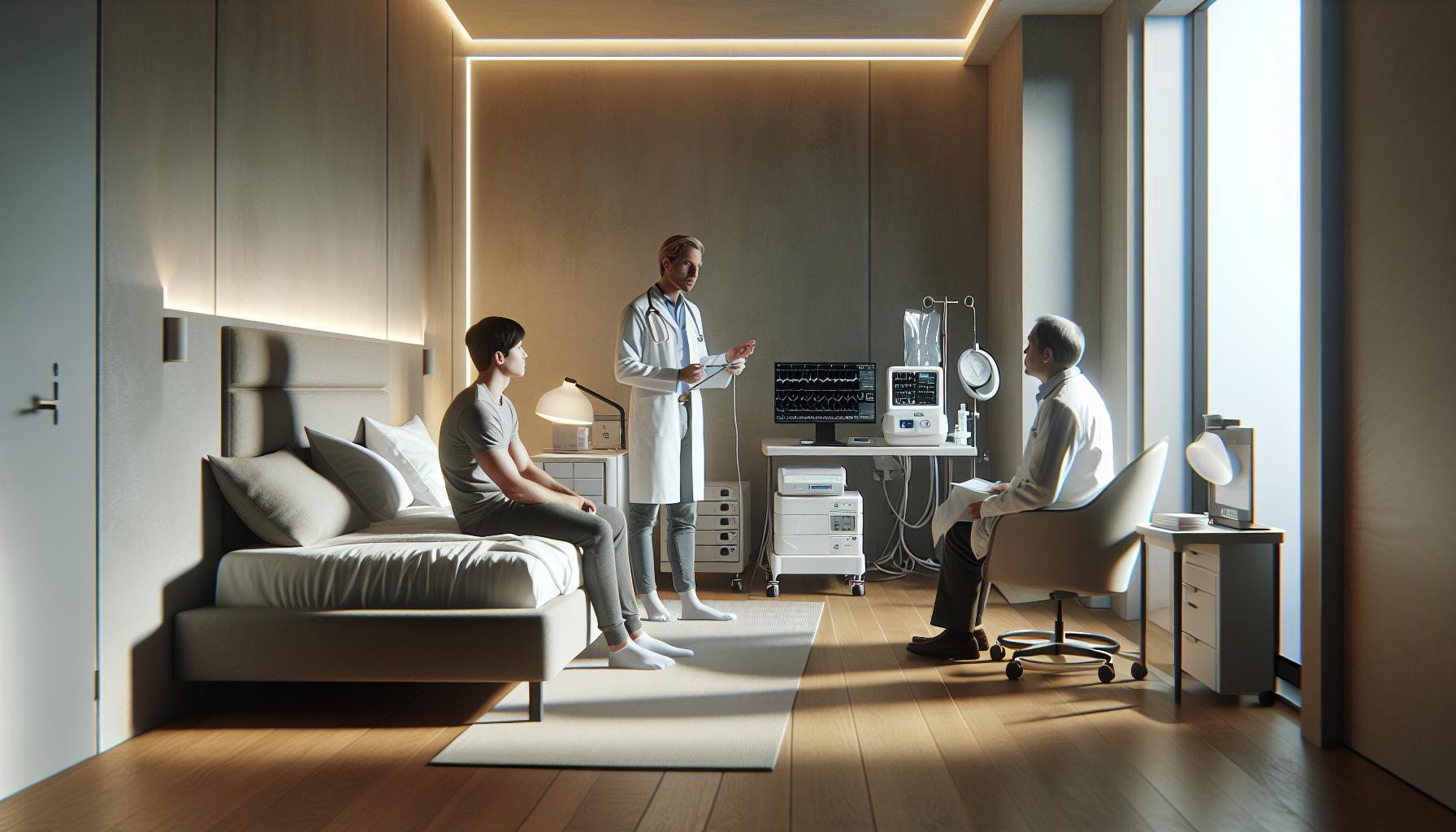
Navigating the journey of sleep testing can be pivotal for anyone suffering from sleep issues, yet it often feels daunting. Knowing what to expect at each stage can ease anxiety and prepare you for the process ahead. Here’s a step-by-step guide to help you through the sleep test process, ensuring you make informed choices every step of the way.
Start by consulting with your healthcare provider. During this initial appointment, discuss your sleep patterns and any symptoms like excessive daytime sleepiness or loud snoring. Your doctor may ask you to keep a sleep diary for a couple of weeks, documenting your sleep habits and any disturbances. This record will provide valuable insights and help your physician determine if a sleep study is necessary.
Types of Sleep Tests
There are mainly two types of sleep tests you may encounter: in-lab polysomnography and home sleep tests. In-lab studies are comprehensive and monitored by professionals who can collect a wide array of physiological data, such as brain waves, oxygen levels, and heart rates. These tests can be beneficial for diagnosing complex sleep disorders like sleep apnea. On the other hand, home sleep tests are more convenient and less intimidating. They typically focus on diagnosing sleep apnea and require fewer sensors, allowing you to sleep in your own bed.
Preparation for Your Test
Before the day of your test, follow any specific instructions given by your doctor or sleep center. For in-lab studies, avoid caffeine and alcohol for at least 24 hours before your appointment, and maintain a regular sleep schedule. Make sure to arrive at the testing facility with all necessary items, including medications or sleep aids you normally use. For home tests, you’ll need to familiarize yourself with the devices involved. A technician will explain how to set up the equipment, which usually includes sensors for your finger, chest, and nasal airflow.
During the Sleep Test
When you arrive for an in-lab study, expect a comfortable, quiet environment. Technicians will place sensors on your skin and scalp, which may feel slightly uncomfortable but are generally painless. Home sleep tests usually involve simpler setup processes where you wear a device throughout the night. It’s important to follow all provided instructions closely to ensure accurate results.
Once you’ve completed your sleep study, the data will be analyzed by a specialist. During follow-up visits, they will explain your results in understandable terms, helping you navigate any treatment options based on your diagnosis.
Being well-informed about the sleep test process will not only ease your apprehension but also empower you to take control of your sleep health. Whether you are contemplating an in-lab study or opting for a home test, each step you take brings you closer to understanding and improving your sleep quality.
How to Prepare for Your Sleep Study
Preparing for a sleep study can seem overwhelming, but it doesn’t have to be. Understanding what you need to do before the test can help alleviate anxiety and set you up for success. The goal is to gather accurate data to help diagnose any sleep disorders you may have, so making the right preparations is crucial.
Start by following any specific instructions provided by your healthcare provider or sleep center. Common recommendations include:
- Avoiding Caffeine and Alcohol: Try to refrain from these stimulants for at least 24 hours before your study. Both can disrupt your natural sleep patterns and influence the test results.
- Maintaining a Regular Sleep Schedule: Prioritize going to bed and waking up at your usual times in the days leading up to the study to keep your body’s internal clock balanced.
- Bring Necessary Items: On the day of your test, pack any medications or sleep aids you normally use, along with comfortable sleep clothing. If it’s an in-lab study, you might also want to bring your favorite pillow or blanket to help you feel more at ease in an unfamiliar setting.
For home sleep tests, it’s essential to familiarize yourself with the equipment. Typically, a technician will guide you through how to set up the device, which usually includes attaching sensors to monitor your breathing, heart rate, and blood oxygen levels. Don’t hesitate to ask questions about the process to ensure you’re comfortable with every step.
Finally, consider keeping a sleep diary in the week leading up to the study. Record your sleep patterns, how you feel when you wake up, and any symptoms you’re experiencing. This information can provide valuable insights to your healthcare provider, aiding in your diagnosis and treatment plan. By getting ready properly, you empower yourself to take control of your sleep health journey.
Interpreting Sleep Study Results: A Simple Breakdown
Understanding the results of your sleep study is crucial for taking control of your sleep health. After undergoing a polysomnography, you may feel a mix of anticipation and confusion as you await your results. It’s important to remember that these results are not just numbers; they provide a window into how well you sleep and whether there are underlying issues affecting your rest.
Polysomnography measures several key metrics during your sleep, including brain activity (EEG), eye movements, heart rate, respiratory effort, and blood oxygen levels. The report will typically detail the following components:
- Sleep Stages: You will see the distribution of your sleep cycles across non-REM and REM stages. Healthy adults usually experience several cycles of both types each night.
- Apnea Events: If you have sleep apnea, the report will highlight the frequency and duration of your apnea episodes-periods when airflow is interrupted during sleep.
- Overall Sleep Quality: Metrics such as total sleep time, sleep efficiency (time spent asleep vs. time in bed), and the number of arousals will help gauge how restful your sleep was.
Understanding these key metrics is essential. For example, a high number of apnea events might indicate a need for further intervention, such as CPAP therapy, while low sleep efficiency might point to insomnia or other sleep disorders. If the report indicates normal sleep patterns but you still experience daytime sleepiness, it can be a vital clue suggesting other issues like poor sleep hygiene or medical problems unrelated to sleep.
It’s advisable to discuss your results with a sleep specialist, who can interpret the data in the context of your symptoms and medical history. Their insights can guide the next steps in your treatment, whether that includes lifestyle changes, additional testing, or referrals to other specialists. Remember, sleep studies are just one part of the larger picture of your health, but they are an invaluable resource in your journey toward better sleep.
Insurance Coverage for Sleep Testing: What You Need to Know
Understanding how insurance coverage works for sleep testing can feel overwhelming, but knowing the basics can help clear the fog. Many sleep studies, including polysomnography, are deemed medically necessary for diagnosing sleep disorders like sleep apnea. This necessity often means they are covered by insurance, but coverage can vary widely depending on your plan. It’s essential to check not only if your insurance covers the test but also what your out-of-pocket expenses might be.
Before undergoing a sleep study, be proactive:
- Verify Coverage: Contact your insurance provider to see if sleep studies are covered under your plan. Ask about any prerequisites, such as a referral from your primary care physician.
- Pre-authorization: Some plans require prior authorization, meaning you’ll need approval before proceeding with the test. Ensure you understand this step to avoid unexpected charges.
- In-Network vs. Out-of-Network: Insurance companies often have preferred networks. If you choose an out-of-network facility, you may face higher costs, or the test could be entirely uncovered.
After the test, it’s wise to review your bill carefully. Sometimes, the costs may not align with the coverage information you received. If you find discrepancies, don’t hesitate to dispute the charges. Hospitals and testing centers can sometimes offer payment plans or financial assistance if you’re left with significant costs after insurance coverage is applied.
By staying informed and proactive, you can navigate the insurance process more effectively, ensuring that your journey toward better sleep doesn’t come with unnecessary financial stress. Remember, while sleep studies can be costly, addressing sleep disorders is crucial for your overall health, making understanding insurance coverage an essential step in your sleep health journey.
Real-Life Scenarios: When to Seek Professional Help

If you’re struggling with sleep issues, knowing when to seek professional help can be crucial. Many people wonder if their sleep struggles are severe enough to warrant a sleep study. Consider this: the National Sleep Foundation reports that 50-70 million adults in the U.S. experience sleep disorders. Not all sleep issues require a formal diagnosis, but recognizing the signs can guide you toward the care you might need.
A common scenario where professional help is essential is when you experience excessive daytime sleepiness despite seemingly adequate sleep at night. This could indicate conditions like sleep apnea or narcolepsy. If loved ones report that you snore loudly or seem to stop breathing during sleep, those are also immediate signs to consult a sleep specialist. Sleep apnea, if left untreated, can lead to serious health complications, including cardiovascular issues.
Check in with a healthcare professional if you’re facing persistent insomnia-defined as trouble falling asleep or staying asleep for three or more nights a week for at least three months. Insomnia can stem from anxiety, depression, or other medical conditions, and a sleep study might be necessary to uncover the underlying causes. An in-depth evaluation can illuminate patterns in your sleep cycles that over-the-counter solutions won’t address.
If you’ve recently begun experiencing restless legs syndrome (RLS), characterized by uncomfortable sensations in the legs and an irresistible urge to move them, it may be time to reach out for further evaluation. This condition can disrupt your sleep and lead to significant daytime fatigue.
In any of these cases, approaching your primary care doctor is a great first step. They can help determine whether a referral for a sleep study is necessary and guide you through the insurance process for testing. Remember, addressing your sleep concerns early can lead to better health outcomes, so don’t hesitate to ask for help when it’s needed.
Future Trends in Sleep Diagnostics and Testing
The landscape of sleep diagnostics is rapidly evolving, driven by advancements in technology and an increasing awareness of the critical role sleep plays in overall health. As we move into a new era of sleep testing, several innovative trends have emerged that promise to enhance the way we understand and manage sleep disorders.
One significant trend is the rise of wearable technology. Devices such as smartwatches and fitness trackers equipped with sleep monitoring capabilities provide users with daily insights into their sleep patterns. These wearables use sensors to track sleep duration, quality, and even interruptions, allowing users to make informed lifestyle adjustments. The convenience of wearing a device that operates in real-time can also encourage individuals to seek formal evaluations when abnormalities are detected, such as irregular sleep stages or excessive snoring.
Additionally, the advent of artificial intelligence in sleep analytics is revolutionizing how sleep studies are conducted. AI algorithms analyze data collected during polysomnography tests-like EEG, EOG, and EMG readings-to identify patterns that may indicate underlying disorders. This not only speeds up the diagnostic process but also increases the accuracy of results. Enhanced software tools can assist sleep professionals by highlighting areas of concern that require further investigation, making the path to accurate diagnosis much clearer for both patients and providers.
Home Sleep Testing Innovations
The trend towards home sleep tests is also gaining traction as a more accessible alternative to traditional in-lab studies. These portable monitoring devices are designed for comfort and ease, allowing patients to conduct tests in their own sleep environment. Recent advancements have improved the reliability of these home setups, making them a viable option for diagnosing conditions like obstructive sleep apnea. Patients often prefer the familiarity of their own homes, which can lead to more accurate results. This shift not only reduces costs associated with in-lab testing but also expands access for individuals who previously might have faced barriers, such as long wait times or travel difficulties.
Telehealth Integration in Sleep Care
Finally, the integration of telehealth services into sleep medicine presents a significant benefit for patients seeking evaluation and treatment. Virtual consultations with sleep specialists can simplify the process of gathering a comprehensive history and discussing test results without the burden of travel. This approach increases patient engagement, allowing for follow-ups and ongoing management of sleep disorders in a more convenient manner.
As these trends in sleep diagnostics continue to develop, consumers will benefit from enhanced options tailored to individual needs. By staying informed about these advancements, patients can make proactive choices regarding their sleep health, taking critical steps toward achieving better rest and overall wellness.
Frequently Asked Questions
Q: What are the latest trends in sleep testing technology?
A: Latest trends in sleep testing technology include the use of advanced wearables and mobile applications that monitor sleep patterns in real-time. These innovations provide data on sleep quality and disturbances, enhancing traditional methods like polysomnography. Explore our section on Latest Advances in Sleep Diagnostics Technology for more information.
Q: How can I improve my sleep before a sleep study?
A: To improve your sleep quality before a study, maintain a consistent sleep schedule, avoid caffeine and alcohol, and create a comfortable sleep environment. Minimizing stress and screen time before bed can also help. For more tips, see our guide on How to Prepare for Your Sleep Study.
Q: What are the signs that I need a sleep study?
A: If you experience symptoms like persistent snoring, excessive daytime sleepiness, or trouble concentrating, it might be time for a sleep study. These signs often indicate underlying sleep disorders. More details can be found in our section on Real-Life Scenarios: When to Seek Professional Help.
Q: How is sleep apnea diagnosed in sleep studies?
A: Sleep apnea is diagnosed through the monitoring of breathing patterns, oxygen levels, and sleep stages during a sleep study. Analyzing these metrics helps determine the severity and type of apnea. For comprehensive insights, refer to our section on Interpreting Sleep Study Results.
Q: What is the role of insurance in sleep testing?
A: Insurance plays a significant role in covering the costs of sleep testing, typically requiring pre-authorization. Coverage may vary, so contacting your provider can clarify what is included. Learn more in our article on Insurance Coverage for Sleep Testing: What You Need to Know.
Q: Are at-home sleep tests as effective as in-lab studies?
A: At-home sleep tests can be effective for diagnosing conditions like sleep apnea but may lack the comprehensive data provided by in-lab studies. However, they are more convenient and less invasive. For a detailed comparison, check our section on Comparing At-Home Sleep Tests vs. In-Lab Studies.
Q: What can I expect during a polysomnography sleep study?
A: During a polysomnography sleep study, you’ll be monitored while you sleep through multiple channels, including brain waves, heart rate, and breathing patterns. Expect a comfortable environment with trained professionals. For a detailed overview, explore our section on Polysomnography: What to Expect from Your Sleep Study.
Q: How do wearable sleep trackers compare to traditional sleep studies?
A: Wearable sleep trackers offer convenience and ongoing monitoring but may lack the precision of traditional sleep studies. They are excellent for tracking patterns over time but should not replace comprehensive evaluations. For further insights, check out our section on Innovative Wearable Sleep Trackers: How Do They Work?.
Key Takeaways
Thank you for joining us for the latest updates in “Sleep Diagnostics News.” As we continue to explore the evolving landscape of sleep testing, remember that understanding your sleep health is a crucial step toward improved well-being. If you have concerns about your sleep patterns, don’t hesitate-consider scheduling a comprehensive sleep study or exploring wearable devices tailored to your needs.
Dive deeper into our resources on polysomnography and the benefits of connected sleep technologies. Be sure to check out our guide on navigating insurance for sleep studies and practical tips for optimizing your sleep environment. Your journey to better sleep starts now, and we’re here to support you every step of the way.
Don’t forget to share your thoughts in the comments below or sign up for our newsletter to stay informed on the latest in sleep research and innovations. Together, let’s unlock the secrets to a restful night!
Get our latest guides, news, and insights highlighted in your Google Search & AI Overviews.