
Did you know that nearly one in three American adults fail to get enough sleep? If you’re struggling with sleep issues, a sleep study might be the key to unlocking better rest. But what exactly happens inside a sleep lab? In this article, we’ll explore how sleep studies work, what to expect during the process, and how they can provide valuable insights into your sleep patterns. Understanding what goes on in the lab can alleviate any anxiety you might feel about the experience, empowering you to take steps toward improved sleep health. Whether you’re dealing with insomnia, sleep apnea, or just curious about your sleep quality, knowing how these studies operate will help you make informed decisions about your sleep journey. So, let’s dive in and uncover the science behind the sleep lab experience!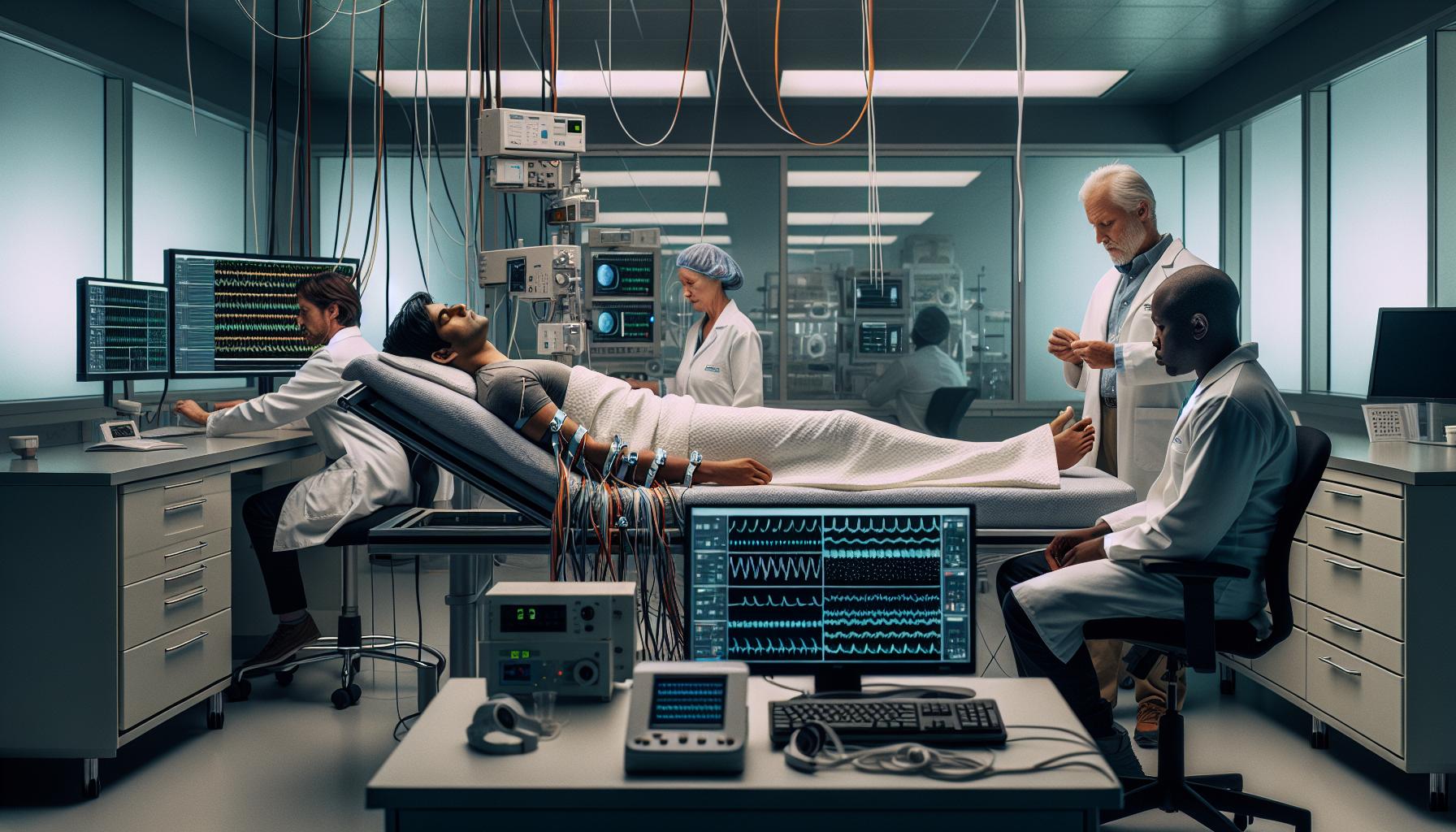
What is a Sleep Study and Why Do It?
A sleep study is essential for diagnosing and understanding various sleep disorders that can impair health and well-being. It involves monitoring your sleep patterns and physiological functions during the night in a controlled environment, allowing healthcare professionals to gather critical data. According to the National Heart, Lung, and Blood Institute, sleep studies help identify issues like sleep apnea, insomnia, and other disturbances that can lead to serious health problems if left unchecked. These disorders not only affect your quality of sleep but also result in daytime fatigue, difficulty concentrating, and even increased risk for chronic conditions.
Understanding the purpose of a sleep study helps alleviate any anxiety about the procedure. People often wonder why these tests are necessary; the answer lies in their ability to provide a detailed overview of sleep stages and behaviors. During a sleep study, a variety of sensors are used to capture data such as brain activity, heart rate, oxygen levels, and muscle activity. This comprehensive monitoring helps physicians pinpoint specific issues and tailor treatment plans effectively. If you’re experiencing persistent sleep disturbances or unusual fatigue, a sleep study might be the crucial step towards regaining your health and energy.
The environment of a sleep study is designed to be as comfortable as possible, making it similar to a hotel stay. You’re equipped with monitors that track your body’s signals throughout the night, so understanding how the process works can ease your apprehension. While a sleep study is an important diagnostic tool, recognizing when to seek one is equally vital. If you frequently experience symptoms like loud snoring, pauses in breathing during sleep, or cannot stay awake during the day, discussing the possibility of a sleep study with your healthcare provider is advisable.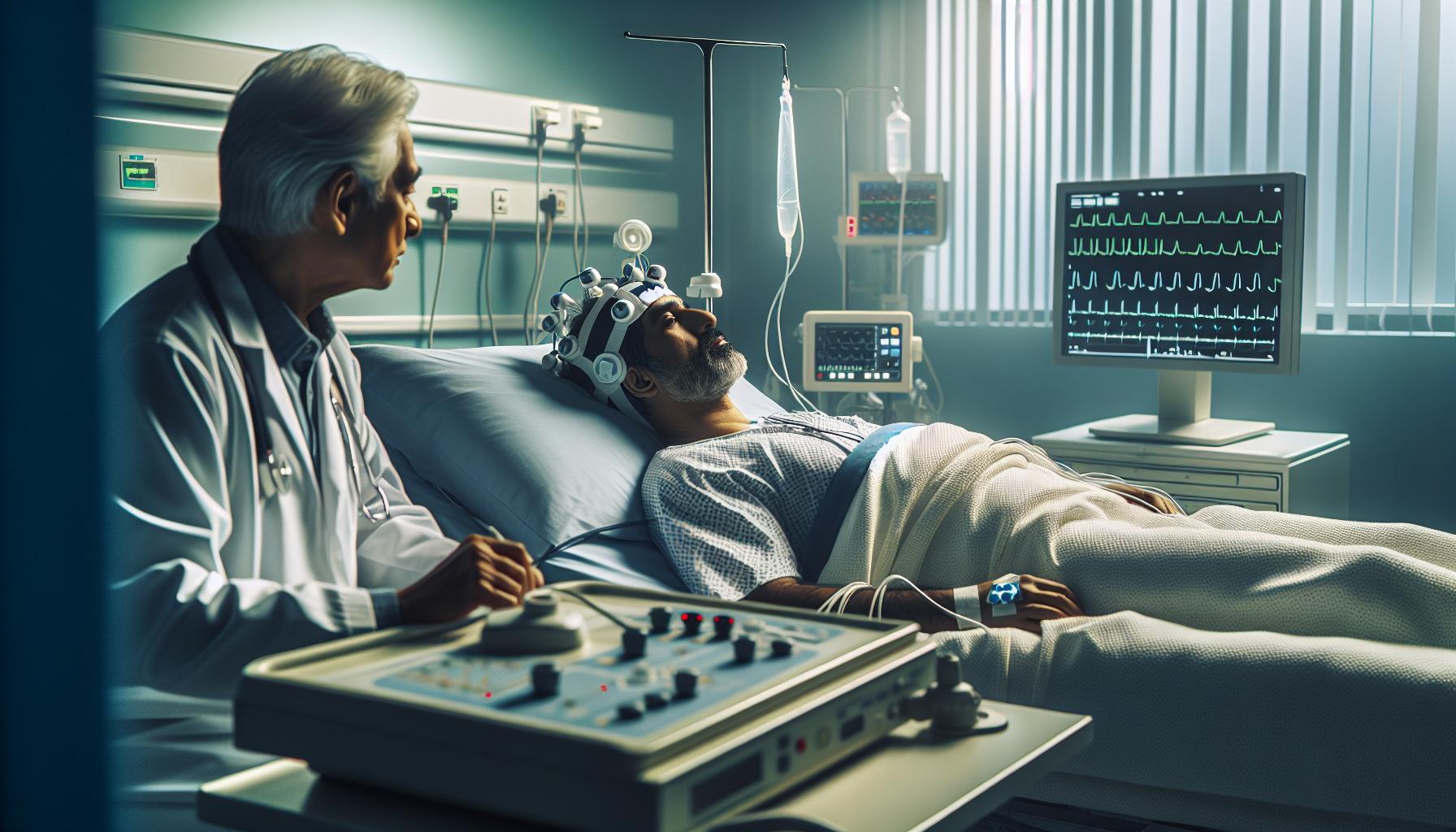
How a Sleep Study Works: The Process Explained
During a sleep study, also known as a polysomnography, your body undergoes comprehensive monitoring that offers insights into your sleep patterns and any potential disorders. The process is both thorough and intricate, designed to capture critical data that might explain sleepless nights or excessive daytime fatigue. As you enter the sleep lab, you’ll be greeted by a comfortable and calming environment, which helps ease any anxieties you may have about the process. This setup mimics a home-like atmosphere so you can relax and prepare for a good night’s sleep.
The study itself typically begins with the setup of sensors and electrodes, which are placed on your scalp, face, chest, and limbs. These devices are crucial, as they collect a variety of data. For instance, they monitor brain waves, heart rate, blood oxygen levels, and muscle activity. This extensive data collection allows healthcare providers to observe different sleep stages, including Rapid Eye Movement (REM) and non-REM sleep, and assess how often disturbances occur during the night.
What Happens During Your Sleep Study
As you settle in for the night, the sleep technologist will ensure your comfort and monitor the equipment. Most sleep studies are conducted over the course of one night, during which you will be connected to these sensors. It’s essential to know that while these instruments may feel unusual at first, they are designed to be as minimally invasive as possible. The data collected will allow doctors to analyze your sleep architecture and pinpoint any abnormalities.
After the study, the recorded data is analyzed. Physicians will review the patterns of your sleep stages, any interruptions, and other physiological responses throughout the night. This holistic picture is crucial for diagnosing issues such as sleep apnea, insomnia, or other sleep-related disorders. By understanding how your body behaves during sleep, healthcare professionals can develop tailored treatment plans that fit your specific needs.
In essence, the sleep study process is a vital step towards understanding your sleep health. If you’re struggling with sleep issues, embracing this diagnostic tool can lead to actionable insights and improved overall wellness.
Preparing for Your Sleep Study: Essential Steps
Preparing for a sleep study can feel daunting, but taking a few essential steps can help you feel more at ease and ensure that your study goes smoothly. One critical aspect is to discuss any medications you’re currently taking with your healthcare provider, as some might affect your sleep patterns or the results of the study. It’s also advisable to keep a sleep diary in the days leading up to the test. Documenting your sleep habits, including bedtime, wake-up time, and any disturbances, provides valuable insights that can help the sleep specialists during the assessment.
You’ll need to plan your evening carefully before the sleep study. Avoid caffeine and alcohol for at least 24 hours before the test, as these substances can disrupt your sleep cycle. Additionally, dress comfortably and consider wearing loose-fitting clothing, as this will help you relax during the night. When packing for the lab, remember to bring any items that can help you feel comfortable, such as your favorite sleep mask or a small pillow. The right environment can significantly ease any nerves, allowing you to focus on the study instead of feeling anxious about your surroundings.
Once you arrive at the sleep lab, you will probably have to fill out some paperwork and undergo a brief consultation. The staff will explain what to expect and answer any questions you may have, ensuring you feel prepared. The setup process involves placing sensors on your body to monitor various physiological functions, such as brain activity and heart rate. Although it may seem intimidating, these sensors are non-invasive and structured to minimize discomfort. Understanding the setup can reduce anxiety, allowing you to sleep more soundly during your study.
Finally, remind yourself that the sleep study is a crucial step in understanding your sleep health. By accurately documenting how you sleep and identifying any underlying issues, you’re taking significant steps towards better rest and overall wellbeing. So, approach the evening of your sleep study with an open mind and the confidence that you’re prioritizing your health.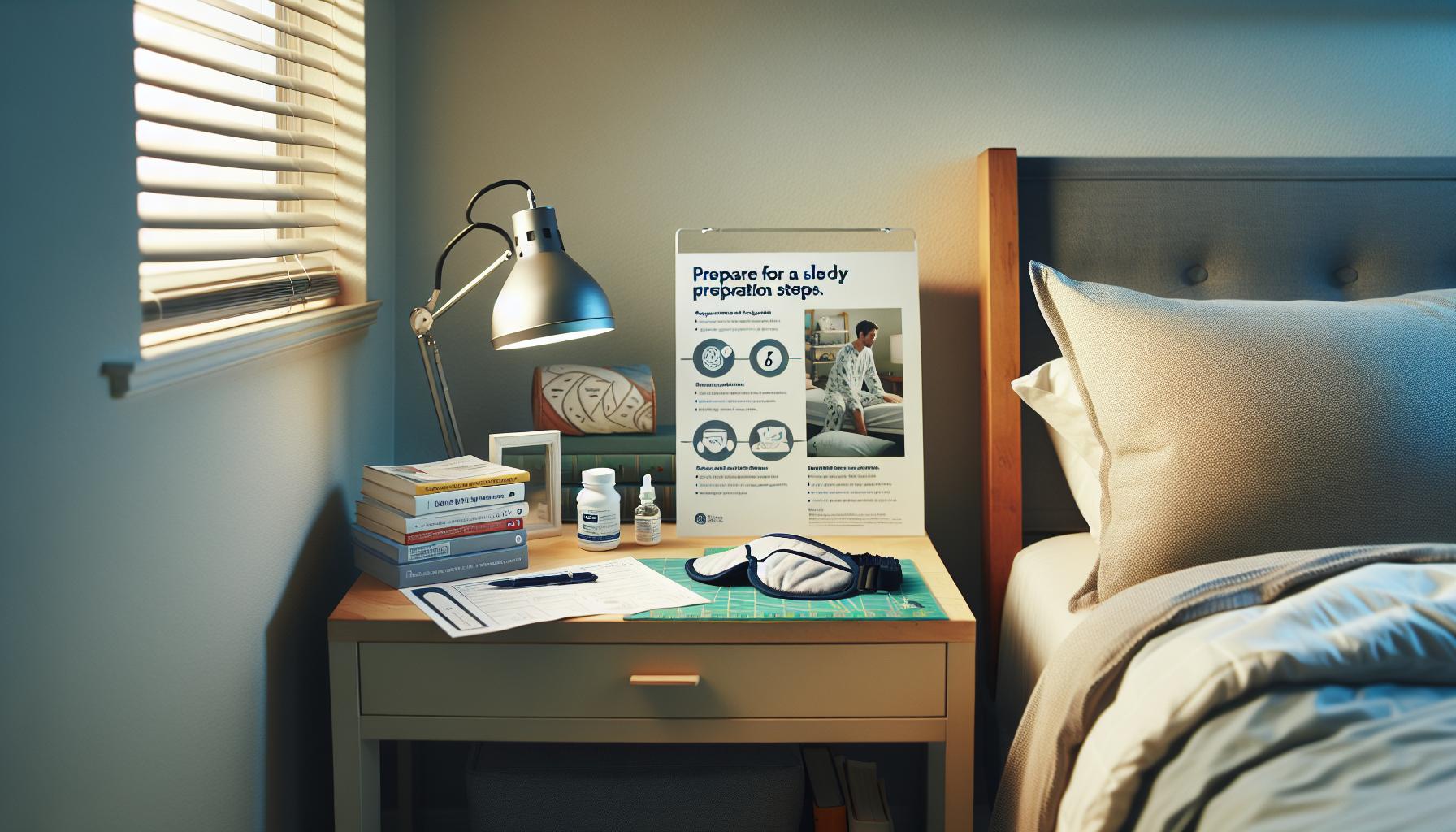
Inside the Sleep Lab: What to Expect
Upon entering the sleep lab, you might feel a mix of curiosity and apprehension. It’s essential to remember that this environment is specifically designed to help diagnose sleep disorders and improve your overall sleep health. The room will likely resemble a cozy hotel suite rather than a clinical space, filled with comfortable bedding and soft lighting to create a relaxing atmosphere.
The sleep study typically begins with a brief consultation with the sleep technician. They’ll go over the process, answer your questions, and reassure you about any concerns you may have. Understanding what lies ahead can significantly ease any anxiety. Once you’re settled, the technician will start the setup, connecting sensors to various parts of your body. These devices are non-invasive and will monitor critical functions such as brain activity, breathing patterns, heart rate, and muscle movements. Although it may feel strange at first, they are designed to be as comfortable as possible, allowing you to sleep more naturally.
While you rest, the lab is equipped to track your sleep stages, noting when you transition into REM and non-REM sleep. This monitoring is crucial because disturbances in these stages can indicate underlying sleep disorders such as sleep apnea or restless legs syndrome. You might hear soft noises from the machines, but these are a normal part of the monitoring process. Understanding this can help you relax and focus on your sleep instead.
Importantly, don’t expect to encounter any major disruptions during the night. In fact, the goal is to observe your natural sleep habits as closely as possible. If any immediate issues are detected, the technicians are on hand to assist. Ultimately, the information gathered during your sleep study will be vital for your healthcare provider in formulating an effective treatment plan tailored to improve your sleep quality and overall wellbeing.
Types of Sleep Studies: Polysomnography vs. Home Tests
A sleep study is a critical tool for diagnosing various sleep disorders, and understanding the two primary types-polysomnography and home tests-can empower you to make informed decisions about your sleep health. Polysomnography (PSG) is often performed in a specialized sleep lab and provides a comprehensive analysis of your sleep patterns. During an overnight stay, a range of sensors monitor your brain activity, eye movements, heart rate, breathing, and muscle activity. This data allows clinicians to evaluate sleep cycles, including the critical REM and non-REM stages, enabling a thorough assessment of conditions like sleep apnea, narcolepsy, and restless legs syndrome.
In contrast, home sleep tests (HST) offer a more convenient and often less expensive alternative. These tests are designed for people who are suspected of having obstructive sleep apnea (OSA), which is one of the most common sleep disorders. Home testing typically involves fewer sensors and components, making it user-friendly. You can complete the test in the comfort of your own bed, which can help eliminate some of the anxiety associated with overnight lab visits. However, the downside is that HSTs may not provide as detailed information as PSG, so they’re typically recommended for patients with a clear risk of OSA.
When considering which type of sleep study to pursue, think about your specific symptoms and comfort levels. If you experience complex sleep issues or have multiple health conditions, polysomnography might be the best recommendation. On the other hand, if you suspect obstructive sleep apnea and prefer a less invasive option, a home sleep test could suffice. Consulting with your healthcare provider can help you weigh the pros and cons of each approach, ensuring that you receive the care that best aligns with your needs.
In summary, both polysomnography and home sleep tests have their unique advantages, and your choice may depend on various factors, including your health conditions, convenience, and the level of detail needed for a proper diagnosis. Don’t hesitate to advocate for the type of study that feels right for you, as your sleep health is essential for your overall well-being.
Understanding Sleep Disorders: Common Conditions Evaluated
Understanding the complexities of sleep disorders is crucial for anyone seeking better sleep health. Numerous conditions can disrupt your rest, and a sleep study can help identify them, paving the way to effective treatment. Among the most frequently evaluated conditions is obstructive sleep apnea (OSA), where breathing repeatedly stops and starts during sleep, often leading to daytime fatigue and increased health risks. Identifying OSA is vital since untreated cases can lead to serious complications, including heart disease and high blood pressure.
Another significant disorder is insomnia, characterized by persistent difficulty falling or staying asleep. During a sleep study, professionals can observe your sleep patterns and pinpoint the factors contributing to insomnia, whether they be behavioral, psychological, or medical. The results might illuminate triggers such as anxiety or certain medications that exacerbate sleep difficulties.
Additionally, narcolepsy is another condition that could be evaluated. This neurological disorder affects the brain’s ability to regulate sleep-wake cycles, leading to excessive daytime sleepiness and sudden sleep attacks. Through monitoring during a sleep study, clinicians can gauge the severity of narcolepsy and recommend appropriate interventions.
Finally, conditions like restless legs syndrome (RLS) may also be assessed. RLS is characterized by an irresistible urge to move the legs, often accompanied by uncomfortable sensations. A sleep study can help determine the impact of this condition on sleep quality and duration.
In summary, sleep studies are pivotal for diagnosing a range of sleep disorders. By uncovering underlying issues such as OSA, insomnia, narcolepsy, or RLS, you can take meaningful steps toward better sleep health. Understanding these conditions empowers you to have informed discussions with your healthcare provider, ultimately leading to tailored treatments that improve your overall well-being.
The Role of Sensors and Equipment in Sleep Studies
Equipped with advanced technology, sleep studies are pivotal in diagnosing sleep disorders. The sensors and equipment used in these studies play a critical role in gathering comprehensive data about an individual’s sleep patterns. Understanding how these tools function helps demystify the process and can ease concerns about what to expect during a sleep study.
The core of a traditional sleep study, known as polysomnography (PSG), involves multiple sensors placed on the body. These include electrodes for measuring brain activity (EEG), sensors for tracking eye movements (EOG), and devices that monitor muscle activity (EMG). Additionally, belts around the chest and abdomen measure breathing patterns, while clips on the fingers or earlobes track oxygen levels in the blood. Each of these sensors collects vital information that provides insights into various sleep stages and potential disruptions.
Many patients worry about comfort, especially with all the wires and monitors. However, sleep labs are designed with this in mind. Technicians strive to create a comfortable environment, often using soft bedding and ambient lighting. It’s essential to follow pre-study guidelines, such as avoiding caffeine or heavy meals, to enhance the quality of the data collected.
Some sleep studies have evolved to include home-based testing, using portable devices that may rely on fewer sensors yet still deliver valuable information about breathing and oxygen levels. While these options are less invasive and offer the convenience of familiar surroundings, they might not capture the full array of sleep stages as effectively as an in-lab study.
In summary, the sensors and equipment used in sleep studies are crucial for accurately diagnosing sleep disorders. From tracking brain activity to monitoring breathing, each component provides necessary data. By understanding these technologies, patients can approach their sleep study with confidence, knowing that they are part of a process aimed at improving their sleep health.
Decoding Sleep Stages: REM and Non-REM Explained
Understanding sleep stages is crucial for diagnosing and treating sleep disorders effectively. During a sleep study, the focus typically falls on two main categories of sleep: REM (Rapid Eye Movement) and non-REM sleep. Each of these stages serves different purposes for our overall health, and the data collected during these phases can reveal a lot about your sleep quality and any potential issues.
In non-REM sleep, which is divided into three stages (N1, N2, and N3), your body goes through various restorative processes. The first stage (N1) is the lightest phase when you drift in and out of sleep; it typically lasts a few minutes. As you progress to stage two (N2), your body temperature drops, and heart rate slows, entering a more stable sleep State. The most restorative part, stage three (N3), often referred to as deep sleep, is where actual physical recovery occurs, including tissue growth and repair, immune system strengthening, and the release of hormones.
Contrastingly, REM sleep is where most dreaming occurs, typically beginning about 90 minutes after you fall asleep. During this phase, your brain becomes highly active, almost like when you are awake, but your body experiences temporary muscle paralysis to prevent you from acting out your dreams. REM sleep plays a vital role in emotional regulation and memory consolidation, making it just as important as non-REM sleep for cognitive function.
During a sleep study, specialized sensors monitor these stages by capturing brain activity (EEG), eye movements (EOG), and muscle tone (EMG) to provide a clear picture of your sleep architecture. Understanding the distribution of these stages can help identify issues like insomnia, sleep apnea, or other disorders. For instance, decreased time in deep sleep or fragmented REM may indicate underlying problems that could be addressed with treatments ranging from lifestyle changes to medical interventions. Recognizing the significance of REM and non-REM sleep can empower you to make informed decisions about your sleep health and seek the appropriate care when needed.
What Happens During the Night: Monitoring Your Sleep
During a sleep study, you’ll find that the night unfolds much like any other-except for the array of sensors and equipment working in the background to monitor your sleep. Understanding what happens during this critical time can ease any anxiety you might have about the process and empower you to make informed decisions about your sleep health.
When you arrive at the sleep lab, you’ll be greeted by a sleep technologist who will explain the procedure and help you get comfortable. You’ll typically settle into a private room that resembles a hotel bedroom, complete with a bed and soft lighting. The real difference lies in how you are prepared for the night ahead. The technologist will place electrodes on your scalp, face, and body. These sensors are crucial-they monitor brain waves, eye movements, breathing patterns, and heart rate, giving a comprehensive picture of your sleep cycle.
As you drift into slumber, the sensors begin capturing data that reveals essential information about your sleep architecture, which includes both non-REM and REM sleep. This detailed monitoring enables healthcare providers to identify potential issues such as sleep apnea, insomnia, or other sleep disorders. You might be surprised to learn that despite the setup, most people find they can still sleep fairly well. The room is designed to be restful, and the staff is experienced in minimizing any disturbances.
Throughout the night, the data collected will be continuously analyzed, allowing for real-time adjustments if necessary. For example, if a technician notices an unusual breathing pattern, they might tweak your equipment slightly to ensure optimal monitoring. By morning, you’ll not only have a clearer understanding of your sleep patterns but also the information needed for your doctor to make informed decisions about your treatment options.
In conclusion, although the idea of a sleep study can feel daunting, knowing what happens during the night can provide reassurance. Embrace the process as a valuable step towards better sleep health, backed by knowledge and support from sleep professionals who are dedicated to helping you.
Interpreting Your Sleep Study Results
Understanding the results of your sleep study can be a crucial step in addressing any sleep concerns you may have. Typically, after your overnight stay in the sleep lab, the data collected is analyzed by a sleep specialist, who will interpret the findings and provide insights tailored to your specific situation. These results are typically communicated during a follow-up appointment, where you can discuss what they mean for your overall sleep health.
The analysis involves monitoring various parameters like brain wave activity, heart rate, and oxygen levels, revealing essential details about your sleep stages-both non-REM and REM sleep. Each stage plays a unique role in restorative sleep, so understanding how much time you spend in each can explain issues like daytime fatigue or difficulties focusing. For example, if the results indicate that you spent less time in REM sleep, which is vital for cognitive function, this could point toward an underlying issue such as sleep apnea or chronic insomnia.
Common Findings and Their Implications
The report may present findings that indicate specific sleep disorders. Here are some common scenarios you might encounter:
- Sleep Apnea: Characterized by frequent interruptions in breathing, this can result in fragmented sleep and increased daytime sleepiness.
- Insomnia: If your study indicates difficulty falling or staying asleep, it could suggest behavioral or psychological factors that need addressing.
- Restless Legs Syndrome: If the report highlights involuntary leg movements during sleep, it can help guide treatment options.
Understanding these results is crucial not just for immediate concerns but for long-term health as well. Sleep deprivation has been linked to various chronic health conditions, including obesity and cardiovascular disease. So, it’s essential to follow up with your healthcare provider to develop an actionable plan based on your results, whether it includes lifestyle modifications, therapy, or possibly further testing.
Finally, while it may be tempting to interpret your results at home, it’s vital to rely on a qualified professional to make sense of the data. They can provide context around your findings, suggest behavior modifications, or discuss potential medical interventions. By taking this thorough approach to , you take an informed step toward better sleep health and overall well-being.
Navigating Costs and Insurance for Sleep Studies
Navigating the costs and insurance coverage for sleep studies can feel daunting, but understanding your options is crucial for making informed health decisions. A sleep study, particularly a polysomnography, can range anywhere from $600 to $3,000 depending on factors such as location, facility type, and whether it’s an overnight lab study or a home test. Keep in mind that costs may also vary based on the specific tests conducted, such as overnight monitoring of sleep cycles or supplementary tests for conditions like sleep apnea.
Before scheduling your sleep study, check with your insurance provider to understand what is covered. Many insurance plans consider sleep studies medically necessary when prescribed by a physician, especially for diagnosing conditions like sleep apnea or restless legs syndrome. However, coverage can differ significantly between plans, so reviewing your policy documents or calling your insurer for clarification can save you unexpected expenses. Be prepared to provide them with diagnostic codes or details from your healthcare provider’s referral to ease the approval process.
Cost Considerations
When considering the financial aspect of a sleep study, it helps to be aware of the potential out-of-pocket expenses, including:
- Deductibles: Assess your plan’s deductible requirements, as you may need to meet a certain amount before coverage kicks in.
- Co-pays: Determine if a co-pay applies for specialist visits or the procedure itself.
- In-Network vs. Out-of-Network: Selecting an in-network provider often yields lower co-pays and deductibles.
- Pre-authorization: Some insurers may require pre-authorization for sleep studies, making it vital to handle this before your appointment.
Additionally, consider exploring alternative options if traditional lab studies prove costly or inaccessible. Home sleep testing devices have emerged as a convenient and often more affordable solution for diagnosing sleep apnea and may be covered under your insurance in a similar manner to overnight studies.
By understanding the landscape of costs and insurance coverage related to sleep studies, you empower yourself to make choices that prioritize both your health and your financial well-being. Don’t hesitate to reach out to your healthcare provider for advice on the best approach or any potential financial assistance programs the sleep center may offer.
Alternatives to Traditional Sleep Studies: Wearables and Tech
With the rapid advancement of technology, wearables and mobile applications have emerged as valuable alternatives to traditional sleep studies. These devices, such as smartwatches and sleep tracking apps, monitor various health metrics while you sleep, offering insights that can help you understand your sleep patterns without the need for a lab environment. While they can’t fully replace a comprehensive polysomnography, these tools can be a practical option for those looking to gauge their sleep health at home.
When considering wearables, it’s essential to understand what these devices can and cannot do. Many smartwatches now feature sleep tracking capabilities that analyze your movement, heart rate, and sometimes even blood oxygen levels to estimate sleep stages. However, their accuracy can vary significantly based on the brand and the specific model. Sleep trackers can provide general information about your sleep duration and quality, but it’s important to approach these insights with a degree of caution. They are not a substitute for a medical evaluation, especially if you suspect a sleep disorder like apnea or insomnia.
Setting Up and Using Wearable Devices
Using a sleep tracker typically involves a few simple steps:
- Choosing Your Device: Select a wearable that best suits your needs. Options vary from fitness trackers to smartwatches, with features tailored for sleep monitoring.
- Installation: Download the corresponding app to your smartphone and follow setup instructions, usually involving connecting the device via Bluetooth.
- Wear It Correctly: To get the most accurate data, wear your device as instructed, typically on your wrist or finger, ensuring it stays snug but comfortable.
- Analyzing Data: After using the device for several nights, review your sleep data in the app. Look for patterns or anomalies that might suggest issues worth discussing with a healthcare provider.
When to Seek Professional Help
While wearables can serve as an initial step toward understanding your sleep quality, there are scenarios where a professional sleep study may still be necessary. For instance, if your device indicates irregular sleep patterns, excessive disruptions, or you experience symptoms like severe daytime fatigue or snoring, it may be time to consult a specialist. A healthcare provider can determine if a formal sleep study is required to diagnose conditions such as obstructive sleep apnea or restless legs syndrome.
Ultimately, wearables provide a more accessible way to monitor sleep trends and start a conversation about sleep health. By leveraging this technology wisely, you can take proactive steps in managing your sleep, all while balancing the potential limitations alongside the benefits of in-lab studies when they’re warranted.
FAQ
Q: What should I bring to a sleep study?
A: Bring comfortable sleepwear, personal toiletries, and any medications you typically take. It’s also helpful to have your sleep diary or notes on your sleep patterns. These details aid the sleep specialists in understanding your sleep habits better.
Q: How long does a sleep study last?
A: A typical sleep study lasts one night, though some may extend to two nights depending on the specific tests needed. Ensure you discuss the duration with your provider during preparation for the study.
Q: Can I sleep normally during a sleep study?
A: While you are encouraged to sleep as normally as possible, the presence of sensors and monitoring equipment may initially feel unusual. Remember, the lab environment is designed for your comfort and to help acquire accurate data on your sleep patterns.
Q: Are sleep studies covered by insurance?
A: Many insurance plans cover sleep studies, especially if recommended by a doctor. It’s essential to check with your provider about coverage and any potential costs before your study to avoid surprises.
Q: What types of sleep studies are available?
A: Common types include polysomnography, which monitors brain activity, heart rate, and breathing, and home sleep tests, which typically assess sleep apnea. Your doctor can recommend the best option based on your symptoms.
Q: What happens if I can’t sleep during the study?
A: If you’re unable to sleep, technicians will still gather valuable data on your restlessness or anxiety levels. They may also adjust environmental factors to help you relax. Don’t hesitate to communicate any difficulties during the study.
Q: How do they monitor my sleep during the study?
A: During a sleep study, several sensors are placed to track brain waves, oxygen levels, heart rate, and movements. This comprehensive monitoring helps doctors analyze your sleep quality and diagnose any disorders.
Q: Can I eat or drink before a sleep study?
A: Typically, you can have a light meal before your study, but it’s best to avoid caffeine and alcohol on the day of the test. Follow specific instructions from your healthcare provider for the best results.
In Conclusion
Understanding sleep studies is the first step toward better sleep health. Whether you’re experiencing sleep disorders or just curious about the testing process, being informed empowers you to make the right decisions for your wellbeing. With options like home sleep tests and advanced polysomnography available, you can choose what fits your lifestyle best.
Ready to take control of your sleep? Explore more about sleep disorders and the technologies that can help you monitor your sleep patterns, such as wearables and Eight Sleep tech. Consider signing up for our newsletter for the latest insights on sleep health or explore our detailed guides on navigating insurance and set-up processes to reduce any anxieties surrounding sleep studies. Your journey to restorative sleep starts now-dive deeper into our sleep resources and reclaim your nights!
Get our latest guides, news, and insights highlighted in your Google Search & AI Overviews.