
Understanding how long you need to sleep for a sleep study is crucial for anyone looking to diagnose potential sleep disorders. Typically, these studies aim for a minimum duration of sleep to gather accurate data on your sleep patterns. Many people struggle with sleep issues like insomnia or sleep apnea, which can significantly impact daily life. Knowing what to expect during a sleep study can alleviate anxiety and prepare you for a successful evaluation. As you dive into this topic, you’ll discover how sufficient sleep not only aids in accurate diagnosis but also helps inform effective treatment options tailored to your needs. Curiosity about improving your sleep quality and learning the ins and outs of sleep studies will empower you on your journey to better health.
What is a Sleep Study? Overview and Purpose
A sleep study, particularly polysomnography, serves as a critical tool in diagnosing sleep disorders. It records various physiological parameters, such as brain activity, eye movement, heart rate, and oxygen levels, while you sleep. Understanding these metrics can reveal issues like sleep apnea, insomnia, or restless leg syndrome, providing valuable insight into why you might be struggling with sleep. The goal is to gather enough data to understand your unique sleep patterns and identify any abnormalities that could be impacting your overall health and well-being.
To effectively scan for sleep problems, it is essential to achieve a minimum threshold of sleep during the study. Typically, experts recommend that participants aim for a minimum of 6 to 8 hours of sleep for optimal results. This duration allows for the assessment of critical sleep cycles, including REM (Rapid Eye Movement) and non-REM stages, which are vital in evaluating sleep quality and its restoration benefits to the body. Without sufficient sleep, the data collected may not accurately represent your usual sleep patterns, potentially leading to misdiagnosis or ineffective treatment recommendations.
Preparation is key; ensuring you follow pre-study guidelines, such as avoiding caffeine and maintaining your normal bedtime routine, can significantly enhance the quality of data the study captures. This way, when you arrive for your sleep study, you will be in the best possible condition for an accurate evaluation of your sleep health. Embracing this process can empower you to take affirmative steps toward improving your sleep quality and, ultimately, your overall health.
Why Sleep Duration Matters for Sleep Studies
Sleep studies are essential for accurately diagnosing sleep disorders, but the effectiveness of these studies heavily relies on the amount of sleep you get during the evaluation. Remarkably, accumulating a minimum of 6 to 8 hours of sleep is not just a suggestion-it’s a necessity for gathering reliable data that reflects your typical sleep patterns. This duration enables the monitoring of crucial sleep stages, including REM (Rapid Eye Movement) and non-REM, which are integral to understanding your overall sleep quality. These stages play significant roles in physical and mental restoration, making their assessment vital for diagnosing issues like sleep apnea or insomnia.
Achieving adequate sleep is paramount for obtaining a comprehensive view of your sleep health. If you fall short of the recommended sleep duration, your sleep study may capture incomplete data, risking a potential misdiagnosis or missed irregularities. For instance, if someone only manages to sleep for a few hours, the likelihood of missing vital periods of REM sleep increases, which is often when disorders manifest. Therefore, prioritizing your sleep before the study is crucial.
To prepare effectively, consider the following tips:
- Maintain your routine: Stick to your usual sleep schedule leading up to the study.
- Avoid stimulants: Cut out caffeine and other stimulants a day or two before the study.
- Communicate openly: Inform your sleep technician about any existing sleep issues and lifestyle factors that may affect your sleep.
By understanding the importance of sleep duration for your study, you empower yourself to take proactive steps toward better sleep health. This knowledge not only enhances the study’s accuracy but can also guide you toward effective treatment options tailored to your specific sleep needs.
Minimum Hours Required for Effective Sleep Studies
To gather meaningful data during a sleep study, it’s crucial to sleep for a minimum of 6 to 8 hours. This duration is not merely a guideline; it is essential for acquiring reliable insights into your sleep patterns. A full night’s sleep allows the study to capture vital information about different sleep stages-both REM (Rapid Eye Movement) and non-REM-which are critical for assessing sleep quality and diagnosing potential disorders like sleep apnea and insomnia.
When you don’t achieve this recommended duration, the likelihood increases that the study will miss significant data points. For example, certain sleep disorders, including REM-related conditions, primarily manifest during specific sleep stages. If you only manage a few hours of sleep, you may not experience enough REM cycles, which results in incomplete data collection. This situation can potentially lead to a misdiagnosis or overlook existing sleep issues, making it imperative to prioritize adequate rest before your study.
To ensure you meet the minimum sleep hours, consider these strategies:
- Stick to your routine: Maintain consistent sleep and wake times in the days leading up to your study.
- Avoid stimulants: Eliminate caffeine and other stimulants at least 24 hours prior to the sleep study to improve the chances of uninterrupted sleep.
- Open communication: Discuss any sleep issues or lifestyle factors with the sleep technician, which could influence your rest during the study.
By focusing on these preparatory steps, you can enhance the efficacy of your sleep study, paving the way for accurate assessments and effective treatments tailored to your unique sleep health needs.
Understanding Sleep Stages and Their Importance
Understanding the different stages of sleep is crucial for interpreting the results of a sleep study. Sleep is not a uniform state; it consists of various stages, including REM (Rapid Eye Movement) and non-REM sleep, which play distinctive roles in our overall health. Achieving at least 6 to 8 hours of quality sleep is essential not only for monitoring but also to ensure that all sleep stages are sufficiently represented in the data collected during a study.
During a typical sleep cycle, which lasts about 90 minutes, an individual progresses through several stages of non-REM sleep before entering REM sleep. Non-REM sleep includes stages 1 through 3, where the body gradually shifts from light to deep sleep. This process is fundamental for physical recovery, memory consolidation, and overall cognitive function. On the other hand, REM sleep is associated with dreaming and is critical for emotional regulation and brain development. If your sleep is cut short, particularly on the night of your study, you may not progress through these stages adequately, risking a skewed interpretation of your sleep health.
Moreover, some sleep disorders manifest specifically during certain stages. For example, conditions such as sleep apnea can disrupt REM sleep significantly, leading to fragmented rests that affect one’s overall well-being. Capturing complete data on these sleep dynamics is vital for diagnosing such conditions accurately. Thus, when preparing for a sleep study, prioritizing sufficient sleep duration will enable clinicians to observe these essential patterns, ensuring that potential issues are not overlooked.
To prepare for your sleep study effectively, consider these tips to enhance sleep quality and duration:
- Establish a Sleep Schedule: Going to bed and waking up at the same time each day can help regulate your body’s internal clock, making it easier to fall and stay asleep.
- Create a Conducive Sleep Environment: Ensure your bedroom is dark, quiet, and comfortably cool to promote uninterrupted sleep.
- Limit Evening Screen Time: The blue light from devices can interfere with melatonin production, making it harder to drift off.
By focusing on achieving full sleep cycles the night before your study, you set the stage for the most accurate and helpful assessment of your sleep health.
What Happens During a Sleep Study?
During a sleep study, often referred to as polysomnography, your sleep patterns are closely monitored to help diagnose potential sleep disorders. Understanding what happens during this process can help ease anxiety and prepare you for the experience. From the moment you arrive at the sleep clinic, your comfort and accurate data collection are the top priorities.
Upon arrival, you’ll meet with a trained technician who will explain the procedure and answer any questions you may have. Before settling in, electrodes will be attached to your scalp, face, and body using a gentle adhesive to monitor brain waves, eye movements, heart rate, and breathing patterns. While this may sound daunting, the setup process typically takes less than an hour, and the electrodes are designed to be as comfortable as possible.
Once you’re connected, you’ll be encouraged to relax and prepare for sleep in a darkened room that mimics your home environment. Some clinics will allow you to bring personal items like pillows or blankets to enhance comfort. While you sleep, the sleep study will record various data points including your sleep stages-like REM and non-REM-as well as any disruptions such as pauses in breathing if you have conditions like sleep apnea. This comprehensive data collection is crucial for a thorough analysis of your sleep health.
Throughout the night, technicians may monitor you from a nearby room and can watch for any irregular sleep patterns. In most cases, the study lasts for a full night which typically means sleeping 6-8 hours, mirroring your regular sleep cycle. However, if you have a history of specific sleep concerns, longer monitoring might be necessary to gather a complete picture of your sleep behavior. Afterward, the data will be analyzed by a sleep specialist to help determine any disorders you may have. Understanding this process can make the experience feel less intimidating and help you see the value in getting that restful night’s sleep, knowing it’s for a good cause.
What to Expect Before a Sleep Study
Before undergoing a sleep study, it’s natural to feel a mix of excitement and anxiety, especially when you consider how crucial a good night’s sleep is for your overall health. Preparing for this medical procedure can significantly alleviate any stress you may feel. Understanding what to expect will help you approach the night with confidence.
Typically, you’ll receive specific instructions from your sleep clinic prior to your appointment. It’s essential to follow them closely. Here are some key points to keep in mind:
- Avoid Stimulants: In the days leading up to your sleep study, try to limit caffeine and nicotine. These substances can disrupt your natural sleep cycle and affect the test results.
- Maintain Your Routine: Stick to your normal sleep schedule as much as possible. This will help familiarize your body with the timing and conditions of the study.
- Prepare for the Night: Bring comfortable clothing and any personal items that could help you relax, like your favorite pillow or a cozy blanket. Some clinics may allow these personal touches to make the environment feel more like home.
- Discuss Medications: Talk to your doctor about any medications that you take, as some may need to be adjusted or avoided before the study.
Additionally, you might be asked to fill out a questionnaire about your sleep habits and any previous sleep issues. This information helps the sleep specialists tailor the study to your specific needs. When you arrive, a sleep technician will explain the process and answer any questions you might have. This friendly and informative approach can be both reassuring and informative, transforming an intimidating process into a manageable one.
The goal of the sleep study is to gather as much data as possible on your sleep patterns. This means you’ll need to sleep for a minimum of six to eight hours, depending on your typical night’s rest. The data collected will play a vital role in diagnosing any potential sleep disorders, so approaching the study with a positive mindset can lead to valuable insights into your sleep health.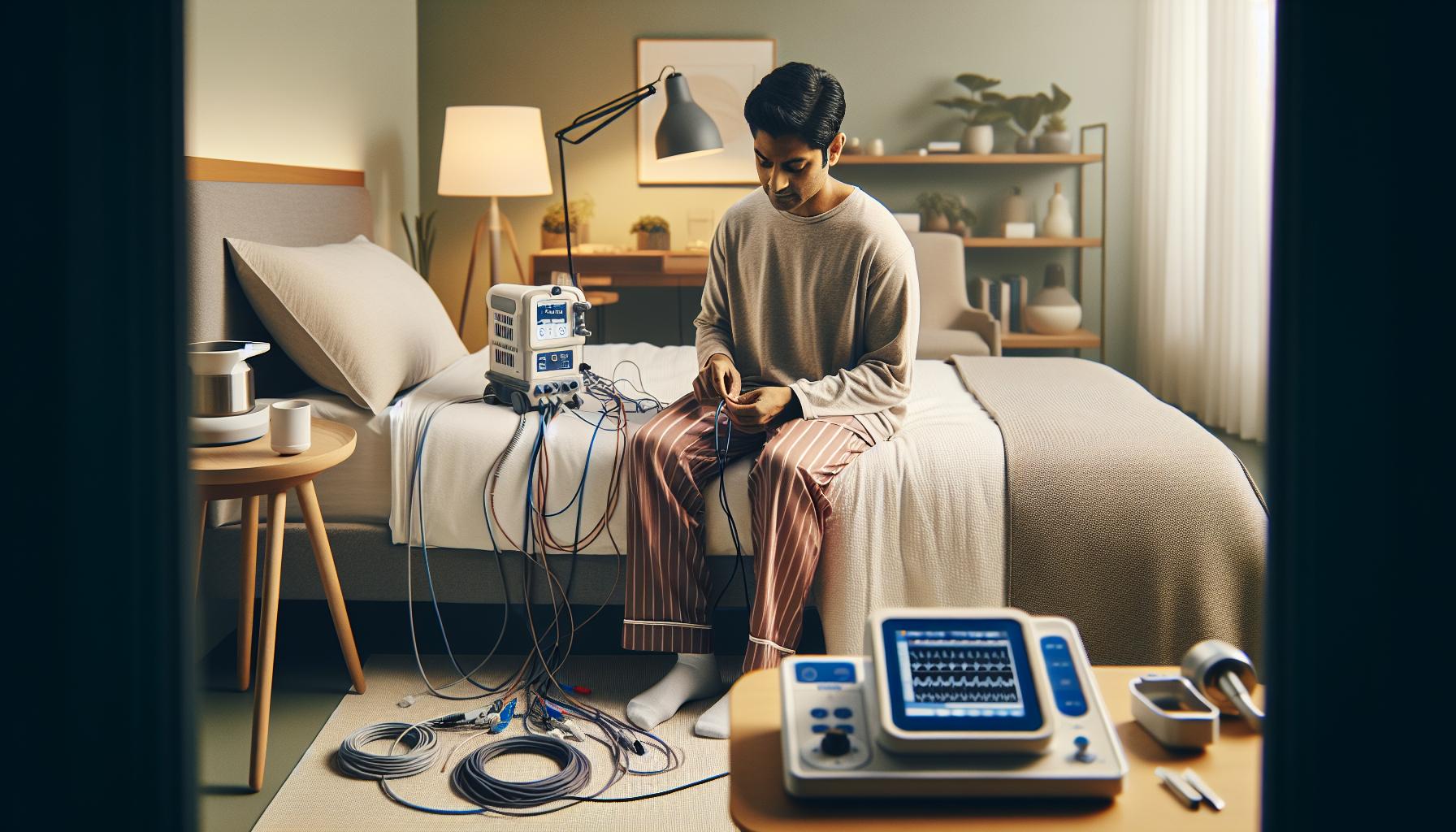
Preparing for Your Sleep Study: Tips and Tricks
The knowledge that sleep is essential for health and well-being is widely understood, yet the anxiety surrounding a sleep study can feel overwhelming. This process is designed to monitor your sleep patterns for optimal results, making preparation key. A sleep study typically requires you to sleep for a minimum of six to eight hours, depending on your individual sleep needs. Understanding how to prepare effectively can make a significant difference in your experience.
First and foremost, consider your sleep environment. Bring along your favorite pajamas, a comfortable pillow, or even a cozy blanket if allowed. These familiar items can help make the lab feel less daunting and promote relaxation as you prepare for sleep. It’s also crucial to maintain your usual routine leading up to the study. Avoid napping during the day and stick to your regular schedule to acclimate your body to the timing of the test.
In the days leading up to your sleep study, pay attention to your caffeine intake. Limiting stimulants such as coffee, tea, and nicotine is vital, as they can significantly disrupt your sleep cycle and impact the data collected during the test. Additionally, it might help to write down your sleep habits and any relevant medical issues to share with the sleep technician. Providing this background will help tailor the evaluation to your specific needs, potentially leading to more accurate results.
Lastly, don’t hesitate to ask questions once you arrive at the clinic. Sleep technicians are there to guide you through the process and address any concerns you may have. Familiarizing yourself with what to expect can ease anxiety, allowing for a smoother, more productive sleep study experience.
Common Myths About Sleep Duration and Studies
Many people harbor misconceptions about sleep duration and its impact on sleep studies, which can lead to unnecessary anxiety before undergoing this essential assessment. It’s vital to debunk these myths to better understand what to expect during a sleep study and how to prepare effectively.
One common myth is that you must achieve a full eight hours of sleep for the study to be effective. In reality, most sleep studies are designed to gather data within a minimum range of six to eight hours of sleep, but quality often surpasses quantity. A well-rested participant may provide more informative data within this range than someone who struggles to sleep through the night. Additionally, some sleep disorders can manifest in shorter sleep windows, making it essential to monitor individual patterns more than just the hour count.
Another frequent misunderstanding is that napping before the study can help you accumulate the necessary hours of sleep. However, this can throw off your circadian rhythm, affecting the results. It’s best to maintain your regular schedule leading up to the study, which prepares your body for a natural sleep cycle at the testing facility. Also, many people think they can “catch up” on lost sleep after a poor night; unfortunately, sleep debt cannot be fully compensated in one night, especially since sleep quality is just as critical as duration.
Lastly, some believe sleep studies are only for those who sleep excessively; in actuality, these assessments diagnose various conditions, regardless of how much time you spend sleeping. Whether you experience insomnia, sleep apnea, or even excessive daytime sleepiness, participating in a sleep study can provide vital insights into your sleep health, helping guide proper treatments.
Understanding these myths encourages better preparation and less stress, allowing you to focus on what truly matters: your sleep quality and health outcomes. Embracing accurate information will empower you as you navigate the journey of sleep testing, ensuring you are more relaxed and informed throughout the process.
Alternative Options: Sleep Trackers vs. Sleep Studies
Exploring sleep health involves understanding the choices between traditional sleep studies and modern sleep trackers. Both options have their merits, but they cater to different needs and scenarios. For those experiencing serious sleep issues such as sleep apnea, insomnia, or other related conditions, a sleep study-commonly known as polysomnography-offers a comprehensive assessment. Conducted in a clinical setting, this type of study monitors your brain waves, heart rate, breathing patterns, and various sleep stages. It’s especially effective as it captures detailed, medically validated data across the necessary minimum of six to eight hours of sleep.
On the other hand, sleep trackers-ranging from wearable devices like smartwatches to non-invasive options like sleep masks-provide a more accessible alternative for general wellness enthusiasts. These consumer-friendly devices utilize sensors to estimate sleep duration and quality by measuring movement, heart rate, and even light exposure. While sleep trackers can give users valuable insights into their sleep patterns, they do not offer the precision of a sleep study. They can, however, help users develop healthier sleep habits by tracking trends over time. Many people find that these tools offer convenience and immediate feedback, which are helpful for maintaining or improving sleep hygiene.
It’s essential to consider the purpose of your inquiry into sleep health. If you’re merely curious about your sleep patterns, a tracker might be all you need. However, if you’re struggling with significant sleep disturbances, seeking a sleep study is crucial. Assess your symptoms and needs honestly; if you’re experiencing severe fatigue, snoring, or disruptions, the rigorous data from a sleep study is invaluable in securing a proper diagnosis and treatment.
In summary, both options serve their purpose well. Understanding when to use a sleep tracker versus opting for a sleep study can empower you to make informed decisions about your sleep health. Whichever route you choose, the key is to focus on what will yield the best insights into your sleep quality and overall well-being.
Insurance Coverage: What You Need to Know
Understanding how insurance coverage works for sleep studies can greatly reduce the stress associated with seeking help for sleep-related issues. Many people are surprised to learn that a significant portion of the cost may be covered by insurance, but this can depend on various factors such as the type of study and the patient’s specific symptoms.
Most health insurance plans, including Medicare, often cover sleep studies when deemed medically necessary. Generally, you may need to show symptoms of sleep conditions like sleep apnea to qualify for insurance coverage. For example, if you experience excessive daytime sleepiness, loud snoring, or difficulty concentrating, these signs can support your case for needing a diagnostic sleep study. According to available resources, Medicare covers several types of sleep tests, including polysomnography, which is the most comprehensive type, provided that the clinical criteria are met [[3](https://reimelsdentistry.com/insurance-for-snoring-and-sleep-apnea-therapy/)].
It is essential to check with your insurance company beforehand to understand your specific policy details-including co-pays, deductibles, and out-of-pocket maximums. Some plans may cover home sleep tests (HSTs) as a more cost-effective alternative, while in-lab studies may be reserved for more complicated cases. Always consult your healthcare provider to determine the appropriate type of study based on your symptoms, as they can guide you through the process of obtaining prior authorization from your insurance for the study.
To aid in your financial planning, consider creating a list of questions to ask your insurance provider prior to scheduling a sleep study. You might include inquiries like:
- Is a referral from my primary care physician required?
- What specific sleep studies are covered under my plan?
- Are there any limitations on the number of studies per year?
- What is my cost-share for this service?
Being informed and proactive about your insurance coverage can alleviate some anxiety associated with the sleep study process, ensuring you focus on what truly matters: your health and well-being.
Navigating Anxiety: Cope with Sleep Study Jitters
When preparing for a sleep study, it’s common to feel a mix of excitement and anxiety about what the experience will entail. Sleep studies are crucial for diagnosing conditions like sleep apnea, yet the thought of spending a night in a lab, hooked up to wires and sensors can be unsettling. Understanding what to expect and how to cope with these feelings can help turn this potentially stressful situation into a manageable one.
- Educate Yourself: Knowing what happens during a sleep study can significantly reduce anxiety. Typically, you will arrive at the facility in the evening, and a technician will attach sensors to your scalp, face, and body. These are designed to monitor various parameters such as brain activity, breathing patterns, and heart rates throughout the night.
- Bring Comfort Items: Consider packing a few personal items like your favorite pillow or blanket. Familiar objects can create a sense of comfort, making the sleep environment feel more like home.
- Practice Relaxation Techniques: Before the study, engage in calming activities such as deep breathing exercises, meditation, or gentle stretching. These practices can help ease your mind and body, making it easier to fall asleep in an unfamiliar setting.
Coping with anxiety about the study can also involve addressing specific concerns. Many people worry about how long they need to sleep and whether the environment will disrupt their natural sleep patterns. Generally, the more hours you sleep, the better the results; however, many studies can work with shorter sleep times to some extent, as sleep labs are equipped to gather vital data in various conditions. It’s essential to remember that the technicians are there to help ensure you are as comfortable as possible, and their goal is to obtain accurate data without compromising your rest.
In addition, recognizing that you are not alone can be comforting. Many people have apprehensions about undergoing a sleep study, and it’s perfectly normal to feel this way. Don’t hesitate to communicate your anxiety with the healthcare staff. They are trained to assist patients who may be feeling nervous and can provide additional support or clarifications to ease your mind as the evening progresses. By acknowledging your feelings and preparing adequately, you can transform the sleep study experience into a stepping stone toward better health.
Real-Life Scenarios: When to Seek a Sleep Study
Many people might wonder when it’s time to consider undergoing a sleep study. If you frequently experience excessive daytime sleepiness, struggles with insomnia, or sudden episodes of falling asleep during the day, it may be time to talk to your doctor about a sleep study. The importance of getting adequate sleep hours can’t be overstated; it affects everything from mood and memory to physical health.
Here are some real-life scenarios that may indicate the need for a sleep study:
- Chronic Snoring: If your partner or family members report loud snoring that is often interrupted by gasps or pauses in breathing, this can be a sign of sleep apnea. A sleep study can help diagnose this condition, which may require treatment to prevent serious health issues.
- Persistent Fatigue: If you wake up tired despite a full night’s sleep, or if you find yourself often napping during the day, it’s a good idea to seek a professional evaluation. Conditions such as narcolepsy or restless leg syndrome may be affecting the quality of your sleep.
- Difficulty Falling Asleep: For those who have trouble falling or staying asleep despite trying various sleep hygiene methods, a sleep study might identify underlying issues that can be addressed, like insomnia or periodic limb movement disorder.
- Frequent Nightmares or Sleepwalking: Experiencing frequent nightmares or engaging in sleepwalking can disrupt not just your sleep, but also that of your family. A sleep study can provide insights into parasomnias, allowing for effective management strategies.
If you’re unsure whether your sleep issues warrant a sleep study, consider consulting with a sleep specialist. They can guide you through symptoms, evaluate your medical history, and determine if the benefits of a sleep study outweigh the potential inconveniences. Remember, prioritizing your sleep health is crucial, and understanding when to seek help can pave the way toward better sleep and overall well-being.
Faq
Q: What is the ideal sleep duration for a sleep study?
A: The ideal sleep duration for a sleep study typically ranges from 6 to 8 hours. This allows for comprehensive observation of sleep cycles and disruptions, providing necessary data to diagnose potential sleep disorders effectively.
Q: Can you sleep less than the minimum required hours for a sleep study?
A: Sleeping less than the recommended minimum of 6 hours can affect the study’s quality. Inadequate sleep may result in incomplete data, potentially hindering an accurate diagnosis. It’s best to aim for a full night’s rest.
Q: How does sleep duration impact the results of a sleep study?
A: Sleep duration significantly impacts a sleep study’s results, as it influences the observation of different sleep stages. Less sleep can lead to insufficient data, potentially overlooking critical issues such as sleep apnea or REM sleep behavior disorders.
Q: What happens if I have trouble sleeping during the study?
A: If you struggle to sleep during the study, technicians will monitor your situation closely. They may adjust conditions to help you rest. Recordings of insomnia may provide valuable insights into your sleep issues.
Q: Why is a full night’s sleep crucial for a sleep study?
A: A full night’s sleep is essential because it enables the observation of all sleep stages. This comprehensive data enhances the assessment of sleep patterns, aiding in accurate diagnosis and effective treatment planning.
Q: Is it possible to prepare for the required sleep duration before the study?
A: Yes, preparing for the required sleep duration involves establishing a consistent sleep schedule leading up to the study. Aim for adequate rest on preceding nights to ensure you’re well-rested for the assessment.
Q: What factors might affect how long I can sleep during a sleep study?
A: Several factors can affect sleep duration, including anxiety, discomfort in the sleep facility, or pre-existing sleep disorders. Discussing these concerns with your healthcare provider can help mitigate issues on the night of your study.
Q: How do I know if I’m getting enough sleep before the study?
A: Assess your sleep by monitoring how you feel throughout the day. Aim for 7-9 hours of quality sleep in the days leading to the study to ensure you’re adequately rested. Keeping a sleep diary can also track this effectively.
In Retrospect
Understanding how long you need to sleep for a sleep study is crucial for ensuring accurate results and a comprehensive evaluation of your sleep health. Remember, meeting the minimum hours of sleep can help specialists identify potential issues and tailor solutions to your needs. If you’re feeling anxious about the process or have specific concerns, don’t hesitate to reach out to sleep experts who can provide personalized guidance.
Explore our additional resources on preparing for a sleep study and how to interpret your results. Consider signing up for our newsletter for ongoing tips on improving your sleep health or schedule a consultation to discuss your unique sleep challenges. Your journey towards better sleep starts here! Share your thoughts in the comments below or connect with us on social media to stay informed about the latest in sleep medicine. Together, we can navigate the path to restorative sleep.
Get our latest guides, news, and insights highlighted in your Google Search & AI Overviews.