
Are you struggling with sleepless nights or unexplained fatigue? You’re not alone. Many people experience sleep issues, and understanding the costs associated with sleep studies is crucial to getting the help you need. Sleep studies, whether conducted at home or in a lab, can vary significantly in price, ranging from a few hundred to several thousand dollars. Knowing what to expect in terms of cost can help you make informed decisions about your sleep health. In this complete pricing guide, we’ll break down the different types of sleep studies, typical costs, and factors that can influence your expenses, empowering you to take the next step towards better sleep. Whether you’re seeking answers for a suspected sleep disorder or are simply curious, this guide will provide valuable insights tailored to your needs. Keep reading to ensure you’re well-prepared for your path to restful nights.
Understanding the Cost of a Sleep Study
Understanding the financial implications of a sleep study can significantly ease the anxieties surrounding this important health assessment. Sleep studies are critical for diagnosing conditions like sleep apnea, insomnia, and other sleep-related disorders. Typically, the costs for sleep studies vary considerably. Home sleep tests generally range from $150 to $1,000, whereas comprehensive in-lab studies can escalate to between $1,000 and $10,000, depending on several factors such as location and the type of testing required [1].
In addition to the base costs, various factors influence the final total you may face. These include the type of study-home vs. in-lab, the specific diagnostics needed, the facility conducting the study, and any additional services included in the package. Hidden fees can sometimes surface, such as administrative charges or costs associated with follow-up consultations. Understanding these nuances can help you prepare financially and reduce surprise expenses [1].
Obtaining a clear picture of costs is especially important when considering insurance coverage. Many insurance providers cover a significant portion of sleep study expenses, particularly if obstructive sleep apnea is suspected. Be proactive by checking with your insurance provider to uncover what tests are covered and to what extent. This step might alleviate financial strain and make it easier to proceed with necessary diagnostics [1].
In summary, being well-informed about the costs associated with sleep studies allows you to navigate your options better, ease any worries about the financial burden, and ensure that you receive the essential care needed for optimal sleep health.
Factors Influencing Sleep Study Pricing
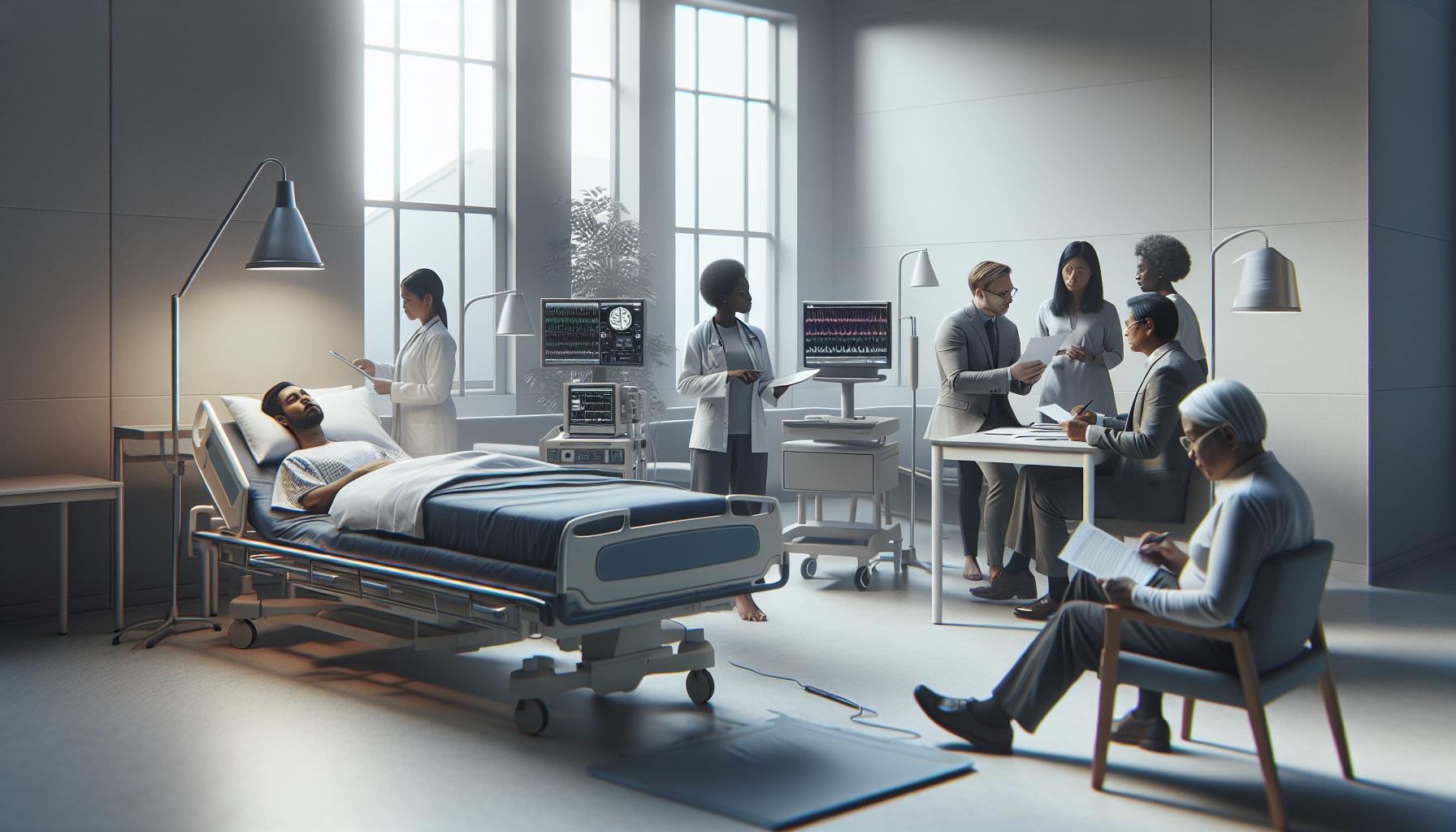
Understanding the total cost associated with a sleep study goes beyond just the base price advertised by medical facilities. Several factors come into play that can significantly influence what you ultimately pay. The intricacies of these costs can cause confusion, but being aware of them can aid in your financial planning for this essential diagnostic procedure.
One of the primary determinants of cost is the type of sleep study you undergo. In-lab studies are generally pricier, typically ranging from $1,000 to $7,000, based on your location, while at-home tests usually fall between $300 and $600. The setting of the study plays a critical role; an elaborately equipped facility with specialized staff tends to charge more than a straightforward at-home assessment where you use portable devices to monitor your sleep patterns. An in-lab study often involves more comprehensive monitoring-such as EEGs, EKGs, and more detailed analysis-justifying the higher cost.
Additionally, other factors such as your specific health needs, the duration of the study, and whether any follow-up consultations are included can affect pricing. For instance, if a physician orders a complicated overnight polysomnogram with multiple observations, costs will rise accordingly. Also, keep in mind that certain facilities may include extra services, such as pre-study consultations or post-study follow-ups, which can inflate your bill.
Don’t overlook the potential for hidden fees. Administrative charges, equipment rental, and additional testing can all contribute to a higher cost. Before committing to a sleep study, be sure to ask your provider for a detailed breakdown of the expected charges, so you can budget accurately and avoid surprises. Understanding these nuances will not only empower you to make informed choices but also alleviate some of the anxiety associated with the financial that sleep studies often bring.
Insurance Coverage for Sleep Studies
Navigating the world of health insurance can feel overwhelming, especially when it comes to specialized tests like sleep studies. A common question many patients have is, “Will my insurance cover the cost of a sleep study?” The good news is that most health insurance plans, including Medicare, typically provide coverage for sleep studies when deemed medically necessary. However, your experience may vary depending on your specific policy and circumstances.
What to Know About Insurance Coverage
Before scheduling your sleep study, it’s crucial to verify your insurance benefits. Here are some key points to consider:
- Pre-authorization: Many insurers require pre-authorization for a sleep study. This means that your doctor must provide documentation justifying the need for the test, often based on symptoms or sleep disorders.
- In-Lab vs. At-Home Studies: Insurance may have different coverage terms for in-lab studies compared to at-home tests. In-lab studies tend to be more costly, but insurers may encourage at-home options as they are generally cheaper.
- Cost-Sharing: Even with coverage, prepare for out-of-pocket expenses such as deductibles, copayments, or coinsurance. Understanding these costs upfront can help in your financial planning.
Real-World Example
Consider Sarah, a patient who struggled with severe snoring and daytime fatigue. After discussing her symptoms with her doctor, she was referred for a sleep study. Before proceeding, Sarah contacted her insurer, which confirmed that her policy covered the study after a pre-authorization process. Ultimately, she only needed to pay her deductible, making the financial burden more manageable.
Insurance Denials and Appeals
It’s essential to be aware that sometimes, insurers may deny coverage initially. If this happens, you have the right to appeal the decision. Gather supporting documentation from your healthcare provider about the necessity of the study and follow your insurer’s appeals process.
In summary, while most insurance plans will help cover the cost of a sleep study, proactive steps such as verifying benefits, understanding financial commitments, and being prepared for the appeals process can significantly ease the path to obtaining necessary care.
At-Home vs. In-Lab Sleep Studies: Cost Comparison
When it comes to diagnosing sleep disorders, understanding the differences in cost between at-home and in-lab sleep studies can greatly influence your decision-making process. Typically, an at-home sleep study is the more economical option, with costs ranging from approximately $300 to $600[3[3]. In contrast, an in-lab study can be significantly pricier, often falling between $1,000 and $3,100[2[2]. This cost disparity makes it crucial for patients to weigh the options based on both financial implications and the quality of care received.
The environment in which the tests are conducted affects more than just the price. In-lab studies provide a comprehensive evaluation with the help of sleep technicians monitoring your sleep patterns throughout the night. This setting usually yields more detailed and accurate data, particularly for complicated sleep disorders like sleep apnea. In contrast, at-home tests are more convenient and allow you to sleep in your own environment but might not capture the full spectrum of your sleep disturbances. If your primary concern is to screen for simple conditions, at-home studies could suffice; however, more complex issues may require the depth of an in-lab study.
To navigate insurance coverage effectively, it’s essential to check with your provider. Many plans differentiate between the two testing methods, often covering the less expensive at-home studies fully or with lower out-of-pocket expenses. Understanding your insurance specifics can be key in managing costs throughout this journey. Since sleep studies can be anxiety-inducing, knowing ahead of time what to expect can promote a smoother experience, so consider discussing any concerns with your healthcare provider to aid your preparations.
What to Expect During a Sleep Study
During a sleep study, or polysomnography, you can expect a comprehensive evaluation of your sleep patterns, often organized in a calm and controlled environment. For those undergoing an in-lab study, the experience typically begins in the late evening when you arrive at the sleep clinic. Here, you will be welcomed by a sleep technician who will explain the procedure and answer any questions you may have, helping to ease any anxiety. As preparation, you’ll be asked to perform some simple tasks like removing any makeup or hair products that could interfere with the sensors.
Once you’re settled in, the technician will set up sensors on your body to monitor various parameters, including brain activity, heart rate, breathing patterns, and oxygen levels. These sensors may feel foreign initially, but they are non-invasive and designed for your comfort. Common attachments include electrodes placed on your scalp, a belt around your chest to measure breathing, and a sensor near your finger for oxygen monitoring. After setup, you can wind down in a comfortable sleeping area designed to mimic a home environment, which can help improve your sleep quality during the study.
If you’re opting for an at-home sleep study, the setup may be less intensive, allowing you to monitor your sleep in a familiar setting. You will receive a kit with the necessary equipment, often including a monitoring device that tracks your heart rate and breathing patterns while you sleep. Instructions will guide you through the setup process, which usually requires you to place sensors similar to those in a lab. Despite the convenience of home testing, keep in mind that these studies might not capture the full range of sleep disturbances as effectively as in-lab tests.
Understanding that sleep studies can feel daunting, remember that the technicians are trained to ensure your comfort throughout the night. While you rest, the equipment will record essential data, and you’ll wake up in the morning to have the sensors removed. The collected information will be analyzed by a sleep specialist, who will provide you with results and recommendations. This study plays a pivotal role in diagnosing conditions such as sleep apnea, insomnia, and various other sleep disorders, helping you take an essential step towards better sleep health.
Types of Sleep Studies Explained
Sleep studies are essential diagnostic tools for understanding various sleep disorders. They fall into different categories based on their methodology, each designed to evaluate specific aspects of sleep health. Here’s a breakdown of the primary types of sleep studies:
Polysomnography (PSG)
This is the most comprehensive type of sleep study, usually conducted in a sleep lab. Polysomnography records brain waves, blood oxygen levels, heart rate, and breathing as well as eye and leg movements during sleep. It allows specialists to diagnose conditions like sleep apnea, REM sleep behavior disorder, and more. Typically, the cost for an in-lab PSG can range from $500 to $3,000, influenced by factors like location and the specifics of the laboratory.
Home Sleep Apnea Test (HSAT)
A more convenient option, the HSAT, allows patients to monitor their sleep in the comfort of their home. This at-home sleep study typically uses fewer sensors but is effective for diagnosing obstructive sleep apnea (OSA). Patients receive a portable monitoring device that captures essential data. The average cost for an HSAT is significantly lower, ranging from $150 to $600, making it an appealing option for many.
Split-Night Study
In some cases, a split-night study is performed to diagnose and treat sleep apnea within the same night. The initial part of the night is dedicated to monitoring sleep patterns without treatment, followed by the introduction of continuous positive airway pressure (CPAP) therapy for the remainder. This type of study can provide immediate results and reduce the time between diagnosis and treatment, although costs can be comparable to a full PSG.
Actigraphy
Actigraphy involves wearing a wristwatch-like device that monitors the quantity and quality of sleep over several days or weeks. This approach is less intrusive and useful for assessing sleep patterns in those with chronic insomnia or circadian rhythm disorders. While not as definitive as polysomnography, it offers valuable insights into sleep habits. The costs for actigraphy vary but are often lower than in-lab studies.
The right choice of sleep study often depends on the specific symptoms experienced and the physician’s recommendations. Understanding these options helps individuals make informed decisions about their sleep health. Always consult with a healthcare provider to determine the most appropriate type of sleep study based on personal health needs and circumstances.
Average Costs for Sleep Studies by Location

Costs for sleep studies can vary substantially based on geographic location, which can have a significant impact on what you might expect to pay. Understanding these regional differences is essential for budgeting and accessing necessary care. For instance, urban areas often exhibit higher medical costs compared to rural locations. This is due primarily to increased operational expenses, higher demand for specialists, and the general cost of living.
Regional Cost Variations
Across the United States, the average cost of sleep studies can range widely. For instance:
| Location | In-Lab Study Cost Range | Home Sleep Test Cost Range |
|---|---|---|
| East Coast (e.g., New York) | $1,500 – $3,500 | $250 – $800 |
| Midwest (e.g., Chicago) | $1,000 – $3,000 | $200 – $600 |
| West Coast (e.g., San Francisco) | $1,000 – $4,000 | $300 – $700 |
| South (e.g., Atlanta) | $800 – $2,500 | $150 – $500 |
Factors such as the facility’s reputation, availability of specialists, and state regulations also come into play. For example, sleep labs in larger cities tend to charge a premium for their services due to higher operational costs and specialized staff. On the other hand, rural areas might offer slightly lower prices due to less overhead.
Accessibility is another consideration; not all regions have the same availability of specialist clinics, which might lead people to travel to larger cities for such studies. While this may add to the cost with transportation and accommodation, in some cases, it could still result in lower overall expenses due to less expensive testing rates in those urban areas.
Regardless of where you live, it’s crucial to obtain price estimates from multiple facilities before committing. Most sleep centers will provide a cost breakdown, helping you avoid unexpected charges. Additionally, discussing potential financial assistance or payment plans with your provider can help ease the burden of upfront costs.
Hidden Fees and Additional Costs to Consider
Many people are surprised to learn that the costs associated with a sleep study can extend beyond the initial price quoted by the facility. Understanding these hidden fees and additional charges can help you better budget for your sleep testing needs and avoid unexpected financial burdens.
One common source of additional costs arises from setup and technician fees. Often, sleep studies conducted in a lab will include the technician’s time and expertise in the overall pricing. However, if adjustments or extra monitoring is required during the test, these costs might not be included in the initial quote. It’s advisable to ask your provider about any potential extra charges that could arise during the study.
Medical and administrative fees can also contribute significantly to your final bill. If your study requires a pre-authorization, additional paperwork may lead to charges not covered by insurance. Furthermore, if you have to undergo a follow-up appointment or additional tests based on the results of your sleep study, these will incur extra costs. Always verify which services are covered under your insurance plan to minimize your out-of-pocket expenses.
Another expense often overlooked is related to home sleep tests and equipment. If you are opting for a home sleep study, you might have to pay a rental fee for the monitoring devices, which can be added to the upfront cost of the study. Additionally, equipment cleanliness and usage can also affect your total bill-if returned dirty or damaged, you may be liable for cleaning or replacement fees.
In summary, while the quoted price for a sleep study may seem straightforward, it’s essential to look deeper into potential extras that could arise throughout the process. Contact the facility for a comprehensive breakdown of all possible costs, including hidden fees, and consider discussing insurance coverage to assist with the financial aspects of your sleep health management.
How to Prepare for Your Sleep Study
Preparing for a sleep study can feel daunting, but knowing what to expect can significantly reduce anxiety and help you maximize the effectiveness of the test. Start by consulting your doctor about any medications you are taking. You might be advised to adjust or skip certain sleep aids or stimulants like caffeine in the days leading up to the study. These substances can interfere with sleep patterns and affect the accuracy of your results.
Ensure you have comfortable sleepwear ready, ideally something that won’t inhibit movement. For at-home studies, a loose-fitting outfit will help you feel at ease throughout the night. If it’s an in-lab study, don’t forget personal items like your toothbrush and any other toiletries to help maintain your regular nighttime routine.
Additionally, it’s important to arrive for your sleep study well-informed about the procedure. A typical nighttime study involves monitoring your brain waves, oxygen levels, heart rate, and breathing patterns. Sensors are attached to you, but they are designed to be as unobtrusive as possible, so don’t be afraid to ask the technician about how they work and what to expect.
Lastly, if you find yourself feeling anxious, consider discussing this with your provider prior to your study. Many facilities can offer techniques to help you acclimate, such as deep breathing exercises or brief consultations with a sleep specialist. By preparing adequately, you can approach your sleep study with greater confidence, ensuring that you get the most accurate results possible.
Analyzing Home Sleep Tests: Affordability and Effectiveness
Home sleep tests (HST) offer an appealing alternative to traditional in-lab sleep studies, especially for those concerned about costs and convenience. Typically priced between $180 to $300, home sleep tests are significantly more affordable than their lab counterparts, which can range anywhere from $500 to $3,000 depending on various factors including the location and specific tests required[[[1](https://www.carecredit.com/well-u/health-wellness/sleep-study-costs-and-financing/)]. These at-home options often include a simple device to monitor key indicators such as oxygen levels and airflow while the patient sleeps in the comfort of their own bed.
With ease of use, home sleep tests enable individuals to conduct their assessments without the anxiety that often accompanies an overnight stay in a sleep lab. Tests like the Wesper Home Sleep Testing Kit or alternatives available for under $200 provide effective means of diagnosing common sleep disorders like sleep apnea. However, while they’re more cost-effective and simpler to administer, it’s essential to consider limitations associated with HSTs, such as a narrower scope of data collection compared to the comprehensive analysis obtained during in-lab polysomnography.
### Effectiveness of Home Sleep Tests
Home sleep tests can be quite effective for certain populations, particularly those with suspected obstructive sleep apnea. They typically require less setup and are more user-friendly, which encourages adherence to testing protocols. For example, an HST might include a lightweight device that is worn on the body, which records the necessary data without extensive wiring or monitoring. However, it’s crucial to acknowledge that they may not capture all types of sleep disorders or identify issues related to sleep quality and disturbances that may not be apparent through basic measurements.
To make the most informed decision regarding testing, one should consider the specific symptoms, potential comorbidities, and medical history. Consulting with a healthcare provider can guide whether a home test is appropriate or if a more detailed in-lab study is warranted. As technology improves, there is a growing space for advancements and integrations of wearable tech that can augment the understanding of one’s sleep patterns, leading to further discussions with healthcare professionals about the most suitable options for diagnosis and treatment.
| Type of Study | Average Cost | Data Collected | Best For |
|---|---|---|---|
| Home Sleep Test | $180 – $300 | Oxygen levels, airflow | Obstructive sleep apnea |
| In-Lab Study | $500 – $3,000 | Comprehensive data (EEG, heart rate, etc.) | Complex sleep disorders |
In summary, home sleep tests can provide a practical and affordable way to evaluate sleep health, especially for those with suspected sleep apnea. Nevertheless, understanding their limitations and effectiveness is critical for successful diagnosis and treatment, making professional consultation an essential step in the process.
Comparing Wearable Sleep Tech to Clinical Testing
The surge in popularity of wearable sleep technology has changed how many people approach sleep health. These devices, integrated into smartwatches or dedicated sleep trackers, allow users to monitor their sleep patterns from the comfort of their own beds. While they offer a convenient way to gather basic sleep data, such as total sleep time and sleep stages, their effectiveness can differ significantly from that of traditional clinical sleep studies.
Wearables versus Clinical Testing
Wearable sleep tech typically costs between $50 and $300, making it an attractive option for consumers hesitant about spending thousands on a sleep study. However, these devices largely rely on movement and heart rate data to infer sleep quality, which can lead to inaccuracies. For example, a smartwatch may indicate that you’ve entered deep sleep based on heart rate variability, but it cannot provide the comprehensive analysis that a clinical study-specifically polysomnography-can offer. Polysomnography evaluates brain waves, oxygen levels, heart rate, and other physiological markers throughout the night, making it a pivotal tool for diagnosing complex sleep disorders like sleep apnea or narcolepsy.
Here’s a brief comparison of what each option offers:
| Feature | Wearable Devices | In-Lab Sleep Studies |
|---|---|---|
| Cost | $50 – $300 | $500 – $3,000 |
| Data Collected | Heart rate, motion | Brain activity, oxygen levels, comprehensive heart and body metrics |
| Best For | General sleep tracking, lifestyle insights | Diagnosing sleep disorders, detailed analysis |
| Comfort | Non-intrusive, user-friendly | Monitored overnight stay, may involve discomfort |
When to Choose Each Option
Wearable tech can be ideal for individuals looking to track their sleep habits casually or test lifestyle changes, such as reducing screen time before bed. However, if you have persistent sleep issues or suspect you may have a serious sleep disorder, a clinical sleep study is advisable. Consulting with a healthcare provider can help determine whether the insights gained from wearables are sufficient or if a comprehensive study is necessary.
In conclusion, while wearables offer a budget-friendly introduction to sleep health monitoring, they cannot replace the detailed diagnostic capabilities of clinical testing. The choice between the two should be guided by your specific sleep concerns and health goals, ensuring that you choose the method that best supports your journey toward better sleep.
Real-Life Examples of Sleep Study Outcomes

Sleep studies can be transformative experiences for many individuals struggling with sleep issues. Real-life outcomes from these studies showcase the significant benefits of understanding and addressing sleep disorders. For instance, one patient complained of excessive daytime sleepiness and snoring, symptoms often associated with sleep apnea. After undergoing an in-lab sleep study, the diagnosis revealed moderate obstructive sleep apnea. The individual was prescribed a CPAP machine, leading to a remarkable improvement in their sleep quality and overall daytime alertness, affirming how crucial these studies can be in diagnosing serious conditions.
Another example comes from a young adult who frequently experienced insomnia. They opted for a home sleep test, which is less invasive and more affordable compared to traditional lab tests. The results indicated that the individual had issues with sleep onset and maintenance, prompting recommendations for cognitive behavioral therapy specifically designed for insomnia. This tailored approach not only addressed the symptoms but also significantly improved their sleep hygiene practices.
The costs associated with sleep studies can vary, typically ranging from $150 to over $3,000 depending on whether the study is conducted at home or in a lab. Health insurance may cover a substantial portion of these expenses, depending on the situation and provider. However, many patients report that the investment pays off in terms of enhanced quality of life and increased productivity. It’s pivotal for consumers to weigh the immediate costs against the long-term benefits of diagnosing and treating sleep issues effectively.
These outcomes illustrate the importance of choosing the right type of sleep study based on individual symptoms and circumstances. Whether opting for at-home testing or a comprehensive in-lab assessment, understanding one’s sleep health can lead to informed decisions, better sleep habits, and ultimately, improved well-being.
Q&A
Q: What factors can affect the price of a sleep study?
A: The price of a sleep study can vary due to several factors, including the type of study (in-lab or at-home), the specific tests performed, geographical location, and whether insurance coverage applies. Understanding these factors can help you estimate your potential costs effectively.
Q: How can I find out if my insurance covers a sleep study?
A: To determine if your insurance covers a sleep study, contact your insurance provider directly. They can inform you about your benefits regarding sleep studies and any necessary pre-authorization requirements. Additionally, referring to the “Insurance Coverage for Sleep Studies” section in our article can provide guidance.
Q: Are there additional costs associated with a sleep study that I should consider?
A: Yes, hidden fees may include equipment rental, technician fees, or follow-up consultations. It’s essential to discuss all potential costs with your healthcare provider beforehand and refer to the “Hidden Fees and Additional Costs to Consider” section for more detailed information.
Q: What types of sleep studies are typically available?
A: The most common types of sleep studies include polysomnography, home sleep apnea testing, and multiple sleep latency tests. Each type is designed to diagnose specific sleep disorders. For more details, check our section on “Types of Sleep Studies Explained.”
Q: What should I expect during an at-home sleep study?
A: During an at-home sleep study, you can expect to wear a simple device that monitors your sleep patterns and breathing. It’s less invasive than in-lab studies and can often be done in your own bed. For step-by-step preparations, refer to the “How to Prepare for Your Sleep Study” section.
Q: How does the cost of at-home sleep studies compare to in-lab studies?
A: At-home sleep studies are typically less expensive than in-lab studies due to reduced facility and staffing costs. For a detailed cost breakdown, review our “At-Home vs. In-Lab Sleep Studies: Cost Comparison” section.
Q: What are the most common sleep disorders diagnosed by sleep studies?
A: Common sleep disorders diagnosed include obstructive sleep apnea, insomnia, and restless legs syndrome. Understanding these disorders can help guide treatment options. Our article on “Real-Life Examples of Sleep Study Outcomes” can provide more context.
Q: How can I improve my chances of a successful sleep study?
A: To enhance the effectiveness of a sleep study, ensure that you follow any preparation instructions provided by your healthcare provider. This may include avoiding caffeine or alcohol before the test. More tips can be found in the “How to Prepare for Your Sleep Study” section of the article.
In Summary
Now that you have a comprehensive understanding of sleep study costs and options, don’t let uncertainty keep you from getting the sleep you deserve. If you’re wondering whether an at-home or in-lab study is right for you, explore our detailed comparison guide to help you make an informed choice. Remember, investing in your sleep health can lead to significant improvements in your overall well-being.
Ready to take the next step? Schedule a consultation with our sleep health advisors today, and check out our related articles on sleep disorders and cutting-edge wearables that can enhance your sleep experience. By staying informed and proactive, you’re making smart choices for your health and vitality. Don’t hesitate to reach out with any questions or share your thoughts in the comments below. Your journey to better sleep starts here!
Get our latest guides, news, and insights highlighted in your Google Search & AI Overviews.