
Did you know that nearly 70 million Americans struggle with sleep disorders? If you’re one of them, understanding how to have a sleep study done could be the key to unlocking a better night’s sleep. This step-by-step guide will demystify the sleep study process, helping you prepare with confidence and clarity. Whether you’re feeling anxious about the procedure or curious about what to expect, knowing the ins and outs will empower you to take control of your sleep health. By navigating through costs, setup steps, and what to anticipate during the study, you’ll be equipped to make informed decisions about your sleep. So, let’s dive in and discover how a sleep study can pave the way to restorative rest and improved well-being.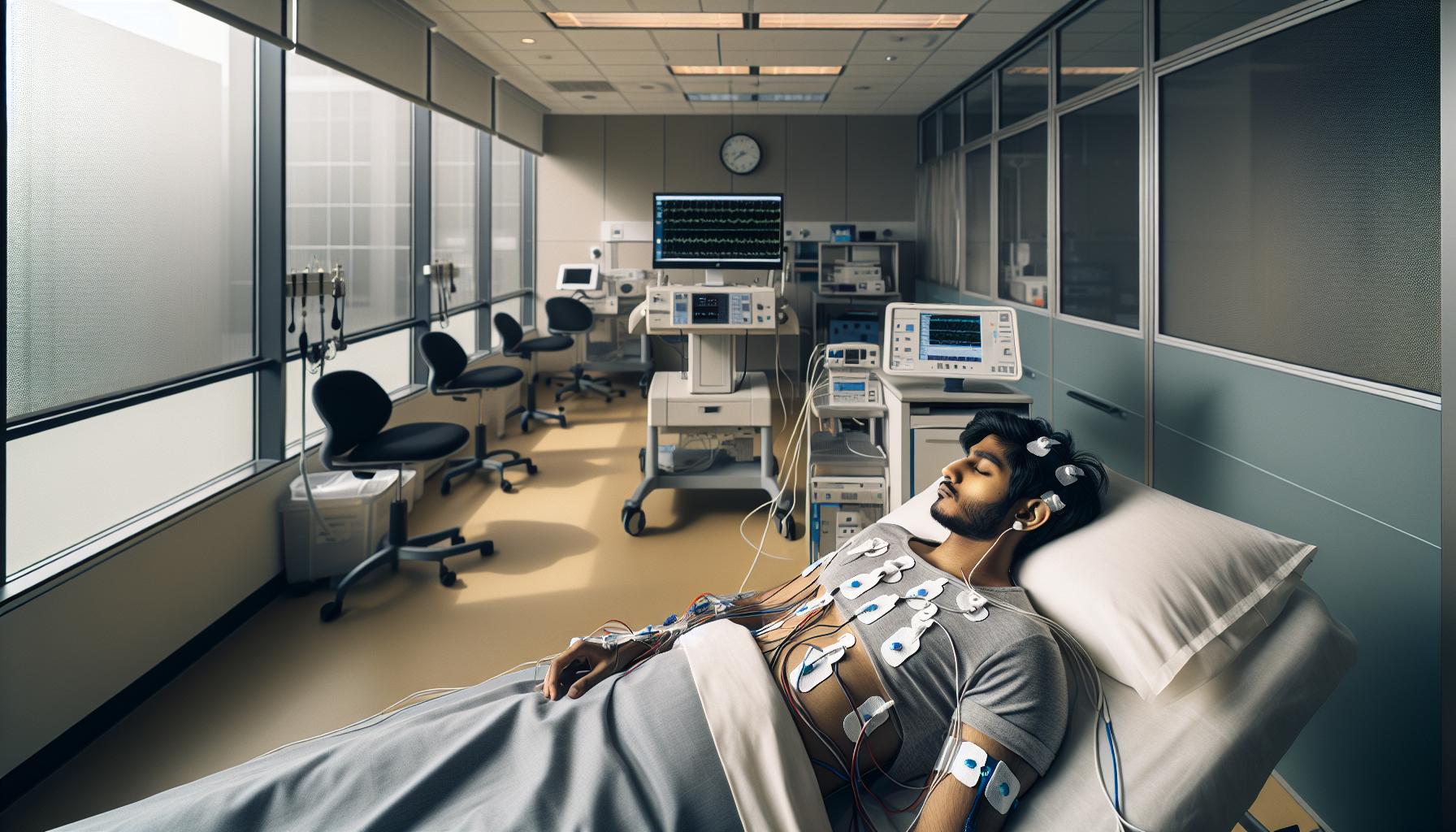
Understanding Sleep Studies: What They Are and Why You Need One
Sleep studies may seem intimidating, but they are vital tools for understanding your sleep health. These specialized tests, often referred to as polysomnography, monitor various body functions as you sleep, such as brain waves, heart rate, and breathing patterns. These insights can help diagnose sleep disorders like sleep apnea, insomnia, or restless leg syndrome, making it possible to tackle the root causes of your sleep issues.
Understanding why you might need one is crucial. If you’ve been experiencing excessive daytime fatigue, loud snoring, or difficulty falling asleep, a sleep study could provide the clarity you need. During the test, you’ll be monitored in a controlled environment, which allows healthcare professionals to gather and analyze data related to your sleep cycles and any disturbances that might occur. This information is key for tailoring appropriate treatment plans.
Sleep studies can also help establish a strong foundation for treatment options. For those considering at-home sleep tests, knowing the differences between various types of studies is essential. While at-home monitors for sleep apnea can be effective, they may not capture the full range of sleep disorders that a clinical sleep study can identify. Therefore, understanding both options allows you to make an informed choice about your sleep health.
Ultimately, recognizing the importance of sleep studies is the first step toward getting the restful nights you deserve. By taking action and prioritizing your sleep health, you are not just improving your quality of life but potentially enhancing your overall well-being as well.
Types of Sleep Studies: Choosing the Right Option for You
Choosing the right type of sleep study can significantly affect the accuracy of your diagnosis and the effectiveness of your treatment. There are several options available, each suited for different needs and types of sleep disorders. Understanding these options not only empowers you to make an informed choice but also helps alleviate any anxiety surrounding the process.
Types of Sleep Studies
The most common types of sleep studies include:
- Polysomnography (PSG): This comprehensive test is conducted in a sleep lab. It monitors various physiological parameters, including brain waves, oxygen levels, heart rate, and breathing. PSG is ideal for diagnosing a range of sleep disorders, especially more complex issues such as sleep apnea, narcolepsy, and parasomnias.
- Home Sleep Apnea Testing (HSAT): A more convenient option, HSAT is usually prescribed for suspected cases of obstructive sleep apnea. You’ll wear a portable monitor at home that records breathing, heart rate, and oxygen saturation while you sleep. This study is less comprehensive than PSG, so it’s most suitable when a disorder is suspected to be specifically related to sleep apnea.
- Multiple Sleep Latency Test (MSLT): Often performed the day after a PSG, this test measures how quickly you fall asleep in a quiet environment. It helps diagnose conditions like narcolepsy and excessive daytime sleepiness.
- Maintenance of Wakefulness Test (MWT): MWT assesses how well you can stay awake in a quiet environment and is often used to evaluate individuals for work-related sleep disorders.
Factors to Consider
When choosing the best option for your situation, consider the following:
- Symptoms: If you experience loud snoring, breathing interruptions, and significant daytime fatigue, a comprehensive PSG may be warranted. If you suspect sleep apnea only, HSAT may be sufficient.
- Convenience and comfort: Some people prefer the comfort of their own bed for tests like HSAT, while others do not mind the clinical environment of a sleep lab.
- Insurance coverage: Check with your insurance provider as coverage may vary depending on the type of sleep study.
Overall, understanding the specifics of each type of study can help you feel more comfortable and prepared. It’s always a good idea to discuss your symptoms and preferences with your healthcare provider, who can guide you towards the most appropriate testing method tailored to your needs. By taking these steps, you’re positioning yourself to receive the most effective and targeted treatment for your sleep concerns.
Preparing for Your Sleep Study: Essential Steps to Follow
Preparing for a sleep study can feel daunting, but it’s important to remember that these assessments are key to diagnosing any underlying sleep disorders that may be affecting your health. Taking the right steps in advance can help ensure a smooth experience, reducing anxiety and maximizing accuracy.
The first step to consider is your appointment details. Always check the time and location of your sleep study, and try to arrive early. This gives you a chance to familiarize yourself with the environment, which can ease any nerves. Remember to bring any necessary items, such as your medications and a book or other quiet activity to help you relax before the study begins. For those using a sleep study at home, ensure you have a charger for monitoring devices and a comfortable space to sleep.
Another vital aspect of preparation is understanding any restrictions or guidelines provided by your healthcare provider. These may include avoiding caffeine and alcohol the day of the study, as they can interfere with your sleep patterns. Additionally, it’s often recommended to maintain your regular sleep schedule leading up to the study to account for any fluctuations in your sleep routine.
The night before the study, it’s beneficial to create a calming bedtime routine. Engage in relaxing activities, such as reading or taking a warm bath, and ensure your sleeping area is conducive to rest-dark, quiet, and comfortable. If you’ll be undergoing a polysomnography (PSG) test, you may be instructed not to nap the day of the study to ensure that you feel tired enough to sleep upon arrival.
Lastly, don’t hesitate to voice any concerns or questions with your healthcare provider ahead of the study. Understanding the procedures involved can significantly reduce anxiety. Knowledge is empowering, and being well-prepared helps you approach your sleep study with confidence.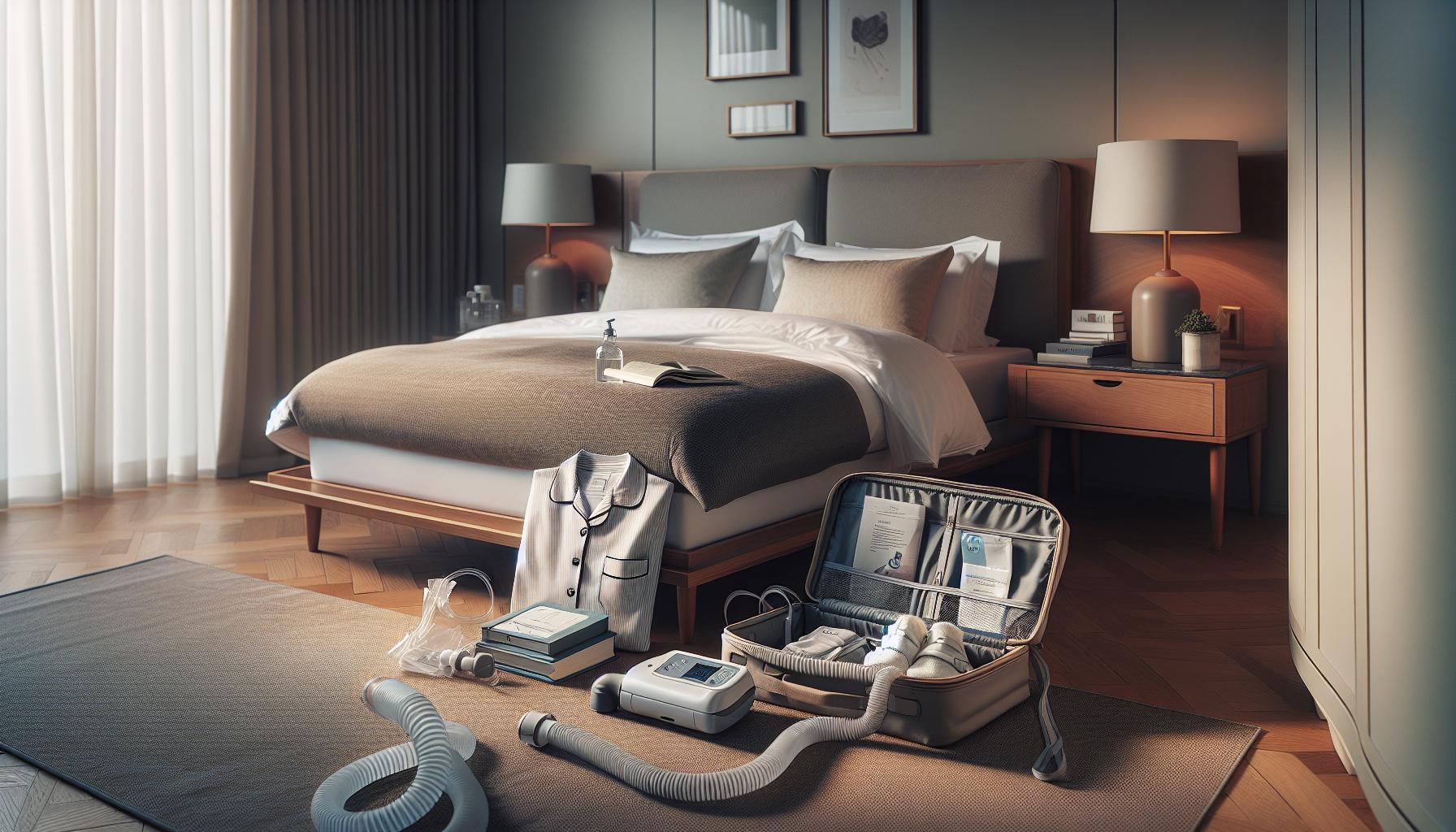
What to Expect During a Sleep Study: A Detailed Walkthrough
During a sleep study, or polysomnography, expect an experience designed to create a comfortable environment for obtaining crucial information about your sleep patterns. This detailed assessment goes beyond just monitoring how long you sleep; it examines multiple aspects of your sleep and can help identify various sleep disorders, such as sleep apnea, restless legs syndrome, and insomnia.
Upon your arrival at the sleep center or when preparing for an at-home sleep study, you’ll be guided through the setup process. In a clinical setting, a sleep technician will attach small, painless electrodes to your scalp, face, and body. These sensors monitor brain waves, heart rate, oxygen levels, and muscle activity. Typically, they will also place a clip on your finger to measure oxygen saturation. At home, you may wear a simplified version of this equipment, such as a finger clip and a device around your chest.
After setup, you will settle into a room designed for sleep studies, which might feel a bit different from your usual sleeping environment. The lights will be dimmed, and you’ll receive instructions on how to position yourself for optimal monitoring. Despite the sensors, most people find they can still sleep comfortably. A common concern is the apprehension about not being able to fall asleep. Concentrate on relaxing techniques you practiced in the days leading to the study, such as deep breathing or visualization, to help ease any anxiety.
Throughout the night, the equipment will record your sleep stages, including REM (Rapid Eye Movement) and NREM (Non-Rapid Eye Movement) cycles. After the study concludes, a sleep specialist will analyze the results. You may even find out about your findings during a follow-up appointment. Understanding the data helps you and your healthcare provider identify any potential sleep disorders and tailor an effective treatment plan.
Remember, whether you undergo the study in a clinic or at home, the process is designed to prioritize your comfort and gather critical insights into your sleep health. Being informed and prepared can transform what might seem nerve-wracking into a valuable opportunity for improving your sleep.
Understanding Sleep Study Results: Interpreting Your Findings
Understanding your sleep study results is crucial for taking informed steps toward improving your sleep health. After the sleep technician gathers data during your study, a sleep specialist will analyze it, looking for patterns that may indicate potential issues. Key aspects they examine include sleep stages, disruptions, and overall sleep quality.
Interpreting Key Metrics
The results of a sleep study typically include information on respiratory events, sleep architecture, and movement. Here’s a quick overview of what these terms mean:
- Respiratory Events: This includes instances like sleep apnea, where breathing stops and starts during sleep. A higher number of apneas (stop in breathing) can indicate the need for follow-up treatment.
- Sleep Architecture: This refers to the various stages of sleep, including NREM and REM sleep. A healthy sleep pattern shows a balance of these stages, typically cycling through them several times during the night.
- Movement Analysis: This assesses how much you move while asleep. Frequent movements may signify conditions like restless legs syndrome or discomfort that disrupts your sleep.
Understanding Your Diagnosis
Based on the metrics your specialist reviews, you may receive a diagnosis that can include common disorders such as insomnia, obstructive sleep apnea, or periodic limb movement disorder. Understanding your diagnosis can feel overwhelming, but remember that it’s a step toward better health.
Ask your healthcare provider specific questions about your results, such as what they mean for your daily life and what treatment options are available. For example, if diagnosed with sleep apnea, you might explore the use of a CPAP machine to ensure consistent airflow while sleeping. Knowing the potential lifestyle changes, therapies, or devices recommended can empower you to make informed choices for better sleep hygiene.
Next Steps and Follow-Up
Once you have your results, it’s time to take action. Schedule a follow-up appointment to discuss treatment options or lifestyle changes that may help mitigate any diagnosed conditions. Continuous monitoring is also essential; sometimes, further testing may be required to refine your diagnosis or assess the effectiveness of introduced interventions.
Arming yourself with information about your sleep study results is the first step toward reclaiming your nights, leading to improved physical and mental well-being. Remember, you don’t have to navigate this journey alone-partnering with professionals who specialize in sleep health can make all the difference.
Common Sleep Disorders Diagnosed by Sleep Studies
Sleep studies are instrumental in diagnosing a variety of sleep disorders, each with its own unique implications for health and daily life. Understanding these disorders not only helps demystify your sleep challenges but also empowers you to take action toward better sleep health.
One of the most common conditions diagnosed through these studies is obstructive sleep apnea (OSA). This disorder occurs when the throat muscles intermittently relax and block the airway during sleep, leading to disrupted breathing patterns. Symptoms may include loud snoring and episodes where the individual stops breathing. Given the potential for OSA to significantly impact health-such as increasing the risk for heart disease and stroke-it’s essential to address it promptly.
Another prevalent issue is insomnia, where individuals have difficulty falling asleep or staying asleep. This can lead to reduced daytime functioning and can be linked to stress, anxiety, or other underlying conditions. Sleep studies often help differentiate insomnia from other disorders by monitoring sleep patterns and identifying disruptions.
Moreover, periodic limb movement disorder (PLMD) is another condition that can be diagnosed via sleep studies. Characterized by involuntary leg movements during sleep, PLMD can lead to fragmented sleep and overall fatigue. Understanding these movements through polysomnography provides clarity for individuals struggling with unexplained daytime sleepiness.
Additionally, conditions like narcolepsy, which involves excessive daytime sleepiness and sudden sleep attacks, may also be identified. Recognizing narcolepsy early is crucial for managing symptoms and improving quality of life.
Understanding the spectrum of sleep disorders is vital for informed decision-making and effective treatment. Sleep studies provide a roadmap, guiding both patients and healthcare providers towards effective strategies for managing these conditions. It’s essential to communicate openly with your healthcare provider about any symptoms you experience, as early intervention can significantly enhance your overall well-being.
Wearable Sleep Trackers vs. Clinical Sleep Studies: Pros and Cons
The rise of wearable sleep trackers has transformed how we monitor our sleep, providing valuable insights right on our wrists. However, while these devices offer convenience and accessibility, they come with limitations compared to traditional clinical sleep studies. Understanding the pros and cons of each option can empower you to make informed decisions about your sleep health.
Pros of Wearable Sleep Trackers
Wearable devices, such as smartwatches and fitness bands, can track basic sleep metrics like total sleep time, sleep stages (light, deep, and REM), and disruptions through movement. They enable users to monitor their sleep patterns conveniently and continuously, providing data that can promote behavioral changes for better sleep hygiene. Price is another significant advantage; many wearables are relatively affordable compared to comprehensive sleep studies, which can cost several hundred dollars depending on your insurance coverage.
Cons of Wearable Sleep Trackers
However, the accuracy of these devices can be questionable. Most wearables use accelerometry to infer sleep stages based on movement, which may not capture the full complexities of sleep quality. For instance, they cannot measure vital signs like breathing patterns or brain activity-crucial factors in diagnosing disorders such as sleep apnea or narcolepsy. Users may also misinterpret the data, leading to unwarranted anxiety or incorrect assumptions about their sleep health.
Pros of Clinical Sleep Studies
On the other hand, clinical sleep studies (polysomnography) provide a comprehensive analysis of your sleep through direct measurement of brain waves, oxygen levels, heart rate, and breathing patterns. This detailed assessment is instrumental in diagnosing serious sleep disorders that wearables may overlook. Moreover, the environment is controlled and monitored by trained professionals, ensuring accurate results. These studies can guide effective treatment options, such as those for obstructive sleep apnea or restless leg syndrome.
Cons of Clinical Sleep Studies
Despite their advantages, clinical sleep studies can be daunting and expensive. The process often involves overnight stays in a sleep lab, which can induce anxiety for some individuals. There are also logistical challenges, such as scheduling and insurance coverage, that can complicate access to these tests.
In conclusion, deciding between wearable sleep trackers and clinical sleep studies depends on your specific needs and conditions. If you’re simply looking to improve general sleep habits, a wearable might suffice. However, if you’re struggling with persistent sleep issues that could signal a disorder, a clinical sleep study is likely the more effective route. Always consult with a healthcare professional to navigate these options effectively.
Insurance and Costs: Navigating Payment for Sleep Studies
Navigating the costs associated with a sleep study can feel overwhelming, but understanding your options can ease the process considerably. Clinical sleep studies, also known as polysomnography, can range significantly in price-from a few hundred dollars to over a thousand, depending on the facility, location, and specific tests conducted. Many insurance plans cover these studies, but coverage varies widely. It’s crucial to check with your insurance provider ahead of time to confirm whether a sleep study is covered under your plan and to what extent.
Understanding Insurance Coverage
When you’re preparing to undergo a sleep study, begin by confirming your insurance company’s requirements for coverage. Most plans require that a doctor’s recommendation accompanies your sleep study request, typically after an assessment of your symptoms. Asking your healthcare provider to provide documentation that underscores the necessity of the study can help with insurance approval. Don’t hesitate to ask your doctor or sleep specialist to clarify any medical necessity that may optimize your chances of coverage.
Costs Breakdown
Here’s a quick look at potential costs you might encounter:
| Type of Study | Estimated Cost |
|---|---|
| In-Lab Sleep Study | $600 – $3,000 |
| At-Home Sleep Study | $200 – $800 |
| Follow-Up Testing or Treatments | Varies based on procedure |
Exploring Payment Options
If your insurance does not cover the full cost, inquire about payment plans directly with the sleep center. Many facilities offer financing options or payment plans to help manage out-of-pocket expenses. Additionally, consider discussing with your healthcare provider if there are any alternative methods for diagnosing your sleep issues that might come at a lower cost but still provide valuable insight.
With these steps, you can alleviate the stress associated with the financial aspects of your sleep study, allowing you to focus on understanding your sleep health and seeking the right treatment if necessary. Being proactive about questions and finances can turn an overwhelming process into a manageable one.
At-Home Sleep Tests: Are They Right for You?
At-home sleep tests have emerged as a convenient and less intimidating option for those seeking answers to their sleep issues. Unlike traditional lab sleep studies, which require an overnight stay at a medical facility, these tests allow you to monitor your sleep patterns from the comfort of your own home. This can alleviate some anxiety associated with sleep studies, making it a popular choice for many. But are at-home tests the right fit for you?
Before deciding, consider the type of symptoms you are experiencing. At-home tests are typically suited for diagnosing conditions like obstructive sleep apnea (OSA), where the primary focus is on breathing patterns during sleep. These tests usually involve a lightweight device that you wear while you sleep, which tracks your heart rate, oxygen levels, and airflow. However, if you’re facing more complex sleep disorders, such as narcolepsy or parasomnias (like sleepwalking), a comprehensive in-lab study may be necessary for accurate diagnosis.
Understanding What to Expect
When you opt for an at-home sleep test, the process generally includes the following steps:
- Receiving the Device: Your doctor will typically provide or prescribe a sleep monitor. This device may include sensors you attach to your body.
- Set-Up: Follow the provided instructions for attaching sensors. Usually, you’ll place sensors around your chest and a clip on your finger to monitor oxygen levels.
- Sleep Monitoring: Simply go to bed as you normally would. The device does the rest by tracking vital sleep metrics during the night.
- Returning the Device: After the test, return the equipment according to your provider’s instructions for analysis.
Weighing the Pros and Cons
At-home tests do have their advantages. They are often more affordable than in-lab studies, typically falling between $200 and $800. Additionally, they eliminate the anxiety of sleeping in an unfamiliar environment. However, they may not capture all aspects of your sleep, such as brain wave activity, which is essential in diagnosing certain sleep disorders.
If you’re unsure whether to pursue an at-home test, consult with your healthcare provider. They can assess your specific symptoms and medical history to determine the best approach. Ultimately, understanding the scope and limitations of at-home tests will empower you to make informed choices regarding your sleep health.
Managing Sleep Anxiety Before Your Study
Anxiety about sleep studies is a common concern, often stemming from the unknowns of the process, potential discomfort, or fears of being monitored while sleeping. Understanding how to manage these feelings can significantly enhance your experience and increase the likelihood of a successful study.
Start by familiarizing yourself with what to expect during the study. Knowing the steps involved-from how sensors are applied to how you’ll be monitored throughout the night-can demystify the process. Many facilities provide detailed instructions, and your healthcare provider can help clarify any lingering questions. To alleviate specific worries, consider visiting the sleep center in advance to see the environment and equipment. This can make a big difference in how comfortable you feel on the night of the study.
Another effective way to manage anxiety is to develop a relaxation routine. Engage in calming activities in the hours leading up to your sleep study, such as deep breathing exercises, gentle stretching, or mindfulness meditation. These practices can help lower your stress levels and make it easier to transition into sleep, even with the monitoring equipment in place. Additionally, avoid caffeine and heavy meals in the evening to ensure your body is in the best condition for sleep.
Finally, talk openly about your worries with your healthcare provider or the sleep center staff. They are there to help you, and sharing your concerns can provide reassurance. Many patients find that simply discussing their fears helps diminish them. Remember, the goal of the sleep study is to help you understand your sleep patterns better and address any issues you may have, so prioritizing your comfort and peace of mind is essential. Through these proactive steps, you can transform your anxiety into a more manageable experience, allowing you to focus on what truly matters-your health and well-being.
Post-Study Care: Next Steps for Better Sleep
After completing your sleep study, the journey toward better sleep is just beginning. Understanding what to do next and how to implement any recommendations can significantly enhance your sleep quality and overall health.
First and foremost, review your results with your healthcare provider. It’s essential to understand what the findings mean for you personally. This discussion is an opportunity to ask questions, clarify uncertainties, and explore treatment options tailored to your needs. Depending on the diagnosis, solutions may involve lifestyle changes, therapies, or even the use of specific sleep devices.
Next, consider creating a sleep-friendly environment based on your study’s findings. This could include optimizing your bedroom’s temperature, minimizing noise and light, and investing in a comfortable mattress and bedding. Incorporating a consistent bedtime routine can also signal to your body when it’s time to wind down, making it easier to achieve restful sleep. Techniques such as reading, practicing relaxation exercises, or gentle stretching may help signal your body to transition smoothly to sleep.
Implementing Lifestyle Changes
If your sleep study indicated a condition like sleep apnea, insomnia, or restless leg syndrome, adopting specific lifestyle changes can make a considerable difference. Here are a few actionable steps:
- Regular Physical Activity: Engage in moderate exercise most days, but avoid vigorous workouts close to bedtime.
- Mindful Eating: Pay attention to your diet-avoid heavy meals, caffeine, and alcohol before sleep.
- Screen Time Management: Limit screens from phones, tablets, and computers at least an hour before bed to improve melatonin production.
Stay consistent with these changes to turn your results into a practical plan for better sleep health.
Follow-Up and Continuous Monitoring
It’s also beneficial to keep a sleep diary for a few weeks following your study. Note sleep patterns, how you feel during the day, and any strategies you’ve implemented. This information can be invaluable for subsequent appointments with your healthcare provider, providing insights into what is working and what may need adjustment.
Remember, the path to restorative sleep is often a journey of trial and adjustment. Engaging in regular follow-up with your healthcare provider can ensure you stay on track and make necessary changes as you go. With patience, commitment, and the right strategies, you’ll be well on your way to achieving a restful night’s sleep.
When to Seek Professional Help: Signs It’s Time for a Sleep Study
It’s not uncommon for people to underestimate the importance of their sleep health until faced with persistent challenges. If you find yourself dealing with chronic fatigue, excessive daytime sleepiness, or frequent disruptions during the night, it may be time to consider a sleep study. These studies are designed to diagnose a range of sleep disorders, from sleep apnea to insomnia, and can reveal hidden issues that disrupt your overall well-being.
There are several warning signs that suggest you should seek professional help. If you regularly snore loudly or gasp for air during sleep, these symptoms could indicate sleep apnea, a condition that can have serious health consequences if left untreated. Additionally, if you consistently struggle to fall asleep or stay asleep despite maintaining good sleep hygiene, it may signal an underlying disorder requiring further investigation. Other red flags include experiencing restless legs, vivid dreams, or sleepwalking, which can disrupt your sleep cycle and affect your daily life.
Recognizing the Signs
If you’re wondering whether to pursue a sleep study, look out for these particular signs:
- Persistent Fatigue: If you wake up tired regardless of how long you slept, this could indicate an underlying sleep disorder.
- Frequent Headaches: Morning headaches often correlate with poor sleep quality and might be a sign of sleep apnea.
- Memory and Concentration Issues: Difficulty focusing during the day can stem from interrupted sleep cycles.
- Behavioral Changes: Increased irritability or mood swings may also signal poor sleep quality.
Addressing these symptoms early can significantly impact your quality of life. Don’t hesitate to discuss these concerns with your healthcare provider who can guide you through the process of scheduling a sleep study. It’s a step towards reclaiming your nights and improving your days.
Faq
Q: How do I prepare for my first sleep study?
A: To prepare for your first sleep study, avoid caffeine and alcohol the night before and keep a regular sleep schedule. Bring comfortable pajamas and any medications you are currently taking. Consult the “Preparing for Your Sleep Study” section for detailed preparatory steps.
Q: What can I expect during a home sleep study?
A: During a home sleep study, you’ll use portable equipment to monitor your sleep patterns. Expect to place electrodes on your body and wear a device that tracks your breathing. For more specifics on setup, refer to the “What to Expect During a Sleep Study” section.
Q: How long does a sleep study typically take?
A: A sleep study usually lasts one night, but some setups may require multiple nights for comprehensive data collection. Make sure you are prepared for a full night’s sleep as it is crucial for accurate results. For further details, see “What to Expect During a Sleep Study.”
Q: What are the risks associated with sleep studies?
A: Sleep studies are generally safe, but some individuals may experience minor discomfort from leads or sensors. There are minimal risks, but if you have specific concerns, discuss them with your doctor beforehand. Visit the “Understanding Sleep Studies” section for more information about safety.
Q: How do I interpret my sleep study results?
A: To interpret your sleep study results, look for key metrics like sleep stages, apnea episodes, and oxygen levels. Your healthcare provider will help you understand what these metrics mean and recommend any necessary follow-up actions. Reference “Understanding Sleep Study Results” for more insights.
Q: Can I eat or drink before a sleep study?
A: It’s generally advisable to have a light meal before your sleep study. However, avoid caffeine and alcohol. For personalized instructions, consult the “Preparing for Your Sleep Study” section, as guidelines may vary.
Q: When should I consider an at-home sleep study instead of a lab study?
A: An at-home sleep study may be suitable if you have mild symptoms of sleep disorders like snoring or occasional apnea. It’s often more convenient and less costly, but consult your doctor for personalized advice. Check “At-Home Sleep Tests” for more details.
Q: Will my insurance cover a sleep study?
A: Many insurance plans cover sleep studies, but coverage can vary widely. It’s important to verify with your provider beforehand. Refer to the “Insurance and Costs” section for guidance on navigating payment options.
Future Outlook
As you embark on your journey to better sleep, remember that understanding how to have a sleep study done is just the first step toward empowering your health. Whether you’re dealing with insomnia, sleep apnea, or other disorders, getting the right information can alleviate worries and guide your next actions. Don’t hesitate to explore further – check out our insights on natural cures for insomnia to complement your sleep study findings, or dive into why sleep is so vital for your overall well-being.
Take control of your sleep health today: consider scheduling your study, and explore the latest wearable technology options for ongoing monitoring at home. Join our newsletter for expert tips and personal stories that can inspire your journey – your path to restorative sleep awaits! Share your thoughts in the comments below and explore our resources to keep moving toward the restful nights you deserve. Your health is important; let’s make sure your sleep is, too!
Get our latest guides, news, and insights highlighted in your Google Search & AI Overviews.