
Did you know that about 30% of people struggle to sleep during a sleep study? This can be a daunting experience, especially when you’re seeking answers for sleep issues. If you find yourself tossing and turning under the bright lights and monitoring equipment, you’re not alone. Understanding what to expect and how to cope can turn anxiety into empowerment. In this article, we’ll explore expert solutions for those anxious about sleep loss during these important evaluations. We’ll discuss strategies to help ease your mind, tips for creating a conducive environment, and the technology at your disposal to make the most out of your sleep study. Keep reading to discover how small adjustments can lead to valuable insights about your sleep patterns and health.
What to Expect During a Sleep Study
During a sleep study, also known as polysomnography, you can expect a structured and controlled environment designed to monitor various physiological functions while you sleep, which can help identify sleep disorders. This test usually takes place in a sleep center or can be conducted at home with certain portable equipment. As you prepare for the test, you’ll wear several sensors that track your brain waves, blood oxygen levels, heart rate, respiratory effort, and eye and leg movements.
The environment in a sleep center may feel a bit different from your home. While some people find it challenging to fall asleep in a new setting, the equipment used doesn’t typically interfere with natural sleep patterns. You’ll generally be given instructions on how to prepare the night before, such as avoiding caffeine or certain medications. If performing the study at home, the setup will involve wearing sensors and having a small device to record information, which is less invasive but still very informative [[1]](https://www.mayoclinic.org/tests-procedures/polysomnography/about/pac-20394877) [[3]](https://my.clevelandclinic.org/health/diagnostics/12131-sleep-study-polysomnography).
Once you’re settled in and the equipment is set up, your technologist will monitor you through the night. Many people worry about the lights and sounds in the lab environment, but modern facilities are designed to minimize these distractions. The information gathered will be analyzed by a sleep specialist who will review the data to make an informed diagnosis. If you’re concerned about not being able to sleep, remember that rest is still beneficial even if it doesn’t occur in large amounts, and your clinicians are there to help you through the process [[2]](https://www.hopkinsmedicine.org/health/wellness-and-prevention/what-happens-in-a-sleep-study).
Common Reasons for Sleep Study Anxiety

Anxiety surrounding sleep studies is a common concern for many individuals who are considering undergoing this important diagnostic procedure. The apprehension often stems from fears about the inability to sleep, particularly in an unfamiliar environment. The pressure to fall asleep may feel heightened when hooked up to various sensors, leading to a self-fulfilling worry-what if I can’t sleep? Understanding the root of this anxiety can pave the way for more effective coping strategies.
One major source of anxiety is the fear of judgment. Many individuals worry that they will not meet the expectations of sleep technicians or that the data collected will be skewed if they can’t fall asleep. However, it’s crucial to remember that sleep studies are designed for professionals to assess sleep patterns and disturbances objectively. Even if you experience a restless night, the results will still provide valuable insights, and technicians are trained to interpret the data within the context of your overall health and circumstances.
Another prominent concern revolves around the discomfort of the equipment used in the study. The idea of sleeping with wires connected to your body can feel invasive and unsettling. It’s normal to worry that these gadgets will disrupt your sleep or feel cumbersome. Keep in mind that sleep study facilities have made significant advancements in equipment design, focusing on minimizing discomfort and maximizing the ability to relax. Familiarizing yourself with the equipment beforehand can help reduce this anxiety.
Practical strategies can help mitigate these worries. For example, consider scheduling your sleep study for a day when you are feeling less stressed or fatigued. Engaging in relaxation techniques, such as deep breathing or meditation, before the appointment can also significantly ease anxiety. Additionally, discussing your concerns with your healthcare provider can provide reassurance and may even lead to individualized recommendations to ensure a smoother experience during the study itself.
Ultimately, acknowledging and addressing your anxieties ahead of time can help transform a potentially nerve-wracking experience into a positive step toward understanding and improving your sleep health.
Expert Techniques to Help You Sleep
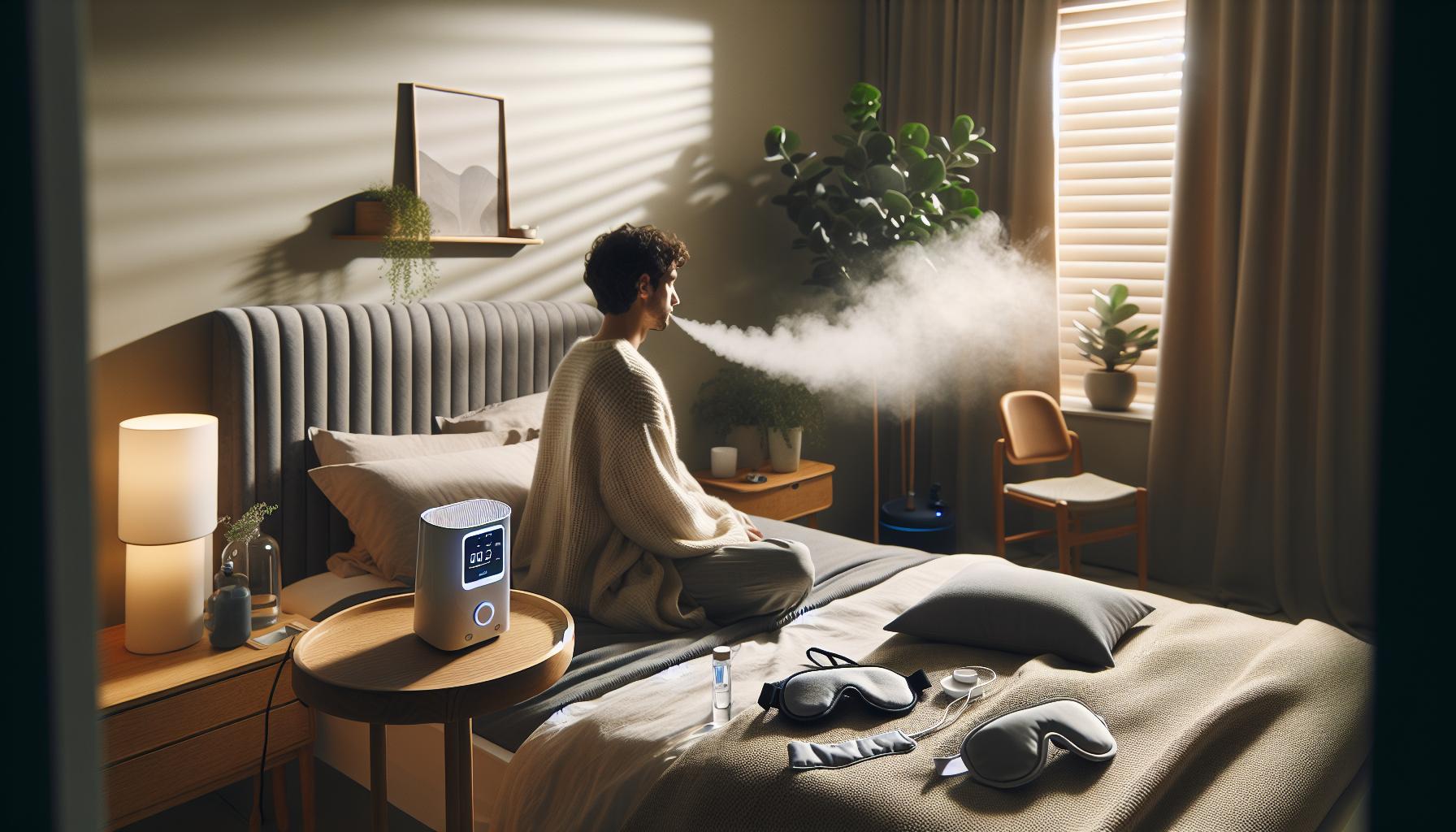
Many individuals worry about their ability to sleep during a sleep study, particularly when faced with new surroundings and the pressure of specific evaluations. To counteract these feelings and improve your chances of restful sleep, you can employ several expert-recommended techniques.
One effective strategy is to engage in deep breathing exercises. Methods such as the 4-7-8 breathing technique, which involves inhaling for four seconds, holding for seven seconds, and exhaling for eight seconds, can significantly help calm your mind and body, especially when anxiety creeps in. This technique, acclaimed for its simplicity, can be practiced any time you feel stress arising, potentially leading to a more peaceful night’s rest during your study.
Another method worth considering is progressive muscle relaxation. This involves tensing and then relaxing different muscle groups in your body, starting from your toes and working up to your head. This technique not only helps release physical tension but can also alleviate mental stress by focusing your thoughts on those specific muscle groups rather than the sleep study itself.
In addition to these relaxation techniques, establishing a calming pre-sleep routine at home can prepare you for the sleep study environment. Consider integrating soothing activities such as reading, meditation, or listening to soft music in the hour before bed. Ensuring you go to bed feeling relaxed and prepared can set a positive tone for your upcoming study.
Effective distraction techniques can also prove helpful if you find your mind racing or fixating on the sleep study. Listen to calming audio, such as guided meditations or calming stories, which can help shift your focus away from worries about sleep and toward relaxation. In moments of heightened anxiety, remembering that sleep technicians are professionals trained to handle diverse situations can provide additional reassurance and calm.
By combining these expert techniques-breathing exercises, muscle relaxation, and pre-sleep routines-you can navigate the sleep study experience with more confidence and ease. Each of these methods not only helps in the moment but provides tools that can enhance your overall sleep quality beyond the study itself.
Adjusting to Sleep Study Equipment
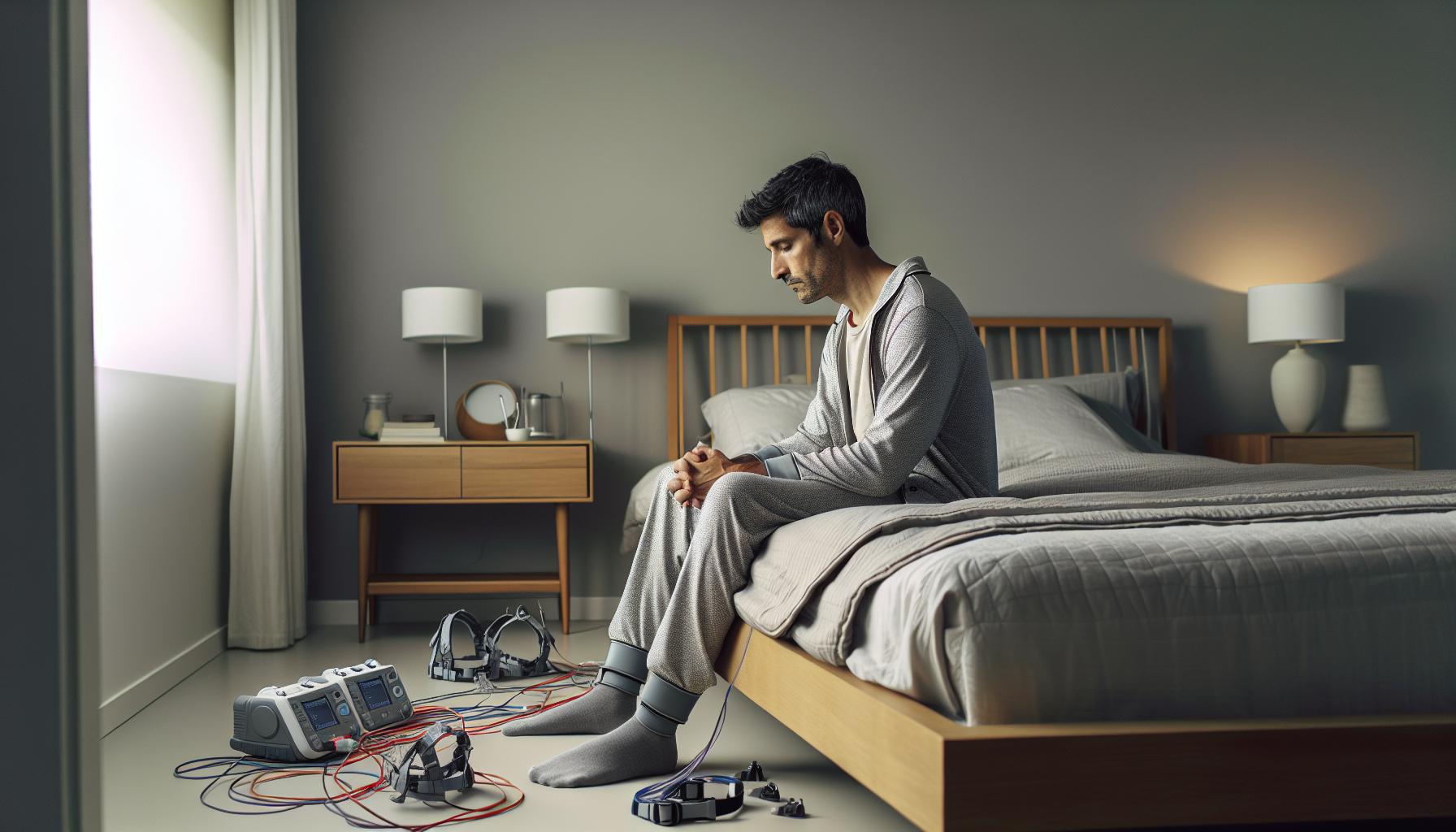
Adjusting to the various equipment during a sleep study can feel daunting, especially when you’re already anxious about your ability to sleep in a new environment. Understanding how to adapt to these devices can make a significant difference in your experience and overall comfort.
The primary equipment for your sleep study will likely include a series of electrodes and sensors designed to monitor your brain waves, heart rate, breathing, and muscle activity. These sensors are typically placed on your scalp, face, chest, and limbs using a gentle adhesive. Initially, the sensation of having multiple wires attached can be unsettling, but keep in mind that the technicians will ensure everything is done smoothly and efficiently. Familiarize yourself with the setup process ahead of time by asking your healthcare provider or the sleep clinic staff about what to expect. They can guide you through how the devices will be applied, which can alleviate some anxiety.
To help you adjust while lying down, think about creating a comfortable sleeping position. Since the sensors are designed to be non-intrusive, you can usually find a way to lie that doesn’t aggravate the wires or leads. Some people find sleeping on their back easier, while others prefer their sides. If you feel the equipment tugging or pulling, feel free to communicate with the sleep technician. They can help you modify the setup to find a more suitable arrangement without compromising the monitoring process.
Another tip is to practice being in similar setups before your actual sleep study. If you own any home sleep monitoring devices, try wearing them a few nights before your appointment. This can help you grow accustomed to having devices on you while you sleep. In addition, wearing the study’s equipment for shorter periods during the day can aid in getting used to the sensation.
Finally, approach your sleep study with a positive mindset. Remember, these devices are there to help gather important data that will lead to better understanding and treatment of any sleep issues you may have. Trust that the sleep technicians are experienced professionals who are there to support you, ensuring a successful study without imposing extra stress.
Tips for Improving Sleep Quality at Home

Creating a restful sleeping environment at home is crucial, especially if you find it hard to sleep during a sleep study. Simple modifications can significantly enhance your sleep quality and facilitate relaxation, laying the groundwork for a more successful experience when it’s time for the study.
Start by establishing a consistent sleep schedule. Going to bed and waking up at the same time every day helps regulate your body’s internal clock. Aim for 7-9 hours of sleep each night, which is essential for most adults. Prioritize your sleep by treating it like an important appointment.
Next, evaluate your sleeping environment. Ensure your bedroom is dark, quiet, and cool. Use blackout curtains or an eye mask to block out light, and consider white noise machines or earplugs to minimize disruptive sounds. Your mattress and pillows should be comfortable and supportive. If adjusting the bedroom’s temperature is feasible, aim for a room that’s between 60-67°F (15-19°C) for optimal sleep.
Limit Sleep Disruptors
Pay attention to what you consume as bedtime approaches. Reduce or eliminate caffeine and nicotine in the hours leading up to sleep, as they can interfere with your ability to fall asleep. Instead, opt for soothing herbal teas or warm milk. Also, be cautious with your evening meals; consuming heavy or spicy dishes can lead to discomfort and disrupt your sleep.
Consider implementing a bedtime routine that promotes relaxation. Engage in calming activities such as reading, taking a warm bath, or practicing mindfulness and deep breathing exercises. Techniques like yoga or meditation can help clear your mind of stressors that may keep you awake. This routine not only signals to your body that it’s time to wind down but also creates a positive association with bedtime-setting the stage for restful nights.
Incorporating these strategies into your daily life can build better sleep habits over time, making it easier to adjust to the equipment and environment of a sleep study. Remember, achieving quality sleep is not just about the study itself, but about establishing patterns that lead to healthier sleep practices long term.
How Sleep Studies Assess Disorders
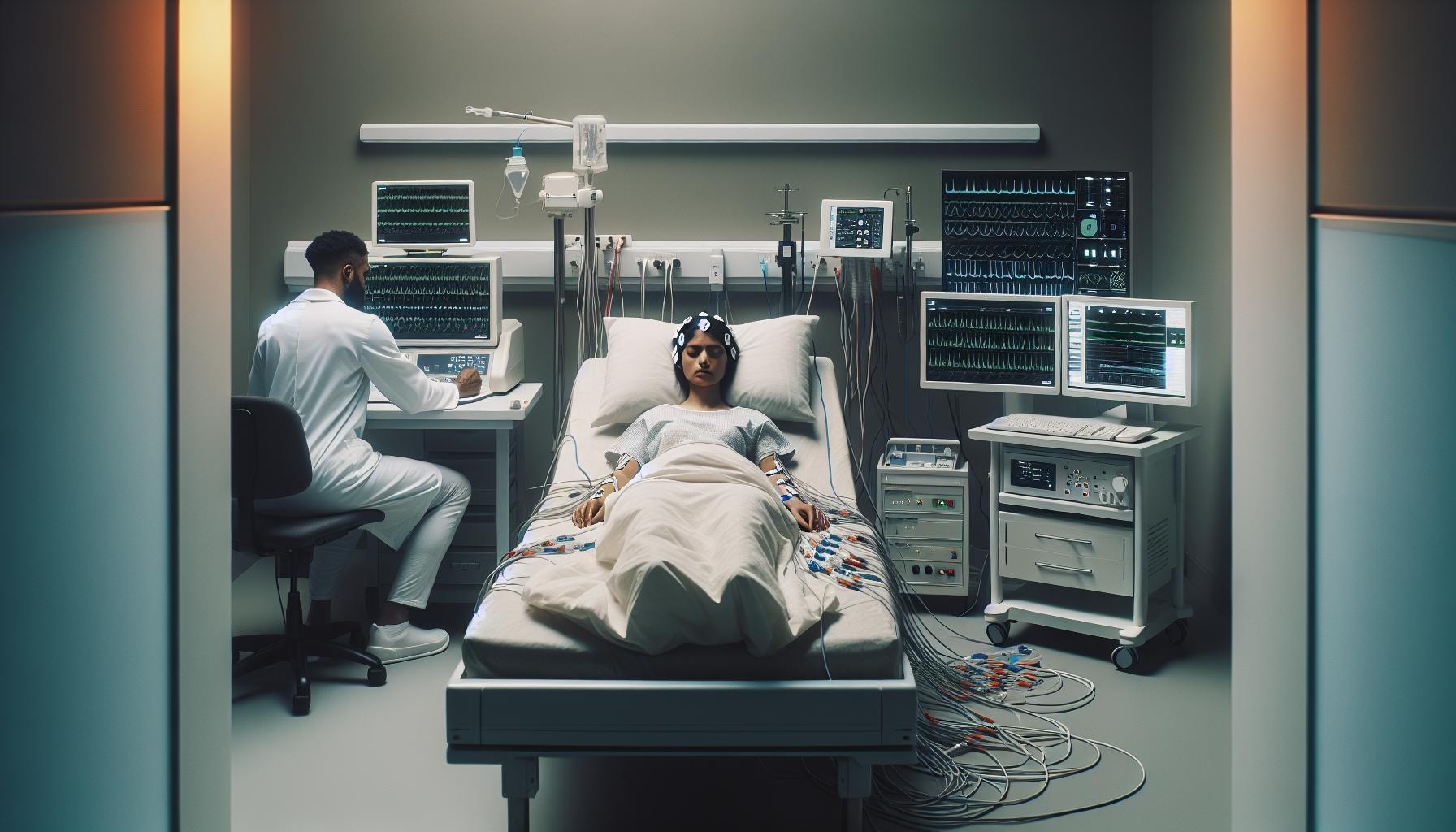
Understanding the assessment process of sleep studies can demystify any apprehensions you may have about what to expect during the test. Sleep studies, particularly polysomnography, are sophisticated diagnostic tools that monitor various physiological functions while you sleep. By analyzing multiple parameters such as brain waves, oxygen levels, heart rate, and body movements, healthcare professionals can identify a range of sleep disorders, including sleep apnea, insomnia, and restless legs syndrome.
The monitoring equipment used in a sleep study connects to sensors placed on your body, collecting real-time data throughout the night. For example, electrodes placed on your scalp and near your eyes capture brain activity, allowing clinicians to categorize your sleep stages, including light sleep, deep sleep, and REM sleep. Other sensors monitor your breathing patterns and heart rate, providing critical insights into how these factors might disrupt your sleep quality. This comprehensive assessment ultimately enables your healthcare provider to create an effective treatment plan tailored to your specific needs.
After your sleep study, the data collected is reviewed and interpreted by a sleep specialist. During this analysis, they look for disturbances in your respiratory functions, as well as irregularities in your sleep architecture-the structure and pattern of your sleep cycles. If you’re concerned about not sleeping well during the study, rest assured that variations in your sleep can still yield significant findings. The ultimate goal is to gather enough information to understand your sleep challenges, even if you struggle to relax fully in an unfamiliar environment.
In sum, sleep studies are a vital step in diagnosing sleep disorders, offering you clarity on your sleep health. The process, while seemingly complex, provides valuable insights that can lead to effective treatment solutions, allowing you to move effectively towards healthier sleep practices.
Understanding Polysomnography: A Deep Dive

Polysomnography, commonly referred to as a sleep study, is a comprehensive assessment that provides deep insights into your sleep patterns and overall sleep health. It’s designed not just to monitor how well you sleep but to identify potential sleep disorders such as sleep apnea, insomnia, or restless leg syndrome. One of the key aspects that set polysomnography apart from other sleep assessments is its ability to record various physiological factors simultaneously. This includes brain waves, oxygen levels, heart rate, and muscle activity, which are critical for a nuanced understanding of your sleep cycles.
What Happens During a Sleep Study?
During the study, sensors are placed on your body, typically across your scalp, face, chest, and limbs, to collect real-time data. While this setup may seem intimidating, it is essential for analyzing your sleep architecture. For example, electrodes monitor different stages of sleep – from light sleep to deep sleep and REM (rapid eye movement) sleep – allowing healthcare professionals to pinpoint where disruptions occur. This multifaceted approach aids in devising a tailored treatment plan that addresses your specific sleep issues.
If you’re concerned about not being able to sleep during the study, it’s important to remember that even partial data can be valuable. Sleep studies can still yield significant insights into your sleep patterns, even if the circumstances-like an unfamiliar bed or monitored environment-hinder a full night’s sleep. Variations in your sleep behavior, noted by the polysomnography, can lead to equally informative results, helping to clarify your sleep challenges.
Expert Solutions for Sleep Study Anxiety
If sleeping during a sleep study feels challenging, there are practical strategies you might consider beforehand. Familiarizing yourself with the equipment, such as understanding how the sensors work and what to expect can help to ease anxiety. Many sleep centers encourage relaxation techniques before the study, such as meditation or deep-breathing exercises, which can promote calmness as you prepare for sleep. Communicating your concerns to the sleep technicians can also provide reassurance, as they are trained to help patients feel comfortable throughout the night.
In summary, polysomnography stands out as a crucial tool for diagnosing sleep disorders by capturing a comprehensive picture of your sleep. Though anxiety about falling asleep in a clinical setting is common, the insights gleaned from even a partial night’s data can significantly contribute to your health. Understanding the process and receiving support can enhance your experience and ultimately aid in achieving a better night’s rest.
Alternative Sleep Study Methods Explained

While traditional polysomnography remains the gold standard for diagnosing sleep disorders, there are alternative sleep study methods that can be effective, especially for those who may struggle to sleep in a lab setting. These alternatives can provide valuable insights into one’s sleep patterns without the pressure of a clinical environment.
One popular alternative is the home sleep study, which allows individuals to complete testing in the comfort of their own bed. This method typically involves a simplified setup with fewer sensors, focusing primarily on breathing patterns and oxygen levels, making it ideal for diagnosing straightforward cases of sleep apnea. It’s crucial to keep in mind, however, that home studies may not capture the full spectrum of sleep disorders as comprehensively as in-lab studies.
Another emerging option is the use of wearable sleep trackers. Devices like smartwatches and dedicated sleep monitors can provide data on sleep duration, quality, and even disruptions throughout the night. While these devices won’t replace a formal sleep study, they can be a helpful preliminary step to gauge sleep health and identify any patterns that might warrant further investigation. They offer a user-friendly approach without the anxiety of being monitored in a sleep lab.
When considering these alternatives, keep in mind the cost-effectiveness and convenience they offer. Home studies can often be more affordable and easier to schedule, while wearables can integrate seamlessly into daily routines, providing ongoing insights over time. However, it’s essential to consult with a healthcare provider to determine the most appropriate method based on individual symptoms and sleep health needs.
In summary, if the idea of sleeping in a lab feels daunting, there are options available that can still help clarify your sleep issues, allowing for effective management and improvement of overall sleep quality. Evaluating these alternatives can empower you to take proactive steps toward better sleep health.
Exploring Wearable Sleep Trackers
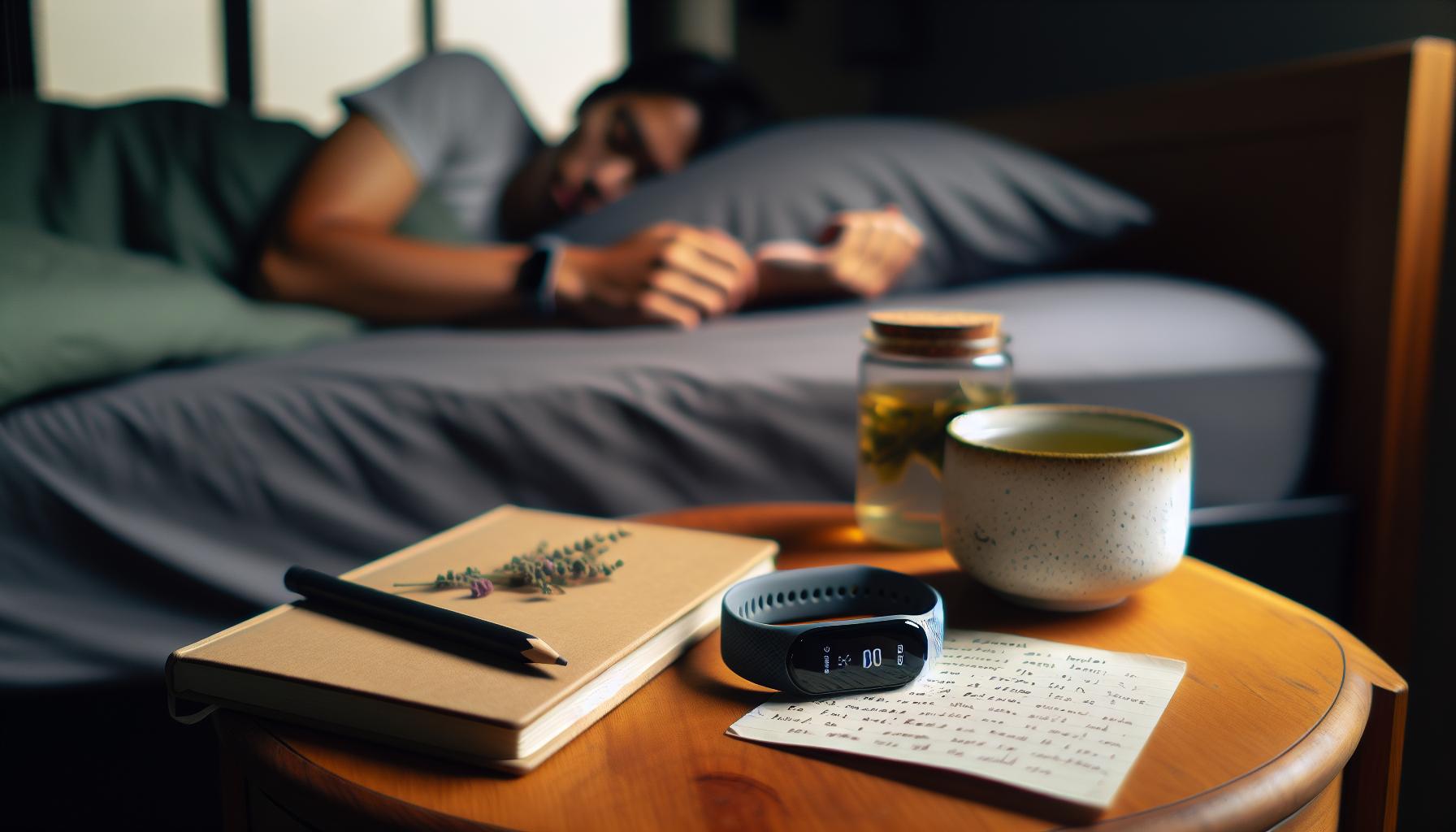
Wearable sleep trackers are revolutionizing the way we understand and manage our sleep health. With options ranging from smartwatches to specialized rings, these devices can offer valuable insights into your sleep patterns without the discomfort of a traditional sleep study. For many, the idea of sleeping in a lab setting can induce anxiety; however, wearables provide a more private and less intimidating alternative. They can track essential metrics such as sleep duration, sleep stages, and disturbances throughout the night, delivering a wealth of information right to your wrist or finger.
How Wearable Sleep Trackers Work
Most wearable sleep trackers use sensors to monitor physiological signals while you sleep. They can detect movement, heart rate, and, depending on the model, even blood oxygen levels. These devices typically provide a nightly breakdown of your sleep phases-light sleep, deep sleep, and REM sleep-helping you understand not just how long you slept, but also the quality of that sleep. The data collected can be synced to a smartphone app, where you can easily visualize trends over time and receive personalized insights and recommendations for improving sleep quality.
- Types of Wearable Sleep Trackers:
- Smartwatches (e.g., Apple Watch, Fitbit)
- Specialized devices (e.g., Oura Ring, WHOOP)
- Sleep masks with built-in sensors (e.g., Bía Smart Sleep Mask)
Limitations and Considerations
While wearable sleep trackers can be incredibly useful, it’s important to remember their limitations. They are not medical devices and should not replace a formal sleep study when serious disorders are suspected. Their accuracy can vary by brand and model, and some users may experience “score anxiety” as they become preoccupied with achieving certain sleep metrics. Consulting with a healthcare provider before relying solely on these devices is a wise step, especially if you’re facing significant sleep issues.
Another consideration is comfort. Some may find wearing a device to bed disruptive, particularly if they are not accustomed to accessories during sleep. It’s beneficial to trial different types of trackers to find one that feels comfortable enough to wear nightly. In addition, it’s crucial to regularly charge these devices to ensure they function optimally when tracking your sleep.
Wearable sleep trackers provide a convenient, cost-effective way to gain insight into your sleep patterns and can aid in identifying potential issues that may warrant a more comprehensive sleep study. By understanding their functionalities and limitations, you will be better positioned to utilize these tools effectively, empower yourself with knowledge, and ultimately improve your sleep quality.
How to Get Insurance Coverage for Sleep Studies

Navigating insurance coverage for sleep studies can feel overwhelming, especially when fatigue and anxiety about sleep issues are already weighing you down. Understanding your options for coverage before proceeding with a sleep study can help ease some of that stress. Many insurance plans, including Medicare and Medicaid, offer coverage for sleep studies, particularly when sleep disorders such as obstructive sleep apnea are suspected. Here’s what you need to know to ensure you maximize your insurance benefits.
First, check your insurance policy to see what types of sleep studies are covered. Typically, there are two main types of sleep tests: in-lab sleep studies and home sleep tests. In-lab studies are often more comprehensive and may be covered under a typical medical insurance plan. For instance, Medicare Part B covers various types of sleep tests, but you may need to meet your deductible before insurance kicks in, and you will be responsible for 20% of the approved amount after that[2]. Confirm with your insurance provider whether they consider the recommended test medically necessary.
When preparing for your sleep study, it’s also wise to involve your healthcare provider early in the process. They can provide the necessary documentation and justification required by insurance companies for coverage approval. Ask your doctor about any pre-authorization requirements, as this step is often mandatory and can prevent unexpected out-of-pocket expenses.
Additionally, don’t hesitate to inquire about coverage details over the phone or via your insurance provider’s website. Clarifying particulars about co-pays, deductibles, and network limitations before scheduling can save you from any surprises later. Some hospitals and sleep centers offer financial counseling or billing specialists who can guide you through the process, helping you understand what to expect regarding costs.
By equipping yourself with this essential information and support from your healthcare team, you can approach your sleep study with confidence, knowing you’ve taken the necessary steps to secure your insurance coverage. Always remember, understanding your options is a vital part of managing your sleep health effectively.
Real-Life Scenarios: When to Seek a Sleep Study

Recognizing when to seek a sleep study can be pivotal in addressing ongoing sleep issues. Many individuals overlook significant symptoms, attributing them to stress or lifestyle factors. However, if you find yourself consistently battling excessive daytime sleepiness, snoring loudly, or waking up gasping for air, it’s crucial to take these signs seriously. For some, the journey begins with a simple conversation with their primary care physician, who can assess your symptoms and guide you on the next steps.
Consider Sarah, a 42-year-old who noticed she was waking up feeling unrested despite clocking in a full night’s sleep. After mentioning her symptoms to her doctor, she learned that her excessive daytime fatigue could indicate sleep apnea. With her doctor’s recommendation, she scheduled an overnight sleep study. In this scenario, the sleep study was not only beneficial for diagnosing her condition but essential for paving the way to an effective treatment plan.
If lifestyle changes, such as improving sleep hygiene or reducing caffeine intake, haven’t yielded results, it may be time to explore sleep studies. Many people feel overwhelmed by the thought of undergoing such tests. They often wonder if they’ll be able to sleep in a clinical setting or if the testing equipment will disrupt their rest. Sharing these concerns with healthcare providers can lead to tailored advice on how to prepare for the study and manage anxiety.
Another scenario involves John, a 55-year-old who started experiencing episodes of insomnia after a significant life change. Initially, he tried over-the-counter sleep aids, but they offered little relief. Following several weeks of poor sleep, he decided to consult a sleep specialist. After discussing his insomnia and the physical symptoms he experienced, John was advised to undergo a sleep study to rule out any underlying disorders, ensuring a comprehensive understanding of his sleep patterns.
If any of these situations resonate with you, it’s important to take the initiative to seek out further evaluation. A sleep study can serve as a diagnostic tool to uncover issues lurking beneath the surface, guiding you toward effective treatments that can dramatically enhance your overall quality of life.
Post-Study: Analyzing Results and Next Steps

After completing a sleep study, it’s natural to feel a mix of anticipation and anxiety as you await the results. Understanding what these results mean and the next steps can significantly alleviate worry and set you on a path to better sleep health. The findings of your sleep study will offer insights into your sleep patterns, and any potential disorders, and guide treatment options.
Decoding Your Sleep Study Results
The interpretation of your sleep study (polysomnography) results involves several key components:
- Sleep Architecture: Your sleep stages-light sleep, deep sleep, and REM sleep-will be outlined. An imbalance in these stages can indicate issues like insomnia or sleep apnea.
- Apneas and Hypopneas: If your study measured breathing disturbances, the number and duration of apneas (pauses in breathing) and hypopneas (shallow breathing) are crucial indicators of sleep apnea severity.
- Arousals: Noting how often your sleep was interrupted can help clarify reasons for daytime fatigue or dysfunction.
Once your results are available, your physician will likely schedule a follow-up appointment to discuss findings. This step is crucial as it ensures you fully understand your sleep study outcomes and their implications for your health.
Determining Next Steps
Following the analysis of your results, the next steps may vary based on your diagnosis:
- If the results indicate sleep apnea, treatment options like CPAP therapy (continuous positive airway pressure) may be recommended.
- For disorders related to insomnia, cognitive behavioral therapy (CBT) or medication may be suggested to help improve sleep quality.
- Essential follow-up sleep studies might be needed to assess the effectiveness of any new treatments.
This tailored approach to treatment helps ensure you’re not just managing symptoms, but addressing the underlying issues affecting your sleep. Moreover, if your study results were inconclusive, your doctor may recommend alternative testing or a trial of wearable sleep technology to gather additional data.
Ultimately, it’s vital to maintain open lines of communication with your healthcare provider about your concerns and treatment options. Patients often find relief not only from having a diagnosis but also from understanding that effective interventions are available. Rest assured, taking these steps will significantly contribute to restoring your sleep health and overall well-being.
Frequently asked questions
Q: What should I do if I can’t fall asleep during a sleep study?
A: If you can’t sleep during a sleep study, inform the technician immediately. They can adjust the environment or offer calming techniques. Remember, the study aims to monitor your sleep patterns, so even minimal sleep data can be valuable.
Q: Can I use my own sleep aids during a sleep study?
A: Most sleep studies typically advise against using sleep aids, but you should discuss this with your healthcare provider beforehand. They may allow certain over-the-counter remedies to help you relax without compromising the study.
Q: How does anxiety affect sleep during a sleep study?
A: Anxiety can significantly impact your ability to fall asleep during the study. Using relaxation techniques such as deep breathing or progressive muscle relaxation can help reduce anxiety. Refer to the Common Reasons for Sleep Study Anxiety section for more strategies.
Q: Will I be monitored if I can’t sleep during the study?
A: Yes, even if you can’t sleep, you will still be monitored to capture any data regarding your wakefulness. This information may provide insights into your sleep issues, helping healthcare professionals recommend effective treatments.
Q: What environmental factors in the sleep study room can I control?
A: You may have some control over factors such as room temperature and lighting. If you feel uncomfortable, communicate with the technician. Adjusting these elements can enhance your comfort and potentially promote sleep.
Q: Are there specific breathing techniques to try during a sleep study?
A: Yes, focusing on slow, deep breaths can help relax your body and mind. Try the 4-7-8 technique: inhale for 4 seconds, hold for 7, and exhale for 8. This may ease anxiety and help you sleep better during the study.
Q: How can I prepare mentally for a sleep study if I’m worried about not sleeping?
A: Mentally prepare by acknowledging your concerns and practicing relaxation methods. Visualize a peaceful setting or review comforting thoughts. A calm mindset can significantly improve your experience during the study.
Q: What happens if I don’t sleep at all during the study?
A: If you don’t sleep at all, the study will still yield valuable data on your sleep patterns and behaviors. Your healthcare provider can use this information for diagnosis or to suggest alternative approaches to improve your sleep.
Explore our resources on Tips for Improving Sleep Quality at Home for additional strategies to enhance your sleep health.
To Conclude
If you’re worried about not being able to sleep during your sleep study, remember, you’re not alone-many share this concern. It’s vital to understand that sleep studies are designed to assess your sleep patterns without pressure. Knowing what to expect can ease anxiety, and leading up to your study, avoid caffeine and alcohol to help optimize your sleep environment. For more insights, explore our guides on preparing for a sleep study and common sleep disorders.
Take charge of your sleep health today-don’t let anxiety hold you back! Consider reaching out for a consultation or sign up for our newsletter to stay informed about the latest sleep health tips and resources. Your well-being matters, and we’re here to help you navigate your path to better sleep. Check out our articles on popular sleep-testing wearables and when to consider them, empowering you to make informed choices for your sleep health journey. Let’s continue the conversation-share your thoughts in the comments below!