
In today’s fast-paced world, quality sleep often takes a backseat, leaving many of us searching for ways to improve our nightly rest. The Fitbit Charge 3 offers a solution by tracking sleep patterns and providing insights, but how accurate is this device? Understanding its capabilities can empower you to make informed decisions about your sleep health. With an increasing number of people relying on technology to monitor their sleep, it’s essential to uncover whether the Fitbit Charge 3 truly lives up to its claims. As we delve deeper into its performance, we’ll explore its accuracy, the science behind its tracking methods, and whether investing in this device is worth it for your sleep improvement journey.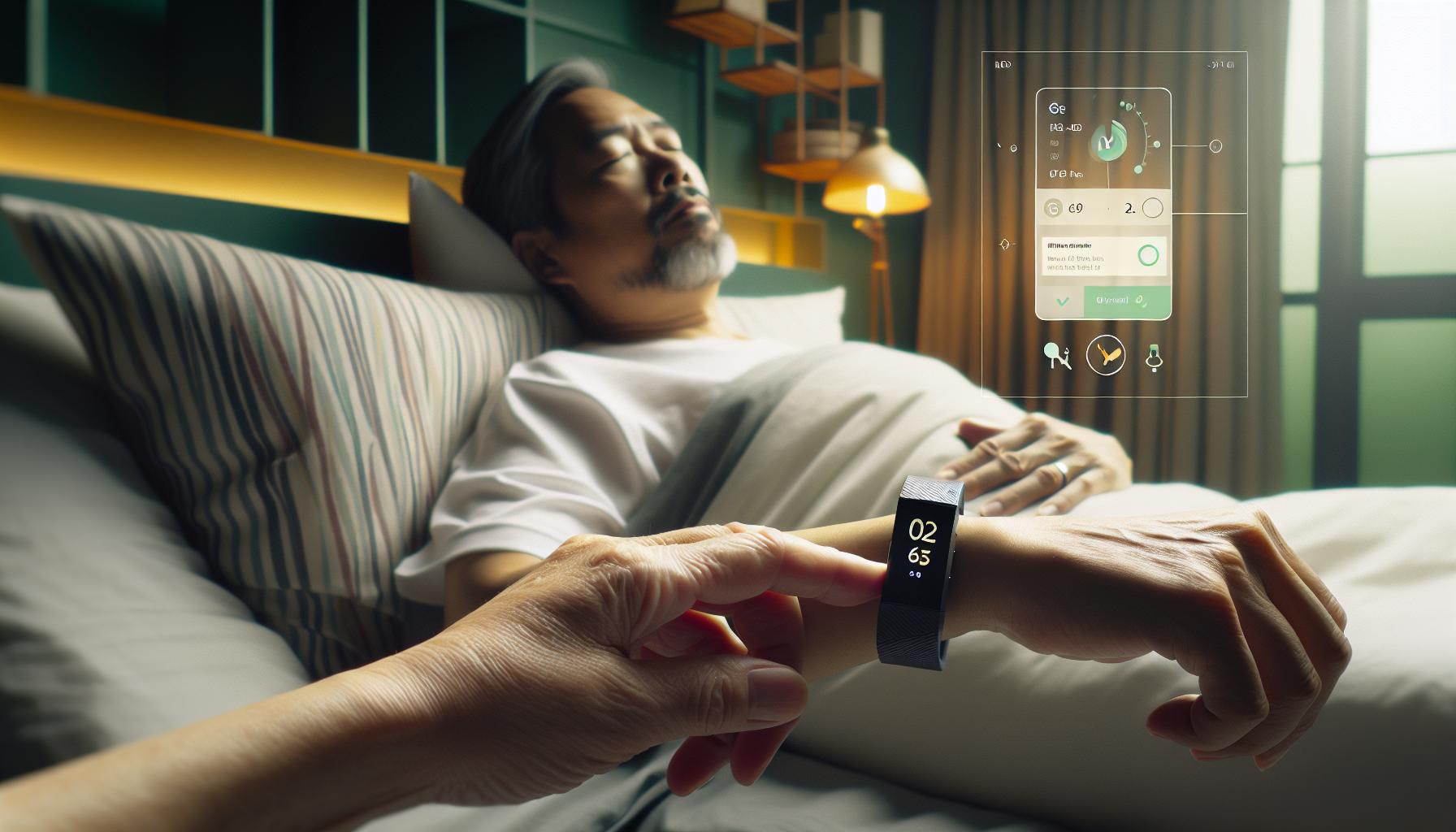
How Does Fitbit Charge 3 Track Sleep Quality?
The Fitbit Charge 3 employs a combination of advanced sensors and algorithms to monitor sleep quality, providing users with insights into their nightly rest. When worn to bed, the device automatically detects sleep based on movement patterns, allowing it to determine when you fall asleep and wake up. Utilizing a 3-axis accelerometer, it tracks your movements throughout the night to distinguish between different sleep states: light, deep, and REM sleep. This continuous monitoring translates into a comprehensive sleep tracking experience, helping you understand not only how long you slept, but also the quality of that sleep.
In the Fitbit app, users can view detailed sleep data, including total sleep time and sleep stages. Sleep stages are vital in assessing sleep quality; light sleep is generally easier to transition in and out of, while deep sleep is crucial for physical recovery, and REM sleep supports memory consolidation. By analyzing this data, the Charge 3 not only logs the total amount of sleep but also highlights patterns that can inform habits for better rest. Users can even set personalized sleep goals and receive reminders to encourage consistent sleep schedules, enhancing the overall effectiveness of the tracking.
However, it’s important to note that while Fitbit Charge 3 provides valuable sleep data, factors such as wearing the device too loosely or inconsistent charging can affect tracking accuracy. For optimal results, ensure that the device is snug on your wrist and charged fully before sleeping. Moreover, the sleep tracking capabilities of the Charge 3 can serve as a starting point, but they should not replace professional medical advice for those experiencing significant sleep disorders. By integrating the insights gained from the Charge 3 into your lifestyle, you can make informed decisions about improving your sleep quality and overall health.
Understanding the Accuracy of Sleep Data
The Fitbit Charge 3 is designed to provide users with insights into their sleep quality, but how accurate are the sleep data it generates? is crucial for those looking to improve their rest and overall well-being. While the Charge 3 employs a combination of a 3-axis accelerometer and sophisticated algorithms to detect sleep patterns, its accuracy can be influenced by several factors that users should consider.
One of the primary advantages of the Charge 3 is its ability to automatically track sleep based on movement. When worn snugly, it can determine your sleep onset and wake times with reasonable precision. However, it’s essential to understand that this device primarily bases its assessment on movement rather than brain activity, which means it may not capture every aspect of your sleep. A discrepancy can arise between the reported sleep stages (like light, deep, and REM sleep) and your actual experience, particularly because it doesn’t utilize polysomnography-the gold standard for sleep assessment used in clinical settings.
Research indicates that wearables like the Charge 3 can sometimes misclassify sleep stages due to their reliance on accelerometer data alone. For example, some users have reported difficulties in accurately tracking REM sleep, frequently categorizing it within light sleep phases instead. Furthermore, external factors such as charging inconsistency, wearing the device too loosely, or certain medical conditions can complicate tracking precision. To enhance accuracy, it’s advisable to wear the device firmly on your wrist, ensuring it maintains close contact with your skin.
While the data provided by the Charge 3 can be insightful, it’s important to approach it with a balanced perspective. The device can serve as a helpful tool for identifying sleep patterns and fostering better sleep habits; however, users experiencing severe sleep issues should consult healthcare professionals, as the Charge 3 and similar devices do not diagnose medical conditions. Thus, while the Fitbit Charge 3 can offer a good baseline for sleep tracking, it is not a substitute for clinical evaluation or treatment where necessary.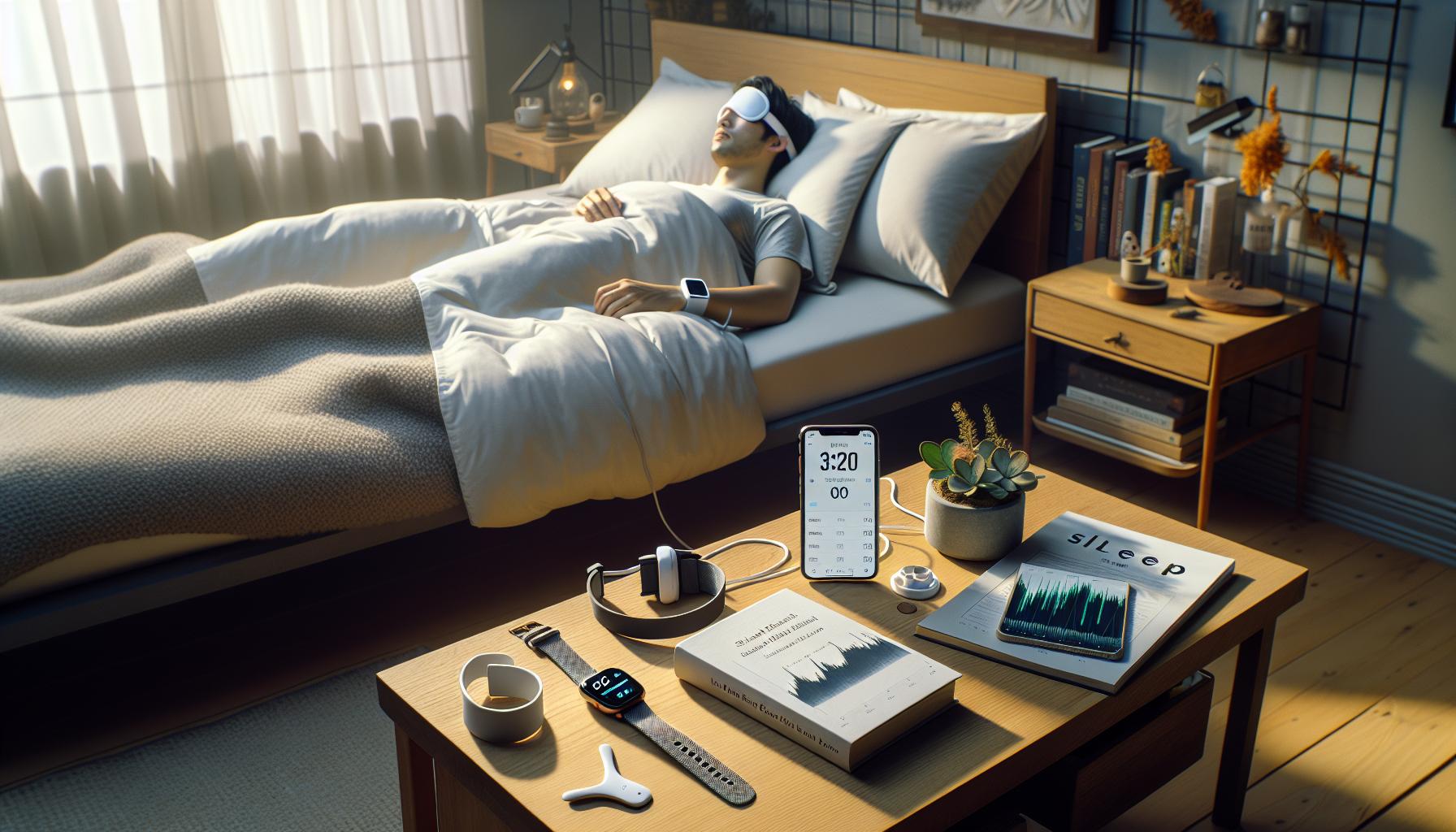
Comparing Fitbit Charge 3 to Other Sleep Trackers
The Fitbit Charge 3 has made waves in the fitness tracking community for its robust features, especially when it comes to monitoring sleep. When compared to other sleep trackers on the market, it’s essential to evaluate not only functionality but also accuracy and user experience.
The Charge 3 employs a 3-axis accelerometer that logs movement throughout the night, using that data to estimate sleep patterns. While it provides valuable insights, it operates primarily on movement rather than direct physiological indicators, such as heart rhythm changes or brain activity. This can lead to misclassification of sleep stages. For instance, some users have pointed out that the Charge 3 tends to confuse REM sleep with light sleep, which can skew the overall data presented. In contrast, other devices like the Oura Ring or the Withings Sleep Tracking Mat utilize additional sensors, like heart rate variability or even breathing rate, to enhance the accuracy of their sleep data. These alternative trackers have shown a better correlation between their sleep stage classifications and clinical sleep studies, making them potentially more reliable for in-depth sleep analysis.
Cost and User Interface
When evaluating different sleep trackers, the cost is a significant factor. The Charge 3 is generally priced competitively, which makes it a popular choice among budget-conscious consumers. However, high-end options like the Oura Ring can be pricier but may offer more comprehensive data. Moreover, user experience and the accompanying app’s interface play crucial roles in how effectively users engage with the data. Many users find Fitbit’s app intuitive, allowing them to easily view and interpret their sleep stats, while some may struggle with the more complex interfaces of competitors.
External Factors Impacting Tracking
Several external factors can affect the accuracy of sleep tracking across all devices. For example, how snugly the tracker fits on your wrist, body movements throughout the night, and even environmental factors like noise levels can result in discrepancies in the data. Users should remember to wear their Charge 3 firmly for optimal results, and those investing in alternative trackers should also consider their specific environments and personal sleep habits.
Ultimately, while the Charge 3 offers a solid introduction to sleep tracking, potential users might find it beneficial to weigh its performance against other models, especially if they seek more precision in tracking sleep stages. Understanding the strengths and limitations of various devices can empower consumers to make informed decisions that align with their health goals.
Real User Experiences: Pros and Cons
Many users find the Fitbit Charge 3 to be a helpful ally in their sleep-monitoring journey, but experiences can vary widely. On the positive side, many appreciate its user-friendly interface and the breadth of data it provides about sleep duration and patterns. The app presents sleep data in an easily digestible format, allowing users to track trends over time. Some users report feeling more aware of their sleep health after using the device, which can motivate them to adopt better sleep habits. The Charge 3 is particularly popular among those looking for a budget-friendly option, as it offers many features that can compete with more expensive devices.
However, there are notable drawbacks. A common complaint among users revolves around the accuracy of sleep stage tracking. While the Charge 3 effectively logs movement, many users have observed that it sometimes misclassifies sleep stages, particularly confusing REM sleep with light sleep. This can lead to misleading insights about overall sleep quality. Additionally, some users have reported that the sleep data can be influenced by external factors such as wrist movement while shifting in bed, which sometimes skews the results. These insights echo findings from studies that highlight the device’s reliance on motion detection rather than comprehensive physiological tracking.
When considering whether to purchase the Charge 3, it’s essential to weigh these experiences. For those who prioritize an affordable, straightforward sleep tracker, the Charge 3 may be a great fit. However, if precise sleep analysis is a priority, users might explore higher-end alternatives that incorporate additional health metrics like heart rate variability.
In the end, the Fitbit Charge 3 serves as an excellent introductory tool for sleep tracking, opening the door for users to better understand their sleep habits. Those who are aware of its limitations can make informed decisions about their sleep health and consider when it might be time to consult with a healthcare provider for more in-depth analysis.
Setting Up Your Fitbit Charge 3 for Optimal Sleep Tracking
To get the most accurate sleep tracking experience with your Fitbit Charge 3, it’s essential to properly set up the device and adjust your habits accordingly. Many users overlook the importance of correct placement and settings, which can dramatically influence the accuracy of sleep data captured. First things first, wear the Fitbit Charge 3 on your non-dominant wrist. This positioning typically minimizes movement detection errors that can occur if it’s worn on your dominant hand.
Another critical step is to ensure that the device is snug but comfortable on your wrist. A loose fit can lead to inaccurate data, particularly during sleep when even slight wrist movements could skew the recorded sleep stages. Additionally, it’s beneficial to use the Smart Wake feature, which gently vibrates the tracker to wake you during a light sleep cycle, helping you feel more refreshed in the morning. Activating this feature only requires a few taps within the companion app.
Setting Sleep Goals
Take advantage of Fitbit’s sleep goal feature, where you can define your desired sleep duration. This personalized target prompts you to aim for a consistent bedtime, making it easier to foster a solid sleep routine. Tracking your sleep patterns over a few weeks can help you identify optimal sleep times and reveal trends in your sleep quality, which can be enlightening.
Avoiding Interference
While setting up for optimal sleep tracking, it’s important to consider external factors that can affect your sleep quality. Try to minimize screen time before bed and create a calming pre-sleep routine, such as dimming lights and avoiding caffeine in the hours leading up to sleep. Also, ensure that your sleep environment is conducive to rest-this means a cool, dark, and quiet space. Using earplugs or a white noise machine can help filter out distractions, allowing your Fitbit Charge 3 to more accurately capture your sleep data without interference from external noises.
By following these setup strategies, you can harness the full potential of your Fitbit Charge 3, ensuring it becomes a valuable tool in monitoring your sleep health. With a little effort in the initial setup and ongoing habits, you may discover significant insights into your sleep patterns, helping to inform improvements in your daily cycle.
Understanding Sleep Stages: Light, Deep, and REM
Understanding the different sleep stages is crucial for interpreting the data your Fitbit Charge 3 provides and assessing the accuracy of its sleep tracking capabilities. Sleep is not a uniform state; it consists of distinct phases that play different roles in maintaining your health. The Fitbit Charge 3 categorizes sleep into three main stages: light sleep, deep sleep, and REM (Rapid Eye Movement) sleep, each of which contributes to your overall well-being.
Light Sleep
Light sleep is the phase where your body transitions between wakefulness and deeper sleep. It generally constitutes a significant portion of your nightly rest, typically around 50%. During this stage, your heart rate and breathing slow down, and you may be easily awakened. The Fitbit Charge 3 tracks light sleep using accelerometer data to detect movement, which gives insights into how much time you’re spending in this stage. While light sleep is restorative, it is not as rejuvenating as deep sleep or REM sleep. Monitoring this stage can help you understand your body’s pre-sleep patterns; if you frequently interrupt this phase, it could indicate issues with your sleep environment or routine.
Deep Sleep
Deep sleep is when the body undertakes critical restorative processes. It usually accounts for about 20-25% of your total sleep time and is when growth hormone is released, supporting tissue repair and growth. This phase is crucial for feeling refreshed upon waking. The Fitbit Charge 3 aims to track deep sleep through a combination of motion and heart rate variability; however, accuracy may vary, particularly for short intervals. Understanding how much time you spend in deep sleep can offer important insights into your recovery and overall health: insufficient deep sleep can lead to fatigue, decreased cognitive function, and other health issues.
REM Sleep
REM sleep, which makes up roughly 20-25% of your sleep cycle, is characterized by rapid eye movements and increased brain activity, akin to a waking state. This stage is essential for cognitive functions like memory and emotional regulation. The Fitbit Charge 3 attempts to capture REM sleep using heart rate data alongside movement. Because REM can fluctuate in duration and occurrence, its tracking might not always be spot-on. If you’re striving for better mental health or seeking to optimize your learning and memory, knowing how much time you spend in REM sleep can be enlightening.
Ultimately, while the Fitbit Charge 3’s sleep tracking features can provide valuable insights into your sleep stages, it is important to acknowledge that consumer-grade devices may not be as precise as polysomnography conducted in sleep labs. Each stage of sleep is vital for different aspects of health, and monitoring trends over time with your Fitbit can guide you in cultivating better sleep hygiene practices. This understanding empowers you to make informed decisions about your sleep, ensuring you wake up feeling rested and ready for the day ahead.
Common Challenges with Fitbit Sleep Tracking
Accurate sleep tracking is a complex endeavor, and while the Fitbit Charge 3 offers valuable insights, users may encounter several challenges that could affect the device’s performance. One of the most common issues revolves around the accuracy of sleep stage detection. Fitbit uses a combination of heart rate data and motion sensing to classify sleep into different stages, but it can misinterpret movements as awake time or misclassify light sleep as deep sleep. This might lead to confusion about actual sleep quality, and users may find themselves questioning the reliability of the data.
Device Fit and Sleep Environment
The fit of the Charge 3 can also impact its effectiveness. If the device is worn too loosely, it may not accurately monitor heart rate, which is crucial for sleep stage classification. Similarly, external factors such as a noisy environment or an uncomfortable sleeping position can influence how well the device captures your sleep data. Users should ensure that their Fitbit is snug on the wrist while maintaining comfort to enhance accuracy.
Sleep Tracking Calibration
Aside from setup, the learning curve associated with using the Fitbit Charge 3 effectively deserves attention. Users may need to wear the device consistently for several nights to allow it to calibrate and recognize their unique sleep patterns. This may lead to a feeling of fragmentation during the transition period, as early data may not reflect genuine sleep habits.
Limitations of Consumer Devices
Finally, it’s essential to consider the broader context of consumer sleep tracking. While the Charge 3 provides a helpful overview, it is not infallible. Devices like Fitbit often cannot match the accuracy of clinical sleep studies, which use polysomnography to measure sleep more effectively. This limitation means that while Fitbit offers insights, it should not be solely relied upon for diagnosing any potential sleep disorders.
Ultimately, users of the Fitbit Charge 3 can significantly enhance their tracking experience by being mindful of these challenges, adjusting their device accordingly, and setting realistic expectations regarding the insights it provides.
Can Fitbit Charge 3 Help Diagnose Sleep Disorders?
While the Fitbit Charge 3 can provide useful insights into your sleep patterns, it’s essential to understand its limitations, especially regarding diagnosing sleep disorders. Many users wonder if this activity tracker can serve as a substitute for professional sleep studies, but the reality is more nuanced. The device primarily tracks sleep based on movement and heart rate data, which can be helpful for identifying general trends but lacks the precision required for clinical diagnosis.
Understanding Sleep Disorders
Sleep disorders such as sleep apnea, insomnia, and narcolepsy require thorough evaluation through specialized tests like polysomnography (PSG). These tests measure a variety of physiological signals, including brain activity, oxygen levels, and eye movements, during sleep. In contrast, the Charge 3 primarily relies on motion and heart rate to classify sleep stages (light, deep, and REM). While it can indicate when you might be restless or not sleeping well, it doesn’t capture the comprehensive data necessary for accurate diagnosis.
When to Seek Professional Help
If you’re experiencing significant symptoms such as excessive daytime sleepiness, loud snoring, or observed breathing interruptions during sleep, it’s advisable to consult a healthcare professional. They may recommend a sleep study to better understand your condition. The data collected by your Fitbit can serve as a valuable conversation starter with your doctor, helping you pinpoint specific concerns. For example, if the device shows frequent awakenings or insufficient deep sleep, present this information during your appointment for further analysis.
Using Fitbit Charge 3 Data Effectively
To maximize the usefulness of your Charge 3 regarding sleep health, consider the following tips:
- Document Symptoms: Keep a diary of how you feel during the day alongside your Fitbit data. Correlate periods of poor sleep quality with daytime fatigue or mood changes.
- Share with Healthcare Providers: Use insights from your Charge 3 to discuss your sleep health with professionals. Data on sleep duration and disturbances can provide context for your symptoms.
- Monitor Trends: Look for patterns over time rather than focusing on individual nights. This broader perspective can help you understand what affects your sleep and when.
In essence, while the Fitbit Charge 3 can be a useful tool for tracking your sleep habits, it should not replace professional medical evaluation. Being proactive by using your device as a guide can help you make informed decisions about your sleep health, ultimately driving you toward a path of better rest.
Maximizing Sleep Benefits with Fitbit Features
To truly enhance your sleep health using the Fitbit Charge 3, it’s essential to utilize its features effectively. Beyond merely tracking your sleep, this device offers various tools designed to help you achieve optimal rest and identify areas for improvement. For instance, the Charge 3 provides insights into your sleep stages-light, deep, and REM-which are crucial for understanding your sleep quality. Recognizing how much time you spend in each stage can empower you to make informed lifestyle adjustments to enhance your nightly rest.
One helpful strategy is to establish a consistent sleep schedule. The Charge 3 allows you to set bedtime reminders, nudging you to wind down at the same time each night. Consistency is key, as it reinforces your body’s natural circadian rhythms, promoting healthier sleep patterns. Pair this with the device’s Sleep Score feature, which rates your sleep based on duration, quality, and stages. Reviewing your Sleep Score in the app can provide you with valuable feedback to help you identify which nights yield better rest and which do not, guiding you towards smarter pre-sleep habits.
Another unique advantage of the Fitbit Charge 3 is its ability to log your physical activity throughout the day. Engaging in regular exercise not only contributes to better overall health but can directly improve sleep quality. The Charge 3 tracks your daily steps and encourages movement, which can help lower anxiety levels and make it easier to fall asleep. Aim to integrate physical activities earlier in the day, as rigorous exercise close to bedtime may actually hinder your ability to fall asleep quickly.
Lastly, communication is vital. Leverage the data you collect with the Charge 3 in discussions with friends or healthcare professionals to gain insights into your sleep health. Sharing trends you notice, like frequent awakenings or difficulty reaching deep sleep, allows for a better understanding of your sleep patterns and potential underlying issues. By actively engaging with the data your Fitbit provides, you’re not just a passive observer but an active participant in your journey toward healthier sleep.
User Tips for Improving Sleep Tracking Accuracy
To enhance the accuracy of your Fitbit Charge 3 sleep tracking, there are several practical tips you can follow. First and foremost, make sure to wear your device snugly on your wrist while you sleep. A loose fit can interfere with the sensors that measure your heart rate and movement throughout the night, leading to inaccurate readings.
Another critical step is to calibrate your device in the Fitbit app by regularly updating your sleep schedule and logging your sleep habits. This aids the Charge 3 in learning your natural sleep patterns and can improve tracking accuracy over time. It’s also advisable to keep your device charged. A low battery can prevent the Charge 3 from functioning correctly, potentially leading to incomplete or inaccurate sleep data.
Keeping a consistent sleep routine is also beneficial. Go to bed and wake up around the same time every day, even on weekends, as this helps regulate your body’s internal clock. Pair this consistency with the reminder feature of the Charge 3. Set bedtime alerts to signal when it’s time to wind down, promoting a better transition into sleep.
Finally, remember that while the Charge 3 provides valuable insights into your sleep, it should not replace professional medical advice. If you suspect a serious sleep disorder, consult with a healthcare professional. Engaging with the data your Fitbit generates and analyzing your sleep patterns can help you to have more informed discussions with your healthcare provider, feeding back into your overall understanding and approach to sleep health.
Exploring Alternative Sleep Tracking Solutions
Exploring sleep tracking options beyond the Fitbit Charge 3 can significantly enhance your understanding of your sleep health. While the Charge 3 offers valuable insights into sleep patterns, other devices and methods could provide complementary or alternative insights that may better suit your needs.
For instance, consider dedicated sleep trackers like the Oura Ring or the WHOOP Strap. These wearables focus heavily on sleep analysis, offering metrics on sleep stages, heart rate variability, and recovery scores. The Oura Ring, for example, provides insights akin to those of Fitbit but with a more nuanced view of your sleep quality, including how well you’re recovering from stress or exercise. Additionally, its compact design allows for unobtrusive overnight wear, making it a comfortable choice for many users.
Another alternative is sleep apps that utilize your smartphone’s sensors. Apps like Sleep Cycle or Pillow can analyze your sleep by monitoring sounds and movements while you sleep, without needing a dedicated wearable. These apps often feature alarm functions that wake you during light sleep, providing a more refreshing start to your day. However, it’s essential to note that the accuracy of these apps can vary significantly based on your phone’s placement and environmental factors.
For a more in-depth analysis, polysomnography done in a clinical setting remains the gold standard for diagnosing sleep disorders. This sleep study monitors various body functions, including brain activity, eye movement, heart rate, and breathing patterns. If you suspect a serious issue like sleep apnea, consulting a healthcare professional to discuss this testing option might be necessary.
In summary, while the Fitbit Charge 3 provides an excellent entry point into sleep tracking, exploring a range of devices and methods can offer a more comprehensive understanding of your sleep health. Weighing the features, costs, and types of insights you desire will empower you to make the best choice for your sleeping habits, leading to better rest and overall well-being.
Frequently Asked Questions
Q: How does Fitbit Charge 3 track sleep stages?
A: The Fitbit Charge 3 tracks sleep stages-light, deep, and REM-using heart rate variability and movement. By analyzing your data overnight, it offers insights into how long you spend in each stage, helping you understand your overall sleep quality and make necessary adjustments for better rest.
Q: What factors can affect the accuracy of Fitbit Charge 3 sleep tracking?
A: Several factors can impact the accuracy of Fitbit Charge 3’s sleep tracking, including incorrect wear position, device settings, and external disturbances like noise or light. Ensure the device is snug but comfortable and that settings like Sleep Sensitivity are properly configured for optimal results.
Q: Can I trust the sleep data reported by Fitbit Charge 3?
A: While Fitbit Charge 3 provides valuable insights, it’s essential to consider that no wearable device is 100% accurate. The data can serve as a useful guide for establishing sleep patterns, but it should complement other methods like sleep diaries or consultations with healthcare providers for comprehensive sleep assessments.
Q: How can I improve the sleep tracking accuracy of my Fitbit Charge 3?
A: To enhance tracking accuracy on your Fitbit Charge 3, wear it correctly on your wrist, adjust sensitivity settings in the app, and ensure it is fully charged before sleeping. Engaging in a consistent sleep schedule can also improve data reliability over time.
Q: What is the overall value of the Fitbit Charge 3 for sleep tracking?
A: The Fitbit Charge 3 offers considerable value by providing detailed insights into sleep patterns, identifying trends, and offering recommendations for improving sleep quality. Its user-friendly interface and integration with health tracking apps make it a practical tool for those looking to enhance their sleep health.
Q: Is Fitbit Charge 3 effective for tracking naps?
A: Yes, the Fitbit Charge 3 can effectively track naps by automatically recognizing sleep periods. To maximize insights, ensure naps are short and don’t overlap with your typical sleep schedule, allowing Fitbit to differentiate between your regular nighttime sleep and daytime rest.
Q: Can Fitbit Charge 3 replace a sleep study?
A: While the Fitbit Charge 3 provides valuable sleep insights, it cannot replace a formal sleep study, which offers comprehensive data through polysomnography. If you suspect serious sleep issues, consulting a healthcare professional remains crucial for accurate diagnosis and treatment.
Q: How does Fitbit Charge 3 compare to other sleep trackers?
A: The Fitbit Charge 3 stands out for its comprehensive sleep stage tracking and user-friendly app interface. Compared to other devices, it may offer a more integrated experience with holistic health monitoring features, but individual preferences vary, so exploring options is advisable for tailored solutions.
In Summary
In conclusion, the Fitbit Charge 3 offers a solid approach to sleep tracking, helping you understand your sleep patterns and encouraging healthier habits. With its ability to provide insights into sleep stages and overall sleep quality, the Charge 3 serves as a reliable tool in your wellness journey. If you’re looking to optimize your sleep health, don’t hesitate to explore our guides on enhancing your sleep environment and establishing effective bedtime routines.
Remember, the value of monitoring your sleep extends beyond just numbers; it’s about enhancing your well-being. For more tips and detailed comparisons of the best wearable devices, check out our comprehensive reviews on the latest sleep trackers. Want to stay updated? Subscribe to our newsletter for the latest trends in sleep tech and wellness strategies. Explore the potential of your sleep with Fitbit today!
Get our latest guides, news, and insights highlighted in your Google Search & AI Overviews.