
Did you know that nearly one-third of adults report insufficient sleep? That’s a staggering number, and it highlights the pressing need for tools that can help us improve our sleep quality. Sleep tracking apps can be invaluable resources, offering insights into our nighttime habits and helping us identify factors that might disturb our rest. These apps utilize a combination of heart rate monitoring, movement tracking, and sleep stage analysis to provide a detailed view of our sleep patterns. By understanding how these technologies function, you can make informed decisions that enhance your sleep health. In this guide, we’ll simplify the science behind sleep tracking apps, revealing how they work and, more importantly, how they can help you achieve a better night’s sleep. Let’s dive in and explore the fascinating world of sleep technology!
Understanding Sleep Tracking Apps: A Simple Guide
Sleep tracking apps have surged in popularity, making it easier than ever for users to monitor and enhance their sleep health. These apps, often accessed via smartphones or wearables, simplify the complex science of sleep into digestible data, providing insights that can lead to better sleep habits. This guide will walk you through the key elements of sleep tracking technology, helping you understand its value and how to effectively use such tools to elevate your rest.
To start, sleep tracking apps generally work through two primary methods: movement detection and heart rate monitoring. Movement-based trackers utilize the phone’s accelerometer to monitor movements throughout the night, providing an estimate of sleep duration and patterns, while heart rate monitors-typically found in wearable devices-can offer deeper insights into sleep stages by measuring fluctuations in your heart rate during sleep cycles.
Key features to look for in sleep tracking technologies include sleep stage analysis, which categorizes your sleep into light, deep, and REM sleep; personalized sleep scores to gauge overall sleep quality; and trend tracking that provides insights over time. For instance, some apps allow you to review your sleep patterns over weeks or months, helping you identify significant changes in sleep quality linked to lifestyle factors like stress or changes in daily routine.
As you explore sleep trackers, consider the differences between wearable devices and smartphone apps. Wearables are often more accurate as they can track heart rates and movements continuously throughout the night, while smartphone apps might rely on you placing your phone on your mattress or nightstand. This adds a layer of convenience but may sacrifice some accuracy.
In summary, while sleep tracking apps can empower individuals to take charge of their sleep health, it’s essential to interpret the data thoughtfully. Leveraging the insights gained from these tools can lead to actionable steps for improving your sleep quality, whether it’s adjusting your bedtime routine, recognizing patterns, or even seeking additional help when necessary.
How Sleep Tracking Apps Measure Your Sleep
Sleep tracking apps utilize a range of technologies to provide insights into your nightly rest patterns, helping you understand and improve your sleep quality. Primarily, these apps measure sleep through two main methods: movement detection and heart rate monitoring.
Movement Detection
Many smartphone sleep tracking apps leverage the phone’s built-in accelerometer to detect movements in bed. When you place your phone on your mattress or nightstand, it registers shifts and disturbances throughout the night, which are then interpreted to estimate when you fall asleep, how often you wake up, and your overall sleep duration. This method is particularly useful for estimating sleep duration and identifying patterns, although it may not capture the full complexity of different sleep stages.
Heart Rate Monitoring
On the other hand, wearable devices such as smartwatches or dedicated fitness trackers often incorporate heart rate monitors to provide a deeper analysis of your sleep. These devices measure heart rate fluctuations over time, allowing them to classify your sleep into distinct stages: light sleep, deep sleep, and REM sleep. The ability to assess these shifts can offer more nuanced insights into the quality of your sleep, reflecting how restorative your rest truly is.
Combining Data for Enhanced Accuracy
Some advanced sleep trackers combine both movement data and heart rate information to create a comprehensive picture of your sleep behavior. This dual approach not only helps in understanding how long you sleep but also the quality of that sleep, allowing for more precise recommendations on how to enhance your sleep patterns. For example, if you notice a trend of waking frequently during the night, you might explore factors contributing to disturbed sleep.
Ultimately, while sleep tracking apps can empower you to take control of your sleep health, it’s important to remember that they are not a replacement for professional sleep studies when deeper issues arise. These tools should be seen as an initial step towards better sleep hygiene, helping you recognize patterns and trends that can facilitate informed discussions with healthcare providers about any serious sleep concerns.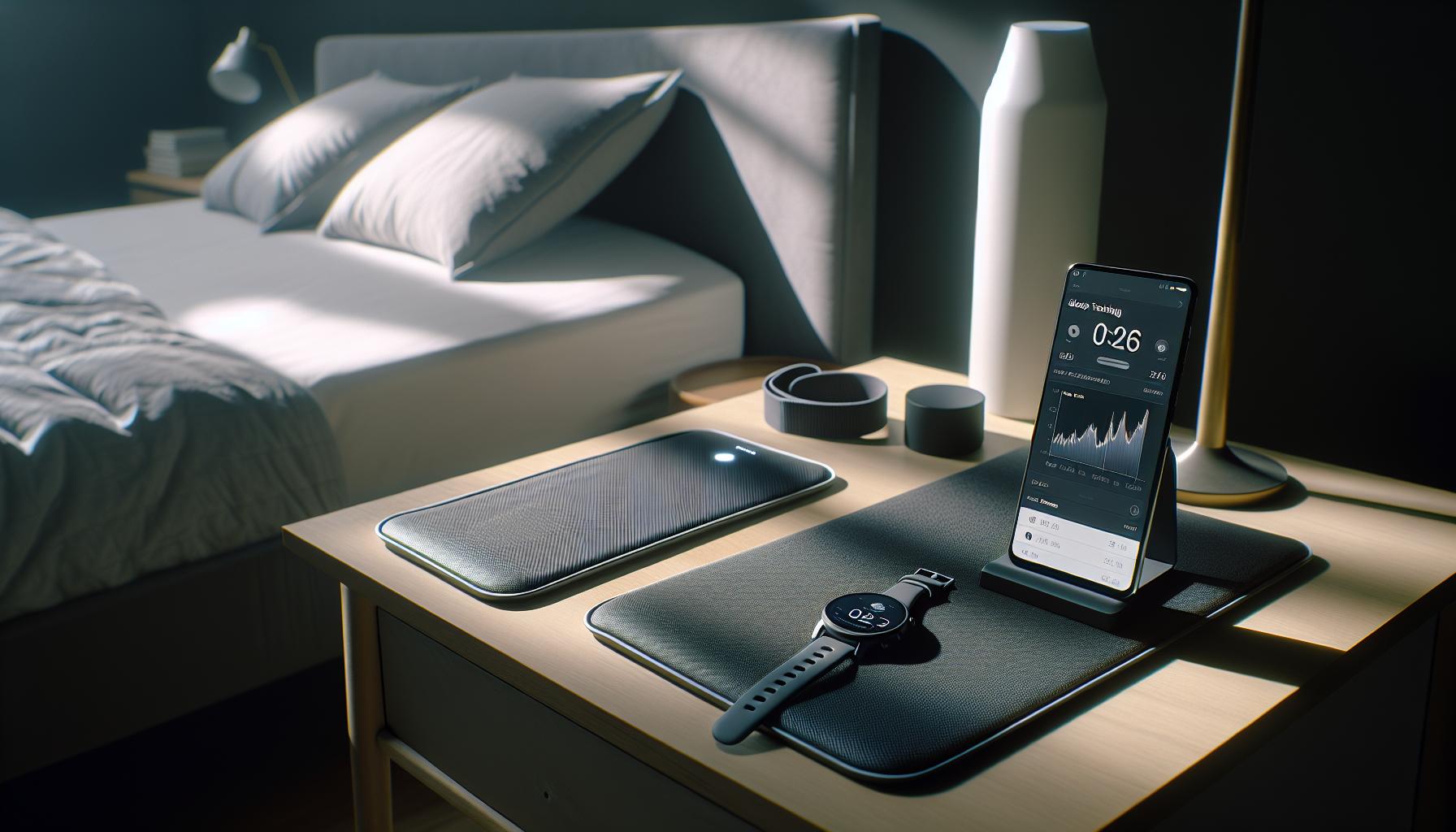
Key Features of Sleep Tracking Technologies
Sleep tracking technologies are revolutionizing how we understand our nightly rest, providing insights that were once only available through costly sleep studies. These technologies share several key features, making them accessible and user-friendly while offering valuable data on our sleep patterns.
One of the most notable features is real-time tracking. Many apps and devices provide immediate feedback, allowing users to monitor their sleep habits and make adjustments promptly. This instant data can be empowering, as individuals can see how factors like evening screen time or caffeine consumption influence their rest.
Another essential feature is sleep score or quality metrics. Most sleep tracking apps analyze data to generate a score or qualitative assessment of sleep quality. This score often considers various metrics, including sleep duration, interruptions, and the proportion of time spent in different sleep stages. Users can easily understand and assess their sleep hygiene and overall well-being based on these metrics.
Integration with other health apps is vital. Many sleep trackers can sync with health platforms, providing a holistic view of one’s health. This connectivity allows individuals to correlate sleep data with other health behaviors, such as exercise levels and stress, creating a well-rounded picture of one’s lifestyle.
Lastly, many devices and apps come equipped with smart alarms. These alarms wake users during the lightest phase of their sleep cycle, which can make waking up feel less jarring and more natural. This feature underlines the technology’s goal-to improve sleep quality by enhancing the overall sleep experience.
Understanding these key features helps consumers navigate the myriad options available and choose the right tools to foster better sleep health. By capitalizing on this technology, individuals can take proactive steps toward understanding their sleep habits, potentially leading to better health outcomes.
Types of Sleep Tracking Devices Explained
Sleep tracking devices come in a variety of forms, each designed to cater to different needs and preferences. Understanding these options can help you choose the right tool for monitoring and enhancing your sleep quality.
Wearable Devices
Among the most popular types of sleep trackers are wearable devices. This category includes smartwatches and fitness bands, like the Apple Watch and WHOOP band, which seamlessly integrate into your daily routine. They often feature built-in sensors that monitor heart rate, movement, and even variations in skin temperature. This data is used to provide insights into your sleep patterns, including total sleep duration and the quality of sleep stages you experience throughout the night. One significant advantage of wearables is their convenience; simply wear them as you go about your day, and they collect data passively. These devices typically range from $100 to $400, depending on their features and brand.
Smartphone Apps
If you prefer not to wear anything while you sleep, smartphone apps are an excellent alternative. Most sleep tracking apps utilize your phone’s accelerometer to sense movement while you rest. By placing your phone on your mattress or bedside, the app tracks how much time you spend sleeping and your movement patterns. Some apps offer additional features, such as sleep soundscapes or guided meditations, to help you fall asleep. These apps often come with varying cost structures, from free versions with basic features to premium subscriptions that unlock advanced analytics-generally $5 to $10 per month.
Smart Mattresses and Sleep Circles
For those wanting to invest in a more high-tech solution, smart mattresses and sleep systems are emerging on the market. These mattresses often come equipped with various sensors capable of tracking not only sleep duration and quality but also your sleep stages, heart rate, and even breathing. Products like the Eight Sleep tech provide cooling features to enhance comfort, adapting to your preferences. While these options can be pricey, often ranging from $700 to $3,000, they offer comprehensive insights and conveniences that may justify the investment for some consumers.
Traditional Sleep Studies
Lastly, while not a device per se, traditional sleep studies conducted in sleep clinics are the gold standard for diagnosing sleep disorders. These studies use polysomnography to monitor various physiological signals throughout the night. It’s essential to consider such tests if you suspect serious sleep issues, such as sleep apnea or chronic insomnia. However, they can cost upwards of $1,000 and often require a referral from a healthcare provider.
Each type of sleep tracker has its own set of advantages and limitations, so it’s crucial to assess your specific needs and sleep goals. Whether you want real-time feedback or a more comprehensive analysis of your sleep behavior, there’s a device or app available to help you understand your sleep better.
Wearable Devices vs. Smartphone Apps: A Comparison
Wearable devices and smartphone apps are two popular options for tracking sleep, each with its own strengths and weaknesses. Choosing between them depends on your personal preferences, lifestyle, and specific sleep goals. Wearables, like fitness trackers and smartwatches, provide seamless integration into your daily routine. They continuously monitor your heart rate, movement, and, in some cases, even skin temperature. This data is passively collected while you go about your day, usually offering a rich insight into your sleep patterns without requiring much extra effort. However, the cost for wearable devices can vary, typically ranging from $100 to $400 depending on their features and brand.
On the other hand, smartphone apps might appeal if you prefer a less invasive approach to sleep tracking. These apps generally use the phone’s built-in accelerometer, allowing you to place your device on your mattress or bedside while you sleep. By tracking your movements, they estimate sleep duration and quality. Many apps also offer additional features such as sleep soundscapes or guided meditation to help you wind down. While some basic versions are free, more sophisticated analytics typically come from premium subscriptions, usually costing $5 to $10 per month.
Comparison of Wearable Devices and Smartphone Apps
| Feature | Wearable Devices | Smartphone Apps |
|---|---|---|
| Cost | $100 – $400 | Free – $10/month |
| Data Collection Method | Continuous (heart rate, movement) | Movement tracking via phone accelerometer |
| Ease of Use | Wearable, passive data collection | Requires phone placement; some setup needed |
| Additional Features | Heart rate variability, sleep stages | Guided meditations, sleep sounds |
When deciding which option to go with, consider how you intend to use the data collected. If you are looking for deeper insights aligned with your daily activities and health metrics, wearables may be the right fit. Alternatively, if you want a cost-effective and straightforward method to monitor your sleep without added equipment, smartphone apps could suit your needs. Remember, both have limitations in accuracy and detail compared to traditional sleep studies, but they can offer valuable insights to improve your overall sleep quality based on individual lifestyles.
Decoding Sleep Data: What the Numbers Mean
Understanding the data provided by sleep tracking apps can feel daunting, but it’s essential for enhancing your sleep quality. Most trackers measure a variety of metrics that offer insights into your sleep patterns, stages, and overall health. Here’s a closer look at what those numbers mean and how to interpret them.
Firstly, sleep duration is a primary metric that these devices measure. It informs you how long you slept during the night, which ideally should be between 7 to 9 hours for most adults. However, it’s crucial not just to focus on the total hours but also how much of that time constituted restorative sleep. Key sleep stages-light, deep, and REM (Rapid Eye Movement) sleep-are pivotal because each serves different biological functions. For example, deep sleep is crucial for physical recovery, while REM sleep plays a significant role in cognitive functions like memory and learning.
In addition to sleep stages, many sleep trackers monitor heart rate variability (HRV) and respiratory rate. A lower HRV during sleep is often associated with higher stress levels or insufficient recovery. Conversely, a steady or increased HRV may indicate better cardiovascular health and recovery. If you notice fluctuations in HRV, it can be a signal to assess stressors in your environment or daily habits.
The interpretation of these metrics often involves looking for patterns. For instance, if you find that your sleep quality declines after nights of poor dietary choices or increased screen time before bed, these insights can lead to actionable changes. Remember, sleep trackers provide an overview rather than in-depth diagnostics-so consider them tools for improvement rather than absolute measurements.
Lastly, many apps feature user-friendly interfaces that visualize your data trends over time, helping you to spot correlations between your daytime behaviors and nighttime rest. By consistently checking your sleep data, you can learn to optimize your routines, whether it’s adjusting your bedtime, managing pre-sleep activities, or even changing your sleep environment. This personalized approach fosters not just better sleep but an overall healthier lifestyle.
The Science Behind Sleep Stages and Tracking
Understanding how sleep stages work is essential to grasping the efficacy of sleep tracking technologies. Sleep is not a uniform state but a series of complex stages that occur in cycles throughout the night. These stages can be categorized into two main types: Non-Rapid Eye Movement (NREM) sleep, which includes light and deep sleep, and Rapid Eye Movement (REM) sleep. Each stage has unique functions and benefits that contribute to overall health and well-being.
During the initial phases of sleep, your body transitions from light sleep (NREM Stage 1) to deeper sleep (NREM Stage 3). This deep sleep stage is critical for physical restoration, growth, and immune function, serving as the body’s repair mode. Following deep sleep, REM sleep emerges, characterized by intense brain activity, wherein dreams occur and memory consolidation takes place. The cycling through these stages is crucial-most adults should experience about 4 to 6 complete cycles each night, each lasting approximately 90 minutes.
How Sleep Trackers Monitor Stages
Many sleep tracking apps utilize a combination of movement sensors, heart rate variability (HRV), and sometimes even light exposure to estimate which sleep stage you are in. By analyzing your movement patterns-where less movement typically indicates deeper sleep-devices can infer the quality and quantity of each sleep stage. Understanding these metrics helps users identify trends, such as how factors like stress or diet influence their sleep patterns.
For instance, if tracking shows reduced deep sleep after consuming caffeine in the afternoon, it presents an actionable insight: adjusting caffeine intake could improve sleep quality. This data-driven approach empowers users to make informed lifestyle adjustments.
The Implications of Sleep Staging
Moreover, recognizing your sleep patterns can illuminate broader issues. If a tracker consistently shows insufficient REM sleep, it may indicate stress or insufficient recovery strategies that need addressing. Conversely, if deep sleep is plentiful but REM sleep is lacking, it could prompt a reevaluation of bedtime routines or pre-sleep activities.
It’s vital for users to remember that while sleep tracking apps provide valuable insights, they should not replace professional guidance when it comes to sleep disorders. If persistent sleep issues arise, consultation with a sleep specialist may be warranted for comprehensive evaluation, including polysomnography, the gold standard for sleep studies.
By engaging with sleep trackers as part of a broader sleep hygiene practice rather than relying solely on them, you can optimize your nighttime rest and wake up feeling rejuvenated and alert. Embracing this blend of technology and self-awareness fosters a proactive approach to enhancing your sleep quality, ultimately leading to improved overall health.
Accuracy of Sleep Trackers: What to Expect
When considering the accuracy of sleep trackers, it’s important to understand that no device can monitor sleep with complete precision. Most consumer-grade sleep trackers leverage sensors to track movement, heart rate, and sometimes even skin temperature to make educated guesses about your sleep stages. This means that while they can provide valuable insights into your sleep patterns, the data may not always be 100% accurate. For example, studies have shown that while some devices can adequately differentiate between sleep stages, they often struggle to reliably identify the exact moments you transition from one stage to another.
Understanding Limitations
It’s crucial to manage your expectations when using sleep tracking technology. Many trackers may successfully indicate how long you’ve slept but might inaccurately classify the quality of that sleep. For example, a tracker might report a high amount of light sleep while failing to accurately capture the time spent in deep sleep (NREM Stage 3) or REM sleep. This could mislead you into believing that your sleep is more restorative than it actually is.
Some factors that affect the accuracy of sleep trackers include:
- Device Calibration: Make sure your device is calibrated according to the manufacturer’s instructions, as this can affect data quality.
- Placement: Where you wear your tracker (wrist, ankle, etc.) can significantly influence its readings.
- Sleep Environment: External disturbances, such as noise or light, can interfere with your sleep and subsequently skew the tracker’s readings.
Real-World Application
Think of sleep trackers as tools for developing awareness of your sleep habits rather than definitive authorities. For instance, if your tracker shows that you consistently wake up feeling tired despite recording sufficient sleep, this may prompt you to reassess your sleep hygiene practices instead of assuming your tracker is flawed. Just like you wouldn’t only rely on a calorie tracker to understand your dietary needs, it’s wise to use sleep data as a part of a broader self-analysis. Seeking further insights from healthcare providers can also help clarify any persistent issues that trackers may miss.
In summary, while sleep trackers have their limitations, they can still provide meaningful insights. By understanding how these devices work and recognizing what they can and cannot do, you empower yourself to make informed decisions about your sleep health. Whether you’re making adjustments based on the data or considering advice from sleep specialists, being proactive can lead you to better sleep quality.
Challenges and Limitations of Sleep Tracking
Relying on sleep trackers might seem like the path to a well-rested life, but these devices come with their own set of challenges and limitations. While sleep tracking technology has advanced significantly, it is still far from perfect. Most consumer-grade trackers utilize a combination of motion sensors and heart rate monitors to estimate sleep stages and durations, leaving room for inaccuracies. For instance, while they may provide insights into total sleep time, they often struggle with accurately distinguishing between different sleep phases-especially the transitions between light, deep, and REM sleep.
Understanding Device Limitations
One of the primary challenges with sleep trackers is their dependency on specific variables that can significantly influence data accuracy. Factors such as how the device is worn, its calibration, and external disturbances in your environment can all skew results. For example:
- Wearing Position: The effectiveness varies by where you wear your wearable. A wristwatch style might track sleep differently than a band on your ankle.
- Calibration: Improper calibration can lead to misleading data, creating a false sense of security regarding your sleep quality.
- Environmental Factors: Noise, light, and even temperature can affect sleep quality, but your tracker may not always account for these elements, leading to inaccurate readings.
Interpreting Data Wisely
Given these limitations, it’s crucial to interpret the data from sleep trackers with patience and understanding. Sleep data should be considered more as a guideline rather than an absolute measure of your restfulness. For instance, if you frequently wake up feeling unrested even after a reported six hours of sleep, this could indicate deeper issues, such as sleep disorders, that a tracker alone cannot diagnose. It’s wise to consider additional factors, such as your daytime energy levels and overall mood, when evaluating sleep quality.
Lastly, remember that these devices can provide useful insights into your sleep patterns and may encourage beneficial changes in your sleep hygiene. However, they should not replace professional advice. If you consistently struggle with sleep or if your tracker raises concerns about your patterns, consider consulting a healthcare provider for a more comprehensive evaluation. This balanced view ensures that you remain proactive in improving your sleep health without over-relying on technology.
When to Consider Professional Sleep Studies
For many, sleep trackers offer a fascinating glimpse into sleep patterns, yet they may sometimes fall short of revealing the full picture. If you find yourself frequently battling sleep issues or your device consistently flags potential problems, it may be time to consider a professional sleep study. Here’s what you need to know.
A sleep study, or polysomnography, is a comprehensive test that monitors various body functions during sleep, including brain waves, heart rate, breathing patterns, and oxygen levels. Costs can vary, often ranging from $500 to $3,000 depending on the type of study and your insurance coverage. Expect a setup that involves sensors placed on your scalp and body to capture comprehensive data across various sleep stages.
If you’re waking up feeling exhausted despite sufficient hours tracked by your device, or if you experience symptoms such as loud snoring, gasping for air, or insomnia, it’s crucial to consult a healthcare provider. These symptoms can indicate sleep disorders like sleep apnea or restless leg syndrome that require medical intervention and more advanced diagnostics that consumer devices simply cannot offer.
In some cases, if you’re consistently logging poor sleep quality metrics from your tracker-like extended periods of wakefulness or insufficient REM sleep-don’t hesitate to discuss these findings with a professional. They can help you interpret this data in context and determine whether a sleep study is warranted. Such professional guidance empowers you to take meaningful steps towards improving your sleep health.
Tips for Choosing the Right Sleep Tracker
When it comes to sleep trackers, choosing the right one can significantly impact your understanding of your sleep health and ultimately improve your quality of rest. With various devices available on the market, you must consider several factors to ensure you select the best option for your needs.
Start by clarifying what you want from a sleep tracker. Do you need basic sleep duration tracking, or are you looking for in-depth analysis, including sleep stages and heart rate variability? Some advanced trackers offer detailed insights that can help identify patterns affecting your sleep quality. For instance, devices like the Whoop monitor key sleep metrics and provide personalized recommendations based on your data, which can be particularly beneficial if you’re serious about enhancing your sleep quality [[2]].
Another essential consideration is how you prefer to track your sleep. Wearable devices, such as smartwatches or dedicated fitness trackers, can be great for their convenience and continuous monitoring. However, if you prefer a non-intrusive option, smartphone apps can be remarkably effective. Many apps utilize your phone’s sensors to track movement and sound during the night, giving you insights into your sleep patterns without needing to wear a device. Popular choices include Sleep Cycle and similar apps, which are well-reviewed for their functionality on both Android and iPhone platforms [[3]].
Lastly, consider the connectivity and compatibility features. Many trackers sync with health apps on your smartphone or computer, offering an easy way to view and analyze your sleep data over time. Look for devices that integrate well with platforms you already use, allowing for a more seamless experience. As you weigh your options, it’s crucial to ensure the tracker you choose fits comfortably into your lifestyle while providing the insights needed to improve your sleep.
Improving Sleep Quality with Tracking Insights
Understanding how sleep tracking insights can improve your sleep quality opens the door to better rest and overall health. Recent studies show that tracking your sleep can enhance your sleep patterns, leading to a more restorative night. Those who regularly analyze their sleep data often discover valuable trends and habits that impact their nightly rest, allowing for personalized adjustments.
Start by reviewing the data your sleep tracker provides. Most devices can break down various sleep stages, such as light, deep, and REM sleep, alongside metrics like sleep duration and interruptions. Understanding these categories can help flag issues. For instance, if you notice frequent awakenings during the night, it might indicate stress or an uncomfortable sleeping environment. Similarly, inadequate time spent in deep sleep may signal a need for better bedtime routines or room conditions.
To leverage these insights effectively, set practical goals based on your findings. Begin with small changes, like adjusting your bedtime or avoiding stimulants before sleep. Your tracker can help measure the effectiveness of these changes by comparing sleep metrics over time. Additionally, consider integrating relaxation techniques such as mindfulness or light stretching before bed, which can be reflected positively on your sleep data.
Another helpful aspect is using the app’s features to establish a consistent sleep schedule. Many sleep trackers allow you to set reminders for bedtime, which can reinforce healthy sleep habits. Over time, these adjustments and the accountability of tracking can lead to improved sleep quality, making you feel more rested and energized during your waking hours. Ultimately, using insights from your sleep tracker is about creating a holistic approach to your sleep health, leading to lasting positive changes.
Q&A
Q: What types of data do sleep tracking apps collect?
A: Sleep tracking apps typically collect data on your sleep duration, sleep stages (light, deep, REM), and disturbances. Some may also monitor heart rate, breathing patterns, and movement. This information helps you understand your sleep patterns and improve your sleep quality.
Q: How do sleep trackers determine sleep stages?
A: Sleep trackers use sensors and algorithms to analyze your movement, heart rate, and sometimes even temperature fluctuations to differentiate between sleep stages. By identifying these patterns, they estimate the time spent in light, deep, and REM sleep, providing insights into your sleep cycle.
Q: Are there specific features I should look for in a sleep tracking app?
A: Look for features such as accurate sleep stage tracking, user-friendly interface, integration with other health apps, and detailed sleep analysis. Some apps offer personalized sleep tips and alarms to wake you during lighter sleep stages, enhancing overall sleep quality.
Q: Can sleep tracking apps improve my sleep quality?
A: Yes, by providing insights into your sleep patterns, these apps can help you identify factors impacting your sleep. By adjusting your habits based on the data, such as bedtime routines or sleep environment, you can significantly improve your sleep quality over time.
Q: What are the limitations of sleep tracking apps?
A: Sleep tracking apps may not always be 100% accurate. Factors like device placement and individual differences in sleep patterns can affect results. They should be viewed as tools for awareness, not replacements for professional sleep studies if serious issues arise.
Q: When should I consider a professional sleep study instead of an app?
A: If you experience persistent sleep issues like insomnia, snoring, or excessive daytime sleepiness, it may be time to undergo a professional sleep study. This can help diagnose underlying conditions that apps may not identify or assess accurately.
Q: How do wearable sleep trackers compare to smartphone apps?
A: Wearable devices generally offer more precise tracking due to built-in sensors monitoring heart rate and movement. In contrast, smartphone apps rely on motion detection and may be less accurate. Choose based on your preferences for convenience and data detail-refer to our section on Wearable Devices vs. Smartphone Apps for a detailed comparison.
Q: Can sleep tracking apps be used for children?
A: Yes, many sleep tracking apps are safe for children, but it’s essential to choose one designed for them to ensure appropriate features. Monitor their sleep habits and discuss any concerning patterns with a pediatrician for tailored advice.
Concluding Remarks
As we’ve uncovered, sleep tracking apps are powerful tools that can help you understand and improve your sleep patterns. By leveraging the insights these apps provide, you can make informed decisions about your sleep health and overall well-being. If you’re ready to take the next step towards better sleep, consider exploring our comprehensive guides on the best sleep apps available and tips for effective sleep hygiene. Don’t hesitate to dive deeper into the science of sleep disorders or learn about polysomnography to further enhance your knowledge.
Want to explore even more? Sign up for our newsletter to stay updated on the latest in sleep tech and health, or check out our product reviews to find the best sleep solution for your needs. Your journey to better sleep starts now-take action and empower yourself with the right tools! Share your thoughts in the comments below, and let us know how sleep tracking has impacted your life. Together, we can make sleep health a priority!
Get our latest guides, news, and insights highlighted in your Google Search & AI Overviews.