
Are you struggling with sleep issues and wondering if a sleep study can help? You’re not alone-many people experience sleep disturbances, and understanding your options is crucial. Fortunately, advances in technology now allow for sleep studies to be conducted in the comfort of your home, offering convenience and privacy. In this article, we’ll explore the differences between at-home sleep studies and traditional in-lab options, helping you make an informed decision about the best approach for your sleep health. By the end, you’ll feel empowered to take the next step towards better sleep and overall well-being. So, let’s dive in and uncover what you need to know!
Understanding Sleep Studies: What to Expect
Understanding sleep studies is essential for anyone considering an evaluation for sleep disorders. Whether done at home or in a lab, the goal remains the same: to uncover the patterns and issues affecting your sleep. These studies, known as polysomnography, monitor various bodily functions while you sleep, including brain activity, heart rate, breathing, and oxygen levels. If you’ve been struggling with sleep issues like excessive daytime fatigue or loud snoring, a sleep study might be the next step recommended by your healthcare provider.
When it comes to what to expect during a sleep study, preparation and understanding are key. If you are undergoing an in-lab study, you’ll arrive at a sleep center in the evening, where trained technicians will attach sensors to your body to monitor your physiological responses throughout the night. While some people may feel anxious about sleeping in a new environment, modern facilities are designed to be comfortable and resemble a normal bedroom as much as possible. In contrast, at-home sleep studies allow you to sleep in your own bed, which can reduce anxiety and improve the quality of sleep during the test. The equipment used in home studies may be simpler but still provides valuable data on your sleep patterns.
What You’ll Experience
- In-Lab Study: Expect to arrive in the evening. Technicians will place electrodes on your scalp and body. You may have the opportunity to wind down before sleep, similar to your regular bedtime routine.
- At-Home Study: A device will be delivered to your home. You’ll learn how to set it up and use it before bed. The process generally includes wearing a few sensors that track your breathing and often your heart rate.
Regardless of the setting, the data collected will be analyzed to help diagnose conditions like sleep apnea, insomnia, or restless leg syndrome. This ensures that you will have a clear plan for treating any identified sleep disorder.
The Differences Between At-Home and In-Lab Sleep Studies
Understanding the nuances between at-home and in-lab sleep studies can greatly help individuals facing sleep issues choose the right option for their needs. Each method offers unique benefits and considerations that can impact the overall experience and data accuracy.
For those who opt for an in-lab sleep study, the procedure is highly comprehensive and closely monitored by trained professionals. Patients typically visit a sleep center, where they will spend the night. During this time, sensors are attached to their scalp and body to collect detailed information on various physiological parameters, such as brain activity, heart rate, and breathing patterns. The controlled environment and constant observation often yield thorough and accurate results, making in-lab studies particularly effective for diagnosing complex sleep disorders. However, some patients may feel anxious about sleeping in an unfamiliar environment, which could affect their sleep quality.
In contrast, at-home sleep studies provide the convenience of monitoring sleep in one’s own bed, which can significantly alleviate anxiety and lead to a more natural sleeping experience. Patients receive a portable device designed to track essential sleep data, typically wearing a few sensors that monitor breathing patterns and possibly heart rate. While this method offers greater comfort and ease, it’s important to note that the data collected might not be as exhaustive as what an in-lab study can provide. At-home tests are generally more suited for diagnosing conditions like obstructive sleep apnea, but they might lack the sophisticated metrics captured during a lab test.
Ultimately, the decision between these two methods should be based on individual needs, symptom severity, and comfort levels. Factors such as accessibility, cost, and personal preference play crucial roles in determining which option may be best for effective diagnosis and treatment of sleep disorders.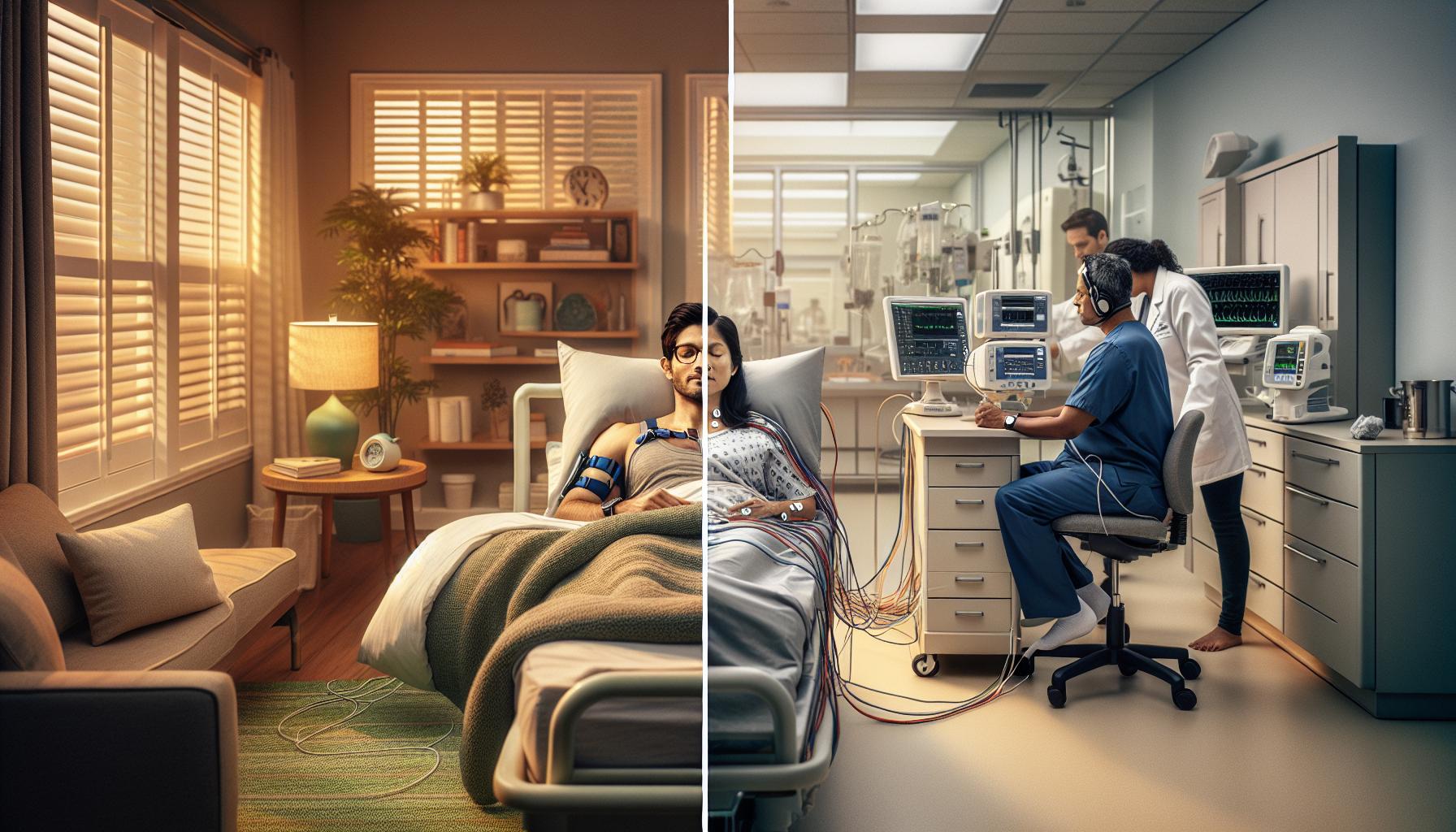
Pros and Cons of At-Home Sleep Studies
Home sleep studies are becoming increasingly popular for individuals seeking a convenient way to assess their sleep health. One of the biggest advantages is the comfort of testing in your own environment, which significantly reduces the anxiety that some patients feel about spending the night in a sleep lab. This comfort often leads to more natural sleep patterns, providing a clearer picture of one’s typical sleep behavior.
### Benefits of At-Home Sleep Studies
The primary pros of at-home sleep studies include:
- Comfortable Environment: Patients can relax in their own bed, which may lead to a more accurate representation of their sleep patterns.
- Convenience: There’s no need to travel to a sleep clinic, and the study can typically be conducted on a schedule that works for the patient.
- Cost-Effectiveness: At-home tests are generally less expensive than in-lab studies, making them a more accessible option for many.
- Quick Setup: Most devices are easy to set up and use, often requiring only a few sensors to track essential metrics like breathing and heart rate.
### Limitations of At-Home Sleep Studies
However, as beneficial as they are, there are some drawbacks to consider:
- Limited Data: At-home devices typically do not provide as comprehensive data as an in-lab study, which might miss out on diagnosing complex sleep disorders.
- Device Reliability: The accuracy and reliability of the at-home equipment can vary, and patients may not be trained to use them optimally, which can lead to incorrect assessments.
- Lack of Professional Monitoring: There’s no on-site medical staff to address any immediate concerns during the test, which might be a critical factor for some patients.
- Specificity of Conditions: At-home studies are primarily used for diagnosing obstructive sleep apnea and may not be effective for other sleep disorders.
Ultimately, while at-home sleep studies offer remarkable benefits like comfort, convenience, and lower costs, they also come with limitations that may affect the comprehensiveness of the data collected. Patients should weigh these factors carefully when deciding on the best approach for their sleep health assessment, considering their individual circumstances and symptoms.
Pros and Cons of In-Lab Sleep Studies
In-lab sleep studies are often regarded as the gold standard for diagnosing sleep disorders. This comprehensive approach allows healthcare professionals to monitor various physiological parameters in real time, providing a detailed picture of one’s sleep patterns. Unlike at-home tests, which primarily focus on obstructive sleep apnea, in-lab studies can help diagnose a wider range of sleep disorders due to their ability to record multiple data points simultaneously, including brain waves, oxygen levels, heart rate, and breathing patterns.
### Advantages of In-Lab Sleep Studies
- Comprehensive Data Collection: In-lab studies use polysomnography, which records brain activity along with various physiological metrics. This comprehensive data is crucial for accurate diagnosis and tailored treatment plans.
- Professional Supervision: With medical personnel on-site, any anomalies can be addressed immediately, ensuring patient safety and comfort.
- Identification of Complex Disorders: In-lab studies can reveal multifaceted sleep issues such as REM sleep behavior disorder or narcolepsy, which at-home tests may miss.
- Customizable Environment: Controlled settings allow for adjustments in temperature, lighting, and sound, further replicating a restful sleep environment for testing.
### Drawbacks of In-Lab Sleep Studies
Despite their advantages, in-lab sleep studies also have their downsides.
- Cost: These studies can be significantly more expensive than at-home tests, factoring in facility use, staff, and technology costs, which may not be fully covered by insurance.
- Inconvenience: Patients must travel to the facility and spend a night away from home, which can provoke anxiety and disrupt typical sleep patterns.
- Time Commitment: Patients usually have to go through a longer process, often including an initial consultation followed by the sleep test, which might lead to delays in receiving results and starting treatment.
- Limited Comfort: While labs strive to create a comfortable environment, many people still find it challenging to sleep well in a clinic setting, which could lead to non-representative results.
Weighing these pros and cons is essential for making an informed decision about whether to pursue an at-home or an in-lab sleep study. Ultimately, the choice depends on individual circumstances, specific symptoms, and personal preferences regarding comfort and convenience. Understanding the factors involved can empower you to navigate your sleep health options effectively.
How to Prepare for an At-Home Sleep Study
Preparing for an at-home sleep study is an important step that can lead to valuable insights about your sleep health. Understanding what to expect and how to set up can ease any anxiety and ensure a smooth testing experience. Before the study, familiarize yourself with the equipment and instructions provided by your sleep specialist. This preparation can make a significant difference in the quality of the data collected.
Start by creating a calm, inviting sleep environment. Ensure your bedroom is dark, quiet, and at a comfortable temperature. You might consider removing distractions like electronic devices, which can interfere with your ability to fall asleep. It’s also wise to maintain your normal bedtime routine, as this can help signal your body that it’s time to wind down. Additionally, try to avoid caffeine and alcohol on the night of the study, as these substances can affect your sleep patterns.
When you receive your at-home testing kit, carefully read the instructions for setup and application. The kit typically includes a monitoring device that tracks your heart rate, breathing patterns, and blood oxygen levels-some tests may even include a snoring monitor. Ensure that you follow the guidelines for securing the sensors correctly on your body. If you have any questions about the equipment, don’t hesitate to reach out to the sleep health professionals who provided it. They’re there to help and ensure you get the most accurate representation of your sleep.
Finally, if you frequently wake up in the night or have irregular sleep patterns, note these occurrences prior to the test. Keeping a sleep diary for a few nights leading up to the study can be tremendously helpful. This diary can provide your healthcare provider with context around your sleep habits, helping to inform a more accurate diagnosis. By preparing adequately, you optimize your chances of gaining insightful information about your sleep health and the possibility of conditions such as sleep apnea or insomnia.
Step-by-Step Guide to Setting Up Your At-Home Test
Setting up for an at-home sleep study can seem daunting, but a few straightforward steps can help streamline the process and set you up for success. The goal is to create an environment where you can comfortably sleep while the monitoring equipment accurately collects data about your sleep habits.
First, begin by unboxing your sleep study kit, which typically includes sensors that you will need to place on specific areas of your body. Carefully read the instructions that come with the device. Familiarizing yourself with how to attach the sensors will alleviate any confusion later on. Common components you’ll encounter include devices that track your heart rate, airflow, blood oxygen levels, and sometimes even snoring patterns.
Next, prepare your sleep environment. Make sure your bedroom is conducive to sleep-dim the lights, reduce noise, and set a comfortable temperature. You might also want to review your bedtime routine; try to stick to it as much as possible so your body knows it’s time to wind down. Consider keeping your usual bedtime, as this consistency can help improve the accuracy of your results.
When you’re ready to put on the sensors, gently follow the instructions provided in your kit. It is important to position the sensors correctly for accurate measurements, so take your time placing them as directed. After the sensors are secured, ensure everything is functioning properly; most devices will have lights or indicators to let you know they are working correctly. Test the equipment in advance if you can, so you know it will capture the data throughout the night.
Finally, make a note of any irregularities in your sleep patterns leading up to the study, as this information can enhance the interpretation of the data collected. By carefully setting up your at-home sleep study, you can help your healthcare provider gain valuable insights into your sleep health, paving the way for potential diagnoses and treatments.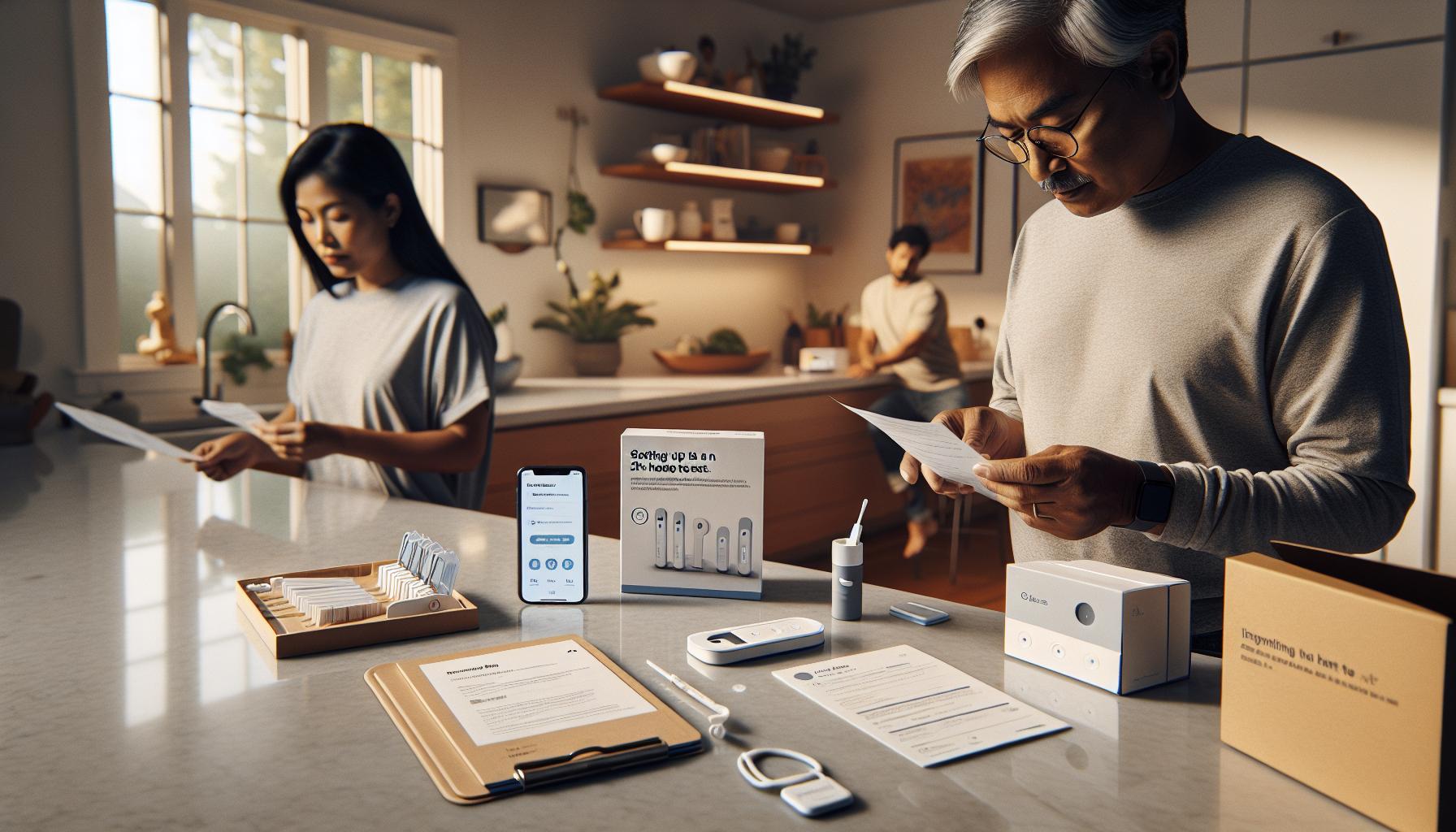
What Technology is Used in At-Home Sleep Studies?
At-home sleep studies leverage sophisticated technology to help diagnose conditions like obstructive sleep apnea (OSA) without the need for an overnight stay in a sleep lab. These devices are specifically designed for ease of use in the comfort of your own home, allowing for a more natural sleep environment, which can lead to more accurate results.
The typical at-home sleep monitoring device includes various sensors that track vital metrics during your sleep. These generally encompass:
- Airflow Sensors: These devices monitor the air coming in and out through your mouth and nose, helping to identify any breathing interruptions.
- Pulse Oximeters: Usually clipped to a finger, these measure your blood oxygen levels, providing crucial data to detect any episodes of reduced oxygenation associated with apnea.
- Heart Rate Monitors: These keep track of your heart rhythm throughout the night, allowing any correlations between sleep quality and cardiovascular health to be observed.
- Movement Sensors: Some devices include accelerometers to detect body movements, which can be useful for assessing sleep stages and identifying disruptive behaviors like tossing and turning.
The technology employed in these tests aims to simplify the process for users while maintaining the necessary accuracy for diagnosis. While some systems are standalone devices linked via Bluetooth to a phone app, others may provide all-in-one kits that come with everything you’ll need. For example, a comprehensive kit might include a small recording box, which will log data from the sensors throughout the night, before sending it for review by a healthcare professional.
Most importantly, the setup is designed with user-friendliness in mind. After adequately preparing your environment and simply connecting the sensors as directed, you can comfortably drift off to sleep. Many devices feature visual or auditory indicators to ensure they are recording, helping alleviate any anxiety about whether the data collection is functioning correctly.
In short, at-home sleep study technology is accessible, allowing you to take charge of your sleep health with minimal disruption to your nightly routine. By understanding how these devices work, you can feel more prepared and reassured about your upcoming sleep study.
Cost Comparison: At-Home vs In-Lab Sleep Studies
The cost of sleep studies can vary significantly based on the method of testing chosen. Understanding these differences can help you make a more informed decision that aligns with your healthcare needs and budget.
In-lab sleep studies, also known as polysomnography, typically range between $1,000 and $10,000, largely influenced by factors such as location, facility, and insurance coverage[1[1]. This comprehensive study involves an overnight stay at a sleep clinic, where various metrics-like brain waves, oxygen levels, heart rate, and breathing patterns-are monitored. Such extensive monitoring can provide detailed insights into your sleep patterns but comes with a higher financial commitment.
In contrast, at-home sleep studies are generally more affordable, costing between $300 and $600 for the testing devices, which can be more budget-friendly options for those without extensive insurance coverage[2[2] [3[3]. These tests are designed for ease of use in a familiar environment, allowing patients to sleep in their own beds while still obtaining valuable data regarding potential sleep disorders like obstructive sleep apnea (OSA). However, it’s essential to note that at-home tests are typically less comprehensive than in-lab evaluations.
When deciding between the two, consider not just the financial aspect but also the nature of your sleep concerns. If complex sleep disorders are suspected, a detailed in-lab study may be warranted despite the higher cost. For more common issues or when budget constraints exist, an at-home study could provide adequate information without overwhelming expenses. Always check with your healthcare provider and insurance to understand what is covered and to ensure you’re choosing the best option for your specific situation.
Insurance Coverage for Sleep Studies: What You Need to Know
Understanding your insurance coverage for sleep studies is crucial as these tests can be a significant financial investment. Many people are often surprised to learn that insurance companies do cover sleep studies, but the level of coverage can vary widely depending on your specific plan, provider, and whether the study is conducted in a lab or at home.
For in-lab sleep studies, also referred to as polysomnography, insurance typically considers these tests medically necessary if you show symptoms of sleep disorders. It’s essential to have a referral from a primary care physician to qualify for coverage. As an example, TRICARE requires a referral to a sleep disorder center for coverage of diagnostic sleep studies, specifically for conditions like narcolepsy and obstructive sleep apnea (OSA) [[1]](https://www.tricare.mil/CoveredServices/IsItCovered/SleepStudies).
At-home sleep studies are generally viewed as a more cost-effective option. Insurance plans often cover these tests as long as they are deemed medically necessary and you meet specific diagnostic criteria. These tests may be a godsend for those looking for a budget-friendly approach to diagnosing sleep apnea and other sleep disorders. However, coverage can still vary. Before proceeding with either type of study, it’s wise to contact your insurance provider for details on your specific policy. Ask questions like: What conditions must be met for coverage? Are there specific in-network providers?
Additionally, consider the potential out-of-pocket costs associated with both types of tests. While at-home studies can range from $300 to $600, in-lab studies can be significantly higher, often between $1,000 and $10,000, depending on various factors such as location and complexity [[1]](https://sleepdoctor.com/pages/health/how-much-does-a-sleep-study-cost?srsltid=AfmBOopVU9BQThxmG60UPtXSfrYJ3qBH-SEAX_dbpPU3RFxseE22mY4q). Preparing ahead can ease some anxiety about the financial aspect, allowing you to focus more on your health and less on the costs involved.
Common Sleep Disorders Diagnosed Through Sleep Studies
Many people struggle with various sleep disorders that affect their overall health and quality of life. Sleep studies play a crucial role in diagnosing these conditions, whether conducted at home or in a lab. Common disorders identified through sleep studies include obstructive sleep apnea, insomnia, narcolepsy, restless leg syndrome, and parasomnias.
Obstructive Sleep Apnea (OSA)
Obstructive sleep apnea is one of the most prevalent sleep disorders. It occurs when the airway becomes blocked during sleep, leading to pauses in breathing. Patients often experience loud snoring, excessive daytime sleepiness, and difficulty concentrating. At-home sleep studies are particularly effective in diagnosing OSA by monitoring breathing patterns and oxygen levels, making these tests accessible and convenient for many.
Insomnia
Insomnia, characterized by difficulty falling or staying asleep, can also be diagnosed through sleep studies. While often a symptom of an underlying problem, a comprehensive evaluation can determine whether it’s a primary condition. Patients might benefit from cognitive behavioral therapy or other interventions based on the findings.
Narcolepsy
Narcolepsy is a neurological disorder that affects the brain’s ability to regulate sleep-wake cycles. Symptoms include excessive daytime sleepiness and sudden sleep attacks. Diagnosing narcolepsy may require in-lab polysomnography to accurately assess the patient’s sleep stages and measure factors like REM sleep.
Restless Leg Syndrome (RLS)
Restless leg syndrome can lead to unbearable sensations in the legs, typically worsening at night. While it’s often diagnosed based on clinical symptoms, a sleep study can rule out other conditions like periodic limb movement disorder, which may occur simultaneously.
Parasomnias
Parasomnias encompass a range of abnormal behaviors during sleep, such as sleepwalking or night terrors. These events can significantly disrupt sleep, and an in-lab study equipped with video monitoring may be necessary to capture these occurrences accurately.
Whether you opt for an at-home or in-lab sleep study, it’s essential to consult with healthcare providers who can help you determine the best approach based on your symptoms and lifestyle. Both options deliver valuable insights into your sleep health and pave the way for effective treatment.
Real Patient Experiences: At-Home vs In-Lab Sleep Studies
Some individuals find the prospect of undergoing a sleep study daunting, particularly when it involves spending the night in a lab. However, patient experiences reveal a nuanced view of both at-home and in-lab options, providing insight that can help future patients make informed decisions.
Many patients opt for at-home sleep studies due to the comfort and familiarity of their own beds. For instance, one patient noted that the ability to sleep in a tranquil environment greatly reduced their anxiety compared to the sterile environment of a sleep lab. However, while at-home tests are convenient and can effectively diagnose conditions such as obstructive sleep apnea, they may lack the comprehensive monitoring found in an overnight lab study, which includes more detailed analysis of sleep stages and physiological parameters.
Conversely, in-lab sleep studies may feel more intimidating but often provide a thorough evaluation. A patient who underwent an in-lab study shared that having healthcare professionals on hand eased concerns about the procedure. With staff available to address questions and provide assistance, many left feeling reassured about their condition and the testing experience. In-lab studies also allow for simultaneous monitoring of more variables, which can be crucial for diagnosing complex sleep disorders such as narcolepsy.
Ultimately, the choice between at-home and in-lab sleep studies may depend on individual preferences and the specific sleep disorder being evaluated. Many patients emphasize the importance of discussing their options thoroughly with their healthcare provider to determine which approach aligns best with their needs, experiences, and comfort levels.
When deciding, consider the following factors:
- Comfort: At-home studies can offer a relaxed setting.
- Data Quality: In-lab studies provide more comprehensive data.
- Anxiety Levels: Some patients may prefer one setting over the other based on their anxiety about testing.
- Diagnosis Needs: Certain conditions are better diagnosed in a controlled environment.
Gathering insights from those who have walked the path can empower new patients to choose the right type of sleep study for their needs.
When to Choose an At-Home Test Over a Lab Study
Opting for an at-home sleep study can be an excellent choice for many individuals experiencing sleep-related issues, particularly obstructive sleep apnea (OSA). One of the primary reasons to choose this route is the comfort it affords. Patients can take the test in the familiar surroundings of their own bed, which often results in a more natural and relaxed sleep environment compared to the sterile setting of a sleep lab. For instance, a person grappling with anxiety about medical procedures might find the at-home option significantly less intimidating, allowing them to achieve a more accurate representation of their sleep patterns.
At-home sleep studies are also often more convenient and cost-effective. Many patients appreciate the ability to carry out the test without the need for an overnight stay in a facility, which can save both time and money. Most at-home testing devices are fairly user-friendly, designed for easy setup and a straightforward process. If you suspect you might have sleep apnea but do not exhibit severe symptoms-such as extremely loud snoring, gasping for breath during sleep, or excessive daytime sleepiness-an at-home screening may be a sufficient first step. This approach is particularly appealing for those who are busy, travel frequently, or simply wish to minimize disruptions to their routine.
However, it’s essential to recognize the limitations of at-home sleep studies. While they are effective for diagnosing OSA, they may not capture the full scope of sleep disorders that a lab study might. For example, if you suspect conditions like narcolepsy or restless legs syndrome, an in-lab study, which allows for comprehensive monitoring of multiple sleep stages, might be more appropriate. Therefore, it’s crucial to have a candid conversation with your healthcare provider to discuss your symptoms, lifestyle, and testing preferences. Together, you can determine whether an at-home test is the right fit based on your unique circumstances.
In summary, if comfort, convenience, and cost are your top priorities and your symptoms align with the diagnostic capabilities of an at-home test, then this option could serve you well. Be sure to weigh all factors, including the extent of your symptoms and overall health concerns, to make an informed decision that aligns with your needs.
Frequently Asked Questions
Q: What is the difference between an at-home and an in-lab sleep study?
A: An at-home sleep study allows you to monitor your sleep environment and patterns in your own bed, often using portable devices. In contrast, an in-lab sleep study involves spending the night in a specialized facility under professional observation with comprehensive monitoring equipment. Each option has distinct advantages depending on the specific sleep issues being assessed.
Q: Can I trust the results of an at-home sleep study?
A: Yes, at-home sleep studies can provide reliable results, especially for common sleep disorders like sleep apnea. They are designed to deliver accurate data on your sleep patterns. However, it’s recommended to consult a healthcare provider for a full interpretation of the results.
Q: How do I know if I should choose an at-home or in-lab sleep study?
A: Choosing between an at-home and in-lab study depends on your specific symptoms and doctor’s advice. Typically, at-home studies are suitable for straightforward cases, while complex sleep disorders may necessitate in-lab studies for thorough evaluation.
Q: What equipment is used in at-home sleep studies?
A: At-home sleep studies typically use devices like pulse oximeters, respiratory monitors, and sometimes wearable technologies to track movements and breathing. These devices gather essential data to help identify sleep disorders.
Q: Are at-home sleep studies covered by insurance?
A: Many insurance plans cover at-home sleep studies, but coverage can vary by provider. It’s best to check with your insurance company for specific details regarding your plan and any pre-authorization requirements.
Q: How long does it take to get results from an at-home sleep study?
A: Results from at-home sleep studies are usually available within a few days to a week, depending on the processing time of the testing facility. Ensure you follow up with your healthcare provider to discuss the findings.
Q: What should I do if my at-home sleep study indicates a problem?
A: If your at-home sleep study indicates potential issues such as sleep apnea, follow up with your healthcare provider for a comprehensive evaluation. They may recommend additional testing or treatment options tailored to your needs.
Q: Are there any limitations to at-home sleep studies?
A: Yes, at-home sleep studies may miss certain complications that an in-lab study could capture, such as more complex sleep disorders. Discussing your specific needs with a healthcare professional can help determine the best approach for accurate diagnosis.
For more details on how to prepare for an at-home sleep study, check out our section on How to Prepare for an At-Home Sleep Study.
Future Outlook
In summary, both at-home and in-lab sleep studies offer valuable options for diagnosing sleep disorders like sleep apnea. Choosing the right study depends on your personal comfort and specific health needs. If you’re still weighing your options, face any worries about the test, or have questions about the process, don’t hesitate to consult your healthcare provider. They can guide you towards the best choice tailored to your circumstances.
Take your sleep health seriously-consider exploring related topics on sleep science and effective treatments. For more insights, read our articles on common sleep disorders or tips for improving sleep quality. Don’t forget to sign up for our newsletter to stay updated on the latest sleep research and technological advancements that can enhance your rest. Remember, your journey to better sleep starts with informed choices! Share your thoughts in the comments below or connect with our community for support as you navigate your sleep health.
Get our latest guides, news, and insights highlighted in your Google Search & AI Overviews.