
Did you know that sleep apnea affects millions yet often goes undiagnosed? This common but serious sleep disorder interrupts your breathing during sleep, leading to chronic fatigue and health risks. Understanding sleep apnea tracking can help you confront this challenge head-on. By utilizing advanced detection technology, including wearables and sleep studies, you can gain insights into your sleep patterns and effectively manage your health. As you explore this topic, you’ll discover how these tools can empower you to uncover the complexities of your sleep, leading to better nights and healthier days. Stay with us to learn how tracking can be a game-changer in your journey toward restful sleep and overall wellness.
What Is Sleep Apnea Tracking?
Tracking sleep apnea effectively can be a game changer for those affected by this common sleep disorder, which occurs when breathing repeatedly stops and starts during sleep. With advancements in technology, sleep apnea tracking has evolved into a more accessible and user-friendly experience, allowing individuals to monitor their sleep patterns and breathing irregularities from the comfort of their homes. This proactive approach not only helps in identifying potential problems but also in managing symptoms more effectively.
Sleep apnea tracking typically involves the use of various devices that monitor vital signs, including heart rate, oxygen levels, and even movements during sleep. These devices can range from simple wearable monitors that you clip on your finger to more advanced systems that utilize microphones and sensors placed on your pillow or mattress. The goal is to gather as much relevant data as possible to help you and your healthcare provider understand your sleep quality and identify any abnormalities. These insights can be crucial for developing an effective treatment plan and improving overall health.
Utilizing sleep tracking technology often starts with a basic understanding of how these tools operate. Many devices offer real-time analytics, providing instant feedback on your sleep quality and patterns. For those who prefer a more detailed analysis, more comprehensive options like polysomnography-often conducted in a sleep clinic-allow for professional evaluation. However, for most individuals, home sleep tests can provide adequate information for initial assessments. These tests tend to be less invasive and can often be more cost-effective than traditional sleep studies.
As you embark on your journey of monitoring sleep apnea, it’s essential to choose the right device that aligns with your needs. Look for wearables that offer comprehensive tracking features, including user-friendly apps, detailed reporting, and robust customer support. Additionally, it’s crucial to interpret the data correctly to recognize patterns and discuss them with your healthcare provider. This way, you can ensure you’re taking the right steps toward managing your sleep apnea effectively.
Understanding Sleep Apnea: Key Facts
Sleep apnea affects millions, yet many remain unaware of its symptoms and implications. This disorder causes frequent interruptions in breathing during sleep, which can lead to serious health complications if left untreated. Understanding key facts about sleep apnea not only equips individuals with knowledge but also empowers them to take proactive steps in managing their health.
One major form of sleep apnea is obstructive sleep apnea (OSA), which occurs when the muscles in the throat relax excessively and block the airway. This is contrasted by central sleep apnea (CSA), a less common type that results from a failure of the brain to signal muscles to breathe. A hybrid form, known as complex sleep apnea syndrome, includes features of both OSA and CSA. Symptoms include loud snoring, gasping for air during sleep, and excessive daytime sleepiness, all of which can significantly impact daily life.
The consequences of untreated sleep apnea can be severe. Research links the condition not only to chronic fatigue but also to cardiovascular issues, increased risk of stroke, and impaired cognitive function. The fatigue can diminish productivity and affect mood, leading to irritability or even depression. Given its potential dangers, recognizing the signs early and seeking appropriate testing is vital.
If you suspect sleep apnea or are experiencing related symptoms, consider consulting a healthcare professional. Initial assessments may include home sleep tests or polysomnography for more in-depth analysis. Various detection technologies, including wearables and other tracking devices, can assist in monitoring your breathing patterns during sleep and provide valuable insights to share with your doctor. With the right tools and professional guidance, you can take significant strides towards effective management of sleep apnea, improving both your sleep quality and overall health.
How Sleep Apnea Tracking Works
Monitoring sleep apnea has become increasingly accessible with advancements in technology, allowing individuals to track their sleep patterns more easily than ever before. This process typically involves using devices to capture various physiological signals while you sleep. Comprehensive tracking can give insights into the frequency and severity of apnea events, ultimately guiding treatment decisions.
Wearable devices, such as smartwatches and fitness trackers, have become popular tools for tracking sleep apnea. These devices typically monitor heart rate, oxygen saturation, and movement, offering users data on their sleep quality. Their user-friendly interfaces and smartphone connectivity make it simple to review sleep analytics. Traditional methods, however, remain relevant; polysomnography, a comprehensive sleep study conducted in a lab, measures brain waves, oxygen levels, heart rate, and breathing, providing detailed insights into sleep stages and disturbances.
Home sleep tests (HSTs) are another effective option, allowing individuals to conduct sleep monitoring in the comfort of their home. These tests utilize portable monitoring devices to track key parameters, such as airflow and heart rate, while capturing vital data on sleep apnea episodes without the need for a hospital stay. The convenience of HSTs means many people who might otherwise avoid seeking help can access crucial diagnostics without the associated stress of sleep labs.
To interpret the data effectively, users should focus on metrics like the Apnea-Hypopnea Index (AHI), which indicates the number of apneas and hypopneas per hour of sleep. Understanding these statistics helps identify the severity of sleep apnea and informs subsequent discussions with healthcare providers about potential treatments, ranging from lifestyle changes to CPAP therapy. With the right tools, users can empower themselves to take proactive steps toward managing their sleep health.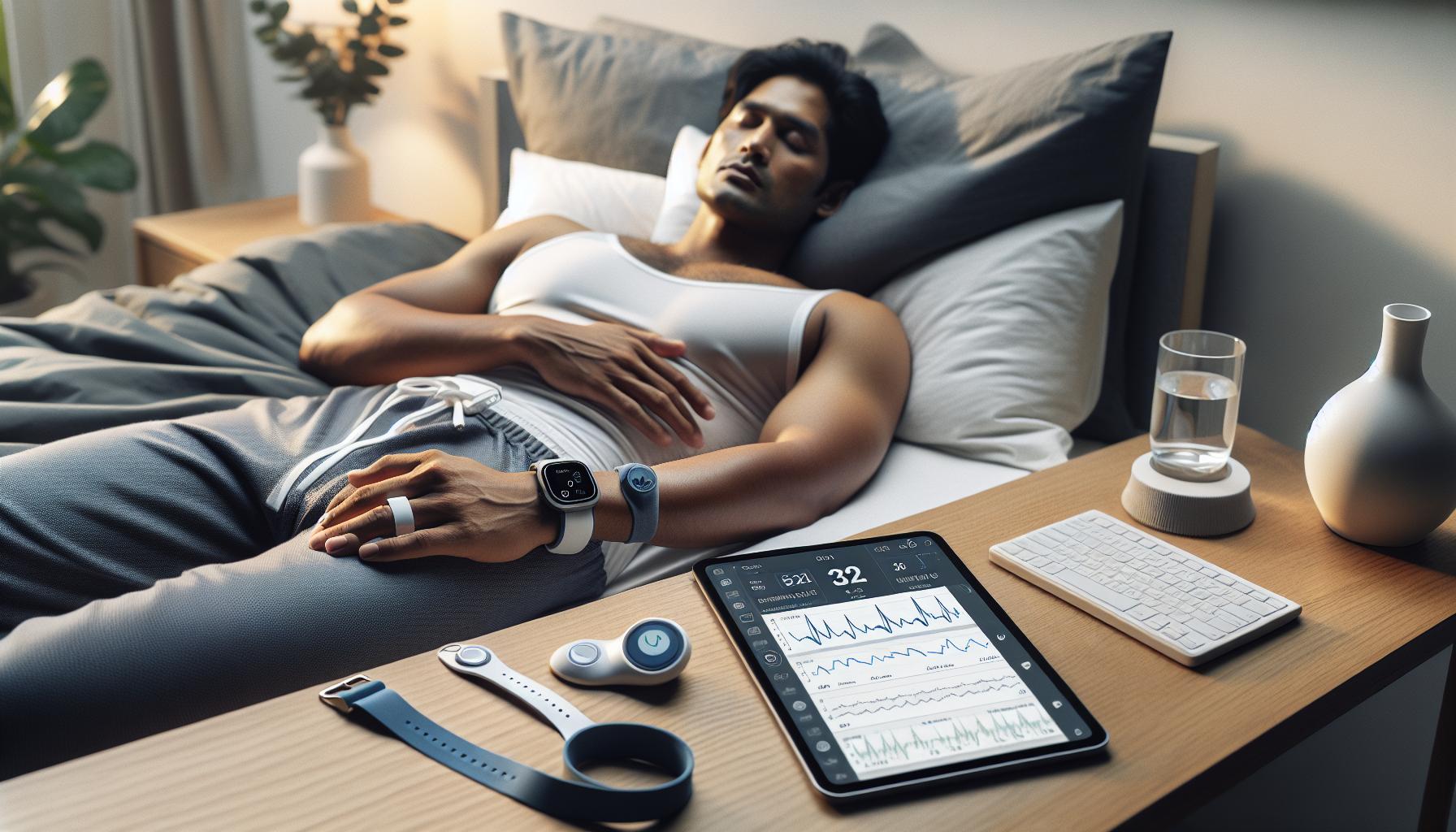
Different Types of Sleep Apnea Devices
Different devices are available today to help manage and track sleep apnea, each offering unique features tailored to various needs. Understanding these options can significantly empower individuals seeking to monitor their sleep health more effectively.
Types of Devices
- Wearable Technology: Smartwatches and fitness trackers have surged in popularity for sleep tracking. These devices often monitor your heart rate, oxygen saturation, and motion to provide insights into your sleep patterns. Popular brands like Fitbit and Apple Watch not only track sleep duration but also provide reports on sleep quality, making it easy to understand your nightly rest.
- Continuous Positive Airway Pressure (CPAP) Machines: For individuals diagnosed with moderate to severe sleep apnea, CPAP devices are often prescribed. These machines use mild air pressure to keep your airways open while you sleep. Modern CPAP machines come equipped with monitoring capabilities, allowing users to track their therapy adherence and the effectiveness of treatment via connected smartphone apps.
- Home Sleep Tests (HSTs): Designed for convenience, HSTs allow you to monitor your sleep at home. These portable devices can assess key parameters like airflow, heart rate, and oxygen levels, offering meaningful diagnostic information without the need for an overnight stay in a lab. They bridge the gap between comprehensive lab studies and casual monitoring.
- Polysomnography: This is the gold standard in sleep study and is carried out in sleep clinics. It records brain waves, blood oxygen levels, heart rate, breathing, and eye and leg movements. While more invasive, it provides the most detailed picture of your sleep architecture and the severity of sleep apnea.
Making the Right Choice
When considering which device might be best for you, think about your lifestyle and preferences. For those who are tech-savvy and prefer real-time monitoring, a smartwatch or a CPAP with integrated technology could enhance your understanding of your sleep health. Alternatively, if you are looking for a straightforward diagnostic approach without the disruption of a lab setting, home sleep tests might be your preferred choice.
It’s crucial to remember that no single device is a one-size-fits-all solution. Factors such as cost, comfort, and specific health needs will guide your decision-making process. Explore each option thoroughly, and consult with your healthcare provider to ensure you choose a device that aligns with your treatment goals and lifestyle, helping you take proactive steps toward better sleep health.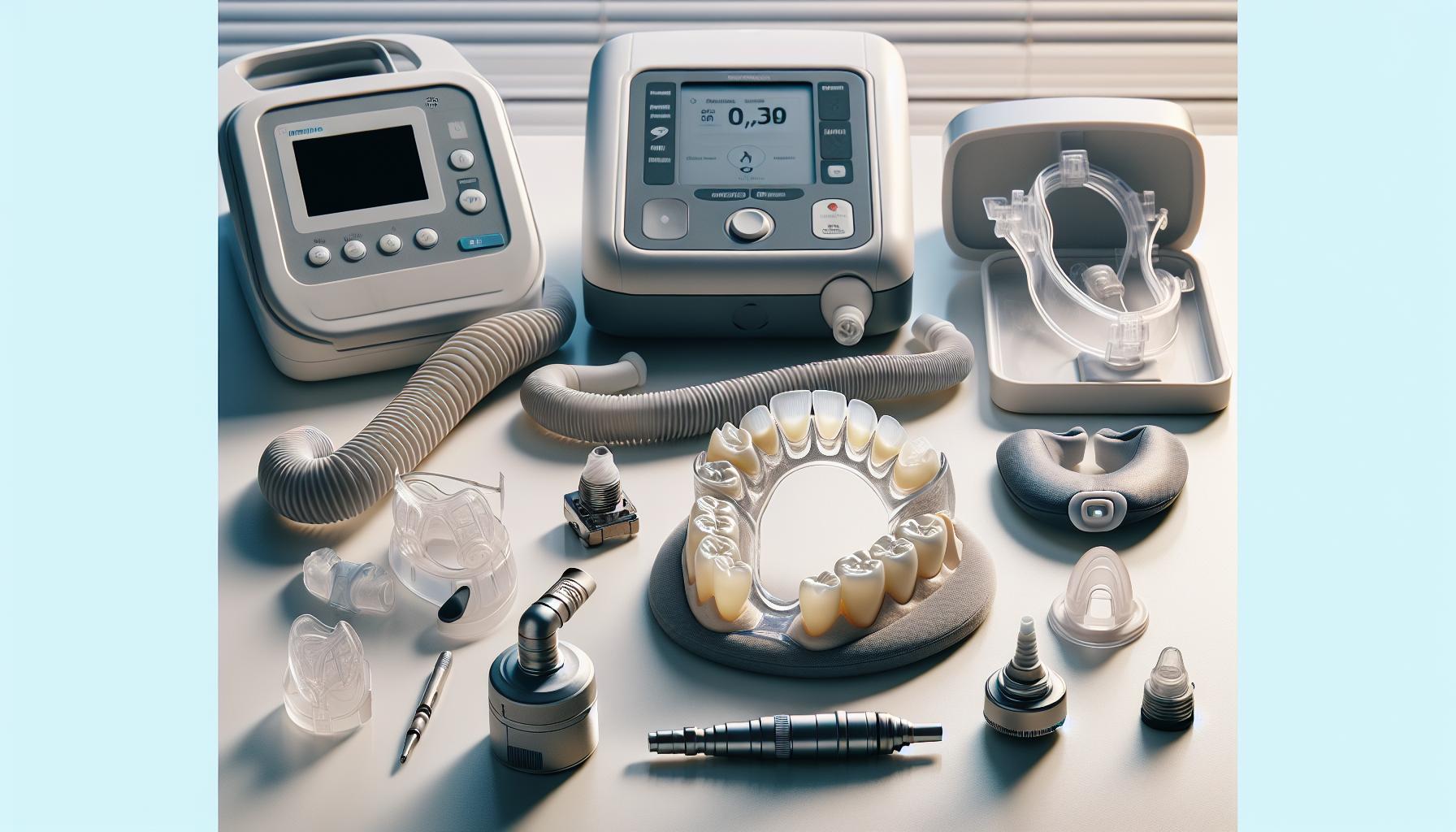
Wearable Technology for Sleep Apnea Monitoring
Wearable technology has transformed the landscape of sleep apnea monitoring, offering individuals convenient tools to track their sleep patterns and overall health metrics without the need for clinical visits. Smartwatches and fitness trackers, such as those from Fitbit and Apple Watch, are at the forefront of this innovation. These devices not only record your sleep duration but also provide insights into sleep quality by monitoring heart rate variability, oxygen saturation levels, and movement throughout the night. By translating complex data into accessible metrics, wearables empower users to understand their sleep behaviors and identify potential disruptions indicative of sleep apnea.
One notable feature of many wearables is their ability to generate detailed reports and trends over time, which can highlight changes in sleep patterns-such as increased wakefulness or decreased REM sleep-that may signal the onset of sleep apnea. Additionally, some devices offer integration with mobile apps that provide personalized feedback, helping users make informed decisions about lifestyle changes that might enhance their sleep quality. For instance, if a tracker consistently shows disruptions during specific times of the night, it could prompt a user to explore further evaluation for sleep apnea.
However, while wearable technology provides valuable insights, it’s essential to understand its limitations. These devices can track general patterns but may not capture the comprehensive diagnostics necessary for a conclusive sleep apnea diagnosis. They are an excellent starting point for self-monitoring and are particularly useful for those who prefer a non-invasive approach to assess their sleep health. Yet, anyone suspecting they have sleep apnea should consult a healthcare professional for a more detailed evaluation and testing, such as polysomnography, which remains the gold standard in sleep assessments.
In terms of setup, wearing a smartwatch or fitness tracker is straightforward-typically requiring only initial sync with a smartphone app and regular charging. As a rule of thumb, users should be aware of their wearable’s specific capabilities and whether they align with their monitoring goals. Investing in a reliable wearable can be a proactive step in managing sleep health, especially for those experiencing symptoms related to sleep apnea.
Polysomnography vs. Home Sleep Tests
Polysomnography, often referred to as a sleep study, is the gold standard for diagnosing sleep disorders like sleep apnea. Conducted overnight in a sleep laboratory, this comprehensive test monitors a variety of physiological parameters while you sleep, including brain activity, eye movements, heart rate, breathing patterns, and oxygen levels. The detailed data collected allows doctors to identify specific sleep disturbances, making it an invaluable tool for diagnosis and treatment planning. However, this level of detail comes at a cost, both financially-usually ranging from $500 to over $3,000 depending on the facility-and in terms of patient comfort, as some people find it a bit daunting to sleep in a clinical environment.
In contrast, home sleep tests (HSTs) offer a more convenient, albeit less comprehensive, alternative. These tests are designed for individuals who exhibit notable symptoms of sleep apnea and include devices that monitor oxygen levels, airflow, heart rate, and respiratory effort. HSTs are less expensive, generally costing between $150 and $500, and can be conducted in the comfort of one’s own home. While this can alleviate some anxiety associated with traditional lab tests, it’s important to note that HSTs may miss certain conditions that polysomnography could catch, such as central sleep apnea or other sleep-related disorders.
When deciding which test to pursue, consider a few key factors. If you have severe sleep apnea symptoms or other health conditions that require thorough assessment, polysomnography might be the better choice. On the other hand, if you have mild symptoms, a home sleep test could provide sufficient data to determine whether further evaluation is necessary. For many, the idea of sleeping at home with a device strapped to their body is far more appealing than the traditional sleep lab setup, though understanding the limitations of each option is crucial for making an informed decision.
Regardless of the method chosen, both types of tests are instrumental in unlocking the secrets of your sleep patterns. Remember that the results will serve as essential guides for any subsequent treatment, whether that involves CPAP therapy, lifestyle changes, or perhaps even surgery, depending on the severity and type of sleep apnea diagnosed.
Interpreting Sleep Apnea Data: What to Look For
Interpreting the data provided by sleep apnea trackers can feel overwhelming, but it’s essential for understanding your sleep health. Whether you’re using a medical device like polysomnography or opting for a portable home sleep test, knowing what to look for in the data can significantly impact your treatment decisions. Key metrics to focus on include the number of apneas (breathing interruptions) per hour-this is referred to as the apnea-hypopnea index (AHI)-and your oxygen saturation levels during sleep. The higher the AHI, the more severe the apnea, while oxygen levels below 90% during sleep signal potential complications.
### Key Metrics to Review
When you receive your sleep study results, pay attention to these important aspects:
- Apnea-Hypopnea Index (AHI): The total number of apneas and hypopneas divided by total sleep time. An AHI of 5-15 indicates mild sleep apnea, 15-30 signifies moderate, and above 30 marks severe sleep apnea.
- Oxygen Saturation Levels: Continuous readings below 90% during sleep can lead to serious health issues. It’s crucial to monitor how often and how long these dips occur.
- Duration of Sleep: Understanding your total sleep time alongside disturbances helps gauge sleep quality.
- Sleep Stages: Knowing how much time you spend in each sleep stage (light, deep, REM) can provide insight into your sleep architecture and how apnea affects it.
### Visual Data Representation
Some modern sleep tracking devices take it a step further by presenting these metrics in visually accessible formats, making it easier to spot issues at a glance. Graphs and charts showing trends over time can help you understand underlying patterns, such as how lifestyle changes impact your sleep quality.
### Consultation and Next Steps
Once you’ve gathered and interpreted this data, the next wise step is to discuss your findings with a healthcare professional. They can provide context, help you understand the implications of your data, and recommend treatment options that are tailored to your specific needs. Regular monitoring can not only lead to better management of your sleep apnea but also enhance overall health and well-being.
By actively engaging with your sleep data, you empower yourself to make informed decisions about your sleep health and treatment strategies. Whether you ultimately choose CPAP therapy, lifestyle adjustments, or further testing, understanding what your metrics mean is key to achieving better sleep.
Benefits of Sleep Apnea Detection Technology
The advancement of sleep apnea detection technology has revolutionized how individuals monitor their sleep habits and manage their health. These devices not only track breathing patterns but also provide invaluable data that can lead to significant improvements in sleep quality and overall well-being. With the right technology, users gain insights into their apnea episodes, allowing for timely interventions that can prevent serious health issues.
One of the primary is the ability to monitor sleep patterns in real-time. Wearables and home sleep testing devices provide insights such as the apnea-hypopnea index (AHI) and oxygen saturation levels. This immediate feedback allows users to understand their sleep disruptions and make necessary lifestyle changes or seek medical advice. For instance, if a device shows consistent dips in oxygen levels, it may prompt the user to consult a healthcare provider sooner rather than later.
Moreover, the user-friendly design of many modern tracking devices is a significant advantage. Many wearables come equipped with apps that not only display data in real-time but also offer trends over time. This visual representation can aid in recognizing patterns and correlating sleep issues with lifestyle choices, like diet or stress levels. Users can also receive personalized recommendations based on their data, making it easier to implement effective changes for better sleep hygiene.
Another compelling benefit is the potential for better sleep apnea management. Devices that integrate with treatment options, such as continuous positive airway pressure (CPAP) machines, can help users track compliance and efficacy. By monitoring how well they adhere to treatment and its outcomes, individuals can adjust their approach, ultimately leading to improved health outcomes. Additionally, many health insurance plans are increasingly covering these devices, making them accessible and affordable for many individuals suffering from sleep apnea.
In sum, the extend beyond mere monitoring. They empower users with knowledge and tools to manage their sleep health proactively. By fostering an understanding of their sleep patterns and offering insights into their needs, these technologies can significantly enhance one’s quality of life and reduce the risks associated with untreated sleep apnea.
When to Seek Professional Help for Sleep Apnea
Persistent fatigue, difficulty concentrating, and frequent headaches can often signal that something more serious is at play, particularly if you suspect sleep apnea. This common yet frequently undiagnosed condition can lead to significant health consequences if left unchecked. If your sleep tracking device indicates regular apneas, or if you experience heavy snoring, gasping, or choking sensations while sleeping, it may be time to consult a healthcare professional.
Recognizing when to seek professional help can be pivotal in preventing the potential health risks associated with sleep apnea. Here are a few key indicators suggesting that a visit to a specialist is warranted:
- Consistent Data from Tracking Devices: If your wearable device consistently registers a high apnea-hypopnea index (AHI) or shows frequent drops in oxygen saturation, it’s a clear signal that you should reach out to a healthcare provider.
- Daytime Symptoms: If you’re experiencing excessive daytime sleepiness, irritability, or difficulty focusing, these might be signs of untreated sleep apnea and should not be ignored.
- Partner Observations: Often, sleep apnea is diagnosed not by the individual but by a bed partner who observes snoring or breathing irregularities during sleep. If someone has noticed these signs, it’s crucial to get checked out.
- Difficulty with Lifestyle Adjustments: If you’ve made lifestyle changes based on the insights from your tracking device but still find little improvement in your symptoms, it might indicate a need for a professional evaluation.
When consulting a healthcare professional, be prepared to discuss your sleep patterns, any data from your tracking device, and your overall health. They may recommend a sleep study (polysomnography) to monitor your sleep cycle, breathing, and oxygen levels in a controlled environment, or they might suggest a home sleep test depending on your situation.
Early intervention can positively impact your health outcomes, so don’t hesitate to seek help if you suspect sleep apnea is affecting your life.
Insurance Coverage for Sleep Apnea Testing
Navigating the complexities of can feel overwhelming, especially when you’re already dealing with the symptoms of the condition. Fortunately, understanding your options can help you make informed choices about your healthcare. Typically, insurance plans cover clinically necessary testing for sleep apnea, which usually involves either a polysomnography (sleep study) in a sleep lab or a home sleep apnea test (HSAT). However, the exact level of coverage can vary significantly based on your insurance provider and specific policy.
Understanding Your Coverage
Before proceeding with any sleep apnea testing, it’s crucial to check your insurance benefits. Here are some tips for navigating this process:
- Contact Your Insurance Provider: Call the customer service number on your insurance card to inquire about coverage for sleep studies and home tests. Ask specific questions about copays, deductibles, and any requirements for prior authorization.
- Network vs. Out-of-Network: Ensure that the facility or provider conducting the sleep study is within your insurance network to minimize costs. Out-of-network providers might incur higher out-of-pocket expenses.
- Referrals and Recommendations: Some insurance plans may require a referral from your primary care physician before they will authorize a sleep study. Be sure to consult with your doctor about this step.
Cost Considerations
The costs associated with sleep testing can vary widely. A polysomnography may cost anywhere from $1,000 to $3,000, while home testing kits range from $150 to $500. Many insurance plans cover at least a portion of these expenses, but it’s wise to verify the specifics of your coverage ahead of time.
Additionally, keep in mind that follow-up care and additional treatments, such as CPAP therapy, may also entail further costs. These expenses can be partly covered by insurance if deemed medically necessary, so be sure to include potential treatment in your conversations with your insurance provider.
Having a solid understanding of your coverage options and costs associated with sleep apnea testing can alleviate some of the stress related to diagnosis and treatment. By being proactive in your research and communication with your insurance company, you empower yourself to make the best choices for your health.
Real-Life Success Stories: Using Tracking Devices
Many individuals with sleep apnea have discovered transformative benefits from tracking devices that monitor their sleep patterns and breathing. These devices can significantly impact how patients understand and manage their sleep disorders. For instance, Sarah, a 35-year-old teacher, struggled with excessive daytime sleepiness and snoring, often feeling exhausted by mid-afternoon. After using a wearable sleep tracker, she gained valuable insights into her sleep quality and frequent apnea episodes. Equipped with this data, she consulted her healthcare provider, leading to a timely diagnosis and effective treatment plan that involved lifestyle adjustments and CPAP therapy.
The effectiveness of tracking devices isn’t just anecdotal. Many users report a newfound sense of empowerment over their condition. Take John, a 50-year-old software engineer who had long suspected he had sleep apnea but hesitated to seek help. After testing a consumer sleep tracker, he found alarming statistics about his sleep interruptions and oxygen levels. Grasping the severity of his condition motivated him to pursue a formal sleep study, ultimately resulting in a diagnosis that changed his life. His experience showcases how tracking devices can serve as a crucial first step on the journey to better sleep health.
These devices are designed to be user-friendly and non-invasive. Most wearables simply need to be charged and placed on your wrist before bedtime, making them practical for daily use. Data is typically syncable to a smartphone app, allowing users to visualize their sleep patterns and share them with healthcare providers. By translating complex sleep data into understandable insights, these tools demystify the sleep process for many, turning what was once a source of concern into an area of proactive management.
It’s important to emphasize, however, that while these innovations can be helpful, they are not substitutes for professional evaluations or testing-such as polysomnography-that provide comprehensive clinical insights. After all, understanding the nuances of your sleep is essential. By bridging the gap between self-monitoring and professional care, tracking devices can play an invaluable role in overcoming the challenges of sleep apnea, leading to improved health outcomes and better quality of life.
Future Trends in Sleep Apnea Technology
As technology continues to evolve, so too do the innovations targeting sleep apnea detection and management. One of the most significant trends is the integration of artificial intelligence (AI) into sleep technology, providing more accurate, personalized insights into sleep patterns and apnea events. AI algorithms can analyze large datasets to identify trends that would be difficult for humans to discern, allowing for tailored recommendations that can enhance treatment effectiveness.
Wearable Advancements
Wearable technology, particularly smartwatches and sleep trackers, is advancing rapidly. New models feature enhanced sensors that monitor not just heart rate and movement, but also blood oxygen levels and breathing patterns more effectively. This data is critical for users, as understanding when and how apnea occurs is essential for managing the condition. Additionally, some wearables incorporate features like vibration alerts to notify users when they stop breathing during sleep, reminding them to adjust their sleeping position, which can be an effective temporary measure for milder cases.
Telemedicine Integration
The rise of telemedicine is another trend reshaping how individuals manage sleep apnea. Many healthcare providers now offer remote consultations, allowing users to discuss their tracking data without needing to visit a clinic. This accessibility encourages more people to seek help and allows for timely adjustments to treatment based on real-time data from sleep monitors, making it easier to find the right approach for individual needs.
The Role of Smart Beds
Smart beds equipped with technology designed to detect sleep disturbances can also play a role in managing sleep apnea. These beds can automatically adjust their firmness, incline, and other settings to create an optimal sleep environment based on the user’s unique patterns. Some even feature sleep analytics that compile data over time, providing insights that can be shared with healthcare providers for better coordination of care.
Furthermore, the future is likely to include more comprehensive at-home testing devices that combine the accuracy of laboratory sleep studies with the convenience of home monitoring. As these devices become more sophisticated, they can offer more reliable data without the need for a night spent in a sleep clinic, reducing barriers to diagnosis and enabling more people to take action toward better sleep health.
The fusion of technology, data analysis, and user-friendly interfaces is not just about tracking sleep; it’s about empowering users. With the right tools and support, individuals are better equipped to recognize their sleep apnea symptoms and pursue treatment, leading to improved health outcomes and a better quality of life.
Q&A
“`markdown
Q: How does sleep apnea tracking technology work?
A: Sleep apnea tracking technology uses sensors to monitor breathing patterns, oxygen levels, and sleep stages. Devices like wearable trackers or bedside monitors collect data during sleep to detect apneas and hypopneas. Review the section on *How Sleep Apnea Tracking Works* for detailed mechanisms and technology involved.
Q: What are the benefits of using sleep apnea tracking devices?
A: Sleep apnea tracking devices provide continuous monitoring, helping users identify sleep disturbances and improve airflow. They offer data for better treatment plans and can enhance communication with healthcare providers. Check *Benefits of Sleep Apnea Detection Technology* for more insights.
Q: What should I consider when choosing a sleep apnea tracker?
A: When selecting a sleep apnea tracker, consider accuracy, comfort, and ease of use. Look for features like real-time data, app integration, and sleep analysis. Refer to the *Different Types of Sleep Apnea Devices* section for comparisons of available options.
Q: Are home sleep tests accurate for diagnosing sleep apnea?
A: Yes, home sleep tests are effective for diagnosing obstructive sleep apnea. They monitor key metrics similar to polysomnography, albeit with some limitations. For a complete overview, see *Polysomnography vs. Home Sleep Tests*.
Q: How can I interpret my sleep apnea tracking data?
A: To interpret sleep apnea tracking data, focus on metrics like apnea-hypopnea index (AHI), oxygen saturation levels, and any disturbances during sleep. Understanding these factors is crucial for discussing findings with a healthcare provider. Explore *Interpreting Sleep Apnea Data* for guidance.
Q: When should I seek professional help regarding sleep apnea?
A: Seek professional help if you experience symptoms like loud snoring, excessive daytime fatigue, or irregular sleep patterns. Early intervention is key to effective management. Visit *When to Seek Professional Help for Sleep Apnea* for more specific signs to watch for.
Q: What are the latest trends in sleep apnea detection technology?
A: Emerging trends in sleep apnea detection include AI-enhanced wearables, smartphone apps for tracking, and improved diagnostic tools. These innovations aim for more accurate monitoring and accessibility. Delve into *Future Trends in Sleep Apnea Technology* for upcoming advancements.
Q: Is insurance likely to cover sleep apnea tracking devices?
A: Coverage for sleep apnea tracking devices varies by insurance plan. Many plans cover diagnostic tests and some devices when prescribed. Check with your provider and refer to *Insurance Coverage for Sleep Apnea Testing* for details on navigating these benefits.
“`
Closing Remarks
Understanding your sleep patterns, particularly if you’re concerned about conditions like sleep apnea, can lead to significant improvements in your overall health and well-being. By utilizing advanced detection technology, you can take proactive steps toward better sleep quality. Don’t wait-explore our guides on sleep studies and wearable sleep trackers to find the right solution for you.
If you have questions or need tailored advice, consider reaching out for a consultation. Our expert resources are designed to help you navigate the complexities of sleep health effortlessly. Sign up for our newsletter to keep informed on the latest in sleep research and technology, and stay engaged with our community by sharing your experiences or insights in the comments.
Make the decision to prioritize your sleep today-because a good night’s rest is just a click away! For further exploration, check our evidence-based articles on stages of sleep and information on common sleep disorders to deepen your understanding and empower your choices.
Get our latest guides, news, and insights highlighted in your Google Search & AI Overviews.