
Did you know that nearly 70 million Americans struggle with sleep disorders? Understanding how a sleep study works can be a pivotal step towards improving your sleep health. A sleep study, or polysomnography, is a comprehensive test that monitors various physiological functions as you sleep, helping to diagnose conditions like sleep apnea, insomnia, and restless leg syndrome. If you’ve ever tossed and turned through the night, wondering if there’s an underlying issue, this guide will walk you through the complete process of a sleep study-from what to expect during your visit to how the data is interpreted. By the end, you’ll be better prepared to take charge of your sleep health and make informed decisions tailored to your needs. Let’s explore how this crucial diagnostic tool can illuminate the mysteries of your sleep.
Understanding the Purpose of a Sleep Study
A sleep study, often referred to as polysomnography, is a crucial tool in diagnosing various sleep disorders. Most people may not realize the profound impact that poor sleep can have on overall health, affecting everything from mood and cognitive function to cardiovascular health. The purpose of a sleep study extends beyond merely counting hours of sleep; it helps to uncover underlying conditions that might not be apparent during a routine doctor’s visit. By monitoring a range of physiological parameters during sleep, healthcare professionals can obtain a comprehensive picture of an individual’s sleep patterns, providing insight into the quality and architecture of their rest.
There are several common reasons why someone might be referred for a sleep study. Symptoms such as excessive daytime sleepiness, snoring, or a partner’s observation of breathing interruptions during sleep can signal potential conditions like sleep apnea. This serious disorder can lead to various health problems if left untreated, including high blood pressure and daytime fatigue. Moreover, sleep studies can also aid in diagnosing other issues like restless leg syndrome, narcolepsy, or even parasomnias – abnormal behaviors during sleep. For patients, understanding the purpose of these tests is empowering, illuminating pathways to better sleep health.
As the healthcare landscape evolves, the importance of reliable diagnoses cannot be understated. Sleep studies are an essential step in ensuring that individuals receive appropriate treatment options, ranging from lifestyle changes and CPAP therapy to medications. Ultimately, they help patients reclaim restful nights and improve their overall well-being, illustrating how a simple test can lead to significant life changes and a healthier future.
Types of Sleep Studies Explained
A comprehensive understanding of the different types of sleep studies can significantly empower patients when considering their options for diagnosing sleep disorders. Various sleep studies may utilize different methodologies and technologies depending on the specific conditions they aim to assess. Here’s a closer look at the most common types.
In-Lab Polysomnography
This traditional sleep study is typically conducted in a sleep center where patients are monitored overnight. It provides the most comprehensive data by measuring multiple physiological parameters, such as brain waves, oxygen levels, heart rate, and breathing patterns. The use of electrodes placed on the scalp and body facilitates this detailed monitoring, making it particularly effective for diagnosing complex disorders such as obstructive sleep apnea, REM sleep behavior disorder, and other parasomnias.
Home Sleep Apnea Testing (HSAT)
For many, the idea of spending the night in a sleep lab can be anxiety-inducing. Home Sleep Apnea Testing offers a convenient alternative. This study allows patients to use portable monitoring devices at home, typically focusing on diagnosing sleep apnea. While HSATs provide less comprehensive data than in-lab studies, they still monitor key parameters such as airflow, blood oxygen levels, and heart rate. This can be a great option for those primarily suspected of having sleep apnea, allowing for a more comfortable testing environment.
Split-Night Polysomnography
A split-night study is an efficient option for those already undergoing in-lab polysomnography. On this occasion, the first half of the night is dedicated to diagnosing sleep disorders, while the second half is used to monitor the effects of a CPAP (Continuous Positive Airway Pressure) device on patients diagnosed with obstructive sleep apnea. This type of study not only confirms a diagnosis but also helps to determine the appropriate treatment plan in a single overnight visit.
Other Specialty Studies
In addition to these primary types, there are specialty sleep studies for specific disorders. For instance, Multiple Sleep Latency Tests (MSLT) help diagnose narcolepsy by measuring how quickly a patient falls asleep in a comfortable environment during the day. Similarly, actigraphy is an alternative method using wrist-worn devices to track sleep-wake patterns over weeks, providing insights into overall sleep quality and circadian rhythms without the invasiveness of traditional studies.
When choosing a study, the context surrounding the symptoms will guide your healthcare provider’s recommendations. Understanding the different types of sleep studies can alleviate some anxiety and confusion, allowing individuals to make informed decisions about their sleep health. Always consult with a sleep specialist to determine which study is best suited for your unique situation.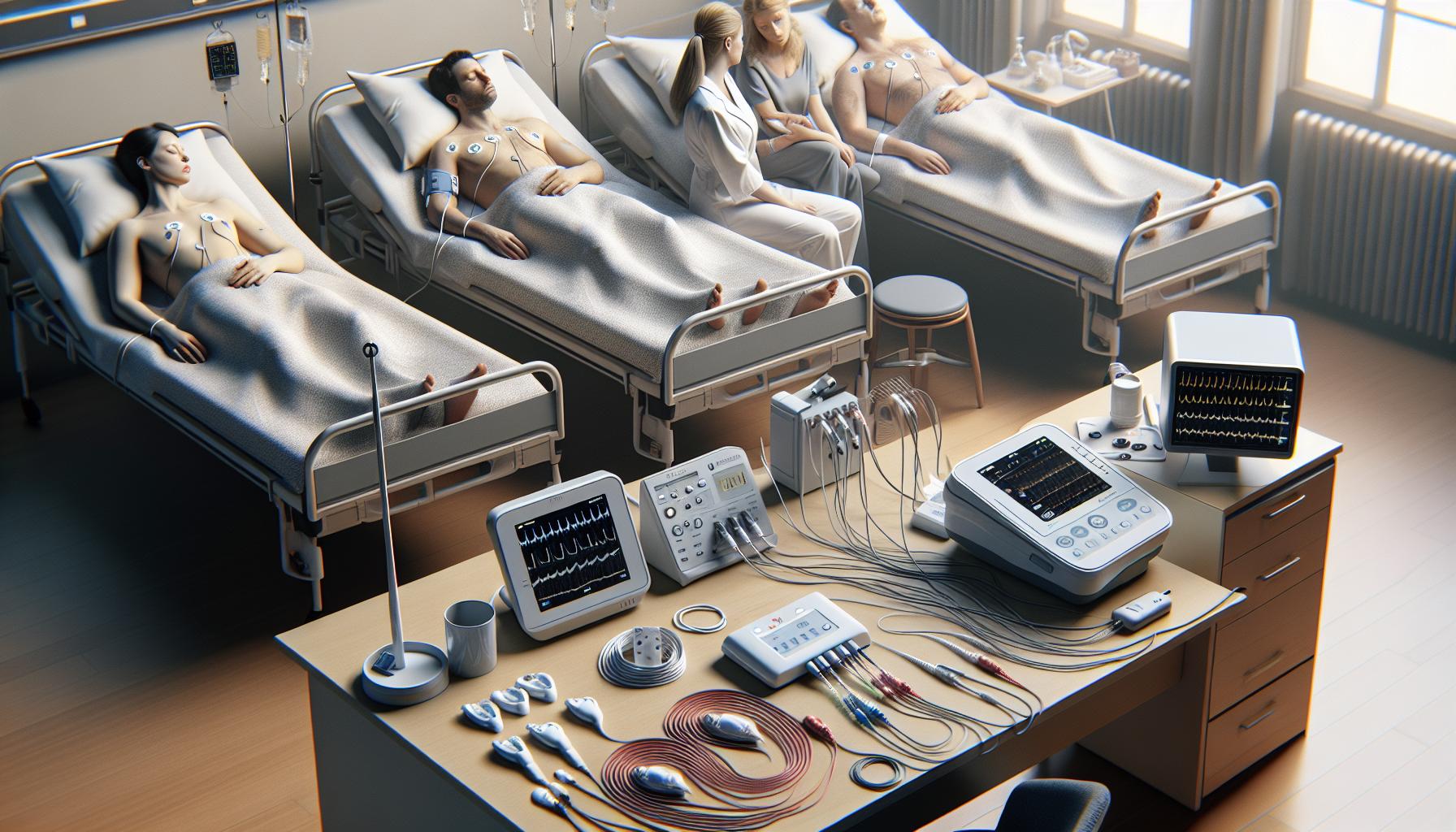
What to Expect Before the Sleep Study
Facing a sleep study can be daunting, but understanding what to expect beforehand can alleviate much of the anxiety. The sleep study is a pivotal step toward diagnosing potential sleep disorders. Whether conducted in a specialized sleep center or in the comfort of your home, preparation is key to ensuring accurate results and a smoother experience.
Before your sleep study, it’s vital to follow specific instructions from your healthcare provider. This may include avoiding caffeine, alcohol, and heavy meals on the day of the test, as these can interfere with your sleep patterns. If you’re taking medications, discuss them with your doctor because some might need to be paused or adjusted. Also, be sure to bring comfortable sleepwear and any items that can help you relax, like a favorite pillow or blanket, especially if you’re doing the study in a lab.
For those undergoing an in-lab polysomnography, expect to arrive at the facility a little earlier to complete paperwork and get comfortable with the environment. You’ll meet the sleep technologist, who will explain the procedure and answer any questions. They will place electrodes on your scalp and body to monitor crucial parameters like brain waves, heart rate, and oxygen levels. It’s important to remember that while this setup may feel unusual initially, it is designed to ensure that everything is recorded accurately throughout the night.
In contrast, if you’re opting for a home sleep apnea test (HSAT), your experience will differ slightly. You’ll receive a portable device and instructions on how to set it up. Make sure to familiarize yourself with the equipment before bedtime to avoid any stress when it’s time to sleep. This home option can be more comfortable, especially if you find the idea of a sleep lab intimidating.
Overall, preparing for a sleep study involves both logistical steps and mental readiness. Understanding the process will empower you to approach this important health assessment with confidence and assurance. Embrace this opportunity to take control of your sleep health!
The Sleep Study Setup Process
When preparing for a sleep study, the setup process is a vital part of ensuring accurate results and an overall smooth experience. The atmosphere can feel a bit foreign at first, but understanding the process can alleviate anxiety. During a sleep study, also known as polysomnography, the technician will use various sensors to monitor your sleep patterns, which can help identify potential sleep disorders.
Upon arriving at the sleep facility, you’ll encounter a warm and inviting environment designed to help you relax. The first step usually involves completing some paperwork while the technician prepares the equipment. It’s essential to ask any questions you might have at this point; the team is there to ensure you feel comfortable.
Once settled, the technician will conduct an in-depth setup process that typically takes about 45 to 60 minutes. They will carefully place electrodes on your scalp, face, and body to track various biological signals:
- Brain waves: Monitored to assess different sleep stages.
- Heart rate: To check for irregularities during sleep.
- Breathing patterns: Ensuring there are no apneas or breathing disturbances.
- Leg movements: To identify any potential issues like restless leg syndrome.
Feeling wires on your body can be a bit uncomfortable at first, but the placement is designed for long-term wear during your sleep, allowing freedom of movement. The setup may include a clip on your finger to measure oxygen levels, which is crucial in assessing overall health during sleep.
After everything is set up, you’ll be instructed on how to position yourself for sleeping while the technician ensures all the equipment is functioning correctly. Though it may seem daunting, knowing that trained professionals are monitoring your progress throughout the night can provide peace of mind. Embracing this moment can lead to valuable insights into your sleep health, well worth any temporary discomfort from the setup process.
Inside the Sleep Laboratory: Equipment and Environment
When stepping into a sleep laboratory, you might expect a sterile, clinical environment, but the reality is often a warm and inviting space designed for comfort. The aim is to create an atmosphere where you can relax and sleep soundly, allowing for accurate monitoring of your sleep patterns. From the moment you arrive, the focus is on making your experience as pleasant as possible. You may notice soft lighting and comfortable bedding specifically arranged to mimic the coziness of your own bedroom.
Essential Equipment in a Sleep Lab
Sleep studies utilize advanced equipment to monitor your physiological signals throughout the night. Essential devices include:
- Polysomnography (PSG) Equipment: This is the cornerstone of sleep studies, incorporating a series of sensors placed on your body to record brain waves, heart rate, and breathing patterns.
- Electrodes: These are attached to your scalp, face, and sometimes your chest and limbs to track various bodily signals, ensuring comprehensive data collection.
- Oximeter: A small device clipped to your finger that measures your blood oxygen levels, crucial for diagnosing sleep apnea and other conditions.
- Leg Movement Sensors: These detect any involuntary movements that may disrupt your sleep, helping to identify conditions like restless leg syndrome.
Each piece of equipment is calibrated for accuracy, ensuring the sleep technologists can provide precise diagnoses. It’s important to note that while the presence of wires and sensors might feel intimidating, they are designed to allow freedom of movement during sleep.
The Laboratory Environment
The sleep laboratory is meticulously designed to minimize disturbances, featuring controlled lighting and sound to create a serene atmosphere. Before turning in for the night, it’s normal to have a brief tour of the room where you’ll be sleeping, allowing you to familiarize yourself with the setup and ask questions. This proactive approach helps to alleviate any anxieties and prepares you for the night ahead.
Maintaining a calming environment is critical for quality data collection, as a relaxed state enhances the likelihood of natural sleep patterns emerging. Technologists remain on standby throughout the night, monitoring your progress, ready to address any issues that may arise. Understanding this intimate setup can empower you to embrace the experience, knowing that every detail is tailored to facilitate accurate insights into your sleep health.
Understanding Polysomnography: Key Measurements
Polysomnography plays a crucial role in understanding the complexities of sleep by providing valuable insights through various physiological measurements. When you undergo a sleep study, a wide array of parameters are meticulously recorded to diagnose potential sleep disorders. This involves monitoring several key aspects such as your brain waves, oxygen levels, heart rate, and breathing patterns, all of which provide a detailed view of your sleep cycle and quality.
Key Measurements
During the sleep study, several key measurements are taken to ensure a comprehensive evaluation of your sleep. These include:
- Brain Waves (EEG): Electrodes placed on your scalp monitor brain activity, allowing healthcare providers to determine which stage of sleep you’re in-light sleep, deep sleep, or REM sleep.
- Oxygen Levels (Pulse Oximetry): An oximeter measures the percentage of oxygen in your blood, which helps identify conditions like sleep apnea where breathing may be interrupted during sleep.
- Heart Rate (ECG): Electrodes on your chest continuously monitor your heart’s activity, providing vital insight into cardiovascular health during sleep.
- Breathing Patterns: Sensors track your respiratory effort and airflow. This data can reveal abnormalities like obstructive sleep apnea, where breathing may stop and start.
- Leg Movements: Specialized sensors detect any movements that could indicate conditions like restless leg syndrome or periodic limb movement disorder.
Each measurement serves a distinct purpose and contributes to a nuanced understanding of your sleep health. By analyzing these metrics, sleep technologists can identify patterns or disruptions that may lead to poor sleep quality.
The intricate interplay of these measurements yields a sleep architecture that is analyzed for irregularities. For instance, too much time spent in light sleep versus deep sleep could signal underlying issues. Understanding these key measurements empowers you to have informed conversations with your healthcare provider about your sleep health and any necessary next steps. Knowing what to expect can alleviate anxiety and transform a perceived intimidating experience into a proactive journey toward better sleep.
Interpreting Sleep Stages and Patterns
Understanding your sleep stages and patterns is essential for diagnosing sleep disorders effectively. During a sleep study, the intricate ebb and flow of your sleep cycles are captured in real time, allowing healthcare providers to observe critical phases: light sleep, deep sleep, and REM (rapid eye movement) sleep. Each of these stages serves a unique purpose in your overall health, impacting everything from memory consolidation to body restoration.
As your sleep progresses, the recordings from the electroencephalogram (EEG) and other sensors reveal how long you spend in each sleep stage. For instance, research shows that adults typically cycle through these stages multiple times each night, with a healthy distribution. Irregular patterns-such as prolonged periods in light sleep at the expense of deep sleep-can indicate specific issues. For example, inadequate deep sleep may suggest a diagnosis of insomnia or another sleep-related disorder, leading to daytime fatigue and cognitive difficulties.
Understanding these stages can also help you discuss your sleep health more meaningfully with healthcare providers. By looking at the data from your study, you can pinpoint when disruptions occur and correlate them with potential issues like sleep apnea or restless leg syndrome. This detailed analysis forms the basis of tailored treatment plans.
In addition, new technologies and wearables have emerged that allow individuals to monitor their sleep patterns at home. However, these devices, while convenient, can sometimes lack the precision found in a clinical sleep study. They provide a general overview rather than the nuanced data captured in a polysomnogram. Understanding when to opt for a professional sleep study versus using wearable technology will empower you to make informed decisions about your sleep health and seek appropriate care when needed.
The Role of Sleep Technologists
The professionals working behind the scenes of sleep studies play a crucial role in ensuring accuracy and comfort-the sleep technologists. These trained specialists are not just observers; they are integral to the entire process of diagnosing sleep disorders. With their expertise, they guide patients through the sometimes-daunting experience of undergoing a sleep study.
During your sleep study, a polysomnographic technologist will be the one to prepare and attach various sensors to monitor brain waves, heartbeats, and respiratory patterns. Their skill in setting up this equipment is vital as it measures critical data that physicians need to evaluate your sleep health. More than merely placing sensors, sleep technologists also create a calming environment, addressing any concerns that might arise, ensuring you feel comfortable throughout the night.
Moreover, extends beyond setup. They actively monitor patients during the sleep study, making real-time observations. For example, if a patient exhibits signs of distress or discomfort, the technologist can intervene promptly, adjusting equipment as needed. This attentive care not only ensures the study’s effectiveness but also helps alleviate any anxiety a patient may feel, providing reassurance throughout the night.
In essence, sleep technologists serve as both technical experts and compassionate caregivers, blending technology with human touch. Their training enables them to understand the complexities of sleep disorders and how to address them effectively, fostering a supportive atmosphere that prioritizes patient well-being. By bridging the gap between technology and care, sleep technologists empower patients to embark on their sleep health journey with confidence.
After the Sleep Study: What Happens Next?
After completing the sleep study, you may feel a mix of relief and curiosity about what happens next. Understanding the process can ease any lingering anxiety, especially as you await important findings regarding your sleep health. Typically, the next steps involve several key elements that not only clarify your sleep patterns but also outline how to address any potential issues.
Firstly, the collected data will be meticulously analyzed by a sleep physician or a sleep specialist. They will review the various metrics recorded during your study, such as brain wave activity, heart rate, oxygen levels, and breathing patterns. This interpretation aids in identifying any sleep disorders like obstructive sleep apnea, insomnia, or other conditions that might have affected your sleep quality. Patients generally receive an initial review of these findings within a few days to a week after the sleep study.
Receiving Your Results
Once the analysis is complete, a follow-up appointment with your healthcare provider is usually scheduled. During this visit, expect to discuss the findings in detail. This is an opportunity to ask questions and understand what these results mean for your health. The assessment may include:
- Your sleep stages: Understanding how much time you spent in light, deep, and REM sleep.
- Apnea-Hypopnea Index (AHI): A measurement indicating the severity of sleep apnea and whether treatment is necessary.
- Recommendations: Potential treatment options or lifestyle changes to improve sleep quality.
Next Steps: Treatment and Lifestyle Changes
Following the discussion of results, you may receive recommendations that could include lifestyle modifications, the use of devices like CPAP machines for sleep apnea, or referrals to specialists such as a dietitian or behavior therapist. It’s crucial to engage in open dialogue with your physician about your comfort with these recommendations and any concerns you may have.
In some cases, your healthcare provider may suggest a follow-up study, particularly if more data is needed or if treatments are initiated to monitor effectiveness. Remember, this process is designed to empower you with information to enhance your sleep and overall health.
By knowing what to expect after your sleep study, you can alleviate any stress surrounding your results and feel more in control of your path toward better sleep health.
Common Sleep Disorders Diagnosed through Studies
Many people might not realize that sleep studies can be crucial in diagnosing various sleep disorders, providing pivotal insights into issues affecting overall health and wellbeing. Understanding the common sleep disorders identified through these studies can empower you to seek help and encourage a proactive approach to sleep health. Some of the most prevalent conditions assessed during sleep studies include obstructive sleep apnea, insomnia, narcolepsy, and periodic limb movement disorder.
Understanding Common Sleep Disorders
- Obstructive Sleep Apnea (OSA): This disorder is characterized by repeated interruptions in breathing during sleep, often due to blockage of the upper airway. Patients may experience excessive daytime sleepiness and fatigue, prompting many to seek a sleep study. The study helps measure the Apnea-Hypopnea Index (AHI), indicating severity and informing treatment options.
- Insomnia: Insomnia involves difficulty falling asleep or staying asleep and can stem from stress, anxiety, or medical conditions. Sleep studies can help differentiate between types of insomnia and reveal underlying causes that may be treatable. Monitoring the stages of sleep can provide valuable insights.
- Narcolepsy: This neurological condition affects the brain’s ability to regulate sleep-wake cycles, often resulting in daytime drowsiness and sudden sleep attacks. Sleep studies can help confirm a narcolepsy diagnosis by observing REM sleep patterns and other related symptoms.
- Periodic Limb Movement Disorder (PLMD): Characterized by involuntary leg movements during sleep, PLMD can lead to sleep fragmentation. A sleep study documents these movements and their impact on sleep quality, guiding potential treatment approaches.
Each of these disorders presents unique challenges, but the data gathered during a sleep study can significantly aid in diagnosis and management. Knowing these conditions can be instrumental in prompting discussions with your healthcare provider, ensuring that you recognize when it’s time to seek further evaluation. Ultimately, understanding the full spectrum of sleep disorders empowers individuals to make informed decisions about their sleep health and pursue effective treatment tailored to their needs.
Navigating Insurance and Cost for Sleep Studies
Understanding the financial aspects of sleep studies can be daunting, but knowing what to expect can help you navigate the process more easily. Generally, the cost of a sleep study varies widely based on several factors, including the type of sleep study, the facility where it’s conducted, and whether or not you have insurance coverage. Standard sleep studies, such as polysomnography conducted in a sleep lab, can typically range from $600 to $3,000. Medicare and many private health insurance plans do provide coverage for these tests, but it’s essential to check with your provider beforehand to understand your specific benefits, especially regarding deductibles and co-payments.
Here are some important factors to consider when navigating insurance and costs for sleep studies:
Insurance Coverage
Understanding your insurance policy is crucial. Most plans, including Medicare, cover type I sleep studies in accredited sleep labs. Patients are usually responsible for a co-payment or a percentage of the total cost after meeting their deductible. It’s wise to contact your healthcare provider and your insurance company ahead of the study to clarify which services are covered and what your out-of-pocket costs might be.
- In-Network vs. Out-of-Network: Choosing a facility within your insurance network typically reduces your costs significantly. Check if the sleep lab is in-network.
- Pre-Authorization: Some plans require pre-authorization before undergoing a sleep study. Ensure you have this to avoid unexpected bills.
- Exclusions: Be aware of any exclusions or limitations in your plan regarding sleep studies.
Cost Considerations
Expenses can be a concern, but various options exist to help manage them:
- Payment Plans: Some sleep centers offer payment plans to help spread the cost over time.
- Flexible Spending Accounts (FSA): If your employer offers an FSA, use it to cover eligible medical expenses, including sleep studies.
- Financial Assistance: Inquire about financial assistance programs at the sleep study facility if costs are a barrier.
By approaching your healthcare provider and your insurance company with informed questions, you’ll be better positioned to manage the expenses of sleep studies while prioritizing your sleep health.
Wearable Sleep Technology: Pros and Cons
Wearable sleep technology is rapidly transforming how we approach sleep monitoring, empowering individuals to keep tabs on their sleep patterns from the comfort of home. These devices, ranging from smartwatches to dedicated fitness trackers, provide users with insights into their sleep quality, duration, and disturbances without the need for extensive medical equipment or lab visits. However, while wearables have made sleep data more accessible, there are pros and cons to consider that can influence your choice between a sleep study and wearable solutions.
One of the significant advantages of wearable sleep technology is its convenience. Users can easily wear these devices throughout the night without the discomfort of electrodes and wires associated with traditional sleep studies. Many wearables also come with additional health tracking features, such as heart rate monitoring and activity tracking, making them versatile tools for overall health management. Additionally, data from these devices can often be accessed instantly via smartphone apps, allowing for real-time insights into sleep habits. This instant feedback can motivate individuals to adopt healthier sleep practices, like improving sleep environments or adjusting bedtime routines.
On the downside, the accuracy of sleep data from wearables can vary significantly. While they provide a broad overview, they often lack the precision of polysomnography (PSG), the gold-standard sleep study method. For example, wearables typically use movement and heart rate to infer sleep stages, which can lead to misleading interpretations. According to studies, such as one published in a state-of-the-art review, many consumer-grade wearable devices can estimate sleep but may not reliably distinguish between various sleep stages [[1]]. This limitation is crucial for those who suspect severe sleep disorders, such as sleep apnea, where professional medical evaluation might be necessary.
When to Choose Wearables vs. Sleep Studies
Choosing between a sleep study and a wearable device largely depends on individual circumstances and sleep concerns. If you’re experiencing severe sleep disturbances or symptoms like excessive daytime sleepiness, a clinical sleep study may provide the detailed analysis needed for accurate diagnosis and treatment. Conversely, if you’re looking to track general sleep trends or improve your sleep hygiene, starting with a wearable can be an effective first step.
In summary, while wearable sleep technology offers a convenient and user-friendly method for monitoring sleep, it is essential to understand the limitations and potential inaccuracies in the data they provide. Balancing the ease of wearables with the comprehensive insights gained from traditional sleep studies will ensure you’re equipped to make informed decisions about your sleep health.
When to Choose a Sleep Study vs. Wearable Solutions
Many people struggle with sleep issues, but knowing when to opt for a formal sleep study versus using a wearable device can make all the difference in improving sleep quality. A clinical sleep study, often termed polysomnography (PSG), is an extensive evaluation conducted in a controlled environment that provides intricate insights into sleep patterns and disorders. Conversely, wearable devices, such as smartwatches or fitness bands, offer convenience and valuable data but may lack the detailed analysis required in more serious cases.
If you’re facing persistent sleep disruptions such as insomnia, excessive snoring, or extreme daytime fatigue, a sleep study is crucial for receiving an accurate diagnosis. These studies measure essential parameters like brain waves, heart rate, and oxygen levels in the blood, helping healthcare professionals identify conditions such as sleep apnea, restless leg syndrome, or narcolepsy. While sleep studies may seem daunting, they are instrumental for those with significant sleep concerns.
On the other hand, wearable technology can be an excellent first step for those looking to enhance their sleep hygiene or monitor general sleep patterns. If your primary goal is to establish a sleep routine or assess lifestyle changes, wearables can provide actionable insights. Features such as sleep duration tracking, movement, and even some metrics on sleep quality can help in cultivating healthier sleep practices. However, it’s vital to bear in mind that these devices primarily use motion and heart rate data to estimate sleep stages, which may lead to inaccuracies when compared to the results from a clinical study.
In summary, choosing between a sleep study and wearable solutions hinges on the severity of your symptoms and what information you hope to gain. For acute sleep disturbances warranting expert evaluation, a sleep study is the recommended course of action. Alternatively, for those wanting to track and improve their everyday sleep quality, wearables offer a user-friendly option to start your journey toward better sleep.
Frequently asked questions
Q: What happens during a sleep study?
A: During a sleep study, or polysomnography, you will be monitored overnight while you sleep. Sensors are placed on your body to record brain waves, oxygen levels, heart rate, and breathing patterns. This data helps doctors diagnose sleep disorders effectively.
Q: How long does a sleep study take?
A: A typical sleep study lasts one night, starting in the evening and concluding the next morning. Patients are encouraged to arrive in the evening for setup, which includes attaching monitoring devices, before entering their sleep cycle.
Q: Can I bring my own pillow and blanket to a sleep study?
A: Yes, you can bring your own pillow and blanket to a sleep study. Familiar items can help create a more comfortable environment, which may aid in falling asleep during the study.
Q: Are sleep studies painful or uncomfortable?
A: Sleep studies are generally not painful, but some patients may find the electrodes and sensors somewhat uncomfortable. Technicians aim to set up the equipment to minimize discomfort while ensuring accurate readings.
Q: Is sedation used during sleep studies?
A: Sedation is typically not used during sleep studies. Most patients are monitored effectively without medications, as natural sleep patterns provide the best data for diagnosis. However, in special cases, a healthcare provider may discuss sedation options.
Q: What should I avoid before a sleep study?
A: Before a sleep study, it is advisable to avoid caffeine, alcohol, and excessive exercise on the day of the test. These factors can disrupt your sleep patterns, affecting the accuracy of the study results.
Q: What types of sleep disorders can be diagnosed with a sleep study?
A: Sleep studies can diagnose various sleep disorders, including sleep apnea, insomnia, parasomnia, and restless leg syndrome. Understanding these disorders helps in determining appropriate treatment options.
Q: How do I prepare for a sleep study?
A: To prepare for a sleep study, you should try to maintain your regular sleep schedule. Bring comfortable sleepwear, avoid caffeine, and consult your doctor about any current medications you should continue or pause.
To Conclude
As you embark on your journey to better sleep health, understanding how a sleep study is performed is a crucial first step. With insights gained from this process, you can take actionable steps toward addressing potential sleep disorders. Don’t let uncertainties hold you back-whether it’s navigating the setup, costs, or what to expect, we’re here to guide you. Explore our guides on sleep wearables and tips for optimizing your sleep environment for additional support.
Ready to take control of your sleep? Consider scheduling a consultation to discuss your specific needs or check out our article on the latest sleep technology innovations. Every sleep study can lead to significant improvements in your rest-and ultimately, your overall well-being. Share your thoughts or questions in the comments below, and let’s continue this journey to restful nights together. Remember, better sleep is within your reach!
Get our latest guides, news, and insights highlighted in your Google Search & AI Overviews.