
Did you know that nearly one in three adults struggle with sleep-related issues? This common challenge hides a world of complexity beneath the surface, sparking interest in how sleep tracking watches can help us understand our nightly rest. These devices promise insights into sleep patterns, but how accurate are they really? In this article, we’ll delve into the truth behind sleep tracking watches, exploring their capabilities and limitations. Whether you’re seeking to improve your sleep quality or simply curious about how technology influences wellness, understanding the accuracy of these wearables is vital. Join us as we uncover the realities of sleep tracking, empowering you to make informed decisions about your sleep health journey.
Understanding Sleep Tracking Technology: How It Works
Understanding the technology behind sleep tracking can demystify how these devices provide insights into your nightly rest. Sleep trackers typically work by utilizing a combination of sensors, including accelerometers, heart rate monitors, and sometimes even sleep stage analysis technologies. These sensors gather data on your movements, heart rate variability, and sometimes your blood oxygen levels, allowing the device to infer whether you are awake or asleep, and the nature of your sleep cycle.
How Sleep Trackers Measure Sleep
The primary function of these devices is to monitor sleep patterns, which they usually break down into stages such as light sleep, deep sleep, and REM sleep. To do this, wearables often rely on algorithms that analyze the collected data. For instance, when you move minimally, the device can suggest that you are in a deeper sleep phase, while more significant movements might indicate that you are in light sleep or awake.
Additionally, as the technology advances, some devices have incorporated features such as skin temperature tracking and SpO2 levels to gain a more comprehensive view of your sleep health. Each of these data points contributes to an overall picture of your sleep quality, allowing users to understand trends and make adjustments if necessary.
Combining Data and User Insight
It’s also essential to remember that while the data provided by sleep trackers can be illuminating, these devices are best used as part of a larger approach to understanding sleep health. The accuracy can vary significantly based on the device and personal factors such as your unique sleep patterns. Recognizing this helps users set realistic expectations and develop a balanced view of the insights gained from their sleep tracker. Engaging with this technology can be a step toward improving sleep hygiene and troubleshooting potential sleep disturbances, reinforcing the notion that these tools can enhance our understanding rather than solve all sleep-related issues independently.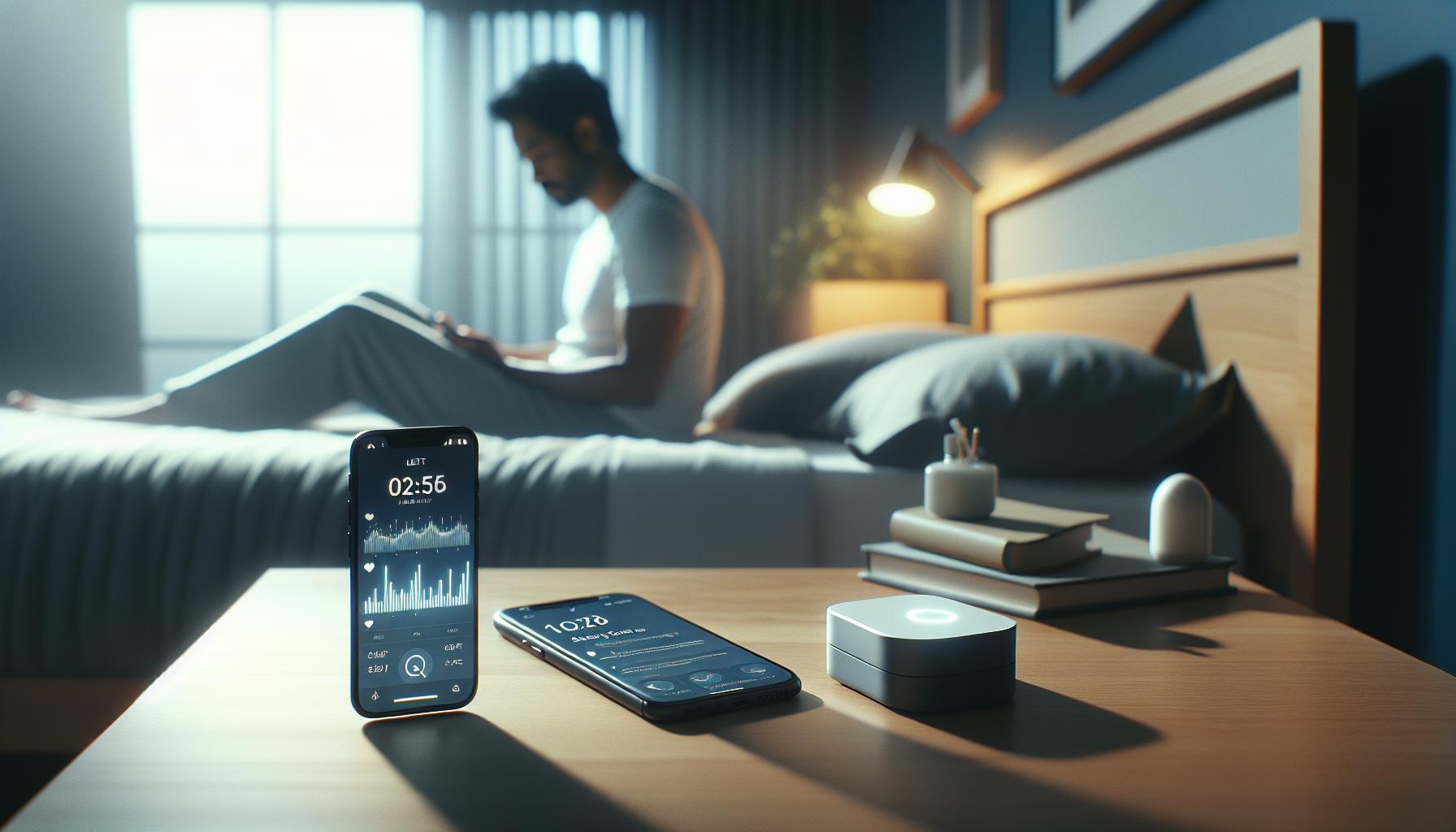
Common Features of Sleep Tracking Watches
Sleep tracking watches come equipped with a range of features designed to help users monitor their sleep patterns and improve their overall sleep quality. These devices use sophisticated technology to record and analyze various sleep metrics, providing insights that can empower individuals to make informed decisions about their sleep hygiene.
One of the most is the ability to monitor different sleep stages, including light sleep, deep sleep, and REM sleep. By employing sensors like accelerometers and heart rate monitors, these devices can determine the user’s movement and heart rate variability while asleep. For instance, if you experience less movement during the night, the tracker may indicate a deeper sleep stage, whereas more frequent movements could suggest lighter sleep or wakefulness. This stage analysis allows wearers to understand their sleep quality better.
In addition to basic sleep tracking, many modern devices now include advanced metrics such as sleep latency (how long it takes to fall asleep), sleep efficiency (the percentage of time spent asleep while in bed), and even blood oxygen levels (SpO2). Such data can provide a more comprehensive picture of an individual’s sleep health. Some sleep trackers also offer features like smart alarms, which wake users during lighter sleep phases, theoretically making it easier to get out of bed feeling refreshed.
Another important aspect is the device’s integration with mobile applications. Most sleep tracking watches sync with corresponding apps that display detailed graphs and reports of your nightly sleep patterns. These insights can help users identify trends over time, allowing them to adjust habits like bedtime routines, screen time before sleep, or caffeine consumption based on the feedback received from their wearables.
Ultimately, while sleep tracking watches can be incredibly beneficial for monitoring sleep, it’s essential to remember that they may not be precise. They provide estimates and should be used as tools for improvement rather than definitive measurements of sleep quality. Engaging with these devices thoughtfully can deepen your understanding of your sleep habits and encourage a proactive approach to achieving better rest.
Accuracy of Sleep Tracking: What Studies Show
While sleep trackers have surged in popularity, understanding how accurately they gauge your sleep patterns is crucial. A review of recent studies reveals that these devices typically achieve an accuracy rate of about 78% for a simplified three-stage sleep model, which drops to around 65% when evaluating more complex five-stage models. This variance highlights the importance of considering what you hope to learn from your sleep tracker: while they may give you a general idea of your sleep quality, they are not or should not be viewed as substitutes for clinical assessments like polysomnography.
Research Findings and Accuracy
Multiple analyses have examined the effectiveness of consumer sleep trackers, suggesting that while they often perform comparably to actigraphy (the standard for sleep study), they still stumble when it comes to pinpointing specific sleep stages. These devices typically measure metrics such as movement via accelerometers and heart rate via optical sensors to estimate sleep duration and quality. However, they do face limitations and can sometimes misclassify sleep stages, particularly in individuals with irregular sleep patterns or varying sleep needs.
Important factors contributing to inaccuracies include:
- Device Type: Different brands and models use varying algorithms, which can influence their precision.
- Sleep Environment: External factors like room temperature, noise levels, and even your sleep surface can impact the readings.
- User Variability: Individual differences, such as body movements during the night or sleep disorders, can affect tracking accuracy.
Real-World Applications
For most users, sleep trackers offer a valuable and accessible way to gain insights into their sleep habits. They can help identify trends (like improved sleep quality with changes in lifestyle) and encourage users to adopt better sleep hygiene. However, it’s essential to remain pragmatic about the information presented; use these devices as tools for personal improvement rather than definitive measures of sleep health. It’s not uncommon for users to find discrepancies between their tracker results and their subjective experiences or even clinical evaluations. As technology continues to advance, expect improvements in device accuracy, but it’s always prudent to consult healthcare professionals for serious sleep concerns.
Limitations of Sleep Tracking Devices
Sleep trackers can provide valuable insights into your sleep patterns, but it’s essential to recognize their limitations. Despite the convenience and appeal of these devices, they often fall short in delivering precise data about your sleep quality and stages. Most sleep trackers operate using accelerometers and heart rate monitors, estimating sleep duration and quality based on detected movements and vital signs. However, studies have shown that their accuracy can fluctuate significantly.
One major limitation is the inherent variability between different brands and models. Each device uses unique algorithms to analyze the collected data, leading to discrepancies in results. For example, while some devices may excel at tracking overall sleep duration, they might struggle to differentiate between light and deep sleep stages. This inconsistency can leave users confused, especially if they rely on these devices for detailed insights about their sleep quality.
Environmental factors also play a crucial role in the accuracy of sleep tracking. Elements such as noise levels, room temperature, and even mattress quality can impact your sleep, potentially skewing the data collected by your tracker. Moreover, individual factors like personal sleep patterns, movements during the night, and existing sleep disorders can further complicate the readings. This variability underscores the importance of using trackers as supportive tools rather than definitive measures of sleep health.
To optimize your experience and insight from sleep trackers, it’s advisable to combine the data with your own observations and consult healthcare professionals when serious concerns about sleep arise. Recognizing that these devices are designed to highlight trends rather than provide clinical assessments will empower you to use them effectively while maintaining a realistic expectation of their capabilities.
Comparing Different Sleep Tracking Brands
When evaluating various sleep tracking brands, it’s crucial to understand that not all devices are created equal. With a growing market filled with options, consumers often face the question: which sleep tracker truly delivers reliable data? Each brand uses unique algorithms and technologies, resulting in different levels of accuracy, usability, and features.
Top Contenders in Sleep Tracking
Some of the most popular brands include the Fitbit, Oura Ring, and the Garmin series. These devices generally utilize heart rate tracking and motion sensors to estimate sleep stages.
- Fitbit: Known for its user-friendly interface and broad feature set, many models like the Fitbit Inspire and Versa have shown good agreement with polysomnography (PSG), particularly in overall sleep duration. The devices provide insights into light and deep sleep, though discrepancies can arise in tracking sleep quality.
- Oura Ring: This premium device is praised for its design and comfort. It offers comprehensive sleep analysis, including readiness scores, though it tends to be one of the more expensive options. In studies, Oura has shown reliable performances in sleep time accuracy.
- Garmin: While typically recognized for fitness tracking, Garmin devices also offer sleep tracking. However, studies indicate that their accuracy in sleep detection is less reliable compared to competitors, particularly in differentiating sleep stages.
Understanding Pricing and Features
Pricing varies significantly, with basic models costing around $100, while high-end options could exceed $300. Apart from tracking sleep, many devices come with additional features like fitness tracking, heart rate monitoring, and even stress management tools. When selecting a device, consider your primary goals. If comprehensive sleep insights are your priority, investing in higher-end options may be wise; for basic tracking, budget-friendly models can suffice.
Conclusion: Making an Informed Choice
Ultimately, the best choice depends on individual needs and preferences. Reading user reviews and comparing study results on accuracy can provide additional insights. It’s also worthwhile to remember that personal factors, such as sleep habits and preferences for wearing technology, may influence your experience. By equipping yourself with knowledge, you can choose a sleep tracker that aligns best with your lifestyle and wellness goals.
User Experiences: Real-World Accuracy Insights
User reviews and experiences with sleep tracking devices often highlight a mixed bag of insights. While many users appreciate the convenience and motivation provided by these wearables, the accuracy of the data can vary widely based on several factors, including the type of device, individual sleep patterns, and even personal health conditions.
One common sentiment among users is that sleep trackers can provide a helpful overview of sleep duration and general trends. For instance, users of Fitbit devices frequently report satisfaction with the app’s ability to break down sleep cycles into categories like REM, light, and deep sleep. However, discrepancies emerge when it comes to identifying the transitions between these stages accurately. Some users found themselves questioning the device’s reports, particularly after nights of restless sleep that the tracker interpreted as high-quality rest.
Moreover, the Oura Ring has garnered praise for its detailed insights, with many users noting its effectiveness in capturing resting heart rates and sleep quality. However, a recurring theme in testimonials is the need for users to set realistic expectations about what these devices can provide. Many have acknowledged that while the Oura Ring and other devices can illuminate patterns, they should not replace more comprehensive sleep studies, especially for those with significant sleep disorders.
Despite the wide array of feedback, a few key takeaways stand out about user experiences:
- Individual Variability: Users with consistent sleep schedules tend to see more reliable data compared to those with irregular sleep patterns.
- Context Matters: Many report that factors like stress, diet, and exercise can influence the accuracy of sleep data, underscoring the need for holistic lifestyle management.
- Technical Limitations: Users warn against relying solely on these devices for critical health insights, particularly for diagnosing sleep disorders or obtaining medical advice.
In conclusion, while sleep trackers provide valuable tools for many users to better understand their sleep habits, they are most effective when viewed as part of a broader approach to health and wellness. Integrating insights from these devices with professional guidance can help users develop more effective sleep strategies and overall health improvements.
How to Set Up Your Sleep Tracker Effectively
To extract the most value from your sleep tracker, proper setup is essential. An effective sleep tracking experience begins long before you lay down to sleep; it starts with understanding how to best integrate the device into your nightly routine. The key is in the details: ensuring proper fit, adjusting settings accurately, and interpreting the data meaningfully.
First, familiarize yourself with your device’s specific functionality. Many sleep trackers require you to input basic personal information such as age, weight, and typical sleep schedule. This data helps the tracker establish a baseline from which it can monitor changes in your sleep patterns. When placing your tracker, whether a wristband or a ring, ensure it’s snug but comfortable. A loose fit may lead to inaccurate readings. Depending on your device, you might also have to configure specific sleep goals, or whether you want notifications about your sleep cycles.
Optimize Your Environment
Creating an optimal sleep environment is as crucial as how you set up your tracker. Aim for a dark, cool, and quiet bedroom, as these factors significantly influence sleep quality. Consider using blackout curtains, white noise machines, or even aromatherapy diffusers with calming scents. Document these environmental settings and see how they correlate with your tracker data over time, which can provide insights into what works best for you.
Engage with the Data
After a few nights of tracking, review the data critically. Look for trends in your sleep duration, quality, and disturbances. Are there consistent patterns? For example, you might notice you sleep better after a day of physical activity. Use these insights to adjust lifestyle factors-like exercise, diet, or screen time-improving overall sleep hygiene.
Lastly, always approach the information provided with a blend of interest and skepticism. Sleep trackers can offer valuable insights but are not infallible. They should supplement, not replace, professional medical advice when it comes to significant sleep disturbances or disorders. With diligent setup and continued engagement, your sleep tracker can become a powerful tool in understanding and improving your sleep health.
Interpreting Your Sleep Data: Key Metrics
Understanding how to interpret your sleep data is essential for maximizing the benefits of sleep tracking technology. Sleep trackers provide insights into various key metrics that can help you gauge your sleep quality and identify patterns in your sleep behavior. By familiarizing yourself with these metrics, you can make informed adjustments to enhance your overall sleep health.
One of the primary metrics sleep trackers monitor is total sleep time, which indicates how many hours you actually spent sleeping compared to the time you were in bed. This metric sets the baseline for evaluating sleep efficiency, calculated by dividing the total sleep time by the total time spent in bed. A good sleep efficiency rate typically sits between 85% and 95%. If your efficiency is frequently below this range, it may signal restless nights or difficulty falling asleep.
Beyond total sleep time, many devices provide insights into sleep stages: light, deep, and REM sleep. Each stage plays a distinct role in restorative sleep, with deep sleep being particularly crucial for physical recovery, and REM sleep necessary for cognitive function and memory consolidation. Tracking the duration spent in each stage can highlight potential issues; for example, consistently low REM sleep might associate with stress or interruptions in your sleep cycle.
Another vital aspect to consider is sleep disturbances, which involve interruptions that may affect your ability to get restful sleep. Many trackers can log when you wake up, roll over, or exhibit movements that could signify restlessness. Monitoring these disturbances can help you correlate them with factors such as caffeine intake, stress levels, or environmental influences like room temperature.
For a clearer perspective, it’s helpful to graph these metrics over time, allowing you to spot trends. Look for patterns that align with lifestyle changes, such as increased physical activity or modifications to your evening routine. Recognizing these correlations can empower you to create a conducive environment for sleep, leveraging all the data your wearable provides.
In summary, a proper understanding of total sleep time, sleep stages, and disturbances enables you to take control of your sleep health. Engage with this data not only for personal insights but consider how it fits into your broader health picture; remember that while wearables like these are informative, they should complement, not replace, professional medical advice when it comes to chronic sleep issues.
When to Rely on Sleep Trackers vs. Professional Studies
Determining when to rely on sleep trackers versus opting for professional sleep studies can be a pivotal decision in managing sleep health. Sleep trackers are increasingly popular for monitoring sleep patterns, yet they are often best suited for general insights rather than precise medical diagnoses. While these devices can provide valuable data about sleep duration, disturbances, and even stages of sleep, they lack the clinical accuracy found in a sleep laboratory setting.
Understanding the Roles
Sleep trackers can be incredibly beneficial for individuals looking to improve their overall sleep hygiene or to identify specific habits affecting their sleep. For instance, if you’re consistently waking up during the night or feel unrested upon waking, a tracker may help you spot patterns linked to lifestyle choices like caffeine consumption or screen time. Additionally, they can serve as an excellent first step in self-monitoring, encouraging users to develop healthier behaviors, such as maintaining a consistent sleep schedule.
On the other hand, sleep studies, also known as polysomnographies, are essential for diagnosing clinical sleep disorders. In these controlled environments, healthcare professionals can measure brain activity, heart rate, breathing, and various other functions during sleep. If you suspect conditions like sleep apnea, restless leg syndrome, or chronic insomnia, these studies provide comprehensive insights that a wearable device simply cannot match. They recommend proceeding with a sleep study when symptoms are severe or persistent and significantly interfere with your daily life.
When to Seek Professional Help
It’s important to recognize when your sleep concerns warrant medical attention. Here are a few situations where professional studies are preferable:
- Persistent Fatigue: If you find yourself excessively sleepy during the day despite using a tracker to monitor sleep duration.
- Breathing Issues: If you experience abrupt awakenings with gasping or choking sensations.
- Chronic Insomnia: If sleepless nights persist for more than a month despite behavioral changes.
In such scenarios, consulting a healthcare provider is advisable. They can guide you through the steps necessary for a sleep study and explain what to expect, including preparation and how results will be interpreted.
Finding Balance
Ultimately, sleep trackers can be an empowering tool in your quest for better sleep, offering insights that may lead to meaningful changes in habits. However, they should not replace professional diagnoses when severe sleep issues arise. Balance the data from your wearable with professional guidance to form a holistic view of your sleep health. Educating yourself about your tracker’s capabilities and limitations, alongside understanding when to seek deeper analysis, will enhance your overall sleep experience.
Future Trends in Sleep Tracking Technology
As sleep tracking technology continues to evolve, we find ourselves on the brink of significant advancements that promise greater accuracy, personalization, and integration with health care systems. The future of sleep trackers will likely incorporate sophisticated sensor technology and advanced algorithms, moving beyond basic metrics of sleep duration and interruptions to provide deeper insights into sleep quality and patterns. Enhanced wearables equipped with the capability to track physiological signals such as heart rate variability, blood oxygen levels, and even body temperature could offer users a far more comprehensive understanding of their sleep health.
Integration with Health Technologies
One of the most exciting prospects in sleep tracking is the potential for seamless integration with other health monitoring systems. Imagine a world where your sleep tracker not only analyzes your sleep but also syncs with nutrition and activity trackers to provide holistic feedback. These interconnected devices could analyze how your day’s activities and diet influence your night’s rest, giving you personalized insights and recommendations. For example, a tracker could alert you when your caffeine intake is affecting your sleep quality or suggest optimal times for wind-down activities based on your sleep history.
Another promising trend is the use of artificial intelligence (AI) to glean insights from sleep data. Machine learning algorithms could analyze vast amounts of aggregated user data to identify trends and patterns that individual trackers might miss. This could lead to more accurate predictions about sleep needs and personalized recommendations tailored to unique patterns, improving overall sleep quality for users.
Real-Time Data and Feedback
Future sleep trackers might also leverage real-time data analytics, offering immediate feedback on sleep habits and disruptions. For instance, a smartwatch could not only inform you about your sleep stages each morning but also provide suggestions upon waking, such as adjusting your light exposure or exercise habits during the day to promote better sleep at night. This reactive approach could empower users to make informed changes swiftly rather than waiting for periodic data reviews.
In summary, the future of sleep tracking technology is bright, with advancements geared toward improving accuracy and user experience. By merging health insights with sleep data, offering real-time feedback, and embracing AI, sleep trackers will not only help individuals understand their sleep habits but also actively support better sleep practices. As a result, consumers can expect a deeper, more enriching relationship with their sleep tracking devices, enhancing both their sleep health and overall well-being.
Expert Tips for Improving Sleep Quality with Wearables
Improving your sleep quality with wearables begins with understanding how to use these devices effectively. Sleep trackers can offer deep insights into your sleep patterns, but their true value lies in your ability to interpret that data and act on it. Here are some expert tips to help you leverage the capabilities of your sleep tracker.
Optimize Your Sleep Environment
One of the first steps to enhancing sleep quality is to create a conducive environment. Use your tracker to monitor when you sleep best. Is it cooler temperatures that help? Or perhaps darkness is essential? Utilize the data on sleep stage interruptions to identify how environmental factors affect your rest. Consider investing in blackout curtains or a white noise machine if your device indicates repetitive awakenings due to noise or light disturbances.
Establish Consistent Sleep Routines
Wearable devices thrive on routine. Try to go to bed and wake up at the same time each day, even on weekends. This rhythmic pattern not only assists your internal clock but also improves the accuracy of your sleep data. Many trackers will allow you to set reminders when it’s time to wind down, making it easier to develop a habit of consistent sleep. Utilizing your device’s sleep analytics can help reinforce this habit; track improvements over weeks to motivate yourself to stick with the schedule.
Manage Daily Activities for Better Rest
Monitor your daily activities alongside your sleep patterns. Your tracker will likely show correlations between physical exercise, caffeine consumption, and sleep quality. For example, responsible caffeine use-limiting intake to early in the day-can lead to better sleep outcomes. Additionally, light exposure plays a role; the device can remind you to get natural sunlight during the day and limit screen time before bed, both of which are crucial for producing melatonin, the sleep hormone.
Understand and Use Sleep Metrics Meaningfully
Familiarize yourself with the specific metrics your wearable offers, such as sleep duration, sleep quality, and wakefulness periods. Instead of fixating on reaching a specific number of hours, focus on the quality of your sleep stages; aim for sufficient REM and deep sleep. Use the data to assess patterns over weeks rather than day-to-day fluctuations. This longer-term perspective will keep you from undue anxiety that can arise from nightly variations in sleep data.
With these practical tips, you can transform your sleep tracker from a mere gadget into a powerful tool for enhancing your sleep health. Trust in the data, but remember to listen to your body and prioritize the habits that work best for you. This empowered approach fosters a positive relationship with your sleep technology, steering you towards improved overall well-being.
The Role of Sleep Trackers in Managing Sleep Disorders
Sleep trackers can play a significant role in helping individuals manage sleep disorders, offering insights that can empower both users and healthcare providers. For those struggling with conditions like insomnia or sleep apnea, these devices serve as valuable tools that can illuminate patterns and factors affecting sleep quality. Data collected from sleep trackers, such as duration, sleep stages, and interruptions, can provide an overview that may lead to more informed discussions with healthcare professionals.
Identifying Patterns
One of the core benefits of sleep trackers is their ability to identify patterns over time. For example, a user may notice a recurring trend where sleep quality declines following late caffeine consumption or increased screen time before bed. This real-time data allows individuals to make informed adjustments to their schedules and habits. A sleep tracker can also capture subtle changes that might indicate the onset of a sleep disorder which can be shared with a doctor to evaluate whether further testing is needed.
Data-Driven Discussions with Healthcare Providers
Utilizing the data from a sleep tracker can enhance discussions with sleep specialists. Rather than relying solely on anecdotal evidence about sleep difficulties, users can present their tracking data as a basis for diagnosis or treatment adjustments. For example, sleep studies often involve polysomnography, which measures brain activity, eye movement, heart rate, and more. While these studies provide a comprehensive view of sleep health, the preliminary insights from a sleep tracker can help prioritize which aspects should be further investigated.
Behavioral Modifications
In addition to identifying patterns, sleep trackers can encourage users to adopt healthier bedtime routines. Many devices provide feedback on sleep hygiene practices, suggesting optimal times to sleep and wake based on historical data. Implementing small changes, such as adjusting room temperature or limiting screen time using tracker insights, can lead to significant improvements in sleep quality, especially for those with existing sleep disorders.
In summary, while sleep trackers are not diagnostic tools, they provide a practical approach to understanding and managing sleep disorders. By leveraging the data these devices collect, users can take proactive steps towards better sleep health, often smoothing the path for more effective clinical evaluation when necessary.
FAQ
Q: How do sleep tracking watches measure sleep quality?
A: Sleep tracking watches measure sleep quality using sensors that monitor heart rate, movement, and sometimes skin temperature. They analyze this data to estimate sleep stages, providing insights into light, deep, and REM sleep patterns. For detailed data interpretation, refer to our section on Interpreting Your Sleep Data.
Q: Can sleep tracking watches differentiate between sleep disorders?
A: Most sleep tracking watches cannot diagnose sleep disorders; they can identify patterns that may indicate issues. However, consulting a healthcare professional for comprehensive evaluations is essential, especially if you suspect serious sleep conditions.
Q: What is the average accuracy of sleep tracking watches?
A: The average accuracy of sleep tracking watches varies between brands but is generally around 70-80% for measuring sleep stages. For a clearer understanding of each brand’s performance, check our Comparing Different Sleep Tracking Brands section.
Q: How can I improve the accuracy of my sleep tracking watch?
A: To enhance accuracy, ensure your watch is snug but comfortable on your wrist, and regularly update its software. Establishing a consistent sleep environment and schedule can also improve data reliability.
Q: Are there any risks associated with using sleep tracking watches?
A: Sleep tracking watches pose minimal risks; however, over-reliance on their data can lead to anxiety about sleep quality. It’s important to use these devices as guides rather than definitive answers regarding your sleep health.
Q: What features should I look for in a sleep tracking watch?
A: When choosing a sleep tracking watch, consider features like heart rate monitoring, sleep stage analysis, app integration, battery life, and comfort. Refer to our Common Features of Sleep Tracking Watches section for more details.
Q: How do I ensure my sleep tracker is set up correctly?
A: To set up your sleep tracker effectively, follow the manufacturer’s instructions, personalize the settings to match your sleep habits, and use it consistently. For specific setup steps, see our How to Set Up Your Sleep Tracker Effectively section.
Q: When is it advisable to seek professional help instead of relying on a sleep tracker?
A: If you consistently experience poor sleep quality, excessive daytime sleepiness, or suspect a sleep disorder, it’s crucial to consult a sleep specialist rather than depending solely on a tracker. For more insights, check our When to Rely on Sleep Trackers vs. Professional Studies section.
Closing Remarks
As you dive deeper into the world of sleep tracking, remember that while these watches can provide valuable insights, their accuracy can vary significantly. Understanding their capabilities allows you to make informed decisions about your sleep health. If you’re curious about comprehensive sleep studies or how wearable technologies compare, check out our guides on the difference between sleep trackers and professional sleep tests or our tips for optimizing your sleep environment.
Don’t hesitate to take that next step toward better sleep by exploring our latest articles on sleep disorders and how technology can assist you in achieving restful nights. Join our newsletter for the latest insights and exclusive tips! Your journey to optimal sleep health starts now, so share your experiences with us in the comments-we love hearing from you! Together, let’s navigate the path to better sleep.
Get our latest guides, news, and insights highlighted in your Google Search & AI Overviews.