
Did you know that more than a third of adults struggle to get enough quality sleep? With the rise of smartwatches, many are turning to devices like the Apple Watch for insights into their sleep patterns, particularly deep sleep. But how accurate is this tracking feature, and can it truly enhance your sleep quality? Understanding the effectiveness of the Apple Watch’s deep sleep tracking can empower you to make informed choices about your nighttime habits and overall sleep health. In this analysis, we’ll delve into the performance of Apple Watch sleep tracking, explore its capabilities and limitations, and help you determine if it’s a reliable tool in your quest for better sleep. Get ready to unravel the mystery of sleep tracking technology and discover how you can maximize its benefits for restorative slumber.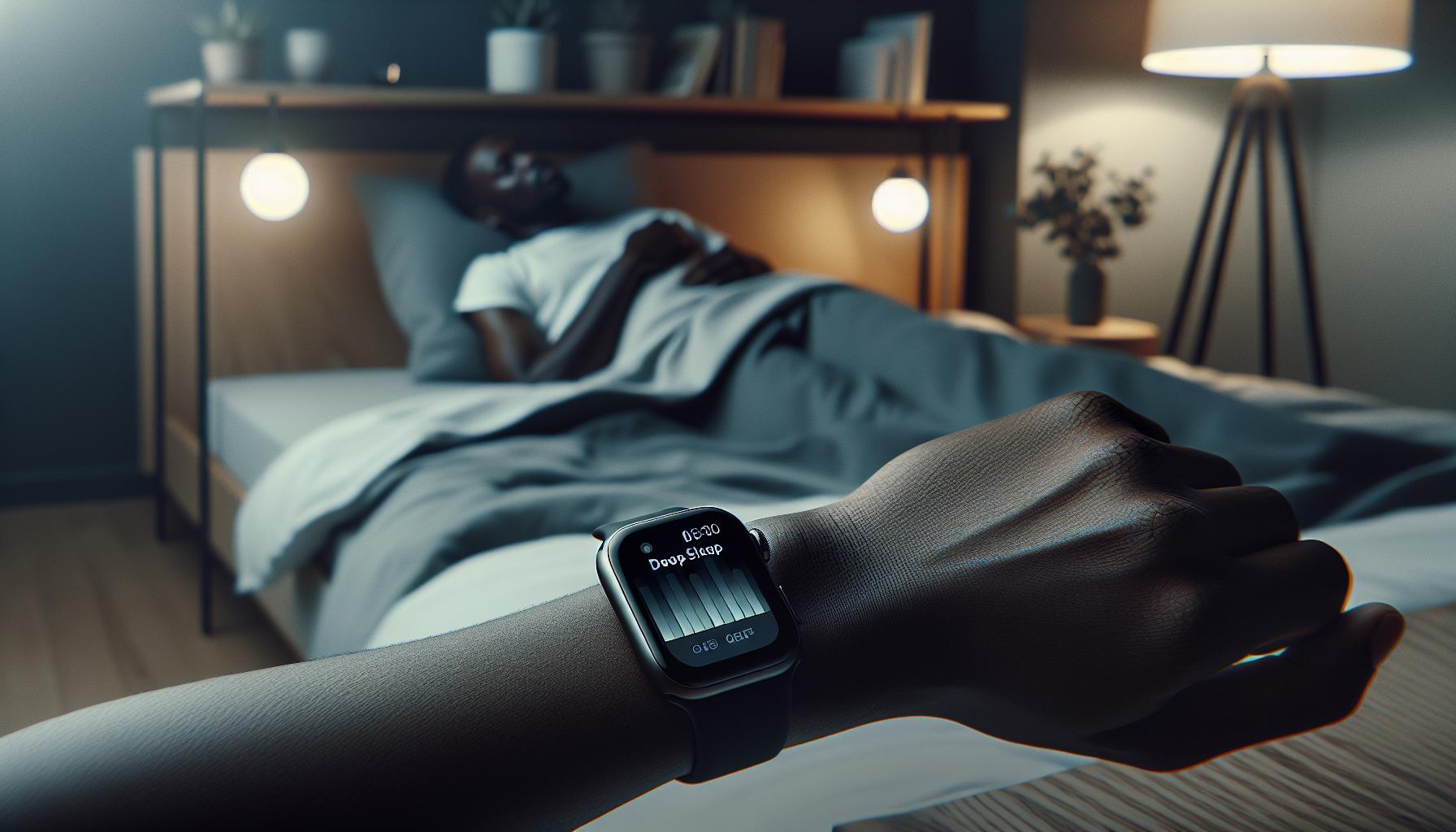
Understanding Apple Watch Deep Sleep Tracking Features
Understanding how the Apple Watch tracks deep sleep can significantly enhance your sleep quality. At the heart of its capabilities are advanced sensors that monitor your heart rate, movement, and even noise levels in your environment to differentiate between various sleep stages. This tracking allows users to identify not just the duration of sleep but also the quality and depth, including the critical phases of deep sleep, which play a vital role in restorative processes.
The Apple Watch employs a combination of an accelerometer and heart rate sensor to analyze your movement patterns and physiological signals. When you enter deep sleep, your body becomes less active, and your heart rate drops. The watch uses this information, along with its algorithms, to estimate the time spent in different stages of sleep, particularly distinguishing between light, deep, and REM sleep. This data can provide insights into your sleep patterns and help users make informed decisions to improve their overall sleep hygiene.
However, while the Apple Watch presents a convenient way to track sleep stages, users should recognize its limitations. The accuracy of sleep stage detection varies and can be influenced by factors such as the tightness of the watch on your wrist, your sleeping position, and even the watch’s battery life. Understanding these nuances can help users interpret their data more precisely and avoid over-relying on the watch as a definitive source of sleep metrics. Users often share experiences where they’ve noticed discrepancies in reported deep sleep times versus subjective feelings of restfulness, indicating that while the technology offers valuable insights, it should be complemented with personal awareness and potential consultation with sleep health professionals when necessary.
To make the most of your Apple Watch’s deep sleep tracking features, ensure that your watch is comfortably fitted, consider maintaining a consistent sleep schedule, and evaluate any external factors that may affect your sleep environment, such as light and noise. This approach will not only optimize the watch’s capabilities but also enhance your overall sleep experience.
How Apple Watch Measures Sleep Stages
Wearing an Apple Watch to monitor sleep can feel like having a personal sleep assistant on your wrist. But how does it actually measure the various stages of sleep? The Apple Watch leverages a combination of advanced motion sensors and heart rate monitoring to gather accurate data about your sleep patterns. By utilizing an accelerometer, the watch tracks your movement throughout the night, recognizing times of deep stillness that often correlate with deep sleep.
In addition to movement, the Apple Watch closely monitors your heart rate. As you drift into deeper sleep, your heart rate naturally decreases. This physiological response, combined with algorithms designed to analyze both movement and heart rate variability, allows the watch to estimate the time you spend in different sleep stages, including light sleep, deep sleep, and REM sleep. These distinctions are vital for understanding overall sleep quality, as each stage of sleep serves specific functions-like memory consolidation during REM sleep and physical recovery during deep sleep.
However, the effectiveness of this sleep stage tracking is not without its nuances. Many users find that factors such as wearing the watch too tightly or loosely, the position of their wrist while sleeping, and even the watch’s battery level can influence accuracy. It’s essential to wear the watch comfortably, as this can help ensure the sensors function optimally. Additionally, finding a consistent sleep environment-where external disruptions such as noise and light are minimized-can enhance the accuracy of the data collected.
While the Apple Watch provides actionable insights into sleep habits, it should not be treated as a substitute for professional sleep studies when serious sleep issues arise. For individuals struggling with sleep disorders, consulting sleep health professionals may offer a more comprehensive understanding of their condition. Nevertheless, using the watch can provide valuable feedback to aid in improving sleep hygiene and overall health. By keeping track of your slumber patterns, you can start making small changes that lead to better rest and rejuvenation.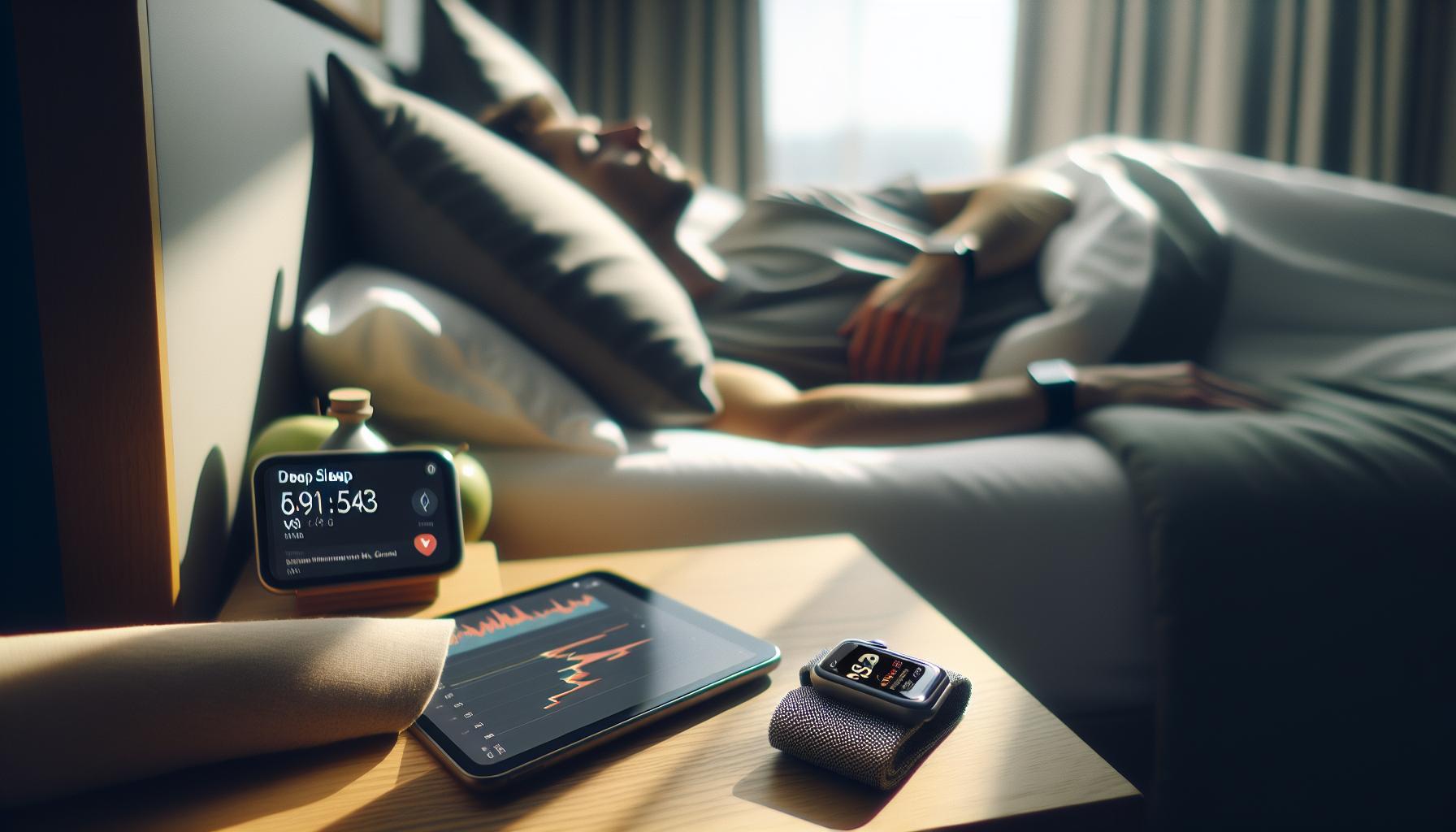
Accuracy of Apple Watch Deep Sleep Data
The Apple Watch is often heralded as a game-changer for sleep monitoring, but how reliable are its deep sleep data? Understanding the accuracy of the Apple Watch’s deep sleep tracking is vital for users wanting to make informed decisions about their sleep health. At its core, the device relies on sophisticated algorithms that interpret data from its motion sensors and heart rate monitor. This means that while it provides a good estimate of sleep stages, it may not be as precise as clinical assessments conducted in sleep laboratories.
Research suggests that consumer-grade sleep trackers, including the Apple Watch, often correlate reasonably well with professional polysomnography, but discrepancies do exist. The watch’s ability to recognize deep sleep is influenced by several factors, such as how snugly it fits, where it’s placed on the wrist, and ambient sleeping conditions. Users have reported varying experiences with accuracy; some find the data insightful for making adjustments to their sleep habits, while others question the reliability due to its algorithmic nature. It is essential to remember that the watch’s readings are estimations based on patterns of movement and heart rate, not direct measurements of sleep stages.
To maximize the accuracy of your Apple Watch’s sleep tracking, consider several practical steps. Wearing the watch in a comfortable position on your wrist ensures optimal sensor functionality. Additionally, maintaining a consistent sleep environment by minimizing light and noise can help improve data accuracy. Users who have conducted their own comparisons between Apple Watch readings and professional sleep studies in some cases noted that deep sleep might sometimes be underreported or misclassified due to factors like sleep disruptions or different personal sleep patterns.
Overall, while the Apple Watch provides an accessible way to monitor sleep stages, it shouldn’t be regarded as a perfect substitute for medical-grade sleep analysis. Instead, think of it as a useful tool for gaining insights into your sleep habits that can guide you in improving sleep quality, complemented by professional advice if sleep issues persist. By combining the wearable’s technology with a proactive approach to sleep hygiene, users can take meaningful steps toward better rest and recovery.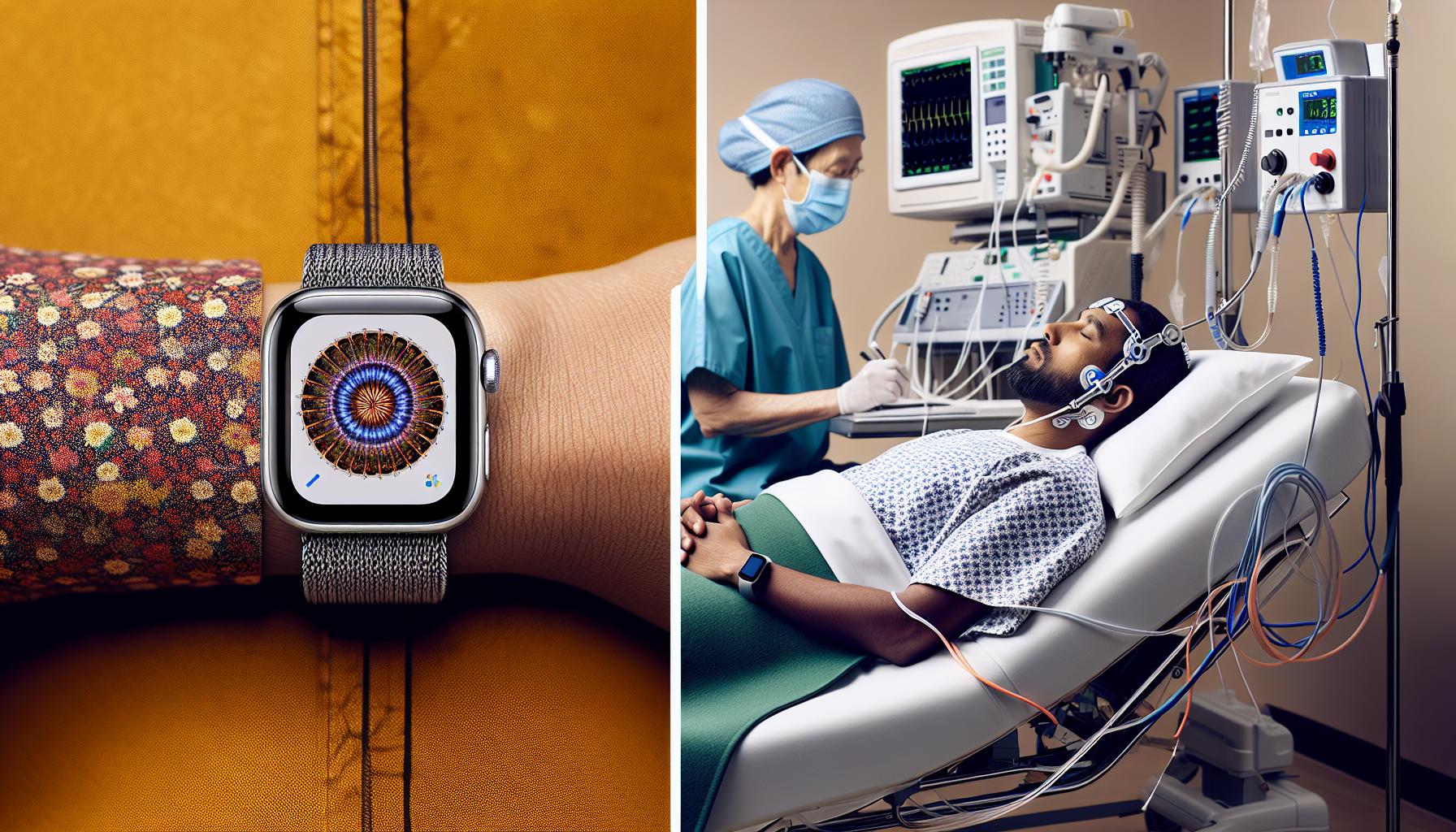
Comparing Apple Watch to Medical Sleep Studies
Understanding how the Apple Watch measures your sleep stages compared to traditional medical sleep studies can be essential for anyone looking to improve their sleep quality or address sleep-related concerns. While the Apple Watch employs advanced technology and algorithms to provide estimates of sleep stages-including deep sleep-it is important to recognize that these readings can differ significantly from those obtained through clinical methods such as polysomnography.
Polysomnography, often performed in sleep clinics, is the gold standard for diagnosing sleep disorders. It involves comprehensive monitoring of brain waves, oxygen levels, heart rate, and breathing, as well as observing eye and leg movements throughout the night. This thorough approach allows medical professionals to capture accurate sleep stage data, including the crucial deep sleep phase, which is necessary for restorative sleep. In contrast, the Apple Watch relies on movement and heart rate data to infer sleep stages. As a result, while the Apple Watch can provide a baseline understanding of your sleep patterns, its accuracy in pinpointing the exact timing and duration of deep sleep may not match that of a sleep study.
Research indicates that consumer-grade sleep trackers can reasonably correlate with clinical assessments, suggesting that Apple Watches can be useful for tracking overall sleep trends. However, discrepancies still exist. Many users have found that the watch sometimes underreports deep sleep or misclassifies sleep stages, particularly during periods of restlessness or if the watch is not worn snugly. Therefore, while using the Apple Watch can offer insights and encourage better sleep hygiene, it’s not a substitute for medical evaluations when serious sleep issues are suspected.
When should you opt for a sleep study instead of just using the Apple Watch? If you experience chronic insomnia, excessive daytime sleepiness, or other troubling symptoms that negatively affect your daily life, consulting a healthcare professional for a sleep study might be the best course of action. In the meantime, leveraging the data from your Apple Watch can help you recognize patterns and potential areas for improvement. By combining the watch’s data with professional insights, you can take informed steps toward enhancing your sleep quality and overall health.
User Experiences: Real-Life Accuracy Claims
Many Apple Watch users have shared their personal experiences, revealing a spectrum of accuracy in deep sleep tracking that can be profoundly insightful. For some, the watch provides a useful overview of their sleep patterns, which can serve as a conversation starter with healthcare professionals when addressing sleep quality. For instance, a tech-savvy user noted that the Apple Watch reported a significant variation in deep sleep duration depending on how snugly the device fit on their wrist, leading them to adjust their bedtime routine and watch positioning to improve accuracy.
Real-life accounts often reveal a common theme: while users appreciate the convenience of having sleep data at their fingertips, they remain aware of its limitations. A frequent complaint among Apple Watch wearers is that their deep sleep is frequently underreported. One user, a chronic restless sleeper, mentioned how the watch noted only a short span of deep sleep despite feeling well-rested. This discrepancy prompted them to explore additional sleep hygiene practices, like reducing screen time before bed and trying new sleep environments, to see if it made a difference. The experience echoes sentiments from many users who find relying solely on device data for serious issues less than ideal and sometimes misleading.
Furthermore, for those with deeper sleep concerns or conditions like sleep apnea, turning to more precise methods, such as polysomnography, is recommended. A user shared that after years of tracking their sleep with the Apple Watch, they ultimately decided to undergo a formal sleep study when they experienced excessive daytime drowsiness that affected their productivity. The medical insights they gained from the study clarified their sleep issues and highlighted the need for devices like the Apple Watch to be a supplementary tool rather than a sole diagnostic resource.
Those exploring which features of the Apple Watch to leverage for better sleep results might consider combining their user data with lifestyle adjustments. Regular sleep schedules, managing caffeine intake, and maintaining relaxation practices before bed can often enhance the quality of sleep, thus aligning the activity data collected by the watch with their actual sleep experiences. In summary, while Apple Watch users have found it helpful for tracking sleep trends, they are increasingly recognizing the tool’s limitations and the importance of consulting with medical professionals for comprehensive sleep assessments.
Factors Impacting Sleep Tracking Accuracy
The accuracy of deep sleep tracking on the Apple Watch can be influenced by a variety of factors, making it essential for users to understand how their habits and the watch’s features interplay. One primary factor is how the watch fits on the wrist. If the device is too loose or too tight, it may fail to capture heart rate and movement data accurately, which are critical for determining sleep stages. A snug yet comfortable fit is recommended to enhance sensor performance and improve tracking reliability.
Another significant consideration is the user’s sleeping environment. External factors such as noise, light, and temperature can affect sleep quality and the time spent in various sleep stages. For instance, a cooler room typically aids sleep, while excessive light or noise can disrupt it, potentially leading the watch to report inaccurate sleep metrics. Additionally, the watch relies on motion detection for tracking sleep; therefore, restless or frequent movements during the night can mislead the device about the length and quality of deep sleep.
Consistent sleep routines also play a vital role. Individuals who maintain a regular sleep schedule often achieve better sleep quality, which may then be reflected in the Apple Watch’s readings. Irregular sleep patterns can lead to confusion for the device, making it harder to accurately assign time spent in different sleep stages. To optimize sleep tracking, users are encouraged to create and adhere to bedtime routines, as this can help the watch calibrate its monitoring more effectively.
Lastly, the technology behind sleep tracking devices, including those in the Apple Watch, is continuously evolving but is still limited compared to clinical sleep studies. While wearables offer valuable insights into sleep patterns, they are not substitutes for professional diagnostics like polysomnography. Users dealing with significant sleep issues should approach data from their Apple Watch as supplementary information rather than definitive answers.
In conclusion, awareness of these factors can empower users to improve their sleep quality alongside leveraging their Apple Watch for deeper insights into their sleep habits.
Tips for Optimizing Apple Watch Sleep Tracking
To get the most accurate sleep tracking results from your Apple Watch, consider a number of practical adjustments that enhance its performance. An essential aspect begins with the fit of the watch. Ensure that your Apple Watch is snug, but not overly tight, on your wrist. This fit allows the sensors to better capture crucial heart rate and motion data, which are integral for determining sleep stages. If the watch is too loose, it may not track your movements effectively, potentially skewing the data it reports.
Your sleeping environment significantly influences both your sleep quality and the accuracy of the watch’s readings. Aim for a dark, quiet, and cool room-optimal conditions that foster deeper sleep, which can lead to more precise readings for deep sleep phases. Consider blackout curtains to eliminate light and white noise machines to mask disruptive sounds. Also, minimize fluctuating temperatures by maintaining a comfortable setting, ideally around 65°F (18°C), which can assist in achieving restful sleep.
Establishing a consistent sleep routine can profoundly impact the efficacy of your sleep tracking. Try to go to bed and wake up at the same times every day, even on weekends. This regularity helps your body to learn when to sleep, making the tracking data from your watch more reliable. Additionally, create a calming pre-sleep ritual, such as reading, meditation, or light stretching, to signal to your body that it’s time to wind down. These habits can improve not only your sleep quality but also the watch’s ability to determine your sleep phases clearly.
Lastly, familiarize yourself with the settings of the Apple Watch’s Sleep app to maximize its potential. Enable features such as Sleep Focus, which minimizes distractions and conserves battery life by limiting interruptions during your sleep hours. Regularly review the sleep analysis data presented in the app to identify patterns over time. This information can empower you to make necessary adjustments to your routines or nighttime environment, leading to improved sleep quality-and ultimately, a more accurate reflection of your sleep health from the Apple Watch.
Common Issues with Apple Watch Sleep Tracking
Potential discrepancies in the data collected by the Apple Watch during sleep tracking can lead to some common concerns among users. Understanding these issues can help you better interpret the information your device provides and make it a more reliable tool for assessing your sleep.
One of the primary challenges users face is the accuracy of sleep stage data. While the Apple Watch leverages heart rate and motion sensors to estimate time spent in different sleep stages (REM, Core, and Deep), these calculations may not always align perfectly with clinical standards used in sleep studies. Users sometimes report inconsistencies, particularly in identifying deep sleep phases, as the watch may classify wakefulness or light sleep erroneously. This is often due to individual differences in sleep patterns or the watch’s sensitivity to movement.
Another issue arises from the fit and placement of the watch on the wrist. A loose fit can lead to inaccurate readings, as the sensors may not adequately detect heart rate fluctuations or movement. Therefore, properly adjusting the strap to ensure a snug yet comfortable fit can significantly enhance tracking accuracy. Users should also ensure that the watch is positioned correctly, as certain wrist movements during sleep might affect the data collected.
The effectiveness of the Apple Watch’s sleep tracking can also be influenced by external factors such as environmental conditions and user behavior. For instance, factors like a bright bedroom, noise disturbances, or varying sleep schedules can prevent the watch from capturing a true reflection of sleep quality. It may be beneficial to create an optimal sleep environment-one that is dark, quiet, and free from distractions-to improve the device’s performance.
Lastly, understanding the limitations of consumer-grade sleep trackers is crucial. While the Apple Watch provides valuable insights and trends over time, it does not replace comprehensive medical assessments for sleep disorders. For individuals suspecting conditions like sleep apnea, pursuing a sleep study may be necessary.
By recognizing these common issues, Apple Watch users can take proactive measures to enhance their sleep tracking experience and gain more insightful data about their sleep health.
Sleep Tracking Settings: What You Need to Know
To truly harness the potential of your Apple Watch for sleep tracking, understanding the settings available to you is essential. The Sleep app offers a variety of features that can maximize your sleep data accuracy and help you achieve your health goals. Here’s what you need to know to set up your watch for optimal performance.
Configuring Sleep Tracking
First, ensure that your watch’s sleep tracking feature is enabled. You can do this through the Watch app on your iPhone:
- Open the Watch app and tap on “Sleep.”
- Toggle on “Sleep Mode” to activate sleep tracking during the night.
- Set your desired bedtime and wake-up time to establish a sleep schedule.
- Consider enabling “Wind Down,” which sets a period before sleep to prepare your body, such as dimming lights or muting notifications.
Once you have set your sleep schedule, you can customize your tracking preferences. For instance, you can choose to receive reminders to help you stay consistent with your sleep routine.
Monitoring Sleep Quality
After configuring your settings, the data collected by your Apple Watch can provide valuable insights. Ensure the watch fits snugly on your wrist to improve heart rate detection, which is critical for sleep stage analysis. You can view your sleep data in the Health app on your iPhone or the Sleep app on your watch, offering feedback on your overall sleep patterns.
For a more detailed interpretation of the collected data, pay attention to the amount of time spent in different sleep stages: REM, Core, and Deep sleep. While the Apple Watch employs a combination of heart rate variability and motion sensors to analyze these stages, remember that the readings are not equivalent to a formal sleep study, and while they can inform your health decisions, they may not be perfectly precise.
Common Settings to Review
Regularly reviewing the following settings can further enhance your sleep tracking experience:
- Heart Rate Monitoring: Ensure your heart rate tracking is set to “Always On” during sleep for accurate data.
- Do Not Disturb Mode: Activate this feature to minimize distractions during your bedtime.
- Sleep Reminders: Set these to nudge you when it’s time to wind down for the night.
Understanding these settings and how they relate to your overall sleep quality will empower you to take charge of your sleep health. As you refine your approach to sleep tracking with the Apple Watch, be aware of how lifestyle changes, like reducing screen time before bed or ensuring a conducive sleep environment, can influence your overall well-being.
Future of Sleep Tracking Technology in Wearables
As we look ahead, the like the Apple Watch is poised to revolutionize how we understand and manage our sleep health. With the rising awareness of sleep’s critical role in overall well-being, companies are investing heavily in developing more sophisticated sensors and algorithms that promise higher accuracy and deeper insights into our sleep patterns.
New advancements in sleep stage detection are on the horizon, potentially moving beyond heart rate and motion sensors to incorporate more comprehensive biometrics, such as temperature regulation and even skin conductivity. For instance, innovative wearables may eventually utilize advanced algorithms paired with augmented reality to provide users with real-time feedback about their sleep quality and environments. Imagine a watch that not only tracks your sleep but suggests environmental changes to optimize your rest-like adjusting room temperature or light intensity before bedtime.
There is also a growing trend towards personalizing sleep recommendations. Future devices could use artificial intelligence to analyze extensive data collected over time, offering tailored suggestions for improving sleep quality based on individual habits and needs. This could include custom schedules, dietary recommendations, or lifestyle changes based on detected sleep patterns, creating a truly personalized sleep coach in your pocket.
Moreover, while the Apple Watch and its competitors currently focus on self-reported sleep data, collaborations with medical institutions may lead to options for integrating wearable technology with clinical sleep studies. This approach could empower users with not just self-tracking capabilities but the ability to participate in broader health research, refining our understanding of sleep disorders and treatment effectiveness. As we advance, the integration of wearables into mainstream healthcare will likely not only enhance consumer awareness but also foster proactive health management, helping those with sleep-related issues to receive timely interventions.
In summary, the landscape of sleep tracking is evolving rapidly, aiming for a future where wearables play a pivotal role in enhancing sleep health through enhanced accuracy, personalization, and integration with healthcare systems. It’s an exciting time for anyone interested in better sleep, with the potential for technology to transform how we rest and recuperate.
Expert Insights on Sleep Tracking Devices
Understanding the intricacies of sleep tracking devices is crucial for anyone looking to enhance their sleep quality and overall health. While the Apple Watch stands out in the wearable market, numerous factors influence its accuracy and effectiveness in tracking sleep stages, particularly deep sleep. Experts suggest that utilizing actual clinical sleep studies as a benchmark can offer insights into the Apple Watch’s capabilities and limitations. It’s essential to remember that while the watch uses algorithms based on heart rate and motion to estimate sleep states, this technology cannot fully replicate the diagnostic precision of polysomnography, the gold standard in sleep analysis.
Accuracy and User Experiences
Many users report varied experiences with the accuracy of the Apple Watch in tracking deep sleep. Some have found it to be surprisingly insightful, providing a better understanding of their sleep patterns and helping identify habits that may affect sleep quality. However, others have noted discrepancies, particularly in distinguishing between light and deep sleep. This inconsistency can often be attributed to factors such as movement during sleep or the tightness of the watch band, which affects how well the sensors can detect heart rate and motion. Understanding these limitations can help users interpret their sleep data more realistically.
Expert Recommendations
For those looking to optimize their sleep tracking experience with the Apple Watch, consider these practical tips:
- Wear the Watch Comfortably: Ensure the watch is snug but not too tight. A proper fit enhances sensor accuracy.
- Add Consistency: Go to bed and wake up at the same time daily, allowing the watch to better recognize your sleep patterns.
- Review and Adjust Settings: Tailor the sleep settings in the Sleep app and take advantage of features like “Wind Down” to prepare your body for sleep.
- Cross-Reference Data: If possible, compare your Apple Watch data with a traditional sleep study for a more comprehensive view of your sleep health.
By embracing these expert insights and recommendations, users can enhance their experience with sleep tracking technology, leading to improved sleep quality and overall well-being. As advancements in sleep technology continue to evolve, staying informed about new features and methodologies will only empower users further in their quest for better sleep.
Addressing Myths About Sleep Trackers and Health
Many consumers are enthralled by the idea of sleep trackers, often perceiving them as infallible health monitors. However, it’s essential to demystify some prevalent myths surrounding devices like the Apple Watch and their ability to accurately track sleep stages, especially deep sleep. A common misconception is that such wearables can wholly replace clinical sleep assessments. While smartwatches utilize sophisticated algorithms and sensors to estimate sleep patterns, they generally cannot match the precise diagnostics of polysomnography, the standard test for sleep disorders. This doesn’t mean they lack value; instead, they should be viewed as complementary tools for enhancing sleep awareness rather than definitive diagnostic devices.
One notable myth is that sleep trackers can definitively diagnose sleep disorders. For instance, if users see records of disrupted sleep or high wake times, they might fret over conditions like sleep apnea or insomnia. While wearable data can suggest irregularities, it lacks the comprehensive evaluation that sleep studies provide, which measure brain activity and other physiological responses during sleep. It’s crucial for users to understand that while their Apple Watch might indicate trends, only a medical professional can diagnose sleep conditions accurately.
Moreover, some users may believe that the accuracy of sleep tracking devices is universally reliable. In truth, factors like body movement, watch fit, and even the environment can significantly influence data interpretation. Misconceptions about the technology may lead to frustration when expectations do not align with reality. Therefore, users should approach their data with a balanced mindset, recognizing the general insights these devices offer without assuming they’re filled with absolute truths.
When leveraging the Apple Watch or other sleep trackers, it’s beneficial to view them as part of a broader approach to health management. Tracking trends over time rather than fixating on day-to-day fluctuations can offer a clearer picture of your overall sleep health. Furthermore, fostering good sleep hygiene-such as maintaining a consistent sleep schedule and creating a calming bedtime environment-can enhance the accuracy of data collected, ultimately leading to more actionable insights. Embracing these perspectives will empower users to use wearable technology effectively while understanding its limitations, paving the way for informed discussions with healthcare providers if concerns arise about sleep health.
FAQ
Q: How does Apple Watch measure deep sleep?
A: Apple Watch measures deep sleep through its Sleep app, using heart rate variability and motion data. It detects sleep stages like REM, Core, and Deep sleep by analyzing changes in your heart rate and body movements during the night, contributing to a comprehensive sleep profile.
Q: What factors affect the accuracy of Apple Watch sleep tracking?
A: The accuracy of Apple Watch sleep tracking can be influenced by factors such as wrist positioning, watch fit, skin contact, and the presence of external disturbances. Ensuring a snug fit and maintaining a consistent sleeping environment can improve tracking reliability.
Q: Can Apple Watch accurately differentiate between sleep stages?
A: While Apple Watch provides a good estimate of sleep stages, its accuracy can vary. It’s generally effective for tracking sleep but may not be as precise as medical-grade devices. Users should consider it a helpful guide rather than an exact measurement.
Q: How does Apple Watch deep sleep tracking compare to medical sleep studies?
A: Apple Watch deep sleep tracking offers convenience and general insights but lacks the detailed analysis found in medical sleep studies, which use polysomnography to monitor brain waves and other physiological data. For serious sleep issues, consult a healthcare professional.
Q: What improvements can be made for more accurate sleep tracking with Apple Watch?
A: To enhance sleep tracking accuracy, keep your Apple Watch updated, wear it properly, and maintain consistent sleep habits. Additionally, consider using the Sleep Focus feature to minimize interruptions during the night, optimizing data collection.
Q: Does the Apple Watch track naps and how does it affect sleep data?
A: Yes, the Apple Watch can track naps; however, long naps may skew total sleep data and affect sleep stage estimations. Users should ensure that their sleep schedule is consistent to improve the overall accuracy and usefulness of the tracked data.
Q: What should I do if my Apple Watch isn’t tracking sleep accurately?
A: If your Apple Watch isn’t tracking sleep accurately, check the fit and position of the watch, ensure it is charged, and adjust the settings in the Sleep app. Reviewing user guides may help troubleshoot common issues to enhance tracking performance.
Q: Why is deep sleep important and how can I increase it?
A: Deep sleep is crucial for physical recovery and cognitive function. To enhance deep sleep, maintain a regular sleep schedule, create a dark and cool sleeping environment, and limit caffeine and electronic device use before bed.
In Retrospect
In conclusion, understanding the accuracy of Apple Watch deep sleep tracking can empower you to make informed decisions about your sleep health. While the device offers valuable insights, remember that it should complement, not replace, professional assessments when necessary. For a deeper dive, check out our articles on optimizing your sleep with technology and the latest advancements in sleep studies. If you found this analysis helpful, explore even more tips on enhancing your sleep quality. Don’t forget to subscribe to our newsletter for the latest updates and resources directly to your inbox. Your path to better sleep starts now-take the next step in your journey towards restful nights and rejuvenated mornings!
Get our latest guides, news, and insights highlighted in your Google Search & AI Overviews.