
In our fast-paced world, quality sleep can often feel elusive, yet it’s essential for our overall health and well-being. The Samsung Galaxy Fit 3 has stepped in as a modern solution, promising to help users track their sleep patterns effectively. But how accurate is its sleep tracking feature? In this article, we’ll dive into the nuances of the Galaxy Fit 3’s capabilities, assessing its performance in measuring sleep quality, duration, and cycles. Whether you’re aiming to improve your sleep habits or just curious about how well your device can monitor your rest, understanding these metrics can empower you to make informed choices for better sleep health. Join us as we explore the accuracy of the Galaxy Fit 3, offering insights that may surprise you and helping you understand when a fitness tracker might suffice or when a professional sleep study could be necessary.
Understanding Galaxy Fit 3 Sleep Tracking Features
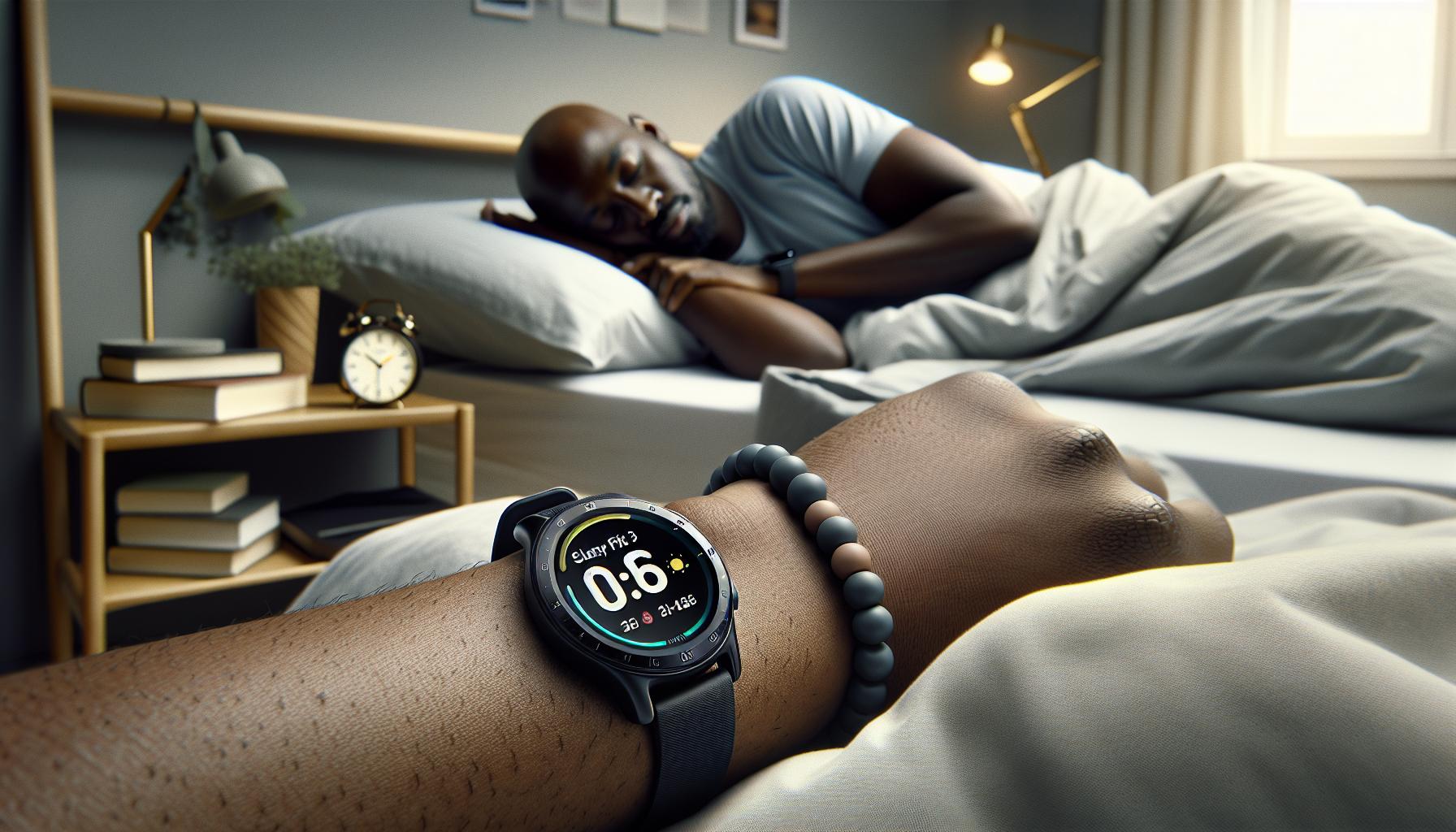
The Samsung Galaxy Fit 3 combines sleek design and functional technology, making it a compelling option for those seeking to enhance their sleep health without delving into expensive medical devices. This fitness tracker not only monitors physical activity but also offers insightful sleep tracking features that can help users understand their sleeping patterns and overall wellness.
One of the standout aspects of the Galaxy Fit 3 is its ability to monitor various sleep criteria, including total sleep time, light and deep sleep stages, and even periods of wakefulness during the night. Utilizing advanced sensors, the device provides an overview of your sleep quality, allowing you to make informed adjustments to your nocturnal habits. With features such as sleep score and detailed trend analysis, users can assess how lifestyle factors affect their rest and recuperation.
To get the most out of the Galaxy Fit 3’s sleep tracking capabilities, users should ensure it’s worn snugly yet comfortably, ideally positioned above the wrist bone. This placement maximizes sensor contact with the skin, improving data accuracy. Additionally, the device syncs with the Samsung Health app, offering a user-friendly interface for tracking sleep data trends over time and making it easier to identify patterns related to sleep disorders such as insomnia or sleep apnea.
By consistently using the Galaxy Fit 3 for sleep tracking, you can gain valuable insights into your sleep health, but it’s important to remember that while the device provides useful data, it should not replace professional medical advice for serious sleep issues. Balancing technology with awareness of bodily signals leads to better sleep hygiene and more restful nights.
Evaluating Sleep Tracking Accuracy: Methodology Explained
Evaluating the accuracy of sleep tracking devices, including the Galaxy Fit 3, requires understanding how these gadgets measure sleep and the methodologies used to validate their data against more traditional sleep studies. The Galaxy Fit 3 employs a combination of motion sensors and heart rate monitoring to estimate sleep stages-light, deep, and REM. This multi-faceted approach allows the device to construct a comprehensive picture of your sleep patterns.
To determine the reliability of the sleep data, researchers often compare the outputs from wearables with those gathered from polysomnography, the gold standard in sleep assessment. In polysomnography, multiple physiological parameters, such as brain waves, oxygen levels, heart rate, and respiratory effort, are monitored overnight in a clinical setting. While the Galaxy Fit 3 is designed to automate this process using algorithms that interpret data from its sensors, it’s crucial to acknowledge that readings from consumer-grade devices may not capture the same level of detail as a full sleep study.
Here’s a practical view of how the accuracy of Galaxy Fit 3 can be gauged:
- Data Calibration: The accuracy of sleep tracking improves when users consistently wear the device in the recommended position, ideally on the wrist, snugly yet comfortably to ensure strong sensor contact.
- Sleep Quality Indicators: Look at metrics like total sleep time and sleep efficiency. While the Galaxy Fit 3 provides valuable insights, significant discrepancies in sleep stages when compared to clinical studies can arise, particularly in distinguishing light and deep sleep.
- User Feedback: Collecting user experiences can enhance our understanding of the device’s performance in various sleep environments. Honest account sharing can shed light on the tracker’s accuracy in real-world settings.
Despite its limitations, the Galaxy Fit 3 serves as a useful tool for monitoring general sleep trends. It’s especially helpful for users looking to improve their sleeping habits over time. For individuals facing severe sleep disorders or seeking clinical diagnoses, a professional sleep study remains essential.
Real User Experiences with Galaxy Fit 3 Sleep Tracking
Many users have taken to forums and reviews to share their experiences with the Galaxy Fit 3’s sleep tracking capabilities, providing a rich tapestry of insights that can guide potential buyers. One common thread among user feedback is the positive reception of its user-friendly interface and the ease of interpreting sleep data. Many note how the device automatically syncs sleep stats to its accompanying app, offering visually engaging graphs and summaries that make understanding sleep patterns simple. Users often highlight their appreciation for being able to quickly check their sleep quality without needing extensive knowledge of sleep science.
However, the narratives don’t stop at praise. Some users have reported discrepancies between the device’s recorded sleep stages and their own perceptions of sleep quality. For example, a user might state they “felt refreshed” after a night’s rest, only to find the Galaxy Fit 3 indicating numerous awakenings or low-quality sleep. Real-world experiences suggest that while the device provides useful insights, it is not infallible. A user might suggest pairing the Fit 3’s data with personal notes on how they felt upon waking, thus creating a fuller picture of their sleep health.
Another interesting observation from the user community is the impact of lifestyle choices on tracking accuracy. Users who adhere to consistent sleep schedules report more reliable and informative data from the Fit 3. One user expressed satisfaction in adjusting their bedtime routine after noticing patterns in their data, which led to improved sleep quality over weeks. This aligns with the idea that the Galaxy Fit 3 can act as a motivational tool, helping users refine their habits and priorities around sleep.
Lastly, if you’re contemplating whether to rely solely on the Galaxy Fit 3 for sleep assessments, some users recommend keeping in mind the limitations of consumer-grade trackers. While the device offers valuable general insights, users with serious sleep issues often find that consulting a healthcare professional remains crucial. For example, a user suffering from insomnia decided to seek professional help after unsuccessful attempts to monitor their sleep through the Fit 3, ultimately receiving a diagnosis that allowed for targeted treatment. This illustrates an essential balance: while the Galaxy Fit 3 is a fantastic tool for everyday health, serious concerns deserve medical attention.
Comparing Galaxy Fit 3 with Other Sleep Trackers
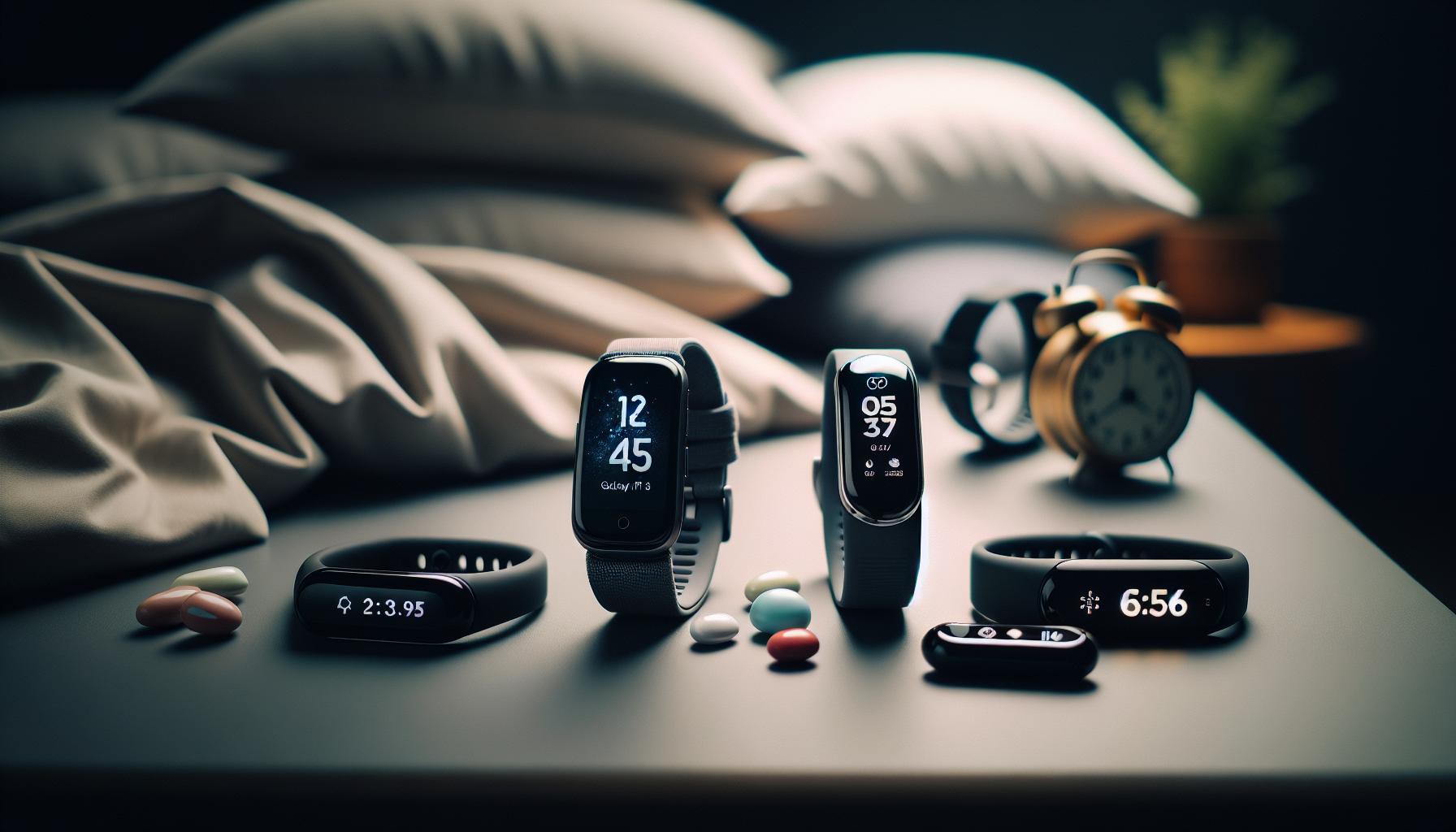
The Galaxy Fit 3 stands out in the crowded field of sleep trackers, but how does it truly stack up against other devices in this space? When comparing sleep trackers, key considerations include functionality, accuracy, user experience, and price. Each device has its strengths and weaknesses, making it essential for users to choose one that aligns with their personal sleep needs and habits.
Many users appreciate the Galaxy Fit 3’s design and user-friendly interface, akin to popular competitors like the Fitbit Charge series and the Garmin Forerunner range. These alternatives also provide robust sleep tracking capabilities but come with varying price points and additional features. For instance, the Fitbit Charge 5 offers more comprehensive health metrics, including heart rate variability and SpO2 monitoring, which can be particularly beneficial for individuals looking to gain deeper insights into their overall health. The Garmin Forerunner series, while more focused on fitness, includes sleep tracking as well, appealing to athletes who want a multifunctional device.
One major differentiator for the Galaxy Fit 3 is its ability to seamlessly integrate with other Samsung devices, creating a cohesive ecosystem for users already invested in the Samsung platform. This means users can effortlessly sync their sleep data with their smartphones, accessing personalized insights through the companion app. However, some users might find the data from the Fit 3 less detailed than that offered by certain premium devices, like the Whoop strap, which tailors its recommendations based on extensive data analysis, although it operates on a subscription model.
Cost vs. Features
When discussing price, the Galaxy Fit 3 is often seen as an affordable entry point, typically retailing under $100, whereas other trackers can climb into the $200-$300 range. Users should weigh the cost against the features important to them. For those primarily interested in sleep tracking without the extra bells and whistles, the Galaxy Fit 3 might be the ideal choice. However, for individuals seeking advanced metrics and supportive community features, it might be worth investing in a higher-end model.
Real-World Applications
Understanding the real-world applications of these devices can help users make informed decisions. For example, one user found that while the Galaxy Fit 3 provided accurate overall sleep times, they often felt the device inaccurately detected wake times compared to their experiences; they reported waking up frequently but saw different data from some other trackers. In contrast, users of the Oura Ring-a premium sleep and activity tracker-reported a more nuanced understanding of their sleep patterns, reinforcing the idea that device choice can significantly impact the quality of sleep insights.
Ultimately, each sleep tracker has its place depending on user preferences and sleep health goals. Whether opting for the Galaxy Fit 3, a Fitbit, or even a more niche product like the Oura Ring, doing thorough research and aligning device capabilities with personal needs will lead to the best outcomes for improving sleep health.
Common Sleep Disorders: How the Tracker Helps
Tracking sleep can provide invaluable insights, especially for those struggling with common sleep disorders. Devices like the Galaxy Fit 3 serve as handy companions in this journey, offering features that can help users monitor their sleep patterns and identify potential issues. For instance, conditions such as insomnia, sleep apnea, and restless leg syndrome can significantly affect sleep quality, and recognizing these patterns can empower users to seek appropriate interventions.
How the Galaxy Fit 3 Assists
The Galaxy Fit 3 records various aspects of your sleep, including total sleep time, sleep stages, and disturbances throughout the night. By providing detailed insights into sleep cycles-such as REM and deep sleep duration-it helps users understand their sleep architecture, which is crucial for diagnosing disorders. Users can observe patterns, such as frequently waking up during the night or spending minimal time in restorative sleep phases, which could indicate underlying problems.
For those dealing with insomnia, the tracker allows for daily habit monitoring. By correlating lifestyle factors, like caffeine intake or exercise, with sleep quality data, users can identify triggers that impede restful sleep. Real-time notifications and reminders to maintain a consistent sleep schedule can also be beneficial, nudging users towards healthier habits.
Empowering Decisions for Better Sleep Health
Despite its helpfulness, it’s crucial to remember the limitations of the Galaxy Fit 3. While it can indicate potential issues through observed patterns, it is not a substitute for medical advice. For example, if periodic limb movement disorder or sleep apnea is suspected, professional sleep studies like polysomnography may be necessary. These studies provide a detailed analysis of sleep events and breathing patterns that wearable devices cannot capture comprehensively.
Additionally, integrating the Fit 3’s data with professional healthcare can facilitate more informed discussions with doctors about sleep quality and behavior. Users might find keeping a sleep diary alongside their wearable’s data yields greater insight, enhancing the conversation with health professionals.
Using the Galaxy Fit 3 can guide users towards better sleep practices, enabling them to make informed decisions about their sleep health. By understanding the capabilities of their tracker, users are one step closer to improving sleep quality and overall well-being.
Interpreting Sleep Data: What the Numbers Mean

Understanding the numbers generated by the Galaxy Fit 3 can seem overwhelming at first, but they are essential for gaining insights into your sleep quality and patterns. The device provides a breakdown of different sleep stages, including REM (Rapid Eye Movement), light sleep, and deep sleep, alongside total sleep duration. Each of these stages plays a critical role in our overall health and well-being, and comprehending what these figures mean can pave the way for better sleep management.
To effectively interpret your sleep data, start by focusing on total sleep time and sleep efficiency. Total sleep time is a straightforward metric that indicates how many hours you managed to sleep during the night, while sleep efficiency measures the percentage of time you spend asleep while in bed. These two metrics can help highlight issues like insomnia or frequent wakefulness. For example, a sleep efficiency score below 85% may indicate that you’re having trouble staying asleep or falling asleep quickly.
Understanding Sleep Stages
The Fit 3 categorizes sleep into several stages, encouraging deeper analysis of your rest patterns. Here’s what to look for:
- REM Sleep: Essential for memory consolidation and mood regulation. Spend at least 20-25% of your sleep in this stage.
- Deep Sleep: Critical for physical recovery and immune function. Aim for about 15-20% of your total sleep time in deep sleep.
- Light Sleep: Although less restorative than other stages, light sleep is necessary for transitioning between wakefulness and deeper sleep. It will make up about 50% of your sleep time.
A balanced distribution among these stages indicates good sleep quality, while anomalies might signal potential disorders. For instance, consistently low REM or deep sleep can suggest underlying issues like stress or sleep apnea, which might warrant further investigation.
How to Analyze Your Data
Reviewing your sleep data regularly can help identify patterns and triggers affecting your sleep quality. Take note of any lifescale changes or habits-like consumption of caffeine or exercise routines-and correlate them with your sleep scores. This approach can uncover patterns, such as poor sleep following late-night activities, allowing you to make necessary adjustments to improve your nightly rest.
Additionally, while the Galaxy Fit 3 provides valuable data, understanding its limits is vital. It is a beneficial tool for monitoring sleep, but it cannot replace comprehensive sleep studies or professional consultations. If persistent issues arise, consider discussing your data with a healthcare professional who can offer deeper insights or recommend appropriate interventions. Ultimately, empowering yourself with knowledge about how your body sleeps is the first step toward achieving better sleep health.
Setting Up Galaxy Fit 3 for Optimal Sleep Tracking
Setting up your Galaxy Fit 3 for optimal sleep tracking can significantly enhance the accuracy of the data it collects, giving you better insights into your sleep patterns. To begin, ensure your device is fully charged. A low battery can interfere with its ability to monitor your sleep properly. Ideally, wear the device snugly on your wrist, just above the wrist bone. This positioning allows the sensors to accurately track your heart rate and movement throughout the night.
For the best results, familiarize yourself with the Samsung Health app, where you can customize sleep settings. In the app, enable sleep tracking within the ‘Sleep’ section. You may also want to set a consistent bedtime and wake-up time in the app, which will allow the device to learn your sleep schedule and provide more nuanced data over time. Enabling features like “Sleep score” can help you monitor not only the total time slept but also the quality of your sleep based on various factors, such as disturbances and sleep stages included in the criteria.
To maximize accuracy, avoid alcohol and caffeine close to bedtime, as these can disrupt your sleep patterns and skew your results. Keeping your sleep environment conducive to rest-such as maintaining a cool, dark, and quiet room-will help the Galaxy Fit 3 gather more reliable data. Lastly, regularly review your sleep insights through the Samsung Health app; look for trends and make adjustments to your habits as necessary.
If you notice discrepancies in your sleep data, check the device for updates via the app, as firmware improvements can enhance functionality. With a few simple steps, you can ensure your Galaxy Fit 3 becomes a powerful ally in your quest for better sleep health.
Troubleshooting Galaxy Fit 3 Sleep Tracking Issues
Navigating the world of sleep tracking can sometimes be frustrating, especially when your Galaxy Fit 3 doesn’t seem to deliver the results you expect. The accuracy of sleep tracking relies on various factors, and identifying the root cause of any discrepancies can transform your experience from confusing to insightful. Here’s how to troubleshoot common issues that might affect your Galaxy Fit 3 sleep tracking performance.
Start with the basics: ensure your device is charged. Sleep tracking can be affected adversely by a low battery, which might limit the device’s ability to sustain continuous monitoring throughout the night. For optimal results, wear the Galaxy Fit 3 snugly-this positioning helps sensors accurately capture your heart rate and movement. If you’re finding inconsistencies in your data, consider your sleep environment and habits. Are you using the correct settings in the Samsung Health app? Enable sleep tracking within the app and ensure your sleep schedule is consistent for the most accurate data logging.
Another common issue could stem from firmware updates. If the sleep tracking seems erratic, check for software updates through the app, as manufacturers frequently release improvements that can enhance performance. If inconsistencies persist, examine your lifestyle habits. Consumption of stimulants like caffeine or alcohol too close to bedtime can skew results, as they might prevent you from reaching deeper sleep stages.
Lastly, familiarize yourself with sleep disorders and how they might interact with devices like the Galaxy Fit 3. If you consistently notice troubling patterns-such as lack of restful sleep or feeling unrested after a full night-you might want to seek professional help. Understanding whether your sleep needs more than what the tracker can offer is crucial. In these instances, consider consulting a healthcare provider to evaluate whether a sleep study might be a more suitable option for your specific needs. By having a clear troubleshooting approach, you can significantly enhance the quality and reliability of your sleep tracking experience with the Galaxy Fit 3.
The Science Behind Sleep Stages and Tracking
Understanding how sleep stages work and the science behind tracking these stages can illuminate the effectiveness of devices like the Galaxy Fit 3. Sleep isn’t a uniform state; rather, it cycles through various stages that each serve different crucial functions for our health. Typically, sleep is divided into two main categories: REM (Rapid Eye Movement) and non-REM sleep, which is further segmented into light and deep sleep stages. Understanding these stages is key to evaluating how well your device tracks your sleep.
When you drift off to sleep, your body enters non-REM sleep, which consists of three distinct stages:
- Stage 1: Light sleep where you can be easily awakened. This stage lasts only a few minutes.
- Stage 2: This is still light sleep, but your heart rate slows, and your body temperature drops, preparing you for deep sleep.
- Stage 3: Deep sleep, or slow-wave sleep, is the most restorative stage, crucial for physical recovery and memory consolidation.
Following these stages, your brain enters REM sleep, characterized by vivid dreams, increased brain activity, and temporary muscle paralysis. This stage is essential for emotional regulation and cognitive function.
The Galaxy Fit 3 uses a combination of heart rate monitoring and movement detection to estimate which sleep stage you are in at any given time. Though it’s not as precise as polysomnography performed in sleep labs, it can provide insightful patterns of your sleep cycles over time. However, the accuracy can be influenced by factors such as the wearability of the device, the environment, and personal habits. Users should be aware that while the Galaxy Fit 3 can offer general insights into sleep quality, it may not capture every detail of the sleep cycle, particularly the transitions between stages.
Once equipped with sleep data, interpreting those numbers can empower consumers to make adjustments to their sleep habits. For example, if you notice a high frequency of wake times or a lack of deep sleep, it might indicate lifestyle factors-like stress or environmental disturbances-that need addressing. Therefore, while wearables like the Galaxy Fit 3 can be excellent tools for monitoring sleep, they should complement a broader understanding of sleep health. For those who experience significant sleep issues, consulting a healthcare provider for more comprehensive assessments may still be the best course of action.
User Guide: Maximizing Your Sleep Tracking Experience
To truly benefit from the sleep tracking capabilities of the Galaxy Fit 3, it’s essential to understand how to set it up and utilize its features effectively. The device isn’t merely a wearable; it’s a powerful ally in enhancing your sleep quality and overall health. One of the first steps to getting the most from your Galaxy Fit 3 is ensuring that the band fits snugly on your wrist. A proper fit enables more accurate readings of your heart rate and movement patterns, which are key to understanding your sleep stages.
Another vital aspect is making use of the associated mobile app, which provides in-depth analysis of your sleep data. This app can help you identify trends in your sleep patterns by compiling data over time. To maximize this feature, regularly check your sleep reports and take note of any correlations between your daily activities and sleep quality. For instance, you might find that late-night screen time correlates with a drop in your deep sleep hours. This insight allows you to make informed changes to your evening routines.
Establishing a Consistent Sleep Routine
To optimize your sleep tracking experience, developing a consistent sleep schedule can make a significant difference. Aim to go to bed and wake up at the same times every day, even on weekends. Irregular sleep patterns can disrupt your body’s internal clock, making it harder for your Galaxy Fit 3 to track your sleep accurately. Regularity not only helps the device provide more precise insights but also improves the overall quality of your sleep.
Troubleshooting Common Issues
Sometimes, your Galaxy Fit 3 might not capture sleep data accurately due to various factors such as battery life, device placement, or environmental disturbances. Ensure that your device is charged before bedtime to avoid interruptions. If your sleep data seems inconsistent, double-check that your band is wearable correctly and not too loose. Additionally, consider factors such as noise levels and light in your sleeping environment that may affect your sleep quality.
By actively engaging with the features and being mindful of your sleep habits, you can leverage the Galaxy Fit 3 to transform your sleep health. Your journey to better sleep starts with consistent monitoring, awareness of your patterns, and a willingness to make adjustments based on what the data reveals. Ultimately, this device can offer valuable insights; however, it’s crucial to use them in conjunction with a holistic approach to wellness, including healthy lifestyle choices and, when indicated, consultation with healthcare professionals.
When to Consider a Sleep Study Over a Tracker
When considering whether to rely on the Galaxy Fit 3 for sleep monitoring or to pursue a formal sleep study, it’s crucial to understand the limitations of wearable technology versus the comprehensive insights a clinical evaluation can provide. Wearable devices like the Galaxy Fit 3 offer valuable information on sleep duration, heart rate, and movement patterns. However, they’re not substitutes for professional diagnostics when serious sleep concerns arise.
If you’re experiencing persistent sleep issues such as chronic insomnia, sleep apnea, or significant daytime fatigue, it’s advisable to consult a healthcare professional who may recommend a sleep study. This is a comprehensive evaluation often performed overnight at a sleep center, where polysomnography records multiple body functions during sleep, such as brain activity, breathing patterns, and heart rate. Such data is essential for diagnosing conditions that wearables simply can’t monitor accurately.
Here are some scenarios where a sleep study may be warranted over using a tracker:
- Severe Sleep Disruptions: If you frequently wake up gasping for breath or snore loudly, these could be signs of sleep apnea requiring medical intervention.
- Consistent Sleep Issues: Persistent insomnia symptoms that don’t improve with lifestyle changes may necessitate a deeper investigation through a sleep study.
- Daytime Sleepiness: If you find it hard to stay awake during the day, this could indicate a serious sleep disorder that a tracker can’t diagnose.
Undergoing a sleep study often feels intimidating, but it’s important to remember that these tests are designed to be as comfortable as possible, involving monitoring in a relaxed setting. Many sleep centers even encourage you to bring personal items to help you feel at ease. The results can significantly impact your treatment plan and overall sleep health, offering insights into factors that a fitness tracker simply cannot evaluate.
In summary, while the Galaxy Fit 3 is a helpful tool for monitoring sleep patterns and promoting better sleep habits, it should not replace medical advice for significant sleep concerns. If there’s cause for worry regarding your sleep health, pursuing a professional sleep study is the best course of action to obtain accurate diagnoses and effective treatment options.
Future Trends in Sleep Tracking Technology
As technology evolves, the landscape of sleep tracking continues to change dramatically. The future of sleep tracking technology promises exciting advancements, driven by innovations in artificial intelligence and sensor technologies that will enhance the accuracy and depth of insights provided by devices like the Galaxy Fit 3. Imagine a world where wearables not only track your sleep duration and quality but also analyze factors such as your sleep environment and lifestyle habits to deliver personalized recommendations that help you achieve deeper, more restorative sleep.
Integration of Advanced Sensors
Future iterations of fitness trackers, including successors to the Galaxy Fit 3, may feature even more advanced sensors capable of monitoring various physiological markers. For instance, incorporating sensors that can detect oxygen levels in real-time could lead to more accurate assessments of sleep apnea, offering users early warnings about potential sleep health issues. This can empower users to seek medical advice sooner, potentially preventing long-term health complications related to sleep disorders.
AI-Powered Insights
Artificial intelligence is poised to transform how sleep trackers interpret data. Instead of merely presenting numbers like sleep duration or wake times, future devices could analyze patterns over time, taking into account your daily activity levels, stress markers, and even external factors such as room temperature and light exposure. This advanced analytics approach may provide actionable insights tailored to each user’s lifestyle, helping them understand the best practices to improve their sleep health.
Data Sharing and Collaboration with Healthcare Providers
One promising trend is the potential for wearables to share data with healthcare providers seamlessly. This feature would offer medical professionals accurate, ongoing insights without the need for manual input from patients. Such collaboration could allow for more informed diagnoses and treatment plans, paving the way for a comprehensive approach to managing sleep health. Therefore, consumers will benefit from not only short-term data tracking but also long-term health monitoring.
In summary, while the Galaxy Fit 3 serves as a valuable tool to gather sleep data, the future of sleep tracking technology suggests we can expect deeper insights and more integrated health solutions. As these advancements emerge, consumers will be better equipped to tackle sleep issues effectively and improve their overall well-being.
Q&A
Q: How does the Galaxy Fit 3 track sleep stages?
A: The Galaxy Fit 3 utilizes advanced sensors to monitor your heart rate and movement throughout the night. By analyzing this data, it can categorize your sleep into different stages, including REM, light, and deep sleep, providing a comprehensive overview of your sleep patterns.
Q: Can I improve the accuracy of my Galaxy Fit 3 sleep tracking?
A: Yes, you can enhance accuracy by ensuring a snug fit on your wrist and wearing it consistently every night. Additionally, configuring personal sleep settings in the app can help refine tracking to better reflect your individual sleep patterns.
Q: What are common issues with Galaxy Fit 3 sleep tracking?
A: Users sometimes report inaccuracies such as misinterpreting awake periods as sleep or not tracking sleep duration correctly. Ensuring the device is properly calibrated and maintaining a consistent sleep schedule can help mitigate these issues.
Q: Does the Galaxy Fit 3 provide sleep quality insights?
A: Yes, it evaluates sleep quality by analyzing total sleep time and the ratio of sleep stages. The associated app then provides insights and recommendations for improving your sleep health, making it easier to interpret your sleep habits.
Q: How does Galaxy Fit 3 compare to traditional sleep studies?
A: While the Galaxy Fit 3 offers a convenient way to monitor sleep, it is less comprehensive than traditional sleep studies that use polysomnography. For medically significant sleep disorders, consulting a healthcare professional and considering a sleep study might be necessary.
Q: Is the data from Galaxy Fit 3 sleep tracking reliable?
A: The Galaxy Fit 3 has shown reasonable accuracy in sleep tracking compared to other consumer devices, but it’s essential to note that it may not be as precise as clinical methods. Users should view the data as a helpful guideline rather than an exact measure.
Q: How does environmental noise affect sleep tracking with Galaxy Fit 3?
A: Environmental factors, such as noise or light, can disrupt sleep quality, which the Galaxy Fit 3 might interpret as wakefulness. To improve sleep conditions, consider using earplugs or sleep masks, which may enhance the accuracy of your tracking results.
Q: Can I sync Galaxy Fit 3 sleep data with other apps?
A: Yes, the Galaxy Fit 3 can sync with select health apps, like Samsung Health, to provide a broader view of your health metrics. This integration can further enhance your understanding of sleep patterns in relation to daily activities.
To Wrap It Up
Thank you for joining us in exploring the accuracy of the Galaxy Fit 3 sleep tracking features. As we’ve discussed, this device can provide valuable insights into your sleep patterns, but remember, accuracy varies and it’s important to complement wearable technology with professional advice, especially if sleep issues arise. If you’re curious about sleep studies or how to enhance your sleep health further, check out our articles on “Understanding Sleep Disorders” and “Choosing the Right Sleep Tracker” for more in-depth guidance.
Don’t miss the opportunity to stay updated-subscribe to our newsletter for the latest in sleep tech and health tips! If you have questions or experiences to share, we’d love to hear from you in the comments below. For those looking to dive deeper, explore our resources on sleep optimization and related products to maximize your sleep quality. Remember, the path to better sleep starts with informed choices.
Get our latest guides, news, and insights highlighted in your Google Search & AI Overviews.