
Did you know that more than 70 million Americans suffer from sleep disorders? If you’re among them, understanding your sleep patterns is essential for improving your health and well-being. A home sleep study can offer invaluable insights into why you might be tossing and turning at night. In this guide, we’ll walk you through how to set up your sleep study at home, detailing the equipment you’ll need, what to expect during the process, and tips for getting accurate results. By empowering yourself with this knowledge, you can take proactive steps toward better sleep. So, let’s get started on your journey to restful nights and energized days!
Understanding Home Sleep Studies: What to Expect
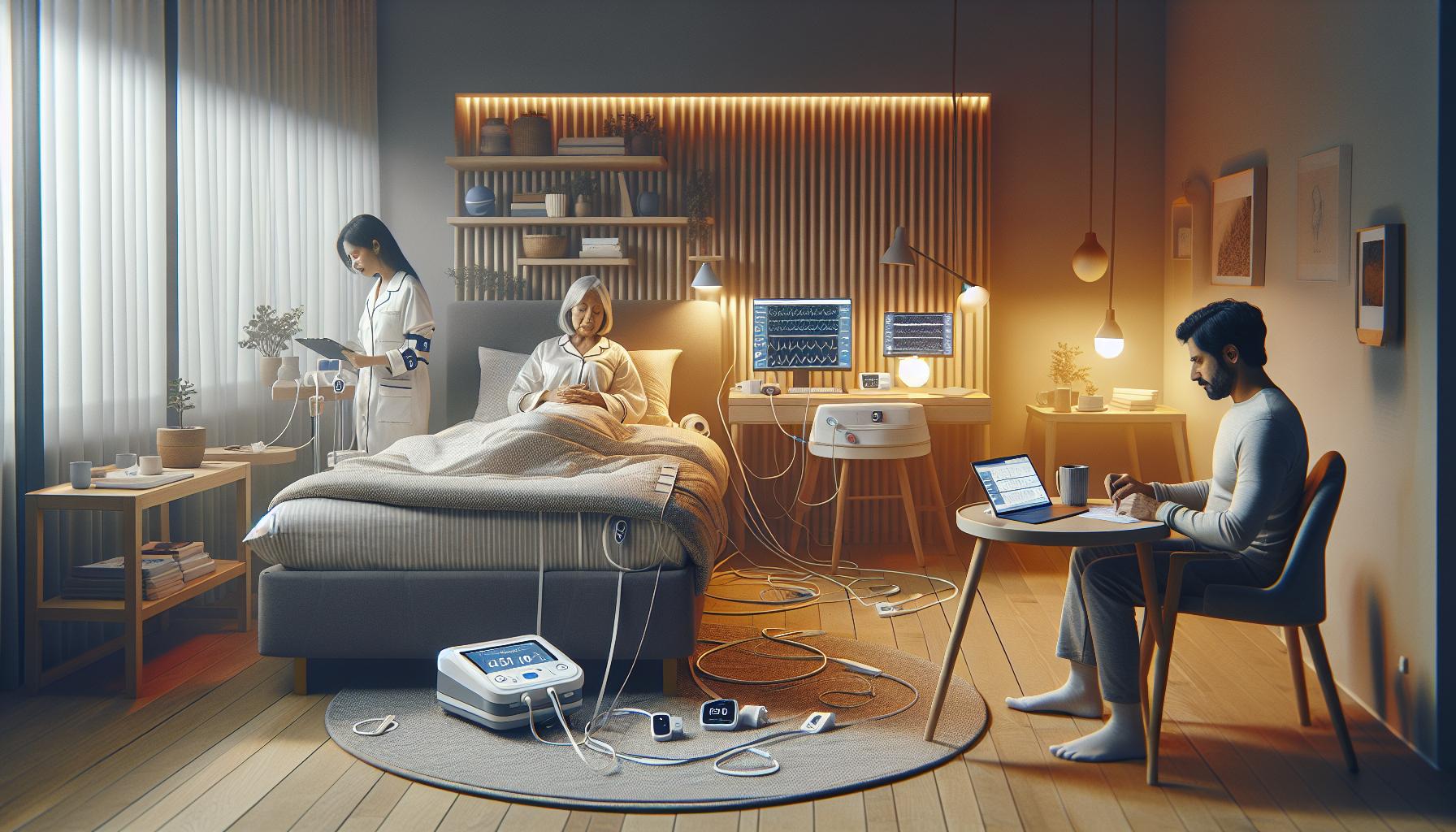
Home sleep studies offer an accessible alternative to traditional testing methods, allowing individuals to evaluate their sleep patterns from the comfort of their own home. If you suspect you have a sleep disorder, such as sleep apnea, it’s essential to understand what the process entails and what you can expect. Typically, these studies involve the use of portable devices that monitor vital metrics like oxygen levels, heart rate, and sleep cycles, providing critical insights into your sleep quality and any potential issues.
To begin, you’ll usually receive a home sleep test kit equipped with sensors that are designed to measure various sleep metrics. The setup is typically straightforward: you’ll attach sensors to your body, which may include a device on your wrist, finger, or chest, to monitor your physical state while you sleep. It’s important to follow the instructional materials provided, which can often be detailed and easy to understand. Many companies also offer support services to guide you through the setup, ensuring you’re comfortable before your night of rest.
During the test, the devices will monitor several factors such as snoring, body movements, and changes in your heart rate, which are crucial for diagnosing conditions like obstructive sleep apnea. After the test, you will receive a comprehensive report summarizing your sleep patterns and any significant findings. This report will be used by a healthcare professional to help determine the best course of action regarding your sleep health. Being well-informed and prepared can help reduce any anxiety you might feel about undergoing a sleep study, making it a more relaxed experience overall.
Ultimately, having realistic expectations about the home sleep study process will help empower you as an active participant in your health journey. If your results indicate further investigation or treatment is necessary, you’ll be in a better position to make informed decisions about your sleep health moving forward.
Essential Equipment for Accurate Sleep Tracking
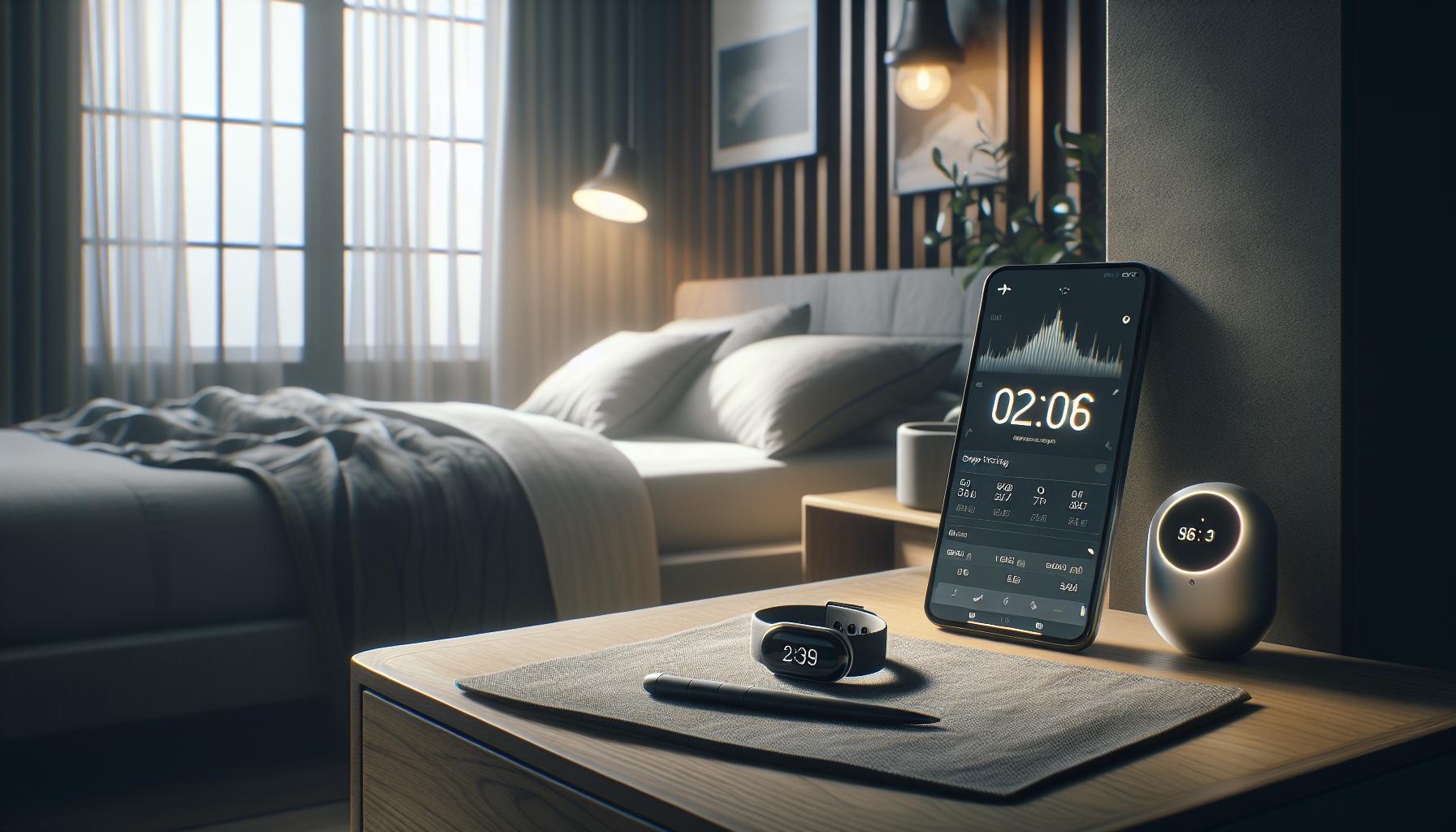
To achieve effective sleep tracking during a home sleep study, having the right equipment is crucial. The devices you’ll encounter can range from comprehensive test kits to simple, user-friendly wearables. High-quality sensors that monitor key metrics are essential for providing accurate data about your sleep patterns, making it easier for healthcare professionals to assess your nocturnal health accurately.
What You’ll Typically Use
Home sleep tests often include devices that measure a variety of physiological parameters, such as:
- Pulse Oximeter: Placed on your finger, this device tracks your blood oxygen levels and heart rate.
- Chest Straps: These monitor your breathing patterns and movements throughout the night.
- Wrist Bands: Often used to track additional biometric data and can work in synergy with other devices.
- Microphones: To capture snoring and disturbances in your sleep environment.
Each of these components plays a vital role in gathering detailed information to identify potential sleep disorders like obstructive sleep apnea.
Choosing Quality Equipment
When selecting the equipment for a home sleep study, it’s essential to ensure that the devices are clinically validated and ideally recommended by healthcare professionals. Consider the following tips:
- Research Brands: Established brands like Blackstone Medical Services are recognized for high-quality at-home sleep tests that are both reliable and effective[2].
- Ease of Use: The device should offer intuitive setup instructions, ensuring you can easily attach and activate the sensors without confusion. Look for devices that provide technical support to address any concerns during the initial usage.
- Comfort: The equipment should be comfortable enough so that it doesn’t interfere with your ability to sleep. Ease of wear can significantly impact the quality of your sleep study.
By understanding the essential equipment involved, you empower yourself to create an optimal environment for accurate sleep tracking. A well-informed choice not only enhances the quality of the data collected but also contributes to a more comfortable and less anxiety-provoking experience during your home sleep study.
Step-by-Step Setup Instructions for Home Studies
Setting up a home sleep study can seem daunting, but with the right guidance, it becomes a straightforward process that can yield significant insights into your sleep patterns. The key is to familiarize yourself with the equipment and the steps you’ll need to follow to ensure accurate results. Here’s a simple guide to get you started.
Begin by reviewing the instructions provided with your home sleep study kit. Each kit may have specific requirements, but generally, you’ll follow a few common steps. First, choose a comfortable space in your home where you usually sleep. This familiar environment will help you relax and get a more accurate reflection of your sleep patterns. Ensure that the area is quiet and free from interruptions, as outside noise can affect the results.
Next, prepare the equipment. Start by charging any wearable devices and ensuring that all sensors are clean and functional. For instance, if your kit includes a pulse oximeter, make sure it’s charged and ready to go. It should fit snugly on your finger and be easy to take off and put back on without any discomfort. Review this checklist to help with setup:
- Charge all devices: Ensure everything is powered up before bed.
- Fit sensors properly: Wear the pulse oximeter correctly and adjust chest straps to avoid any discomfort.
- Log your sleep schedule: Note what time you go to bed and wake up, which can help with data analysis.
On the night of the test, wear the provided equipment as instructed. Make sure to put on the chest straps and attach the pulse oximeter before lying down. If your study includes additional devices like wristbands or microphones, set those up accordingly. You might also want to consider using an app or a notebook to record any relevant details, such as how you felt the night before or any disturbances during your sleep.
Finally, relax and try to maintain your usual sleep routine. Avoid caffeine or stimulants in the hours leading up to bedtime, as they could interfere with your sleep quality. After you’ve completed the study, return the equipment as directed, and remember to follow up with your healthcare provider to discuss the results. By preparing carefully and following these steps, you set yourself up for a successful home sleep study that can provide valuable insights into your sleep health.
Choosing the Right Devices: Wearables vs. PSG
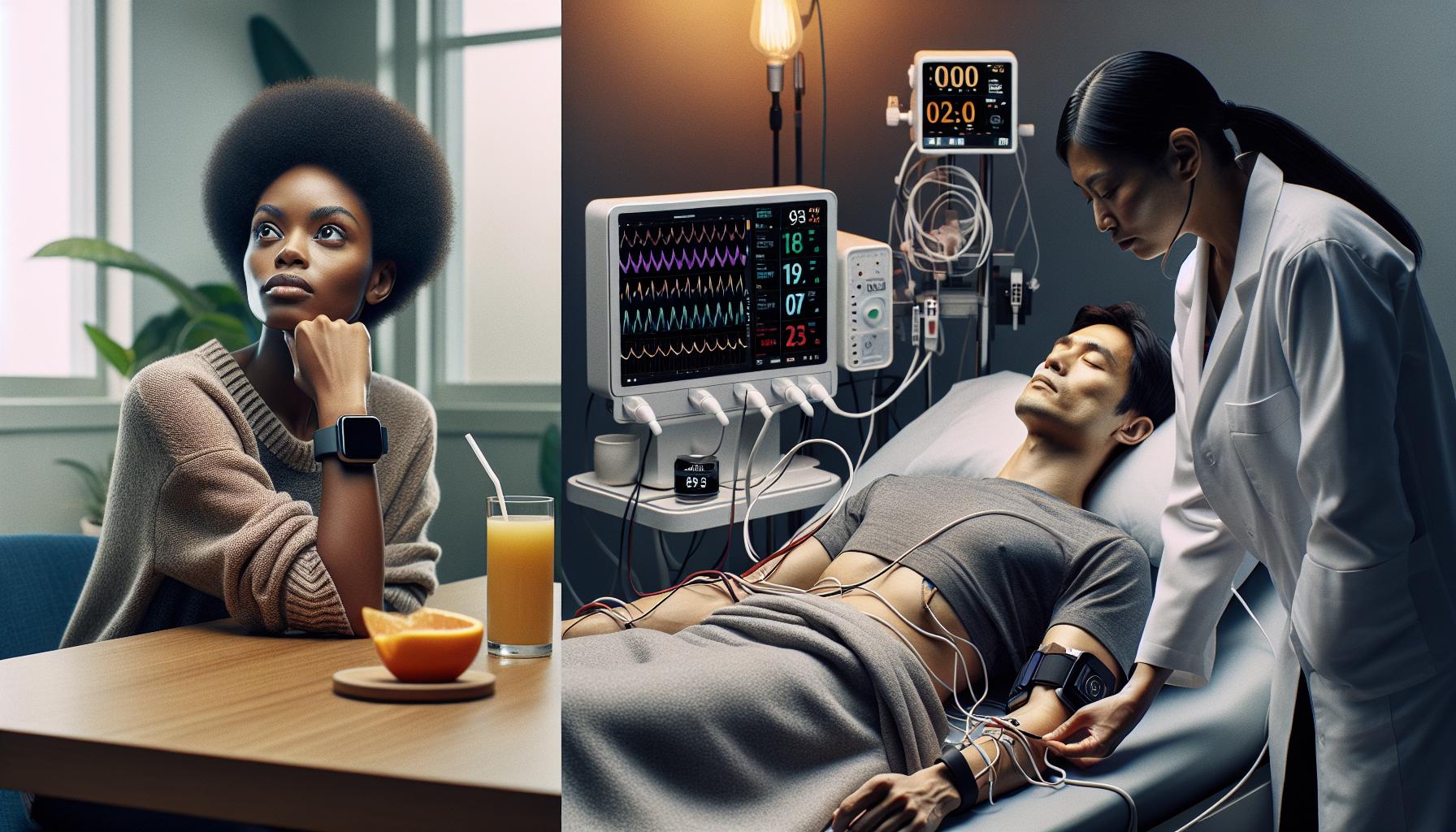
Choosing the right devices for a home sleep study is crucial for obtaining accurate and useful results. With options ranging from advanced polysomnography (PSG) setups to more accessible wearable technology, understanding the differences can help you make an informed decision tailored to your needs.
Polysomnography is the gold standard for diagnosing sleep disorders and typically involves a sleep clinic stay where various physiological metrics-such as brain waves, oxygen levels, heart rate, and breathing patterns-are monitored closely. Though highly accurate, PSG can be costly, requiring overnight stays and professional staff, which might not suit everyone’s budget or preferences. It’s the ideal option for those experiencing complex sleep issues that need comprehensive evaluation by specialists.
In contrast, wearables and at-home sleep study devices offer a more convenient and cost-effective method for monitoring sleep patterns. These devices often track key metrics like heart rate, movement, and sleep duration, providing insights into your sleep quality. However, it’s important to note that while wearables are user-friendly and accessible, they cannot replicate the detailed data collected by PSG. Many consumers appreciate the simplicity and comfort of using a smartwatch or a dedicated sleep tracker at home, but this option may be more suitable for those looking to monitor their sleep without severe disturbances or at the first signs of sleep-related issues.
In practical terms, consider the following when choosing between the two:
- Budget: Wearables typically range from $50 to $300, whereas PSG can cost several thousand dollars and may require insurance pre-approval.
- Comfort: At-home devices or wearables allow you to sleep in your environment, while PSG requires a clinical setup.
- Data Accuracy: PSG offers a comprehensive analysis, whereas wearables provide estimates that may not fully capture sleep apnea or other disorders.
Ultimately, the decision may depend on your specific symptoms and concerns. If you’re experiencing significant sleep disturbances, consulting with a healthcare provider and possibly opting for a PSG may be warranted. However, for those with mild concerns or simply wanting to track sleep habits, wearables can offer a good starting point.
Navigating Insurance: Coverage for Home Sleep Studies
Understanding coverage for home sleep studies can be a game-changer when you’re seeking answers about your sleep health. Many people are unaware that these tests can often be covered by insurance, but deciphering your benefits might feel daunting. It’s essential to do your homework before proceeding with a home sleep study, as insurance policies can vary widely and sometimes involve surprising complexities.
Start by checking your specific health insurance plan details regarding sleep studies. Most providers require prior authorization for home sleep apnea tests, so a preliminary consultation with your healthcare provider may be necessary. During this visit, your doctor can evaluate your symptoms and determine if a home study is appropriate. They’ll provide the necessary documentation, which you’ll need to submit to your insurance company to get approval. Some frequently covered conditions include excessive daytime sleepiness, loud snoring, and observed apnea episodes.
When thinking about costs, home sleep studies can be significantly less expensive than traditional in-lab polysomnography. While at-home devices typically range from $150 to $500, standard PSG can set you back thousands. This cost difference might influence your decision if your insurance doesn’t fully cover testing. It’s vital to ask about both in-network and out-of-network providers, as this can impact your out-of-pocket expenses. Additionally, some insurance plans may require a high deductible before they cover sleep studies, making it essential to budget for initial costs.
Finally, always confirm the specific home sleep studies your insurance plan covers. Some insurers may only approve certain brands or types of monitoring devices, so being well-informed can help you choose the best options. If you encounter any denials or pitfalls in the process, don’t hesitate to appeal the decision. Many patients have successfully fought back to get coverage for necessary diagnostic tests. Remember, proactive engagement can significantly mitigate costs and ensure you receive the care you need for your sleep health.
Evaluating Sleep Data: Interpreting Your Results
Interpreting the results of a home sleep study can feel overwhelming, especially if you’re not familiar with sleep health terms and metrics. However, understanding your sleep data is crucial to unlocking better rest and addressing any sleep disorders. Most home sleep studies primarily focus on diagnosing sleep apnea, measuring key metrics such as oxygen saturation levels, heart rate, and respiratory events throughout the night.
First, let’s break down some of the typical metrics you might encounter in your sleep study report:
- Apnea-Hypopnea Index (AHI): This measures the number of apneas (complete pauses in breathing) and hypopneas (partial obstructive events) per hour. An AHI of fewer than 5 is considered normal, while 5-15 indicates mild sleep apnea, 15-30 is moderate, and above 30 is severe.
- Oxygen Desaturation Events: These events show the percentage of time your blood oxygen levels drop below a certain threshold (often below 90%). Frequent drops may signal significant breathing issues during sleep.
- Sleep Stages: Some advanced home devices may track different sleep stages (such as REM, light, and deep sleep). This data can provide insights into the quality of your sleep.
- Sleep Duration: How many hours you spend asleep can help gauge whether you’re getting enough rest.
When reviewing your results, it’s essential to compare them against the norm for your demographic and discuss them with a healthcare professional who can provide clarity. They can help you understand what the data means in light of your symptoms, such as fatigue or snoring.
Remember, while home sleep studies can provide valuable information, they are not as comprehensive as in-lab polysomnography (PSG). Home studies may miss certain conditions (like periodic limb movement disorder) that require an overnight observation. If your results indicate mild to moderate sleep apnea, your doctor might suggest lifestyle changes or treatments that can include Continuous Positive Airway Pressure (CPAP) therapy or oral appliances.
As you interpret your data, keep a few important points in mind:
- Consult a Professional: Work with a sleep specialist to ensure that your interpretation aligns correctly with your unique situation.
- Follow-Up Testing: Sometimes, more in-depth testing is required to confirm diagnoses made via home studies.
- Emotionally Prepare: It’s normal to feel anxious about the implications of your results; you’re not alone in this journey.
In summary, gaining insight from your home sleep study results is a fantastic step toward improving your sleep health. Focus on understanding the specific metrics, seek professional guidance, and don’t hesitate to follow up if further investigation or treatment is necessary.
Common Sleep Disorders: When to Seek Professional Help
Many people experience sleep disturbances but may not know when it’s time to seek professional help. While occasional sleeplessness is common, persistent or severe sleep issues can indicate underlying disorders that require attention. If you find yourself experiencing symptoms such as excessive daytime fatigue, loud snoring, or frequent awakenings throughout the night, it may be time to consult a healthcare provider.
Sleep apnea is among the most prevalent sleep disorders that often necessitate professional evaluation. This condition can cause breathing to stop and start during sleep, leading to fragmented rest and increasing the risk of serious health issues like heart disease. If home sleep study results indicate a high apnea-hypopnea index (AHI) or significant oxygen desaturation events, a referral to a sleep specialist is warranted. Other sleep disorders that should raise concern include insomnia, restless legs syndrome, and narcolepsy. Each of these can severely impact daily functioning and quality of life.
Signs You Should Seek Help
Recognizing the signs of sleep disorders can help you take timely action. Here are some common indicators:
- Persistent Fatigue: If you’re consistently tired despite a full night’s sleep, your sleep quality may be compromised.
- Loud Snoring: This can be a sign of obstructive sleep apnea, especially if accompanied by gasping or choking sounds.
- Nightmares or Night Sweats: Frequent disturbances during sleep can lead to anxiety about bedtime.
- Morning Headaches: Regular headaches upon waking might indicate poor sleep quality or sleep apnea.
It’s beneficial to keep a sleep diary documenting your symptoms, sleep patterns, and lifestyle habits to share with your healthcare provider. This information can provide crucial insights into your situation, allowing for a more accurate diagnosis and effective treatment plan.
In sum, it’s essential to trust your instincts regarding your sleep health. If you encounter any persistent symptoms of sleep disorders, consider reaching out to a healthcare professional to discuss your findings from home sleep studies and explore next steps, ensuring you pave the way for better sleep health and overall well-being.
Troubleshooting Common Issues During Sleep Studies
Conducting a home sleep study can be a smooth process, but it’s not without its challenges. Common issues can lead to inaccurate readings or an uncomfortable experience, so being prepared to troubleshoot these problems is essential. One of the most frequent concerns is device placement. Ensure sensors are securely attached to your body and that leads aren’t tangled or pulling, as this can affect data accuracy. If any component feels uncomfortable, adjust or reposition it to maintain comfort throughout the night.
Another common issue is encountering connectivity problems. Many devices rely on Bluetooth or Wi-Fi to transfer data. If you experience connectivity failures, make sure your device is within range of your router or that Bluetooth is enabled on your syncing device. Restarting the device and re-establishing the connection can often resolve these issues. For those using wearables, ensure that the battery is fully charged before nighttime; a low battery can lead to incomplete data collection.
Environmental factors can also play a significant role in the effectiveness of a home sleep study. Ensure your sleep environment is conducive to rest by minimizing noise and light. If you generally use devices like sound machines or smart lights, adjust their settings to avoid disruptions during your sleep period. Wearing an eye mask or earplugs could enhance your comfort and help achieve more accurate readings by minimizing disturbances.
Lastly, it’s natural to feel anxious about the study itself, which can affect your sleep quality. Prepare for this by familiarizing yourself with the technology a few days before your study. Understanding how to operate your devices can reduce anxiety, enabling you to focus on relaxation. Incorporating calming routines, such as gentle stretching or mindfulness exercises, before bed can also promote a restful night and help ensure your data reflects your true sleep patterns.
Real-Life Scenarios: Home Study vs. Traditional Testing
In today’s world, the option to conduct a sleep study at home offers a level of convenience that traditional lab testing simply cannot match. Imagine being able to sleep in your own bed, surrounded by familiar comforts, while gathering crucial data about your sleep patterns. Home sleep studies are particularly appealing for those who may feel anxious or uncomfortable in a clinical setting, allowing you to relax in your own environment. However, the effectiveness of these studies can vary, and understanding when to choose one over the other is essential for accurate diagnosis and effective treatment.
When considering a home sleep study versus traditional polysomnography (PSG), it’s important to assess your specific needs and symptoms. Home tests usually focus on diagnosing sleep apnea and are best suited for individuals who exhibit clear symptoms, such as loud snoring or observed pauses in breathing during sleep. They typically analyze factors like heart rate, airflow, and blood oxygen levels. For example, someone experiencing severe daytime sleepiness and suspected obstructive sleep apnea may benefit more from a home sleep test, as it can provide immediate insights into their condition without the need for overnight hospital stays.
On the other hand, traditional sleep studies conducted in a sleep lab are comprehensive and ideal for diagnosing a wider range of sleep disorders, including insomnia, parasomnias, or restless legs syndrome. In these settings, a variety of parameters are monitored, including brain waves, eye movements, and muscle activity, providing a complete picture of sleep architecture. If you have complex sleep issues or have not found satisfactory answers through home testing, seeking lab-based PSG could provide the comprehensive analysis needed for appropriate treatment.
Here are a few scenarios to illustrate when each option is preferable:
- Scenario 1: Emily has been snoring loudly and her partner has noticed she sometimes stops breathing during the night. Based on these clear symptoms of sleep apnea, she opts for a home sleep study to confirm the diagnosis.
- Scenario 2: Marcus struggles with insomnia and frequent disturbances in his sleep. After trying a home sleep study without success, he decides to undergo a traditional sleep study to explore his sleep patterns in detail and receive tailored treatment options.
While both methods have their strengths, being informed about their applications can empower you to make the best decision for your sleep health journey. Be sure to consult with a healthcare provider to determine which route may yield the most beneficial results based on your symptoms and concerns.
Maximizing Comfort: Preparing for Your Sleep Study
Many people overlook the importance of comfort when preparing for a sleep study at home, yet it can significantly impact the quality of the data collected. Ensuring a restful environment can lead to better results and a more accurate picture of your sleep patterns. Start by creating a sleeping space that feels secure and familiar. Consider factors such as room temperature, lighting, and noise levels; each component plays a crucial role in your ability to drift off and stay asleep.
Before your study, set the stage by organizing your sleeping area. Aim for a cool, quiet, and dark environment. You might want to use blackout curtains or an eye mask to block out light and earplugs or a white noise machine to minimize disruptive sounds. Additionally, you should create a calming pre-sleep routine-such as dimming the lights, reading, or engaging in relaxation techniques-so you feel more at ease when it’s time to sleep.
Don’t forget about the equipment that will be involved in your home sleep study. Familiarize yourself with the devices you’ll be using, such as monitors or sensors, to mitigate any anxiety about unfamiliar technology. Preparing by testing out how to wear the devices during the day can help you feel more at ease by the time bedtime rolls around. It’s essential to follow any provided setup instructions carefully, ensuring all sensors are properly affixed and functioning to capture accurate data.
Lastly, remember that your mindset can influence your sleep quality. Engage in positive self-talk and remind yourself that this study is a step toward better sleep health. If you experience anxiety about the process, consider discussing your concerns with your healthcare provider beforehand. They can offer reassurance and strategies to help you feel relaxed. Your comfort is essential-not just for your sleep experience, but for the accuracy of the results that will ultimately help you better understand and improve your sleep health.
How Technology Enhances Sleep Study Accuracy
Capturing the nuances of your sleep is crucial for understanding your sleep health, and technology plays a pivotal role in enhancing the accuracy of home sleep studies. With the advancements in sleep tracking devices and wearables, you can gain valuable insights into your sleep patterns right from your own bedroom. This technology enables the detailed monitoring of various aspects of sleep, including apnea episodes, oxygen saturation levels, and heart rate variability, all of which are essential for diagnosing sleep disorders.
The integration of sensors into wearable devices helps you gather comprehensive data during your sleep cycle. Many modern devices utilize advanced algorithms that analyze movements and breathing patterns, allowing for more precise detection of sleep stages and potential disturbances. For instance, utilizing a device that measures polysomnography (PSG) metrics at home can yield results comparable to traditional lab tests, while also being less intrusive and more convenient. This allows you to sleep in your own environment, which can lead to more representative data of your usual sleep habits.
Moreover, data analytics platforms associated with these devices enable you to visualize and interpret your sleep data easily. They provide actionable recommendations based on the insights gathered, which can guide your lifestyle choices-for example, suggesting adjustments in your bedtime routine or sleep environment based on your sleep quality trends. Some devices even offer feedback on external factors such as room temperature and light exposure using accompanying apps, allowing for a more tailored approach to improving your sleep conditions.
In summary, leveraging technology when conducting a home sleep study not only enhances the accuracy of your findings but also empowers you to take informed steps toward better sleep health. As you navigate your options, look for devices that are clinically validated to ensure that you receive reliable data, enabling you to address potential sleep issues effectively. Whether you are contemplating a full home sleep study or monitoring your sleep patterns with a wearable, technology is your ally in achieving a deeper understanding of your sleep health.
Beyond the Study: Next Steps for Better Sleep Health
Understanding your sleep health doesn’t end once you’ve completed your home sleep study; in fact, it’s just the beginning of your journey toward better sleep. After gathering crucial insights from your sleep data, the next steps involve interpreting what these findings mean for your overall health and making adjustments to your lifestyle based on that information. This is where the real transformative power of a home sleep study comes into play.
To effectively improve your sleep health, take the time to evaluate the data you’ve collected. Analyze trends such as the duration and quality of your sleep cycles, instances of disturbances, and specific metrics like heart rate or oxygen levels. For example, if your data indicates frequent awakenings or low oxygen saturation during sleep, these may signal underlying issues that require further investigation or a change in your sleep environment.
Implementing simple yet effective strategies can also lead to significant improvements. Consider the following tips:
- Establish a Routine: Going to bed and waking up at the same time each day can reinforce your body’s natural sleep-wake cycle.
- Create a Restful Environment: Optimize your bedroom for sleep by keeping it dark, cool, and quiet. Consider blackout curtains and white noise machines if necessary.
- Limit Stimulants: Cut back on caffeine and screen time, especially in the hours leading up to bedtime.
- Regular Exercise: Engaging in physical activity can help you fall asleep faster and enjoy deeper sleep. Just be mindful not to exercise too close to bedtime.
Moreover, if your findings suggest a possible sleep disorder, such as sleep apnea or insomnia, it’s crucial to consult a healthcare professional. They can help interpret the results and recommend appropriate interventions or treatments, which may include lifestyle changes, therapy, or medical devices designed to improve sleep quality.
In summary, the key to enhancing your sleep health lies in understanding your data and making informed lifestyle changes. By actively engaging in your sleep health journey, you empower yourself to cultivate a better sleep environment and, ultimately, improve your overall well-being.
FAQ
Q: What steps should I take to prepare for a home sleep study?
A: To prepare for a home sleep study, start by consulting your doctor to determine the need for testing. Gather your sleep diary, avoid caffeine before bed, and maintain a consistent sleep schedule. Familiarize yourself with the devices you’ll use and ensure you have a comfortable sleeping environment for optimal results.
Q: How do I properly set up my home sleep study equipment?
A: Follow the manufacturer’s instructions for your specific equipment. Typically, this involves placing sensors on your body (like a pulse oximeter or EEG leads) and connecting the device to a monitoring unit. Ensure all connections are secure and test the device before sleeping to confirm it works properly.
Q: How long will the home sleep study take?
A: A home sleep study usually takes about one night. You’ll wear or use the equipment during your normal sleep hours, and the data collected will help providers understand your sleep patterns and potential disorders.
Q: Is a home sleep study as accurate as a sleep lab study?
A: While home sleep studies can provide valuable information, they may not capture all nuances of sleep disorders compared to an in-lab study. However, they are effective for diagnosing conditions like sleep apnea. Discuss your specific needs with a sleep specialist to determine the best approach.
Q: What should I do if my home sleep study results are abnormal?
A: If you receive abnormal results, consult your healthcare provider to discuss the findings. They may recommend further testing or treatment options based on the specifics of your sleep issues and overall health.
Q: Can I use my own sleep tracking devices for a home sleep study?
A: Many home sleep studies allow the use of personal sleep tracking devices, but it’s essential to check with your healthcare provider first. They can advise whether your chosen device gathers the necessary data for accurate results.
Q: What should I avoid before taking a home sleep study?
A: To ensure accurate results, avoid caffeine, alcohol, and heavy meals for several hours before bedtime. It’s also best to refrain from napping during the day prior to the study to help you sleep better at night.
Q: How can I improve the quality of my sleep during the study?
A: To improve sleep quality during your study, create a calming bedtime routine, maintain a comfortable room temperature, and eliminate noise and light distractions. Also, plan to sleep in a familiar environment to reduce anxiety about the study itself.
In Summary
Now that you know how to set up a sleep study at home, take the next step towards better sleep health. Remember, understanding your sleep quality is crucial for tackling issues like insomnia or sleep apnea, which can have profound effects on your well-being. If you’re ready to take control, consider using a sleep diary or wearable device to track your progress. For more insights, check out our comprehensive guides on sleep disorders and their treatments, or explore the benefits of various sleep trackers to find the best fit for your needs.
Don’t hesitate! The journey to improving your sleep could start today. Share your thoughts or questions in the comments below, and sign up for our newsletter to receive the latest tips and updates on sleep health directly to your inbox. Together, let’s make quality sleep a priority in your life.
Get our latest guides, news, and insights highlighted in your Google Search & AI Overviews.