
Did you know that sleep disorders affect millions yet often go undiagnosed? A home sleep study offers a convenient, cost-effective way to evaluate conditions like obstructive sleep apnea (OSA) from the comfort of your own bed. This guide will walk you through the equipment used, the process involved, and how to prepare, addressing common concerns and questions. Understanding the home sleep study process empowers you to take control of your sleep health and make informed decisions. Whether you’ve been struggling with sleep issues or simply want to ensure you’re getting the rest you deserve, this article will help demystify the home sleep testing experience and highlight its importance in achieving better sleep.
Understanding Home Sleep Studies
Home sleep studies offer a convenient and comfortable way to diagnose sleep disorders like obstructive sleep apnea without the need to spend a night in a clinical setting. Instead of being attached to complex machines in a lab, patients can use simple devices in the comfort of their own beds. These studies typically involve monitoring key physiological signals such as breathing patterns, heart rate, oxygen saturation levels, body position, and snoring through various sensors that can be worn on the chest, wrist, or fingers. The ease of setup and familiarity of the home environment can significantly reduce anxiety associated with sleep testing, making it an attractive option for many.
The process of a home sleep study generally starts with a consultation with a healthcare provider who will evaluate your symptoms and determine if you should undergo testing. Once a test is recommended, you will receive a home testing kit that includes all necessary sensors and instructions on how to properly set them up. Typically, you would apply the sensors to your body, typically spanning across the chest and wrist. The study usually takes place over one or two nights, depending on the specific test and the healthcare provider’s recommendations. During this time, the equipment captures your sleep data, which is later analyzed to assess various sleep parameters.
After the study, you can expect to receive a comprehensive report detailing your sleep patterns and any identified issues. This report is usually followed by a review session with a sleep specialist, who will help interpret the findings and suggest next steps or treatment options if needed. Understanding the capabilities and limitations of these home sleep studies is crucial; they are designed primarily for specific sleep-related disorders and may not capture the full range of data that an in-lab polysomnography might provide. Nonetheless, they can be a highly effective first step in identifying potential sleep disorders and guiding further management.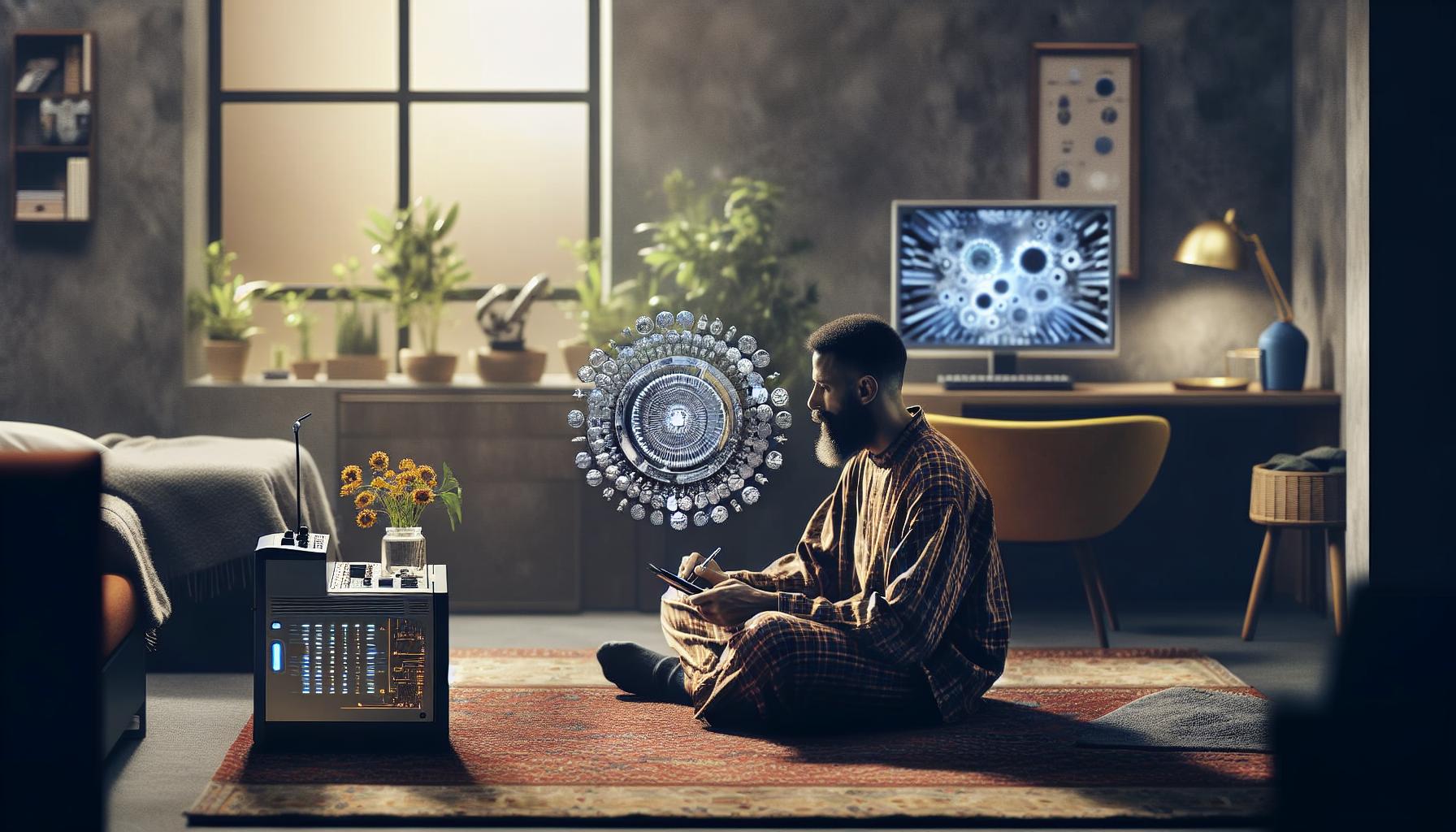
Key Equipment Used in Home Sleep Studies
Home sleep studies rely on a variety of specialized equipment designed to monitor key physiological signals while you sleep in your own environment. This testing setup is generally less invasive and more comfortable than a traditional in-lab polysomnography, allowing for a more relaxed experience. By understanding the key devices involved in these studies, you can better prepare for a home sleep assessment.
Key Devices Used
- Chest Belt Sensors: These straps are worn around your chest and are responsible for tracking your breathing patterns. They detect changes in airflow and effort, helping to monitor if and when breathing stops during sleep.
- Nasal Cannula or Mask: This device is positioned in your nostrils or over your nose to measure airflow. It provides real-time data on how well air is moving in and out of your airways.
- Pulse Oximeter: Often placed on your fingertip, this device measures your blood oxygen levels and heart rate. Low oxygen saturation can be a significant indicator of sleep apnea or other respiratory issues during sleep.
- Body Position Sensor: Typically a small device that attaches to your waistband, it monitors your sleep position. This information can be crucial, as certain positions may exacerbate sleep apnea symptoms.
- Microphone: To capture snoring sounds and potentially assess their frequency and intensity, most home sleep study kits include a microphone. This can provide insights into the severity of sleep apnea.
Understanding Device Application
Setting up your home sleep study equipment is generally straightforward. After receiving the testing kit, follow the instructions carefully to place each device. It’s advisable to do a trial run the evening before your actual sleep study to familiarize yourself with the devices and ensure they are securely placed. Many kits also include user-friendly guides, making the setup process intuitive.
The combination of these devices captures comprehensive data over the course of one or two nights. Each sensor tracks different aspects of your sleep, allowing healthcare providers to evaluate your sleep patterns effectively. However, it’s important to remember that these devices may not provide as detailed data as comprehensive in-lab tests, which can measure additional variables and stages of sleep. Still, for many individuals, home sleep studies can deliver valuable insights into sleep health with greater convenience and comfort.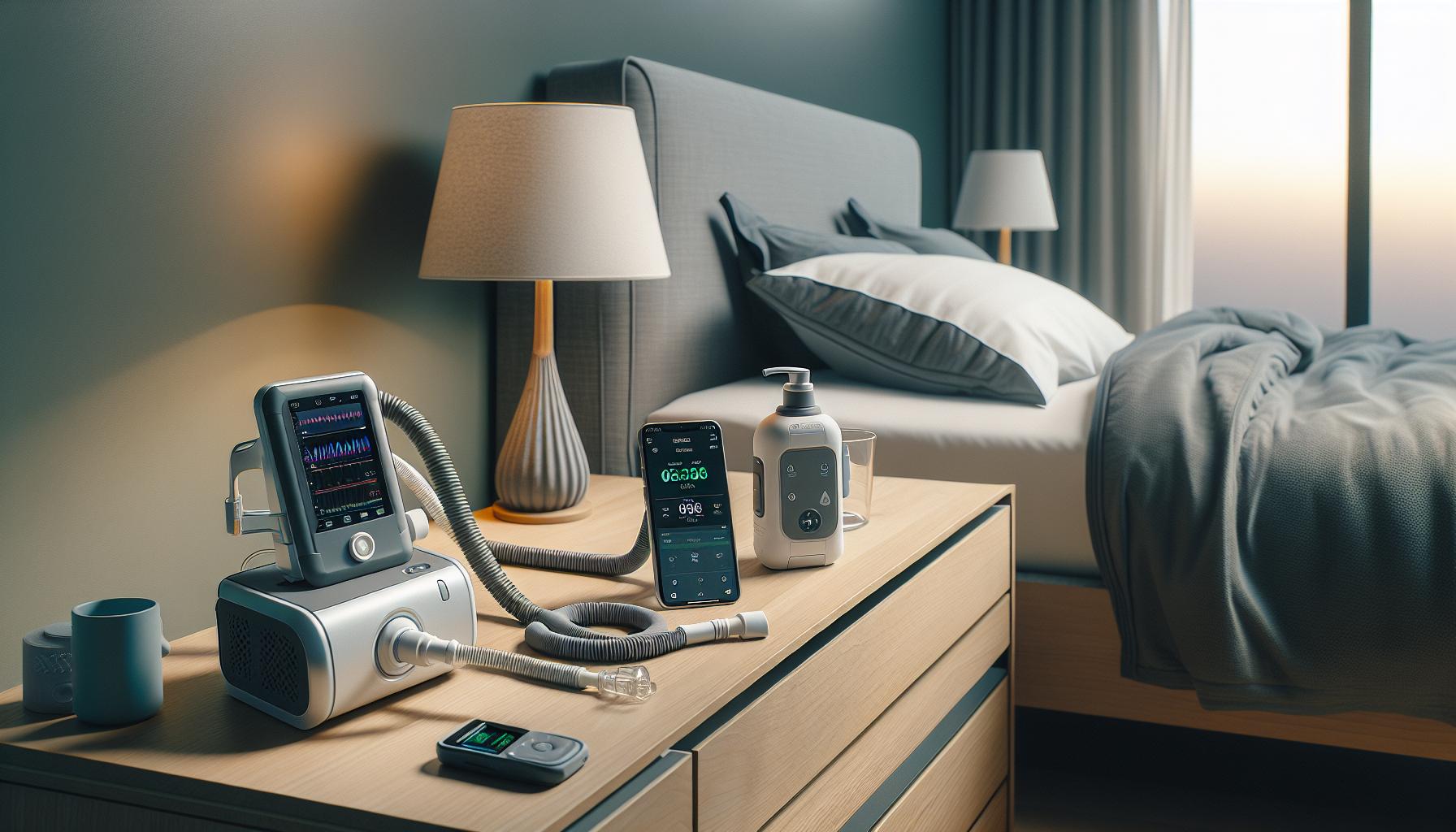
Step-by-Step Process for a Home Sleep Study
Preparing for a home sleep study can feel a bit daunting, but understanding the steps involved can ease your anxiety and empower you with confidence. First, you’ll receive a sleep study kit that contains all the necessary devices. Before your test night, it’s wise to familiarize yourself with this equipment. Most kits come with simple, clear instructions. Setting aside a bit of time to read through them can greatly increase your comfort.
On the night of the study, begin by ensuring you’re in a relaxed environment. Once you’re ready, you’ll attach the various sensors. This includes the chest belt to monitor your breathing, the nasal cannula or mask for airflow measurement, and the pulse oximeter on your fingertip to check blood oxygen levels. Here’s a quick checklist to help you during setup:
- Attach the Chest Belt: Make sure it fits snugly around your chest without being uncomfortable.
- Insert the Nasal Cannula or Mask: Position it correctly to ensure there’s minimal leakage of airflow.
- Secure the Pulse Oximeter: Place it on your fingertip and ensure it’s functioning properly.
- Set Up the Body Position Sensor: Fasten it around your waist to track your sleep posture.
- Test the Microphone: Check that it captures sounds clearly and is connected.
After everything is set up, dim the lights and settle into bed. Try to stick to your normal sleep schedule as much as possible. This will help the devices capture data that is representative of your typical sleep patterns. The study may last one or two nights, and throughout that time, the devices will continuously monitor various physiological metrics.
Once you complete the study, return the equipment as instructed. It’s important to remember that while home sleep studies are extremely useful, they may not capture every variable that a traditional in-lab sleep study might. However, they can still provide valuable insights into your sleep health, making it a suitable option for many individuals looking to understand and improve their sleep quality.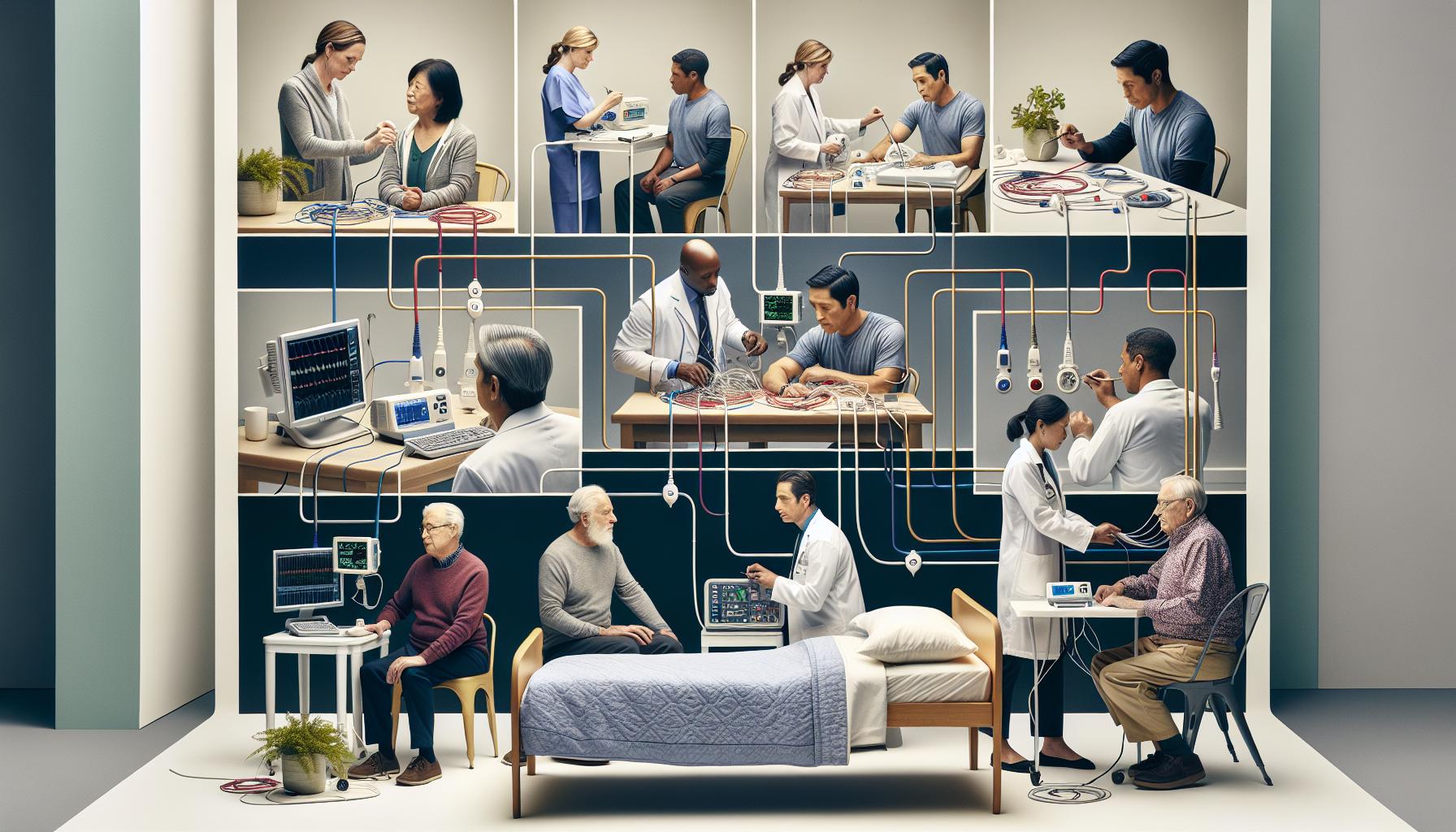
What to Expect During the Sleep Study Night
On the night of your home sleep study, expect a blend of excitement and perhaps a touch of anxiety, which is completely normal. Knowing what to anticipate can significantly ease your mind. After receiving your sleep study kit and familiarizing yourself with the equipment, it’s time to set the stage for a smooth testing experience. Ensure your sleeping environment is cozy and conducive to rest, just as you would on a typical night.
Once you’re ready, you’ll put on the equipment that will track your sleep behavior. This typically includes a chest belt that monitors your breathing pattern, a nasal cannula or mask that measures airflow, and a pulse oximeter clipped to your fingertip to check your blood oxygen levels. As you prepare, here’s a simple checklist to help you manage the setup:
- Attach the Chest Belt: Ensure it is snug but comfortable.
- Use the Nasal Cannula or Mask: Position it properly to minimize any airflow leaks.
- Secure the Pulse Oximeter: Check that it’s functioning correctly on your fingertip.
- Set Up the Body Position Sensor: Place this around your waist to track your sleep posture.
- Test the Microphone: Confirm it can capture sounds clearly and is properly connected.
As the evening progresses, dim the lights and stick to your routine sleeping pattern as closely as possible. This helps the devices gather accurate data that reflects your typical sleep quality. Remember that the study will observe various physiological metrics for one or two nights. It can be beneficial to relax and listen to calming music or read a book, allowing your body to unwind and ease into sleep.
After your home sleep study is complete, return all equipment as instructed. While these home tests provide invaluable insights, they may not capture the same depth of information as an in-lab study. However, they can still reveal significant information about your sleep health, making them a practical choice for individuals seeking to optimize their sleep patterns.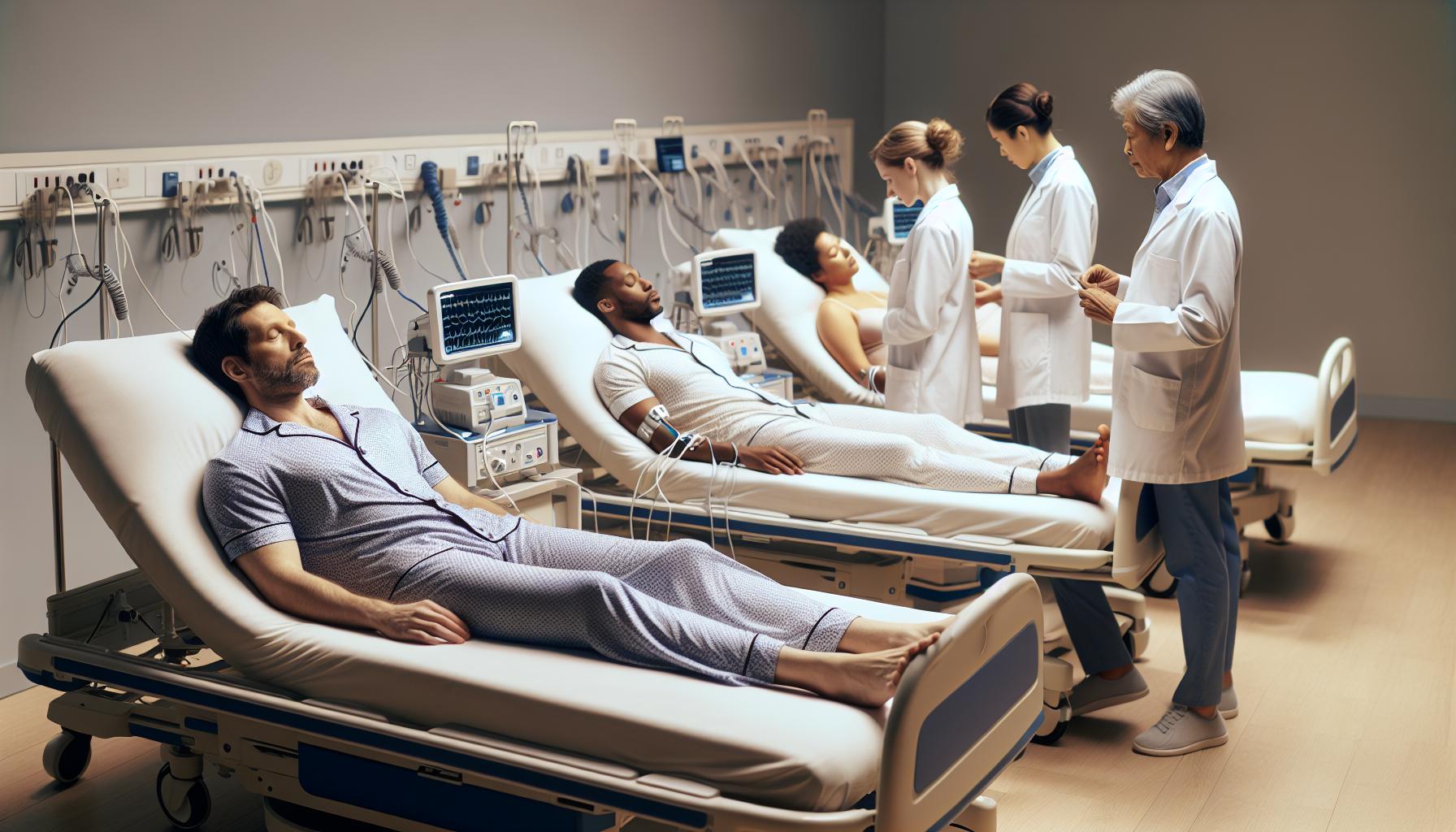
Interpreting Your Sleep Study Results
Understanding the results of your home sleep study can be both enlightening and overwhelming. It’s crucial to know that these tests can provide key insights into your sleep patterns and potential disorders, but interpreting the data requires some guidance. Typically, your study will measure various physiological signals, including breathing patterns, oxygen levels, and heart rate variations, to assess your sleep quality.
When you receive your results, they will often be presented in a report detailing critical metrics such as the Apnea-Hypopnea Index (AHI)-this number represents the severity of sleep apnea. A lower AHI signifies fewer interruptions in breathing during sleep, while a higher AHI indicates more severe sleep apnea. It’s also common to see charts or graphs illustrating your oxygen saturation levels throughout the night. Keep an eye on how often your levels dip below 90%, as this may highlight periods of disturbed sleep.
Two main components often assessed in test results include sleep stages and disruptions. Home sleep studies primarily focus on obstructive sleep apnea (OSA), but they can also hint at other conditions like hypopnea (shallow breathing) or even periodic limb movement disorder. Look for notes on transitions between light sleep, deep sleep, and REM sleep, as disruptions in these patterns can be significant indicators of sleep quality.
Understanding the implications of your findings is equally essential. If your results indicate OSA or another sleep condition, don’t hesitate to discuss treatment options with a sleep specialist. They can help determine whether lifestyle changes, CPAP therapy, or further testing is appropriate. Remember, your sleep study is just the first step in a journey towards better sleep health. Each body is unique, and what works for one person may not for another, so a tailored approach is key to improving your sleep quality.
Common Sleep Disorders Detected by Home Studies
Common sleep disorders often detected through home studies primarily include obstructive sleep apnea (OSA), central sleep apnea, and hypopnea. Understanding these conditions is crucial for anyone seeking better sleep health, as they can significantly impact both nighttime rest and daytime functioning.
Obstructive sleep apnea is by far the most common disorder identified. During an OSA episode, the throat muscles intermittently relax and block the airway, leading to disrupted breathing patterns. This results in repeated interruptions in sleep and can manifest in symptoms such as loud snoring, gasping for air during sleep, and excessive daytime sleepiness. A home sleep study can effectively monitor breathing patterns, allowing the test to capture the apnea-hypopnea index (AHI) that helps gauge the severity of this condition.
Another condition identified through these studies is hypopnea, characterized by shallow breathing. Although less severe than obstructive sleep apnea, persistent hypopnea can affect oxygen levels and overall sleep quality. Regular monitoring can reveal how frequently these episodes occur and their duration, informing potential interventions required to enhance sleep quality.
Central sleep apnea, on the other hand, occurs when the brain fails to send proper signals to the muscles that control breathing-this is less common than OSA but equally serious. Home sleep studies measure not only the individual’s breathing but also their blood oxygen levels, capturing the nuances of this disorder.
Recognizing these disorders early through home sleep studies can aid in timely treatment, thus improving sleep quality and overall health. If you suspect you suffer from any of these conditions, discussing your symptoms and potential testing with a healthcare provider can be an essential step toward a healthier sleep pattern and improved well-being.
Cost Comparison: Home Sleep Study vs. In-Lab Study
When considering sleep studies, cost often plays a pivotal role in decision-making. Home sleep studies are generally far less expensive than traditional in-lab sleep tests. While prices can vary, the average cost of a home sleep study typically ranges from $150 to $500, whereas in-lab studies can set you back anywhere from $1,000 to $3,000 or more, depending on the facilities and specific tests performed. This significant cost difference makes home studies an appealing option for many individuals seeking to diagnose conditions like obstructive sleep apnea.
Another advantage of home sleep studies is the convenience they offer, allowing patients to undergo testing in their natural sleep environment. Traditional lab studies often require overnight stays filled with wires and monitors, which can be uncomfortable and anxiety-inducing. In contrast, home sleep tests typically use lightweight portable devices that track your breathing, heart rate, and oxygen levels while you sleep. This simplicity, coupled with lower costs, is prompting both patients and physicians to favor home-based testing methods for initial assessments.
However, cost should not be the sole consideration. Patients must also think about the accuracy and comprehensiveness of each method. While home sleep studies are suitable for diagnosing many cases of obstructive sleep apnea, in-lab studies provide a more extensive range of monitoring and can assess other sleep disorders more thoroughly through polysomnography. For patients with complex cases or those who fail home testing, in-lab studies remain a crucial part of the diagnostics landscape.
Ultimately, the choice between a home sleep study and an in-lab study should take into account both budget constraints and clinical needs. Speaking with a healthcare provider can provide clarity, as they can help determine which option aligns best with your individual circumstances and overall health goals. Consider your options carefully, keeping in mind both the financial aspects and the importance of accurate diagnosis for achieving better sleep health.
Insurance Coverage for Home Sleep Studies
Understanding the intricacies of is vital for anyone considering this diagnostic option. While home sleep tests are generally more affordable than their in-lab counterparts, it’s essential to know how your insurance will handle these costs. Many insurance providers view home sleep apnea tests (HSATs) favorably, primarily because they are less costly and provide an efficient method for diagnosing sleep apnea. However, coverage can vary significantly based on your plan and provider.
Many private insurance plans and Medicare cover home sleep studies, often requiring prior authorization. To improve your chances of coverage, documentation from your healthcare provider is crucial. This documentation should outline your symptoms and the medical necessity for the study, which helps justify its need to your insurer. Here are some key points to consider when navigating insurance coverage:
- Pre-authorization: Confirm whether your insurance requires pre-approval before proceeding with a home sleep study. This can prevent unexpected out-of-pocket costs.
- Provider Networks: Ensure the testing provider is within your insurance network, as out-of-network services may not be covered or may involve higher deductibles.
- Cost Sharing: Be aware of potential copayments or deductibles that may apply. Understanding these figures helps you budget for any expenses not covered by insurance.
- Follow-Up Assessments: If your home sleep study results suggest further testing or continuous positive airway pressure (CPAP) therapy, check if these subsequent treatments are also covered under your plan.
To optimize your reimbursement, keep meticulous records of all communications with your insurer. This proactive approach can streamline the claims process and provide clarity on your coverage. Remember, discussing these details with your healthcare provider can facilitate a smoother path through the insurance maze, ensuring that you receive the necessary care without excessive financial stress.
In summary, while home sleep studies represent an accessible route for diagnosing sleep-related disorders, successfully navigating insurance coverage requires careful preparation and proactive communication. By understanding your policy and working alongside your healthcare provider, you can alleviate concerns about out-of-pocket expenses and focus on improving your sleep health.
Troubleshooting Home Sleep Study Devices
When preparing for a home sleep study, it’s common to feel a bit overwhelmed by the technology involved. However, understanding how to troubleshoot the devices you’ll be using can make a significant difference in your experience and the accuracy of the results. Each piece of equipment is designed to be user-friendly, but occasional issues may arise that could interfere with your sleep data collection.
One of the most crucial components is the breathing monitor, which may require adjustments to fit comfortably and securely. If you notice the monitor isn’t tracking your breathing effectively, check the placement of any sensors and ensure they aren’t obstructed by bedding or clothing. Additionally, make sure any sticky pads are firmly attached to your skin; loose connections can lead to inaccurate data.
Another frequent concern is battery life. Devices typically come with fully charged batteries, but it’s wise to confirm this before starting your study. If the battery seems low, make sure you recharge your device as needed according to manufacturer instructions. Should you encounter issues with connectivity, such as Bluetooth problems or app syncing errors, try restarting your device and the accompanying app, as this often resolves connectivity glitches.
For added reassurance, familiarize yourself with troubleshooting resources provided by the device manufacturer. Many offer detailed FAQs or customer service contacts to assist with common issues. Should your device malfunction persistently or you feel uncertain about the setup, don’t hesitate to reach out to the sleep study provider for assistance. They can guide you through the troubleshooting process or suggest alternative devices if needed.
Remember, the goal of the home sleep study is to gather accurate data to help assess potential sleep disorders. Taking the time to address device issues proactively will not only enhance your comfort during the test but also improve the reliability of your results, leading to better-informed insights into your sleep health.
Advancements in Sleep Tracking Technology
Today’s are revolutionizing the way we monitor and understand our sleep patterns, making home sleep studies more accessible and effective. Modern devices now offer users a combination of precision, convenience, and comfort that wasn’t possible just a few years ago. With features like real-time data analysis and advanced sensors, home sleep studies have become a vital tool for diagnosing sleep disorders, notably sleep apnea, and insomnia.
One major leap in technology is the integration of multiple sensors in compact, easy-to-wear devices. Contemporary home sleep monitors often include sleeping position detection, heart rate variability tracking, and even blood oxygen level measurements, providing a comprehensive overview of an individual’s sleep state. For example, recent models can differentiate between light, deep, and REM sleep, giving insightful feedback on the quality of rest. This data is invaluable for tailoring treatments and lifestyle changes, as it allows users to understand how their nightly habits affect their overall sleep health.
Wearable Technology vs. Home Sleep Monitors
The market is filled with various options, from simple wearable trackers that monitor sleep duration and quality to sophisticated home sleep study devices. While wearables like fitness trackers can provide a general overview, they may lack the specific data needed for a clinical diagnosis of sleep apnea. Home sleep monitors used in studies, however, are designed specifically for comprehensive assessments, capturing metrics that include airflow, airway resistance, and oxygen saturation.
While these devices significantly enhance the user experience, it’s important to recognize their limitations. Home sleep studies cannot replace traditional in-lab sleep studies, especially for complex cases where a full polysomnography is required. Educating oneself on the capabilities and limitations of these technologies aids in making informed choices about sleep health management.
As technology continues to progress, we can expect even more sophisticated tools that not only improve the user experience but also integrate seamlessly with existing health platforms, allowing for holistic management of sleep health. This means that users will have better access to their sleep data, leading to more tailored interventions. Ultimately, the goal of these advancements is to empower individuals to take proactive steps toward achieving better sleep and, by extension, improved overall health.
When to Seek Professional Sleep Evaluation
Navigating sleep health can be overwhelming, especially when persistent issues threaten your well-being. While home sleep studies offer a convenient option to gather essential data, there are times when seeking professional evaluation becomes crucial. If you experience severe symptoms like excessive daytime sleepiness, loud snoring, or observed instances of paused breathing during sleep, it’s vital to consult a healthcare professional. These symptoms can indicate underlying conditions such as obstructive sleep apnea, which require more comprehensive investigation than a home setup can provide.
Professional evaluations are not just for acute cases. If you notice consistent patterns that disrupt your sleep for weeks or months, such as difficulty falling asleep, frequent waking during the night, or waking up feeling unrefreshed, it may be time to reach out to a sleep specialist. These experts can conduct a thorough assessment, including in-lab polysomnography if needed, to accurately diagnose conditions that may not present themselves adequately through at-home testing alone.
When Home Tests Fall Short
Home sleep studies are designed to monitor basic parameters like airflow and oxygen saturation, but they don’t capture the full spectrum of sleep disturbances. For instance, if your symptoms include complex sleep disorders such as parasomnias (like sleepwalking) or significant variations in sleep stages, a lab-based study with comprehensive monitoring tools becomes essential. Additionally, if initial home testing suggests potential sleep apnea, transitioning to a professional evaluation can ensure that you receive appropriate therapy, such as Continuous Positive Airway Pressure (CPAP) treatment.
Trust Your Instincts
Ultimately, trust your instincts about your health. If something feels off or your sleep issues start to interfere with your daily life, don’t hesitate to seek help. Engaging with a professional can provide not only comprehensive diagnostics but also tailored treatment options that a simple home study might miss. Your sleep health is too important to leave to chance, and understanding the limits of at-home testing empowers you to make informed decisions for your well-being.
Real-Life Scenarios: Home Study vs. Wearable Tracker
Imagine being able to assess your sleep quality right from the comfort of your own bed. This is the promise of home sleep studies, and they provide a compelling alternative to traditional lab tests. Yet, with the advent of wearable sleep trackers, many wonder which option is better suited for their needs. Here’s a look at real-life scenarios illustrating when to opt for a home study versus relying on wearable tech.
For those experiencing symptoms like excessive snoring or daytime sleepiness, a home sleep study can be instrumental. For example, a middle-aged man who frequently wakes up gasping might consult his doctor, who recommends a home sleep study to check for sleep apnea. The at-home kit typically includes a monitoring device that tracks his breathing and oxygen levels overnight, giving doctors a clear view of his sleep patterns without the complications of an overnight stay in a sleep clinic.
Conversely, a college student struggling with occasional insomnia might consider using a wearable tracker. These devices monitor sleep duration and patterns but provide limited clinical insight. While they may highlight issues like restless sleep or frequent awakenings, they lack the comprehensive data of a home study. In this case, the student could use the tracker to identify and adjust habits-like reducing screen time before bed-before deciding to pursue a more formal evaluation if problems persist.
Key Differences to Consider
When choosing between a home sleep study and a wearable tracker, consider the following:
- Comprehensiveness: Home sleep studies typically provide detailed insights into respiratory issues and sleep stages, making them better suited for suspected sleep disorders.
- Convenience: Wearable trackers are easy to use and inexpensive, serving as an initial step in understanding sleep quality.
- Cost: Home sleep studies may be covered by insurance, while wearables are often out-of-pocket expenses.
- Clinical Guidance: Professional evaluations, including home studies, provide actionable data interpreted by qualified sleep specialists, while wearables mainly serve as informational tools.
Ultimately, if your sleep concerns are severe or chronic, a home study is likely the better option. However, for those curious about their sleep trends or looking to make minor adjustments, wearables can be a good starting point. Understanding the strengths and limitations of each method empowers you to make informed decisions about your sleep health.
Faq
Q: What is the purpose of a home sleep study?
A: The purpose of a home sleep study is to diagnose sleep disorders, primarily obstructive sleep apnea (OSA). By monitoring your sleep patterns and vital signs in the comfort of your home, healthcare providers can obtain crucial data to guide treatment plans.
Q: How long does a home sleep study take to perform?
A: A home sleep study typically takes one night to perform. During this time, the equipment records data on your sleep patterns, including respiration, heart rate, and oxygen levels. Once you wake up, you will return the equipment for analysis.
Q: What should I do before a home sleep study?
A: Before a home sleep study, follow your doctor’s instructions, which may include avoiding caffeine and alcohol the day of the test. Additionally, ensure you have a quiet and comfortable sleep environment. You may also need to adjust your usual bedtime routine.
Q: How is equipment set up for a home sleep study?
A: Setting up equipment for a home sleep study usually involves wearing a belt to monitor your chest movement, placing sensors on your fingers for oxygen tracking, and wearing nasal cannulas for airflow measurement. Your healthcare provider will guide you through this simple process.
Q: Can a home sleep study detect other sleep disorders?
A: Yes, a home sleep study can sometimes detect other sleep disorders like periodic limb movement disorder (PLMD) or central sleep apnea, although obstructive sleep apnea is the primary focus. A thorough evaluation of the recorded data is necessary for accurate diagnosis.
Q: How accurate are home sleep study results?
A: Home sleep study results can be quite accurate for diagnosing obstructive sleep apnea when proper equipment is used. However, they may not provide as comprehensive a view as in-lab studies, especially for complex sleep disorders. Always consult a sleep specialist for interpretation.
Q: What happens after a home sleep study is completed?
A: After completing a home sleep study, you will return the equipment to your healthcare provider. The data will be analyzed, and your doctor will discuss the results with you, including any diagnoses and recommended treatment options based on the findings.
Q: Can I prepare for a home sleep study?
A: Yes, you can prepare for a home sleep study by following any pre-study guidelines provided by your doctor. This includes maintaining a regular sleep schedule, avoiding sleep aids, and creating a sleep-friendly environment. Proper preparation can enhance the accuracy of the study results.
Future Outlook
As you consider the benefits of a home sleep study, remember that this convenient option can enhance your understanding of your sleep health without the stress of a clinic visit. With easy setup and interpretation by certified professionals, it’s an effective first step in diagnosing sleep disorders. Don’t let uncertainties hold you back-if you’re experiencing symptoms of sleep apnea or other sleep-related issues, taking this proactive step can significantly improve your quality of life.
To learn more about types of sleep studies, or to explore options for at-home monitoring devices, check out our articles on understanding sleep apnea and how to choose the right sleep tracker. For personalized advice tailored to your situation, consider scheduling a consultation with one of our sleep health advisors. Your journey to better sleep starts with informed choices-so dive deeper and empower yourself with the right knowledge today! Share your thoughts in the comments, and don’t forget to sign up for our newsletter for the latest insights and tips on sleep wellness.
Get our latest guides, news, and insights highlighted in your Google Search & AI Overviews.