
Did you know that around one in three adults in the U.S. struggle with sleep deprivation? It’s a significant issue that can impact your health and daily life. A home sleep study offers a convenient solution to identify sleep disorders from the comfort of your own bed. This guide will walk you through the step-by-step process of conducting a home sleep study, covering everything from setup to what you can expect. By understanding how these studies work, you can take proactive steps toward improving your sleep health and overall well-being. Whether you suspect a sleep disorder or simply want to optimize your sleep quality, this information will empower you to make informed decisions about your health. Keep reading to discover how easy it can be to get started on your path to better sleep.
Understanding Home Sleep Studies: A Comprehensive Overview
Home sleep studies, or home sleep apnea tests (HSATs), provide a convenient and efficient way to diagnose sleep disorders such as obstructive sleep apnea, all within the comfort of your own home. These tests are designed to monitor essential parameters while you sleep, offering a viable alternative to traditional in-lab sleep studies, which can often be inconvenient and intimidating. With the advancement of technology, these home tests are becoming increasingly popular for their accessibility and accuracy.
During a home sleep study, you will typically wear a device that collects data on your breathing patterns, heart rate, and oxygen levels. The key advantage lies in the relaxed and familiar environment of your bedroom, which can lead to more natural sleep patterns than those observed in a clinical setting. This type of testing is often less expensive than in-lab studies, which is an appealing aspect for many individuals concerned about healthcare costs. Moreover, many health insurance plans now cover the costs of home sleep studies, making them an affordable option for sleep diagnostics.
To maximize the effectiveness of a home sleep study, it is essential to understand the preparation required as well as the functionalities of the equipment used. The devices used for these tests vary but generally include nasal cannulas or face masks, pulse oximeters, and sometimes electrocardiogram leads. Getting familiar with how to set up and use these devices properly will ensure the best possible outcome for your test results. Additionally, addressing any anxiety or concerns before your test can improve your overall experience and the quality of data collected.
In the realm of sleep health, home sleep studies present a compelling choice for diagnosing sleep disorders, allowing individuals to pursue their health needs with comfort and convenience. By understanding how these studies work, you can take proactive steps towards better sleep and overall wellbeing.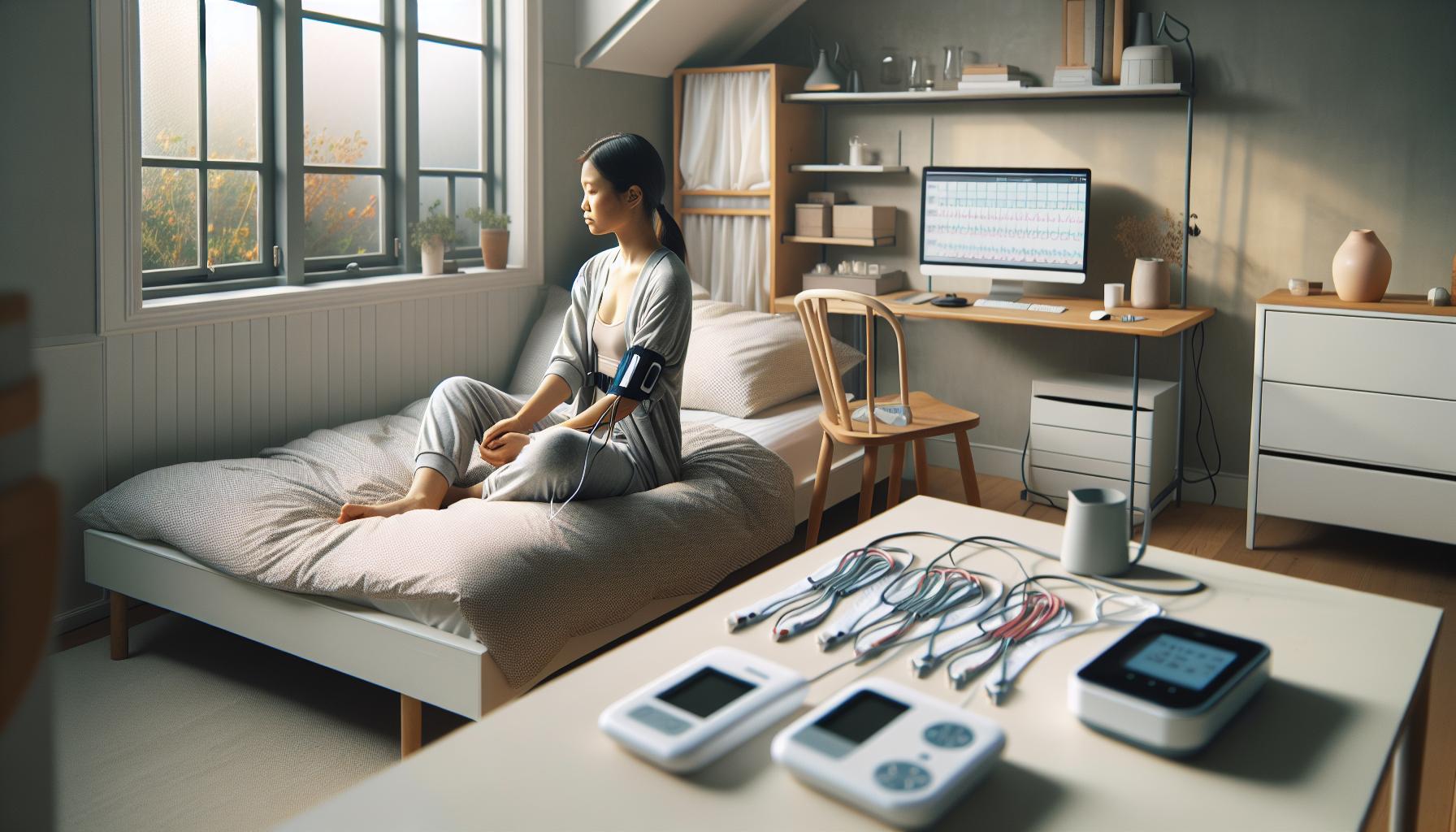
What to Expect During a Home Sleep Study
A home sleep study is designed to be straightforward and user-friendly, providing valuable insights into your sleep patterns without the anxiety of a clinical setting. You can expect to comfortably engage in the testing process in your own familiar environment, which often leads to more natural sleep behavior and, consequently, more reliable data.
First, it’s essential to understand the device you will be using. Typically, a home sleep apnea test device includes a nasal cannula or face mask to monitor airflow, a pulse oximeter clipped to your finger to assess oxygen levels, and belts around your chest and abdomen to track your breathing effort. When the test begins, these components will work together to collect data on your sleeping patterns, such as snoring events, pauses in breathing, and oxygen desaturation episodes. Expect to wear the device for one or multiple nights, depending on your specific testing requirements.
Setting up your equipment is usually a simple process. Follow the instructions provided by your healthcare provider or the testing kit. You might need to perform the following steps:
- Familiarize yourself with the device: Take time to read the manual thoroughly and understand each component’s function before your first night.
- Maintain a sleep diary: Document your regular sleep patterns leading up to the test. This can include things like your usual bedtimes, wake times, and any issues you notice with your sleep.
- Prepare your sleep environment: Ensure your bedroom is conducive to sleep-dim lighting, comfortable linens, and a cool temperature can help create the ideal atmosphere.
During the study, let yourself relax. Anxiety about the device and the monitoring might feel overwhelming, but remember: the goal is to gather information about your sleep without your usual worries about feeling observed. Use techniques such as deep breathing or progressive muscle relaxation to help calm any nerves.
Each night, once the devices are recording, you can check in on how comfortable you feel with the setup. However, keep in mind that adjusting to wearing the apparatus might take a little time, especially if you’re not used to sleeping with devices on your body.
The results of the sleep study will typically take a few days to analyze. Once processed, they will give you and your healthcare provider detailed insights into your sleep health, which can guide further steps in your treatment or management of sleep disorders. Overall, preparing well, understanding what to expect, and allowing yourself to relax can significantly enhance the quality of your home sleep study experience.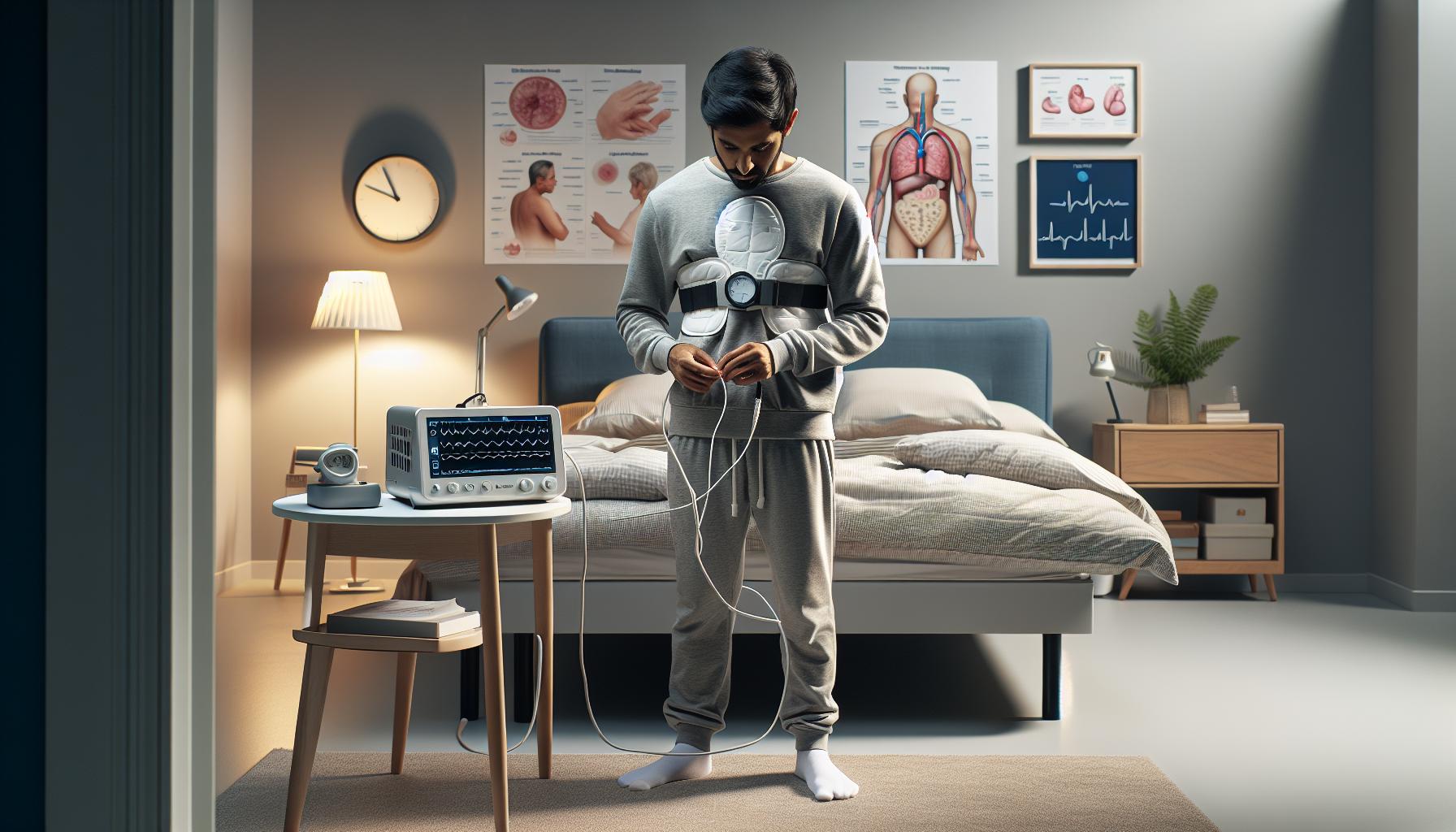
The Step-by-Step Process for Setting Up Your Sleep Study
Preparing for a home sleep study involves several key steps that can enhance your overall experience and ensure accurate results. It’s essential to tackle the setup systematically to alleviate any potential stress and uncertainty. By taking the time to properly set up your equipment and familiarize yourself with the testing process, you can help create an environment that is conducive to restful sleep while gathering the necessary data for your healthcare provider.
Start by carefully reading through the instructions provided with your testing kit. Understanding each component of the sleep study device is vital. Most home sleep apnea tests include a nosepiece or mask to monitor your airflow, a pulse oximeter to measure oxygen saturation, and adjustable belts that wrap around your chest and abdomen to track your breathing patterns. Make sure to identify each part and its purpose, which will help you feel more confident as you prepare for your study.
Next, it’s beneficial to maintain a sleep diary leading up to your test. In this diary, jot down your usual sleep patterns, noting the times you go to bed and wake up, along with any sleep issues you’ve encountered, such as snoring or frequent awakenings. This information can provide additional context to your healthcare provider when you discuss the results.
Creating the ideal sleep environment is also crucial. Your bedroom’s ambiance plays a significant role in your ability to fall asleep naturally. Ensure that your sleeping space is dark, quiet, and at a comfortable temperature. Using blackout curtains, white noise machines, or even earplugs can help mitigate any environmental disturbances.
On the night of the study, aim to relax and unwind. Although wearing the equipment might initially feel awkward, remind yourself that it’s a temporary process aimed at improving your sleep health. Take deep breaths, and try relaxation techniques like reading or listening to calming music before bed. By approaching the sleep study with a positive mindset and prepared environment, you’re setting the stage for more accurate results and a more comfortable testing experience.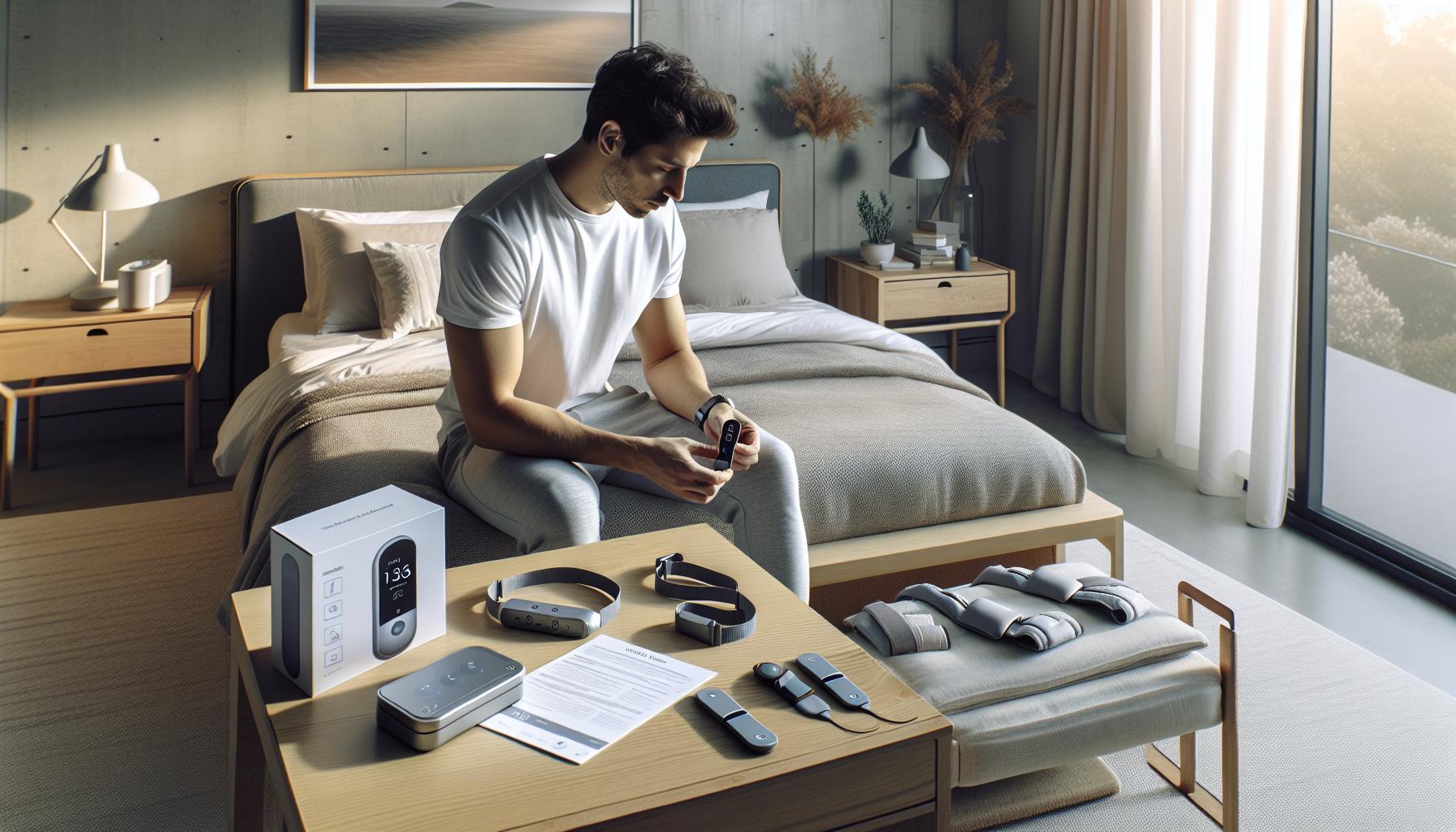
Choosing the Right Equipment for Your Home Sleep Study
Selecting the appropriate equipment for your home sleep study is crucial for obtaining accurate results and understanding your sleep health. The right setup not only enhances the quality of the data collected but also ensures a smoother experience during the testing night. Most home sleep apnea tests include a few essential components which are straightforward, yet vital for your evaluation.
Key Equipment Components
Typically, your home sleep study kit will come with the following items:
- Nosepiece or Mask: This device captures airflow and helps to monitor whether you experience apneas or hypopneas (pauses in breathing).
- Pulse Oximeter: This small clip is placed on your finger and measures your blood oxygen levels, providing critical data on how well your body is receiving oxygen during sleep.
- Chest and Abdomen Straps: These adjustable belts monitor your breathing patterns by tracking the movement of your chest and abdomen as you sleep.
Before your home sleep study, familiarize yourself with each piece of equipment. Understanding how they work will help eliminate anxiety and allow you to focus on getting a good night’s sleep. Many kits also come with detailed instructions; reading these thoroughly will ensure you set everything up correctly.
Comfort and Fit
Comfort is key when it comes to wearing sleep study equipment overnight. For instance, if a mask or nosepiece feels uncomfortable or is ill-fitting, it could disrupt your sleep and skew results. Don’t hesitate to make adjustments to the straps or even consult your healthcare provider or the company from which you received the equipment. They often have tips on achieving a better fit, such as using liners or choosing the right size, which can significantly improve your comfort.
Ultimately, the right equipment-paired with a good setup and a comfortable sleep environment-can lead to more reliable findings. It empowers you to participate actively in your sleep health journey, allowing for informed discussions with your healthcare provider about potential sleep disorders like sleep apnea, which might necessitate further evaluation or treatment. By understanding what to expect from your home sleep study kit, you’ll not only alleviate some of your pre-study anxiety but also position yourself for success in evaluating your sleep quality.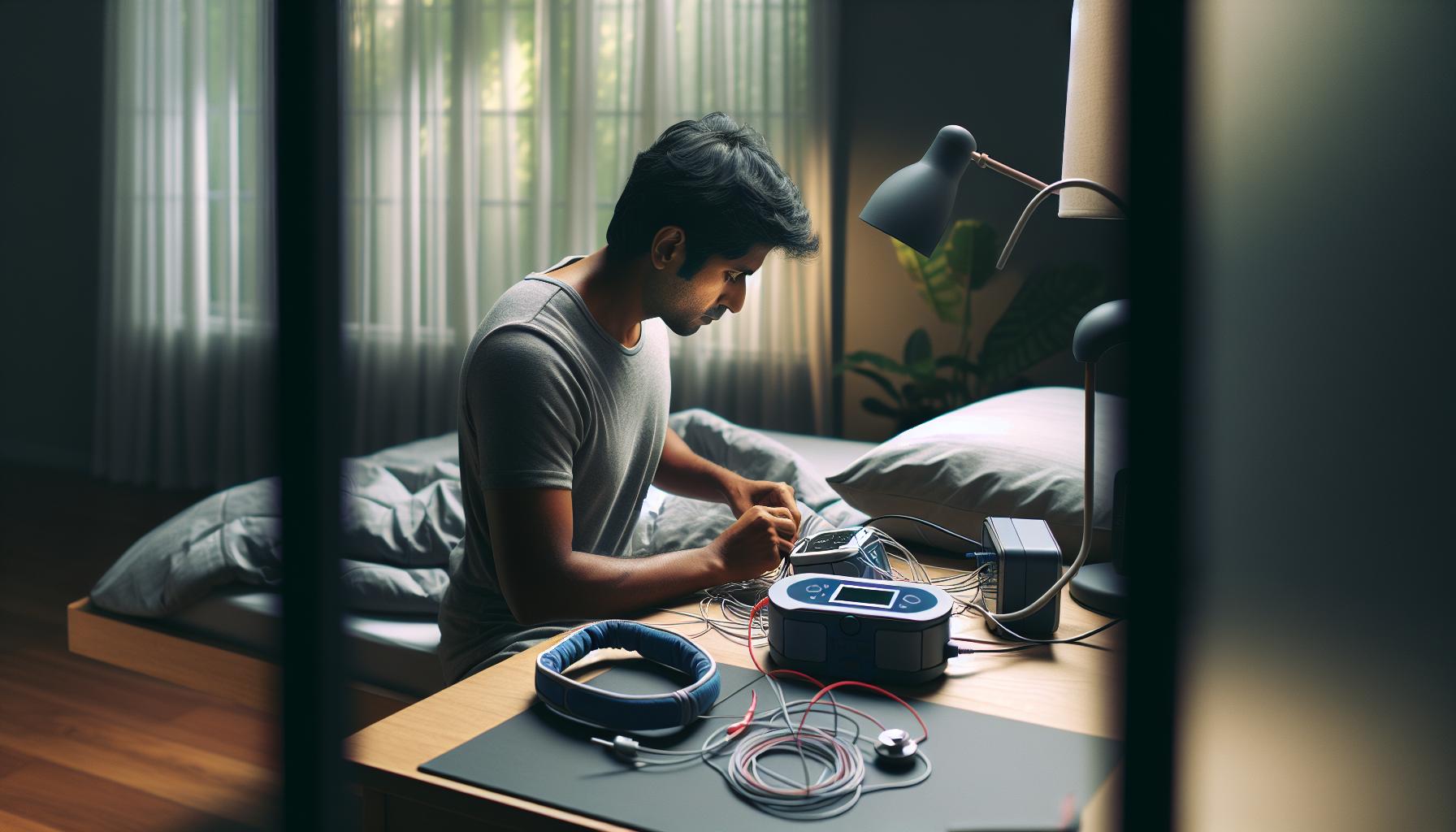
Troubleshooting Common Issues with Sleep Study Devices
Navigating the realm of home sleep studies can be daunting, particularly when encountering potential device issues. Knowing how to troubleshoot common problems not only enhances your experience but also crucially impacts the accuracy of your results. Many users report feeling some anxiety about possible equipment malfunctions, but understanding how to address these concerns can turn a stressful night into a restful one.
If you find that the nosepiece or mask is uncomfortable or leaking air, don’t hesitate to make adjustments. Ensuring a snug yet comfortable fit is essential. Pay attention to the straps; they should be tightened just enough to create a seal without causing discomfort. If you’re using a mask, consider trying a different size or style, as there are often various options available that might suit you better.
Another common issue is the pulse oximeter not reading accurately. If the device shows erratic data or fails to register at all, make sure it’s properly positioned on your fingertip and that the area is warm enough for effective reading. Cold fingers can restrict blood flow, leading to inaccurate readings. It’s also a good idea to check the battery to ensure it is adequately charged or replaceable if it feels weak.
In the case of difficulty with the chest and abdomen straps, positioning can be crucial. Ensure that these straps are placed correctly around the body to track movements effectively. Misalignment can lead to unreliable data. If issues persist, refer to the product guide for tips on adjustments or contact customer support from the testing service for guidance.
If, despite your best efforts, something doesn’t feel right during your sleep study or you’re not collecting the intended data, don’t hesitate to reach out to your healthcare provider or the sleep study company. They can offer troubleshooting advice or re-evaluate your setup as needed, ensuring that you feel comfortable and confident as you gather important insights into your sleep health. Remember, your comfort during the process is key to obtaining meaningful results.
Interpreting Your Sleep Study Results Effectively
Understanding your sleep study results can feel overwhelming, especially if it’s your first time navigating this world. However, breaking down the complexity into manageable parts can help clarify what those results mean for your health. Typically, a home sleep study focuses on parameters like oxygen saturation, heart rate, respiratory effort, and airflow, which are collected while you rest. Understanding these measurements will empower you to discuss findings with your healthcare provider confidently.
Key Metrics Explained
When you receive your results, expect to see several key metrics highlighted. Here’s what each typically indicates:
- Apnea-Hypopnea Index (AHI): This score represents the number of apneas (complete cessation of breathing) and hypopneas (partial cessation of breathing) you experienced per hour of sleep. A higher AHI often suggests more severe sleep apnea.
- Oxygen Desaturation Levels: This shows how low your oxygen levels dropped during the night. Ideally, your oxygen saturation should be above 90%; prolonged dips can indicate significant breathing issues.
- Sleep Stages: Some devices can track the duration spent in different sleep stages, such as REM and deep sleep. This information can provide insights into the quality of your sleep.
Each of these metrics contributes to a broader understanding of your sleep health. If your AHI is elevated or your oxygen levels frequently dip below the normal range, these could be indicators of obstructive sleep apnea (OSA) or other sleep disorders.
Next Steps After Receiving Results
After you have the results, consider these practical steps:
- Consult with a Sleep Specialist: Reviewing your results with a healthcare provider is critical. They can help interpret the data in the context of your health history and symptoms.
- Discuss Treatment Options: If your results indicate sleep apnea, your doctor may recommend treatment options ranging from lifestyle changes and CPAP therapy to more advanced interventions.
- Monitor Symptoms: Keep track of how you feel day-to-day. If you’re still experiencing fatigue, snoring, or restless sleep, make sure to bring these concerns to your next appointment.
- Consider Lifestyle Changes: Regardless of your results, adopting healthier sleep hygiene practices-like a consistent sleep schedule, avoiding caffeine before bed, and creating a comfortable sleeping environment-can also aid sleep quality.
Understanding your sleep study results equips you with the knowledge you need to take back control of your sleep health. Don’t hesitate to ask questions to ensure clarity and make informed decisions about your well-being.
Comparing Home Sleep Studies to In-Lab Sleep Tests
Home sleep studies and in-lab sleep tests serve similar purposes but come with distinct differences that may influence your choice between them. Understanding these differences can empower you to make an informed decision about your sleep health.
One of the most significant advantages of home sleep studies is their convenience. You can conduct these tests in the comfort of your own bed, which often leads to more natural sleep patterns compared to the controlled environment of a sleep clinic. Additionally, home sleep studies are typically more cost-effective. They usually range from one-third to one-fifth the cost of traditional in-lab tests, making them a budget-friendly option for many patients [[2]].
However, while home sleep studies are effective for diagnosing obstructive sleep apnea (OSA), they may not capture the full range of sleep disorders as comprehensively as in-lab tests. In-lab tests, known as polysomnography (PSG), monitor various sleep stages and sleep-related phenomena with a range of sensors. This comprehensive approach can provide a more detailed analysis of sleep architecture, including REM sleep and the impact of other potential sleep disorders like narcolepsy or periodic limb movement disorder [[3]].
For patients who experience complex sleep disorders or require detailed medical evaluation, an in-lab sleep test might be the more suitable choice. Ultimately, the decision should be based on your specific symptoms, medical history, and the level of detail required in your evaluation. Consulting with a healthcare provider can help determine the most appropriate path for your sleep study needs, ensuring that you receive the best possible care while navigating your options.
Insurance Coverage for Home Sleep Studies: What You Need to Know
Navigating insurance coverage for home sleep studies can significantly ease the stress of testing for sleep disorders. Many people find that home sleep tests are more affordable than traditional in-lab studies, often costing between one-third to one-fifth of the price. Understanding how your insurance will handle these costs is crucial to avoid unexpected expenses.
Most insurance plans do cover home sleep studies, but the extent of that coverage can vary. It’s essential to check whether your specific plan requires pre-authorization. Some may mandate a physician’s referral before approving a home sleep test, especially if you have a history of complex sleep disorders that might necessitate more detailed in-lab testing. Contact your insurance provider to clarify the details, including:
- Coverage Limitations: Some plans may only cover home sleep tests for patients with certain symptoms or diagnoses, typically focused on obstructive sleep apnea.
- Co-pays and Deductibles: Be aware of any co-pays or deductibles that may apply to these tests, as they can affect your total out-of-pocket cost.
- Device Costs: Confirm whether the rental or purchase of the sleep study equipment is included in your insurance coverage.
If you discover that your insurance does not cover a home sleep study or if the coverage is minimal, ask your provider about a payment plan or discounts for self-pay patients. In many cases, companies offering home sleep testing can provide financial assistance or payment options that may make the tests more accessible.
By approaching this process equipped with knowledge and clarity, you can make informed decisions that ensure you receive the necessary care for your sleep health while managing costs effectively. Remember, being proactive about understanding your benefits can lead to a smoother experience when pursuing treatment.
The Role of Wearable Technology in Sleep Monitoring
Wearable technology has revolutionized the way we approach sleep monitoring, offering an accessible and user-friendly alternative to traditional sleep studies. With devices such as smartwatches, fitness trackers, and specialized sleep monitors, users can track various aspects of their sleep patterns, including duration, quality, and specific sleep stages. This technology provides valuable insights into personal sleep habits, allowing individuals to take proactive steps to improve their sleep health.
Many wearable devices use advanced sensors to monitor metrics like heart rate, movement, and even blood oxygen levels, providing a more comprehensive picture of sleep quality than many would expect. For example, a device might indicate not only how long you slept but also how many times you woke up or the amount of time spent in REM versus deep sleep. These insights can be pivotal for those considering a home sleep study, as they can help identify patterns that warrant further investigation by a healthcare professional.
However, while wearables offer convenience and data accessibility, they are not without limitations. It’s crucial to remember that the accuracy of these devices can vary significantly. Some wearables may struggle to accurately assess sleep stages compared to the polysomnography performed during an in-lab study, which remains the gold standard for diagnosing sleep disorders. Thus, while wearables can be excellent for general tracking and awareness, they should not replace professional evaluation if signs of a sleep disorder, such as excessive daytime sleepiness or snoring, are present.
To make the most of wearable technology in sleep monitoring, consider the following tips:
- Choose Wisely: Look for devices with strong reviews specifically regarding sleep tracking accuracy.
- Combine Data Sources: Use your wearable data alongside other methods, such as an at-home sleep study, for a well-rounded understanding of your sleep health.
- Be Consistent: Wear the device regularly to establish a reliable dataset, helping you identify trends over time.
In conclusion, wearable technology serves as a valuable tool in the journey toward better sleep health. By understanding their functionalities and using them in conjunction with home sleep studies or professional consultations, individuals can take significant steps toward optimizing their sleep quality and overall well-being.
Real-Life Scenarios: When to Seek Professional Help
Identifying when to seek professional help regarding sleep health can significantly impact your overall well-being. While many individuals can benefit from at-home sleep studies, there are specific scenarios where a consultation with a sleep specialist or the need for an in-lab polysomnography becomes essential.
It’s crucial to recognize consistent patterns of poor sleep. If you often experience excessive daytime sleepiness, loud snoring, or choking sensations during sleep, it may signify obstructive sleep apnea or another serious sleep disorder. For example, Maria, a 45-year-old who regularly wakes up gasping for air and feels exhausted during the day, would likely benefit from a professional assessment rather than relying solely on data from her smartwatch. Connecting with a healthcare provider can provide a comprehensive evaluation and ensure that appropriate treatment is accessed.
Underlying Health Conditions
Individuals with existing health issues, such as cardiovascular disease, diabetes, or respiratory problems, should consider professional assistance when facing sleep disturbances. Sleep disorders can exacerbate these conditions. For instance, John, a patient with hypertension, notices a spike in his blood pressure readings correlated with poor sleep quality reported on his sleep tracker. In this case, he should consult his doctor to explore whether a sleep study is warranted to diagnose potentially undetected sleep issues.
When Home Studies Fall Short
At-home sleep studies can provide useful insights, but they are not exhaustive. If your home test results are inconclusive or do not correlate with your symptoms, a sleep specialist may recommend an in-lab study to obtain a more comprehensive assessment. For instance, Jessica’s home sleep apnea test indicated mild apnea, but her severe daytime fatigue prompted further investigation through an in-lab polysomnography, which can measure brain activity, oxygen levels, and heart rate during sleep.
It’s vital to integrate wearable technology data but not to rely on it exclusively for diagnosing sleep disorders. As advanced as many sleep trackers are, they might miss critical indicators of underlying conditions. Always evaluate your health concerns holistically, and don’t hesitate to seek professional guidance when sleep issues impact your daily functioning or quality of life. Your health deserves a thorough and informed approach, blending technology with the expertise of healthcare professionals.
Understanding Sleep Disorders: Key Concepts Explained
Sleep disorders affect millions, often in ways we might not realize. From insomnia and sleep apnea to restless leg syndrome, these conditions can significantly impact daily life. Understanding sleep disorders begins with recognizing their common symptoms. For instance, persistent trouble falling asleep, frequent awakenings, or excessive daytime fatigue can all point to underlying issues.
Common Types of Sleep Disorders
Sleep Apnea
This disorder involves repeated interruptions in breathing during sleep, often leading to poor sleep quality. People with sleep apnea may snore loudly or wake up gasping for air. For example, a patient might feel excessively sleepy during the day and struggle with focus, adversely affecting work and social interactions.
Insomnia
Insomnia is characterized by difficulty falling or staying asleep. This can be caused by stress, medications, or underlying health issues. An impacted individual might lie awake for hours, leading to feelings of frustration and anxiety, further compounding the issue.
Restless Legs Syndrome (RLS)
RLS prompts uncomfortable sensations in the legs, leading to an uncontrollable urge to move them. This condition often worsens at night, significantly disrupting sleep and contributing to daytime tiredness.
How Sleep Studies Help
A home sleep study can be instrumental in diagnosing these conditions. By monitoring vital signs, including heart rate, oxygen levels, and breathing patterns during sleep, these tests provide valuable insights that inform treatment options. This is less invasive compared to traditional in-lab polysomnography, enabling many to take tests in the comfort of their homes.
For those dealing with chronic sleep issues, correlating their symptoms with data from a home sleep test can clarify the need for professional intervention. If initial findings show concerning patterns, follow-up with a sleep specialist may be critical for comprehensive care and tailored treatment solutions.
Key Takeaways
Recognizing symptoms of sleep disorders is the first step to seeking help. When symptoms persist, a home sleep study is a viable option to assess one’s sleep health without needing a lab setting. It’s essential to stay informed and proactive; whether through consulting healthcare providers or utilizing technology for monitoring, the aim is to ensure restful nights that contribute to overall well-being.
Tips for Reducing Anxiety Before Your Sleep Study
Feeling anxious before a home sleep study is completely normal. You’re not alone in wondering how to adjust to wearing unfamiliar devices while trying to fall asleep. Preparing mentally and physically can significantly ease your concerns and lead to a more successful study.
To start, it’s vital to understand what the process entails. Familiarize yourself with the equipment you’ll be using. Most home sleep studies involve a few simple devices, such as a nasal cannula or sensors for monitoring heart rate and oxygen levels. Knowing how to properly set them up can alleviate much of the uncertainty. Many companies provide user-friendly instructions or even videos that walk you through the setup steps, making it easier to feel confident on the night of your study.
Creating a calming bedtime routine can also help reduce anxiety. Consider engaging in relaxing activities leading up to bedtime, such as reading, taking a warm bath, or practicing gentle stretches. Dimming the lights and avoiding screens an hour before sleeping can signal to your body that it’s time to wind down. If you’re worried about falling asleep with the devices, try using them for shorter periods during the days leading up to your study to become accustomed to their presence.
Additionally, reach out to your healthcare provider or sleep technician with any questions about the study. Knowing that you have support and resources can be a soothing reassurance. They can provide clarity regarding what to expect during the night and help you understand how the data collected will be used to improve your sleep health.
Lastly, practice mindfulness or breathing exercises that can ground you when anxiety arises. Simple techniques, such as deep breathing or visualization, might ease your worries and help create a sense of calm. Remember, the overarching goal of the sleep study is to gain insights that can lead to better sleep and improved health, making the preparation worth it.
Q&A
Q: How do I prepare for a home sleep study?
A: To prepare for a home sleep study, ensure you maintain your regular sleep schedule, avoid caffeine and alcohol before the study, and follow any specific instructions from your healthcare provider. Familiarize yourself with the sleep study equipment and how to apply it, as outlined in the setup section of your guide.
Q: What equipment is typically used in a home sleep study?
A: A home sleep study often includes an apnea monitor, nasal cannula, and chest straps to measure breathing, airflow, and heart rate. Specific devices can vary, so it’s essential to choose the right one based on your needs, as discussed in the equipment selection section of your article.
Q: What should I do if I can’t sleep during the study?
A: If you have trouble sleeping during the study, try to relax and focus on your breathing. It’s crucial to minimize movement and follow your normal sleep routine. If issues persist, note them for discussion with your healthcare provider when you interpret the results.
Q: How long does a home sleep study usually last?
A: A home sleep study typically lasts one night, capturing data from your sleep cycle. The analysis can take longer, so expect to receive results within a few days to a few weeks, as highlighted in your article on interpreting results.
Q: Can I sleep in my normal bed during a home sleep study?
A: Yes, you can sleep in your normal bed during a home sleep study, which is one of the significant advantages of this method. Ensuring you’re in a comfortable setting can help produce more accurate results.
Q: How is data from a home sleep study analyzed?
A: Data from a home sleep study is analyzed by professionals who look for patterns in your sleep cycles, breathing, and movements. They review the data to determine if you have sleep disorders such as sleep apnea, which is discussed in your comparison of home studies versus in-lab tests.
Q: Are home sleep studies covered by insurance?
A: Many insurance plans cover home sleep studies, but coverage can vary. It’s essential to check with your insurance provider for specifics before scheduling, as mentioned in your section on insurance coverage for home sleep studies.
Q: What are the benefits of a home sleep study compared to an in-lab test?
A: Home sleep studies offer greater convenience, comfort, and flexibility, often at a lower cost compared to in-lab tests. They allow patients to sleep in their own environment, which is beneficial for capturing natural sleep patterns, as explained in your article on comparing the two methods.
Wrapping Up
As you consider your options for a sleep study at home, remember that this assessment can be a crucial step toward understanding and improving your sleep health. With the right tools, like wearables and easy-to-use devices, you can gather valuable insights without the stress of a traditional sleep lab. If you’re wondering about costs, setup procedures, or how to interpret your results, don’t hesitate to explore our related guides on sleep disorders and the latest sleep technology.
Feeling uncertain about the home study process? You’re not alone-many share the same concerns about accuracy and comfort. Our page on overcoming common sleep study anxieties offers tips to feel more at ease. Ready to take control of your sleep health? Sign up for our newsletter to stay updated on the latest sleep research, tech reviews, and expert advice.
Your journey to better sleep starts now. Check out our comprehensive content on sleep stages, monitoring devices, and when to seek professional help. Together, we can help you navigate your path to restful nights and invigorating days. Share your thoughts or experiences with us in the comments-your insights can inspire others on their sleep health journey!
Get our latest guides, news, and insights highlighted in your Google Search & AI Overviews.