
Did you know that nearly 30 million Americans suffer from sleep apnea, yet many remain undiagnosed? If you’ve struggled with snoring, gasping, or chronic fatigue, then an at-home sleep study might be the solution you’re searching for. This convenient and accessible option allows you to monitor your sleep patterns from the comfort of your bed, providing valuable insights into your sleep health. In this guide, we’ll walk you through the process of setting up your at-home sleep study-covering everything from equipment to expectations-so you can take control of your sleep journey with confidence. Understanding how these tests work can empower you to make informed decisions about your sleep health and well-being. Let’s dive in!
Understanding At-Home Sleep Studies: An Overview
Understanding how at-home sleep studies work can empower you to take control of your sleep health while providing valuable insights into potential sleep disorders like obstructive sleep apnea. Unlike traditional laboratory sleep tests, which involve being monitored overnight in a sleep clinic, at-home sleep studies allow you to test in the comfort of your own bed. This option is particularly appealing now as more people seek convenience and ease in their healthcare decisions.
Typically, at-home sleep studies use portable monitoring devices that track various physiological parameters during sleep, such as airflow, respiratory effort, and blood oxygen levels. Many devices come equipped with sensors that are easy to use, making it simple to set up before you go to sleep. These studies can help identify common sleep disorders by recording data without the need for a clinical setting. If you suspect you have a sleep issue, an at-home study might be the first step toward diagnosis and treatment.
It’s important to note that while at-home sleep studies can be effective, they do have limitations compared to in-lab tests. For instance, lab studies offer comprehensive polysomnography that can evaluate multiple sleep parameters simultaneously. At-home tests primarily focus on diagnosing conditions like sleep apnea but may not capture the full picture of your sleep health. Understanding these differences can help you make informed decisions about whether to start with an at-home test or opt for a more detailed lab-based evaluation later.
Ultimately, at-home sleep studies can be a powerful tool in monitoring your sleep health, providing a low-cost and accessible way to gather essential information about your nocturnal habits. If you or a loved one are struggling with sleep issues, exploring the option of an at-home sleep study may be a worthwhile consideration.
Benefits of Choosing an At-Home Sleep Study
Choosing to undergo an at-home sleep study can be a game-changer for individuals struggling with sleep issues. These convenient tests offer a unique blend of accessibility and information-gathering that traditional lab studies often lack. Imagine being able to track your sleep patterns in the comfort of your own bed, free from the anxiety and discomfort that can come with a clinical environment. With this approach, you’ll not only feel more relaxed but are also likely to get a more authentic representation of your sleep habits.
One of the standout advantages is cost-effectiveness. At-home sleep studies generally come at a fraction of the price of in-lab testing, making them a more viable option for many people. Many insurance plans cover these tests, so it’s worth checking your policy to see what might be available to you. Furthermore, the process is usually streamlined; after a brief online consultation, you’ll typically receive your sleep monitoring device quickly, eliminating long wait times associated with scheduling lab appointments.
Ease of use is another significant benefit. Most home sleep devices are designed to be user-friendly, often involving minimal setup. Many wearables simply require you to place sensors in strategic locations or wear a monitoring band while you sleep. Instructions are often clear and straightforward, empowering you to take control of your sleep health without feeling overwhelmed. This simplicity allows you to focus on getting a good night’s rest rather than worrying about complex equipment.
Additionally, at-home sleep studies can provide valuable data about your sleep quality, helping to identify conditions like obstructive sleep apnea (OSA). This can be particularly beneficial for individuals who snore heavily or experience episodes of gasping during sleep. The insights gained can lead to timely interventions, potentially preventing complications associated with untreated sleep disorders. With the ability to gather information in a familiar environment, you might find that the data collected is more reflective of your typical sleep patterns than what a one-night lab experience could offer.
In summary, opting for an at-home sleep study can save you money, offer convenience, and lead to actionable insights regarding your sleep health. It’s an empowering step toward understanding and improving your quality of sleep, allowing you to wake up refreshed and ready for the day.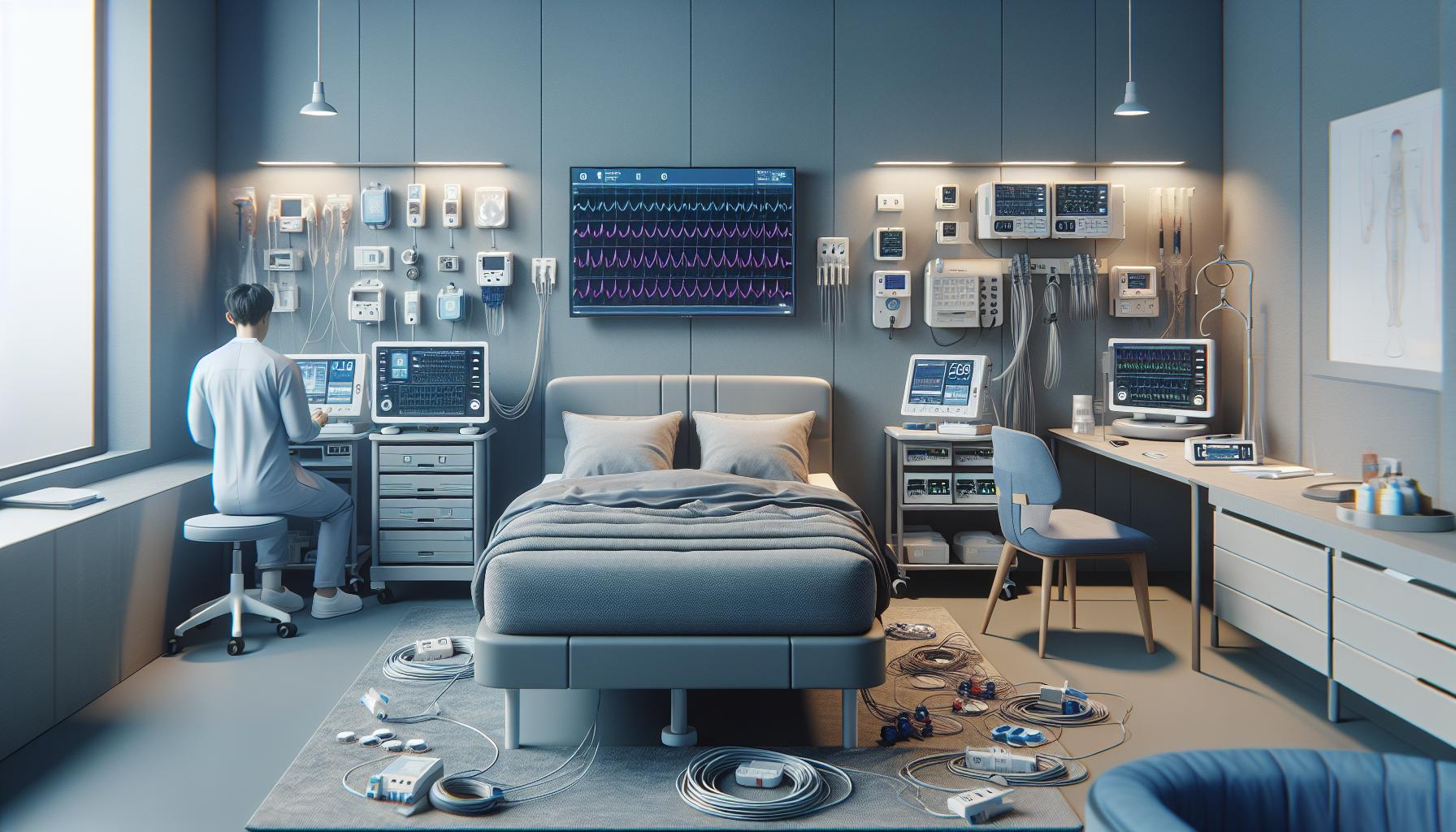
Required Equipment for Your Sleep Study
To prepare for an at-home sleep study, having the right equipment at your disposal is essential for accurate results. The equipment typically used in these studies is designed to be user-friendly and portable, allowing you to monitor your sleep without the constraints of a clinical environment. Most often, you’ll receive a sleep monitoring device that measures key sleep metrics, such as breathing patterns, oxygen levels, and heart rate during the night.
Essential Equipment
Here’s a breakdown of what you might expect:
- Wearable Device: Commonly a wristband or headband equipped with sensors to track metrics like heart rate and movement. These devices are often designed to be comfortable and non-intrusive.
- Nasal Cannula or Thermistor: This equipment is used to monitor your airflow during sleep. If you’re suspected of having sleep apnea, the device may include a cannula that fits into your nostrils to measure breathing patterns.
- Pulse Oximeter: A small device clipped to a finger that tracks your blood oxygen levels throughout the night, which is crucial in assessing for conditions like obstructive sleep apnea (OSA).
- Mobile App or Software: Many systems connect to apps on your smartphone that allow you to monitor your data in real time and receive instructions for the setup process.
Additional Considerations
Before starting the study, it’s a good idea to ensure you have a comfortable sleeping environment. This means optimizing your sleep setting by controlling factors like room temperature and lighting. Some devices may require preliminary charges, so it’s wise to check the battery life and have the equipment calibrated prior to the night of the study.
While setting up your device, be prepared to follow straightforward instructions. Typically, the entire process takes no longer than 15-30 minutes. If complications arise, refer to the user manual or the customer support line provided by the service.
By familiarizing yourself with this equipment ahead of time, you can alleviate any confusion or anxiety, ultimately leading to a smoother and more effective sleep study experience. With this knowledge, you’re now one step closer to understanding your sleep patterns and seeking paths to better sleep health.
Step-by-Step Setup Guide for Sleep Testing Devices
Setting up your at-home sleep study can feel daunting, but with the right approach, it becomes a straightforward process that prepares you for a restful night of monitoring your sleep patterns. Many devices are designed to be intuitive, allowing you to easily capture crucial data needed for a comprehensive assessment of your sleep health.
Start by gathering all necessary equipment. Typically, you’ll receive a wearable device, such as a wristband or headband, which tracks metrics like heart rate and movement. Next, ensure you have the nasal cannula or thermistor to monitor your airflow-this is crucial for detecting conditions such as sleep apnea. A pulse oximeter will help track your blood oxygen levels throughout the night, and it’s recommended to download any mobile app associated with your device, as it often provides real-time data and setup instructions.
To begin, follow these steps for setup:
Setup Steps
- Charge Your Devices: Before the night of the study, fully charge your wearable and other devices to avoid interruptions.
- Familiarize Yourself with the Equipment: Read through the user manual to understand how each component works and confirm you have everything you need.
- Connect to Mobile App: If applicable, download and sync your sleep monitoring app. Use it to set preferences and connect your devices.
- Test the Devices: Before going to bed, put on the wearable and make sure it fits comfortably. Test the nasal cannula to ensure proper placement.
- Optimize Your Sleeping Environment: Ensure your room is conducive to sleep. Dim the lights, adjust the temperature, and eliminate noise distractions.
- Follow Final Instructions: The app may offer a checklist to ensure everything is in place before you sleep. Review this to feel confident in your setup.
Once you’re set up, prepare for a good night’s sleep knowing that the monitoring devices will capture data that can help your healthcare provider understand your sleep patterns. Keep in mind that while technology can provide valuable insights, it’s also essential to maintain realistic expectations about the capabilities and limitations of at-home sleep studies. You are now better equipped to take charge of your sleep health journey.
Interpreting Your Sleep Study Data
Interpreting the data from your at-home sleep study can seem daunting, but it’s essential for understanding your sleep quality and identifying potential disorders. The data collected provides valuable insights into your sleep patterns, including disturbances like apnea events, oxygen levels, and overall sleep time. Grasping what these metrics mean can empower you to discuss your results effectively with your healthcare provider and decide on your next steps.
One of the primary metrics you’ll encounter is the Apnea-Hypopnea Index (AHI), which measures the frequency of apnea (complete stops in breathing) and hypopnea (partial stops in breathing) events per hour of sleep. An AHI below five is generally considered normal, while an AHI above fifteen typically indicates moderate to severe obstructive sleep apnea. While your sleep device may provide these statistics, remember that the interpretation of the severity of these events should always be conducted by a healthcare professional.
In addition to the AHI, your data will often include information on oxygen saturation levels, recorded by a pulse oximeter. Normal oxygen levels during sleep should stay above 90%. Regular drops below this threshold may signify a breathing problem, warranting further investigation. Monitoring your sleep stages-light, deep, and REM-if your device captures this data can also give insights into whether you are progressing through the necessary cycles of restorative sleep.
To make sense of these metrics, consider the following breakdown:
Key Metrics to Understand
- Apnea-Hypopnea Index (AHI): Indicates severity of sleep apnea.
- Oxygen Saturation Levels: Normal above 90%; less indicates potential issues.
- Sleep Stages: Tracking light, deep, and REM sleep can reveal overall sleep health.
By familiarizing yourself with these terms and measurements, you will be better prepared to analyze your sleep study results. Don’t hesitate to use an organized approach to discuss findings with your healthcare provider, noting particular areas of concern. This collaboration can lead to more effective treatment strategies tailored to your individual needs, whether it be lifestyle changes, further testing, or interventions to enhance your sleep quality. Remember, the goal of understanding your sleep data is to empower you, not to overwhelm you-take it step by step.
Common Sleep Disorders Diagnosed by Home Studies
Sleep disorders can significantly impact your quality of life, and identifying them is the first step toward better sleep health. Home sleep studies are effective tools for diagnosing various conditions without the need for an overnight stay in a lab. Here, we’ll explore some of the most common sleep disorders that can be diagnosed through at-home sleep tests.
Obstructive Sleep Apnea (OSA) is one of the most frequently identified sleep disorders through home studies. Characterized by repeated interruptions in breathing during sleep, OSA can result in daytime fatigue and other serious health issues, such as hypertension and heart disease. The device measures the frequency of apnea events alongside your oxygen levels, providing critical data to determine whether you have OSA.
Another common disorder is Insomnia, which involves difficulty falling asleep or staying asleep, often leading to insufficient rest. Home sleep studies can help assess not just sleep duration but also sleep patterns, helping healthcare providers identify the underlying causes and recommend appropriate treatments or behavioral strategies.
Periodic Limb Movement Disorder (PLMD) can also be detected during a home sleep study. This condition causes involuntary movements of the legs or arms during sleep, which can lead to disrupted sleep and daytime drowsiness. Monitoring these movements can assist in diagnosing PLMD and distinguishing it from other sleep disorders.
Lastly, Restless Legs Syndrome (RLS) can be evaluated as well. This condition is characterized by an uncontrollable urge to move one’s legs, often accompanied by uncomfortable sensations. Though more subjective in nature than conditions like OSA, clues can emerge from your home sleep study data, prompting further investigation or treatment options.
Understanding these disorders can empower you to address your sleep health proactively. If you suspect you have any of these conditions, discussing the possibility of a home sleep study with your healthcare provider could be a wise next step. By engaging in this process, you take a significant step toward achieving better sleep and overall health.
Troubleshooting Setup Issues Before Your Study
Before embarking on your at-home sleep study, addressing potential setup issues can make a significant difference in the quality and accuracy of your results. Ensuring that your sleep study device is properly configured not only helps optimize your data collection but also alleviates any anxiety you may have about the process. Here are several practical steps to troubleshoot common setup issues.
First, check the device and its components carefully. Most home sleep study kits include sensors, a recording device, and sometimes additional accessories like nasal cannulas or belts. Ensure all components are present and undamaged. If a part seems malfunctioning or if you’re missing an item, contact your healthcare provider or the company that supplied the equipment immediately. They can often send out replacements quickly.
Next, familiarize yourself with the device instructions. Many manufacturers provide thorough user guides that detail how to attach sensors and operate the recording device. Take the time to read through these materials, watching any accompanying videos if available. If you’re unsure about the setup, don’t hesitate to reach out for help; some companies offer customer support to walk you through the process.
Another common setup issue stems from connectivity. If your sleep study requires you to sync data with an app on your phone or a separate device, ensure your device’s Bluetooth or Wi-Fi is functioning. Check that any necessary software or apps are up to date. For those using wearable devices, like rings or smartwatches, confirm that the battery is charged, and the device is securely fitted.
Lastly, practice wearing the device a few nights before the study. This helps you acclimate to any unfamiliar sensations, such as straps or sensors. If discomfort arises, consult the user manual for tips on adjustment, or contact customer support for personalized advice. Remember, the goal of this test is to gather accurate data, so feeling comfortable in your setup is crucial.
By taking these proactive steps to troubleshoot setup issues, you not only ensure a smoother sleep study process but also enhance the validity of the data collected-bringing you one step closer to effective sleep solutions tailored to your needs.
Comparing At-Home Studies to In-Lab Sleep Tests
The choice between at-home sleep studies and in-lab sleep tests can be significant as you seek to understand your sleep health. While both methods aim to diagnose sleep disorders like obstructive sleep apnea (OSA), they vary in terms of convenience, cost, and the type of data collected. If you’re feeling overwhelmed by the options, you’re not alone-you’re also taking a vital step towards better sleep!
At-home sleep studies are designed for simplicity and comfort, allowing you to monitor your sleep in your own environment. These tests typically involve a portable device that tracks basic metrics such as breathing patterns, heart rate, and oxygen levels. This method is generally less expensive than in-lab tests and provides valuable insights with less disruption to your regular routine. Studies show that in many cases, at-home tests can yield accurate results for those suspected of having OSA, making them a trustworthy option for many.
On the other hand, in-lab sleep tests, or polysomnography, provide a comprehensive overview of your sleep. These tests measure not just breathing and oxygen levels, but also brain waves, eye movements, and muscle activity. This rich data collection helps clinicians capture the full scope of your sleep patterns, identifying issues that may not be detectable at home. However, the requirement to stay overnight in a sleep lab can cause anxiety for some individuals, and the associated costs are typically higher.
Ultimately, your choice may come down to factors like comfort, budget, and the specific symptoms you experience. If you’re just starting to explore your sleep health, a home study could offer a less intimidating introduction. However, if you have a complex sleep history or if previous treatments haven’t worked, discussing an in-lab study with your healthcare provider might be more appropriate.
In summary, both at-home sleep studies and in-lab tests have their unique benefits and limitations. Understanding these differences can empower you to make informed decisions about your health journey. The key is to choose the option that fits your needs while providing the most accurate insight into your sleep challenges.
Insurance Coverage for Sleep Studies: What to Know
Navigating insurance coverage for sleep studies can feel daunting, but understanding your options is crucial for making informed health decisions without breaking the bank. Many health insurance plans do offer coverage for sleep studies, including both at-home tests and in-lab studies, but the specifics can vary widely. Generally, insurers will require documentation of your symptoms-such as loud snoring or excessive daytime sleepiness-along with a recommendation from your healthcare provider.
Before scheduling your sleep study, it’s wise to check with your insurance provider. Confirm whether they cover the specific type of sleep study you need and clarify any requirements or pre-authorization processes. Some insurance companies may insist you undergo an in-lab study first before approving at-home testing, especially if they have strict guidelines for diagnosing conditions like obstructive sleep apnea (OSA).
Common Insurance Coverage Scenarios
- In-Network vs. Out-of-Network: If your sleep specialist or testing facility is not in your insurance network, you may face higher out-of-pocket costs. In some cases, insurers will not cover out-of-network services at all, so it’s critical to confirm the providers your plan covers.
- Deductibles and Co-Pays: Be aware of your deductible-the amount you pay before your insurance kicks in-for sleep studies. Additionally, confirm any applicable co-pays or co-insurance rates. For instance, you might pay a flat fee or a percentage of the total cost depending on your plan.
- Approval and Documentation: Keep records of all communications with your healthcare provider and insurance company. Having well-documented symptoms and prior attempts at treatment can bolster your case for coverage should any issues arise.
Understanding these intricacies will not only alleviate anxiety surrounding costs but also guide you toward receiving the necessary care efficiently. If navigating insurance feels overwhelming, consider asking your healthcare provider’s office for assistance. They often have experience working with insurance issues related to sleep studies and might help streamline the process for you.
Real-Life Scenarios for Using Home Sleep Tests
Many people who suspect they have sleep issues often find themselves wondering whether they should seek a sleep study. At-home sleep tests can be particularly beneficial in real-world scenarios, providing a convenient alternative for diagnosing conditions like obstructive sleep apnea (OSA) without the stress of a clinical environment.
Imagine a busy professional who struggles with constant fatigue and excessive daytime sleepiness, coupled with loud snoring, which disrupts their partner’s sleep. Instead of navigating the possibly daunting process of scheduling an in-lab sleep study, which can involve waiting weeks for an appointment, they opt for an at-home sleep test. This allows them to sleep in their own bed while gathering valuable data about their nocturnal breathing patterns, heart rate, and oxygen levels, all at a lower cost. By using a device that is simple to set up and wear overnight, they can quickly obtain the necessary information to consult with their doctor and decide on the next steps for treatment.
Another scenario involves a college student who has noticed that they consistently feel unrested despite spending ample time in bed. Their lifestyle often leads to irregular sleep patterns, making it challenging to identify consistent issues. A home sleep test can help them understand their sleep cycles better. Equipped with a user-friendly device, they can capture data on their sleep stages and detect potential disruptions, allowing them to determine if they might need further investigation or adjustments to their sleep routine.
When considering whether to proceed with a home sleep study, it’s essential to weigh the device’s limitations. These tests may not monitor as comprehensively as a lab sleep study, particularly for diagnosing simultaneous sleep disorders. However, they serve as a valuable starting point for many.
In these scenarios, at-home sleep tests prove to be a practical option for individuals seeking insights into their sleep without the discomfort of a lab setting. By empowering users with the tools they need to monitor their sleep effectively, these devices facilitate a more personalized approach to addressing sleep health concerns.
Expert Tips for Accurate Sleep Monitoring
To maximize the accuracy of your at-home sleep study, it’s crucial to prepare both mentally and logistically. Understanding how to use your monitoring equipment effectively can significantly impact the quality of your data collection. Begin by ensuring you have a serene sleep environment. A dark, cool, and quiet room will promote better sleep quality, which is essential for collecting reliable data. As you set up, familiarize yourself with the specific device you’ll be using, whether it’s a pulse oximeter, a breathing monitor, or an all-in-one wearable. Each device has its own nuances, so read the user manual thoroughly, and don’t hesitate to watch video tutorials for additional clarity.
Equally important is maintaining a consistent routine leading up to your sleep study. Try to adhere to your normal sleep schedule as closely as possible in the days before the test; variations can skew results. If you’re a regular caffeine or alcohol consumer, consider reducing or eliminating these substances 24 hours before your test, as they can significantly affect your sleep architecture.
Key Tips for Device Setup
- Follow Instructions Carefully: During setup, ensure all sensors are placed correctly according to the guidelines provided. Incorrect placement can lead to inaccurate readings.
- Test the Device: Consider wearing the device for a short period before your actual study night to acclimate yourself. This helps ensure everything functions correctly and gives you the experience needed for a more relaxed testing night.
Also, keep in mind the importance of honesty in your sleep diary if your device requires one. Accurately recording your sleep habits, including daytime naps, sleep disorders, or irregular sleeping patterns, provides your healthcare provider with a fuller picture of your sleep health.
Lastly, after your study, allow yourself time to relax and reflect. Whether your results lead to further investigation or could be a simple lifestyle adjustment, remember that identifying sleep issues is a significant step toward better health. Engaging with a sleep specialist can help you interpret the data from your study accurately, ensuring any next steps are informed and beneficial.
What to Expect During and After Your Study
As you prepare for your at-home sleep study, it’s normal to feel a mix of excitement and apprehension. You’re not just sleeping; you’re taking an essential step towards understanding your sleep health. During the study, the monitoring device will record various vital signs, including your breathing patterns, heart rate, and oxygen levels, while you rest in the comfort of your home. Here’s what to expect throughout the process.
When the night of your sleep study arrives, it’s helpful to approach it as a typical night’s sleep rather than a test. Familiarize yourself with the device while setting it up in a relaxed manner. Make sure to follow the provided instructions for placing the sensors accurately, as improper placement can lead to misleading results. Once you’re ready, settle into a sleeping position that feels comfortable. The monitoring will initiate automatically, so you can drift off without worry.
After your sleep study, it’s important to have a plan for what comes next. You typically will return the device for analysis, after which you can expect a follow-up consultation with your sleep specialist. This session will help you make sense of the data collected during your study. Your specialist will discuss whether any sleep disorders were detected, such as obstructive sleep apnea, and suggest potential treatment options or next steps.
In the days following your study, take time to reflect on the experience. It’s common to feel relieved once you have a clearer picture of your sleep health. Remember that the journey continues, and engaging with your healthcare provider will ensure that any necessary lifestyle adjustments or treatments are appropriately guided. While it’s normal to have concerns about the implications of your results, remember that this is all part of leading you towards healthier sleep habits.
Faq
Q: What are the steps to prepare for an at-home sleep study?
A: To prepare for an at-home sleep study, ensure you follow your doctor’s guidelines regarding medications and sleep schedule. Set up the testing equipment according to instructions, and create a sleep-conducive environment by minimizing noise and light. Familiarize yourself with the device for optimal results.
Q: How long does an at-home sleep study take?
A: An at-home sleep study usually lasts one night, during which you will wear the monitoring device. Ensure you sleep for a full night to capture sufficient data. This timeframe helps accurately assess your sleep patterns and potential disorders.
Q: Can I sleep in my normal position during an at-home sleep study?
A: Yes, you can sleep in your usual position during an at-home sleep study. Maintaining your normal sleep habits is crucial for accurate results, but be mindful of the device’s placement to avoid interference with your sleep comfort.
Q: What should I do if I encounter issues with the sleep study device?
A: If you face issues with the sleep study device, first check the manual for troubleshooting steps. Ensure all connections are secure and that the device is powered. If problems persist, contact the sleep study provider for assistance to avoid compromising your data.
Q: Are there any specific precautions to take during an at-home sleep study?
A: During an at-home sleep study, avoid consuming caffeine or alcohol on the night before the test as they can disrupt sleep patterns. Keep a regular sleep schedule leading up to the study, and ensure the testing device is properly attached to gather the best data.
Q: How is the data from an at-home sleep study analyzed?
A: The data collected during an at-home sleep study is analyzed by sleep specialists who examine sleep cycles, interruptions, and overall sleep quality. They will look for patterns that indicate sleep disorders such as sleep apnea or insomnia to provide a diagnosis and recommended treatment options.
Q: What happens if my results indicate a sleep disorder?
A: If your at-home sleep study results suggest a sleep disorder, your healthcare provider will discuss steps for treatment. This may involve lifestyle changes, the use of CPAP machines, or medication. Follow-up tests might be recommended for further evaluation.
Q: How do I interpret my sleep study results?
A: To interpret your sleep study results, review key metrics such as total sleep time, sleep efficiency, and the number of awakenings. Higher levels of disturbances may indicate disorders like sleep apnea. Consult your physician for a detailed explanation tailored to your specific results and conditions.
Concluding Remarks
As you prepare to embark on your at-home sleep study journey, remember that understanding your sleep health is crucial for your overall well-being. Don’t hesitate to reach out to our resources for tips on sleep hygiene and making the most of your sleep technology; check out our guides on enhancing your sleep environment and setup best practices. Taking action today can lead to better sleep and improved health tomorrow!
If you have lingering questions or need assistance with wearable sleep tech, we’ve got you covered. Sign up for our newsletter for the latest insights or explore our product pages for supportive tools tailored to fit your needs. Share your experiences and insights in the comments below-your story might just help someone else on their sleep journey. Together, we can unlock the secrets to restorative sleep and enhance our lives.
Get our latest guides, news, and insights highlighted in your Google Search & AI Overviews.