
Did you know that millions of people struggle with sleep disorders, yet many are uncertain about when to seek professional help? Qualifying for a sleep study is crucial for understanding issues like insomnia or sleep apnea that disrupt your nightly rest. In this guide, we’ll explore the eligibility criteria for these studies so you can make informed decisions about your sleep health. Knowing whether you fit the criteria can relieve anxiety and lead you closer to restful nights. Join us as we navigate the essentials of what makes you a candidate for a sleep study and how this step can transform your sleep quality.
What Is a Sleep Study and Why Is It Needed?
A sleep study, often referred to as polysomnography, is a comprehensive test used to diagnose various sleep disorders. During this study, multiple body functions are monitored while you sleep, including brain wave activity, heart rate, breathing patterns, and oxygen levels. This in-depth analysis provides crucial insights into your sleep cycles, allowing healthcare professionals to identify any abnormalities that may disrupt your sleep quality.
Why is a sleep study necessary? Many individuals experience chronic sleep issues, such as insomnia, sleep apnea, or restless leg syndrome, that can significantly affect their health and daily life. A sleep study is essential for determining the specific causes of these issues and for developing effective treatment plans. By tailoring interventions based on individual results, such as CPAP therapy for sleep apnea or cognitive behavioral therapy for insomnia, patients can achieve better sleep and improved overall health.
If you suspect that your sleep problems might warrant a sleep study, it’s essential to consult with a healthcare provider who will evaluate your symptoms and help determine if this diagnostic approach is right for you. They can guide you through the eligibility criteria and potential medical reasons for needing a sleep study, ensuring that you get the appropriate care tailored to your needs.
Understanding Different Types of Sleep Studies
Different types of sleep studies cater to a variety of sleep-related issues, and understanding these options can help guide individuals toward the most appropriate testing method for their needs. At the heart of sleep diagnostics lies polysomnography, the standard sleep study where your sleep is monitored overnight in a clinical setting. This comprehensive test provides insights into brain wave patterns, heart rate, and respiratory functions while assessing various sleep stages.
In addition to traditional polysomnography, there are other types of sleep studies to consider:
Home Sleep Apnea Testing
For those suspected of suffering from sleep apnea, home sleep apnea tests are often utilized. These tests require less setup and can be done in the comfort of your own bed. Typically, they monitor key indicators like airflow, oxygen levels, and heart rate, making them less comprehensive than in-lab studies. However, for many patients, they provide valuable data to diagnose obstructive sleep apnea with increased convenience.
Split-Night Sleep Studies
Another option is a split-night sleep study, which combines diagnostic and therapeutic elements. During the first part of the night, the study observes your normal sleep patterns, while the second half involves using treatment devices, such as CPAP, to assess their effectiveness. This approach is often used when sleep apnea is suspected and can be a time-efficient way to gather necessary information for both diagnosis and treatment.
Actigraphy
For more chronic sleep issues, actigraphy can be beneficial. This non-invasive method involves wearing a wrist device that tracks movement over several days or weeks, thereby assessing sleep patterns and disturbances. This type of study is particularly useful in understanding circadian rhythm disorders or insomnia, providing a broader picture over an extended period.
By understanding these options, you can engage in informed discussions with your healthcare provider about the most suitable study for your symptoms. It is crucial to differentiate based on individual needs, as not every test is necessary for all sleep disorders. Knowing what each type entails and its purpose will help you approach the sleep study process with confidence and clarity.
Primary Eligibility Criteria for Sleep Studies
To determine if you qualify for a sleep study, various criteria come into play. Sleep studies are designed to diagnose a range of sleep disorders, and understanding the eligibility criteria can help you take the first step toward better sleep health. Generally, potential candidates include individuals experiencing persistent sleep issues such as chronic insomnia, excessive daytime sleepiness, or loud snoring, which may indicate sleep apnea.
Medical History and Symptoms
A thorough medical history is essential in establishing eligibility for a sleep study. Physicians typically look for specific symptoms that suggest a sleep disorder. Key indicators include:
- Frequent awakenings: Struggling to stay asleep or waking up multiple times at night.
- Daytime fatigue: Excessive sleepiness during the day, which can affect daily activities.
- Snoring: Loud snoring, especially when accompanied by breathing pauses, may suggest obstructive sleep apnea.
- Restlessness: Inability to stay still during sleep, possibly indicating periodic limb movement disorder.
Discussing these symptoms with your healthcare provider will help determine if a sleep study is warranted.
Age and Comorbid Conditions
Age can also play a role in eligibility. While sleep disorders can affect people of all ages, children may have different assessment criteria compared to adults. Additionally, individuals with certain comorbid conditions-like obesity, cardiovascular issues, or diabetes-are often prioritized for sleep studies due to the increased risk of sleep apnea and other sleep-related illnesses.
Referral and Insurance Considerations
A referral from a primary care physician or a sleep specialist is usually required. This referral not only provides a pathway to a sleep study but also is crucial for insurance coverage. Many insurance plans require documentation of attempted treatments or evaluations to ensure they cover the cost of your sleep study. In some cases, your provider may suggest a home sleep apnea test to gather initial data before proceeding to an in-lab study.
Navigating the process can seem overwhelming, but knowing these criteria allows for a proactive approach. Always keep an open line of communication with your healthcare provider about your symptoms and concerns. This partnership can lead to timely diagnosis and treatment, ultimately improving your sleep health.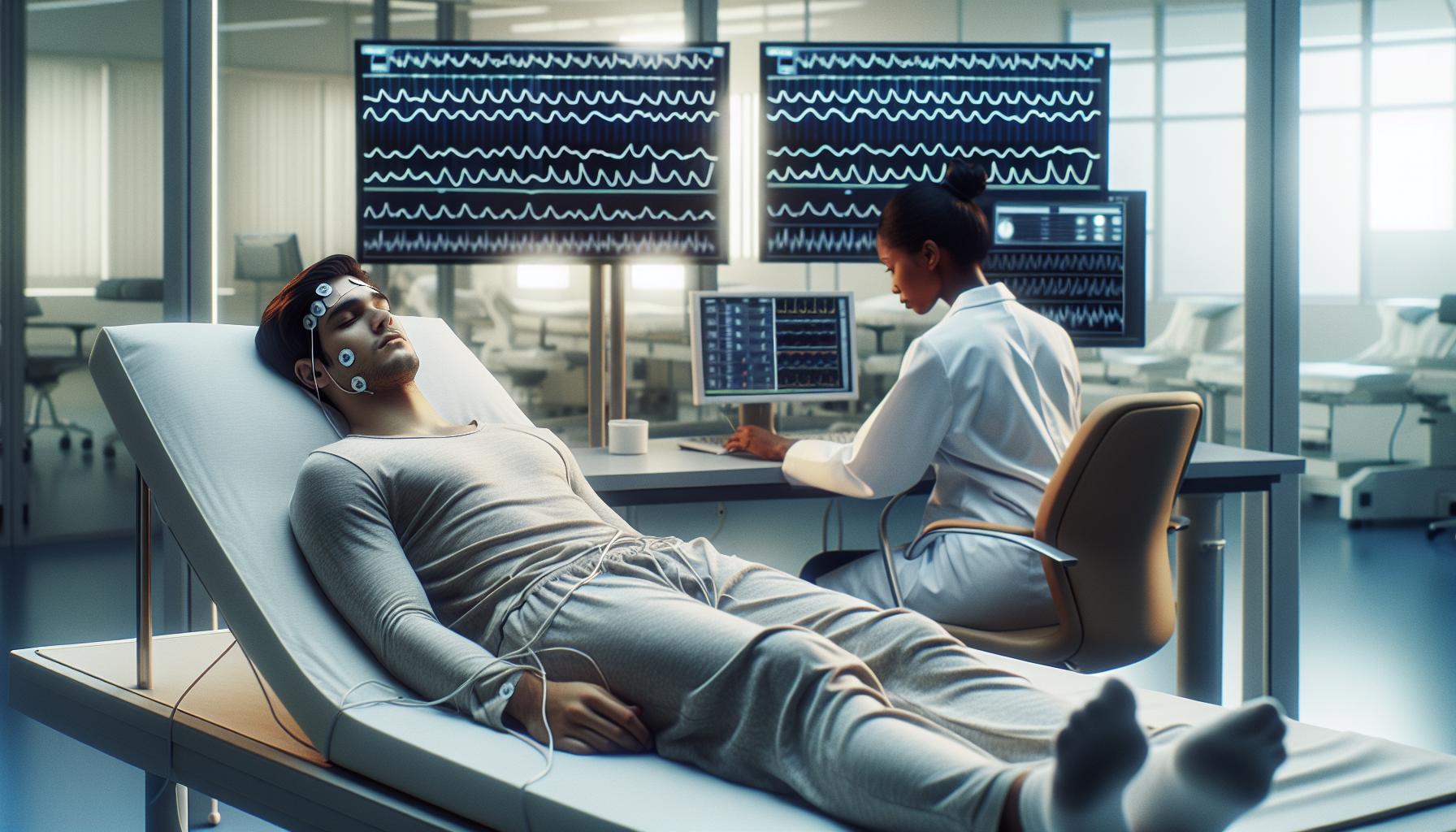
Common Medical Reasons to Qualify for a Sleep Study
Many individuals might hesitate before seeking a sleep study, but understanding the common medical reasons that qualify you for one can simplify the decision-making process. Sleep studies are crucial for diagnosing various sleep disorders that could significantly impact your health and quality of life. If you find yourself regularly exhausted despite adequate hours in bed, it might be time to consider that a deeper issue exists.
Common Indications for a Sleep Study
Several medical reasons can warrant a sleep study, allowing clinicians to better assess your sleep patterns and potential disorders. Here are some key symptoms and conditions that often lead to a recommendation for a sleep study:
- Chronic Insomnia: If you struggle to fall asleep or maintain sleep for more than three months, chronic insomnia could be at play. Your sleep patterns may reveal underlying conditions that require professional attention.
- Excessive Daytime Sleepiness: Experiencing persistent tiredness during the day, regardless of the amount of sleep you get, is a significant sign that something might be wrong. Conditions like narcolepsy or sleep apnea may contribute to this fatigue.
- Loud Snoring or Pauses in Breathing: Snoring is more than just a nuisance; when it comes with episodes of gasping or choking during sleep, it might indicate obstructive sleep apnea, which poses severe health risks if not diagnosed.
- Restless Legs Syndrome: This condition involves uncomfortable sensations in the legs that may occur before sleep, often leading to frequent awakenings. Sleep studies can confirm this disorder and help in developing treatment paths.
- Medical Conditions: Certain health issues, such as heart disease, hypertension, or type 2 diabetes, increase your risk for sleep disorders. If you have these conditions and suffer from sleep issues, it often qualifies you for a sleep study.
Recognizing these symptoms or conditions in yourself can serve as a prompt to speak with your healthcare provider about the potential need for a sleep study. Addressing these concerns early can lead you to a better understanding of your health and a path toward improved sleep. The goal is to empower you with knowledge, making the process feel less intimidating and more like a proactive step toward wellness.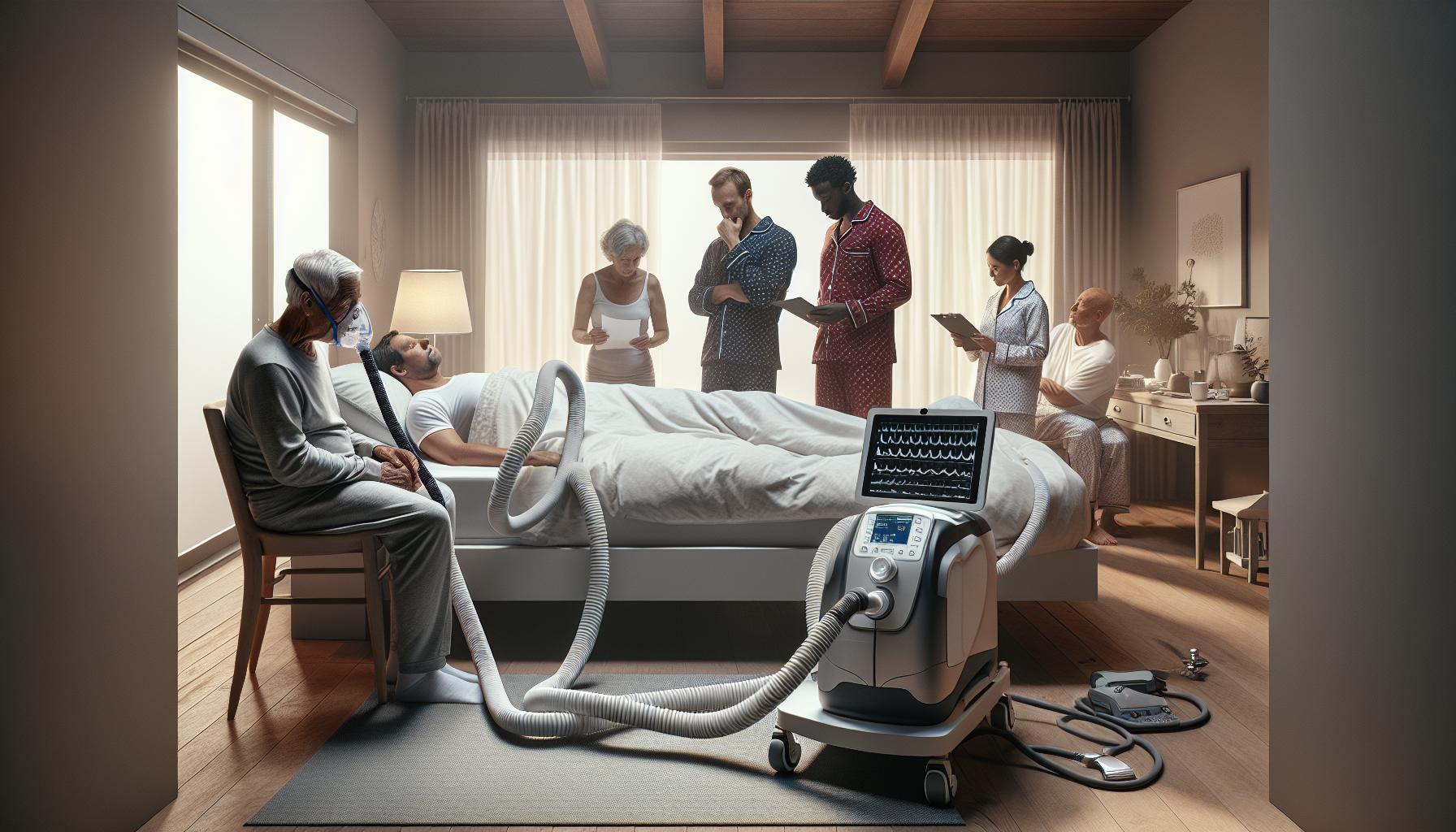
Age Considerations for Eligibility in Sleep Studies
Age can significantly influence the decision to undergo a sleep study, as different life stages are associated with varied sleep patterns and disorders. For instance, children and teenagers often experience particular sleep challenges, such as sleep apnea or insomnia, which can arise from growth-related changes or lifestyle factors. Parents might notice signs like snoring, difficulty waking in the morning, or excessive daytime sleepiness, prompting them to seek a sleep evaluation for their child.
In adults, sleep disorders often emerge from lifestyle choices, stress, or underlying health conditions. However, as we age, physiological changes can lead to a greater frequency of sleep disturbances. Seniors may experience issues such as insomnia or restless legs syndrome, which could necessitate a sleep study to assess the impact on their health and daily function. It’s crucial for older adults and their caregivers to recognize that while sleep needs may decrease, the quality of sleep becomes increasingly important, making a thorough examination all the more essential.
Below are some age-related considerations that may affect eligibility and recommendations for a sleep study:
- Children: Symptoms like bedwetting, frequent nightmares, or behavioral issues may lead to referrals for sleep studies, especially if these symptoms disrupt overall health or well-being.
- Young Adults: Issues stemming from academic pressures, social life, and changes in sleep schedules often warrant evaluations due to the prevalence of conditions like insomnia or sleep deprivation.
- Middle-Aged Adults: At this stage, there’s a higher risk for sleep apnea and other disorders linked to obesity and lifestyle factors, making sleep studies more common.
- Seniors: With increasing age, awareness regarding sleep health grows, as chronic conditions can exacerbate sleep disturbances, necessitating professional assessments.
This age-aware approach helps both patients and healthcare providers identify when a sleep study is advised, promoting timely interventions for better sleep health across all life stages. Understanding these age-specific factors equips individuals to engage proactively with their healthcare, ensuring better outcomes and enhanced quality of life.
Insurance and Cost Factors for Sleep Studies
The financial aspects of undergoing a sleep study can often be a source of confusion and concern for many patients. Understanding how insurance works, as well as the potential costs involved, is crucial for anyone considering this diagnostic step. Typically, the cost of a sleep study can range from $600 to $3,000, depending on whether it is performed in a sleep lab or at home and the specific tests conducted. It’s essential to be aware that many factors-including the type of insurance plan and the specific sleep disorder suspected-can influence the final out-of-pocket costs.
Before scheduling a study, it’s wise to verify your insurance coverage. Many insurance plans, including Medicare, often cover diagnostic sleep studies when they are deemed medically necessary. To ensure your study will be covered, obtain pre-authorization if needed, and confirm the sleep center is in-network. Providing your doctor with a comprehensive account of your symptoms and health history can help in making a strong case for the necessity of the study, increasing the likelihood of insurance approval.
Cost-Saving Tips
To manage expenses effectively, consider the following tips:
- Check In-Network Providers: Use providers that participate in your insurance network to reduce costs.
- Flexible Spending Accounts (FSAs): If available, utilize FSAs to pay for sleep studies using pre-tax dollars.
- Discuss Payment Plans: Many sleep centers offer payment plans or financial assistance programs for those without coverage.
- Monitor Ambulatory Studies: Home sleep tests can be more affordable and less invasive, depending on your diagnosis.
By taking the time to navigate the intricacies of insurance and costs, you can alleviate some of the stress associated with a sleep study. Remember, prioritizing your sleep health is an investment in your overall well-being; understanding these financial factors will empower you to make informed decisions about your care.
How to Prepare for a Sleep Study Appointment
To ensure a successful and stress-free sleep study experience, preparation is key. This process begins long before you arrive at the sleep lab or prepare for a home study. Understanding what to expect can significantly reduce anxiety and help you to be ready for the tests involved in diagnosing potential sleep disorders.
First and foremost, consider discussing any medications you are taking with your healthcare provider. Some medications can interfere with sleep patterns or the accuracy of the study results. It may be recommended that you adjust your routine with certain medications prior to the appointment. Additionally, maintain a consistent sleep schedule in the days leading up to your study to provide the most accurate data about your typical sleep patterns.
On the day of the study, arrive with comfort in mind. Wear loose-fitting clothing that allows you to sleep comfortably, and bring along any items that you might need to feel relaxed, such as a favorite pillow or blanket. If you are undergoing an overnight study at a sleep center, you might also want to bring snacks or a book for leisure, as some preparations require a bit of waiting time.
It’s also important to refrain from consuming caffeine or alcohol for at least 24 hours prior to your study; these substances can affect your ability to sleep and the results of the study. If you are having a home sleep study, your sleep provider will typically give you specific instructions on how to set up equipment and what to do on the night of the study. Follow these directions carefully to ensure everything runs smoothly.
Ultimately, approaching the sleep study as a vital step towards better health can help frame the experience positively. Being well-prepared not only aids in obtaining the most accurate record of your sleep patterns but also allows you to focus on what matters most-finding solutions for your sleep issues.
What to Expect During Your Sleep Study
When you arrive for your sleep study, one of the first things you’ll notice is a calm and comfortable environment designed to put you at ease. Depending on whether you are undergoing an in-lab or home sleep study, the setup will differ slightly, but the primary goal remains the same: to accurately monitor your sleep patterns and diagnose any potential sleep disorders.
For an in-lab sleep study, you’ll typically be guided to a private room that resembles a hotel suite. Here, you’ll find a bed, a TV, and items to help you feel more at home. Before settling in, a sleep technician will prepare you by attaching small sensors to your scalp, face, chest, and legs. These sensors monitor various parameters, including brain waves, heart rate, and breathing patterns throughout the night. While the prospect of wires might feel daunting, remember that they are crucial for collecting precise data. You can also expect to wear an oxygen monitor on your finger or a sensor strapped to your nose to measure your breathing.
During the night, as you sleep, the technician will observe you from an adjoining room and monitor the data being transmitted in real time. If you’re worried about privacy or noise, rest assured that the setup is designed to minimize disturbance. However, you might be asked to change positions or adjust your sleep posture for the best readings, which is entirely normal.
If you’re participating in a home sleep study, preparations will largely depend on the equipment you receive. Typically, you’ll be provided with a device that might be worn on your finger or a headband that can easily track your sleep metrics. It’s essential to follow the instructions carefully for setting up the device, which usually involves attaching sensors that track your breathing and heart rate while you sleep.
Overall, being aware of these expectations can significantly reduce any performance anxiety you might feel about the study. With the right mindset and preparation, you can treat this experience as an essential step towards understanding and improving your sleep health.
Interpreting Sleep Study Results: A Guide
Understanding the results of your sleep study can be a crucial step toward better sleep health. The outcomes not only provide insights into your sleep patterns but can also reveal potential sleep disorders that may be affecting your quality of life. Typically, your sleep study results will include data on several key parameters, such as sleep architecture, the presence of obstructive events, and overall sleep efficiency. By putting this information into context, you can better understand what it means for your sleep health and what steps you may need to take moving forward.
Key Components of Sleep Study Results
The main components of sleep study results include:
- Sleep Stages: Your results will categorize the time spent in different stages of sleep, including REM and non-REM sleep. A healthy adult generally cycles through these stages multiple times a night.
- Apnea Index: This measures the severity of sleep apnea, should it be present. Apnea is characterized by short periods of stopped breathing during sleep, and higher counts may require further treatment.
- Oxia Levels: Your oxygen saturation levels will help determine whether you experience any significant drops in oxygen during sleep, which can impact overall health.
- Sleep Efficiency: This metric reflects the percentage of time spent asleep while in bed. Higher efficiency indicates better quality sleep.
After your sleep study, a sleep physician will typically review the data and discuss the results with you. They will explain what the findings mean in the context of your specific symptoms and health history. For example, a high apnea index may warrant further evaluation or a treatment plan, while normal sleep architecture could suggest anxiety or lifestyle factors affecting your sleep quality.
Next Steps After Your Results
Once you have your sleep study results, it’s essential to take proactive steps based on this information. If a sleep disorder is diagnosed, treatment options may include lifestyle changes, therapy, or medical interventions such as CPAP for sleep apnea. Understanding your results can empower you to ask informed questions about your health and advocate for the necessary support.
The anxiety surrounding the anticipation of these results is normal, but remember: knowing your sleep health can lead to better sleep and overall well-being. If after reviewing your results you still have concerns or questions, it’s important to reach out to your healthcare provider for further clarification and guidance tailored specifically to your situation.
Alternatives to Traditional Sleep Studies
Considering a sleep study but feeling daunted by the traditional approach? You’re not alone. Many people are discovering alternatives to conventional sleep studies that can provide valuable insights without the hassle of overnight lab stays. Remote monitoring solutions, wearable technologies, and at-home testing kits are all part of a growing trend that caters to the need for convenience and comfort.
One popular alternative is the home sleep apnea test (HSAT), which allows you to undergo certain sleep assessments in the privacy of your own home. These tests typically involve devices that monitor key metrics like breathing patterns, heart rate, and oxygen levels while you snooze in your own bed. The benefits include lower costs-generally more affordable than in-lab studies-and the elimination of a potentially uncomfortable night in a sleep lab. However, it’s important to understand that home tests might not capture the full complexity of some sleep disorders, which could limit their effectiveness.
Wearable devices, such as fitness trackers and specialized sleep monitors, have also emerged as viable options for assessing sleep quality. Many of these gadgets can track sleep duration, stages, and even heart rate variability. While they provide a great overview of your sleep patterns and can help highlight issues like insomnia or sleep fragmentation, they may lack the detailed analysis that a polysomnography (the gold standard in sleep testing) can offer. Ultimately, wearables serve as an excellent start for monitoring your sleep health, making it easy to share data with your healthcare provider if you notice concerning trends.
In addition, advancements in telemedicine are making consultations with sleep specialists more accessible than ever. You may find that a virtual visit can guide you on whether further testing is necessary and determine if any of these alternative methods are right for you. If your symptoms suggest a more complex issue, specialists can recommend a traditional sleep study tailored to your needs.
With multiple options at your fingertips, it’s essential to carefully consider each method’s advantages and limitations before deciding what’s best for your sleep health.
How Technology Is Changing Sleep Testing
Advancements in technology are dramatically transforming the landscape of sleep testing, making it more accessible, efficient, and user-friendly. No longer confined to traditional lab environments, sleep tests now leverage innovative tools that allow patients to monitor their sleep patterns from the comfort of their own homes. This shift not only alleviates some of the anxiety associated with in-lab studies but also offers more convenient options for those needing sleep assessments.
Home sleep apnea tests (HSATs) are at the forefront of this change. These portable devices track vital metrics such as breathing patterns, heart rate, and blood oxygen levels overnight. The appeal of HSATs lies in their simplicity and affordability, typically costing less than traditional polysomnography. They empower patients to take charge of their sleep health without the discomfort of unfamiliar clinical settings. However, it is essential to note that while HSATs provide valuable insights, they may not capture the full range of complex sleep disorders that a comprehensive sleep study can identify.
Another technological innovation worth mentioning is the rise of wearable devices like fitness trackers and specialized sleep monitors. These gadgets offer users a wealth of information related to sleep duration, quality, and even sleep cycles. For instance, devices such as the Fitbit or Oura Ring can provide a decent overview of sleep patterns, helping users recognize potential issues like insomnia or inconsistent sleep schedules. However, while wearables are excellent tools for ongoing monitoring, they often lack the depth and detail provided by a full polysomnography, which is capable of detecting nuanced sleep disorders.
Lastly, advancements in telemedicine have made consultations with sleep specialists more accessible than ever. With virtual appointments, patients can discuss their symptoms and sleep issues with professionals who can guide them toward the most suitable testing options. This combination of technology and expert advice ensures that individuals can navigate their sleep health more effectively and make informed decisions about whether a traditional sleep study or an alternative method is right for them.
Ultimately, as technology continues to evolve, it optimizes the way we understand and address sleep disorders. By embracing these innovations, patients can find effective solutions tailored to their unique needs, enhancing both their sleep and overall well-being.
When to Seek Help: Signs You Need a Sleep Study
Experiencing persistent sleep challenges can transform a simple act of resting into a nightly struggle. If you’ve found yourself tossing and turning, it’s crucial to recognize when these issues warrant professional evaluation through a sleep study. Sleep studies are comprehensive assessments that can help diagnose a range of disorders affecting your sleep quality.
Pay attention to specific signs that suggest it might be time for a thorough evaluation. Common indicators include:
- Excessive daytime sleepiness: Do you frequently feel fatigued during the day, despite getting what you believe is adequate sleep? Falling asleep during the day can signal underlying conditions like sleep apnea.
- Persistent snoring or gasping: If you snore loudly or experience episodes of gasping or choking at night, these could be signs of sleep apnea, necessitating further assessment.
- Difficulty concentrating: Chronic sluggishness or trouble focusing can be traced back to poor sleep patterns or disorders.
- Restless legs syndrome: This condition creates an uncomfortable sensation in your legs, often leading to an irresistible urge to move, which can significantly disrupt your sleep.
It’s important to recognize that these symptoms can stem from various sleep disorders, from insomnia to sleep apnea or periodic limb movement disorder (PLMD). If any of these experiences sound familiar, consulting a sleep specialist is a proactive step toward reclaiming restful nights.
Home sleep tests (HSATs) and traditional polysomnography are potential routes to explore based on your symptoms. HSATs allow for convenient at-home evaluations, while polysomnography conducted in a sleep lab can provide a more comprehensive analysis. Ultimately, whether you opt for an at-home test or a formal sleep study, such assessments can offer invaluable insights into your sleep health and guide you in making informed decisions for improvement. Remember, prioritizing your sleep is not just about comfort-it’s essential for your overall well-being and health.
FAQ
Q: What are the common signs that indicate the need for a sleep study?
A: Common signs include chronic fatigue, snoring, persistent insomnia, daytime sleepiness, and difficulty concentrating. If you experience any of these symptoms, consulting your doctor about a sleep study can help diagnose potential sleep disorders.
Q: How can medical history affect eligibility for a sleep study?
A: Medical history can play a crucial role in determining eligibility. Conditions like sleep apnea, chronic respiratory issues, or neurological disorders are often key factors. Be prepared to discuss any relevant health issues during your consultation.
Q: Are there any lifestyle factors that influence eligibility for a sleep study?
A: Yes, factors such as substance use (alcohol, caffeine, or drugs), sleep habits, and shift work can impact eligibility. A comprehensive lifestyle evaluation will help determine the most appropriate sleep study options for you.
Q: How does age impact the qualification for a sleep study?
A: Age can influence the types of sleep disorders prevalent in patients. Although sleep studies are available for all age groups, older adults may be evaluated for conditions like sleep apnea or restless leg syndrome more frequently than younger individuals.
Q: What preparations are needed before undergoing a sleep study?
A: Before a sleep study, avoid heavy meals, caffeine, and alcohol on the day of the study. Discuss any medications you are taking with your doctor to ensure they won’t interfere with the results.
Q: What should one expect during the sleep study process?
A: During the sleep study, you’ll be monitored overnight in a sleep clinic. Electrodes and other devices will track your brain waves, heart rate, and breathing. This information helps professionals assess your sleep patterns and diagnose issues.
Q: Can insurance or cost affect eligibility for a sleep study?
A: Yes, insurance coverage and personal cost considerations can influence eligibility. It’s important to check with your insurer about coverage for sleep studies, as well as the potential out-of-pocket expenses involved.
Q: What types of sleep studies are available for different conditions?
A: There are various types of sleep studies, such as polysomnography for comprehensive sleep disorders, home sleep tests for suspected sleep apnea, and actigraphy for monitoring sleep patterns in specific populations. Each type targets different needs and conditions.
For further information on qualifying factors and preparation for sleep studies, consider exploring our sections on primary eligibility criteria and how to prepare for a sleep study appointment in the main article.
To Wrap It Up
Taking the first step towards understanding if you qualify for a sleep study is crucial for improving your overall sleep health. By exploring eligibility criteria, you’ll gain insights into whether you need additional evaluation for potential sleep disorders that could be affecting your daily life. Don’t wait-if you’re experiencing symptoms like excessive daytime sleepiness or disruptive nighttime habits, consult with a sleep health professional today.
For a deeper dive into improving your sleep quality, check out our articles on the benefits of sleep and practical tips for a better night’s rest. Additionally, learn about the different sleep studies available, so you can make an informed decision tailored to your needs. Subscribe to our newsletter for the latest insights and resources to empower your sleep journey. Your health is worth it!
Get our latest guides, news, and insights highlighted in your Google Search & AI Overviews.