
Did you know that over a third of adults aren’t getting enough sleep? In today’s fast-paced world, understanding how to track your sleep effectively is essential for improving your rest and overall well-being. Automatic sleep tracking leverages technology to monitor your sleep patterns, providing insights into your sleep quality, duration, and even disturbances. This guide will unpack the mechanics behind automatic sleep tracking, helping you connect the dots between data and practical ways to enhance your nightly rest. Whether you’re curious about the latest wearables or wondering how to interpret sleep data, this article will empower you with the knowledge to make informed choices about your sleep health. Let’s dive in and discover how technology can illuminate the mysteries of your sleep!
Understanding Automatic Sleep Tracking Technology
Understanding how automatic sleep tracking technology works can open up a world of insights into your sleep patterns and overall health. These innovative devices, often integrated into wearables or smart home products, leverage a combination of sensors and algorithms to monitor your sleep without requiring manual input. By analyzing movements, heart rate, and even environmental factors, these technologies can provide users with detailed reports of their sleep quality and cycles.
One of the keys to the effectiveness of automatic sleep tracking lies in its use of sensors. Most devices come equipped with accelerometers, which detect movement, and heart rate monitors, which assess how your heart rate changes throughout the night. Collectively, this data helps the device determine when you are awake, in light sleep, deep sleep, or REM sleep. For instance, during deep sleep, your body remains relatively still, which is one of the signals the tracker uses to identify this stage.
Despite the impressive capabilities of these devices, it’s important to approach the data they provide with a level of caution. While they can be great for identifying trends and helping you establish better sleep habits, they aren’t as accurate as a sleep study conducted in a laboratory setting. Factors like your sleeping position, device placement, and even your individual physiology can skew the results. Therefore, while automatic sleep trackers can serve as a practical tool for monitoring sleep, they should complement, not replace, professional medical advice when it comes to sleep issues.
In summary, automatic sleep tracking technology plays a significant role in enhancing our understanding of sleep. By providing intuitive insights into your sleep habits, these devices can empower you to make informed decisions about your sleep health, ultimately leading to better rest and improved overall wellbeing.
How Sleep Trackers Measure Your Sleep Patterns
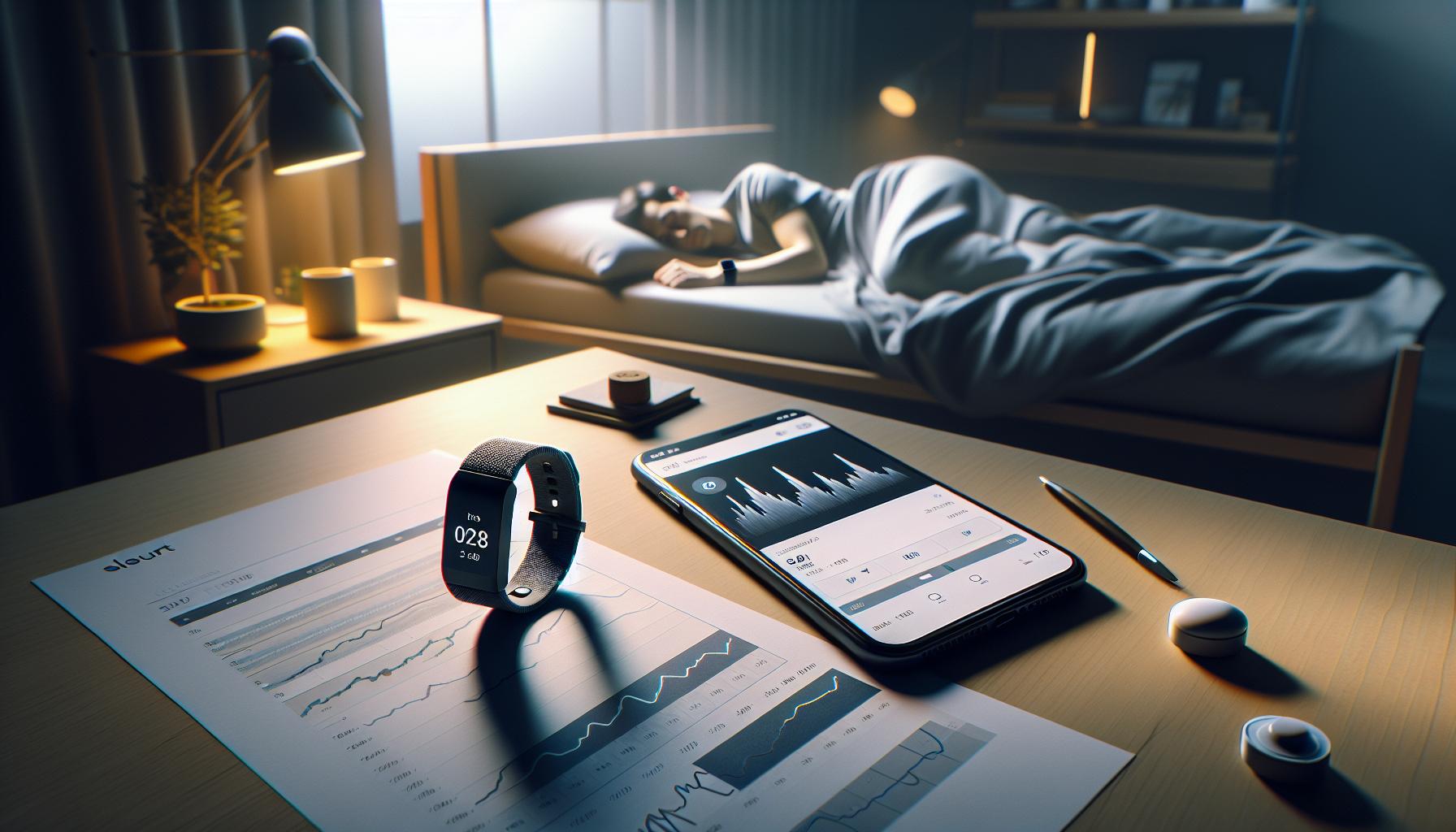
When you lay down to sleep, a wealth of data is generated, even in the hours when your body is at rest. Automatic sleep trackers harness this information, providing insights into your sleep patterns that can be transformative for your overall health and well-being. From wearables like smartwatches and fitness bands to specialized sleep monitoring devices placed under your mattress, various technologies are available today to help you better understand your nightly rest. Here’s how they do it.
Sensors at Work
At the heart of sleep tracking technology are sophisticated sensors that collect vital information during your sleep cycle. Most devices include:
- Accelerometers: These sensors recognize movement, allowing the device to determine whether you are awake, lightly sleeping, or in deeper sleep stages based on your body’s activity levels.
- Heart Rate Monitors: By measuring fluctuations in your heart rate, trackers can identify distinct sleep stages. For instance, slower heartbeats typically correlate with deep sleep stages, while more varied rates may signal light sleep or wakefulness.
- Environmental Sensors: Some advanced models assess external factors such as temperature, light, and noise levels in your sleep environment, which can impact the quality of your rest.
Understanding Sleep Stages
As you sleep, your body cycles through multiple stages, each with its defining characteristics. Sleep trackers break down these stages into several categories:
- Awake: Periods when you may toss and turn or wake briefly.
- Light Sleep: Transitional phase where your body is preparing for deeper sleep.
- Deep Sleep: The most restorative phase, essential for physical recovery and growth.
- REM Sleep: Associated with dreaming and cognitive restoration.
The ability to track these stages is largely due to data analytics, where algorithms combine information from sensors to create visual representations of your sleep cycle, revealing patterns over time.
Data Interpretation
Once the data is collected, the real magic happens in the interpretation. Sleep trackers use algorithms not just to quantify your sleep but also to analyze it. The quality of your sleep is often displayed through user-friendly dashboards on your smartphone or device interface:
- Sleep Duration: Total time spent asleep.
- Sleep Efficiency: The percentage of time spent asleep while in bed.
- Sleep Latency: The amount of time it takes to fall asleep.
This information helps you identify not only how long you slept but also how effectively you rested. Many devices even offer personalized feedback based on the data, guiding you toward lifestyle changes that could improve sleep quality.
Real-World Applications
When deciding how much to rely on sleep trackers, consider their practical applications. For instance, if you notice persistent patterns of restlessness or frequent awakenings, it might signal sleep disorders such as insomnia or sleep apnea. In such cases, while trackers can prompt you to seek professional advice, they cannot replace the comprehensive analysis provided through sleep studies (polysomnography) that diagnose conditions that affect sleep.
Sleep trackers empower users by providing actionable insights into their sleep habits. By understanding how these devices function, you can make informed choices about which technology best suits your needs and ultimately leverage it to enhance your sleep experience.
The Science Behind Sleep Stages and Tracking
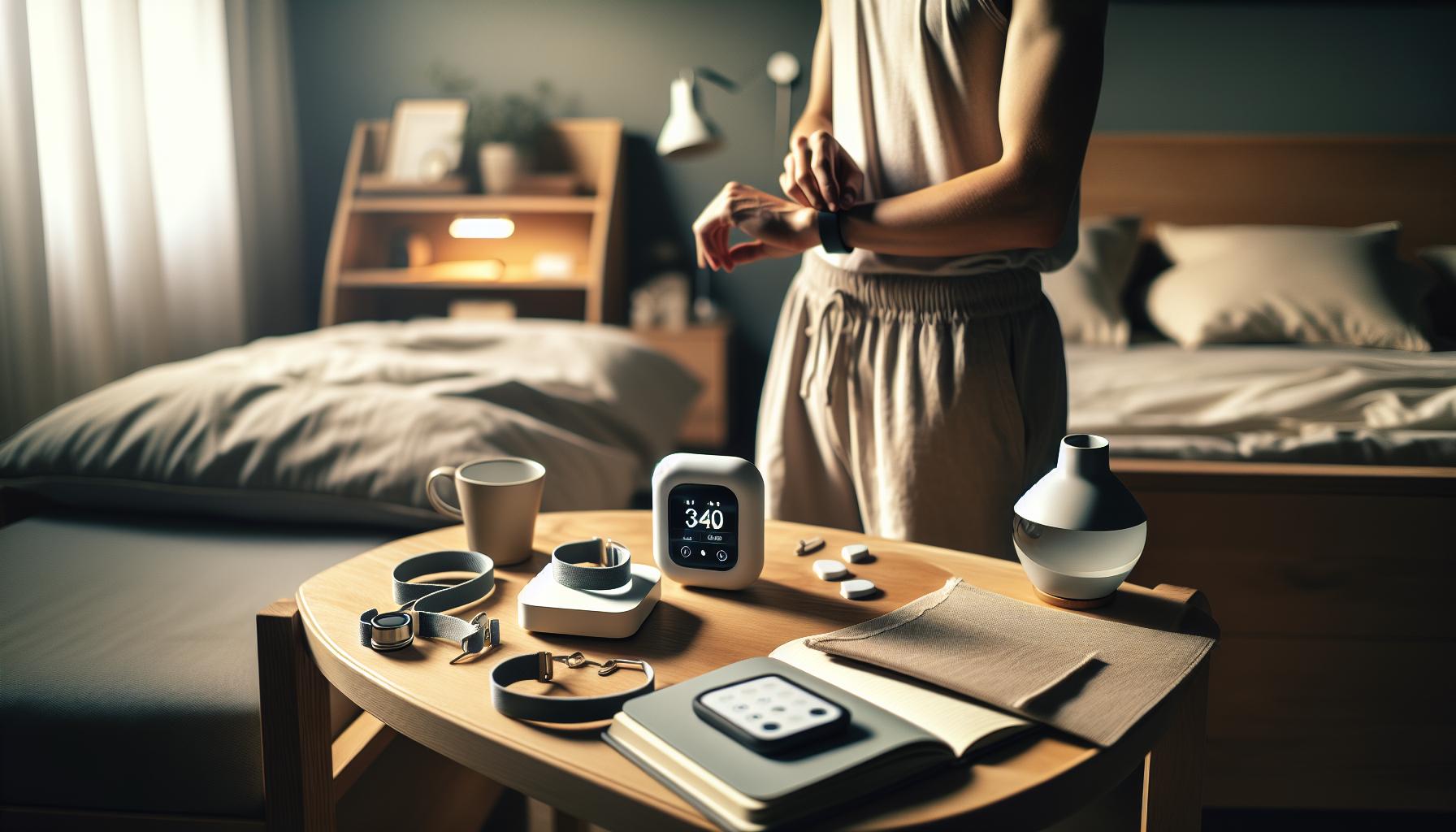
As you lay down to sleep, your body enters a complex cycle of sleep stages that profoundly impact your physical and mental health. Understanding these stages is crucial in maximizing the benefits of automatic sleep tracking technology. Sleep doesn’t just happen; it’s a dynamic process that encompasses several distinct phases, each characterized by specific neurological and physiological changes. By grasping how these stages work, you can leverage sleep trackers to enhance your overall sleep quality.
When you sleep, your body cycles through multiple stages, which can be broadly categorized into two main types: non-REM (Rapid Eye Movement) and REM sleep. Non-REM sleep is further divided into three stages:
- Stage 1: This is a light sleep stage where you drift in and out of sleep and can be easily awakened. Muscle activity slows, and the brain transitions from wakefulness to sleep.
- Stage 2: In this stage, your heart rate slows and body temperature decreases, indicating a deeper relaxation. You’re less aware of your surroundings, contributing to a more restful state.
- Stage 3: Often referred to as deep sleep, this stage is vital for physical restoration and growth. Your body repairs tissues and builds bone and muscle during this time.
REM sleep is when dreaming occurs. This stage is essential for cognitive functions such as memory consolidation, emotional regulation, and creativity. Throughout the night, you cycle through these stages multiple times, with each cycle lasting about 90 minutes. As mornings approach, REM sleep becomes longer relative to deep sleep, preparing your brain for wakefulness.
Automatic sleep trackers use various sensors to monitor these stages. By analyzing your movement and heart rate, they can provide insights into each sleep phase’s duration and quality. For example, if your tracker indicates that you spent a lot of time in light sleep but very little in deep or REM sleep, it may suggest taking steps to improve sleep hygiene, such as adjusting your bedtime routine or optimizing your sleep environment.
Understanding these stages equips you to make more informed decisions about your sleep habits. If you notice consistent difficulties reaching deep sleep, it might be worthwhile to consult a healthcare provider to explore potential underlying issues. With this knowledge, you’ll not only use your sleep tracker more effectively but also pave the way to better sleep and, ultimately, enhanced well-being.
Comparing Different Types of Sleep Tracking Devices
When it comes to sleep tracking, understanding the variety of devices available can empower you to choose one that best fits your lifestyle and needs. From basic wearables to advanced smart mattresses, the options are diverse, each with unique features and capabilities.
Wearable Sleep Trackers
Wearable devices, such as fitness bands and smartwatches, are some of the most popular choices. They typically monitor heart rate, movement, and even blood oxygen levels throughout the night. The benefits of wearing a device include convenience and often, a built-in companion app that offers detailed analysis of your sleep patterns. Devices like the Fitbit or Apple Watch not only track sleep stages but also integrate seamlessly into your daily health data, helping you keep an eye on overall wellness. However, they might be less effective if you’re a restless sleeper since they measure movement to determine sleep cycles.
Bedside Sleep Monitors
On the other hand, bedside sleep monitors provide a non-intrusive alternative; these are placed on your nightstand and use sensors to track your movements and sounds during sleep. This option allows you to avoid wearing something while you sleep while still receiving detailed insights. Products like the Withings Sleep Tracking Mat can track sleep cycles and snoring, providing a comprehensive overview. However, it’s worth noting that some may find it less accurate than wearables, especially concerning movement data.
Smart Mattresses and Sleep Systems
For those willing to invest more, smart mattresses like Eight Sleep track your temperature, movements, and even your sleep stages. These systems can adjust the firmness and temperature based on your sleep cycle and provide feedback through a companion app. While they come at a higher price point, the investment can contribute to significantly improved sleep quality and comfort. Additionally, they often boast features like integration with other smart home devices, enhancing your sleep environment.
Considerations Before Choosing a Device
When deciding on a sleep tracking device, consider factors such as your budget, the level of detail you desire in your sleep data, and whether you prefer a wearable or a stationary device. Additionally, consider your sleep habits; if you are prone to restlessness, a wearable might serve you better, whereas if you prefer not to wear a device while sleeping, opt for a bedside monitor or smart mattress. By aligning your choice of technology with your personal sleep habits and preferences, you can significantly enhance your sleep tracking experience, leading to improved sleep quality.
Setting Up Your Sleep Tracker: A Step-by-Step Guide
Setting up your sleep tracker can be a straightforward process, particularly when you break it down into distinct steps. The key is to align the setup with your specific device, be it a wearable like a smartwatch, a bedside monitor, or a smart mattress. This ensures you can accurately monitor your sleep and gain insights for better health. Here’s how to set it up effectively.
Begin by choosing the right location or wearing your device according to its type. For wearables, make sure it fits snugly on your wrist. It should be tight enough to stay in place but not uncomfortable. If you’re using a bedside monitor, place it on a stable, flat surface close to your bed where it can pick up your movements and sounds without obstruction. If it’s a smart mattress, follow the manufacturer’s instructions to connect it to your home’s Wi-Fi and ensure it’s properly positioned on your bed.
Next, download and install the companion app corresponding to your device. This app is crucial as it interfaces with your tracker, providing detailed data on your sleep patterns. Whether it’s on iOS or Android, installing the app is usually quick. Once installed, create an account or log in to sync your tracker. During this phase, grant the app permission to access relevant data, including health metrics or sleep settings.
Calibration is the next critical step. Many devices need a short calibration period to learn your sleeping patterns accurately. This may involve wearing the device consistently for a few nights or inputting personal data, such as your typical bedtime, wake-up time, and any health conditions affecting your sleep. Some devices require periodic reminders to recharge or recalibrate, so make note of any set-up reminders in your app.
Lastly, review your app settings to optimize your sleep tracking experience. Look for features like sleep goals, reminders to wind down, and integration with other health apps. Each tracker can offer unique metrics-like deep sleep, REM cycles, and heart rate-so take a moment to familiarize yourself with what data will be provided. Always remember to consult the user manual or online resources for troubleshooting tips specific to your device, as this can enhance your initial experience.
By taking the time to set up your sleep tracker thoughtfully, you can unlock meaningful insights that pave the way for improved sleep health, ultimately leading to a more restful night’s sleep and better overall well-being.
Common Metrics Used in Sleep Tracking
Understanding the metrics used in sleep tracking can empower you to improve your sleep health significantly. Sleep trackers gather multiple types of data, which can seem overwhelming at first. However, familiarizing yourself with key metrics can unlock actionable insights about your nightly rest and habits. Here are the most common metrics you should be aware of:
Key Sleep Metrics
- Total Sleep Time: This is the cumulative amount of time you actually spend asleep, excluding periods of wakefulness. Knowing this number helps you determine if you’re getting the recommended 7-9 hours of sleep each night.
- Sleep Efficiency: This percentage indicates how much time you spend asleep versus how long you spend in bed. A higher sleep efficiency score (usually above 85%) suggests that you are able to fall asleep relatively quickly and remain asleep.
- Sleep Stages: Sleep occurs in different stages, primarily classified as light sleep, deep sleep, and REM (Rapid Eye Movement) sleep. An effective tracker will provide percentages that indicate the time spent in each stage, invaluable for understanding your sleep architecture.
- Awakenings: Count of how many times you woke up during the night can highlight disturbances that disrupt your sleep. Frequent awakenings may signal issues such as sleep apnea or restless leg syndrome.
- Heart Rate Variability: Many modern trackers also monitor your heart rate during sleep, providing insights into your autonomic nervous system and overall health. A lower heart rate during sleep generally indicates better sleep quality.
- Respiratory Rate: This metric measures your breath rate during sleep and can help identify issues like sleep apnea if abnormalities are detected.
Utilizing Metrics to Enhance Sleep
Once you have these metrics at your fingertips, it’s crucial to interpret them wisely. For instance, if your deep sleep percentage is low, you could benefit from a bedtime routine that promotes deeper rest, like limiting screen time or practicing mindfulness before sleep. If you frequently notice a high number of awakenings, it may warrant further investigation, such as consulting with a sleep therapist or trying lifestyle changes.
Additionally, consider tracking these metrics consistently over time. Sleep patterns often fluctuate, and monitoring them allows for more accurate assessments and adjustments to your sleep hygiene. Many trackers also allow you to compare your sleep data against averages for your age group or other users, providing context for your own metrics.
By understanding and utilizing these common sleep metrics, you can make informed decisions about your sleep environment, lifestyle choices, and health routines, empowering you to take control of your sleep health effectively.
Limitations of Automatic Sleep Tracking Systems
Despite their popularity and advancements, automatic sleep tracking systems come with several limitations that users should consider. While these devices can provide valuable insights into your sleep patterns, they primarily rely on algorithms and sensors that may not capture the full complexity of your sleep. Understanding these limitations can help you make more informed decisions about your sleep health.
One significant limitation is accuracy. Many sleep trackers use motion sensors, heart rate monitors, or a combination of both to estimate your sleep stages. However, the algorithms may misinterpret awake time as light sleep and fail to accurately capture transitions between sleep stages. This can lead to misconceptions about the quality of your sleep. For instance, a user might believe they had a restful night based on their device’s data, but the tracker may have overlooked periods of wakefulness or restlessness.
Additionally, sleep trackers are often not equipped to detect certain sleep disorders like sleep apnea, which require more sophisticated monitoring techniques. A basic wearable may alert you to times you woke up or your heart rate variability, but it cannot provide a comprehensive diagnosis. If you frequently feel unrested or suspect a sleep disorder, consulting with a sleep specialist for a professional evaluation is advisable.
Another drawback is the potential over-reliance on the data these devices provide. Users may fixate on metrics like total sleep time or sleep efficiency, leading to anxiety or stress about their sleep quality. This behavior can ironically contribute to poorer sleep rather than the improvements they seek. It’s essential to use this information as a guideline rather than a strict means of judgment.
Finally, privacy concerns around data collection are becoming a growing issue. Many sleep trackers sync data with apps that collect and store personal information. Understanding how your data is used and ensuring that you are comfortable with the privacy policies of the device and the app is crucial. In conclusion, while automatic sleep tracking systems can provide helpful insights into your sleep patterns, remaining aware of their limitations will empower you to utilize them effectively and seek additional help when necessary.
Improving Sleep Quality with Tracker Insights
Understanding your sleep patterns through tracker insights can be a game changer for improving sleep quality. The right device doesn’t just tell you how long you slept; it offers a detailed view of your sleep stages and patterns, helping you identify what factors influence your rest. For example, many trackers provide information about the time spent in deep and REM sleep, which are crucial for restorative rest. By analyzing this data, you can tailor lifestyle changes-such as adjusting your bedtime routine or eliminating evening screen time-to enhance your sleep experience.
Utilizing Data for Better Sleep
When you track your sleep consistently, you become more aware of your habits. For instance, you might discover that certain pre-sleep activities, like intense exercise or consuming caffeine too late in the day, significantly impact the quality of your sleep. Consider creating a sleep diary alongside your tracker data to include lifestyle factors such as stress levels, diet, and exercise. This holistic view allows you to connect the dots between daily activities and nightly rest.
- Analyze Patterns: Look for trends in your sleep data. Do you sleep more soundly on weekends than weekdays? This could indicate a need for stress management during the workweek.
- Set Goals: Use your tracker insights to set realistic sleep goals, like aiming for consistent bedtimes or increasing the duration of deep sleep.
- Consult Data with a Professional: If patterns indicate persistent issues, consider speaking with a sleep specialist armed with your tracked data for a more informed discussion.
Real-World Example: The Power of Incremental Changes
Imagine a user named Sarah who regularly checked her sleep tracker and realized she was getting insufficient REM sleep during the week. After analyzing her data, she noted that her sleep was often interrupted after late-night work sessions. By committing to a cut-off time for work and introducing relaxing bedtime rituals-like reading or meditation-she improved her sleep quality within just a few weeks. It highlights how simple, actionable insights drawn from data can effect significant change.
Incorporating tracker insights can provide valuable direction in your quest for better sleep. Remember, it’s not just about hitting a magic number of hours; it’s about understanding how you feel and function based on your unique patterns and adjusting your daily routines accordingly. With the right strategy, you can leverage this technology to cultivate restorative sleep habits that lead to better overall health and well-being.
Real-Life Use Cases: When to Rely on Sleep Trackers
Utilizing sleep trackers can profoundly transform the way individuals approach their nightly rest, making them invaluable tools for various scenarios. For example, someone struggling with insomnia can leverage the detailed insights from a sleep tracker to identify patterns and triggers that disrupt their sleep. By examining data on sleep duration, wake-up times, and environmental factors like room temperature, the user can make informed changes, such as adjusting their bedtime or creating a more conducive sleep environment.
Another use case is for shift workers who face irregular sleeping patterns. Sleep trackers can provide critical feedback on sleep quality, helping them establish a routine that accommodates their unpredictable schedules. Insights from the device can reveal optimal sleep windows and highlight when their rest is most effective, empowering them to maximize their recovery time despite challenging work hours.
Athletes and fitness enthusiasts also benefit from these devices. By analyzing sleep data, they can correlate sleep quality with performance metrics. A runner, for instance, may notice that their speed improves after nights with higher REM sleep, prompting them to prioritize recovery strategies that enhance deep sleep, such as reducing electronic device use before bed or incorporating relaxation techniques.
Additionally, for individuals concerned about sleep-related health issues, a sleep tracker can serve as an informative tool for consultations with healthcare providers. By logging sleep data alongside any symptoms, users can give physicians a clearer picture of their sleep habits, facilitating more accurate diagnoses and tailored treatment plans for conditions like sleep apnea or chronic insomnia.
In essence, sleep trackers can be powerful allies for anyone looking to optimize their sleep health. Whether identifying personal sleep patterns, navigating shift work, enhancing athletic performance, or seeking professional medical advice, these devices equip users with actionable insights to improve their overall sleep quality.
Advanced Features in Cutting-Edge Sleep Technology
In the rapidly evolving world of sleep technology, advanced features are changing how we understand and enhance our rest. Modern sleep trackers are not just simple devices that monitor sleep duration; they are equipped with sophisticated sensors and algorithms that analyze a range of metrics, providing deeper insights into our sleep patterns. For instance, some wearables utilize heart rate variability (HRV) and blood oxygen levels to assess overall sleep quality, while others employ advanced motion detection to distinguish between light and deep sleep phases.
Smart Integration and Personalization
Many cutting-edge sleep trackers now offer smart integration with other health monitors, allowing users to link their sleep data with fitness trackers and even smart home devices. This connectivity can create a holistic view of health by correlating sleep patterns with activity levels, heart health, and even diet. For example, devices like the Oura Ring can recommend personalized bedtime routines by analyzing sleep quality in conjunction with daily activity, ensuring users optimize conditions for rest. Some models also feature integration with smart home technology to adjust room lighting or temperature automatically as the user prepares for sleep, further fostering a restful environment.
Predictive Analytics and Trends
One significant advancement in sleep trackers is the use of predictive analytics. By utilizing machine learning techniques, sleep technology can identify trends over time and make proactive recommendations. For example, if a user frequently wakes up at 3 AM, the device may suggest changes such as adjusting the caffeine intake in the afternoon or shifting the bedtime earlier to mitigate nocturnal awakenings. This anticipatory capability empowers users with actionable insights, helping them to continuously refine their sleep habits rather than merely reacting after the fact.
Advanced Monitoring Features
Today’s sleep technology also comes with features like sleep apnea detection, which monitors breathing irregularities during sleep. This capability is especially crucial for users who suspect they may have sleep apnea but have not yet undergone a clinical sleep study. Additionally, some devices provide insights into sleep disturbances caused by external factors, such as noise or temperature changes. Coupled with detailed sleep reports, these insights help users take targeted actions-be it investing in soundproofing their bedroom or choosing the right bedding materials.
By leveraging these advanced features, individuals can take meaningful steps towards enhancing their sleep quality, leading to significant improvements in overall health and daily functioning. With technology continually advancing, keeping abreast of the latest innovations ensures you make informed decisions that align with your specific sleep needs.
Troubleshooting Common Issues with Sleep Trackers
Sleep trackers, while beneficial, can sometimes present challenges that affect the accuracy and usability of the data they provide. Understanding common issues and how to troubleshoot them can enhance your experience and the insights you gain from your device.
One prevalent issue is inaccurate readings. This can stem from improper usage or placement of the device. Ensure your tracker is snug on your wrist or in the intended position according to the manufacturer’s instructions. Regularly clean the sensors and check for firmware updates, as these improvements can enhance functionality and accuracy. If sleep data seems off-like an unusually low sleep score-double-check if the device was properly synced with its app, as communication errors can lead to data loss or misinterpretation.
Another common challenge is battery life. Many trackers require regular charging, and long nights away from home can lead to interruptions in tracking. To mitigate this, consider investing in a portable charger if you travel frequently. Also, you might want to adjust the settings to conserve battery life, such as reducing tracking frequency or turning off non-essential features like heart rate monitoring during sleep.
It’s also worth addressing connectivity issues. Sometimes, trackers can fail to sync with your smartphone app, which prevents data from being logged. To troubleshoot, try disconnecting and reconnecting via Bluetooth. Restarting your phone or the device itself can also resolve temporary glitches. If problems persist, check the manufacturer’s support website for additional insights or advanced fixes.
Finally, while reliance on sleep trackers can offer valuable insights, they aren’t foolproof. Users should be mindful that discrepancies can arise due to various factors like sleep environment or personal health conditions. It’s crucial to approach the data obtained from trackers as supplementary to your overall sleep understanding. If persistent sleep issues arise, consider consulting a healthcare professional for tailored advice, as some conditions may require formal assessment or treatment beyond what a tracker can provide.
By addressing these common issues proactively, you can extract maximum value from your sleep tracker and improve your overall sleep health.
The Future of Sleep Tracking Technology
The world of sleep tracking technology is rapidly evolving, promising greater accuracy and richer insights into our nightly rest. With advancements in sensors, AI algorithms, and integration capabilities, sleep trackers are becoming more sophisticated in how they analyze sleep patterns. Imagine a device that not only monitors when you sleep but also measures stress levels, breathing patterns, and even environmental factors like room temperature and light exposure-this is not far from our reality.
Innovative Sensor Technologies
Recent advancements in sensor technology are paving the way for more comprehensive sleep analysis. Devices are incorporating multiple types of sensors, such as:
- Accelerometers: Measure movement to track sleep stages.
- Heart Rate Monitors: Track heart rate variability, which can indicate stress and relaxation levels.
- Pulse Oximeters: Monitor blood oxygen levels, providing insights into conditions like sleep apnea.
- Temperature Sensors: Help assess environmental comfort, which can influence sleep quality.
The integration of these new sensors allows for a more holistic approach to understanding sleep, making it easier for users to tailor their sleep environments for optimum rest.
AI and Machine Learning
Another exciting direction is the use of AI and machine learning in analyzing sleep data. These technologies can interpret patterns over time, providing users with personalized insights and recommendations. For instance, by analyzing your sleep data combined with lifestyle factors-like daily activity levels and stressors-AI can suggest adjustments to improve your sleep quality. Imagine receiving tailored advice on optimal sleep times based on your unique patterns, enhancing your nightly routine for better rest.
Integration with Smart Home Devices
Looking ahead, we can expect greater integration of sleep trackers with smart home technology. This could involve:
- Smart Lighting: Automatically adjusting lights to facilitate melatonin production as bedtime approaches.
- Thermostats: Modifying room temperature based on ideal sleep conditions.
- Noise Control: Implementing white noise or calming sounds to support relaxation.
These integrations will not only enhance the tracking experience but also create a conducive environment for sleep, potentially reducing insomnia and other sleep disorders.
As we move into the future, the potential of sleep tracking technology is vast. With ongoing innovations, these tools will become even more instrumental in fostering healthy sleep habits. They will empower users with actionable insights that can lead to improved sleep quality, performance during the day, and overall health. By keeping an eye on these developing trends, consumers will be better prepared to choose devices that not only fit their current needs but also adapt to the future of sleep health.
Frequently asked questions
Q: How accurate is automatic sleep tracking technology?
A: Automatic sleep tracking can be quite accurate, typically estimating sleep duration and cycles within a few minutes. However, its precision varies by device and algorithm. To improve accuracy, ensure your device is well-calibrated and worn correctly. For best results, refer to metrics in the Common Metrics Used in Sleep Tracking section of our article.
Q: What factors can influence sleep tracker accuracy?
A: Sleep tracker accuracy can be influenced by several factors including device type, user behavior, and environmental conditions. For instance, body movements, noise levels, and even your sleep position can impact the readings. Explore tips in our Setting Up Your Sleep Tracker section for optimal use.
Q: Can automatic sleep tracking help with insomnia?
A: Yes, automatic sleep tracking can help identify patterns associated with insomnia. By analyzing sleep data, users can pinpoint issues such as irregular sleep schedules or frequent wake-ups. Use insights from your tracker to establish healthier sleep habits, as discussed in our Improving Sleep Quality with Tracker Insights section.
Q: Are there any health risks associated with using sleep trackers?
A: Generally, using sleep trackers is safe; however, over-reliance on their data may lead to anxiety about sleep quality. It’s essential to view the information as a guideline rather than an absolute. For deeper insights into usage, refer to our Limitations of Automatic Sleep Tracking Systems section.
Q: How do sleep trackers differentiate between sleep stages?
A: Sleep trackers use sensors to monitor movement, heart rate, and sometimes even respiration. By analyzing this data, they estimate sleep stages including light, deep, and REM sleep. For a more thorough explanation, see our The Science Behind Sleep Stages and Tracking section.
Q: How do I troubleshoot common issues with my sleep tracker?
A: Common issues can often be resolved by checking the device’s fit, ensuring it’s charged, and updating the software. For detailed troubleshooting steps, visit our Troubleshooting Common Issues with Sleep Trackers section for guidance.
Q: Can using a sleep tracker improve my overall health?
A: Yes, using a sleep tracker can enhance overall health by providing insights into your sleep patterns and helping to foster healthier sleep habits. Track your progress over time, and refer to our Real-Life Use Cases: When to Rely on Sleep Trackers for examples of improvements people have made.
Q: What should I consider when comparing different sleep tracking devices?
A: When comparing sleep trackers, consider factors such as accuracy, battery life, and available features like heart rate monitoring. Additionally, check user reviews and pricing. For a detailed comparison guide, see our Comparing Different Types of Sleep Tracking Devices section.
Final Thoughts
Understanding how automatic sleep tracking works empowers you to take charge of your sleep health. Whether you’re exploring wearables that monitor your rest or deciding between an at-home device and a sleep study, knowing what to expect will enhance your decision-making. Remember, the right tool can provide critical insights, helping to address sleep disorders or optimize your nightly routine.
Don’t stop here! Explore our guide on the benefits of sleep to learn more about how good rest enhances your life. Interested in understanding more about the science of sleep? Check out our article on how sleep works for detailed insights. Have questions or experiences to share? We’d love to hear from you in the comments! Keep forging ahead on your sleep journey-because better sleep starts with informed choices.
Get our latest guides, news, and insights highlighted in your Google Search & AI Overviews.