
Did you know that nearly one in three adults experiences sleep disturbances? For many, understanding how a sleep study is performed can provide crucial insights into improving their rest and overall health. A sleep study, or polysomnography, helps diagnose various sleep disorders by analyzing brain waves, oxygen levels, heart rate, and breathing patterns while you sleep. This guide will walk you through the procedures involved in a sleep study, what to expect during your visit, and how the results can pave the way for better sleep hygiene and improved well-being. Whether you’ve been struggling with insomnia or suspect you might have sleep apnea, knowing what happens in the lab can ease anxiety and empower you to take control of your sleep health. Let’s dive into the fascinating world of sleep studies and uncover the steps that could lead to a more restful night.
What is a Sleep Study and Why Is It Performed?
Sleep studies are essential tools for diagnosing various sleep disorders. They are conducted to evaluate your sleep patterns and identify issues like sleep apnea, insomnia, or restless leg syndrome. During these studies, healthcare providers monitor various physiological parameters, including brain activity, heart rate, breathing patterns, and oxygen levels, often using equipment that records this information over the course of a night’s sleep. The data collected helps doctors understand how well you sleep and how your body responds to sleep-related problems, guiding treatment options and improving sleep health overall [[1]].
Understanding the purpose of a sleep study can alleviate some of the anxiety associated with undergoing such tests. If you’re constantly tired during the day or have trouble falling asleep at night, a sleep study might be the next step suggested by your doctor. While the idea of spending a night in a sleep lab may feel daunting, the insights gained can be invaluable. Sleep studies not only help diagnose conditions but can also provide a roadmap for effective treatment plans tailored to your specific needs.
Ultimately, these studies play a critical role in enhancing your overall well-being. Accurate diagnosis leads to better treatment, improved quality of sleep, and can significantly impact your physical and mental health. Knowing what to expect from a sleep study-whether in a lab or at home-can empower you to take charge of your sleep health journey, leading to more restorative nights and energetic days.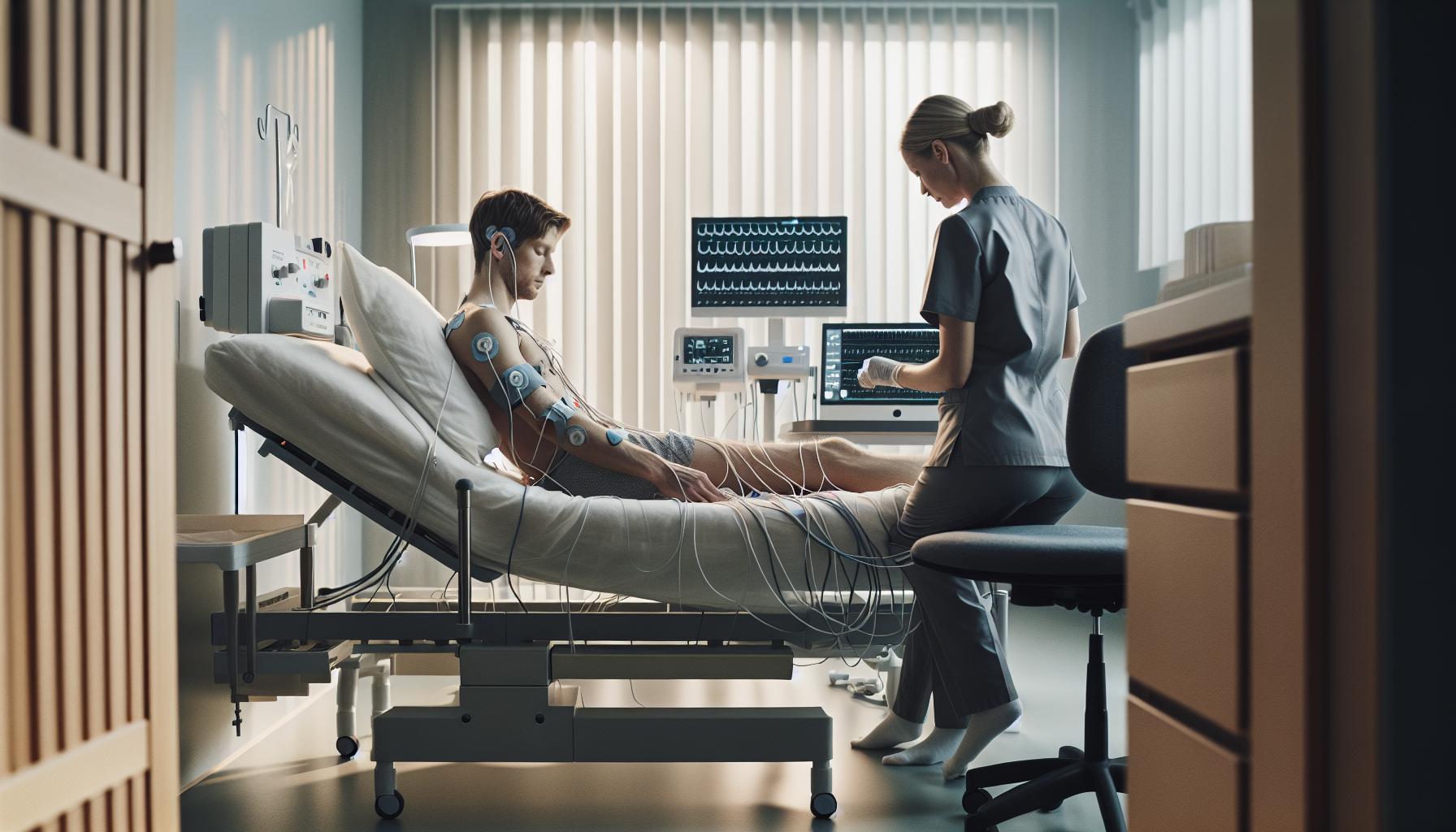
Types of Sleep Studies: Understanding Your Options
Different sleep studies serve various purposes and can significantly impact your diagnosis and treatment plan. Understanding these options can make it easier to choose the right one for your specific needs and alleviate some anxiety about the process. Here’s a breakdown of the primary types of sleep studies available:
In-Lab Sleep Studies
In-lab sleep studies, often referred to as polysomnography (PSG), are typically conducted at a sleep center or hospital. During these studies, your health care provider monitors multiple body functions while you sleep, including brain activity, eye movements, heart rate, and breathing patterns. This comprehensive monitoring provides a full picture of your sleep architecture and can help identify disorders such as obstructive sleep apnea (OSA), narcolepsy, and REM sleep behavior disorder. Although they require an overnight stay, the detailed data collected in this setting is crucial for accurate diagnosis and treatment plans.
Home Sleep Tests
For those who may find an in-lab study daunting or are simply looking for a more convenient option, home sleep tests (HSTs) offer a practical alternative. These tests typically focus on diagnosing sleep apnea and can involve simpler equipment that you use in the comfort of your own home. You’ll be provided with a portable monitoring device that records your breathing patterns, heart rate, and oxygen levels, which you return for analysis. While HSTs are less comprehensive than in-lab studies, they are still effective for diagnosing specific conditions and are often more affordable.
Split-Night Sleep Studies
A split-night study combines the best of both worlds. It involves conducting an initial portion of a standard polysomnography at the lab, where the patient’s baseline sleep is monitored. If sleep apnea is suspected based on that data, the second half of the night is used to evaluate the patient’s response to Continuous Positive Airway Pressure (CPAP) therapy. This type of study is particularly beneficial for those who may need immediate diagnosis and treatment during the same visit.
Multiple Sleep Latency Test (MSLT)
If you experience excessive daytime sleepiness, the MSLT may be recommended. This test is typically performed the day after an in-lab sleep study. During the MSLT, you will take several short naps, and the time it takes to fall asleep is measured. This helps diagnose conditions like narcolepsy or idiopathic hypersomnia. The information gathered assists health professionals in understanding your sleep patterns and daytime functioning more effectively.
Each of these sleep study types has its own advantages and suitability depending on your symptoms and the complexity of your sleep issues. Consult with your healthcare provider to determine which option is best for you. Understanding the differences will empower you to make informed decisions about your sleep health journey.
The Sleep Study Process: Step-by-Step Procedures
Undergoing a sleep study might seem intimidating, but understanding the step-by-step process can help ease any concerns. The journey begins with a consultation where your healthcare provider discusses your sleep symptoms and screens for possible sleep disorders. Choosing the right type of study-whether it’s an in-lab polysomnography or a home sleep test-depends on your individual situation and specific symptoms.
Once you’re scheduled for a sleep study, there are a few steps to prepare. You may be instructed to avoid caffeine and alcohol for a few days before the study to ensure accurate results. On the day of the test, dress comfortably, as you’ll need to feel relaxed during the monitoring.
When you arrive at the sleep center or prepare for your home test, here’s what you can expect:
Equipment Setup
for in-lab studies, you will be connected to various sensors that monitor your body during sleep. These sensors include:
- Electrodes placed on your scalp to measure brain activity
- Straps around your chest and abdomen to assess breathing
- Oximeter attached to your finger to monitor oxygen levels
- Camera for observing movements
Every device is applied with care to minimize discomfort, and the technician will ensure that you feel comfortable before asking you to settle into bed. You’ll be in a private room designed to simulate a home-like environment.
Monitoring Your Sleep
Once the equipment is set up, you will be encouraged to go to sleep as normal. The technology will monitor various stages of sleep, including REM and non-REM sleep, as well as identify any breathing issues. If you’re undergoing a split-night study, your technician may introduce CPAP therapy midway through if sleep apnea is suspected, allowing them to gauge how well you respond to the treatment.
For home sleep tests, the process typically involves setting up simpler equipment yourself, including a device for tracking your breathing and heart rate. You’ll receive instructions on how to wear these devices properly before you go to bed for the night.
After your sleep study, the data collected will be analyzed by a specialist. Results often take a few days to a week, and your provider will schedule a follow-up appointment to discuss findings and next steps. Understanding this procedure can help reduce anxiety and empower you to engage with your sleep health more proactively.
Preparing for Your Sleep Study: What to Expect
Undergoing a sleep study can feel daunting, but preparing wisely can transform your experience into a more manageable and less stressful process. One of the best pieces of advice is to familiarize yourself with the various expectations leading up to and during the study. By doing so, you can reduce anxiety and feel more in control.
Prior to your sleep study, it’s essential to follow any specific instructions from your healthcare provider. Generally, you’ll want to avoid caffeine and alcohol in the days leading up to the study, as these substances can significantly affect your sleep patterns. Consider keeping a sleep diary, noting your sleep habits and any disturbances you experience. This information can provide valuable insights to your doctor and help tailor your study process.
On the day of your sleep study, dress comfortably to ensure you are relaxed throughout the monitoring. Most sleep centers provide a cozy environment designed to mimic a home setting, complete with a private room. When you arrive, a technician will guide you through the setup of equipment. You’ll be connected to various sensors, including electrodes for brain activity monitoring and bands for tracking your breathing. This process is performed with care to ensure minimal discomfort, and the technician will be there to assist and answer any questions.
If you’re undergoing a home sleep study, you’ll receive clear instructions on how to set up and wear the equipment. These may include straps to monitor your chest and a device for tracking your breathing and heart rate. On the evening of your test, ensure you follow the setup instructions closely, allowing for accurate data collection. Understanding what to expect-both during the procedure and in terms of emotional responses-gives you the power to approach a sleep study with confidence.
Inside the Sleep Lab: Equipment and Environment
The environment within a sleep lab is meticulously designed to foster a peaceful and restful sleep experience. When you step into a sleep study facility, you might be surprised to find that it resembles a cozy bedroom more than a clinical setting. This thoughtful approach helps ease anxiety and promotes natural sleep patterns, crucial for accurate data collection. The rooms are typically dimly lit and equipped with comfortable bedding, soothing decor, and soundproofing to minimize external disturbances.
Essential Equipment and Monitoring Tools
Inside the sleep lab, you will encounter an array of specialized equipment aimed at monitoring various aspects of your sleep. Here are some common tools you can expect to see:
- Electrodes: Small sensors placed on your scalp and face track brain activity, allowing clinicians to analyze sleep stages.
- Belt Sensors: These are fitted around your chest and abdomen to monitor your breathing patterns and detect any interruptions.
- Oximeters: A clip placed on your fingertip measures the oxygen levels in your blood, which is vital for identifying conditions like sleep apnea.
- Video Monitoring: Cameras may be used discreetly to observe your physical movements throughout the night.
Each piece of equipment is attached with care, maximizing comfort while ensuring accurate data collection. Technicians remain nearby, often monitoring your results in real-time from an adjacent control room.
The Lab Atmosphere
The ambiance of a sleep lab plays a crucial role in how effectively you can relax and fall asleep. Facilities aim for a home-like environment, complete with adjustable lighting and temperature controls to suit your preferences. Many labs allow personal items like a favorite pillow or blanket to help you feel at ease. By creating a comfortable atmosphere, sleep labs strive to replicate the conditions of a regular night’s sleep, facilitating dependable results.
Understanding the lab’s features and the purpose behind each device can help mitigate any anxiety you might have about undergoing a sleep study. It’s all about making you feel as relaxed and natural as possible, enabling health professionals to gather the most accurate information about your sleep habits.
Polysomnography Explained: Monitoring Your Sleep
Monitoring sleep through polysomnography is an intricate yet essential process that plays a pivotal role in diagnosing sleep disorders. This comprehensive sleep study involves the use of multiple sensors and monitors to collect data on various physiological parameters as you sleep. By understanding how polysomnography works, you can better prepare for the experience and manage any anxiety you might feel.
During a polysomnography, several parameters are monitored, including brain activity, eye movements, heart rate, breathing patterns, and blood oxygen levels. This data provides a complete picture of your sleep architecture, revealing how long you spend in each sleep stage-from light sleep to deep sleep and REM sleep. The intricate network of electrodes placed on your scalp and face picks up electrical signals from your brain, while additional sensors monitor your respiratory effort and oxygen saturation levels via a simple fingertip clip.
The data collected during the study not only helps identify common issues such as sleep apnea or restless leg syndrome but also offers insight into less well-known conditions that might affect your sleep quality. For example, the study can reveal disruptions in sleep patterns related to anxiety or depression, guiding healthcare providers to tailor appropriate interventions. Understanding the different sleep stages is crucial because each stage plays a unique role in your overall health, affecting everything from memory consolidation to emotional regulation.
Although the thought of being monitored so closely can be daunting, it’s important to remember that sleep technicians are highly trained professionals there to ensure your comfort and safety throughout the night. They monitor your sleep in real-time, making adjustments as necessary to ensure that the data collected is as accurate as possible. This combination of technology and human oversight helps demystify the process and reassures you that you are in good hands.
What Happens During a Home Sleep Study?
During a home sleep study, the process is designed to be as comfortable as possible, allowing you to monitor your sleep in the safety and familiarity of your own home. You will typically begin by receiving a sleep kit from your healthcare provider, which includes all the necessary equipment to gather essential data about your sleep patterns. This might include a small portable monitor that tracks your breathing, heart rate, and oxygen levels, along with sensors that you’ll place on your body before sleep.
Before you go to bed, you’ll set up the equipment in accordance with the provided instructions. This often involves placing sensors on your fingertip, chest, and sometimes your forehead. The simplicity of these devices greatly contrasts with the complexity of laboratory settings, making home studies an appealing option for many. Most people find it less intimidating to sleep in their own bed rather than in a clinical environment, which can significantly ease feelings of anxiety surrounding sleep monitoring.
On the night of the study, it’s helpful to maintain your regular bedtime routine. Avoiding caffeine and heavy meals before bed can help ensure a more accurate representation of your typical sleep characteristics. Once you turn off the lights, the monitor records data throughout the night. Some devices even include features to track movements, enabling a comprehensive view of your sleep quality.
The next morning, simply remove the sensors and return the equipment as instructed. The collected data will be reviewed by a sleep specialist, who will analyze the results to help determine if you have any sleep disorders such as sleep apnea, insomnia, or other conditions affecting your sleep health. By performing the study in a home setting, you’ll often find the process much less stressful, all while still gathering valuable insights into your sleep.
Interpreting Sleep Study Results: What You Should Know
Understanding the results from your sleep study can be both enlightening and overwhelming. A sleep study, or polysomnography, captures critical data about your sleep patterns, including brain waves, oxygen levels, heart rate, and breathing, ultimately assisting in diagnosing disorders like sleep apnea, insomnia, and restless legs syndrome. However, as you navigate the sea of data and recommendations, it’s vital to glean the most pertinent insights.
What to Expect from Results
When your sleep specialist reviews the data, they will provide a comprehensive analysis based on several key metrics. Here are the primary areas they will focus on:
- Apnea-Hypopnea Index (AHI): This score measures the severity of sleep apnea by calculating the number of apneas (pauses in breathing) and hypopneas (shallow breathing) you experience per hour of sleep. A higher AHI indicates a greater severity of sleep apnea.
- Sleep Stages: Your results will show how much time you spent in different sleep stages-rem (rapid eye movement), light, and deep sleep. Disturbances during these stages can impact overall sleep quality and how rested you feel.
- Oxygen Saturation: Continuous monitoring of your blood oxygen levels reveals how well your body is getting oxygen during sleep. Significant drops can indicate serious health issues.
- Movement Index: This tracks how often you move throughout the night, which can indicate factors such as restless legs syndrome or other sleep disruptions.
Analyzing the Data
Once you have your report, here are additional steps to help interpret it effectively:
- Ask Questions: Don’t hesitate to inquire further about any terms or findings you don’t understand. Your sleep specialist can clarify how specific metrics relate to your health and lifestyle.
- Consider Your Symptoms: Relate your results to the symptoms you’ve been experiencing. For instance, if you have a high AHI and are reporting excessive daytime sleepiness, it could strongly suggest the need for treatment options.
- Explore Treatment Options: Depending on your diagnosis, your doctor may recommend lifestyle changes, CPAP therapy for sleep apnea, or medication for insomnia. Understanding the implications of your results will empower you to make informed decisions about your health.
Moving Forward
Remember, interpreting sleep study results is not solely about numbers but also about how they translate to your daily life. By fully understanding the insights from your sleep study, you can actively participate in your treatment plan and make meaningful adjustments to improve your sleep health. This proactive approach not only helps in managing sleep disorders but also contributes to better overall well-being.
Common Sleep Disorders Diagnosed by Studies
Many people are surprised to learn that sleep studies can uncover a range of common sleep disorders, each with its own distinct symptoms and treatment options. Understanding these disorders is crucial for anyone considering a sleep study or seeking to improve their sleep health.
Among the most frequently diagnosed conditions is Obstructive Sleep Apnea (OSA), characterized by repeated pauses in breathing during sleep. These interruptions often lead to fragmented sleep and excessive daytime sleepiness. The Apnea-Hypopnea Index (AHI) measures the severity of OSA, guiding treatment decisions that might include lifestyle changes, the use of CPAP machines, or even surgery in severe cases.
Another prevalent issue is Insomnia, which involves difficulty falling asleep or staying asleep. Sleep studies can help differentiate between primary insomnia, where there are no underlying conditions, and secondary insomnia, which might be related to anxiety, depression, or other medical issues. Treatment often includes cognitive-behavioral therapy for insomnia (CBT-I) or medications tailored to the patient’s needs.
Restless Legs Syndrome (RLS) is yet another concern that sleep studies can diagnose. This disorder causes uncomfortable sensations in the legs and an irresistible urge to move them, particularly at night. Individuals suffering from RLS often experience disrupted sleep, leading to fatigue and mood disturbances. Treatment may include lifestyle modifications, iron supplementation, or medication to ease symptoms.
Finally, sleep studies can also provide insights into Periodic Limb Movement Disorder (PLMD), marked by involuntary leg movements during sleep that can affect the quality of rest. Similar treatments to RLS are often applied here as well.
Getting a clear diagnosis through a sleep study is a vital step toward managing any of these disorders effectively. Armed with insights from the study, patients can work with their healthcare providers to establish a personalized treatment plan, ultimately enhancing their sleep quality and overall well-being.
Insurance and Sleep Studies: Coverage and Costs
Understanding insurance coverage for sleep studies can be daunting, yet it’s essential for anyone considering this crucial step towards better sleep health. The costs associated with sleep studies can vary widely, often depending on the type of study conducted, the facility, and insurance coverage specifics. Generally, in-lab polysomnography-the most comprehensive type of sleep study-can cost anywhere from $1,000 to $3,000 or more without insurance. However, many insurance plans do cover sleep studies when deemed medically necessary.
What to Expect with Insurance Coverage
Before proceeding with a sleep study, it’s wise to check with your insurance provider. They usually require a formal diagnosis from a healthcare professional, paired with documentation of symptoms, before authorizing coverage for the study. It can be beneficial to understand your policy’s terms, including any co-pays, deductibles, or limits on the number of studies covered per year. Here are some tips for navigating the insurance maze:
- Pre-authorization: Confirm whether you need pre-authorization from your insurance company, as many will require this before scheduling.
- In-network vs. Out-of-network: Determine if the sleep clinic or lab is considered in-network with your insurance to maximize your benefits.
- Itemized Billing: Ask for an itemized bill after the procedure to understand the costs and verify what your insurance covered.
Alternatives and Out-of-Pocket Options
If your insurance doesn’t cover a sleep study or if you’re uninsured, there are still options available. Some clinics offer payment plans or cash discounts. Additionally, home sleep apnea tests-generally less expensive-can diagnose obstructive sleep apnea and might be a more affordable alternative. These tests can range from $200 to $500, typically without the extensive coverage concerns associated with in-lab studies.
In today’s tech-driven world, countless wearable devices and apps can track sleep patterns, providing valuable insights that might help you decide whether to pursue a formal study. However, while these options can be helpful, they don’t substitute for a full professional evaluation if your symptoms are severe.
By equipping yourself with information about coverage, costs, and available alternatives, you’ll be better prepared to make informed decisions about your sleep health. Taking this proactive approach not only alleviates financial stress but also empowers you to seek the help you need for a restful night’s sleep.
Alternatives to Sleep Studies: In-Home Devices and Trackers
In a world where technology is increasingly integrated into our daily lives, tracking sleep patterns has never been more accessible. For those who either can’t afford a traditional sleep study or prefer to explore their sleep health from the comfort of home, in-home devices and trackers can offer valuable insights. These tools range from basic smartphone apps to sophisticated wearables that monitor various sleep parameters, allowing users to make informed decisions about their sleep habits.
One of the most popular types of sleep tracking technology is wearable devices like fitness bands and smartwatches. These gadgets often utilize a combination of accelerometers and heart rate monitors to gauge sleep stages-light, deep, and REM. For example, devices from brands like Fitbit and Apple Watch provide not only tracking but also a holistic view of your overall health, including activity levels and heart rate variability. Users can expect to pay between $70 and $300 for these devices, making them a more economical option compared to in-lab sleep studies. However, while these wearables can effectively record sleep duration and quality, they are not diagnostic tools, and their results should be interpreted with caution.
Another popular alternative is dedicated sleep-tracking apps that work in tandem with smartphones. Apps like Sleep Cycle and Pillow analyze sound and motion to provide feedback on sleep quality. These apps can often recognize patterns and suggest optimal waking times based on your sleep cycles. Most apps are available for free with optional premium features, so they can be a low-cost way to start monitoring your sleep without any upfront investment in hardware. However, users should be aware that phone-based solutions may not capture all sleep phenomena, such as sleep apnea or other serious disorders.
For those experiencing more severe sleep issues, it may be worth considering a home sleep apnea test (HSAT). These simplified devices can be prescribed by healthcare providers to diagnose conditions like obstructive sleep apnea. Typically priced between $200 and $500, HSATs offer a more comprehensive evaluation than wearables while still allowing you to sleep in your own bed. They tend to use a combination of pulse oximetry, airflow monitoring, and respiratory effort sensors, providing your doctor with data needed for an accurate diagnosis.
In summary, the landscape of sleep health is changing rapidly, offering various alternatives to traditional sleep studies. Wearable devices, smartphone apps, and home sleep apnea tests each provide unique benefits, enabling individuals to take a proactive stance in managing their sleep health. By carefully evaluating these options and understanding their capabilities and limitations, you can make informed choices that suit your personal needs and lifestyle.
Overcoming Anxiety: Tips for Your Sleep Study Experience
When you learn that you need a sleep study, it’s natural to feel a bit anxious. The idea of sleeping in a lab while connected to various machines can be intimidating. However, understanding what to expect and preparing yourself can significantly ease this anxiety. Here are some practical tips to help you feel more at ease about the process.
First, familiarize yourself with the sleep study procedure. Knowing that a typical polysomnography involves monitoring your brain waves, heart rate, and breathing while you sleep can demystify the experience. The lab will have a comfortable bed, and technicians will be trained to make you feel relaxed. Remember, you’re there to get valuable insights into your sleep health, and the staff are there to help you.
It can be beneficial to prepare the night before. Bring along your favorite pajamas and any sleep accessories that help you feel more comfortable, such as a special pillow or blanket. Practice relaxation techniques, like deep breathing or meditation, which can help calm your mind and body before the study begins. You might also consider visualizing a peaceful sleep environment or even listening to soothing music before lights out.
On the day of the study, discuss any concerns with the sleep technicians. They can walk you through the setup process and explain how the equipment works, which may alleviate some of your apprehensions. Remember that these professionals are accustomed to working with patients who feel nervous and will do their best to ensure you are comfortable.
Finally, remind yourself that the sleep study is a step toward better health. Many people feel relief and empowerment after discovering more about their sleep patterns and potential disorders. Embrace this opportunity to uncover insights that could lead to a better night’s sleep in the long run. With a bit of preparation and knowledge, your sleep study experience can be both informative and manageable.
Frequently Asked Questions
Q: What types of equipment are used during a sleep study?
A: During a sleep study, various devices are used to monitor your sleep patterns. These include electrodes placed on the scalp to measure brain waves, straps around the chest and abdomen to monitor breathing, and oximeters to check blood oxygen levels. Each tool plays a crucial role in gathering data for accurate diagnosis.
Q: How long does a sleep study typically last?
A: A sleep study usually lasts for one night, but it can vary depending on the specific tests required. Some studies may last longer if extended observation is needed to gather comprehensive data on your sleep patterns and potential disorders.
Q: Can you sleep normally during a sleep study?
A: Yes, you can sleep normally during a sleep study, although it may take some time to adjust to the equipment. The lab environment is designed to be comfortable, and technicians are on hand to assist, ensuring you feel as relaxed as possible for quality sleep monitoring.
Q: What happens if you can’t sleep during the study?
A: If you struggle to sleep during the study, the technician may employ techniques to help you relax. They can also record the data of your awake periods, which provides valuable insights into your sleep behaviors and helps interpret possible sleep disorders.
Q: How are sleep study results analyzed?
A: Sleep study results are analyzed by sleep specialists who review the collected data from various monitoring devices. They look for abnormalities in sleep stages, breathing patterns, and other metrics to identify potential sleep disorders and recommend treatment options.
Q: Do you need a referral for a sleep study?
A: Generally, yes, a referral from a healthcare provider is required for a sleep study. This helps ensure that the test is appropriate for your symptoms. They will assess your sleep concerns and guide you through the process of scheduling the study.
Q: What should you bring to a sleep study?
A: When attending a sleep study, bring comfortable sleepwear, any necessary medications, and personal items like a book or music for relaxation. It’s also a good idea to inform the lab of any specific needs or concerns prior to your arrival.
Q: Are sleep studies covered by insurance?
A: Many insurance plans do cover sleep studies, but coverage can vary based on your policy. It’s advisable to check with your insurance provider prior to scheduling the study to understand your costs and coverage specifics.
In Summary
As you consider whether a sleep study is right for you, remember that understanding your sleep patterns can lead to significant improvements in your health and well-being. Now is the time to take action and explore the next steps in your journey to better sleep. Don’t hesitate to check out our detailed guides on how sleep studies work and the benefits of restful sleep, which can give you valuable insights into improving your sleep hygiene.
If you’re still uncertain about the process, our article on natural remedies for insomnia might help ease your concerns and prepare you for your study. Take control of your sleep health today-sign up for our newsletter for expert tips and personalized advice, and stay connected with the latest in sleep wellness! Your journey to restoring restful nights starts now, so embark on it with confidence.
Get our latest guides, news, and insights highlighted in your Google Search & AI Overviews.