
Did you know that an eight-week-old puppy can sleep anywhere from 18 to 20 hours a day? This sleep is crucial for their growth, energy recovery, and overall well-being. As a new puppy parent, understanding your furry friend’s sleep patterns is essential not only for their health but also for creating a harmonious household. Puppies are naturally energetic and curious, but they can’t maintain that vitality without ample rest. In this guide, we’ll explore how many hours your puppy should be sleeping, factors affecting their sleep needs, and tips for ensuring they get the rest essential for developing their playful personality. Stay tuned to learn how you can support your puppy’s sleep needs and foster a loving environment where they can thrive.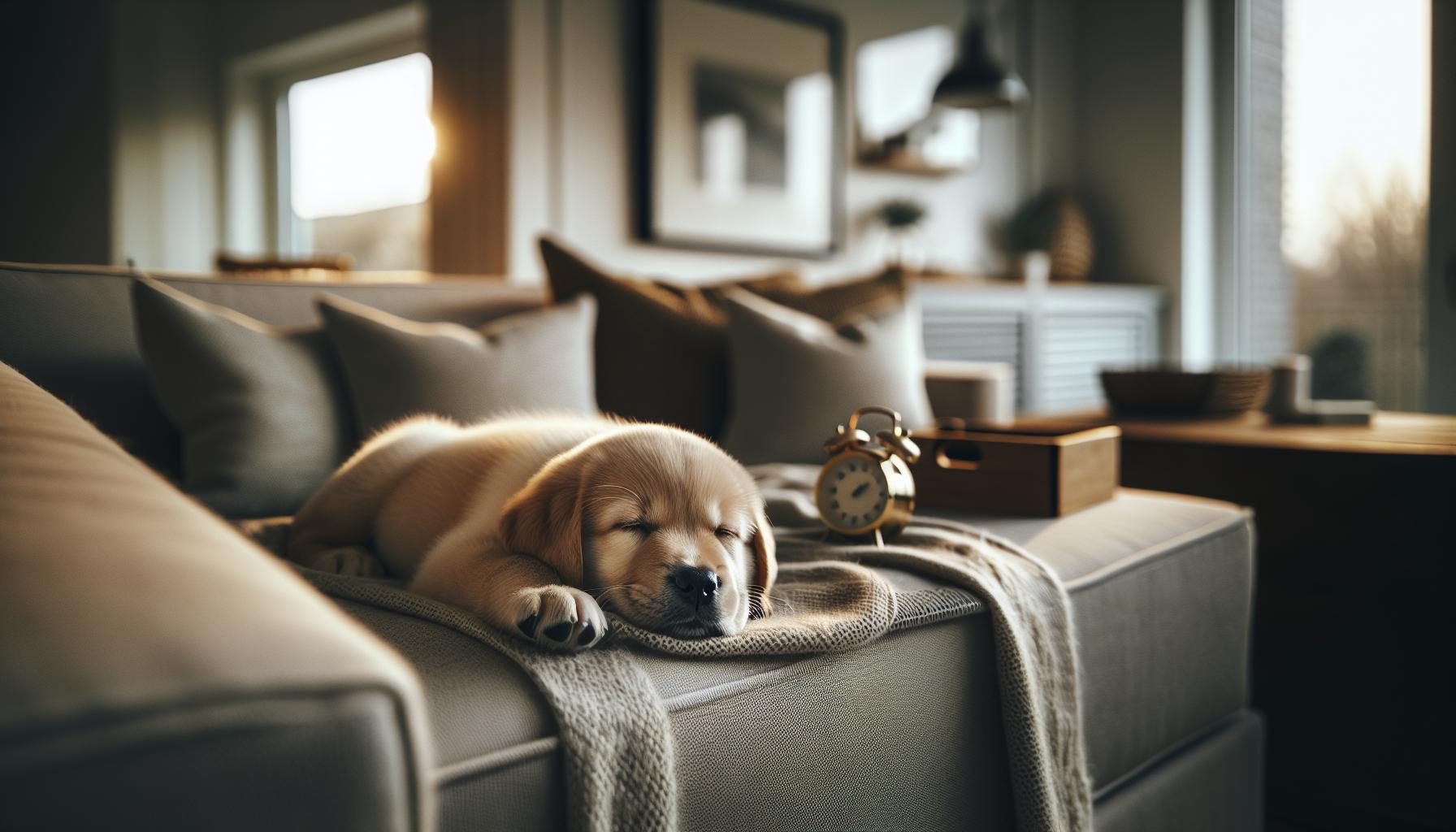
How Much Sleep an Eight Week Old Puppy Needs
An eight-week-old puppy typically requires a staggering 18-20 hours of sleep each day. This extensive sleep helps support their rapid growth, development, and overall health. Puppies are energetic yet tire easily, often playing hard, eating, and then drifting off into deep slumber. Understanding the significance of sleep for young dogs can greatly impact their physical and mental well-being.
Puppies at this age experience different stages of sleep, including REM (rapid eye movement) sleep, which is crucial for cognitive development and consolidation of memories. It’s common for a puppy to alternate between short bursts of activity and lengthy naps, so be prepared for a daily cycle of play and rest. During their waking hours, these playful pups will need stimulation and socialization, but finding a balance is essential to ensure they get enough quality rest.
Creating a comfortable sleep environment is also vital; a quiet, cozy space away from distractions can help a young puppy feel secure and sleep more soundly. Opt for a designated area with soft bedding, and consider using a crate, which can provide a sense of safety and routine. Establishing a consistent routine helps puppies associate certain times of the day with sleep, further aiding in their development.
Puppies must adapt to a new home and their surroundings, so be mindful of stressors that may disrupt their sleep patterns. It is vital for owners to monitor their puppy’s sleeping habits closely and to provide plenty of opportunities for restful sleep, contributing to a healthy, happy life. If any concerns arise regarding sleep, such as unusually long sleep durations or restlessness, consulting a veterinarian may provide further insights into potential issues.
Factors Affecting Sleep Duration in Puppies
Bringing home an eight-week-old puppy is an adventure filled with joy, but it also comes with challenges-like figuring out their sleep needs. Various factors influence how much sleep a puppy requires, and understanding them can help optimize their rest and development.
One primary factor is the puppy’s temperament and energy level. Some breeds are naturally more energetic than others, potentially leading to variations in their sleep patterns. For example, a Border Collie puppy may be more active and require more playtime, whereas a Bulldog may be more laid-back, impacting their overall sleep duration. Additionally, how a puppy has been raised before adoption can affect their behavior and energy levels, which further influences their sleep habits.
Another important aspect is environmental factors. Puppies need a quiet and comfortable space that minimizes disruptions. Noisy surroundings or the presence of too much activity can lead to anxiety, which makes it difficult for them to settle down and achieve quality sleep. Thus, providing a calm sleeping area, perhaps with soft bedding and toys, is crucial for encouraging those long naps essential for their growth.
Diet also plays a significant role in sleep duration. An appropriate diet tailored to the puppy’s age and breed fosters better energy management. Good nutrition allows puppies to play hard and recover well, leading to a balanced sleep routine. Regular feeding times can help establish a predictable schedule that aligns with their sleep needs.
Finally, exercise levels directly impact how deeply puppies sleep. While they do require ample rest, adequate exercise during their active hours ensures they can expend energy and return to their resting space ready for a solid nap. A proper mix of play, training, and socialization helps frame their daily routine, creating a balance between lively interaction and restorative sleep essential for developing strong, healthy puppies.
In summary, monitoring these factors-temperament, environment, diet, and exercise-can help pet owners tailor their puppy’s experience, leading to better sleep quality and duration as part of a well-rounded upbringing.
Understanding Puppy Sleep Patterns and Cycles
Puppies have distinct sleep patterns that are essential for their overall development. An eight-week-old puppy typically sleeps between 18 to 20 hours a day, reflecting their rapid growth and need for recuperation. During their sleep, puppies cycle through various sleep stages, which include both light and deep sleep. Understanding these cycles can help owners recognize when their puppy is genuinely resting or simply dozing lightly, making it easier to establish appropriate play and rest periods.
In the initial weeks following birth, puppies experience significantly more REM (Rapid Eye Movement) sleep. This phase is crucial as it’s when the brain is actively developing, and dreaming occurs. You might observe your puppy twitching or moving its paws during this stage, which indicates they are in deep slumber. Over time, as they mature, the duration of REM sleep may decrease, while the proportion of lighter sleep increases, reflecting their growing energy levels and willingness to engage with their surroundings.
The sleep cycles of young puppies tend to be shorter than those of adult dogs, often lasting around 30 minutes to an hour before they awaken. During these intervals, a puppy might wake suddenly and seem energetic, only to settle back down again thereafter. This behavior is normal; an eight-week-old puppy’s sleep schedule is characterized by many short bursts of activity followed by long naps. To help your puppy gain the most restorative sleep possible, it’s important to keep their environment calm to avoid disturbances that could disrupt these cycles.
Being attentive to your puppy’s natural sleep rhythms not only benefits their physical health but also strengthens the bond between you. For instance, establishing a routine that aligns with their sleep-wake cycles can create a sense of security, making them feel safe and cared for. As you nurture your puppy’s sleep habits through positive experiences and consistent routines, you pave the way for a happy and healthy adult dog.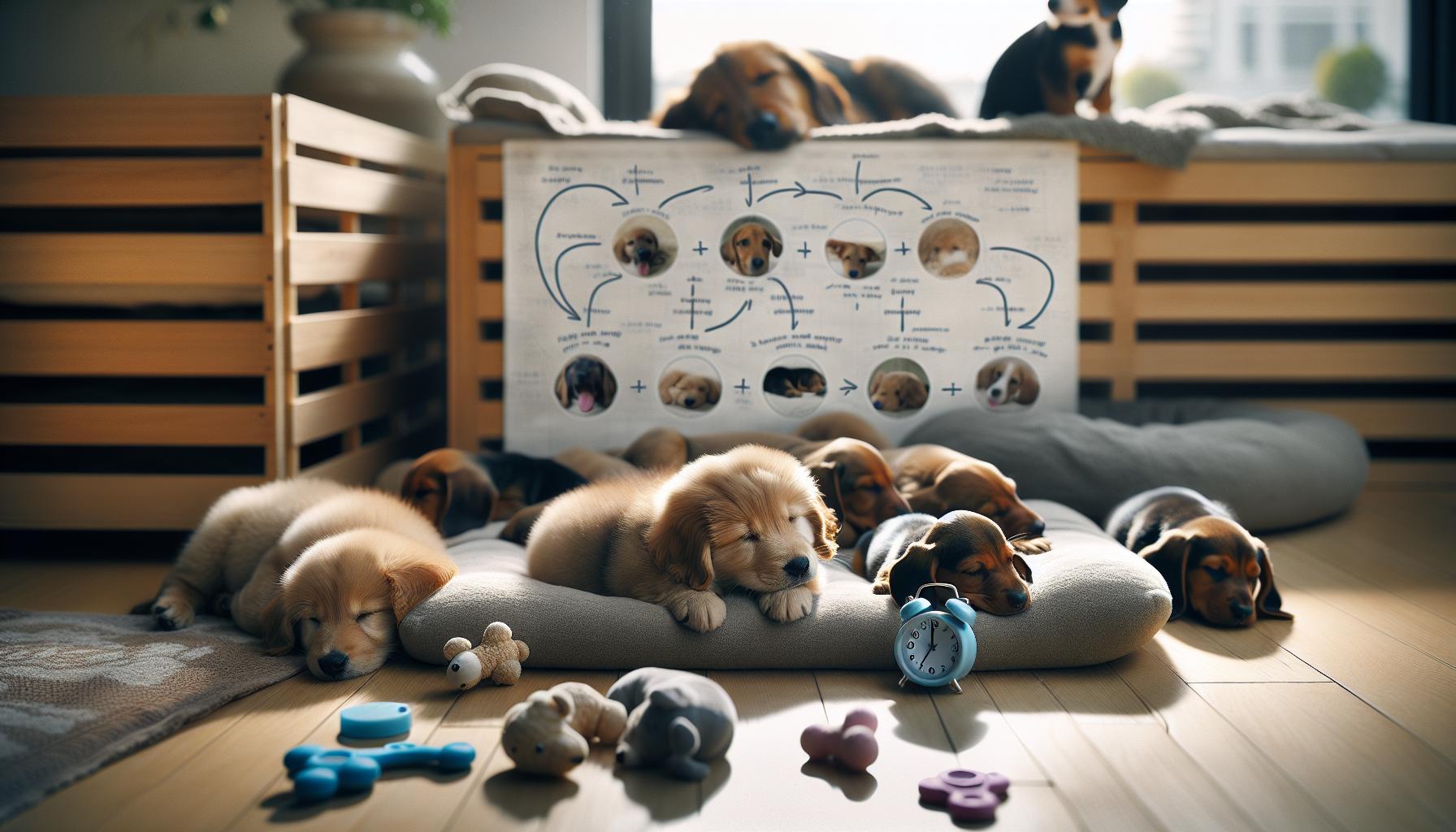
Signs of Sleep Deprivation in Young Dogs
It’s crucial to recognize that adequate sleep is essential for the health and development of an eight-week-old puppy. A lack of sufficient sleep can lead to a range of behavioral and physical issues. Here are some signs to watch for that may indicate sleep deprivation in young dogs.
Puppies that are not getting enough rest may exhibit increased irritability or hyperactivity. If your puppy seems more restless, frequently barks or whines, or shows signs of agitation, this could be a direct result of inadequate sleep. Similarly, you might notice that your puppy struggles to settle down or frequently interrupts playtime to seek out rest but finds it difficult to fall asleep.
Another sign of sleep deprivation can be excessive yawning or lethargy. If your puppy is yawning frequently and showing a lack of enthusiasm during play or exploration, it might be their way of signaling that they need more sleep. Puppies should be curious and playful, so a noticeable decrease in energy levels coupled with a tendency to collapse into naptime at every opportunity can be a clear red flag.
Physical signs can also manifest, such as a lackluster coat or a decrease in appetite. If your puppy’s coat appears dull or they seem disinterested in food, this can be indicative of an underlying sleep issue, as proper rest is vital for overall health and well-being.
Creating an environment conducive to rest is fundamental. By observing your puppy’s behavior and making necessary adjustments to their routine and surroundings, you can help ensure they get the restorative sleep they need to thrive. Regular play and walking schedules can assist in establishing a routine that appropriately matches your puppy’s sleep needs, fostering a happier, healthier companion.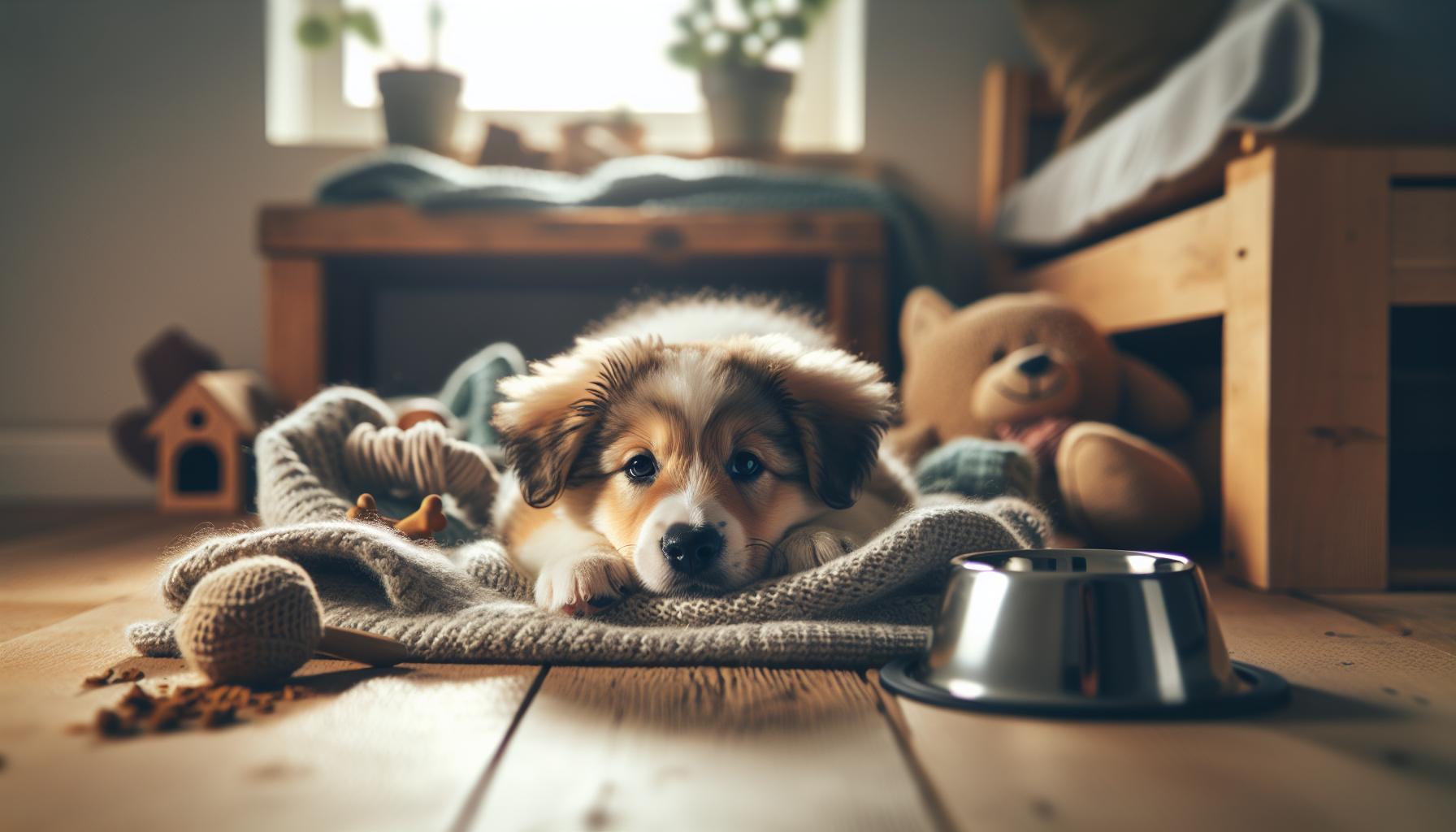
Creating a Comfortable Sleep Environment for Your Puppy
Creating a nurturing sleep environment for your eight-week-old puppy is essential for their growth and development. Puppies at this age typically sleep between 18 to 20 hours a day, and providing them with a safe, comfortable, and quiet space can significantly enhance the quality of their sleep. One key factor to consider is the bedding. A cozy and supportive bed that is appropriately sized will encourage your puppy to snuggle in and relax. Soft blankets or dog pillows that are easy to wash can add an extra layer of comfort.
Another important aspect is the location. Choose a quiet area of your home, away from bustling activity and noise, where your puppy can feel secure and undisturbed. If possible, keep their sleeping area slightly dimmed to signal that it is time to rest. Establishing a consistent routine is also beneficial; try to create a sleep schedule that aligns with your puppy’s natural rhythms, including playtime and mealtime, which can help intensify the association between certain times of day and sleep.
Temperature and ventilation play crucial roles as well. Puppies can be sensitive to extreme temperatures. Ensure their sleeping environment is comfortably warm but not hot, as overheating can disrupt sleep. A well-ventilated area will also help keep the air fresh and prevent stuffiness, contributing to a more restful experience.
Finally, consider providing chews or toys that they can snuggle with as comfort items. Familiar scents, like a piece of clothing, might also offer reassurance during their early nights away from their litter. As you set up your puppy’s sleep space, remember that the goal is to make them feel safe, loved, and relaxed-factors that are essential for cultivating good sleep habits that will benefit them throughout their life.
Daily Sleep Schedules for Eight Week Old Puppies
Puppies at eight weeks old thrive on a well-structured daily sleep schedule, which is crucial for their physical and mental development. These young dogs typically require between 18 to 20 hours of sleep each day, making a balanced routine essential to help them recharge and grow. To achieve this, it’s important to intersperse sleep with playtime, training, and feeding, creating a rhythm that aligns with their inherent needs.
One effective approach is to adopt a pattern of activity followed by rest periods. For instance, after a session of play or training lasting about 15 to 30 minutes, aim for a nap of around one to two hours. Here’s a simple daily schedule that can be adjusted based on your puppy’s energy levels:
- Morning: Wake up and take your puppy outside. Follow up with a feeding and a short play session.
- Late Morning: Nap time of about 1-2 hours.
- Afternoon: Another feeding, play, or training session, followed by another nap.
- Evening: Similar pattern of feeding and play, with longer periods of rest.
- Night: Wind down by reducing stimulation and provide a cozy sleep area for the night.
Consistency is key. Establishing routines helps your puppy anticipate sleep and activity times. Utilize cues such as certain phrases before naps or specific toys that indicate it’s time to rest. Additionally, adapting to their energy fluctuations is vital. Some puppies may need more frequent naps, while others might show signs of being more alert during specific times of the day.
Creating this daily rhythm not only ensures adequate sleep but also helps to foster security and predictability in your puppy’s new environment, setting a foundation for good habits as they grow. As you navigate these early weeks, keeping a close eye on your puppy’s behavior can help you determine if adjustments are needed to their schedule, ensuring they are well-rested and ready to explore their world.
Puppy Sleep versus Adult Dog Sleep: What to Know
The sleep of an eight-week-old puppy differs significantly from that of an adult dog, primarily due to their developmental needs and energy levels. Puppies at this tender age typically require a staggering 18 to 20 hours of sleep daily, a substantial portion of which is spent in REM (Rapid Eye Movement) sleep-crucial for brain development, memory consolidation, and growth. In contrast, adult dogs generally need about 12 to 14 hours of sleep, often characterized by deeper rest and fewer frequent nap intervals.
One vital aspect to understand is that a young puppy’s sleep cycle is notably shorter. While an adult dog may experience longer uninterrupted sleep phases, a puppy alternates more frequently between active play and rest. This fluctuation includes brief bursts of high activity, followed by shorter nap times lasting around 30 minutes to two hours. For instance, after an energetic play session, a puppy may conk out almost instantly, which can lead to surprising sleep durations as they recharge.
The environment also plays a crucial role in sleep quality for both puppies and adult dogs. While adult dogs can adapt to less-than-ideal sleeping conditions, puppies thrive in a cozy, secure setting that minimizes distractions. A puppy’s sleep area should be comforting and familiar, offering warmth and a sense of safety, which allows for deeper, more restorative sleep. Providing a designated sleeping spot can help instill good habits and foster security as they grow.
In summary, recognizing and respecting the differences in sleep patterns between puppies and adult dogs can enhance your puppy’s overall well-being. Implementing a routine that accommodates their need for frequent rest while ensuring their sleeping environment is conducive to quality sleep will set the foundation for a healthy adult dog in the future.
Common Sleep Issues and Solutions for Puppies
The journey of caring for a puppy involves navigating a few bumps, especially when it comes to sleep. Despite their seemingly endless energy, eight-week-old puppies may face several common sleep issues that can disrupt their restful slumber. These challenges can range from anxiety to environmental factors, each needing attention to ensure your furry friend gets the quality sleep they need for proper growth and development.
One prevalent issue is separation anxiety, which can prevent puppies from relaxing enough to fall or stay asleep. If your puppy whines or barks when you leave the room, they might be experiencing this form of anxiety. To help ease these feelings, consider creating a cozy, safe space filled with familiar blankets or toys. Gradually increasing the time your puppy spends alone can also build their confidence and independence.
Another common challenge is environmental noise disrupting sleep. Puppies are particularly sensitive to sounds, and things like household appliances, traffic, or even other pets can keep them awake. To combat this, you can create a soothing environment by using a white noise machine or keeping their sleeping area in a quieter part of the house. Additionally, maintaining a consistent bedtime routine can signal to your puppy that it’s time to wind down.
Health issues can also impact sleep patterns in young dogs. If your puppy seems restless or is frequently waking during sleep, it may indicate discomfort or pain. Regular check-ups with a veterinarian can help identify any hidden health issues that may need addressing. Watch for signs such as lethargy during playtime or changes in appetite, as these can indicate that something is amiss and may require professional attention.
While occasional sleep disturbances are normal, be mindful of the frequency and intensity of these issues. If your puppy is having prolonged difficulties sleeping, identifying the root cause and implementing solutions can help ensure they get the rest they need to thrive. A well-rested puppy is not only happier but also healthier, aiding their development as they grow into adulthood.
How to Monitor Your Puppy’s Sleep Health
Monitoring your puppy’s sleep health is crucial for their overall well-being. Puppies, particularly at eight weeks, sleep around 18 to 20 hours a day, but this can vary based on individual needs. Tracking their sleep can reveal important insights into their development and health. Start by observing their sleep patterns closely-note how long they sleep at a time and any interruptions they may experience. Changes in sleep can indicate underlying issues that may require your attention.
To assist in monitoring, consider creating a simple sleep log. Record the times your puppy falls asleep and wakes up, alongside any noticeable behaviors such as restlessness or unusual vocalizations. This log can help you detect any patterns or irregularities over time. Additionally, technology can aid in this process-wearable devices designed for pets can track activity levels and sleep patterns, providing a more comprehensive view of your puppy’s health.
As you monitor your puppy’s sleep, look for signs of sleep deprivation or distress. Puppies should wake up after a good sleep feeling refreshed and energetic; if your little one seems lethargic or irritable, it’s time to investigate further. It’s also important to establish a routine-puppies thrive on consistency. A regular schedule for meals, playtime, and sleep can help regulate their internal clock, contributing to better sleep quality.
If you notice consistent sleep issues or concerning behavior patterns, don’t hesitate to consult your veterinarian for professional insight. They can offer guidelines specific to your puppy’s breed and health needs, helping you foster a nurturing environment that prioritizes healthy sleep habits. Just as with human sleep, understanding these rhythms will contribute significantly to your puppy’s development-ensuring they grow into a happy, healthy adult.
Importance of Sleep for Puppy Development
Puppies at eight weeks old are experiencing rapid growth and development, and sleep plays a critical role in this process. During the first stage of their lives, these little bundles of energy can sleep anywhere from 18 to 20 hours a day. This isn’t just downtime-it’s vital for their physical and mental health. Sleep promotes growth, aids in learning, and helps with the development of essential skills they will need as adult dogs.
Growth and Health
In the early weeks of life, a puppy’s body is busy going through significant changes, including muscle development, brain maturation, and immune system strengthening. When puppies sleep, their bodies release growth hormones that contribute to these developmental processes. Sleep also helps them consolidate the information they learn during their waking hours. Engaging in playful activities leads to learning, and a good night’s sleep helps cement those experiences into memory, laying the groundwork for their training and socialization.
Mental Development
The brain of a puppy is developing rapidly, and periods of deep sleep, known as REM (Rapid Eye Movement) sleep, are essential during this time. During REM sleep, puppies dream, which is believed to facilitate learning and adaptation to their environment. This is particularly important for social skills, as puppies learn about their place in the world through observation and interaction during play. Quality sleep assures they wake up revitalized and ready to engage with their surroundings.
Creating an environment conducive to healthy sleep is beneficial. Puppies thrive in a calm and cozy setting, free from loud noises and distractions. By establishing predictable routines around feeding, play, and sleep, puppy owners can help regulate their pups’ internal clocks, promoting better sleep patterns. In this way, the importance of sleep transcends mere rest-it’s foundational to fostering a happy, well-adjusted adult dog.
When to Consult a Veterinarian About Sleep Concerns
Determining when to contact a veterinarian about your puppy’s sleep issues can be challenging for new pet owners. While it’s normal for eight-week-old puppies to sleep between 18 to 20 hours a day, there are specific signs that signal it might be time to seek professional help. If you notice your puppy exhibiting unusual sleep patterns or excessive lethargy, it’s crucial to address these concerns promptly.
Keep an eye out for the following symptoms that may warrant a vet visit:
- Excessive lethargy: If your puppy seems unresponsive or disengaged even during their active hours, it could indicate an underlying health issue.
- Difficulty sleeping: Struggling to fall asleep or staying awake for extended periods can be a sign of discomfort or anxiety.
- Frequent waking: If your puppy is constantly waking up and showing signs of restlessness, it may warrant further investigation.
- Changes in sleeping habits: A sudden increase or decrease in sleep duration could indicate a health problem or environmental stressors.
It’s also important to be aware of your puppy’s overall well-being. If their sleep patterns shift alongside changes in appetite, behavior, or bathroom habits, these red flags should prompt immediate consultation with a veterinarian. Your vet can perform check-ups to rule out any potential issues, such as parasites or infections, and guide you on how to create a healthier sleep routine. Ultimately, being proactive about your puppy’s health and sleep habits is essential for ensuring their development and happiness as they grow into adulthood.
Tips for Establishing Healthy Sleep Habits in Puppies
Establishing healthy sleep habits for your eight-week-old puppy is paramount to its growth and temperament. Puppies thrive on structure and routine, which not only helps them feel secure but also optimizes their sleep. To pave the way for restful nights, consider these practical tips.
Start by creating a designated sleeping area that is quiet, cozy, and free from distractions. A comfortable bed in a warm corner can mimic their natural denning instincts, providing a safe haven for them to rest. You may also use soft blankets and toys to make the space inviting. Additionally, try to keep the environment dark and calm during their sleeping hours to encourage relaxation.
Routine is key. Implement a consistent schedule for feeding, playing, and potty breaks before bed. This helps set your puppy’s biological clock, signaling them when it’s time to wind down. Puppies usually benefit from short bursts of activity followed by rewards of sleep. Ensure they have ample playtime to expend energy but avoid overly stimulating activities right before bedtime.
Setting boundaries is essential, too. While it’s tempting to cuddle or let your puppy sleep wherever you want, try to encourage them to settle in their designated spot. If they whine or cry when left alone, respond calmly without giving in to the temptation to pick them up right away. Gradual acclimatization will help them adjust to sleeping independently.
Finally, monitor their sleep patterns. Each puppy is unique, so pay attention to how much sleep they seem to need and adjust their schedule as necessary. A well-rested puppy will be more energetic during playtime and more receptive to training, ultimately leading to a happier companionship. By fostering these habits early on, you’re laying the groundwork for your puppy’s health and emotional stability in the long run.
FAQ
Q: How much sleep should an eight-week-old puppy get in 24 hours?
A: An eight-week-old puppy typically needs 18 to 20 hours of sleep within a 24-hour period. This extensive sleep is crucial for their growth and development, as it helps strengthen their immune system and brain function. Ensure a calm environment for restful sleep.
Q: What are common sleep disturbances in puppies?
A: Common sleep disturbances in puppies include noises, uncomfortable sleeping areas, and irregular schedules. It’s important to establish a consistent routine and minimize disruptions to promote better sleep quality. Refer to our section on common sleep issues for strategies to address these.
Q: How can I tell if my puppy is sleeping too much?
A: If your puppy seems excessively lethargic, has difficulty waking, or is disinterested in play, these can be signs of oversleeping. Monitor their behavior and energy levels regularly to ensure they’re healthy. Check our signs of sleep deprivation section for more insights.
Q: Should I wake my puppy to play or eat?
A: It’s generally advisable not to wake your puppy unnecessarily for play or meals, especially if they’re asleep. Allow them to rest, as sleep is critical during this developmental stage. Use scheduled feeding times for consistency instead of interrupting their sleep.
Q: How does sleep affect a puppy’s development?
A: Sleep plays a vital role in a puppy’s development, impacting their physical growth, training retention, and cognitive function. Adequate sleep supports these areas, so providing a conducive sleep environment is essential for their well-being.
Q: What if my puppy won’t sleep in their crate?
A: If your puppy struggles to sleep in their crate, consider making it more inviting. Add comfortable bedding, toys, or even a piece of your clothing to create a soothing atmosphere. Gradual crate training can also help them adjust better to the space.
Q: How can I help my puppy adjust to a sleep schedule?
A: To help your puppy adjust to a sleep schedule, establish a consistent daily routine. Feed, play, and take them out at the same times every day to signal when it’s time to sleep. This predictability will help them settle into their new rhythm. For tips on routine, refer to our daily sleep schedules section.
Q: When should I consult a veterinarian about my puppy’s sleep habits?
A: Consult a veterinarian if your puppy shows signs of sleep disorders, such as excessive lethargy, restless sleeping, or frequent waking. Early intervention can help identify any underlying health concerns, ensuring your puppy stays healthy and happy.
Insights and Conclusions
As you prepare to welcome your new eight-week-old puppy into your home, remember that understanding their sleep patterns is crucial for their health and development. With your puppy requiring around 18-20 hours of sleep daily, this is the perfect time to create a cozy, quiet space for them to rest and recharge. Not only does adequate sleep help your pup grow and thrive, but it also lays the foundation for a happy and well-adjusted dog.
For more insights on puppy care, check out our articles on puppy nutrition and training tips to ensure you’re providing a balanced approach to your new pet’s needs. Have questions or stories to share about your puppy’s sleep habits? Join our community in the comments below! Don’t forget to subscribe to our newsletter for the latest updates and expert advice-your journey with your furry friend has just begun, and we’re here to help every step of the way!
Get our latest guides, news, and insights highlighted in your Google Search & AI Overviews.