
Did you know that an eight-week-old puppy can sleep anywhere from 18 to 20 hours a day? This is crucial for their growth and development. Understanding how much your new furry friend needs to rest is essential not only for their health but also for your peace of mind as a pet owner. Puppies spend most of their early days napping to recharge their energy for play and exploration, which can be both adorable and concerning for new dog parents. Are you worried about whether your pup is sleeping too much or too little? In this article, we’ll delve into the daily sleep needs of eight-week-old puppies, helping you navigate this important phase of their life. Get ready to discover how sleep plays a vital role in your puppy’s growth and how you can create the perfect environment for restorative rest.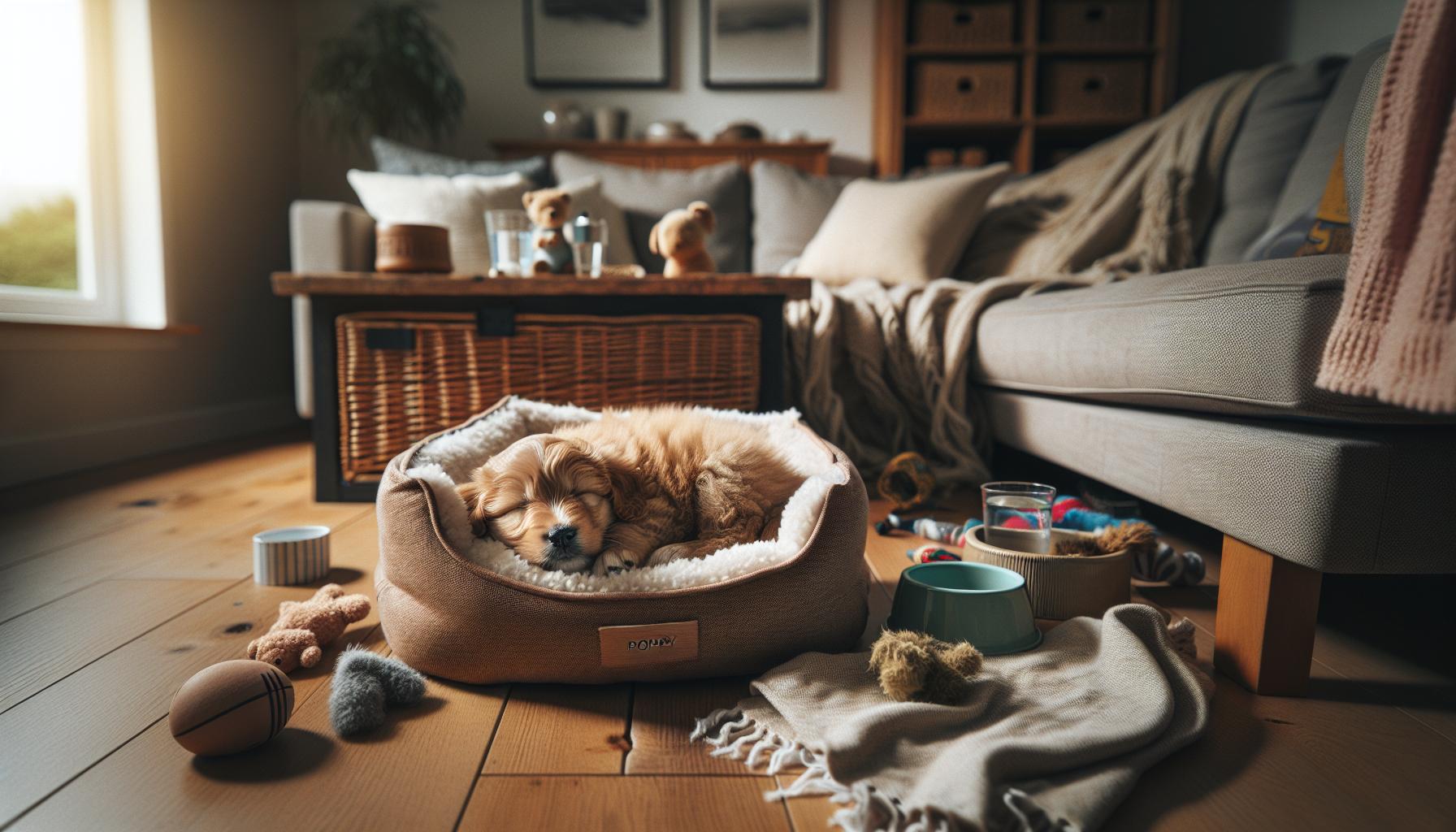
Daily Sleep Needs of Eight Week Old Puppies
Eight-week-old puppies are in a critical stage of development, and their daily sleep needs are significant – they require approximately 18 to 20 hours of sleep each day. This extensive sleep is crucial for their growth, cognitive development, and overall health. During this early stage, puppies experience rapid physical and neurological changes that are best supported by plenty of restful sleep. Just like human infants, when puppies sleep, they enter different sleep cycles, including REM sleep, which plays an important role in developing their brains.
Understanding that young puppies may not have a regular sleep schedule is essential for new pet owners. Puppies can sleep deeply for a few hours and then wake up full of energy, ready to play or explore. This pattern can repeat throughout the day, making it important for owners to provide a safe space for both play and rest. A typical day might involve times of active play interspersed with periods of deep sleep, leading to a cycle that supports both their physical and mental growth.
As a puppy owner, recognizing and supporting these sleep needs is vital. Ensure that your puppy has a quiet, comfortable sleeping space away from distractions. This could be a cozy bed in a designated area of your home, allowing them to feel secure as they drift off. Establishing a routine can also be beneficial; incorporating playtime, feeding, and quiet time can help their circadian rhythms develop properly, promoting better sleep patterns as they grow. Remember, adequate sleep now will lay the foundation for a healthy, energetic adult dog later.
Understanding Puppy Sleep Patterns
Puppies at eight weeks old exhibit fascinating sleep patterns that are essential to their development. During this phase, they typically need around 18 to 20 hours of sleep each day, which is not just about resting but is vital for their growth and cognitive processing. When puppies sleep, they move through various sleep cycles, including periods of REM (Rapid Eye Movement) sleep, where dreaming occurs. This REM sleep is crucial for brain development and plays a key role in memory formation and other cognitive functions.
Understanding these sleep cycles can help puppy owners anticipate their young pet’s needs. Unlike adult dogs that may have more structured sleep routines, puppies often take short naps followed by bursts of playful energy. This irregular schedule is perfectly normal; your puppy might sleep for a few hours, wake up to explore or play, and then return to sleep again. Owners should embrace this unpredictability and create a nurturing environment that encourages both play and deep rest, facilitating decent growth.
To support healthy sleep patterns, it’s imperative to provide a comfortable and secure sleeping environment. A designated area away from household noise and activity can foster a sense of safety for your puppy, allowing them to relax and recharge. Simple practices such as maintaining a consistent routine-where feeding and playtimes are predictable-can greatly impact your puppy’s sleep quality. Such structures help develop their circadian rhythms, aligning sleep with their natural biological clocks.
In summary, appreciating the complexities of puppy sleep patterns will empower owners to nurture their puppies effectively during this foundational stage of life. By ensuring that sleep environments are conducive to rest and recognizing the significance of their sleep requirements, owners can support their puppies’ physical and emotional development as they transition into adulthood.
Factors Influencing Sleep Duration
Puppies are remarkable creatures, and their sleep habits can be influenced by numerous factors. Eight-week-old puppies typically need between 18 to 20 hours of sleep per day as they grow and develop. However, the exact amount of sleep can vary based on several key influences.
One significant factor is activity level. Puppies who engage in more active play will likely exhaust themselves and need more rest afterward. Providing a structured playtime that balances physical activity with calm time can help establish a healthy cycle of activity and rest. Additionally, socialization experiences can tire them out. Puppies exposed to new sights and sounds may feel overwhelmed and need more sleep to recuperate.
Another consideration is environmental factors. A quiet, comfortable space can promote better sleep. Loud noises, uncomfortable bedding, or an overcrowded area can disrupt a puppy’s ability to rest deeply. Creating a calming environment, perhaps with a favorite toy or a cozy blanket, can enhance the quality of their sleep. Also, fluctuations in temperature can affect their comfort level, so keeping their sleeping area at a consistent, moderate temperature is crucial.
Health also plays a vital role in a puppy’s sleeping patterns. Puppies experiencing discomfort, illness, or stress may sleep more or, conversely, show signs of restlessness. Regular veterinary check-ups are important to ensure your puppy remains healthy, as underlying health issues can lead to sleep disruptions.
Lastly, the puppy’s individual temperament can influence their sleep habits. Some puppies are naturally more energetic, while others may be laid-back. Understanding your puppy’s unique personality can help you tailor their daily routine-a shy or gentle puppy might require more quiet time than a rambunctious one.
In summary, to support your eight-week-old puppy’s sleep needs, consider their activity levels, the comfort of their environment, health status, and individual temperament. By being attuned to these factors, you’ll help ensure that your puppy gets the restorative sleep they need to thrive.
Signs of Healthy Puppy Sleep
Puppies, much like human infants, have specific sleep patterns that are vital for their growth and development. As an owner, recognizing the signs of healthy sleep is crucial in ensuring that your eight-week-old puppy thrives. A well-rested puppy should display a sense of calmness and energy upon waking, indicating they are receiving the restorative sleep they need.
One of the primary indicators of healthy sleep in puppies is their ability to enter deep sleep phases. During this time, you may notice your puppy twitching, moving its paws, or even making soft vocalizations. This is perfectly normal and suggests that your puppy is dreaming, an essential part of their mental and emotional development. Healthy, restful sleep will typically result in a puppy that wakes up energetic and ready to engage in play or interaction, rather than appearing lethargic or irritable.
Another sign of good sleep quality is the puppy’s sleeping position. Puppies that feel safe and secure tend to sleep in relaxed positions, whether curled up or stretched out comfortably. If your puppy frequently chooses to sleep in a cozy corner or with their favorite toy, it indicates they feel secure in their environment, which can enhance their ability to achieve restorative sleep.
- Regular Sleep Schedule: Adhering to routine sleep times will help your puppy develop a consistent rhythm, promoting healthy sleep habits.
- Waking Up Fresh: If your puppy wakes up after a long nap and seems lively, bouncy, and eager for playtime, this is a positive sign of good sleep.
- Calm Behavior: A well-rested puppy generally displays calmness rather than hyperactivity, indicating they have had sufficient sleep.
Finally, you may want to monitor how quickly your puppy falls asleep. If they can settle down easily after a period of activity, it suggests that they are physically and mentally healthy. Pay attention to any signs of distress or discomfort during sleep, such as excessive whining or restlessness, as these may require further investigation. By being attentive to these aspects, you can ensure your puppy is not only getting enough sleep but also benefiting from high-quality, restful sleep.
Common Sleep Issues in Puppies
Puppies are notorious for their frequent naps, yet they can also experience a range of sleep issues that might interfere with their growth and well-being. It’s important for new puppy owners to be aware of common sleep-related concerns so they can ensure their furry companions are resting soundly. One prevalent issue is restlessness, which could manifest as excessive whining, pacing, or inability to settle down. This behavior might be associated with anxiety or discomfort, signaling that your puppy needs attention or a more secure sleeping environment.
Contrary to popular belief, not all puppies sleep as easily as others. Some may struggle with insomnia-like symptoms, leading to extended periods of awake time, especially during the night. This could be due to unfamiliar surroundings or the transition to a new home, where the absence of their mother and littermates can cause stress. It’s crucial to provide a consistent nighttime routine and a calming environment to help alleviate these problems.
Another common sleep issue is sleep deprivation, which can occur if a puppy is not receiving the recommended amount of rest. Eight-week-old puppies typically need upwards of 18-20 hours of sleep a day, divided into short naps throughout the day and longer sleep at night. Lack of sleep can lead to irritability, hyperactivity, and difficulty in focus during play or training sessions. Monitoring your puppy’s total sleep time and encouraging quiet periods can help address this concern.
Lastly, physical discomfort can also disrupt sleep. Puppies may experience growing pains or discomfort due to teething. To provide relief, ensure your puppy has access to appropriate chew toys and consider consulting a veterinarian if there are signs of persistent pain or distress. Addressing these common sleep issues can significantly contribute to your puppy’s overall happiness and health, fostering a more relaxed and well-adjusted pet.
By being vigilant and attentive to their needs, you’ll be well-equipped to tackle any sleep-related problems that may arise, ensuring your puppy gets the rest it needs for a healthy start in life.
Daytime Naps vs. Nighttime Sleep
Puppies are notorious for their vibrant energy, yet they balance it with a significant need for rest. An eight-week-old puppy typically sleeps between 18 to 20 hours a day, with this sleep divided into both short daytime naps and longer nighttime sleep. Understanding the differences between these two types of sleep is crucial for new puppy owners who want to ensure their furry companions are well-rested and thriving.
Daytime naps are essential for puppies as they help support their rapid growth and development. During these naps, which can last from 30 minutes to a few hours, a puppy’s body engages in vital processes like tissue repair and memory consolidation. It’s not uncommon for a puppy to suddenly fall asleep while playing, demonstrating just how quickly they can shift from activity to rest. To support this natural rhythm, owners should create a safe and comfortable sleeping environment, free from disturbances, to encourage uninterrupted napping.
Nighttime sleep, on the other hand, is crucial for establishing a routine. Puppies should ideally have a set bedtime that promotes a consistent sleep schedule. This helps them differentiate between day and night, fostering healthier sleep patterns as they grow. It’s important to note that nighttime sleep is often deeper and longer than daytime naps, allowing the puppy to recharge fully. To facilitate good nighttime sleep, consider setting up a cozy sleeping area, such as a dog bed or crate, and establishing a calming pre-bedtime routine to signal that it’s time to wind down.
Balancing daytime naps with nighttime sleep is key to your puppy’s health. If your puppy seems overly tired during playtime or is irritable, it may not be getting enough total sleep. Conversely, if the puppy is sleeping excessively during the day or night, it’s worth monitoring their behavior for signs of health issues. Keeping an eye on your puppy’s sleep habits will not only help you nurture a happy, healthy pet but will also provide insight into their overall well-being.
How Much Sleep is Too Much?
Puppies, especially those around eight weeks old, require a considerable amount of sleep to support their active and rapidly developing bodies. However, it’s crucial for new puppy owners to recognize when a puppy is sleeping more than what is considered normal. An alarming amount of sleep-typically over 20 hours a day-can sometimes hint at underlying health issues.
When evaluating your puppy’s sleep patterns, look for signs of lethargy or abnormal behaviors during wakeful periods. If your puppy is excessively sleepy and lacks interest in playful activities or exploration, this may indicate a problem. Puppies should wake up energetic and curious, ready to engage in play and learning. If they seem excessively groggy or difficult to rouse, it might be time to consult a veterinarian.
Understanding Sleep Needs
Most eight-week-old puppies require between 18 to 20 hours of sleep, but it’s essential to balance this with adequate play and interaction. Here are a few indicators that your puppy may be sleeping too much:
- Inactivity: If your puppy shows little to no interest in playing or exploring when awake.
- Behavioral Changes: Increased irritability or any signs of depression during their awake time.
- Difficulty Waking: If they seem unusually hard to wake and do not respond well to common stimuli.
In addition to observing the quantity of sleep, pay attention to the quality of sleep. Healthy puppies should experience a mix of deep sleep and REM cycles, where they may twitch slightly or move their legs as they dream. If the sleep appears restless or fragmented, it could indicate discomfort or anxiety.
Providing a nurturing and secure environment can significantly impact your puppy’s sleep quality. Ensure they have a comfortable bed, a quiet space away from disruptive noises, and a consistent routine that helps them understand when it’s time to settle down for the night. Creating this ideal sleep environment not only supports their physical needs but also promotes emotional well-being as they adapt to their new home.
Encouraging Healthy Sleep Habits
To ensure your puppy develops healthy sleep habits, it’s essential to create a nurturing environment and establish a consistent routine. Puppies thrive on predictability, and a structured schedule helps them feel secure, allowing them to know when it’s time to sleep, play, or eat. Aim to set regular times for meals, play sessions, and bed, which guides their internal clock and supports their overall well-being.
A comfortable sleeping area is also vital. Provide a cozy bed in a quiet location away from household distractions and noise. Puppies are sensitive to their surroundings, so a calm space can improve the quality of their sleep. You might consider using a crate, which not only serves as a den-like sleeping area but can also assist in house training. Make sure the crate is appropriately sized-big enough for your puppy to stand, turn around, and lie down, but not so large that they can use one end as a bathroom.
Introducing a bedtime routine can further promote healthy sleep habits. Engage in calming activities before sleep, such as light petting, gentle play, or even calm music, which can signal to your puppy that it’s time to wind down. A short walk or some quiet bonding time can help them release any pent-up energy, making it easier for them to settle down for the night.
Finally, be mindful of your puppy’s signs of sleepiness. When they start to yawn, lose interest in play, or curl up, it’s time to encourage them towards their resting area. Recognizing and respecting these cues will not only promote better sleep but also strengthen your bond with your new furry friend. If you find that your puppy struggles to establish healthy sleep habits or shows signs of restlessness, consulting with a veterinarian can provide valuable insights and recommendations tailored to your puppy’s needs.
Puppy Sleep and Growth Development
As puppies grow, their sleep plays a vital role in their overall development. At eight weeks old, a puppy typically requires around 18 to 20 hours of sleep per day. This extensive rest is essential for several reasons. For one, puppies are experiencing rapid physical development, and adequate sleep is crucial for muscle growth, brain development, and the strengthening of their immune systems. Just like human babies, puppies need more sleep than adults relative to their age as they transition through different growth milestones.
The Impact of Sleep on Physical Health
Puppies need sleep not only for energy restoration but also for physical health. During deep sleep, their bodies produce growth hormones that support bone development and weight gain. Lack of proper sleep can hinder these processes, leading to issues such as stunted growth and potential behavioral problems. You may notice your puppy sleeping soundly after an active play session; this rest is their body’s natural way of recovering and processing all the new experiences and learning.
Sleep and Brain Development
Sleep also plays a critical role in cognitive development. While in REM (rapid eye movement) sleep, puppies are believed to process memories and learn. This is the time when they consolidate what they’ve learned during their waking hours, from house training efforts to basic commands. As a new puppy owner, it’s important to allow your puppy to engage in behaviors that stimulate brain function when they are awake, followed by adequate nap time to help solidify that learning.
Encouraging Optimal Sleep
You can support a healthy sleep routine by ensuring your puppy has a quiet, comfy sleeping area free from distractions. During their awake hours, incorporate positive training exercises and plenty of playtime to make the most of their energy. As they tire from activity, they will naturally seek out their designated sleeping space. It’s essential to foster a safe and inviting atmosphere that encourages sleep; a calm puppy is often a well-adjusted puppy.
In conclusion, understanding the importance of sleep for your eight-week-old puppy can set the groundwork for a healthy, happy dog. By balancing activity with rest and being attentive to their needs, you’re laying the foundation for successful growth and development.
Sleep Tips for New Puppy Owners
New puppy owners often find themselves surprised by the amount of sleep their eight-week-old puppies need. These little furballs can sleep anywhere from 18 to 20 hours a day, so understanding how to foster a healthy sleep routine is critical for their overall well-being. Creating an environment that encourages restful sleep not only helps their physical and cognitive development but also strengthens the bond between you and your puppy.
To ensure your puppy gets the sleep they need, establish a consistent daily routine that includes playtime, training, and quiet periods for rest. Puppies thrive on structure, so try to maintain regular feeding and potty times. After energetic activities, allow your pup some quiet time in their designated sleeping area, which should be comfortable, dark, and free from distractions. This will signal to them that it’s time to wind down.
As sleep is crucial for their growth, be observant of your puppy’s behavior. If they seem unusually restless or overexcited, it might be a sign that they are not getting enough rest. Additionally, creating a calming pre-sleep environment can lower anxiety levels. Consider using soft music or white noise machines to provide a soothing backdrop, especially if there are noises in your home that may disturb their sleep.
Be mindful of their sleep patterns; puppies tend to cycle through periods of light and deep sleep. You can encourage better sleep by limiting excessive handling during nap times, which allows them to achieve deeper sleep stages necessary for growth and learning. If your puppy tends to wake up frequently or seems overly tired, it may indicate that their sleep needs are not being met, and adjustments to their routine may be necessary.
By taking these simple steps, you can play an essential role in promoting healthy sleep habits that will not only benefit your puppy today but will also help pave the way for a well-adjusted adult dog in the future.
When to Consult a Veterinarian Regarding Sleep Issues
Understanding your puppy’s sleep is crucial, and while it’s normal for eight-week-old puppies to sleep a significant amount, certain behaviors might indicate a need for veterinary advice. If you notice that your puppy is consistently sleeping more than 20 hours a day, or if they have trouble settling down during nap times, it may be time to reach out for professional help. Sleep-related disorders can sometimes stem from underlying health issues, so paying attention to sleep habits is essential for your puppy’s overall health.
Recognizing unusual signs can guide your decision to consult a veterinarian. If your puppy appears lethargic, has a lack of energy during playtime, or exhibits excessive restlessness even after a good nap, these could be red flags. It’s also important to monitor for changes in appetite, excessive whining, or behavioral shifts that deviate from their normal personality. When these symptoms occur in conjunction with sleep issues, they may indicate that something is not quite right.
In such situations, a veterinarian can provide valuable insights. They can assess whether your puppy’s sleeping patterns align with typical behaviors for their age and breed. Additionally, they may recommend tests or observations to rule out medical concerns, which will offer peace of mind and help you establish a healthier sleep environment for your puppy.
Ultimately, while veterinarians are there to help when health concerns arise, establishing a nurturing sleep routine at home is vital. Maintaining a consistent schedule of play, quiet time, and rest can significantly improve your puppy’s sleep quality and overall well-being. Always remember, if you have concerns, it’s best to err on the side of caution and consult your vet.
Q&A
Q: How much sleep does an eight-week-old puppy need daily?
A: An eight-week-old puppy typically needs about 18 to 20 hours of sleep each day. This includes both nighttime sleep and short daytime naps. Providing a quiet and comfortable space can help facilitate adequate rest for your puppy.
Q: What should I do if my eight-week-old puppy sleeps too much?
A: While it’s normal for puppies to sleep a lot, if your eight-week-old puppy appears lethargic or unresponsive during awake times, consult your veterinarian. This may indicate underlying health issues. Check the section on Common Sleep Issues in Puppies for more insight.
Q: How can I help my puppy get better sleep?
A: To help your puppy sleep better, create a consistent bedtime routine, and ensure their sleeping area is comfortable and free from disturbances. Refer to Creating a Comfortable Sleep Environment in our article for more tips.
Q: Is it normal for my eight-week-old puppy to wake up frequently at night?
A: Yes, it’s completely normal for eight-week-old puppies to wake up several times during the night. Their small bladders and the need for social comfort contribute to this. Ensuring they have adequate daytime sleep can help reduce nighttime wakefulness.
Q: How can I tell if my puppy is getting enough sleep?
A: A well-rested puppy will be playful, responsive, and energetic when awake. Signs of insufficient sleep can include irritability, excessive barking, or difficulty concentrating. The section on Signs of Healthy Puppy Sleep provides more detailed indicators.
Q: When should I start training my eight-week-old puppy for bedtime?
A: You can start training your puppy for bedtime as early as eight weeks. Establishing a consistent nighttime routine helps signal to your puppy that it’s time to wind down. Check our article on Encouraging Healthy Sleep Habits for effective strategies.
Q: What do I do if my puppy refuses to sleep in their crate?
A: If your puppy refuses to sleep in their crate, make the crate inviting by adding comfortable bedding and toys. Gradually introduce the crate during playtime to create positive associations. More information can be found in Creating a Comfortable Sleep Environment.
Q: How does my puppy’s sleep affect their growth and development?
A: Sleep is crucial for your puppy’s growth and overall health. It promotes physical development and cognitive function. For a deeper understanding, see our section on Puppy Sleep and Growth Development in the main article.
Future Outlook
Understanding how much your eight-week-old puppy sleeps is crucial for their healthy development. Remember, a well-rested puppy is a happy puppy! If you have more questions about caring for your new furry friend, check out our related articles on crate training and puppy nutrition for comprehensive resources that can aid in their growth. Don’t hesitate to share your experiences in the comments below; we love hearing from fellow dog owners!
For even more expert advice and tips sent directly to your inbox, consider subscribing to our newsletter. Stay informed about the latest in puppy care and training techniques to ensure you and your puppy thrive together. Your journey as a dog owner has just begun-let’s explore it together!
Get our latest guides, news, and insights highlighted in your Google Search & AI Overviews.