
Did you know that children aged 6 to 13 require about 9 to 11 hours of sleep each night for optimal health and development? Understanding the right amount of sleep for your eight-year-old is crucial not only for their mood and energy levels but also for their cognitive growth and overall well-being. As parents, it’s natural to worry about whether your child is getting enough rest-after all, sleep plays a vital role in their ability to learn and thrive. In this article, we’ll delve into expert guidelines on how much sleep is ideal for children, the signs of sleep deprivation to watch for, and tips on how to create a restful sleep environment. Let’s explore the importance of sleep together and empower you with the knowledge to support your child’s healthy sleep habits.
Understanding Sleep Needs for Eight-Year-Olds
Understanding the sleep needs of eight-year-olds is crucial for their overall development and well-being. At this age, children typically require about 9 to 11 hours of sleep each night to support their growth and cognitive functions. Adequate sleep helps consolidate learning, enhances memory, and regulates emotions, setting the foundation for a healthy lifestyle. Recognizing the individual differences in sleep needs is essential, as some children may thrive on the lower end of this range, while others may need closer to the upper limit.
A child’s sleep patterns can also be influenced by various factors, including daily activities, school schedules, and family dynamics. For instance, busy schedules packed with extracurricular activities can eat into valuable sleep time, leading to short nights and groggy mornings. As parents, it’s vital to monitor not only the quantity of sleep but also the quality. Engaging in calm nighttime rituals and creating a consistent bedtime routine can promote better sleep hygiene, allowing the child to unwind and prepare for restful sleep.
The environment where a child sleeps plays a significant role in their sleep health. A dark, quiet, and cool bedroom can enhance sleep quality, helping them fall asleep faster and stay asleep longer. Limiting screen time before bed is also important, as artificial light from devices can interfere with the body’s natural sleep-wake cycle. Setting clear boundaries around technology use in the evenings can aid in establishing a more favorable sleep environment that nurtures healthy sleep habits.
Recommended Sleep Duration for Optimal Growth
Every parent knows that a well-rested child is a happy child, but what does that actually look like in terms of sleep duration? For eight-year-olds, the recommended sleep range is between 9 to 11 hours each night. This window is not just a suggestion; it’s a crucial element of optimal growth and development, impacting everything from physical health to emotional regulation.
Sleep is a time when children grow, both physically and cognitively. During this restorative phase, growth hormone is released, which is essential for stimulating growth in children. Furthermore, adequate sleep plays a vital role in consolidating their learning and enhancing memory. Research consistently shows that children who adhere to the recommended sleep duration perform better academically and exhibit improved behavior throughout the day.
To help your eight-year-old achieve the necessary sleep, consider the following tips:
- Create a Sleep Schedule: Encourage consistency by setting a regular bedtime and wake-up time, even on weekends. This helps regulate their internal clock.
- Monitor Activities: Be mindful of after-school activities and homework loads. Ensure that these commitments do not encroach on valuable sleep time.
- Limit Stimulants: Avoid sugary snacks and caffeinated drinks in the late afternoon and evening, as these can interfere with their ability to fall asleep.
- Wind Down: Establish a calming pre-sleep routine that may include reading, taking a warm bath, or discussing the day. This can soothe their mind and body.
By prioritizing the right amount of sleep, you set the stage for your child’s optimal growth-both in height and in mental acuity-ensuring they have the energy and focus needed to tackle their day with enthusiasm.
Signs Your Child Is Not Getting Enough Sleep
Recognizing if your child is not getting enough sleep can be challenging, but certain signs can offer critical insights into their sleep health. An under-slept eight-year-old often exhibits noticeable changes in behavior and mood. For instance, if your child frequently seems irritable or has mood swings that are out of character, it could be a clear indication that they are not getting the restful sleep they need. Sleep deprivation can significantly impact a child’s emotional regulation, leading to heightened frustration or difficulty managing stress.
Furthermore, pay attention to their energy levels throughout the day. If your child displays persistent fatigue, struggles to stay awake during mundane activities like homework or family meals, or complains of being tired even after a full night’s sleep, these are red flags that warrant your attention. Additionally, a lack of concentration or focus during school or playtime can suggest that their sleep quality is suffering, impairing cognitive function and learning abilities.
Physical signs can also be indicative of insufficient sleep. Look for issues like dark circles under their eyes or complaints of frequent headaches. These can often be symptoms of not getting the right amount of restorative sleep that promotes recovery and growth. Behavioral changes such as increased hyperactivity or impulsiveness can be tied to the inability to regulate emotions and behaviors due to inadequate sleep.
Monitoring Sleep Needs
To ensure your child is resting well, consider implementing a few strategies to monitor and enhance their sleep health. Keep a sleep diary for a week, noting bedtimes, wake-up times, and how they behave the next day. This log can help identify patterns and specific issues affecting their sleep. You can also discuss these observations with their pediatrician, who may provide additional insights or recommend strategies tailored for your child’s unique situation. Prioritizing awareness of these signs doesn’t just aid in improving their sleep but also nurtures their overall well-being, ensuring they remain energetic, happy, and ready to face their day.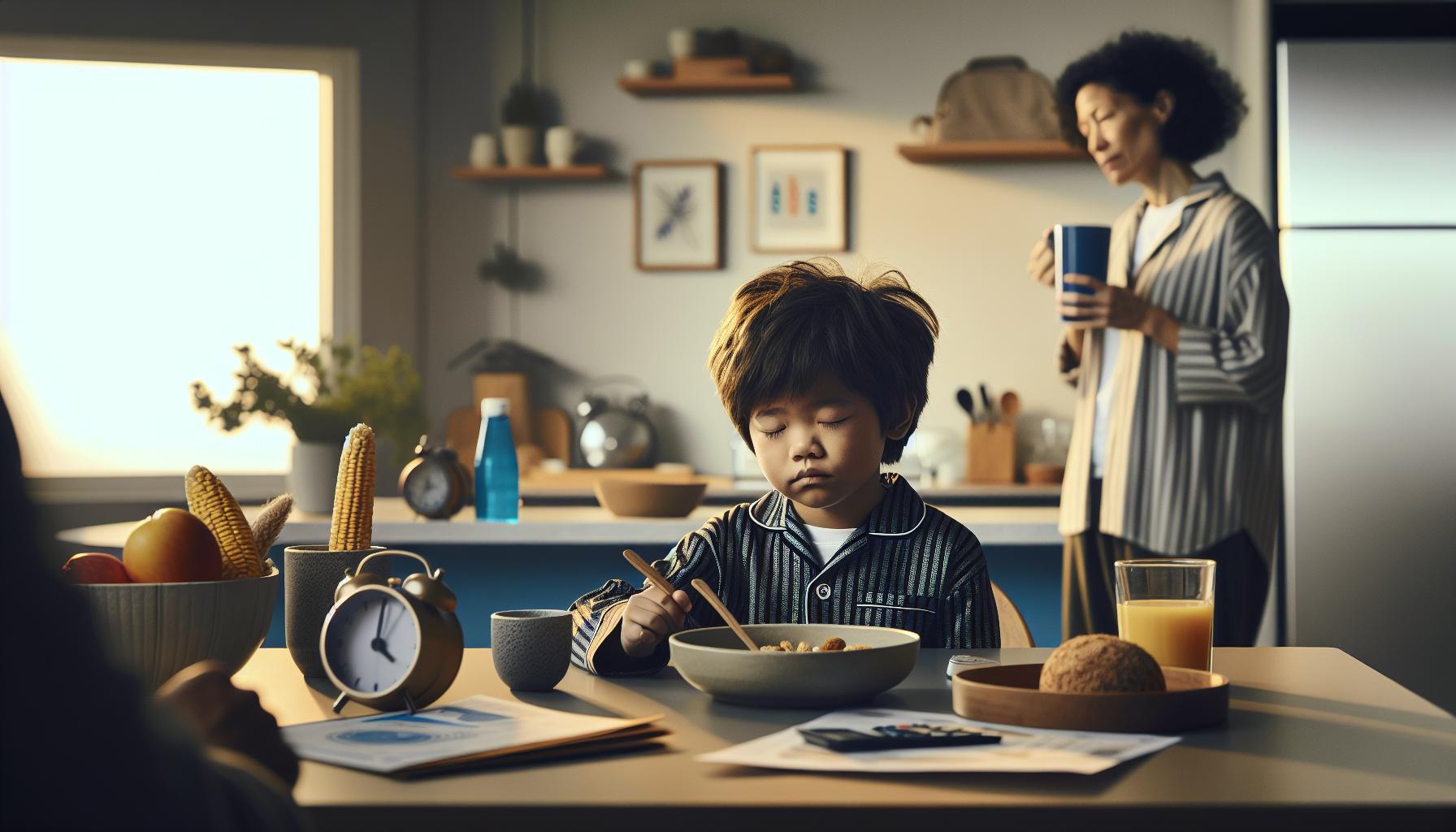
Impact of Sleep on Child Development
Sleep is not just a time for rest; it plays a crucial role in the development of children. For an eight-year-old, adequate sleep is pivotal for physical growth, cognitive skills, and emotional stability. During sleep, a child’s body releases growth hormones, essential for their physical development. This process is especially important as children are in a phase of rapid growth, often involving changes in height and muscle development.
In addition to physical growth, sleep significantly influences cognitive function. Quality sleep helps to consolidate memories and enhances learning capabilities. For example, a well-rested child is more likely to pay attention in school, process information effectively, and perform better academically. Conversely, sleep deprivation can lead to difficulties in focus, lower academic performance, and hindered problem-solving skills. It’s not uncommon for children who struggle to get adequate sleep to face challenges in school settings due to decreased attention and memory retention.
Emotional well-being is another critical aspect affected by sleep. Children who receive sufficient rest are generally more well-adjusted and capable of handling stress. Studies indicate that inadequate sleep can lead to mood swings, anxiety, and irritability. Parents may notice that their child is more prone to meltdowns or has trouble interacting positively with peers when they are tired. Establishing a healthy sleep routine can thus foster a more positive emotional landscape for children, helping them to develop resilience and emotional regulation.
Given these factors, it’s clear that fostering good sleep hygiene is vital for your child’s overall development. Consider implementing consistent bedtime routines, reducing screen time before bed, and creating a quiet, comfortable sleeping environment to encourage restful sleep. These practices can help ensure that your child gets the restorative sleep they need to thrive both physically and emotionally.
Top Factors Affecting Sleep Quality in Children
Sleep is essential for children, and various factors can significantly impact their sleep quality. Understanding these factors is crucial for parents aiming to cultivate healthy sleep habits for their eight-year-olds.
One major influence on sleep quality is environmental factors. The bedroom should be a sanctuary for sleep, free from distractions and disturbances. A quiet, dark, and cool room can greatly enhance sleep. Parents can consider using blackout curtains, white noise machines, or fans to create an optimal sleeping environment. Additionally, ensuring that the child’s mattress and bedding are comfortable can prevent disruptions during the night.
Another factor to consider is the child’s daily routine, which encompasses physical activity and screen time. Regular exercise helps children expend energy and promotes better sleep; however, excessive exposure to screens, particularly before bedtime, can hinder their ability to fall asleep. The blue light emitted by devices can interfere with the production of melatonin, the hormone responsible for regulating sleep. Establishing a technology curfew of at least an hour before bedtime can assist in mitigating this issue.
Lastly, emotional well-being plays a pivotal role in sleep quality. Stressors such as school pressures, social challenges, or family issues can lead to anxiety that may impact sleep. It’s important for parents to engage in open conversations with their children about their day, encouraging them to express feelings and concerns. This emotional connection can help alleviate stress and promote a more peaceful state of mind at bedtime.
By addressing these factors-environment, daily activities, and emotional health-parents can help ensure their children attain the quality sleep they need for healthy development.
Sleep Disorders Common in Eight-Year-Olds
Many children experience sleep challenges, and for eight-year-olds, the impact of sleep disorders can be significant. Understanding these disorders is crucial for parents looking to support their child’s health and development. Among the most common sleep disorders affecting children in this age group are insomnia, sleep apnea, and parasomnias.
Insomnia
Insomnia in children can manifest as difficulty falling asleep, staying asleep, or waking up too early. Factors contributing to insomnia may include anxiety, stress, or changes in routine. Children might also develop sleep anxiety around bedtime if they associate it with negative experiences or fears. This disorder can lead to irritability, difficulty concentrating in school, and overall fatigue during the day. Establishing a calming bedtime routine and ensuring a sleep-friendly environment can help mitigate insomnia.
Sleep Apnea
Sleep apnea is another disorder that may surface in eight-year-olds, often characterized by loud snoring, gasping, or pauses in breathing during sleep. It is typically caused by an obstruction in the airway, which can disrupt sleep patterns significantly. Children suffering from sleep apnea often experience restless sleep and may wake up frequently, not fully rested. This can lead to behavioral issues and affects cognitive function. If parents notice symptoms like excessive daytime sleepiness or behavioral changes, consulting a healthcare provider for a possible sleep study is crucial.
Parasomnias
Parasomnias encompass disruptive sleep disorders such as sleepwalking, night terrors, and talking during sleep. These episodes can be alarming for both the child and parents and often occur during transitions between sleep stages. Children experiencing parasomnias typically do not remember the events the next day. While many children outgrow these episodes, ensuring safety and addressing any underlying stressors can help manage symptoms. Keeping a consistent sleep schedule is also beneficial in reducing occurrences.
Recognizing signs of these disorders is essential for timely intervention. Parents should observe their child’s sleep behavior and seek professional help if severe issues arise. Early detection and appropriate treatment can significantly improve the quality of life for children struggling with sleep disorders.
Creating a Sleep-Friendly Environment for Kids
Creating a calming and supportive sleep environment is essential for ensuring that children receive the quality rest they need, particularly for eight-year-olds who are in a crucial stage of development. A well-prepared sleeping space can help your child unwind and settle in for a restful night’s sleep, thus contributing positively to their overall well-being.
Optimize the Sleep Space
Start by assessing your child’s bedroom. It should be a dedicated zone for sleep-calm, quiet, and separate from daytime activities. To enhance comfort, consider the following adjustments:
- Temperature: Keep the room slightly cool, ideally between 68°F and 72°F (20°C to 22°C), as a cooler environment helps regulate body temperature during sleep.
- Lighting: Use blackout curtains to minimize outside light and ensure the room is dim during bedtime. Soft, warm lighting is perfect for pre-bedtime activities.
- Noise Levels: Encourage a quiet atmosphere. If external noises are common, consider white noise machines or soft music to mask distractions.
Bedtime Rituals and Comfort
Establishing a consistent bedtime routine signals to children that it’s time to wind down. Activities like reading a book, taking a warm bath, or practicing relaxation exercises can help ease transitions from wakefulness to sleep. Additionally:
- Bedding: Invest in comfortable mattresses and pillows suited to your child’s age and size. Hypoallergenic bedding can also reduce irritants.
- Familiar Objects: Allow your child to have a favorite stuffed animal or blanket, which can provide comfort and security during the night.
Limit Sleep Disruptors
Being mindful of what influences your child’s sleep is crucial. Aim to reduce activities and stimuli that can hinder rest:
- Screen Time: Limit exposure to screens (tablets, TVs, phones) at least an hour before sleep, as the blue light emitted can interfere with melatonin production.
- Caffeine and Sugar: Avoid serving caffeinated beverages and sugary snacks in the evening to prevent energy spikes that can delay sleep.
Creating a sleep-friendly environment is about more than just the physical space; it’s also about establishing routines and practices that promote relaxation and comfort. With these strategies in place, you can cultivate a space that supports your child’s need for quality sleep, which is vital for their growth and development. Empowering your child with the right tools for better sleep will pave the way for healthier sleep habits as they grow.
Effective Bedtime Routines for Better Sleep
A well-structured bedtime routine can transform the way your eight-year-old approaches sleep, easing their transition from the busy day to restful night. Children thrive on consistency, so establishing a predictable nighttime sequence not only helps signal that it’s time to wind down but also cultivates a sense of security. This can be particularly beneficial considering how much sleep they need-between 9 to 11 hours per night for optimal growth and development.
Start the evening with calming activities that help your child relax. Here are some effective components for an ideal bedtime routine:
Calming Activities
- Reading Together: Choose age-appropriate books that spark imagination while providing a tranquil atmosphere. Reading a story can soothe your child and also promote a love for literacy.
- Warm Bath: A warm bath before bed can relax muscles and calm the mind. Consider adding lavender or chamomile bath products, known for their relaxing properties.
- Mindfulness Exercises: Simple yoga stretches or guided relaxation can help alleviate the day’s stress. Encouraging deep breathing or visualization can set a peaceful tone for sleep.
Consistent Timing
Maintaining a regular bedtime and wake-up time-even on weekends-helps regulate your child’s internal clock, promoting better sleep quality. Set an ideal time for lights out and try to stick with it, allowing your child to wind down for 20-30 minutes beforehand. This helps their body prepare for sleep both physically and mentally.
Creating a Cozy Atmosphere
Ensure that your child’s sleep environment is inviting and conducive to rest. Soft bedding, a favorite stuffed animal, and dimmed lights can significantly enhance their comfort. Encourage them to help with some decor choices, such as selecting bedding patterns, which fosters a sense of ownership and comfort in their space.
Limiting Stimulants and Screens
Be mindful of any sleep disruptors, especially in the hour leading up to bedtime. Limit exposure to screens, as the blue light emitted from devices can hinder melatonin production, delaying sleep onset. Additionally, avoid serving sugary snacks or drinks that may spike energy levels just before bed. Instead, offer a light snack that includes whole grains or bananas, known for promoting better sleep.
By thoughtfully implementing these strategies into your child’s bedtime routine, you can help them not only fall asleep faster but also experience deeper, more restorative sleep. This ultimately contributes to their overall health, emotional well-being, and daytime performance at school and in other activities.
How Technology Affects Sleep in Children
In today’s digital age, technology plays a profound role in shaping not only how children interact with the world but also their sleeping patterns. With screens nearly ubiquitous-from tablets to smartphones-it’s crucial for parents to understand how these devices can impact the sleep quality of their eight-year-olds. Research consistently shows that exposure to blue light emitted from screens can suppress the production of melatonin, a hormone essential for sleep regulation. This can lead to difficulties in falling asleep and reduced overall sleep duration, often leaving children feeling tired and irritable.
One key factor to consider is the timing of technology use. Engaging with screens right before bedtime can create a significant barrier to natural sleep onset. Encouraging a digital curfew-where screens are turned off at least an hour before bed-can help mitigate these effects. This allows children to wind down, unwind, and engage in more sleep-promoting activities, such as reading or listening to calming music, which also helps prepare their bodies for sleep.
Moreover, parents should be mindful of the content their children consume on digital devices. Interactive and stimulating content can lead to heightened alertness, making it harder for children to transition to a restful state. Instead, opt for passive screen time involving story-based programming or calming audio content, which can serve as a gentle segue into sleep. This approach not only reduces stimulating visual input but can also instill a comforting bedtime ritual.
To further promote healthier sleep habits amidst technology use, setting boundaries around device accessibility in spaces primarily used for sleep can be effective. Encourage establishing “screen-free zones” in bedrooms to reinforce the idea that these areas are dedicated to rest. Combining these strategies helps create a holistic environment where technology becomes a supportive tool rather than a barrier to achieving the recommended 9 to 11 hours of sleep that eight-year-olds need daily for optimal growth and development.
When to Seek Professional Help for Sleep Issues
Recognizing in your eight-year-old can feel daunting, but understanding the signs can make a significant difference in their well-being. If you notice persistent sleep disturbances that last more than a few weeks, it’s essential to consider consulting a sleep specialist. Common signs that indicate the need for professional intervention include difficulty falling asleep, frequent awakenings during the night, or excessive daytime sleepiness. These issues can lead to challenges in school, social interactions, and overall development, making timely intervention crucial.
It’s also essential to monitor behavioral changes that may correlate with sleep problems. If your child exhibits increased irritability, mood swings, or difficulties concentrating, these may stem from inadequate rest. In these cases, professional advice can help determine whether the sleep issues relate to underlying sleep disorders, such as insomnia, sleep apnea, or other factors affecting their sleep quality.
When you decide to seek help, expect a comprehensive assessment that may include discussing your child’s sleep history, current routines, and any behavioral patterns. This process may involve sleep studies (polysomnography) to evaluate sleep stages and patterns more closely. While many parents might feel anxious about the idea of a sleep study, rest assured that advancements in technology have made these assessments more comfortable and informative. The insights gained can pinpoint specific issues and guide effective treatment plans.
Additionally, remember that exploring sleep quality doesn’t always require extensive testing. Sometimes, your pediatrician can offer valuable advice based on lifestyle changes or simple adjustments to bedtime routines. In more serious cases, they may refer you to a sleep specialist who can offer targeted therapies or further assessments. No matter the approach, being proactive about your child’s sleep health is a significant step toward ensuring their overall growth and development.
The Role of Nutrition in Sleep Quality
Nutrition plays a pivotal role in the quality of sleep experienced by eight-year-olds. The relationship between what a child eats and how well they sleep is more significant than many might realize. Insufficient or poor-quality nutrition can lead to sleep disturbances, affecting a child’s overall well-being, mood, and cognitive functions necessary for learning and socializing. For instance, foods rich in tryptophan, like turkey and dairy, promote the production of serotonin and melatonin, hormones crucial for sleep regulation. Ensuring your child’s diet includes these nutrients can enhance sleep quality.
Key Nutrients for Better Sleep
Children need a variety of nutrients for healthy growth and development, and some of these particularly influence sleep. Consider including:
- Magnesium: Found in leafy greens, nuts, and seeds, magnesium helps relax muscles and can reduce sleep disturbances.
- Omega-3 fatty acids: Present in fish like salmon and flaxseeds, these fatty acids are linked to improved sleep quality.
- Complex carbohydrates: Foods such as whole grains can help increase serotonin levels, aiding in better sleep.
- Vitamins and minerals: Vitamins B, D, and zinc play a vital role in regulating sleep patterns.
On the flip side, certain foods and beverages can negatively impact sleep. Heavy meals, caffeine, and sugary snacks, especially when consumed late in the day, can lead to increased alertness and difficulty winding down for bedtime. It’s essential to establish a balanced meal plan while being mindful of the timing of these foods.
Practical Tips for Nutritional Sleep Support
To support better sleep through nutrition, consider these actionable tips:
- Create a Sleep-Friendly Dinner Routine: Aim for a balanced dinner with sleep-promoting foods at least two to three hours before bedtime.
- Limit Screen Time and Sugars Before Bed: Encourage children to wind down without screens and avoid sugar-laden snacks in the evening. Instead, opt for a light snack options like yogurt or a banana if your child is hungry.
- Hydration Balance: Ensure adequate hydration throughout the day but limit liquids right before sleep to avoid nighttime bathroom trips.
By fostering healthy eating habits, you not only enhance sleep quality but also contribute to your child’s overall development, setting a foundation for lifelong health. Remember, good nutrition and proper sleep are interwoven threads in the fabric of a child’s growth and happiness.
Balancing School, Activities, and Sleep Needs
It’s essential to remember that an eight-year-old typically requires about 10 to 11 hours of sleep each night to support their growth and development. However, with packed schedules that often include school, extracurricular activities, and social commitments, it can be challenging to ensure they get the rest they need. Balancing these various demands while prioritizing sleep is crucial for a child’s overall well-being and academic performance.
One effective strategy is to create a daily schedule that incorporates designated times for homework, play, and sleep. Consistency is key; try to maintain the same bedtime each night, even on weekends, to reinforce the child’s body clock. This regularity helps them fall asleep faster and wake up feeling more rested. For example, if your child needs to wake up at 7 a.m. for school, a bedtime of around 8 to 9 p.m. can be set, allowing them enough time to unwind and get the recommended sleep duration.
Moreover, communicate the importance of sleep to your child and involve them in the process of creating this balance. Encourage them to share their feelings about the day’s activities and how they feel after a good night’s rest versus a night of disrupted sleep. You can also discuss the consequences of sleep deprivation, such as difficulty concentrating in school or irritability during the day, to foster a sense of responsibility toward their own sleep needs.
In addition, consider implementing a “wind-down” routine that begins an hour before bed, which can involve activities like reading together, practicing relaxation techniques, or gentle storytelling. Setting boundaries around screen time in the evening is crucial; the blue light emitted by devices can interfere with melatonin production, making it harder for children to fall asleep. Limiting screen exposure and incorporating calming bedtime rituals can significantly improve their sleep quality and readiness for the next day.
By actively working to balance the demands of school and activities with sleep needs, you empower your child to thrive both academically and emotionally. This holistic approach not only leads to better sleep but also enhances their ability to engage fully in all aspects of life.
Frequently asked questions
Q: How many hours of sleep do eight-year-olds really need each night?
A: Eight-year-olds typically need 9 to 12 hours of sleep each night for optimal growth and development. Ensuring they get adequate sleep can significantly affect their mood, behavior, and overall health.
Q: What are the common sleep problems faced by eight-year-olds?
A: Common sleep issues in eight-year-olds include insomnia, nightmares, and sleep apnea. Parents should look for signs like difficulty falling asleep or excessive daytime sleepiness, as these may indicate underlying problems.
Q: How can an eight-year-old’s diet impact their sleep quality?
A: An eight-year-old’s diet greatly influences their sleep quality. Foods rich in tryptophan, like turkey and bananas, can promote better sleep. Additionally, reducing sugary snacks and caffeine intake before bedtime is crucial for a restful night.
Q: What are effective bedtime routines for improving sleep in children?
A: An effective bedtime routine includes consistent sleep times, winding down activities like reading or listening to calm music, and minimizing screen time. Establishing a predictable pattern helps signal to the child that it’s time to sleep.
Q: How does technology use before bed affect an eight-year-old’s sleep?
A: Using technology before bed can negatively impact sleep by disrupting the body’s natural circadian rhythm. Blue light emitted from screens can make it harder for children to fall asleep, so it’s advisable to limit screen time at least an hour before bedtime.
Q: When should parents seek professional help for their child’s sleep issues?
A: Parents should consider seeking help if their child exhibits persistent sleep disturbances, like difficulty staying asleep, extreme sleepiness during the day, or frequent nightmares. Consulting a pediatrician can provide further guidance tailored to their specific needs.
Q: What environmental factors can help improve a child’s sleep?
A: Creating a sleep-friendly environment involves keeping the bedroom dark, cool, and quiet. Removing distractions like toys and electronic devices can enhance sleep quality. Using blackout curtains and white noise machines can also be beneficial.
Q: How do cultural practices influence sleeping habits in children?
A: Cultural practices can significantly influence children’s sleeping habits, such as bedtime rituals and family sleeping arrangements. Understanding these practices can help parents create comfortable routines that respect their cultural backgrounds while promoting healthy sleep.
Final Thoughts
Ensuring your eight-year-old gets the recommended amount of sleep is vital for their growth, mood, and overall well-being. By following the guidelines we’ve shared, you can help create a bedtime routine that supports healthier sleep habits. If you’re curious about how sleep studies work or considering wearable sleep trackers, explore our guides on understanding sleep disorders and the latest in sleep tech.
Don’t wait-take action today to improve your child’s sleep quality! For more insights, sign up for our newsletter to stay informed about sleep health and parenting tips. Have questions or experiences to share? Join the conversation below and connect with other parents. Remember, a well-rested child is more likely to thrive, so let’s make sleep a priority together!
Get our latest guides, news, and insights highlighted in your Google Search & AI Overviews.