
Did you know that an estimated 70 million Americans suffer from sleep disorders, yet many don’t know when to seek further help? Understanding how frequently you might need a sleep study is essential for maintaining your sleep health. Sleep studies, or polysomnography, provide valuable insights into your sleep patterns and can help diagnose issues like sleep apnea or insomnia. Whether you’re experiencing persistent tiredness, difficulty focusing, or have been diagnosed with a sleep disorder, knowing when and how often to undergo this testing can significantly impact your quality of life. In this article, we’ll explore the frequency rules for sleep studies, helping you to make informed decisions about your sleep health and ensuring you get the restorative rest you deserve.
Understanding Sleep Study Frequency Guidelines
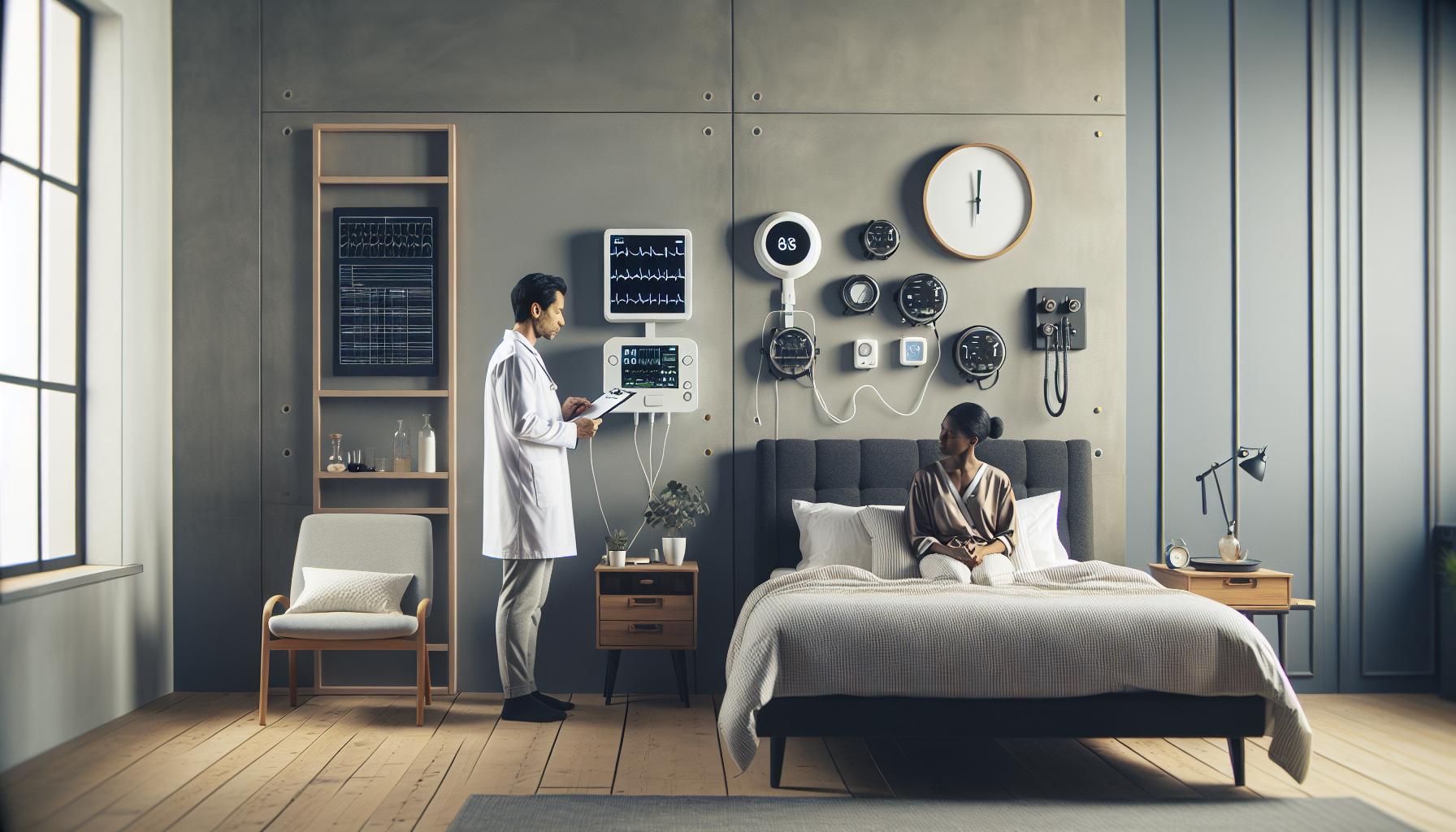
Understanding when to undergo a sleep study can be a challenging aspect of managing sleep health. Sleep studies, or polysomnography, are vital in diagnosing conditions like sleep apnea, insomnia, and restless leg syndrome. Yet, many individuals find themselves uncertain about how often these studies should be repeated. Generally, the frequency of sleep studies depends on several factors including your initial diagnosis, the severity of your condition, treatment efficacy, and any significant changes in your health or sleep patterns.
### Factors Influencing Study Frequency
- Diagnosis Severity: If you have a serious condition such as moderate to severe obstructive sleep apnea, more frequent evaluations may be necessary to monitor your health. For those with mild conditions, sleep studies might only be needed once every few years unless symptoms change.
- Treatment Response: After starting a new treatment or if there are changes in symptoms, a follow-up sleep study may be recommended. This helps in assessing the effectiveness of the treatment and ensuring no additional interventions are required.
- Age and Health Changes: As you age or if your health changes significantly, your sleep patterns might alter, necessitating further studies. Conditions such as obesity can exacerbate sleep disorders, warranting another evaluation.
### General Guidelines
While there is no one-size-fits-all answer, it is generally recommended to seek a sleep study every 1 to 3 years for those with chronic sleep disorders, particularly if symptoms have not improved or have worsened. Always consult with your healthcare provider to establish a personalized plan based on your specific situation.
In addition to traditional sleep studies, advancements in technology, such as home sleep testing and wearable devices, are becoming more prevalent and may affect how often you need a formal sleep study. Understanding these options can empower you to actively manage your sleep health while maintaining regular check-ups tailored to your individual needs.
When Is a Sleep Study Recommended?
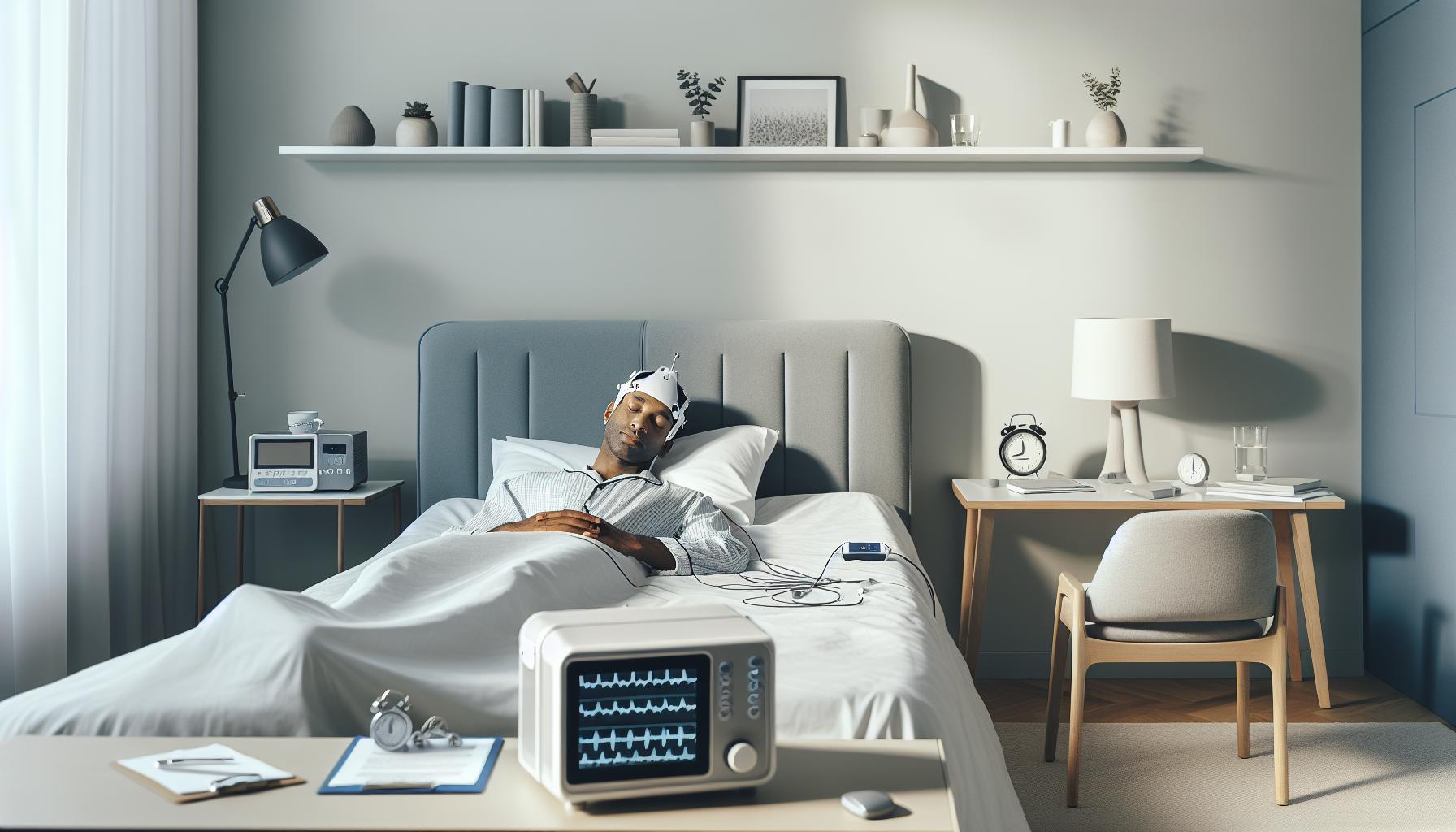
Determining when to undergo a sleep study can often feel overwhelming, but it’s crucial for effectively diagnosing and managing sleep disorders like insomnia or sleep apnea. If you’re experiencing persistent sleep issues-such as loud snoring, gasping for air during sleep, excessive daytime sleepiness, or difficulty staying asleep-these are strong indicators that it might be time to consider a sleep study. Anyone grappling with changes in sleep behavior or quality should consult a healthcare professional to assess their condition.
ICurrently, a sleep study is typically recommended under several circumstances. First, if you’ve tried lifestyle changes or over-the-counter sleep aids with little success, a professional evaluation becomes necessary. This is especially true for conditions like severe obstructive sleep apnea, which can significantly impact overall health if left untreated. Furthermore, if you’re undergoing treatment for a previously diagnosed sleep disorder, a follow-up study may be warranted to evaluate the effectiveness of the treatment and make any required adjustments.
An initial sleep study will give doctors valuable insights into your sleep patterns, staging (the different sleep cycles you experience), and any irregularities that could indicate a problem. While the specifics of each situation will vary, consulting your primary care physician is an essential first step. They can help clarify whether a sleep study is the appropriate next step based on your symptoms and medical history. Keeping a sleep diary or using a sleep-tracking app can be beneficial too. This documentation will provide additional context to your healthcare provider.
In an age where technology plays a vital role in healthcare, it’s also worth considering alternatives like home sleep tests, which can provide valuable data in a more comfortable setting. These tests may be appropriate for some patients and can help determine if further in-lab studies are necessary. Such options empower you to take charge of your sleep health, ensuring timely and effective responses to any emerging sleep issues.
The Importance of Regular Sleep Evaluations
Regular evaluations of your sleep health are crucial to identifying and managing sleep disorders effectively. Sleep isn’t just about quantity; it’s about quality. Issues such as persistent fatigue, frequent awakenings, or excessive daytime sleepiness can signal underlying disorders that require monitoring and intervention. Consistent sleep evaluations can help in early detection and assessment of these conditions, which in turn facilitates timely treatment adjustments. The goal is to optimize how well you sleep and, by extension, enhance your overall quality of life.
Routine sleep assessments can reveal how your sleep patterns evolve over time and provide healthcare professionals with critical data to tailor treatment plans. For individuals previously diagnosed with conditions like sleep apnea or insomnia, periodic studies can help track the effectiveness of treatment strategies, ensuring they still meet your needs. In some cases, an annual or bi-annual sleep study might be recommended to reassess your condition, particularly if you experience significant changes in your sleep behavior or health status.
In practice, it’s essential to understand that undergoing a sleep study can feel daunting. Many people harbor fears about the process or the results. However, it’s important to approach these evaluations as constructive rather than intimidating. Keeping in mind that each sleep study helps pave the way for better sleep, armed with data on your unique sleep patterns and disturbances, will alleviate some anxiety. Additionally, using tools like sleep diaries or tracking apps can enhance the communication between you and your healthcare provider, providing a more comprehensive view of your sleep health and needs.
For many, integrating regular evaluations into their healthcare routine can help demystify sleep disorders and empower them in their journey towards better sleep. Engaging in open dialogues with healthcare professionals about sleep issues and treatment plans makes it easier to navigate options that align with personal health goals, reinforcing the understanding that effective sleep management is a vital component of overall health. Always consult your healthcare provider on the best frequency for sleep studies tailored to your specific circumstances.
Types of Sleep Studies and Their Purposes
Understanding the different types of sleep studies can be crucial for addressing sleep disorders effectively. Sleep studies help in diagnosing conditions like sleep apnea, insomnia, and restless legs syndrome, resulting in tailored treatment plans that can significantly improve your sleep quality.
One common type of sleep study is polysomnography (PSG), which is conducted in a sleep lab. During this study, your brain activity, eye movement, heart rate, breathing patterns, and oxygen levels are monitored throughout the night. PSG offers a comprehensive view of sleep stages and can diagnose more complex disorders. Expect to sleep overnight with sensors attached to your body, but don’t let the setup intimidate you; while it may feel unusual at first, the insights gained are invaluable for your health.
For those who prefer a more comfortable setting, home sleep apnea testing (HSAT) is an option. This study typically focuses on diagnosing obstructive sleep apnea by measuring parameters such as airflow, breathing effort, and blood oxygen levels. You will take home a portable device to wear while you sleep, making it a convenient option for many. However, it’s essential to note that HSAT logs fewer data points than a PSG, which may limit the ability to diagnose other sleep disorders.
If you are already diagnosed with a sleep disorder and under treatment, follow-up sleep studies (either in-lab or at home) are often recommended to assess treatment efficacy. For example, if you’re being treated for insomnia and find no improvement, your doctor may suggest a new evaluation to adjust your treatment plan.
Investing in wearable sleep trackers can also complement these studies. Devices like smartwatches can provide valuable insights into your sleep patterns daily. However, they should not replace professional evaluations. Instead, they can highlight trends that might prompt discussions with your healthcare provider, leading to a more informed approach when considering when to undergo a full sleep study again.
In summary, understanding the various types of sleep studies equips you with the knowledge to make informed choices for your sleep health, bridging the gap between at-home monitoring and the comprehensive evaluation that clinical settings provide.
How Long Does a Sleep Study Last?
A sleep study is typically conducted overnight, encompassing various types of diagnostics that vary in duration and complexity. Most commonly, a polysomnography (PSG) test lasts about 6 to 8 hours, which aligns with a typical sleep cycle. This extensive coverage provides deep insights into your sleep stages, monitoring brain activity, heart rate, and other vital parameters. You’ll be in a controlled environment, often a sleep lab, where technicians can track the data throughout the night.
In contrast, for those considering home sleep apnea tests (HSAT), the duration can also extend to several hours, but since you’re sleeping in your own bed, the overall experience may feel less cumbersome. Typically, you’ll wear a simplified device that collects data on your breathing patterns, airflow, and blood oxygen levels over a single night.
When planning for a sleep study, it’s wise to prepare for the entire evening. Arriving at the facility in the early evening allows time for setup, which usually takes about 30 minutes to an hour. You’ll be connected to various sensors which might feel unusual at first, but remember that this setup is crucial for gathering accurate data on your sleep quality and patterns.
Deciding how often to undergo a sleep study can depend on several factors, including prior diagnoses, the effectiveness of current treatments, and new symptoms that may arise. For instance, if you’re being treated for a condition like sleep apnea but are still experiencing fatigue, your healthcare provider might recommend a follow-up study to adjust your treatment plan. Regular evaluations are essential for effectively managing sleep disorders and adapting to any changes in your health or lifestyle.
What to Expect During Your Sleep Study
A sleep study can be a pivotal experience in your journey toward better sleep health, offering insights that can significantly improve your quality of life. As you prepare for this important night, it’s natural to have questions about what happens during the study. Understanding the setup and process can help reduce anxiety and set the stage for meaningful results.
Upon arrival at the sleep center, you’ll typically spend about 30 minutes to an hour for setup. Technicians will connect you to various sensors that monitor different physiological functions-this includes placing electrodes on your scalp to monitor brain activity, sensors near your eyes to track eye movements, and bands around your chest and abdomen to measure breathing. While this may feel a bit unusual, it’s essential for accurately assessing your sleep stages and diagnosing any potential disorders.
Once you’re settled in, expect to follow a typical bedtime routine. This means you can engage in relaxing activities such as reading or listening to soothing music until you drift off. It’s best to try to maintain your normal sleep habits, as this will help gather accurate data on how you naturally sleep. After you fall asleep, the equipment will collect data throughout the night, providing valuable insights into your sleep patterns.
Should you undergo a home sleep test instead, the experience will be more comfortable as you’ll be in your own familiar environment. You’ll wear a simplified device that captures data on your breathing, airflow, and blood oxygen levels. Regardless of whether you’re in a lab or at home, knowing what to expect can alleviate some of the anxiety associated with sleep studies. Whether it’s your first or follow-up study, understanding this process is a key step toward achieving better sleep health and addressing any concerns related to sleep disorders.
Signs You Might Need Another Sleep Study
Experiencing ongoing sleep issues can be frustrating, and knowing when to seek a follow-up sleep study can be crucial for your health. Various signs may indicate that another sleep study is necessary, particularly if your symptoms have changed or worsened. For instance, if you previously received treatment for a diagnosed sleep disorder, but you’re now experiencing new or intensified symptoms such as excessive daytime sleepiness, frequent awakenings at night, or escalating snoring, it may be time to revisit the sleep clinic for a reevaluation.
Changes in your overall health can also prompt the need for another sleep study. If you’ve gained or lost significant weight, developed new chronic conditions, or started taking medications that could affect your sleep patterns, these factors might interfere with your existing treatment plan. Sleep disorders can also develop or shift in character over time, making it essential to keep your healthcare provider informed about any new developments.
Another important aspect to consider is how well your current treatment is working. If you’re using a continuous positive airway pressure (CPAP) machine or other treatment modality but still feel unrested, irritable, or find it difficult to concentrate during the day, this could indicate that your current therapy isn’t adequately addressing your sleep apnea or other condition. Each treatment protocol is unique, so it’s wise to have a conversation with your healthcare provider about the effectiveness of your treatment and whether a new study might yield more precise information.
Lastly, ensure you’re aware of the limits of home sleep tests versus in-lab studies. Home tests may miss certain nuances, such as periodic limb movement disorder or REM sleep behavior disorder, which might require more comprehensive in-lab monitoring. If your home testing device indicates irregularities or if your symptoms persist despite negative results from a home test, don’t hesitate to ask your doctor about scheduling an in-lab sleep study for more detailed analysis and intervention. This proactive approach can be essential in managing your sleep health effectively.
Navigating Insurance Coverage for Sleep Studies
Understanding insurance coverage for sleep studies can be crucial, especially when considering how often you may need these evaluations. Sleep studies can be expensive, so it’s essential to know what your insurance plan covers before scheduling one. Generally, most insurers recognize the importance of sleep studies in diagnosing disorders like sleep apnea, narcolepsy, and restless leg syndrome. However, coverage policies can vary significantly from one provider to another.
When preparing for a sleep study, check if your insurance requires prior authorization. This means that your doctor may need to submit documentation proving that the study is medically necessary before the insurance company approves coverage. Additionally, it’s wise to inquire about your specific plan’s deductible and co-pay amounts for outpatient procedures.
Another aspect to consider is the difference between in-lab and home sleep tests. Some insurance plans may cover one type but not the other. Typically, in-lab studies are viewed as the gold standard, while home tests can be less expensive and more convenient; however, coverage for each can vary widely. Make sure to ask your insurance provider directly, and don’t hesitate to request a detailed breakdown of costs involved to avoid surprises later.
It’s also helpful to keep track of your symptoms and any relevant health changes, as this information can support your case for needing a study when you discuss your care with your healthcare provider and insurance company. Remember, maintaining clear communication and being proactive about understanding your coverage can significantly ease the process, allowing you to focus on improving your sleep health without financial stress.
Home Sleep Tests vs. In-Lab Studies
When it comes to understanding your sleep health, the choice between home sleep tests and in-lab studies can significantly influence your diagnosis and treatment plan. Home sleep tests (HST) offer convenience and comfort, allowing you to undergo monitoring in your own environment, which can help reduce anxiety often associated with medical facilities. They’re typically less expensive, making them accessible for patients who might hesitate to pursue a formal overnight polysomnography due to cost constraints.
However, in-lab sleep studies are regarded as the gold standard. These studies involve a more comprehensive setup that captures a range of physiological data during your sleep, including brain activity, eye movements, heart rate, and respiratory functions. This thorough monitoring enables your healthcare provider to diagnose complex sleep disorders more accurately, such as obstructive sleep apnea, which might not be fully captured through home testing equipment.
Key Differences Between Home Sleep Tests and In-Lab Studies
- Cost: Home sleep tests generally cost less than in-lab studies, making them a budget-friendly option.
- Comfort: HSTs allow you to sleep in your own environment, which can lead to more natural sleep patterns and improved reading accuracy.
- Data Quality: In-lab studies provide more detailed data, as multiple parameters can be monitored simultaneously with specialized equipment.
- Supervision: In-lab tests are conducted under professional supervision, ensuring immediate troubleshooting if any issues arise during the recording process.
Most insurance plans cover both types of studies, but the specifics can vary. Always check with your provider to understand which options are covered and if you need prior authorization.
While home tests can be an excellent first step for many, they may not be appropriate for everyone. For example, if you have underlying medical conditions or your symptoms suggest severe sleep apnea, your doctor might recommend an in-lab study from the start. Keeping track of your symptoms, behaviors, and any changes in your sleep patterns can be extremely valuable in discussions with your healthcare provider, helping you make a well-informed choice that aligns with your personal health needs.
Tracking Sleep Health with Wearable Devices
In today’s tech-savvy world, tracking your sleep health has never been easier, thanks to wearable devices. These gadgets, ranging from fitness trackers to dedicated sleep monitors, not only help you keep tabs on your sleep patterns but also empower you to manage your overall sleep health proactively. Studies have shown that individuals who use wearable devices to monitor their sleep tend to have a better understanding of their habits, which can lead to healthier sleep practices.
How Wearable Devices Work
Wearable sleep trackers typically monitor various metrics such as heart rate, movement, and sometimes even ambient light and sound levels. By collecting this data, they provide insights into the duration and quality of your sleep. Many devices use advanced algorithms to categorize your sleep into stages-light, deep, and REM-allowing you to gauge how well you’re progressing through the sleep cycle. It’s important to choose a device that fits your specific needs, whether you’re looking for a simple step counter or a more comprehensive sleep analysis tool.
Practical Applications
Utilizing these wearables can be particularly beneficial when considering the frequency of sleep studies. If you notice consistent issues such as excessive daytime sleepiness, difficulty falling asleep, or frequent disruptions during the night, your wearable can serve as a guide for your healthcare provider. With a detailed record of your sleep patterns, you can discuss potential symptoms and whether a formal sleep study is warranted. This data-driven approach not only enhances the conversation with your doctor but may also reduce the need for multiple sleep studies, as your wearables can track improvements over time.
Limitations of Wearable Devices
While wearables can provide helpful information, it’s essential to understand their limitations. They often lack the precision of lab-based polysomnography, which monitors brain activity, breathing patterns, and other critical factors that can indicate sleep disorders. Therefore, if your symptoms are severe or persist despite using a wearable, a sleep study may still be necessary. Always consult with a healthcare professional to determine the best course of action based on your personal health profile.
Conclusion
Tracking sleep health through wearable devices offers a convenient and insightful way to understand your sleep disturbances and guide your decisions regarding formal sleep studies. These gadgets empower you to take an active role in your sleep health while also providing valuable information to discuss with your healthcare provider, ultimately leading to better sleep outcomes.
How Sleep Disorders Affect Study Frequency
Sleep disorders can significantly influence how often you may need to undergo a sleep study. If you experience symptoms like chronic insomnia, excessive daytime sleepiness, or sleep apnea, regular evaluations may be critical in assessing your condition and managing your health effectively. The frequency of these studies often hinges on the severity of your symptoms and any changes in your health status.
For instance, individuals diagnosed with obstructive sleep apnea often undergo repeat studies to determine the effectiveness of their treatment, particularly if they experience changes like weight gain or loss. A follow-up polysomnography (sleep study) might be recommended to adjust CPAP (Continuous Positive Airway Pressure) settings or assess the overall progress in managing the disorder. In many cases, after initiating or changing treatment, follow-ups are typically scheduled every 1 to 2 years, but this can vary based on individual needs.
Moreover, the type of sleep disorder plays a significant role. Conditions such as narcolepsy, restless legs syndrome, or parasomnias may also necessitate more frequent assessments based on symptom variability. For example, if new symptoms arise or existing symptoms worsen, a healthcare provider may suggest additional studies sooner, regardless of the last study’s date.
If you’re using wearable devices to track your sleep, they can provide essential insights that might help your healthcare provider determine if repeated studies are necessary. Consistent poor sleep quality or troubling patterns noted through your device could prompt a discussion about scheduling another sleep study. However, these devices are not a substitute for professional assessments; their role is primarily to aid in monitoring and managing your sleep health effectively.
In summary, the need for repeated sleep studies largely depends on the type and severity of a sleep disorder, treatment responses, and ongoing symptom evaluation. Keeping a detailed record of your symptoms and sleep patterns can empower discussions with your healthcare provider, helping to tailor your treatment approach effectively.
Managing Anxiety Before a Sleep Study
Feeling anxious before a sleep study is entirely normal. The environment can be unfamiliar, and the idea of being monitored while you sleep might create stress. However, understanding what to expect and how to manage these feelings can significantly ease your mind.
Preparation is key to combat anxiety. Start by familiarizing yourself with the sleep study process. If you’ll be undergoing a polysomnography in a lab, gather information about the setup. Know that you’ll be connected to monitors that will track your brain activity, heart rate, and breathing patterns. Many facilities offer pre-visit consultations, which can help answer questions and ease any apprehensions. Here are a few tips to alleviate anxiety:
- Visit the Facility in Advance: If possible, take a tour of the sleep center before your study. This familiarity can make the environment feel less intimidating.
- Practice Relaxation Techniques: Engage in breathing exercises, meditation, or light stretching the evening before your study. A calm mind can contribute to a better sleep experience.
- Talk to Your Technician: On the night of the study, communicate with the sleep technician about any concerns. They are there to help and will explain the process step by step.
- Bring Comfort Items: Consider bringing familiar items such as a favorite pillow or blanket. These can provide comfort and create a sense of home.
It’s important to remember that the sleep study is a crucial step in identifying any potential sleep disorders. Taking the time to manage anxiety not only helps you feel better but also creates a conducive environment for the study itself. By preparing adequately and employing calming strategies, you can transform your apprehension into a more positive experience, ultimately gaining valuable insights into your sleep health.
Frequently Asked Questions
Q: How often should sleep studies be repeated?
A: Sleep studies should typically be repeated every 1 to 3 years, depending on your sleep disorder’s severity and your healthcare provider’s recommendations. Regular evaluations ensure that any changes in your condition are addressed promptly. For personalized advice, consult your doctor and refer to the section on Understanding Sleep Study Frequency Guidelines in our article.
Q: What factors affect the frequency of sleep studies?
A: The frequency of sleep studies can be influenced by factors such as changes in your health, the effectiveness of current treatment, and new or worsening symptoms. Additionally, specific sleep disorders may necessitate more frequent monitoring. Always consult with a sleep specialist for tailored recommendations.
Q: Are there different guidelines for various sleep disorders?
A: Yes, guidelines can vary significantly between different sleep disorders. For instance, patients with obstructive sleep apnea might need more frequent evaluations compared to those with insomnia. It’s crucial to discuss your specific condition with a healthcare provider to understand the recommended frequency for your situation.
Q: Can insurance influence how often sleep studies are done?
A: Yes, insurance coverage can impact the frequency of sleep studies. Some plans may limit the number of studies covered per year or require a specific medical necessity to authorize additional tests. Check your insurance policy and consult with your provider for clear guidelines on coverage.
Q: What should I do if my sleep symptoms worsen?
A: If you experience worsening sleep symptoms, it’s essential to contact your healthcare provider right away. They may recommend scheduling a new sleep study to reassess your condition and adjust treatment as needed. Refer to Signs You Might Need Another Sleep Study in our article for further insights.
Q: How do home sleep tests compare to in-lab studies regarding frequency?
A: Home sleep tests may be recommended for initial evaluations or follow-ups, often requiring less frequent repetition compared to in-lab studies. However, the decision should be based on your specific sleep issues and the specialist’s advice. For more details, see our section on Home Sleep Tests vs. In-Lab Studies.
Q: What are the signs that indicate I need a sleep study sooner than usual?
A: Signs that may indicate a need for an expedited sleep study include significant changes in your sleep patterns, increased daytime sleepiness, or the emergence of new sleep-related symptoms. Timely evaluation can be vital in managing sleep disorders effectively.
Q: How can I track changes in my sleep health between studies?
A: You can track changes in your sleep health using wearable sleep devices that measure sleep patterns and provide feedback. These devices can help you and your healthcare provider make informed decisions about when to schedule your next sleep study. Consider exploring the section on Tracking Sleep Health with Wearable Devices for more tips.
Feel free to explore more about sleep studies and manage your sleep health effectively by delving into our comprehensive articles!
Concluding Remarks
Understanding how often a sleep study is necessary is vital for maintaining your overall health and well-being. Regular assessments can help identify sleep disorders early and offer pathways to better sleep quality. If you suspect sleep issues, don’t hesitate to consult a sleep specialist-your health is worth it! For further insights, check out our latest articles on the benefits of sleep health and common sleep disorders.
Don’t forget to sign up for our newsletter to receive updates on the latest in sleep health and technology. Your journey toward improved sleep starts today, so explore our resources and empower yourself with knowledge. Together, we can tackle sleep health challenges and enhance your quality of life!
Get our latest guides, news, and insights highlighted in your Google Search & AI Overviews.