
Did you know that sleep apnea affects not just adults, but also children, potentially impacting their growth, behavior, and overall health? Pediatric sleep apnea can lead to serious issues if not diagnosed and treated effectively. Understanding the various testing options available is essential for parents seeking to ensure their child’s restful sleep and wellbeing. In this article, we’ll explore the diagnostic methods for pediatric sleep apnea, guiding you through the process with clarity and confidence. You’ll learn what to expect, from straightforward home-based setups to comprehensive overnight sleep studies conducted in specialized clinics. By demystifying these options, we empower you to make informed choices about your child’s sleep health. Stay with us as we delve into the importance of early detection and the impact it can have on your child’s life.
Understanding Pediatric Sleep Apnea: A Parent’s Guide
Understanding pediatric sleep apnea is essential for parents who want to ensure their child’s health and well-being. This condition is more common than many realize, affecting a significant number of children. Often, it goes undiagnosed, leading to a range of issues, including academic difficulties and behavioral problems. As a parent, being aware of the signs, symptoms, and testing options can make a difference in getting the right help for your child.
Pediatric sleep apnea primarily manifests as obstructive sleep apnea (OSA), where breathing is interrupted during sleep due to throat muscles collapsing. Parents should be attentive to various symptoms, such as loud snoring, gasping or choking during sleep, restlessness, excessive daytime sleepiness, and behavioral changes. If these signs are observed, it’s crucial to seek a medical evaluation promptly. The earlier you address potential sleep apnea, the better the chances of preventing associated complications like heart problems or learning difficulties.
When it comes to diagnosing pediatric sleep apnea, several testing options are available. Polysomnography, or a sleep study, is often regarded as the gold standard. This comprehensive test records brain activity, breathing patterns, oxygen levels, and other vital signs while your child sleeps. A less invasive option is home sleep apnea testing, where your child can be monitored in the comfort of your own home. However, home testing might not be suitable for all cases, particularly those involving complicated medical histories. Understanding the pros and cons of each testing method will help you make informed decisions about your child’s sleep health.
As new technologies emerge, innovative tools are becoming available for monitoring sleep apnea. Wearable sleep trackers can provide valuable insights into sleep patterns and potential disturbances, but parents should be cautious about relying solely on these devices, as they may not offer the comprehensive data needed for a definitive diagnosis. By combining insights from wearables with professional medical evaluations, parents can navigate their child’s sleep health more effectively. Ultimately, the goal is to empower families to understand their options and advocate for the best possible outcomes for their children’s sleep health.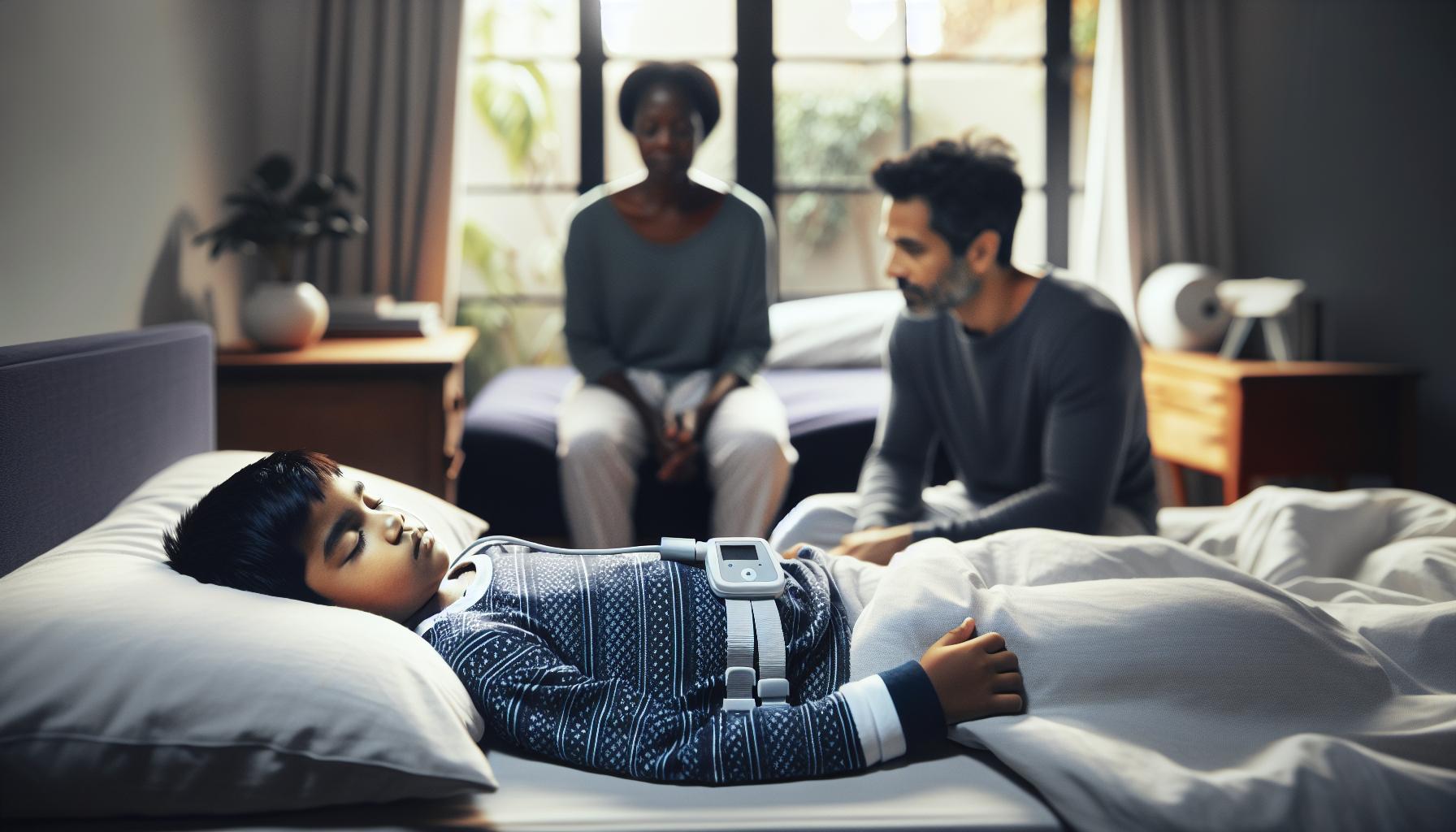
Symptoms of Sleep Apnea in Children: What to Look For
Many parents are surprised to learn that pediatric sleep apnea can significantly impact their child’s overall health and development. Recognizing the signs early can be crucial in preventing long-term complications. Symptoms of sleep apnea in children can vary widely, but some common indicators may raise concerns.
- Loud Snoring: Frequent, loud snoring is often one of the most noticeable symptoms. If your child’s snoring sounds more like gasping or choking, it’s important to pay attention.
- Breathing Pauses: Observations of your child stopping breathing for short periods during sleep, which might startle them awake, are critical warning signs.
- Restlessness: Children with sleep apnea often exhibit troubled sleep patterns, tossing and turning frequently throughout the night.
- Daytime Sleepiness: Excessive daytime fatigue, irritability, or difficulty concentrating in school can stem from poor sleep quality caused by apnea episodes.
- Behavioral Changes: If your child is experiencing sudden changes in behavior, increased hyperactivity, or mood swings, it might correlate with disrupted sleep.
Paying close attention to these symptoms can make all the difference. For instance, if you notice loud snoring combined with daytime fatigue, consider discussing these symptoms with your pediatrician for an evaluation.
Early diagnosis is vital, as untreated sleep apnea can lead to a myriad of complications, including growth issues and learning difficulties. Seeking medical advice doesn’t have to be intimidating. Pediatricians are experienced in recognizing these symptoms and can recommend appropriate diagnostic tests, such as polysomnography or home sleep studies, based on your observations. Ultimately, being proactive and informed can help you secure the best outcomes for your child’s health and well-being.
Importance of Early Diagnosis: Why Timing Matters
Detecting pediatric sleep apnea early can be a game changer for your child’s health. Left untreated, this condition may lead to serious complications such as growth delays, behavioral issues, and learning difficulties. The sooner you address potential sleep apnea symptoms, the better equipped you’ll be to secure timely interventions that can significantly improve your child’s quality of life.
When you notice signs like loud snoring or excessive daytime sleepiness, don’t hesitate to consult with your pediatrician. Early diagnosis not only helps to clarify the cause of your child’s sleep disturbances but also enables proactive management before issues escalate. Research shows that the longer sleep apnea goes undiagnosed, the higher the likelihood of intense health impacts, making timely assessment essential.
Diagnostic tests, such as polysomnography, are key components in understanding a child’s sleep patterns and determining the severity of apnea episodes. A thorough evaluation enables healthcare providers to recommend tailored treatment options, ranging from lifestyle modifications to medical interventions. Additionally, early diagnosis helps ease parental anxiety by providing clarity and actionable steps to support their child.
Ultimately, being proactive is empowering. Equip yourself with knowledge about the signs and symptoms of sleep apnea, and be persistent in securing the necessary evaluations. This approach not only enhances your child’s future health prospects but also fosters a more restful sleep environment for the entire family. Remember, investing time in understanding pediatric sleep apnea now can lead to significant long-term benefits.
Types of Diagnostic Tests for Pediatric Sleep Apnea
Detecting pediatric sleep apnea is crucial for your child’s health, and understanding the types of diagnostic tests available can empower you as a parent to seek appropriate care. The primary methods used to diagnose sleep apnea in children include polysomnography, home sleep apnea tests, and various portable monitors. Each has its own advantages and drawbacks, affecting your choice for your child’s evaluation based on comfort, accuracy, and convenience.
Polysomnography
Polysomnography (PSG) is considered the gold standard for diagnosing sleep disorders. This comprehensive overnight sleep study occurs in a hospital or sleep lab where your child will be monitored throughout the night with various sensors attached. These sensors measure brain activity, oxygen levels, heart rate, and other vital metrics as your child sleeps. While PSG can provide a detailed overview of your child’s sleep patterns and diagnose sleep apnea effectively, it can be intimidating due to the clinical setting and equipment used. Parents often worry about their child’s comfort and anxiety during the test, but sleep specialists strive to create a calm environment to alleviate these concerns.
Home Sleep Apnea Testing
Home sleep apnea testing (HSAT) offers a convenient alternative, allowing your child to sleep in their familiar environment. These tests usually involve wearable devices that monitor vital signs such as breathing patterns and oxygen levels. While HSATs can effectively identify obstructive sleep apnea, they may not be as comprehensive as polysomnography, particularly for assessing other sleep disorders or more complex apnea cases. However, many families appreciate the lower cost and reduced anxiety associated with home testing.
Wearable Sleep Monitors
Innovative wearable devices have entered the market, providing parents with a more accessible way to track their child’s sleep patterns. These devices, often in the form of smartwatches or rings, can monitor movement and heart rate during sleep. However, it’s essential to approach these solutions with a critical eye. While wearables can help detect sleep disturbances, they may not always provide the level of detail required to diagnose specific conditions like sleep apnea. It’s advisable to use these tools as preliminary assessments before seeking professional testing if you notice suspicious signs.
Finding the right diagnostic route for your child may involve a combination of these tests. Starting with a thorough discussion with your pediatrician can help you navigate your options based on your child’s unique situation. Empowering yourself with knowledge about these testing methods not only eases anxiety but also promotes timely intervention, which is vital for your child’s health and development.
Polysomnography Explained: What to Expect During Sleep Studies
A polysomnography (PSG) study is a pivotal step in diagnosing pediatric sleep apnea, providing a comprehensive picture of your child’s sleep stages, emotions, and body functions throughout the night. Understanding what to expect can help alleviate some of the anxiety you or your child may feel about the experience. The PSG is performed in a sleep lab or hospital, where your child will be monitored closely with various sensors that measure brain activity, eye movements, heart rate, and breathing patterns, among other metrics. Despite the clinical environment, sleep specialists work to create a soothing atmosphere to help your child feel more at ease during the test.
Before the study, the healthcare team will explain the procedure to both you and your child, ensuring that every question is addressed. It’s helpful to encourage your child to ask questions to feel more comfortable. On the night of the study, technicians will attach sensors to your child in a non-invasive manner. While it may seem overwhelming, the process is typically quick, taking only about 30 minutes, allowing for a painless setup that ensures accurate monitoring overnight.
During the sleep study, your child will be observed while they sleep, usually inside a quiet, darkened room that mimics a comfortable sleeping environment. The entire time, staff are present to monitor and assist as needed, overseeing everything from sensor connections to ensuring a restful atmosphere. Parents often wonder about the costs involved; while pricing can vary by location and insurance coverage, it typically ranges from several hundred to a couple of thousand dollars, emphasizing the importance of checking with your insurance provider for specifics.
It’s also beneficial to prepare your child ahead of time for the experience by discussing the importance of the study in a reassuring way. Let them know that this test is a way to help them feel better and sleep soundly. You can ease their worries by using stories or examples from friends or family who may have undergone similar tests. By fostering understanding and familiarity, you can help transform what might seem like a daunting process into an empowering step towards better sleep health.
Home Sleep Apnea Testing: Pros and Cons
Home sleep apnea testing presents an increasingly popular option for families seeking a diagnostic pathway for pediatric sleep apnea, allowing children to sleep in the comfort of their own home. While this method may seem less intimidating than a traditional sleep study in a clinical setting, it comes with both advantages and limitations that parents should carefully consider before making a decision.
Pros of Home Sleep Apnea Testing
- Comfort and Familiarity: Children often sleep better in their own beds, which could lead to more natural sleep patterns being recorded. Reduced anxiety can result in a more accurate diagnosis.
- Convenience: Home testing eliminates the need for overnight stays in a hospital or lab. Families can schedule testing around their regular routines, making it less disruptive.
- Cost-Effectiveness: Home tests can be more affordable than traditional polysomnography. Depending on the healthcare provider and insurance coverage, this option might be a cheaper substitute for more comprehensive testing.
- Quick Setup: Most devices are straightforward to set up, often taking just a few minutes before bedtime. Instructions are usually clear, allowing parents to understand how to prepare their child effectively.
Cons of Home Sleep Apnea Testing
- Limited Data: Home tests typically monitor fewer variables than polysomnography. While they can track basic snoring and breathing interruptions, they may not fully capture other sleep disorders or intricate sleep stages.
- Accuracy Concerns: While these tests can provide valuable insights, they may be less reliable than those conducted in a controlled environment under expert supervision. Misinterpretations of data may lead to false reassurance or missed diagnoses.
- Technical Issues: Equipment malfunction or improper setup can compromise test results. Parents must ensure the device is correctly functioning throughout the night to yield useful data.
- Potential Delays in Care: If the test is inconclusive or results are missed, families may face additional steps to confirm the diagnosis, potentially delaying needed treatment.
Choosing between home testing and a full sleep study boils down to weighing these pros and cons against your child’s specific needs. No single approach fits all; it’s essential to discuss options with your pediatrician. Bringing together comfort, practicality, and clinical efficacy can help families make informed decisions in their journey toward better sleep health for their children.
Wearable Sleep Trackers: Are They Reliable?
Wearable sleep trackers have become popular tools for parents concerned about their child’s sleep patterns, especially regarding potential sleep apnea. These devices are often marketed as a convenient way to monitor sleep quality, but how reliable are they when it comes to diagnosing conditions like pediatric sleep apnea?
While these devices can provide useful insights, it’s important to understand their limitations. Most wearables track simple metrics like heart rate, movement, and sometimes even oxygen levels. However, they typically do not measure complex sleep stages or provide the comprehensive data that a traditional sleep study would offer. That’s because pediatric sleep apnea involves specific interruptions in breathing and oxygen deprivation that are often best detected with more sophisticated technology, like polysomnography.
If you choose to use a wearable tracker, here are some key points to keep in mind:
- Comfort and Acceptance: Many children find wearables more approachable than traditional wires and sensors used in sleep labs. This comfort may help in monitoring their sleep over time.
- Daily Insights: Trackers can help detect patterns in behavior, such as restless nights or increased sleep interruptions, prompting parents to seek further evaluation.
- Cost Considerations: Wearable devices are generally more affordable than a full sleep study. However, remember that investing in a high-quality tracker can yield better data, so it’s worth evaluating options.
- Data Interpretation: Users should be cautious in interpreting the data. Without professional oversight, it’s easy to misinterpret or overreact to the information provided.
In essence, wearable sleep trackers can serve as a preliminary step in understanding a child’s sleep health. Still, they aren’t a replacement for a formal diagnosis. If your child exhibits symptoms consistent with sleep apnea-such as loud snoring, gasping during sleep, or excessive daytime sleepiness-it is crucial to consult a pediatrician or a sleep specialist. They can recommend appropriate diagnostic testing, ensuring any concerns about sleep apnea are addressed comprehensively.
Emerging Technologies in Pediatric Sleep Diagnostics
As concerns about pediatric sleep apnea grow, so does the innovation in technologies designed for its diagnosis. Emerging tools are not only enhancing the accuracy of detecting sleep-related breathing disorders in children but are also making the diagnostic process more accessible and less intimidating for families.
One of the most notable advancements is the development of portable sleep monitoring devices. Unlike traditional polysomnography, which typically requires an overnight stay in a sleep lab, these devices can often be used in the comfort of your child’s home. They can monitor vital signs such as heart rate, oxygen levels, and even sleep phases, providing valuable data that can help clinicians assess whether sleep apnea is present. These systems are user-friendly, and many can simply be worn as a wrist device or placed under a pillow.
Wearable Technology: The Future of Sleep Monitoring
Wearable sleep technology is rapidly evolving, making it an increasingly popular choice for parents. Devices like smartwatches and dedicated sleep trackers offer a glimpse into sleep patterns, alerting parents to potential issues like apnea episodes. While wearables provide a preliminary view, they should ideally be supplemented by professional evaluations. Here are some benefits and limitations of using wearables:
- Benefits: Wearables are typically less invasive and easier for children to accept than traditional sleep studies. They also allow for continuous monitoring over time.
- Limitations: Most wearables cannot measure detailed sleep stages or provide comprehensive data needed for an official diagnosis. They should be seen as an initial step rather than a definitive solution.
Emerging Devices and Techniques
Newer technologies are particularly promising. For instance, sleep apps combined with artificial intelligence are beginning to analyze data collected through smartphones, offering insights into how breathing and heart rates change during sleep. Some apps are designed to listen for snoring or periods of silence that may indicate apnea, making them a convenient first step for parents.
Furthermore, telemedicine is also becoming a valuable resource for pediatric sleep health. Virtual consultations with specialists allow for remote analysis of sleep data and guidance on the next steps. This not only saves time but also ensures that more families have access to necessary medical expertise, regardless of their location.
Navigating these cutting-edge technologies can be challenging. It’s important for parents to communicate with healthcare providers about the best options for their child. Assess the wearable or monitoring device that fits your family’s needs, considering ease of use, data reliability, and how well it complements professional assessments. By staying informed about these emerging technologies, you can empower your family to take proactive steps in addressing pediatric sleep apnea.
Navigating Insurance for Sleep Tests: A Step-by-Step Guide
Navigating insurance for sleep tests, particularly for pediatric sleep apnea, can be daunting for many families. With various options available for diagnostics, understanding how to leverage your insurance coverage is key to ensuring that your child receives the necessary evaluation without excessive financial strain. Start by contacting your insurance provider to inquire about coverage specifics for sleep studies, as policies can vary significantly between plans.
When you’re speaking with your insurer, it’s important to ask detailed questions. Make sure to confirm whether your policy covers both in-lab polysomnography and home sleep apnea tests. Some plans may have a preference for one type of diagnostic test over the other. Also, inquire about any prerequisites-such as a referral from your child’s pediatrician or prior authorization-needed before scheduling a sleep test. Understanding these requirements upfront can save you time and frustration.
Once you’ve clarified the coverage details, consider the following steps to ensure a smoother process:
- Obtain a prescription: Most insurance companies require a physician’s prescription for sleep studies. Work with your child’s healthcare provider to discuss symptoms and get a referral.
- Receive cost estimates: Don’t hesitate to request a breakdown of estimated out-of-pocket expenses, including copays and deductibles. This transparency can help you budget and plan for any additional costs.
- Verify in-network facilities: Ensure that the sleep study facility is in-network with your insurance provider. Out-of-network care can result in significantly higher costs.
- Keep records: Maintain a log of all communications with your insurance provider, including dates, names of representatives, and details discussed. This documentation can be crucial if there are disputes regarding coverage.
Be proactive and organized as this process unfolds. If your claim is denied, don’t be discouraged-appealing the denial with supporting documentation from your child’s doctor can help. Some insurance plans also offer case managers who can assist you in navigating complex claims. By taking these steps, you can help ensure your child receives the necessary evaluation for sleep apnea without facing unnecessary financial barriers.
Tips for Preparing Your Child for a Sleep Study
Preparing your child for a sleep study is essential to ensure the process goes smoothly, minimizing anxiety and maximizing the quality of the results. Understanding what to expect can greatly ease your child’s concerns. One important aspect is to communicate openly about the sleep study’s purpose. Explain to your child that the study is safe and non-invasive, designed to help understand their sleep patterns, which can impact their health and development.
Setting the Scene at Home
To get ready for the sleep study, maintain a calm environment. Establish a soothing bedtime routine in the days leading up to the appointment, which helps reinforce the notion of sleep as a relaxing time. Encourage your child to express any fears or questions they may have, reassuring them that it’s perfectly normal to feel a bit anxious about the unknown.
Packing Essentials for the Sleep Study
On the day of the study, ensure you pack a few essential items to make your child comfortable. Consider including:
- Pajamas: Choose comfortable, familiar sleepwear that your child is already accustomed to.
- Favorite Blanket or Toy: Bringing along a cherished item can provide extra comfort and a sense of security.
- Personal Care Items: Pack any necessary toiletries if your child has routines before bedtime, such as toothbrushes or hairbrushes.
Understanding Test Procedures
Be sure to familiarize your child with the testing process. Let them know that electrodes will be placed on their head, face, and body to monitor their sleep-a bit like having stickers put on. Consider letting them practice by placing stickers on each other at home to demystify the experience. Discuss the possibility of coming home the next day or if they’ll sleep in a new place, which may help them adjust their expectations.
Addressing Day-Of Concerns
Additionally, on the day of the sleep study, ensure your child avoids caffeine and excessive sugar, which can disrupt sleep. Keeping a normal schedule will help your child feel relaxed during the study. If your child is particularly anxious, consider discussing relaxation techniques or even practicing deep breathing exercises together before bed.
By addressing these aspects, you can foster a supportive atmosphere for your child’s sleep study. This preparation not only helps with their comfort but also increases the likelihood of accurate monitoring, ultimately assisting in diagnosing any potential sleep apnea issues they may face.
Post-Diagnosis Steps: Treatment Options and Next Steps
Recognizing that your child has sleep apnea can be daunting, but the journey doesn’t end with diagnosis; it marks the beginning of a proactive approach to managing their health. Once you have the results from the sleep study, it’s crucial to work closely with healthcare professionals to determine the most effective treatment options suited to your child’s specific needs.
Understanding Treatment Options
The treatment plan may vary widely based on the severity of the sleep apnea and the underlying causes. For mild cases, simple lifestyle changes might suffice. This could include adjusting bedtime routines, ensuring a healthy weight, and minimizing allergens in their sleeping environment. For more severe cases, Continuous Positive Airway Pressure (CPAP) therapy is often the gold standard. It involves wearing a mask connected to a machine that maintains open airways during sleep. Understanding how this device works can help your child adjust to it more easily, turning what may seem intimidating into a manageable part of their routine.
In instances where anatomical issues contribute to sleep apnea, such as enlarged tonsils or adenoids, surgical options may be considered. Procedures to remove these tissues can significantly improve airflow and reduce apnea episodes, but it’s essential to discuss all potential risks and benefits with your healthcare provider. In some cases, orthodontic interventions may be recommended to help restructure the jaw.
Follow-Up and Monitoring
Regular follow-up appointments are vital to monitor treatment effectiveness and make necessary adjustments. After initiating a treatment plan, keep track of sleep patterns and overall behavior. Changes in daytime alertness, mood, and school performance can provide valuable feedback to your healthcare team about the treatment’s success.
You’ll also want to discuss the possibility of using wearable sleep trackers if more in-depth monitoring is indicated. While these devices won’t replace a formal sleep study, they can offer supplementary insights into your child’s sleep patterns and help establish whether the current treatment is effective over time.
Empowerment Through Education
Educating yourself and your child about sleep apnea can make a significant difference in how you navigate this condition. Share information about sleep hygiene practices and the importance of consistent sleep schedules. Empowering your child with knowledge can alleviate anxiety surrounding their condition and encourage adherence to treatment plans. For instance, understanding why they need to wear a CPAP machine might transform it from a source of concern into a tool that significantly enhances their quality of life.
Engaging with support groups or online communities can also provide reassurance and practical advice from other families who are experiencing similar challenges. This network can be a valuable resource for encouragement and to share tips that have worked for others.
By taking these proactive post-diagnosis steps, parents can help their children achieve better sleep health, fostering an environment where they can thrive both at home and school.
Real-Life Case Studies: When to Seek Professional Help
It’s concerning to think your child might be struggling with sleep apnea, especially when the signs aren’t always clear. For many parents, the journey to uncovering a diagnosis can feel overwhelming. Understanding real-life scenarios can shed light on when to seek professional help for potential pediatric sleep apnea.
Take the case of a 7-year-old named Emily. Her parents noticed she was often irritable during the day and struggled to concentrate in school. Upon investigation, they realized she was snoring loudly at night, often gasping for air. Concerned, they spoke to her pediatrician, who advised a sleep study after assessing her symptoms. This proactive step revealed that Emily suffered from moderate obstructive sleep apnea, linked to enlarged tonsils. Following appropriate treatment, including tonsillectomy, her mood and concentration improved dramatically.
Another example is 10-year-old Jake, whose parents initially believed his sleep disturbances were just a phase. He frequently complained about headaches upon waking and exhibited behaviors like excessive daytime sleepiness and poor performance in sport activities. After a consultation with a sleep specialist, a home sleep apnea test was recommended. The results indicated intermittent breathing interruptions, confirming apnea. With a combination of CPAP therapy and lifestyle changes, Jake’s quality of life significantly improved, showcasing that timely intervention can lead to better health outcomes.
These cases highlight key indicators for intervention, including persistent snoring, gasping for breath during sleep, daytime fatigue, and negative shifts in mood or performance. If your child exhibits any of these symptoms, consulting with a healthcare provider is crucial. Early intervention can pave the way for effective management, ensuring that sleep-related issues do not hinder your child’s development and well-being.
Ultimately, your child’s health is paramount, and understanding when to seek help can be the first step toward restoring restful nights for both your child and your family.
FAQ
Q: What initial steps should I take if I suspect my child has sleep apnea?
A: If you suspect your child has sleep apnea, start by documenting their sleep patterns and symptoms, such as loud snoring or gasping for air. Schedule a consultation with a pediatrician who can evaluate their health and may recommend a sleep study or refer you to a sleep specialist.
Q: How is pediatric sleep apnea diagnosed?
A: Pediatric sleep apnea is typically diagnosed through polysomnography (a sleep study) or home sleep apnea testing. These tests measure various parameters during sleep, including breathing patterns, oxygen levels, and snoring to confirm the diagnosis and severity of sleep apnea.
Q: What should I expect during a sleep study for my child?
A: During a sleep study, your child will be monitored overnight in a sleep clinic or at home. They will have sensors placed on their body to track sleep stages, breathing, and heart rate. It is non-invasive and designed to ensure accurate readings while your child sleeps comfortably.
Q: Are home sleep apnea tests accurate for children?
A: Home sleep apnea tests can be accurate but are generally recommended for older children and those with straightforward symptoms. They may not capture all sleep disturbances as effectively as polysomnography conducted in a clinical setting. Consult your pediatrician for personalized advice.
Q: What are the signs that my child may need a sleep study?
A: Signs indicating a sleep study may be necessary include chronic snoring, excessive daytime sleepiness, restless sleep, or behavioral issues linked to sleep disturbances. If these symptoms persist, consult your pediatrician for a possible referral to a sleep specialist.
Q: How can wearable devices help in diagnosing sleep apnea in children?
A: Wearable devices can track sleep patterns, heart rate, and breathing during sleep. While they can provide helpful insights, they should not replace professional medical evaluations. Use them to keep a record of symptoms to discuss with your healthcare provider.
Q: What role does a pediatric sleep specialist play in diagnosing sleep apnea?
A: A pediatric sleep specialist provides comprehensive evaluations and tailored testing for sleep disorders, including sleep apnea. They analyze sleep study results, offer expert recommendations, and create individualized treatment plans based on your child’s specific needs.
Q: What factors influence the cost of sleep studies for children?
A: The cost of sleep studies can vary based on the type of test (in-lab vs. home), location, and insurance coverage. Always check with your insurance provider to understand the benefits for sleep studies and review costs with the clinic beforehand.
For further guidance, feel free to explore our section on “Tips for Preparing Your Child for a Sleep Study” for better insights into the process!
The Way Forward
Understanding the diagnostic options for pediatric sleep apnea is crucial for your child’s health. With various testing solutions available, including sleep studies and wearable technologies, you can take proactive steps to ensure your child gets the restful sleep they deserve. Don’t hesitate to explore these options; the sooner you act, the better the potential outcome for your child’s well-being.
For more insights on childhood sleep conditions, check out our resources on sleep apnea symptoms and treatment options. If you’re unsure about the next steps, consult your pediatrician or reach out to our sleep health experts for guidance. Remember, tackling sleep issues now can lead to healthier, happier tomorrows for your child.
Interested in staying updated on pediatric health topics? Sign up for our newsletter for the latest research and tips! Your child’s sleep health matters-take charge today.
Get our latest guides, news, and insights highlighted in your Google Search & AI Overviews.