
Did you know that approximately 22 million Americans suffer from sleep apnea, a condition that can disrupt your sleep and compromise your health? If you frequently wake up feeling tired, struggle with snoring, or experience daytime fatigue, it’s essential to consider sleep apnea diagnostics. Understanding how to get tested can be your first step toward restful nights and energized days. Sleep apnea diagnostics not only involves simple screening tools but also comprehensive sleep studies to pinpoint the issue accurately. With the right knowledge, you can navigate testing options, from home sleep tests to in-lab polysomnography, and connect with solutions that suit your needs. So, are you ready to breathe better tonight? Let’s explore what you need to know about diagnosing sleep apnea and reclaiming the peace of your sleep.
Understanding Sleep Apnea: What You Need to Know
Sleep apnea is a disorder that affects millions, yet many remain unaware of its serious implications for health and well-being. This condition is characterized by repeated interruptions in breathing during sleep, sometimes due to blocked airways. It can happen dozens of times a night, leading to significant drops in oxygen levels that can affect heart health and cognitive functions. Understanding sleep apnea is crucial, not just for those who suspect they may have it, but also for their loved ones and healthcare providers. A good night’s sleep isn’t just about closing your eyes; it’s about ensuring your body gets the oxygen it needs to function properly.
Symptoms of sleep apnea can often be overlooked or attributed to other causes. Individuals may experience loud snoring, gasping for air during sleep, or persistent daytime fatigue. However, some may exhibit very few symptoms, making the condition insidious. It’s vital to recognize that sleep apnea can lead to serious complications such as heart attacks, strokes, and long-term cognitive issues if left untreated. If you suspect you’re experiencing symptoms or if someone has noticed troubling signs during your sleep, seeking advice from a healthcare provider is a crucial step.
The landscape of diagnosing sleep apnea has evolved significantly. Traditionally, a formal sleep study, also known as polysomnography, was conducted in a sleep lab setting, which can feel intimidating. However, at-home sleep tests are becoming more popular and allow individuals to collect data in the comfort of their own environment. These tests can be just as effective in diagnosing sleep apnea, especially for those who may feel anxious in a clinical setting. Understanding the merits of both in-lab and home testing options empowers consumers to make informed decisions about their health.
Making the decision to get tested for sleep apnea is a constructive step towards better health. An accurate diagnosis opens the door to various treatment options, including Continuous Positive Airway Pressure (CPAP) devices, lifestyle modifications, and potentially surgery. Additionally, incorporating wearable technology can help track your sleep patterns and provide valuable insights into your nightly rest. By embracing these tools and options, individuals can take charge of their sleep health, leading to improved quality of life and better overall health outcomes.
Signs and Symptoms: Is Sleep Apnea Affecting You?
Sleep apnea is often described as a hidden epidemic, affecting countless individuals without their knowledge. This disorder can manifest through a range of symptoms that may easily be dismissed or misattributed to other lifestyle factors. Identifying these signs is critical, not only for your peace of mind but also for your overall health and well-being. If you frequently experience disruptions in your sleep or feel excessively tired during the day, it could be time to evaluate the possibility of sleep apnea affecting you.
Common indicators include loud snoring, which frequently precedes noticeable pauses in breathing. Partners or family members might notice these episodes, where you may gasp or choke as you attempt to resume normal breathing. Daytime fatigue is another prevalent symptom; if you find yourself battling drowsiness despite a seemingly adequate amount of sleep, this could be a red flag. Other symptoms to watch for include morning headaches, difficulty concentrating, and mood swings. Individuals may also experience increased irritability or anxiety, which can further complicate daily life.
Being attuned to your body is essential- if you suspect that sleep apnea might be a factor, don’t hesitate to reach out to a healthcare provider for guidance. A simple conversation about your sleep patterns and any troubling signs can initiate the process of determining if a sleep study is necessary. Remember, addressing these concerns early can prevent potential complications such as cardiovascular issues, diabetes, and cognitive impairments down the line.
Taking proactive steps by documenting your symptoms may also be beneficial. Keep a sleep diary noting when you sleep, how often you wake up during the night, and any unusual occurrences you observe. This information can be instrumental during your consultation, providing your doctor with a clearer picture of your sleep health. Ultimately, being informed about the symptoms of sleep apnea empowers you to take action, paving the way to obtaining the restful nights you deserve.
The Importance of Sleep Apnea Testing
Sleep apnea is more than just a nighttime annoyance; it can have profound implications for your health if left undiagnosed and untreated. Many people underestimate the serious nature of this condition. Testing for sleep apnea is crucial because it can unveil underlying health issues that might be contributing to your nightly struggles and daytime fatigue.
Early detection through testing can drastically improve your quality of life. When sleep apnea is identified, you can begin to prevent potential complications such as high blood pressure, heart disease, and type 2 diabetes. The consequences of untreated sleep apnea extend beyond your health; they can impact your work performance, personal relationships, and overall well-being due to chronic fatigue and irritability. For many, realizing that their poor sleep is actually a medical condition can be a turning point towards a healthier lifestyle.
The process of testing is straightforward and designed to accommodate various needs. Options range from in-lab polysomnography, which provides the most comprehensive analysis of your sleep patterns, to at-home sleep tests that offer convenience and comfort. Understanding these testing options is vital; home tests may be less intimidating and can quickly deliver results, making them a popular choice among those hesitant about overnight clinical studies. Yet, for those with complex sleep issues or additional health concerns, an in-lab study might be the most beneficial choice.
Preparing for a sleep study is an easy step towards better health-typically, all it involves is following some simple guidelines provided by your healthcare provider. Equipping yourself with knowledge about what to expect can ease anxiety surrounding the process. Overall, approaching sleep apnea testing with an open mind can lead to improved health outcomes and a renewed sense of vitality in your daily life. If you suspect that you or a loved one might be suffering from sleep apnea, don’t wait-seek out testing today and take the first step towards restful nights and energized days.
Types of Sleep Apnea Tests: In-Lab vs. Home Options
Understanding the various testing options for sleep apnea is essential to finding the right diagnosis and treatment plan that works for you. Two primary methods exist: in-lab polysomnography and home sleep apnea testing. Each option comes with its unique benefits and considerations, catering to different needs and preferences.
In-Lab Polysomnography
In-lab testing is the gold standard for diagnosing sleep apnea and involves spending a night at a sleep clinic. During the test, healthcare professionals will monitor your sleep through a comprehensive setup that includes multiple sensors placed to record brain activity, heart rate, oxygen levels, and breathing patterns. This method provides an in-depth look at your sleep stages and any disturbances, making it especially useful for patients with complex sleep disorders or other health conditions.
Some benefits of in-lab testing include:
- Comprehensive Analysis: A detailed assessment of all sleep-related parameters.
- Professional Oversight: Immediate access to healthcare professionals who can troubleshoot issues during the study.
- Enhanced Accuracy: More reliable results with controlled settings that best simulate typical sleep conditions.
However, the drawbacks can include the costs associated with the test, the need for scheduling, and potential discomfort due to the unfamiliar environment and and setup.
Home Sleep Apnea Testing
Home sleep tests (HSTs) have gained popularity, providing a more convenient and comfortable option for many patients. These tests use portable devices that capture essential data while you sleep in your own bed. Typically, a device records your breathing rate, oxygen levels, and heart rate. They are generally less intimidating, making them a good fit for those who may feel anxious about undergoing a study in a clinical setting.
However, home testing does come with certain limitations:
- Less Comprehensive: HSTs may not capture all sleep disturbances and might miss conditions that require more intensive monitoring.
- Self-Administered: Requires careful setup at home to avoid errors that could affect results.
- Cost Variation: Insurance coverage may vary, so it’s essential to consult about costs before proceeding.
For many patients, home testing provides an effective first step in diagnosing sleep apnea, especially for those without serious comorbidities.
Choosing the right testing option depends on your specific situation. If you’re unsure, discussing your symptoms and preferences with a healthcare provider can help guide your decision. Remember, whether you go for the in-lab or home test, understanding your sleep patterns is a crucial step towards achieving better health and restful nights.
How to Prepare for Your Sleep Apnea Test
Preparing for a sleep apnea test can make a significant difference in the quality of the information gathered during the assessment. Whether you are opting for an in-lab polysomnography or a home sleep test, understanding what to expect can ease anxieties and help you maximize the effectiveness of the test. One important tip is to avoid consuming alcohol and caffeine for at least 24 hours before the test. These substances can interfere with your sleep patterns and ultimately affect the reliability of the results.
If you’re heading to a sleep clinic, pack a bag with your essentials to make the overnight stay comfortable. Bring items such as your pajamas, toiletries, and any medications you may take before bed. It’s also a good idea to avoid napping on the day of the test to ensure you’re tired enough to sleep well during the monitoring. For home sleep tests, ensure you familiarize yourself with the device. Most setups involve attaching sensors or straps; following the provided instructions carefully will help you avoid any technical issues that could hinder the results.
Communication with your healthcare provider is vital. Discuss any concerns you may have regarding the procedure, and be clear about your symptoms which can guide the setup of your test. Know that the most critical factor during this time is relaxation-stress can significantly affect your sleep, so try to maintain a calm demeanor leading up to the test. Taking these preparatory steps can lead to a more accurate diagnosis and a clearer path to managing your sleep health effectively.
What to Expect During Sleep Apnea Testing
Undergoing sleep apnea testing can feel daunting, but understanding what to expect can help ease your concerns. Whether you are opting for a home sleep test or an in-lab polysomnography, knowing the process can empower you to navigate your experience with confidence. In a typical in-lab setup, you will arrive at a sleep clinic where trained technicians will prepare you for the night. After checking you in, they will apply electrodes to your scalp, as well as belts around your chest and abdomen to monitor your heart rate, breathing patterns, and movements while you sleep.
For at-home sleep tests, your experience will be more hands-on but less monitored. You’ll receive a simplified device, usually involving straps or sensors that you will attach to yourself. This device will monitor your breathing patterns, oxygen levels, and heart rate overnight. It’s critical to follow the setup instructions carefully to avoid any issues. Many find the home test more comfortable, as it allows them to sleep in their own bed, yet it may lack the full range of data collected in a lab setting.
In both scenarios, you’ll typically begin winding down at your usual bedtime. Relaxation is key since stress can affect your ability to fall asleep. During the test, familiarize yourself with the equipment but try not to let it distract you from sleeping. It’s normal to feel uncomfortable or nervous; many people share similar feelings. Rest assured that both methods are designed to gather important data to help diagnose or rule out sleep apnea. After your test, your healthcare provider will analyze the results and discuss next steps with you. Remember, taking this step is a significant move towards better sleep health and improved overall well-being.
Decoding Your Sleep Test Results
Understanding the results of your sleep test can be a pivotal moment in your journey towards better sleep health. These results are more than just numbers; they represent the insights that can lead to significant improvements in your quality of life. After undergoing a sleep study, whether at home or in a lab, the data collected will provide crucial information regarding your breathing patterns, oxygen levels, and sleep stages. Interpreting this data accurately can help clarify whether you have sleep apnea or another sleep disorder.
What Your Results Might Indicate
When your healthcare provider reviews the sleep test results, they will focus on several key metrics to determine the severity of potential sleep apnea. Here’s what to look for in your results:
- Apnea-Hypopnea Index (AHI): This number represents the average number of apnea (breathing cessation) and hypopnea (reduced airflow) events per hour of sleep. An AHI of 5-15 indicates mild sleep apnea, 15-30 is moderate, and over 30 represents severe sleep apnea.
- Oxygen Desaturation Levels: Your test may show how low your blood oxygen levels went during the night, which can help assess the impact of your condition on your overall health.
- Sleep Stages: Understanding how much time you spent in different sleep stages (like REM and deep sleep) can also shed light on your overall sleep quality.
Discussing Your Results
Once you receive your test results, it’s crucial to have a detailed discussion with your healthcare provider. They can explain what each metric means in the context of your overall health and your specific symptoms. If you find the details overwhelming, don’t hesitate to ask questions or request explanations for any terms or figures that seem unclear. This is your health, and understanding your condition is essential for effective management.
Next Steps Following Your Results
If your results indicate sleep apnea, don’t lose hope. There are numerous treatment options available, ranging from lifestyle changes to devices like CPAP (Continuous Positive Airway Pressure) machines. Your provider will guide you through the best options tailored to your results. Lifestyle adjustments-such as weight management, changing sleep positions, or quitting smoking-are commonly recommended and can significantly improve symptoms.
By effectively, you can take proactive steps towards better sleep and overall health. Remember, sleep apnea is not only a significant health concern but also a treatable condition. Taking action based on your results can lead to more restful nights and more vibrant days.
Exploring Treatment Options: CPAP and Alternatives
There are numerous treatments available for sleep apnea, with the Continuous Positive Airway Pressure (CPAP) machine being one of the most common and effective options. This device works by delivering a continuous stream of air through a mask, keeping your airways open while you sleep. For many people, CPAP is life-changing, significantly improving sleep quality and reducing daytime sleepiness. However, it does require some adjustment to get used to wearing the mask at night, and some users may experience discomfort.
Alternatives to CPAP do exist, and it’s essential to discuss these with your healthcare provider to determine the best fit for your lifestyle and sleep needs. For those who can’t tolerate CPAP, oral appliances are often recommended. These devices are custom-fitted by dentists and work by repositioning your jaw to keep the airways clear. They are generally easier to use and more comfortable for some individuals.
Surgical options are also available for severe cases of sleep apnea, particularly when structural issues in the airways are causing the obstruction. Procedures may include palate surgery or even tracheostomy in extreme cases-but these are typically considered last resorts. Meanwhile, lifestyle changes, such as weight loss, regular exercise, and avoiding alcohol before bedtime, can also significantly alleviate symptoms and improve overall sleep quality.
Ultimately, understanding your treatment options is crucial. It’s not uncommon to feel overwhelmed by the choices, but remember that many have successfully managed their sleep apnea through a combination of methods tailored to their specific symptoms and lifestyle. Engaging in a candid conversation with your healthcare provider can illuminate the most effective approach for you, paving the way to restful nights and energized days.
Lifestyle Changes to Improve Sleep Apnea Symptoms
Making lifestyle adjustments can significantly alleviate the symptoms of sleep apnea, improving both the quality of your sleep and your overall health. For many, these changes can complement more traditional treatments like CPAP or oral devices, enhancing their effectiveness. Here are some practical lifestyle modifications that can help manage sleep apnea:
Weight Management
Maintaining a healthy weight is one of the most effective ways to reduce sleep apnea symptoms. Excess weight can lead to fatty deposits around the neck, which can obstruct airways during sleep. If you’re overweight, even a modest weight loss of 5-10% can lead to substantial improvements. Incorporating a balanced diet and regular exercise can not only help in weight management but also improve overall wellbeing.
Sleep Positioning
The position you sleep in can impact your sleep apnea severity. Sleeping on your back often exacerbates the condition, as it allows the tongue and soft tissues to collapse into the throat, obstructing airways. Try sleeping on your side instead. Some people find that using body pillows to maintain a side-sleeping position can be very helpful.
Avoiding Alcohol and Sedatives
Alcohol and sedative medications relax the throat muscles, which can worsen sleep apnea. It’s advisable to avoid these substances, especially in the hours leading up to bedtime. Opting for healthier pre-bedtime routines, such as reading or meditating, can create a more conducive environment for restful sleep.
Smoking Cessation
If you smoke, quitting can greatly benefit your sleep health. Smoking irritates the airways, increasing inflammation and fluid retention, which can lead to or worsen sleep apnea. Resources such as counseling or nicotine replacement therapies can assist in quitting for those who may find it challenging.
Exercise Regularly
Incorporating regular physical activity into your routine can improve sleep quality and support weight loss. Aim for at least 150 minutes of moderate aerobic activity each week. Exercise not only aids in maintaining a healthy weight but also can strengthen your respiratory muscles, enhancing airflow while you sleep.
Implementing these lifestyle changes doesn’t typically require significant investment but does demand commitment and persistence. As you work on these modifications, consider tracking your sleep patterns to see how they affect your symptoms. Engaging with a healthcare provider can provide additional personalized strategies and support along your journey to better sleep health.
Wearable Technology: Tracking Your Sleep Health
Wearable technology is revolutionizing how we track our sleep health, providing accessible insights into our nightly rest patterns and potential sleep disorders like sleep apnea. Devices such as smartwatches, fitness trackers, and specialized sleep monitors can continuously gather data on your sleep stages, heart rate, and even breathing patterns. This information can be invaluable in identifying irregularities and assessing the severity of sleep apnea, often before a formal diagnosis is made.
Many popular wearables come equipped with features that monitor sleep quality through movement and heart rate variability, which allows users to see how restful their sleep is. Some advanced models even include SpO2 sensors that measure blood oxygen levels, a crucial factor for detecting potential breathing interruptions common in sleep apnea. By utilizing this data, users can better discuss their sleep health with healthcare providers, making them more informed about their condition.
Choosing the Right Device
When selecting a wearable for sleep tracking, consider what features are most important to you. Look for devices that offer:
- Sleep stage tracking: Ability to differentiate between light, deep, and REM sleep.
- Heart rate and SpO2 monitoring: Provides insight into your cardiovascular health during sleep.
- Long battery life: Essential for uninterrupted overnight tracking.
- App compatibility: Ensure that the data collected can be easily reviewed and shared with healthcare providers.
However, it’s essential to remember that while wearables can provide helpful information, they are not substitutes for professional sleep studies. If you suspect that you have sleep apnea, a formal sleep test may still be necessary. Devices may not always capture critical data such as apnea episodes or variations in breathing that an in-lab polysomnography test can accurately diagnose. As you navigate your sleep journey, using a wearable in conjunction with professional advice can empower you to make informed decisions about your health.
Practical Integration into Daily Life
To get the most from your wearable, integrate its use into your nightly routine. Consider these steps:
- Set consistent sleep schedules: Align your bedtime and wake-up times for more accurate tracking.
- Practice sleep hygiene: Limit screen time before bed and create a comfortable sleep environment.
- Regularly review your sleep data: Look for patterns or anomalies that can inform your next steps.
Wearable technology can be an empowering tool, allowing you not only to track your sleep but also to actively participate in improving your sleep health. By understanding and utilizing these devices effectively, you can take significant steps toward better sleep and overall well-being.
Insurance and Cost: Navigating Sleep Apnea Tests
Navigating the costs associated with sleep apnea tests can feel daunting, but understanding your insurance coverage and potential out-of-pocket expenses greatly eases the process. The financial aspect of testing is crucial, as costs for in-lab sleep studies can range from $1,000 to $3,000, depending on your location and healthcare provider. Home sleep apnea tests are generally more affordable, typically costing between $150 to $500. It’s important to directly contact your insurance provider to understand what is covered and if pre-authorization is required.
Understanding Insurance Coverage
Most health insurance plans cover sleep apnea testing, but specific details vary widely. Make sure to inquire whether your plan includes both in-lab polysomnography and home sleep tests, as well as any associated costs such as deductibles or co-pays. In some cases, a referral from your primary care physician may be necessary to initiate the testing process or to ensure coverage.
- Check your plan: Review your health insurance policy or talk with an insurance representative.
- Get a referral: Inquire if a referral from your doctor is required.
- Understand costs: Clarify which costs will be covered and what you will need to pay out of pocket.
What to Expect During Setup
Before undergoing a sleep study, you’ll be informed about the procedure, including how to prepare and what to expect. If you’re having a home sleep apnea test, you’ll receive a device that can be used in the comfort of your home, while lab tests involve an overnight stay in a sleep clinic where various sensors will monitor your sleep. In both cases, don’t hesitate to ask your healthcare provider about the specifics to ensure you’re fully prepared.
Planning ahead not only helps you manage costs but can also reduce anxiety regarding the testing itself. Understanding the purpose and procedures when preparing for a sleep study fosters a sense of empowerment over your health outcomes.
Additional Expenses and Resources
Once testing confirms a sleep apnea diagnosis, be aware that treatment equipment, particularly Continuous Positive Airway Pressure (CPAP) machines, may also incur substantial costs. Many insurance plans partially or fully cover these devices, but reimbursement can vary. Look into your insurance options immediately following your diagnosis to discover coverage for ongoing treatment.
If you find the costs still challenging, some manufacturers and clinics offer financial assistance programs, and community resources may also provide information on discounted services. Ultimately, proactive communication with your healthcare provider and insurance company can help minimize financial stress, allowing you to focus on effective treatment and improved sleep.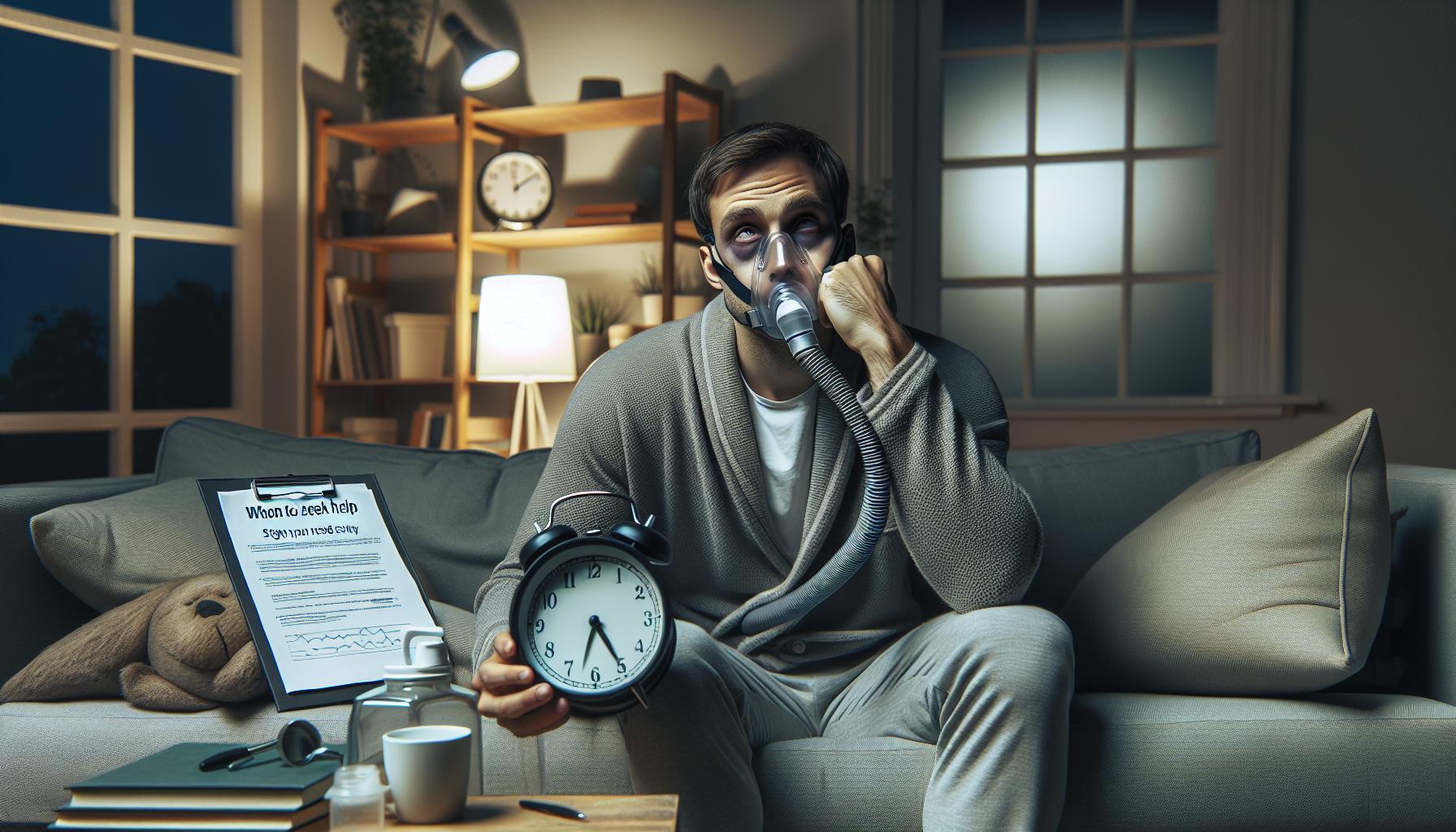
When to Seek Help: Signs You Need a Sleep Study
Sleep can be elusive when it is interrupted by conditions like sleep apnea, a disorder that affects millions and can pose serious health risks if left unchecked. Recognizing the signs that may indicate a need for a sleep study is crucial for improving your quality of life. Here are some key indicators that suggest it might be time to seek professional help.
If you experience frequent or loud snoring, gasping for air during sleep, or waking up feeling unrefreshed, these could be telltale signs of sleep apnea. Other symptoms to watch for include excessive daytime sleepiness, difficulty concentrating, mood swings, headaches, and an increase in blood pressure. If you find yourself nodding off during the day, especially during quiet moments or while driving, take note-it may indicate that your sleep quality is severely compromised.
Consulting a healthcare provider is a wise step if you notice these symptoms. A detailed discussion can help identify whether a sleep study is necessary. Many individuals hesitate to seek help, often dismissing their symptoms or believing they are not severe enough to warrant a test. However, early diagnosis can lead to effective treatment and a considerable improvement in overall well-being.
A sleep study can be conducted either in a lab or at home, and each has its advantages. In-lab studies allow for comprehensive monitoring with trained professionals, while at-home tests offer convenience and comfort. If you suspect sleep apnea, gathering relevant information, such as sleep patterns and daytime symptoms, can facilitate a productive conversation with your healthcare provider about the best testing option for you.
Recognizing when to seek help is an empowering first step towards restful nights and healthier days. Don’t hesitate to reach out for professional guidance-understanding your sleep health is essential for a happier, healthier life.
Q&A
Q: What are the benefits of getting tested for sleep apnea?
A: Getting tested for sleep apnea can lead to improved sleep quality, better overall health, and reduced risk of complications such as heart disease. Early diagnosis allows for appropriate treatment, which can significantly enhance daily functioning and reduce daytime fatigue. For more insights on test outcomes, refer to our section on decoding results.
Q: How does a sleep apnea test work?
A: A sleep apnea test monitors your breathing, heart rate, and oxygen levels while you sleep. It can be performed in a sleep lab or at home using portable monitors. These tests help identify interruptions in breathing and determine the severity of sleep apnea. For details on preparation, see our how to prepare section.
Q: How long does a sleep apnea test take?
A: Typically, a sleep apnea test lasts a full night, from the time you go to sleep until the morning. In some cases, home tests may capture data over multiple nights to provide a comprehensive assessment. Be sure to check our what to expect section for additional insights.
Q: Are there any risks associated with sleep apnea testing?
A: Sleep apnea testing is generally safe, but some individuals may experience discomfort from attached sensors or sleep interruptions. Discuss any concerns with your healthcare provider to ensure the testing process is suited to your needs. For more on preparation, see our how to prepare section.
Q: What happens if my sleep apnea test is positive?
A: If your test indicates sleep apnea, your doctor will discuss treatment options, which may include lifestyle changes, CPAP therapy, or other interventions. Taking proactive measures can significantly improve your quality of life. Learn more in our exploring treatment options section.
Q: Can I take a sleep apnea test at home?
A: Yes, there are home testing options available for sleep apnea. These tests are often more convenient and can provide accurate results, especially for moderate to severe cases. For a comparison of testing options, check our types of sleep apnea tests section.
Q: How do I prepare for a sleep apnea test at home?
A: Preparing for a home sleep apnea test involves setting up the monitoring equipment as instructed and ensuring a comfortable sleep environment. Avoid alcohol and sedatives before the test, as they may affect your results. Refer to our how to prepare section for detailed steps.
Q: When should I seek a sleep apnea test?
A: Consider getting tested for sleep apnea if you experience symptoms like loud snoring, gasping for air during sleep, or excessive daytime sleepiness. Early detection can prevent serious health complications. Learn more about when to seek help in our article.
In Summary
Don’t let sleep apnea disrupt your life any longer-take control of your health today. Getting tested is the first step toward better sleep and improved overall well-being. Whether you’re considering a sleep study or exploring wearable devices, understanding your options can empower you to make informed decisions. If you’re unsure where to start, check out our guides on common sleep disorders and how much sleep you need for valuable insights.
For a more personalized approach, consider scheduling a consultation with a sleep specialist. They can guide you through the process and address any concerns you may have about testing. Don’t hesitate-take that crucial first step toward restful nights and energized days. Explore more on our site, and remember, optimizing your sleep health can lead to a happier, healthier life. Join our newsletter for updates and tips, and let us support you on your journey to better sleep!
Get our latest guides, news, and insights highlighted in your Google Search & AI Overviews.