
Did you know that nearly one in three adults suffers from some form of sleep disorder? If you’ve ever felt tired despite a full night’s sleep, at-home sleep diagnostics could hold the key to understanding your sleep patterns. “Home Sleep Diagnostics: Your Complete Guide to At-Home Testing” is designed to simplify the often confusing world of sleep studies conducted in the comfort of your own home. With advancements in technology, more people can now recognize and address sleep issues like obstructive sleep apnea at home, often with minimal disruption to their lives. This guide will empower you with knowledge about what to expect, setup steps, and even the costs associated with these tests, all while addressing common concerns about anxiety surrounding sleep studies. As you read on, you’ll discover how at-home testing can be a practical solution for reclaiming restful nights and improving your overall health, making it easier to take the first steps toward better sleep.
Understanding Home Sleep Diagnostics: What You Need to Know
Home sleep diagnostics are increasingly recognized as a convenient and cost-effective solution for assessing sleep disorders, particularly obstructive sleep apnea (OSA). Offering an accessible alternative to traditional in-lab sleep studies, these tests generally involve the use of simplified devices that monitor key metrics, including airflow, breathing effort, and blood oxygen levels. Understanding the basics of these diagnostics is essential for those experiencing sleep issues or seeking to improve sleep quality.
At-home sleep tests are designed to be user-friendly and are typically conducted over just one night. The devices may vary, but they primarily measure physiological parameters to determine if a sleeper experiences apneas (pauses in breathing) or hypopneas (shallow breathing). These tests do not monitor sleep stages as comprehensively as traditional polysomnography; instead, they focus on breathing-related metrics. Importantly, if signs of OSA are detected, this data will guide appropriate next steps, whether that involves lifestyle changes or further medical evaluation.
While home sleep testing is an effective starting point, it is crucial to recognize its limitations. For instance, these tests are not suitable for everyone; individuals with certain health conditions or those who show complex sleep patterns may require a comprehensive in-lab assessment. Additionally, at-home sleep tests do not capture factors influencing sleep architecture or all potential sleep disorders, underscoring the importance of consulting with a healthcare provider for accurate diagnosis and tailored treatment options.
To maximize the benefits of at-home testing, it’s essential to prepare adequately. This includes familiarizing oneself with the testing device, understanding how to properly use it, and ensuring a conducive sleep environment. Awareness of how the testing device functions-along with knowing what the results can and cannot tell you-empowers individuals to make informed decisions about their sleep health. As home sleep diagnostics continue to evolve, they represent a significant step toward simplifying the process of diagnosing and treating sleep disorders.
Types of At-Home Sleep Tests: A Comprehensive Overview
At-home sleep tests have revolutionized how we diagnose sleep disorders, making the process more accessible and less intimidating for individuals who may be hesitant to undergo traditional in-lab studies. With a range of devices available, it’s essential to understand the types of at-home sleep tests and their specific capabilities, ensuring you select the right option for your needs.
Types of At-Home Sleep Tests
There are generally two primary categories of home sleep tests: Type 2 and Type 3 tests.
- Type 2 Tests: These are comprehensive monitors that measure multiple physiological parameters. They typically assess airflow, respiratory effort, oxygen levels, and heart rate, providing a detailed snapshot of your sleep patterns and any potential disturbances. While these devices can offer significant insights into sleep apnea, they may require more setup and can be less portable than Type 3 tests.
- Type 3 Tests: These are simpler devices focused mainly on measuring obstructive sleep apnea parameters, such as airflow and oxygen saturation levels. Type 3 tests are often more user-friendly, requiring minimal setup and typically used for single-night evaluations. They may lack the depth of Type 2 tests but can still provide valuable information to indicate whether further examination is necessary.
In addition to these classical types, there are also the advancements in wearable technology and sleep monitoring apps. Many modern devices, such as fitness trackers or dedicated sleep monitors, can capture essential sleep metrics, including sleep duration and movement throughout the night. While these devices might not provide definitive diagnoses, they can offer trends over time, encouraging users to seek further evaluation if they notice patterns indicative of a sleep disorder.
To choose the best at-home test, consider your specific symptoms and needs. For instance, if you suspect severe issues with sleep apnea, a Type 2 test may be more appropriate for a thorough assessment. Conversely, if you’re curious about general sleep patterns without severe symptoms, a wearable device can be an excellent place to start.
With various options available, taking the time to understand the differences in technology will empower you to make an informed decision, ensuring that you choose the most suitable approach to evaluate your sleep health effectively.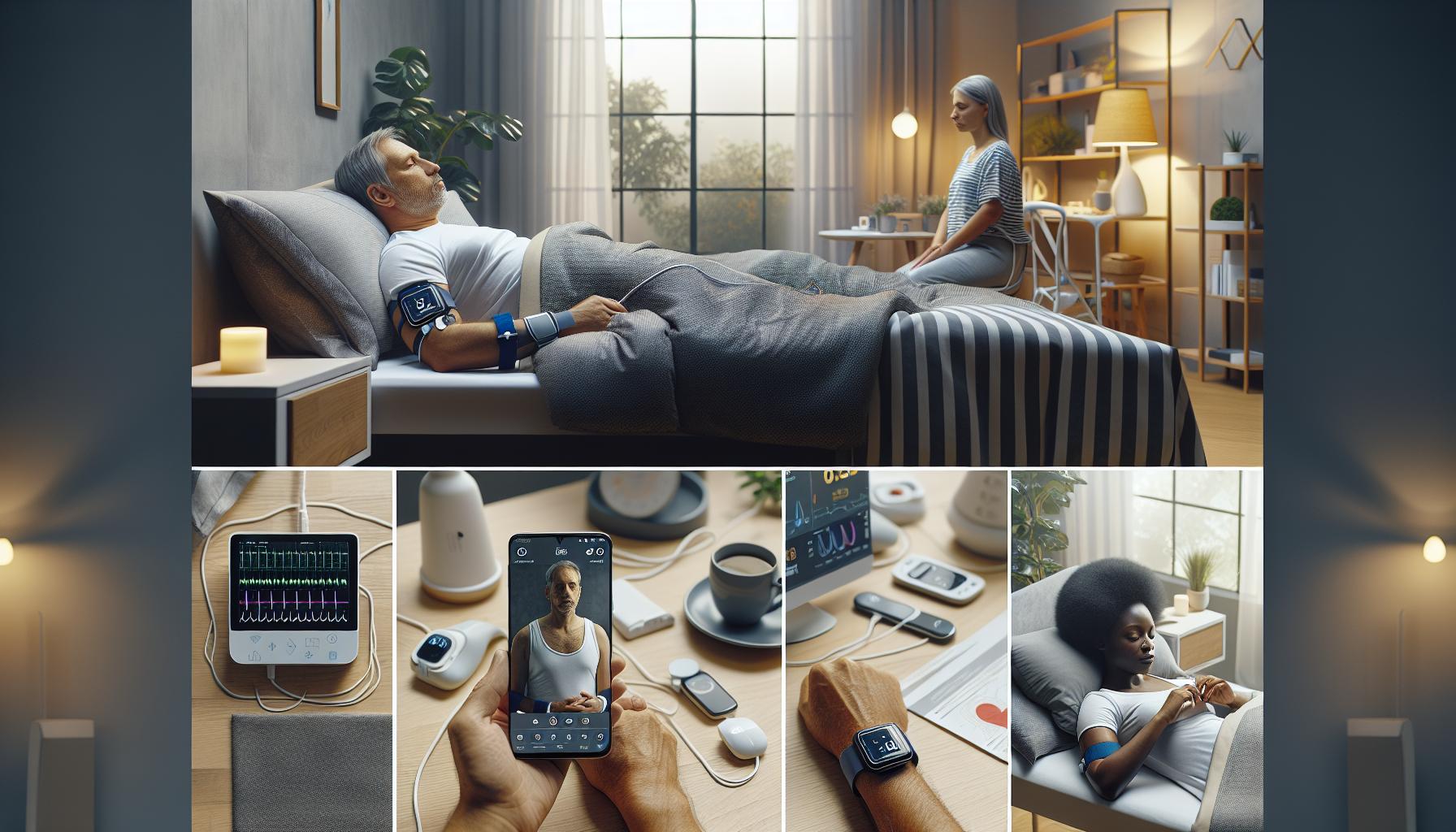
How to Prepare for Your At-Home Sleep Test
Preparing for an at-home sleep test is an essential step toward understanding your sleep health. With the increased accessibility of home testing, many individuals often wonder how best to prepare to ensure accurate and useful results. Start by creating a conducive environment for your sleep study. Ensure your sleeping area is comfortable and dark, which may help mimic the conditions of an in-lab test. Consider controlling noise levels; using earplugs can be beneficial if you’re in a noisy environment.
Next, familiarize yourself with the equipment you’ll use during the test. Different home sleep tests come with various devices, from simple oximeters to more complex monitoring systems. Most tests will require you to wear sensors on your body to collect data on your sleep patterns. Take the time to carefully read the instructions provided by your testing provider. If possible, practice setting up the devices beforehand to feel more comfortable when the actual test night arrives.
It’s also advisable to maintain your regular sleep schedule leading up to the test. Getting adequate rest in the nights leading to your test can help eliminate fatigue that might skew results. Try to avoid alcohol and caffeine in the evening before your test, as these substances can impact your sleep quality and make it challenging to get an accurate reading.
Lastly, don’t hesitate to address any anxieties or questions about the process with your healthcare provider. Knowing what to expect can alleviate fears and make for a smoother experience. Remember, this test is a valuable tool to help diagnose any potential sleep disorders and guide you toward healthier sleep habits. By taking these steps to prepare, you can maximize the effectiveness of your at-home sleep study.
Step-by-Step Guide to Setting Up Sleep Monitoring Devices
Setting up sleep monitoring devices at home may sound daunting, but the process can be straightforward with the right approach. Many people find that having a clear understanding of how to prepare and configure their devices significantly enhances their comfort levels during the sleep test. Here’s a step-by-step guide to help you navigate the setup process seamlessly.
Gather Necessary Equipment
Before diving into the installation, ensure you have all the components at hand. Typical devices may include a monitoring unit, sensors or electrodes, nasal cannula or airflow sensors, and pulse oximeters. Here’s a basic checklist:
- Portable monitoring device
- Wired or wireless sensors
- Nasal cannula (if applicable)
- Pulse oximeter
- Instruction manual
- Extra batteries or power supply
Read the User Manual
Take some time to go through the user manual before setting anything up. Understanding how your specific device functions can make a significant difference. Most manuals include a troubleshooting section which can be invaluable if something goes awry. Familiarize yourself with:
- How to wear or place sensors correctly
- Device settings and configurations
- How to start and stop recordings
Set Up the Device and Sensors
Follow the instructions to prepare the monitoring device:
- Position the Device: Place the main unit beside your bedside table where it’s easily accessible yet won’t be disturbed during the night.
- Attach Sensors: Adhere to the manual for correctly placing sensors on your body, typically on your chest, fingertip, or forehead. Ensure all sensors are securely attached to avoid them coming loose while you sleep.
- Connect Wiring: If your device has detachable wiring, connect the wires to the respective sensors. Be cautious to avoid tangles, which could be uncomfortable during sleep.
Check Device Functionality
Before settling in for the night, it’s essential to test the system’s functionality. Power it on and check for any error messages or warnings. Many modern devices will have blue or green lights indicating proper operation. Some devices allow you to view initial readings on a screen to confirm everything is working correctly.
Prepare for Sleep
Once everything is set up, prepare your sleep environment. Dim the lights and control noise as much as possible. Ensure that you feel comfortable and relaxed. Remember that, while the devices collect critical data, your comfort is crucial for accurate results.
By following these clear steps, you can ensure that your home sleep study runs smoothly, helping you gather the necessary data to better understand your sleep patterns. Taking the time to set up correctly not only increases the likelihood of successful monitoring but also boosts your confidence during the testing night.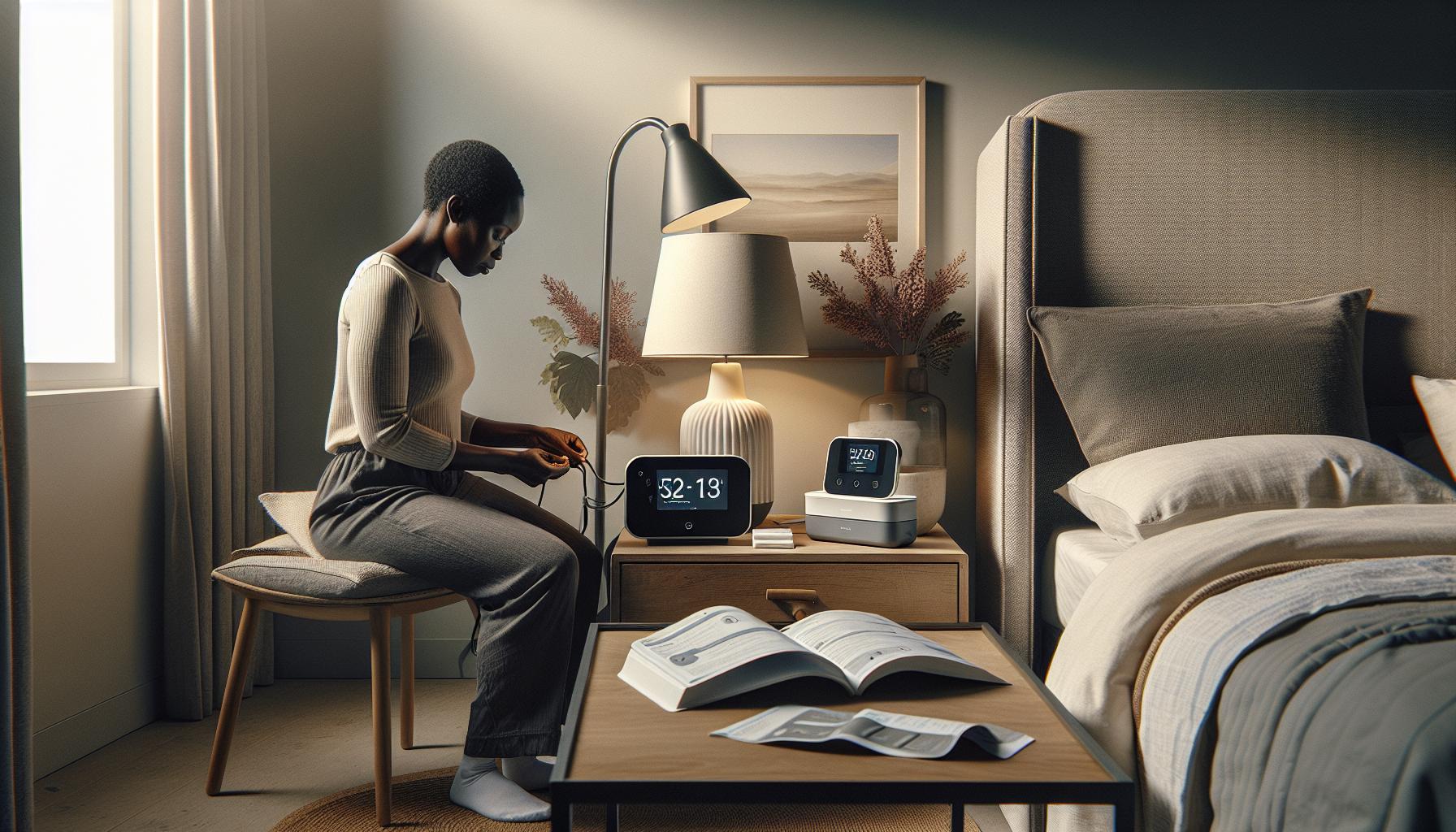
Sleeping Devices: Best Tech for Home Sleep Testing
Emerging technology in sleep diagnostics is revolutionizing how we understand our sleep patterns. With several at-home devices available, selecting the right one can empower you to gain insights into your sleep health with minimal disruption to your routine. Here’s a look at some of the best tech options that help you monitor and analyze your sleep effectively.
One popular choice is the Lofta Home Sleep Test, which allows users to conduct a sleep study from the comfort of their own bed. This device tracks crucial metrics such as airflow and oxygen levels, offering a comprehensive view of your sleep health. With user-friendly design and easy setup, it appeals to those who may be apprehensive about traditional sleep studies. After just one night, you can receive a detailed report to determine if conditions like sleep apnea need to be addressed [2[2].
Another reliable option is from Snap Diagnostics. Their home sleep test measures six essential channels of sleep data including respiratory effort and heart rate, providing a thorough assessment without requiring overnight hospitalization [3[3]. This device is particularly useful for those looking for a detailed analysis while avoiding the discomfort often associated with clinical tests.
Modern wearables, such as fitness trackers like the Fitbit or Oura Ring, have also made significant strides in sleep tracking. These devices monitor various metrics related to sleep quality, including total sleep time, sleep stages, and even resting heart rate. While they may not provide as extensive a breakdown as dedicated sleep study devices, they can still deliver valuable insights, particularly for identifying trends in sleep patterns over time.
For those interested in a more integrated approach, smart mattresses and sleep tracking pads, like those offered by Eight Sleep, utilize temperature regulation and sleep tracking technology. These devices adapt to your personal comfort preferences while collecting data on your sleep stages, making them a dual-purpose investment: providing better sleep quality and detailed insights into restfulness.
When selecting a device, consider factors like ease of use, the comprehensiveness of data collected, and how it fits into your lifestyle. Understanding your sleep health can lead not only to better sleep but also improved overall well-being. Remember that while technology can offer guidance, persistent sleep issues should always be discussed with a healthcare professional for a holistic approach to treatment.
Interpreting Your Sleep Data: What the Numbers Mean
Understanding the data collected from your home sleep test can feel overwhelming, but it’s essential for making informed decisions about your sleep health. At-home sleep diagnostic devices typically track a range of metrics that provide insights into your sleep patterns and overall sleep quality. Familiarizing yourself with these numbers is crucial, as they can guide you in addressing potential sleep disorders such as sleep apnea or insomnia.
Here’s a breakdown of common metrics you might encounter:
Key Metrics to Understand
- Apnea-Hypopnea Index (AHI): This number indicates the severity of sleep apnea by counting the number of apneas (complete pauses in breathing) and hypopneas (partial blockages of breathing) you experience per hour of sleep. AHI values are categorized as follows:
- Normal: 0-5
- Mild: 5-15
- Moderate: 15-30
- Severe: >30
- Oxygen Saturation (SpO2): Your blood oxygen levels should generally stay above 90% during sleep. Levels dropping below this threshold, especially under 85%, can be a sign of sleep-disordered breathing.
- Sleep Architecture: This refers to the structure of your sleep cycles, including the time spent in various sleep stages: light sleep, deep sleep, and REM sleep. A healthy pattern typically includes a balance of these stages, with sufficient time in REM for cognitive function and restorative deep sleep.
- Heart Rate Variability (HRV): A measure of how much your heart rate fluctuates during sleep, HRV can indicate your overall health and recovery during rest. Higher HRV is generally associated with better health and sleep quality.
Interpreting these metrics can help you understand not just how you sleep, but also why you may be experiencing daytime fatigue, difficulty focusing, or other health issues. For example, if you notice a high AHI combined with low oxygen saturation levels, it may signal a need for further evaluation for obstructive sleep apnea. Likewise, a lack of REM or deep sleep could suggest chronic stress or an unsuitable sleep environment.
Ultimately, while home sleep diagnostics provide valuable information, they are not definitive diagnoses. If your data indicate potential issues, it’s wise to consult with a sleep specialist who can offer personalized insights and develop an appropriate treatment plan. Using your sleep data as a conversation starter with healthcare providers can be a proactive step towards better sleep health.
Common Sleep Disorders: Recognizing the Signs at Home
Sleep disorders can significantly impact your life, making it essential to recognize the signs early. Many individuals may not realize they’re experiencing problems until they start noticing systematic patterns in their sleep. Understanding these disorders can empower you to take proactive steps toward better sleep health.
One common sleep disorder is Obstructive Sleep Apnea (OSA), characterized by repeated interruptions in breathing throughout the night. You might notice signs such as loud snoring, choking, or gasping during sleep, as well as excessive daytime fatigue, difficulty concentrating, and mood swings. Another possibility is insomnia, which manifests as trouble falling asleep, staying asleep, or waking too early. If you find yourself lying awake for long periods or feeling unrested after a full night’s sleep, insomnia could be the culprit.
Restless Legs Syndrome (RLS) is another condition to consider. It causes an uncomfortable sensation in the legs, prompting an irresistible urge to move them, mainly during periods of inactivity. If you frequently feel this urge at night or have difficulty relaxing in bed, it can hinder your sleep quality significantly. Furthermore, circadian rhythm sleep disorders, which affect the timing of sleep, can lead to symptoms like misaligned sleep schedules and difficulty waking up or falling asleep at conventional hours.
Monitoring Symptoms at Home
Being attentive to these signs is crucial for early detection. Here are some practical steps you can take to monitor your sleep health:
- Keep a Sleep Diary: Document your sleep patterns, including bedtime, wake time, and any nighttime awakenings. This can help identify trends or changes over time.
- Use Sleep Trackers: Wearable devices and smartphone applications can offer insights into your sleep quality and duration. They can help highlight periods of wakefulness or restlessness during the night.
- Record Observations: Pay attention to how you feel during the day. Persistent fatigue or mood changes may indicate underlying sleep problems that warrant further investigation.
By carefully tracking your symptoms and sleep patterns, you can provide valuable information to healthcare professionals, making it easier to evaluate your condition and explore appropriate treatment options. If noting several signs associated with sleep disorders, seeking an at-home sleep test could be the next valuable step to comprehensively assess your situation.
When to Seek Professional Help vs. Home Solutions
In the realm of sleep health, understanding when to opt for professional help versus utilizing home solutions can be crucial for effectively addressing your sleep concerns. While at-home sleep tests have gained popularity for their convenience and affordability, they may not always be the best option for every individual or situation. Knowing when to transition to professional evaluation is essential for accurate diagnosis and treatment.
For many people experiencing common sleep issues like snoring, tiredness, or mild insomnia, starting with a home sleep test can be a practical first step. These tests are designed to monitor breathing patterns and oxygen levels, providing valuable insights without the discomfort of spending a night in a sleep clinic. Home solutions often allow for easier tracking of sleep habits, and wearable devices can supplement this by offering further data on sleep cycles and quality. If your symptoms are mild and occasional, tracking your sleep at home could provide sufficient information to make necessary adjustments in your sleep hygiene.
However, certain red flags warrant seeking professional help. If you experience severe symptoms-such as frequent, loud snoring followed by gasping for air, persistent daytime sleepiness that affects daily activities, or a history of sleep-related issues that include significant restlessness or episodes of choking-it’s vital to consult a healthcare professional. In such cases, a comprehensive sleep study conducted in a clinical setting may be necessary. These studies not only provide in-depth monitoring of breathing patterns and oxygen saturation but also enable the evaluation of sleep stages and potential coexisting disorders, such as REM sleep behavior disorder or complex insomnia.
If you’re unsure about the severity of your symptoms, consider these practical steps:
- Assess Your Symptoms: Reflect on the frequency and intensity of your sleep issues. Are they impacting your daily life?
- Utilize Home Monitoring First: Start with an at-home sleep test for a less invasive look at your sleep health, especially if you’re new to recognizing your sleep challenges.
- Keep a Diary: Document your symptoms and their triggers. This record can be invaluable when discussing your situation with a healthcare provider.
- Educate Yourself: Familiarize yourself with the differences between home sleep testing and laboratory studies to make informed decisions.
Ultimately, balancing proactive home monitoring with professional support can empower you to tackle your sleep issues effectively. Use at-home solutions as a first line of defense, but don’t hesitate to seek expert help when the situation demands a more thorough investigation. Your health and ability to rest well depend on your willingness to act upon the signs your body provides.
Insurance and Home Sleep Testing: What to Expect
Navigating the insurance landscape when considering a home sleep test can feel overwhelming, but understanding the basics can significantly ease the process. Most health insurance plans do cover home sleep testing for obstructive sleep apnea (OSA), particularly if a physician prescribes the test based on your symptoms. However, coverage details can vary widely between plans, so it’s crucial to review your specific policy and verify coverage limits, copays, and any prerequisites that may be necessary before testing.
What to Expect with Insurance Coverage
When you decide to pursue a home sleep test, you should start by consulting your healthcare provider. They will evaluate your symptoms and, if warranted, write a prescription for the at-home test. This step is often necessary for insurance reimbursement, as insurers typically require a doctor’s order. Once you receive the prescription, you can contact your insurance company to confirm coverage. Inquire about:
- Whether your plan covers at-home sleep tests.
- The total cost or copay for the test, as this can vary significantly.
- Any pre-approval requirements that must be met.
- How to ensure the supplier of the sleep testing device is in-network.
It’s also wise to ask about frequency limits; some policies may restrict how often you can get tested or may require that you have a full polysomnography in certain situations.
Setting Up Your Test
Once coverage is confirmed, setting up your home sleep test is relatively straightforward. The testing device will typically be shipped directly to your home. It includes user-friendly instructions, making it easy to set up and use without technical expertise. Most devices will monitor essential metrics like airflow, oxygen levels, and heart rate during your sleep, providing a comprehensive assessment of your sleep patterns.
Remember to keep your insurance company informed about any additional costs related to the test, such as equipment rental fees or any prescriptions needed for follow-up treatments.
In the event that your insurance doesn’t cover the cost or if you’re facing high out-of-pocket expenses, many companies offer financing options or a payment plan, allowing you to manage costs more comfortably. It’s essential to weigh these options carefully against the potential benefits of obtaining a diagnosis and treatment for sleep issues.
Overall, being proactive about understanding your insurance coverage can help streamline the journey toward a more restful night’s sleep. While dealing with the nuances of insurance can be complex and at times frustrating, being well-prepared and informed allows you to focus on what really matters: your health and well-being.
Troubleshooting Common Issues with Sleep Devices
Technical difficulties can be frustrating, especially when you’re trying to gather critical health information through at-home sleep testing. Common issues can arise with sleep devices that may interfere with your results and the overall experience. Understanding how to troubleshoot these problems can ensure you get the most accurate data possible while easing your concerns about the testing process.
An essential first step is ensuring that your device is correctly set up and properly worn. For example, if you’re using a device that monitors airflow, it’s vital that the nasal cannula fits snugly and isn’t obstructed. Check for loose connections, and ensure all sensors are securely attached as per the provided instructions. If the device seems unresponsive or doesn’t appear to be recording data, it’s often just a matter of ensuring everything is correctly powered on and operating as intended. For instance, if the signal indicator light is red when you wake up, it may indicate a malfunction; refer to your user manual or contact customer support for clarification.
Additionally, environmental factors such as your sleeping position can affect test accuracy. If you typically sleep on your back but have a tendency to roll over during the night, consider using pillows or positional devices that help keep you in a stable position. You might also want to document your sleep patterns leading up to the test; this information can be valuable for your physician in interpreting the results.
In case you experience significant issues, such as the device failing to record any data, or if it causes discomfort, don’t hesitate to reach out to the provider for an immediate resolution. Many services are ready to offer support or even replace the device if needed. Remember, your comfort and peace of mind during the testing process are paramount to achieving reliable results, paving the way for effective treatment options if necessary.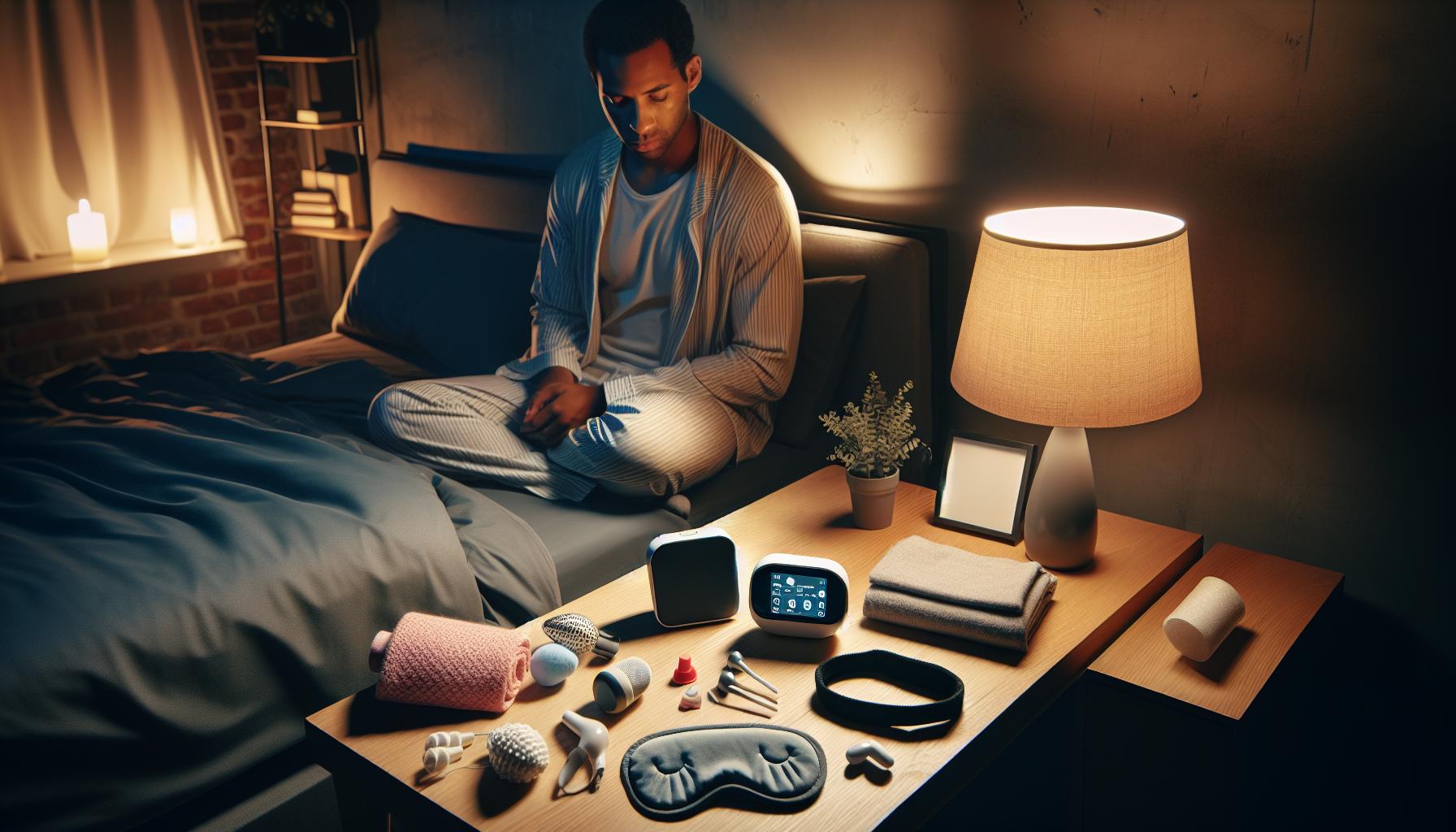
Real-Life Examples: Home Testing Success Stories
Many individuals have found success with at-home sleep tests, leading to diagnoses that have dramatically improved their quality of life. For instance, consider the case of Sarah, a 42-year-old mother who struggled with chronic fatigue and snoring for years. After hearing about home sleep tests from friends, she decided to give it a try despite her initial hesitation. Utilizing a disposable device, she comfortably monitored her sleep at home. The results indicated moderate obstructive sleep apnea (OSA), prompting her to seek further evaluation and treatment options. With the right interventions, Sarah reported feeling more energized and alert in her daily life, a testament to the power of home sleep diagnostics.
Another inspiring story is from Mark, a 55-year-old who had been experiencing restless nights and persistent morning headaches. He was skeptical about the effectiveness of home testing but opted to go ahead with a sleep study after learning about the affordable cost and convenience. The test revealed a significant drop in his oxygen levels during sleep. Armed with this crucial information, Mark was able to discuss treatment plans with his doctor, which included lifestyle changes and the use of a CPAP machine. Today, he enjoys restful nights and wakes up without headaches, showcasing how a simple home test can lead to meaningful health improvements.
These success stories highlight key aspects of home sleep testing: accessibility, ease of use, and the potential for impactful outcomes. If you’re considering an at-home sleep test, remember that many users have benefited similarly, turning a confusing or anxiety-inducing process into a manageable and rewarding experience. The comfort of being tested in your own space can not only alleviate some of the stress but also yield clearer insights into your sleep health. As you embark on this journey, stay assured that countless people have turned their struggles into success through home diagnostics.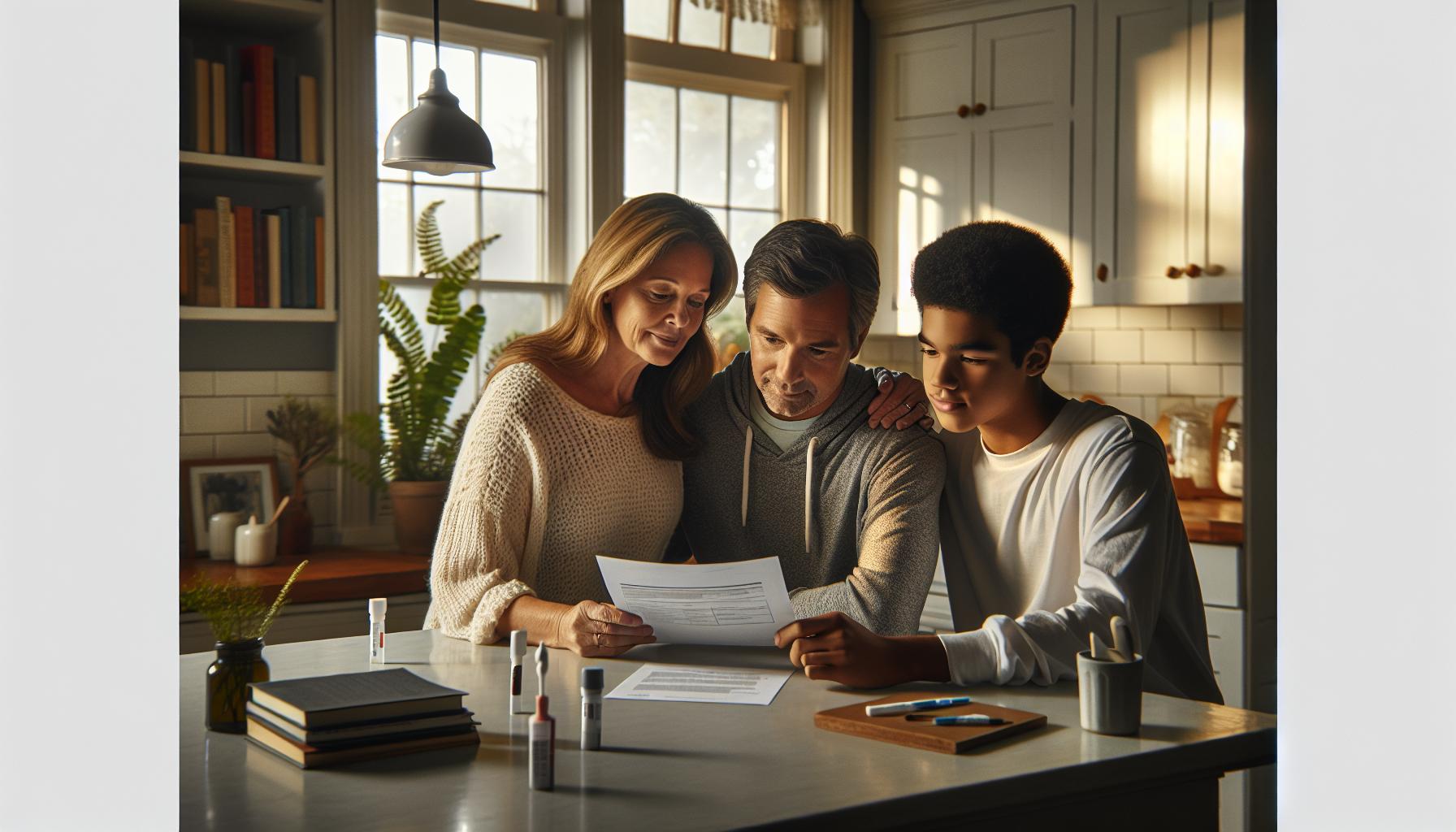
Future of Sleep Diagnostics: Emerging Technologies and Trends
The landscape of sleep diagnostics is rapidly evolving, fueled by advancements in technology that promise to enhance both the accuracy and convenience of at-home sleep testing. One of the most exciting trends is the integration of artificial intelligence (AI) in analyzing sleep data. AI algorithms can sift through vast amounts of data to identify patterns associated with various sleep disorders, making it easier for users to get actionable insights from their sleep studies. This not only democratizes access to sleep health information but also helps individuals understand their sleep patterns in unprecedented detail, fostering more proactive management of their sleep health.
Wearable technology is another driving force in the future of sleep diagnostics. Devices such as smartwatches and fitness trackers have increasingly sophisticated capabilities, allowing users to monitor their sleep quality, heart rate, and even blood oxygen levels throughout the night. The use of these consumer-friendly devices empowers individuals to take charge of their sleep health and offers a seamless alternative to traditional sleep studies. However, while these devices are generally reliable for tracking sleep trends, they may lack the clinical accuracy required for diagnosing disorders like obstructive sleep apnea (OSA). Hence, understanding when to rely on wearables versus the need for a formal sleep study remains crucial.
Moreover, the development of more comfortable and user-friendly home sleep testing devices is transforming the experience of undergoing sleep diagnostics. Innovations like non-invasive sensors and compact devices streamline the process, removing much of the discomfort associated with traditional sleep laboratories. These advancements make it feasible for more people to undergo necessary testing without the stress of a clinical setting. Understanding these emerging technologies can significantly impact your decisions regarding sleep health.
Lastly, telemedicine is reshaping the follow-up process post-testing. Many healthcare providers now offer virtual consultations that allow users to review their results and discuss treatment options from the comfort of their homes. This not only saves time and reduces barriers to care but also increases patient engagement and satisfaction. As the field continues to innovate, individuals can expect even more accessible and effective solutions for managing their sleep health, paving the way for a healthier future overall.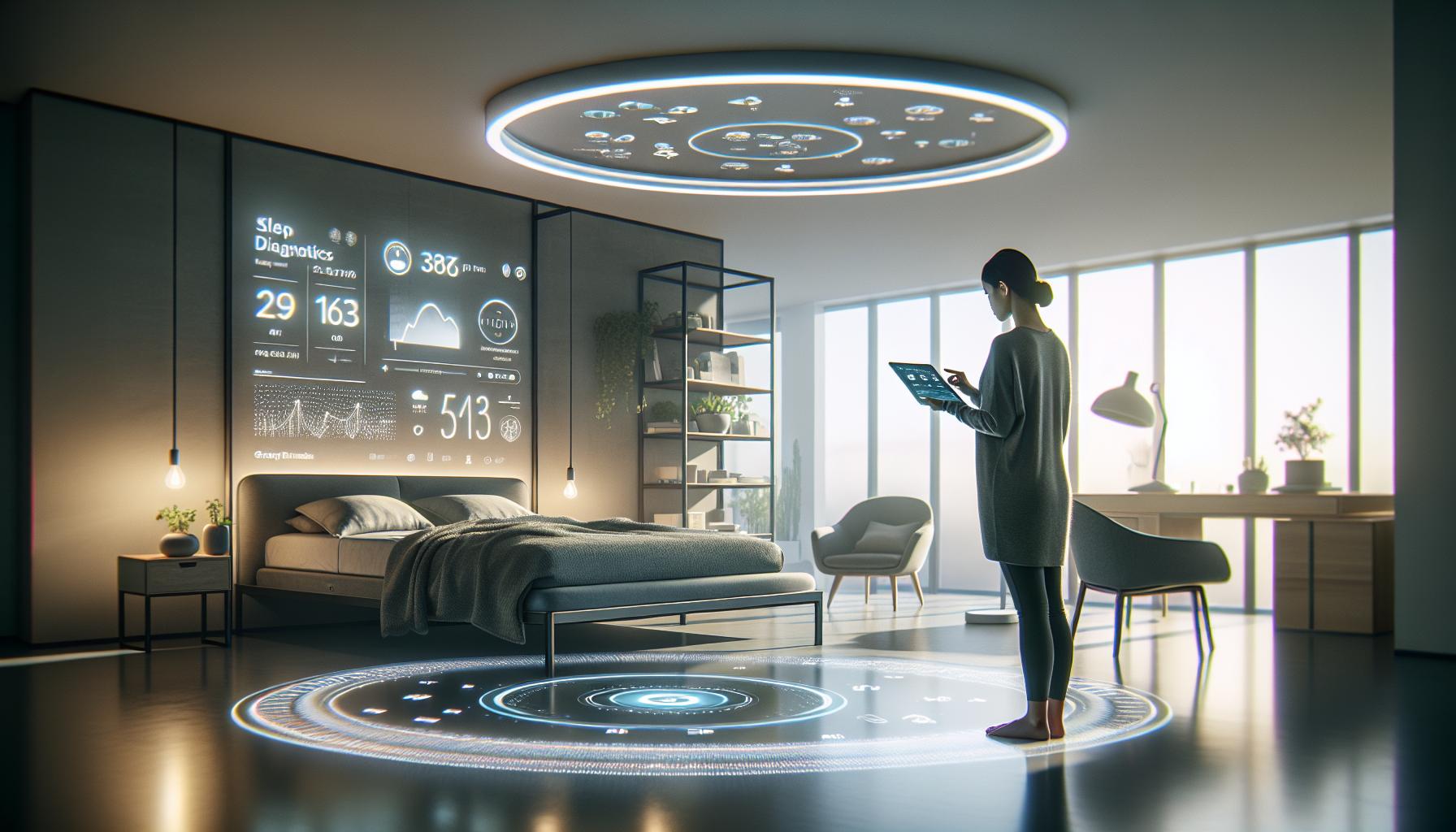
Q&A
Q: What is the typical cost of at-home sleep testing?
A: The typical cost of at-home sleep testing ranges from $150 to $500, depending on the type of test and the provider. Insurance coverage may vary, so check with your insurance company to understand what is applicable for your situation. For detailed insurance information, see our section on Insurance and Home Sleep Testing.
Q: How accurate are home sleep tests compared to in-lab tests?
A: At-home sleep tests can be accurate, especially for diagnosing obstructive sleep apnea, but they may miss other conditions. While in-lab tests offer more comprehensive data, home tests are convenient and effective for many. Explore differences in Types of At-Home Sleep Tests within our article.
Q: Can I perform a home sleep test without a doctor’s prescription?
A: Typically, a doctor’s prescription is required for home sleep tests, as they help determine if a test is necessary based on your symptoms. Consult a healthcare provider to discuss your sleep issues and determine the best testing approach.
Q: What should I do if my home sleep test results are abnormal?
A: If your home sleep test results are abnormal, it’s crucial to schedule a follow-up appointment with a healthcare professional to discuss possible treatments. Early intervention can help manage underlying sleep disorders effectively. See our section on When to Seek Professional Help vs. Home Solutions for further guidance.
Q: How do I choose the best device for home sleep testing?
A: To choose the best device for home sleep testing, consider factors like comfort, ease of use, and customer reviews. Look for devices that are FDA-approved and provide clear data reporting. Check out our section on Sleeping Devices: Best Tech for Home Sleep Testing for recommendations.
Q: Are there any side effects from using sleep monitoring devices at home?
A: Most users experience minimal side effects when using sleep monitoring devices, such as slight discomfort or skin irritation. Ensure the device fits properly to enhance comfort. Learn more in our section on Troubleshooting Common Issues with Sleep Devices.
Q: What lifestyle changes can improve my sleep quality before testing?
A: To improve sleep quality before testing, establish a consistent sleep schedule, reduce caffeine intake, and create a calming bedtime routine. These adjustments can enhance the effectiveness of your home sleep test. For more tips, refer to our article’s Understanding Home Sleep Diagnostics section.
Q: How long does it take to receive results from a home sleep test?
A: Results from a home sleep test typically take a few days to one week to be processed and reported by your healthcare provider. Promptly following up with your doctor can help interpret the results accurately. For further insights, visit our Interpreting Your Sleep Data section.
Closing Remarks
In conclusion, “Home Sleep Diagnostics: Your Complete Guide to At-Home Testing” empowers you to take charge of your sleep health. By utilizing advanced at-home testing options, you can identify potential sleep disorders like sleep apnea from the comfort of your own bed. Don’t wait to prioritize your sleep-start your journey today and explore our related articles on home testing options and tips for optimal sleep health.
If you’re ready to take action, consider signing up for our newsletter for the latest insights or consult our sleep health advisors for personalized guidance. As you explore further, check out our comparison of top sleep wearables or discover common sleep disorders and their treatments. Your restful nights are just a few steps away-let’s work together to ensure you get the quality sleep you deserve!
Get our latest guides, news, and insights highlighted in your Google Search & AI Overviews.