
Did you know that over 70 million Americans struggle with sleep disorders? Understanding how sleep studies are performed from a technician’s perspective can demystify this critical process and empower you to take charge of your sleep health. Sleep studies, often the first step in identifying issues like sleep apnea or insomnia, involve specialized equipment and techniques to monitor your sleep stages and physiological responses throughout the night. By shedding light on what to expect during a sleep study, including setup and procedures, we aim to calm any anxieties you may have about the experience. Whether you’re seeking better sleep or simply curious about the technology, this guide will provide valuable insights into the world of sleep studies, helping you navigate your options and make informed decisions for your well-being. Let’s explore how these tests can transform your relationship with sleep.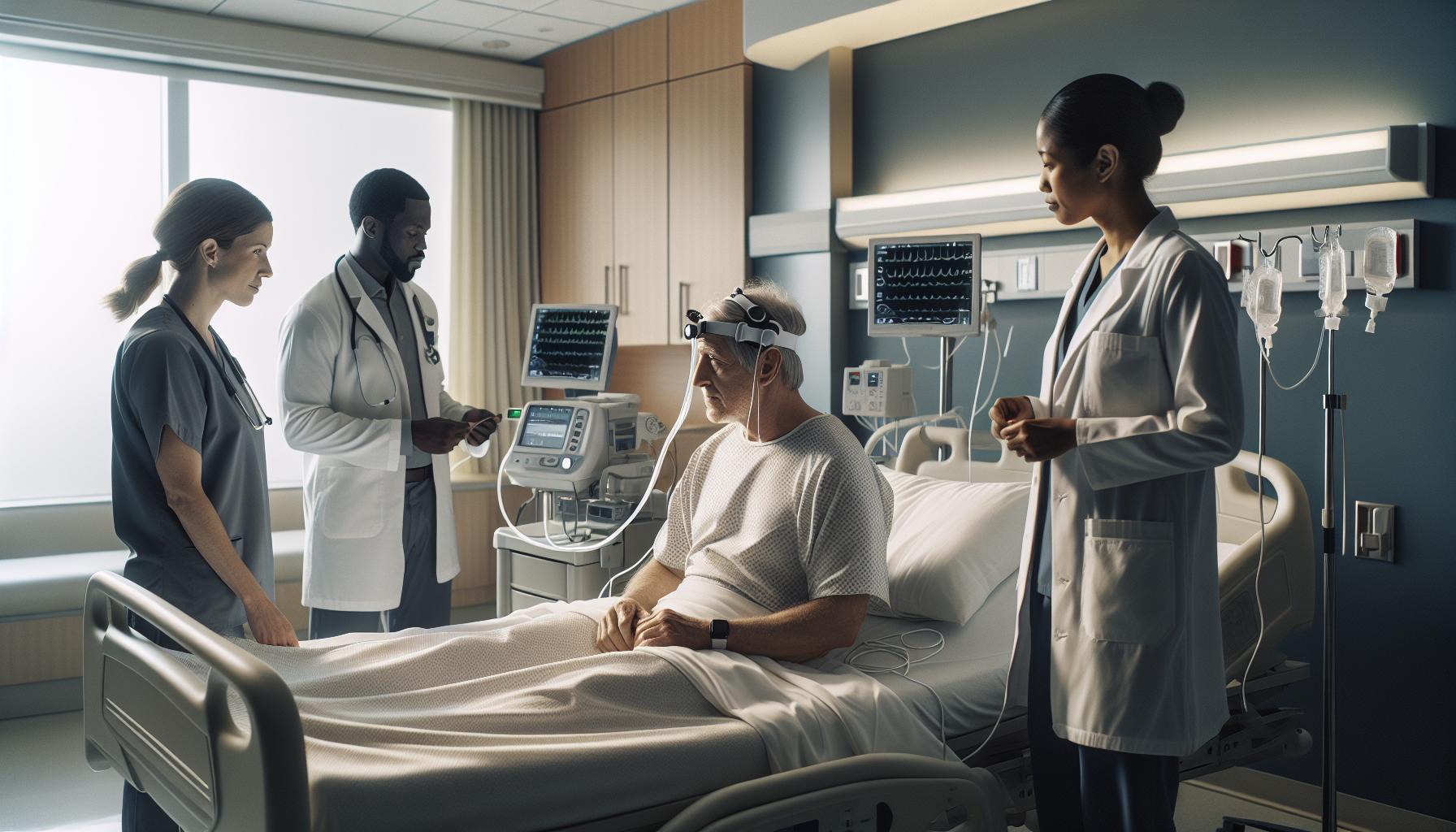
Understanding the Purpose of a Sleep Study
A sleep study, also known as polysomnography, serves as a vital tool for understanding complex sleep patterns and diagnosing various sleep disorders. It’s a non-invasive procedure typically performed in a specialized sleep center or facility, designed to monitor and analyze your sleep stages as well as physiological functions during the night. These studies help healthcare providers gain insights into conditions such as sleep apnea, insomnia, and restless leg syndrome, ultimately leading to more effective treatment options tailored to individual needs.
During the sleep study, multiple sensors will be placed on your body and face, allowing technicians to record essential data, including brain waves, oxygen levels, heart rate, and eye movements. This comprehensive monitoring helps identify any interruptions in sleep patterns that could indicate a disorder. For many, the prospect of undergoing a sleep study might feel daunting, but understanding its purpose can significantly reduce anxiety. Recognizing that sleep studies are a path to better health can empower patients to prioritize their sleep and seek the care they need.
Additionally, the information gleaned from a sleep study can assist in personalizing treatment plans to improve sleep quality and overall well-being. Technicians and specialists not only analyze data collected during the study but can also correlate objective findings with your reported symptoms, providing a comprehensive view of your sleep health. This integrative approach enables the holistic management of sleep disturbances, ensuring patients receive the attention and care that’s right for them.
What to Expect During a Sleep Study
Undergoing a sleep study can feel intimidating, but preparing yourself with knowledge can make the experience smoother. During a typical sleep study, the goal is to monitor your sleep cycles and physiological activity to diagnose sleep disorders such as sleep apnea, insomnia, or restless legs syndrome. Expect an environment that may resemble a hotel room, complete with a bed, soft lighting, and a quiet atmosphere where you can feel at ease as you sleep.
When you arrive at the sleep center, a sleep technician will guide you through the process. You’ll be shown to your private room where comfortable bedding awaits. Before you settle in, the technician will explain how the study works and answer any questions you might have. This is a great opportunity to express any concerns, especially if you feel anxious about the sensors and equipment.
What to Expect: Sensor Placement and Monitoring
As part of the study, various sensors will be attached to monitor your body’s functions throughout the night. These may include:
- Electrodes on the scalp: to measure brain waves.
- Oximeter on your finger: to monitor oxygen levels.
- Electrodes under the eyes: to track eye movements.
- Straps around your chest and abdomen: to observe breathing patterns.
The technician will place these sensors in a non-invasive manner, aiming to ensure both comfort and effectiveness. After the setup is complete, you’ll have the chance to relax before the lights go out. Throughout the night, the technician will monitor the data in real-time, allowing for quick responses to any unusual events.
Post-Study Experience
Once the study concludes, the technician will gently wake you up in the morning. After you remove the sensors, a follow-up appointment will typically be scheduled to discuss the results. This is an important part of the process, as it allows for a comprehensive understanding of your sleep patterns and the potential need for treatment plans tailored to your specific needs.
Understanding what to expect can significantly alleviate any anxiety surrounding a sleep study. Remember, it’s a helpful step toward improving your sleep health and overall well-being.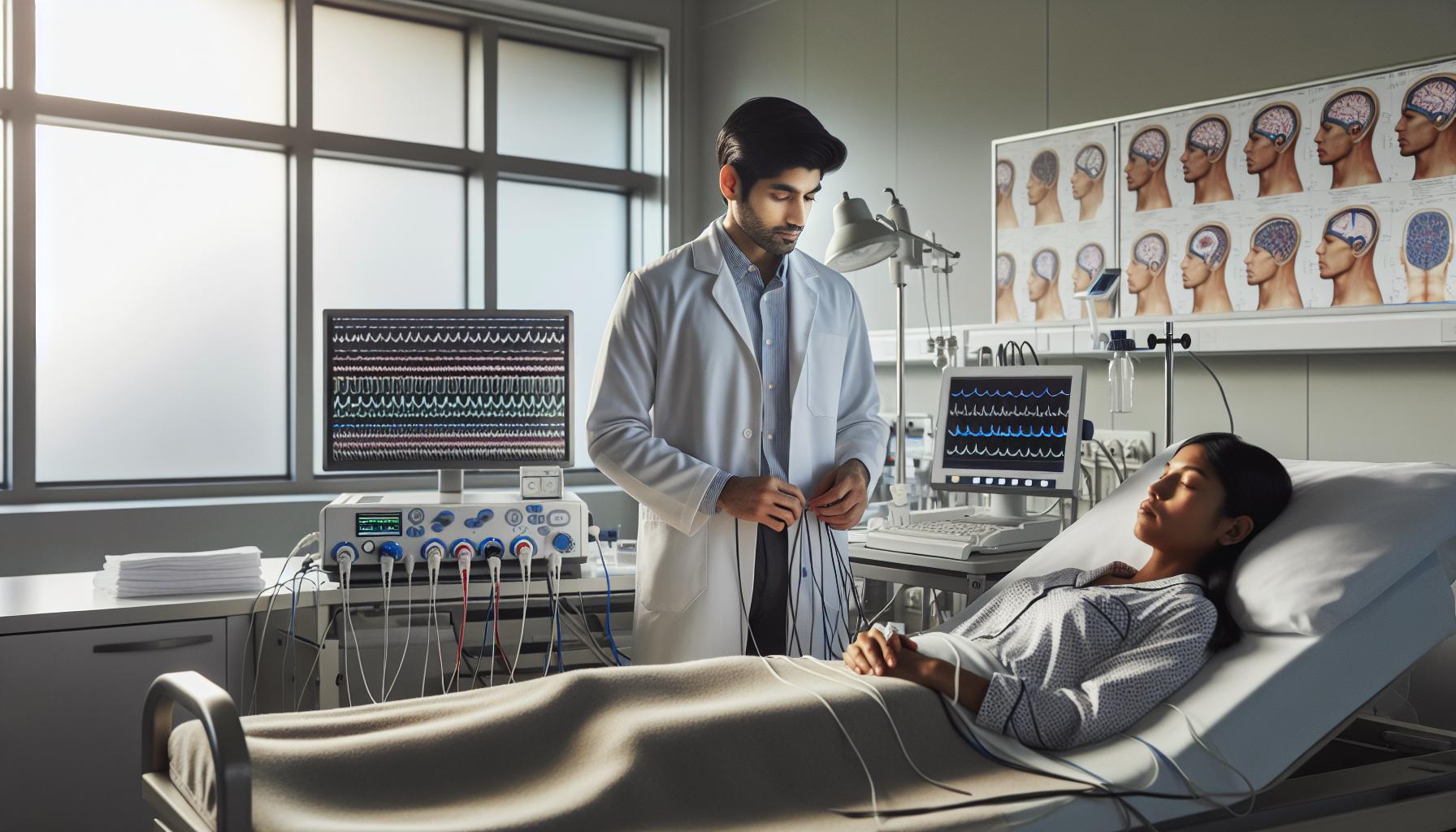
The Role of the Sleep Technician
The presence of a sleep technician is pivotal in ensuring the smooth execution and integrity of a sleep study. These trained professionals not only set up and monitor the equipment but also play a crucial role in creating an environment that promotes restful sleep. From the first entry into the sleep center, their warm demeanor can significantly ease the anxiety many patients feel about undergoing such procedures.
When you arrive for your sleep study, the technician is your primary point of contact. They will explain the entire process, addressing any questions or concerns you might have. This is an essential step in alleviating anxiety – understanding what will happen can transform an intimidating experience into a more manageable one. They will gently guide you through the sensor placement process, ensuring you feel comfortable and informed about what each device measures. For example, sensors on your scalp monitor brain activity, while oximeters track your oxygen levels. This thoughtful interaction helps establish trust and promotes a calm atmosphere crucial for effective monitoring.
During the night, the technician continuously observes the data being collected in real-time. If any irregularities arise-like breathing disruptions or other concerning patterns-they can respond promptly. Their expertise allows them to troubleshoot common issues with the equipment, ensuring that your sleep is monitored accurately without unnecessary interruptions. After the study concludes, the technician is responsible for safely removing the sensors and preparing you for the next steps, such as scheduling a follow-up appointment to discuss your results.
The value of a sleep technician goes beyond just technical roles; they act as your partner in the quest for better sleep health. Their expertise fosters an environment of support, helping you transform your sleep challenges into actionable insights. Understanding their role can empower you during the sleep study process, making it a more positive and enlightening experience.
Sleep Study Preparation: How to Get Ready
Preparing for a sleep study can often feel daunting, but knowing what to expect can significantly ease your mind. Many patients find themselves wondering about the process, and understanding how to get ready can turn anxiety into confidence. Remember, this study aims to better understand your sleep patterns and help diagnose any underlying sleep disorders, so thorough preparation is essential.
To start, review any specific instructions provided by your sleep center, as they may have particular requirements. Generally, you should:
- Maintain your regular sleep schedule: Try to go to bed and wake up at your usual times leading up to the study. This helps ensure your body is in a similar state on the night of the test.
- Avoid stimulants: Refrain from caffeine or nicotine on the day of the study. These substances can disrupt your ability to fall asleep and affect the study results.
- Limit naps: Napping during the day may impact your sleep drive, making it harder to fall asleep during the study.
- Prepare your items: Bring comfortable sleepwear, toiletries (if you wish to freshen up before bed), and any personal items that would help you relax, such as a favorite pillow or blanket.
- Document your sleep habits: Keep a sleep diary leading up to the study. Document when you go to bed, wake up, and any periods of wakefulness. This information can be useful during your assessment.
During your arrival at the sleep center, the technician will guide you through the setup process. They’ll help you feel comfortable and explain how the equipment will monitor your sleep. Knowing that the sensors will monitor your brain activity, heart rate, oxygen levels, and more can help you understand the invaluable data being collected.
Being well-prepared not only improves the reliability of results but can also enhance your overall experience. Embrace this step toward better sleep health with a positive attitude, and remember that the staff is there to support you every step of the way.
Polysomnography: The Science Behind Sleep Studies
Polysomnography, often referred to as a sleep study, is a comprehensive diagnostic tool utilized to assess various sleep disorders. The process is intricate yet fascinating, as it allows specialists to observe patients’ sleep patterns and physiological changes throughout the night in real-time. During a sleep study, several key parameters are monitored, including brain waves, oxygen levels, heart rate, and eye movement, helping to create a detailed picture of an individual’s sleep architecture.
The equipment used in polysomnography consists of multiple sensors placed on the patient’s body. These sensors track brain activity through electroencephalography (EEG), measure heart rhythms with electrocardiography (ECG), and monitor airflow and oxygen saturation. The technician plays a crucial role in this setup, ensuring that all devices are correctly attached and calibrated before the patient settles in for the night. This meticulous arrangement helps in accurately identifying various sleep stages-ranging from light sleep to deep sleep and REM (rapid eye movement) sleep-which are essential for understanding the patient’s overall sleep health.
Understanding the stages of sleep is key to decoding the results of a polysomnography study. Each stage serves unique functions and has distinct patterns of brain activity. For instance, deep sleep (stage N3) is critical for restorative processes, while REM sleep is linked to dreaming and memory consolidation. By analyzing how long patients spend in each stage and any disruptions that may occur, technicians can pinpoint potential issues such as sleep apnea, restless leg syndrome, or other sleep-related disorders.
Polysomnography is often recommended when patients exhibit symptoms like excessive daytime sleepiness, insomnia, or loud snoring. This method, though it may seem intimidating at first, is a powerful step toward identifying and managing sleep disorders. Understanding how this sophisticated procedure works can alleviate anxiety and empower individuals to take control of their sleep health.
Common Sleep Disorders Evaluated in Studies
Sleep studies are essential for diagnosing various sleep disorders that can significantly impact overall health and well-being. These disorders can range from common issues, like insomnia and sleep apnea, to more complex conditions, each affecting patients in unique ways. Understanding these disorders not only helps clarify what to expect during a sleep study but also assists readers in relating their symptoms to potential diagnoses.
One of the most prevalent disorders evaluated during a sleep study is obstructive sleep apnea (OSA). In this condition, the airway becomes blocked during sleep, leading to interrupted breathing and frequent awakenings throughout the night. This can cause excessive daytime sleepiness and can worsen other health issues, such as hypertension and heart disease. A sleep study allows technicians to measure the frequency and duration of these apneic episodes, contributing crucial data to the diagnosis.
Another common condition is insomnia, characterized by difficulty falling or staying asleep. This disorder can stem from various factors, including stress, chronic pain, or underlying medical conditions. During a sleep study, technicians monitor sleep patterns, looking specifically for disruptions to nighttime rest that could indicate the severity of insomnia. Observing how long it takes to fall asleep and the quality of sleep achieved can inform tailored treatment plans.
Restless legs syndrome (RLS) is also frequently assessed in sleep studies. Patients with RLS experience uncomfortable sensations in their legs, often leading to an irresistible urge to move them, particularly at night. This condition can severely disrupt sleep quality, making it essential to study the patient’s sleep patterns closely. The information gathered helps doctors determine the best course of action, whether through lifestyle changes or medication.
Lastly, parasomnias, which include behaviors such as sleepwalking or night terrors, are other disorders that can be evaluated. These episodes occur during transitions between sleep stages and can be frightening for both the patient and their families. A sleep study provides insight into the triggers and patterns of these events, which is crucial for effective management.
In summary, sleep studies serve as a vital tool for identifying and understanding various sleep disorders. By shedding light on conditions like sleep apnea, insomnia, restless legs syndrome, and parasomnia, these studies empower patients with the information they need to pursue effective treatment and improve their overall sleep health.
Decoding Sleep Stages: What Technicians Monitor
When you settle in for a sleep study, understanding how your sleep is being monitored can be both enlightening and reassuring. Technicians utilize various methods to track your sleep cycles, diving deep into the intricacies of your slumber through the different stages of sleep. This knowledge is vital for identifying any sleep disorders you may experience, ultimately supporting your journey toward better sleep health.
The sleep cycle consists of several stages, primarily divided into Non-Rapid Eye Movement (NREM) sleep and Rapid Eye Movement (REM) sleep. Each stage plays a crucial role in overall health. During an overnight study, technicians monitor aspects such as:
- Brain Activity: Using electroencephalography (EEG), technicians measure brain wave patterns to determine which sleep stage you are in.
- Eye Movements: Electrooculography (EOG) tracks eye movement, helping to distinguish REM sleep from NREM sleep.
- Muscle Tone: Electromyography (EMG) records muscle activity, indicating whether your body is relaxed or experiencing disturbances.
- Heart Rate and Breathing: Monitoring your heart rate and breathing patterns helps identify any irregularities, such as those seen in sleep apnea.
Each of these elements provides technicians with a comprehensive view of how you cycle through sleep. For example, understanding how often you enter REM sleep can highlight potential issues, as this stage is essential for memory consolidation and emotional regulation. If you’re someone who often wakes up feeling unrefreshed, your sleep study results might show disrupted transitions between these stages.
Additionally, technicians are attentive to the timing and duration of each stage. A typical sleep cycle lasts around 90 minutes and includes several transitions through NREM and REM sleep. If your patterns deviate significantly from this norm, it may indicate sleep disorders such as insomnia or disturbances linked to sleep apnea. All these insights gathered during your study will empower both you and your healthcare provider to make informed decisions about treatment and lifestyle changes for better sleep quality.
Equipment Used in Sleep Studies: A Deep Dive
During a sleep study, the equipment used is crucial for accurately monitoring and diagnosing sleep disorders. Each device collects specific data that helps technicians understand various aspects of your sleep patterns. Here’s an in-depth look at the typical equipment utilized in a sleep study.
Electroencephalography (EEG) is one of the primary tools, which measures the electrical activity of your brain. By placing electrodes on your scalp, technicians can observe brain wave patterns and determine the different sleep stages you experience throughout the night.
Electrooculography (EOG) is another essential component, designed to track eye movements. This technology differentiates between REM and NREM sleep by monitoring the electrical activity associated with eye motion, providing insights into how well you cycle through these vital stages.
Electromyography (EMG) focuses on muscle tone and activity. By attaching sensors to specific muscle groups (often in the chin and legs), technicians can determine if muscle activity indicates disturbances or restful sleep.
Cardiorespiratory Monitoring is equally significant, encompassing sensors to track heart rate and breathing patterns. These measurements are particularly important in diagnosing conditions like sleep apnea, as any irregularities in heart rate or breathing can signify disruptions during sleep.
Overall, the combination of these tools allows for a comprehensive examination of your sleep health. Technicians can identify potential disorders, monitor your sleep quality, and help medical professionals develop effective treatment plans tailored to your needs. Understanding the role of each piece of equipment can alleviate anxiety for those preparing for a sleep study, reassuring them that each component plays a vital role in capturing the intricacies of their nightly rest.
Wearable Technology vs. Traditional Sleep Studies
Wearable technology for sleep monitoring has surged in popularity, driven by consumer demand for accessible health data and the convenience of at-home solutions. While devices like fitness trackers and smartwatches offer insights into sleep duration and quality, they often fall short of the comprehensive data provided by traditional sleep studies. Understanding these differences is crucial for those seeking accurate diagnoses and effective treatment for sleep disorders.
Many wearables track basic metrics such as total sleep time, heart rate, and even movement, using algorithms to estimate sleep stages. However, they primarily rely on motion sensors and heart rate data, which can lead to inaccuracies. For example, they might misinterpret periods of wakefulness as light sleep. In contrast, traditional sleep studies, or polysomnographies, provide extensive monitoring through multiple channels-like EEG, EOG, and EMG-allowing sleep technicians to capture intricate details of brain activity, eye movements, and muscle tone. This precise data is invaluable for diagnosing conditions such as sleep apnea and narcolepsy.
When to Choose Wearable Technology
Wearable devices can be a great starting point for individuals curious about their sleep patterns or for tracking progress in lifestyle changes, such as improving sleep hygiene. They work well for monitoring sleep variability over time and are user-friendly and portable, making them convenient for casual use. For those with mild sleep concerns or who are looking to enhance their overall sleep quality, wearables can provide useful insights.
When Traditional Sleep Studies Are Necessary
If you experience significant sleep disturbances or suspect a sleep disorder (like sleep apnea), it’s advisable to pursue a formal sleep study. Common symptoms such as excessive daytime sleepiness, loud snoring, or episodes of choking during sleep are red flags. A polysomnography provides the detailed information required for accurate diagnosis and treatment planning that wearables simply cannot match.
To help you weigh your options, consider the following key points:
| Aspect | Wearable Technology | Traditional Sleep Studies |
|---|---|---|
| Cost | Typically $50-$300 | $1,000 or more (insurance may cover some costs) |
| Data Accuracy | Moderate; can be misinterpreted | High; based on comprehensive monitoring |
| Convenience | Very portable; user-friendly | Requires overnight stay in a sleep lab |
| Diagnosis Capability | Basic insights | Detailed diagnosis for various sleep disorders |
In conclusion, while wearable technology offers valuable insights into your sleep patterns, they are not a substitute for the thorough evaluation provided by sleep studies when serious sleep issues arise. Use wearables for general tracking and lifestyle improvement, but consult a sleep specialist if your issues persist-this approach empowers you to make informed decisions about your sleep health.
Interpreting Sleep Study Results: Key Insights
Understanding the results of a sleep study can feel overwhelming, especially if you’re dealing with a sleep disorder. Interpreting these results often reveals critical insights into your sleep patterns, which can significantly influence treatment options. A sleep study, or polysomnography, generates a wealth of data that sleep technicians meticulously analyze, providing a clear picture of what happens while you sleep.
Each sleep study is crafted to decode various metrics, such as the time you spend in different sleep stages. This includes light sleep, deep sleep, and REM sleep. Understanding this breakdown can illuminate issues like insufficient deep sleep, which is crucial for physical restoration and overall well-being. Your technician will also assess disturbances during sleep, including apneas or hypopneas-pauses in breathing that can affect oxygen levels and overall sleep quality. Awareness of how often these events occur can indicate the severity of conditions like sleep apnea, guiding treatment decisions.
The results typically include several key components:
- Sleep Architecture: This chart illustrates the distribution of different sleep stages throughout the night and can help identify problems such as fragmentation, where sleep is interrupted frequently.
- Oximetry Data: This measures your blood oxygen levels during sleep, which is vital for detecting breathing-related issues.
- Event Index: The frequency of apnea or hypopnea events is crucial for assessing the need for intervention, such as CPAP therapy.
While the sleep study technician will provide initial insights, discussing these findings with your healthcare provider will help translate the data into actionable next steps. This collaboration is vital for developing a personalized treatment plan that addresses any identified sleep disorders effectively. If you have anxiety about the results, rest assured that gaining insight into your sleep patterns is a significant step toward better health and improved sleep quality.
Managing Sleep Study Anxiety: Tips for Patients
Experiencing anxiety before a sleep study is entirely normal, especially given the unfamiliar environment and the anxiety surrounding sleep disorders. To help ease your mind, understanding what the process entails and implementing a few practical strategies can be beneficial.
First, familiarize yourself with the setup and procedure. Knowing that you’ll be in a restful environment where professionals monitor your sleep can reduce concerns. Sleep study technicians are trained to ensure your comfort and safety while collecting vital data. Before your appointment, consider visiting the facility if possible or asking your healthcare provider about what to expect. This can demystify the process and make it feel less daunting.
It’s also helpful to prepare a few days in advance. Create a calming pre-sleep routine and stick to your usual sleep schedule leading up to the study. Engage in relaxation techniques, such as meditation or gentle yoga, which can alleviate tension and anxiety. Writing down your thoughts or concerns in a journal before the study can also help unload mental burdens, making it easier to sleep when the time comes.
During the sleep study, remind yourself that the equipment is simply there to observe and not to interfere with your natural sleep. Most importantly, communicate your feelings with the technician. They can provide reassurance, and their expertise can help you feel more relaxed. If you’re uncomfortable with any part of the procedure, don’t hesitate to voice your concerns; the goal is to make this process as smooth as possible.
After the study, while waiting for results can feel tense, remember that this is a step toward better health. Discussing findings with your provider can empower you with new information and potential pathways for improvement. Embrace this journey as a positive move towards better sleep, and trust that it’s okay to feel anxious about the unknown. You’re taking a proactive step in managing your health, which is commendable.
Follow-Up Care: Next Steps After Your Study
After completing a sleep study, the next steps are crucial for understanding your sleep patterns and addressing any identified issues. The feelings of uncertainty about what comes next are completely normal, but knowing the process can help ease any anxieties. Your sleep study results will typically be analyzed by a sleep specialist who will interpret the data collected to diagnose any sleep disorders. It’s essential to schedule a follow-up appointment with your healthcare provider to discuss these findings and tailor a management plan for your specific needs.
During your follow-up, you may want to have a list of questions prepared, including concerns about any recommendations for treatment options such as lifestyle changes, behavioral therapies, or even medications. It’s a chance to explore what the results mean for you personally. For instance, if sleep apnea was diagnosed, your doctor might discuss the potential necessity of CPAP therapy or lifestyle modifications to improve your sleep quality.
Ongoing Care and Lifestyle Adjustments
In addition to any medical interventions, incorporating certain lifestyle changes can enhance your overall sleep health. Here are some practical adjustments to consider:
- Sleep Environment: Optimize your sleeping area-consider factors like light and noise levels, and even your mattress comfort.
- Sleep Hygiene: Maintain a consistent sleep schedule, establish a relaxing bedtime routine, and remove electronic devices from the bedroom.
- Diet and Exercise: Be mindful of what you consume before bed and engage in regular physical activity to promote better rest.
Following your sleep study, keep an open line of communication with your healthcare providers. If you attempt new interventions or experience changes in your sleep patterns, make sure to discuss these developments in subsequent visits. Remember, managing sleep disorders is an ongoing journey, and it’s important to approach it with patience and persistence.
In summary, the follow-up care after a sleep study is vital for integrating the findings into your daily life for better sleep quality. By actively engaging in discussions about your results and making informed decisions about your health, you’re taking significant steps toward achieving restful and restorative sleep.
Frequently asked questions
Q: What types of sleep studies can technicians perform?
A: Technicians can perform various types of sleep studies, including polysomnography, home sleep apnea tests (HSAT), and multiple sleep latency tests (MSLT). Each study serves different diagnostic purposes, with polysomnography being the most comprehensive, monitoring multiple bodily functions during sleep.
Q: How do technicians set up equipment for a sleep study?
A: Technicians ensure accurate setups by applying sensors to monitor brain activity, heart rate, and breathing patterns. They carefully explain each step to patients, ensuring they understand how the equipment will capture data throughout the night.
Q: What environment do technicians create for the sleep study?
A: Technicians strive to create a comfortable and quiet environment for patients during sleep studies. This includes controlling room temperature and minimizing noise to help patients relax and achieve a natural sleep state.
Q: How do technicians ensure patient safety during a sleep study?
A: Patient safety is ensured by closely monitoring them throughout the study. Technicians are trained to recognize signs of distress and can intervene if any issues arise, ensuring a safe experience during the sleep study.
Q: What should patients know about the technician’s role during a sleep study?
A: Patients should know that technicians are responsible for monitoring sleep patterns, adjusting equipment as necessary, and recording any unusual occurrences during the study. They play a crucial role in data collection for analysis by sleep specialists.
Q: How do technicians communicate with patients during a sleep study?
A: Technicians communicate with patients through intercom systems, allowing for real-time instructions or support if needed. This ensures patients feel reassured and informed throughout the monitoring process.
Q: Why is technician experience important in sleep studies?
A: Experienced technicians can quickly identify and troubleshoot issues with equipment or patient comfort. Their expertise enhances the quality of data collected, leading to more accurate diagnoses and effective treatment plans for sleep disorders.
Q: How do technicians address patient anxiety before a sleep study?
A: Technicians alleviate patient anxiety by providing thorough explanations of the process and what to expect, alongside reassurances about the safety and comfort of the study. Understanding and empathy can significantly reduce pre-study nerves.
Key Takeaways
Thank you for exploring the fascinating world of sleep studies through the technician’s perspective! Understanding how these studies work can be a game-changer in your journey towards better sleep health. If you have lingering questions or concerns about what to expect during a sleep study, remember, you’re not alone. Many find comfort in learning more about sleep disorders and the process itself.
Ready to take the next step? Explore our guides on setting up sleep tracking devices and comparing wearables to find the right fit for your needs. Don’t hesitate to deepen your knowledge with our articles on sleep hygiene and the various stages of sleep to fully equip yourself for a restful night. Join our newsletter for the latest insights, and let us help you achieve the quality sleep you deserve. Your journey to better sleep starts here-let’s make those dreams a reality!
Get our latest guides, news, and insights highlighted in your Google Search & AI Overviews.