
Choosing the right baby monitor can feel overwhelming, especially when you want to ensure your little one sleeps soundly and safely. With so many options on the market, understanding which monitors provide reliable sleep tracking is crucial for parents aiming for peace of mind. The right device not only helps you keep tabs on your baby, but it can also offer insights into their sleep patterns, helping you identify issues before they escalate. In this guide, we’ll explore the top three baby monitors renowned for their sleep tracking capabilities. Empower yourself with the knowledge you need to make an informed decision, allowing you to focus on what truly matters-creating a calm and nurturing sleep environment for your precious child.
Best Features of Baby Monitors for Sleep Tracking
When it comes to ensuring your baby’s sleep quality and safety, the best baby monitors for sleep tracking offer an impressive array of features that cater specifically to the needs of both infants and their parents. These monitors have evolved beyond basic sound and video capabilities, incorporating advanced technologies that provide detailed insights into your baby’s sleep patterns, movement, and overall well-being.
One standout feature in many high-quality sleep tracking monitors is sleep data analytics, which can help parents understand their baby’s sleep cycles. This data can include metrics like total sleep time, number of awakenings, and sleep quality ratings. With this information, parents can identify trends-such as whether their infant experiences a lot of restlessness during a particular time of night-and make adjustments to bedtime routines accordingly.
Another key feature is movement monitoring. Some monitors utilize sensors placed under the mattress or wearable devices to track your baby’s movements. This capability goes beyond simple audio monitoring, allowing the device to detect issues such as low heart rate or breathing irregularities, which can then trigger alerts to give you peace of mind.
Many modern baby monitors also offer integration with smart home systems. This allows parents to connect their monitor with other devices such as baby lights, white noise machines, or even smartphones. Such interoperability enhances the monitoring experience, making it easy to create a comforting environment for the baby based on their sleep patterns.
Finally, high-definition video capability with night vision is essential for parents who want to see their baby clearly, even in low light. Features like pan-and-tilt functionality can provide a comprehensive view of the nursery, allowing parents to keep a close eye on their little one as they drift into slumber.
Investing in a baby monitor that prioritizes these features can significantly ease the often fraught journey of parenthood, allowing for informed decision-making and a better understanding of your baby’s sleep needs.
Understanding Sleep Tracking Technology
The technology behind sleep tracking in baby monitors has advanced significantly, making it easier for parents to understand their baby’s sleep patterns and needs. Much like sleep studies conducted in clinical environments, modern baby monitors use a variety of sensors and analytics to provide valuable insights into how well your infant is sleeping. By leveraging this technology, parents can gain a clearer picture of their baby’s development and make informed adjustments to bedtime routines.
At the heart of sleep tracking technology is data analytics. Many of the top baby monitors on the market compile meaningful metrics such as total sleep duration, frequency of awakenings, and overall sleep quality. For instance, a monitor may show that your baby wakes frequently at a certain time, prompting you to consider factors like room temperature or bedtime routines that might be affecting sleep. Understanding these patterns allows parents to make proactive changes to improve their child’s rest, which is crucial for healthy development.
Another essential component of this technology is movement monitoring. Some monitors use sensors that can be placed under the mattress to detect subtle movements, such as breathing patterns or heart rate. This feature is particularly reassuring for new parents, as it adds an extra layer of safety by alerting them to any irregularities. For example, if the monitor detects a low heart rate or unusual stillness, it can notify parents immediately, providing peace of mind that they can act swiftly if necessary.
Additionally, advances in smart home integration enhance the monitoring experience. Many devices allow parents to connect their monitors with other home automation systems, like smart lighting or noise machines. This capability means that if the monitor detects that the baby has woken up, it could automatically dim the lights or play gentle white noise to help soothe the baby back to sleep. This kind of seamless integration not only simplifies the nighttime routine but also creates a more conducive sleep environment for your baby.
As parents explore their options for baby monitors with sleep tracking, it’s essential to understand the variety of technologies available, what features truly benefit your family’s needs, and how these devices can empower you to foster better sleep habits for your little one. The right monitor can be a valuable ally in your parenting journey, offering insights that can help navigate the often complex world of infant sleep.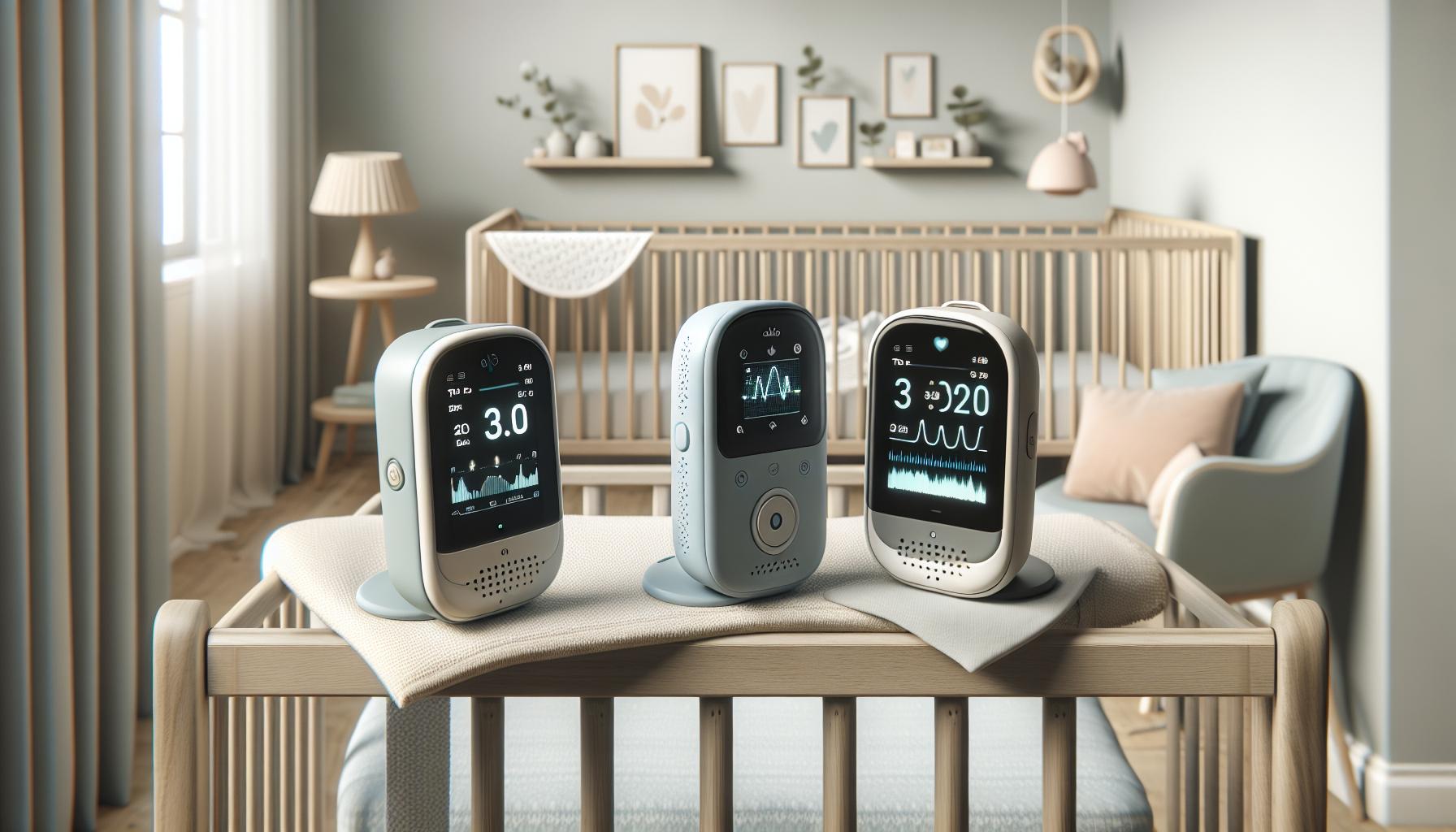
Top 3 Baby Monitors for Sleep Tracking: An Overview
When it comes to choosing a baby monitor that excels in sleep tracking, three models consistently rise to the top of parents’ preferences, each offering unique features tailored to foster better sleep for both baby and parents. These monitors not only provide essential audio and video capabilities but also harness advanced technology to offer insights into sleep patterns, making them invaluable for any new parent navigating the world of infant sleep.
1. Nanit Pro Smart Baby Monitor
The Nanit Pro is a standout option that integrates top-tier video monitoring with sophisticated sleep tracking capabilities. Featuring a high-definition camera, it streams clear live video directly to your smartphone, allowing you to keep an eye on your little one from anywhere. A crucial aspect of its sleep tracking is the ability to analyze sleep patterns based on the baby’s movements, offering personalized insights and sleep tips. With a user-friendly app, parents can easily view detailed metrics on sleep duration, sleep efficiency, and frequency of wake-ups, all designed to foster a better sleeping environment. The Nanit Pro retails around $299, making it a premium choice for families serious about sleep quality.
2. Owlet Dream Duo
Combining smart technology with a heart rate monitor, the Owlet Dream Duo is perfect for parents who prioritize safety alongside sleep hygiene. This innovative system incorporates a wearable sock that tracks your baby’s heart rate and oxygen levels, sending alerts directly to your smartphone if anything is abnormal. Its accompanying smart display visualizes sleep metrics, such as how long your baby slept and how many times they woke, while also offering comfort through gentle light and sound features. Priced approximately at $349, the Owlet Dream Duo provides reassurance about your baby’s well-being during sleep, giving parents peace of mind.
3. Miku Pro Smart Baby Monitor
For those looking for a monitor that doesn’t require any wearables, the Miku Pro is an excellent choice, seamlessly utilizing advanced sensors to monitor breathing and sleep patterns through its video feed. Featuring HD video with night vision, parents can monitor their baby effectively, day or night. The Miku app gives real-time feedback and sleep analytics, which can help parents identify trends. Not only does it offer packed features, but it also integrates voice control compatibility with smart home devices, making it a superb choice for tech-savvy parents. The Miku Pro typically retails for around $299, combining functionality with clarity and convenience.
These top selections resonate well with parents keen on tracking their baby’s sleep effectively. Each monitor offers distinct advantages, whether it’s through smart integration, health tracking, or video clarity. Understanding the specific functions and costs associated with each option can help parents make informed decisions about which monitor aligns best with their family’s needs. It’s essential to assess factors such as the monitor’s ease of use, data accuracy, and any additional features that may enhance the bedtime routine for both parents and babies.
In-Depth Review of Each Baby Monitor
The right baby monitor can be a game-changer for new parents, especially those keen on tracking their baby’s sleep quality. Each of the top contenders in this space-Nanit Pro, Owlet Dream Duo, and Miku Pro-offers a unique set of features designed to ease parents’ minds and optimize their little one’s sleep environment.
Nanit Pro Smart Baby Monitor
At the forefront is the Nanit Pro, which excels not just in video monitoring but in providing comprehensive sleep tracking. The high-definition camera captures every detail, streaming live footage to your device, allowing parents to maintain a close watch on their baby from virtually anywhere. What sets Nanit apart is its sophisticated sleep analysis capability; it monitors movements to track patterns, offering parents personalized recommendations based on their baby’s sleep data. Key metrics such as sleep duration and efficiency are readily accessible through the companion app, fostering an informed parenting approach. For about $299, the Nanit Pro is an investment for parents serious about enhancing their infant’s sleep habits.
Owlet Dream Duo
Next is the Owlet Dream Duo, a blend of smart technology and health tracking that reassures parents. This monitor doesn’t just show sleep data; it prioritizes safety. The accompanying wearable sock keeps tabs on your baby’s heart rate and oxygen levels, sending immediate alerts to your phone if it detects any irregularities. Parents appreciate the smart display that conveniently visualizes sleep metrics, including total sleep time and wake events. Additionally, the Owlet’s calming lights and sounds can help soothe a fussy baby back to sleep. Priced around $349, the Owlet Dream Duo appeals particularly to those who view health monitoring as a priority alongside sleep tracking.
Miku Pro Smart Baby Monitor
Finally, the Miku Pro offers a no-wearable option for parents seeking peace of mind without the added step of putting a device on their baby. Utilizing advanced sensors, this monitor captures real-time data on sleep patterns and breathing through its video feed. It boasts an HD video feature, complete with night vision, which is crucial for nighttime monitoring. The accompanying Miku app not only provides analytics but also integrates compatibility with voice-control smart home devices. This blend of functionality and clarity is priced similarly to the Nanit Pro at around $299, making it a versatile choice for tech-savvy parents looking for robust monitoring features.
Choosing the right baby monitor depends largely on your family’s specific needs. Each of these models offers valuable insights into sleep health, but their distinct features cater to different preferences, whether it’s advanced monitoring capabilities, health tracking, or ease of use. Understanding these options can empower parents to make informed choices as they establish their baby’s bedtime routine amidst the challenges of new parenthood.
How to Choose the Right Baby Monitor
Choosing a baby monitor that meets your sleep tracking needs can feel overwhelming, especially with the array of options available in the market today. However, understanding your specific requirements and the unique features of each monitor is key to making an informed decision that enhances not only your baby’s sleep but your peace of mind as well.
When evaluating different monitors, first consider how you’ll use it. If sleep tracking is your primary goal, look for devices that provide detailed analytics on sleep patterns, including duration, disturbances, and efficiency. For instance, models like the Nanit Pro and Miku Pro offer sophisticated tracking capabilities along with video monitoring, allowing you to see not just your baby but also gather insights about their sleep quality. Additionally, if safety monitoring is crucial for you, the Owlet Dream Duo provides health tracking features that alert you to potential issues, which can be a game-changer for anxious parents.
Budget also plays a critical role in your decision. Monitoring devices vary widely in price, with basic audio monitors starting around $50, while advanced models with comprehensive tracking and video features can range from $299 to $349 or more. It’s important to assess what you can afford and what features matter most to you. The investment might seem significant, but consider the potential peace of mind and the enhanced understanding of your baby’s sleep that makes higher-end models worthwhile.
Setting up your monitor can also influence your experience. Many models are user-friendly, but some require more complicated installations or initial calibrations. Researching setup requirements beforehand, as well as reading reviews on user experiences, can save you frustration later. Furthermore, consider device compatibility with your mobile devices, as some apps are more user-friendly than others, impacting your ability to easily interpret sleep data.
Finally, while advanced monitoring features are appealing, remember that no device replaces a parent’s observation and intuition. Trust your instincts and use the monitor as an aid rather than a crutch. By weighing these factors-usability, features, budget, and personal comfort-you can choose the right baby monitor that fits seamlessly into your parenting routine while promoting a healthier sleep environment for your baby.
Setting Up Your Baby Monitor for Optimal Sleep Tracking
Setting up your baby monitor correctly is crucial to optimize sleep tracking and ensure you get the most accurate insights into your baby’s sleep patterns. An effective setup goes beyond merely placing the device in your child’s room; it involves strategic positioning, understanding device features, and some tech-savvy troubleshooting.
Begin by choosing the right location for your monitor. Ideally, the camera should have a clear line of sight to your baby’s crib without any obstructions. Mounting brackets can help if you want to avoid clutter on surfaces. Many parents find that a corner of the room gives a wider view, capturing all the sleep positions and movements. If your monitor offers features like night vision or temperature monitoring, ensure these sensors are unobstructed and calibrated correctly.
Once the physical setup is completed, you need to power it up and connect it to your smartphone or tablet. Most modern monitors come with intuitive apps that guide you through the setup process. Take the time to explore the app’s interface and settings, especially the sleep tracking features. For instance, you’ll likely find options to set alerts for disturbances or track specific metrics such as sleep cycles and total sleep duration. Familiarize yourself with how to interpret this data so you can modify your baby’s sleep environment or routine as needed.
In addition, consider the connectivity options of your monitor. Reliable Wi-Fi is essential for many smart monitors to function correctly. If you experience connectivity issues, you may want to inspect your router’s placement or consider a Wi-Fi extender. Security is also a significant concern with connectivity; ensure that your network is secured with strong passwords and that your baby monitor is updated with the latest firmware patches to protect against potential vulnerabilities.
Lastly, don’t underestimate the value of parent reviews and community tips. Many parents share their experiences on forums, detailing challenges they encountered during setup and how they resolved them. Learning from these shared experiences can save time and frustration. Remember, the goal is not just to have a monitor that functions but one that fits seamlessly into your parenting routine and provides invaluable insights into your baby’s sleep health.
Interpreting Sleep Data: What Parents Need to Know
Not all sleep data is created equal, and understanding how to interpret the information your baby monitor provides is vital for supporting your child’s sleep health. Many baby monitors equipped with sleep tracking technology will offer insights into sleep duration, disturbance frequency, and even the stages of sleep your baby experiences. By becoming familiar with these metrics, you can make informed decisions to enhance your baby’s rest.
When examining the sleep data your monitor presents, start by looking at total sleep duration versus wake times. A healthy sleep pattern typically includes longer stretches of sleep with occasional wake-ups. If your monitor shows that your baby is waking frequently, consider environmental factors such as room temperature, noise levels, and the sleep environment itself. For example, if the room is too bright or too noisy, your baby may struggle to maintain sleep.
Additionally, many monitors provide insights into sleep cycles, which can be particularly revealing. Understanding which stages of sleep your baby is spending more time in can indicate their overall sleep quality. For instance, prolonged periods in light sleep could point to sensitivities or discomfort. In contrast, a mix of deep and light sleep can suggest a more restful night. These insights can guide you when it comes to adjusting bedtime routines, such as creating a calming environment before sleep or introducing soothing bedtime rituals.
It’s essential to remember that while technology can provide valuable insights, it is not infallible. Some monitors may not accurately distinguish between different types of movements, such as rolling over or briefly waking. Use this data as a guide rather than an absolute measure of your baby’s sleep patterns. Frequent data interpretation might also reveal trends that can help address sleep issues before they escalate into more significant concerns, such as sleep regression or anxiety.
By actively engaging with the sleep data your baby monitor offers, you can empower yourself as a parent and adjust your approach to nurturing your baby’s sleep habits. Understanding this data helps ensure that your baby not only sleeps well but develops healthy sleep patterns that contribute to their overall well-being.
Common Issues with Baby Monitors and Troubleshooting Tips
When it comes to monitoring your baby’s sleep, technology can sometimes be more of a headache than a help. Many parents encounter issues with baby monitors that can complicate their experience and even lead to unnecessary stress during nighttime monitoring. It’s essential to be prepared for these potential problems and know how to troubleshoot them effectively.
One common issue is connectivity problems. Many monitors rely on Wi-Fi, and interruptions can lead to loss of signal or difficulty accessing live feeds. To mitigate this, ensure your home’s Wi-Fi network is stable and positioned centrally within the house. If your monitor allows it, switch to a lower frequency band (like 2.4 GHz instead of 5 GHz) for better range. In areas with inconsistent Wi-Fi, consider using a dedicated baby monitor with radio frequency instead.
Another frequent concern is battery life. Just when you think everything is set up perfectly, the monitor’s battery drains unexpectedly. To avoid this, always check the battery status before bedtime. Investing in a model with a long battery life or a monitoring device that can be operated while plugged in can provide peace of mind. If you find the battery depleting rapidly, see if firmware updates are available, as they may include improvements to battery management.
Sensitivity settings on audio or video monitors can also lead to misunderstandings. If your monitor has adjustable sensitivity, test different levels to find what works best for you and your baby’s sleep environment. High sensitivity can pick up any small noise, leading to unnecessary alerts during the night. Conversely, too low sensitivity may cause you to miss important sounds indicating your baby’s needs. Regular adjustments can optimize the monitor’s performance to your specific situation.
As with any technology, compatibility issues sometimes arise when integrating your monitor with other smart home devices. If you experience problems connecting your baby monitor to your smartphone or other smart devices, consult the user manual for recommended troubleshooting steps. Often, resetting the device can resolve app-related issues quickly.
Remember, while baby monitors offer valuable insights into your child’s sleep patterns, they are not infallible. Understanding their limitations and maintaining them diligently can significantly enhance your sleep tracking experience, ensuring you can focus on nurturing your baby rather than fretting over technical difficulties. By preparing for these common issues, you can turn technology into a reliable ally in your parenting journey.
Cost Considerations: Are Higher Prices Worth It?
Investing in a baby monitor for sleep tracking is a decision many parents face, often leading to the question: are higher-priced models worth the investment? The truth is, when it comes to ensuring your baby’s safety and comfort during sleep, quality can significantly impact your peace of mind. Higher-end monitors often come packed with advanced features that enhance functionality and reliability, yet it’s essential to weigh those advantages against your family’s unique needs and budget.
When evaluating the cost-effectiveness of baby monitors, consider the following aspects:
- Features vs. Price: More expensive monitors typically offer superior video and audio quality, multiple camera views, sleep analytics, and even movement detection capabilities. For instance, some premium models boast features like HD video streaming and night vision, which can be incredibly beneficial for nighttime monitoring.
- Reliability: Higher-priced monitors often come with better build quality and longer battery life. Investing in a robust device can save you money on replacements or repairs in the future. Additionally, many top-tier monitors include customer support and warranty services that can alleviate stress should issues arise.
- User Experience: The ease of use associated with high-end monitors is often worth the extra cost. These devices typically have user-friendly interfaces and can seamlessly integrate with your smartphone, allowing for real-time monitoring wherever you are.
- Long-term Investment: Consider how long you plan to use the monitor. If you expect it to last through multiple children, opting for a premium monitor may provide better functionality and longevity, justifying the initial investment.
Ultimately, the right choice depends on balancing your budget with your desire for advanced features and reliability. Remember that while some monitors offer the latest technology, they shouldn’t come at the expense of your family’s financial stability. By clearly understanding your needs and the benefits of higher-priced models, you can make an informed decision that best supports your parenting journey.
Parental Testimonials: Real-Life Experiences with Sleep Tracking Monitors
Many parents find that sleep tracking monitors provide peace of mind when it comes to their baby’s restful nights. One mother shared how her high-end monitor, equipped with advanced sleep analytics, has been a game-changer. She mentioned, “Originally, I thought I was just being a paranoid parent, but the sleep tracking features helped me understand my baby’s sleep patterns. I discovered she often wakes up during lighter sleep stages, which explains her fussiness.” Such insights can guide adjustments to bedtime routines and create a more consistent sleep environment.
Many users appreciate monitors that integrate seamlessly with their smartphones. One father recounted his experience: “The ability to check on my baby from my phone while I’m at work has been invaluable. I can see if she’s sleeping soundly or if she’s stirring, allowing me to decide quickly if I need to come home early.” This convenience allows parents to feel connected even when they’re not physically present, providing a reassuring way to monitor sleep without feeling overly anxious.
However, not all experiences have been flawless. Some parents have encountered connectivity issues, particularly with Wi-Fi-dependent models. A mom shared, “I thought I was getting a top-tier monitor, but late-night disconnections led to moments of anxiety when I couldn’t see my baby. Thankfully, the customer support was responsive, helping me troubleshoot the issue.” These real-world challenges highlight the importance of considering support services and reliability when selecting a sleep tracking monitor.
When it comes to choosing the right monitor, testimonials frequently emphasize the learning curve involved in setup. As one parent noted, “I was overwhelmed at first with all the features, but after watching a couple of setup videos, it became much easier.” This reinforces that while sleep tracking monitors can offer exceptional benefits, parents should be prepared for a bit of a learning process to make the most efficient use of their features. Engaging with community forums can also provide helpful tips and reassurance, empowering parents to confidently navigate their parenting journey.
Comparison of Baby Monitors: Features, Prices, and Performance
When selecting a baby monitor designed for effective sleep tracking, understanding the features, prices, and overall performance of various models can be quite illuminating. Many parents are on the lookout for monitors that do more than just relay sound; they want devices equipped with advanced analytics to give insights into their baby’s sleep patterns. Generally, these monitors range from basic audio devices to sophisticated video systems with integrated apps that provide sleep data.
Key Features to Consider
When comparing baby monitors, several features stand out as particularly beneficial for tracking sleep:
- Real-Time Monitoring: Many high-end monitors offer real-time audio and video feeds, allowing you to check in on your baby anytime via a smartphone app.
- Sleep Analytics: Certain models can track sleep cycles, demonstrating when your baby is in light versus deep sleep, which can help you adjust bedtime routines effectively.
- Two-Way Communication: This allows you to soothe your baby back to sleep without needing to enter the room, which is less disruptive.
- Temperature and Humidity Sensors: These features help ensure that your baby’s sleep environment is comfortable, minimizing disturbances caused by unfavorable conditions.
- Connectivity Options: Look for monitors that can connect easily to your home Wi-Fi for seamless app integration, though this can come with potential connectivity issues.
Price Ranges
The cost of baby monitors can vary significantly based on features and brand reputation. Entry-level monitors typically start around $40 to $100, generally offering basic audio functions. Mid-range options, costing $100 to $200, often include video capabilities and more sophisticated monitoring features. Premium monitors can range from $200 to $400, boasting comprehensive tracking solutions, smart integrations, and advanced analytics.
Performance Insights
Performance can often be assessed through parental testimonials. Parents generally rate monitors that offer reliable connectivity and user-friendly interfaces more favorably. Issues such as late-night disconnections are significant drawbacks, especially for Wi-Fi-dependent models. For instance, users note that some high-end models may promise extensive features but may struggle under real-world conditions, leading to moments of anxiety when parents can’t connect to the feed.
Top Monitors Compared
Here’s a quick snapshot comparison of three popular sleep tracking monitors based on the features discussed:
| Monitor Model | Price | Key Features | Average Rating |
|---|---|---|---|
| Monitor A | $99 | Audio, Two-Way Talk, Basic Sleep Tracking | 4.1/5 |
| Monitor B | $199 | Video, Advanced Sleep Analytics, App Integration | 4.6/5 |
| Monitor C | $349 | HD Video, Environmental Tracking, Comprehensive Reports | 4.8/5 |
Investing in a monitor with sleep tracking capabilities can provide parents with the insights needed to enhance their baby’s sleep routine. By considering the combination of features, pricing, and user feedback, you can select a model that meets both your budget and your family’s needs.
Future Trends in Baby Monitoring Technology
As technology rapidly evolves, the landscape of baby monitoring products is changing in ways that enhance not only convenience but also the safety and well-being of your child. One of the most exciting trends in baby monitoring technology is the integration of artificial intelligence and machine learning, which allows devices to analyze behavior patterns more accurately. As these innovations develop, parents can expect baby monitors that not only observe but also predict potential sleep disturbances, alerting caregivers before situations escalate.
Wearable Technology
Wearable baby monitors are another frontier in sleep tracking. Devices that can be worn on the baby’s wrist or ankle provide real-time data on vital signs, including heart rate and oxygen levels, which contribute significantly to sleep monitoring capabilities. These devices often sync with smartphone apps to provide insights and alerts related to sleep quality and patterns, helping parents make informed decisions about nighttime and naptime routines.
Smart Home Integration
The rise of smart home technology is also influencing baby monitor design. Expect more models that seamlessly connect with other smart home devices, such as smart thermostats or white noise machines, to create an optimal sleep environment. This connectivity ensures that any adjustments in the surrounding atmosphere, like too much light or noise, can be automatically managed by integrating these systems with the monitor.
Enhanced Privacy Features
As parenting continues to intersect with tech-savvy lifestyles, concerns regarding privacy and security are more prominent than ever. Future baby monitors are likely to include enhanced privacy features, such as encrypted connections and password protection, to keep sensitive data safe. Advanced monitoring systems may also offer parents the ability to customize data sharing options, ensuring they control who accesses their baby’s information.
In summary, the future of baby monitors will likely revolve around intelligent, interconnected devices that prioritize safety and usability while providing detailed insights into sleep habits. Parents can expect these innovations to enhance their monitoring experience, helping them provide a nurturing environment for their little ones.
FAQ
Q: What features should I look for in a baby monitor for sleep tracking?
A: Look for features like high-resolution video, two-way audio, and sleep analytics capabilities. Additionally, a monitor that connects to an app for real-time notifications and updates can enhance your experience. Read more about essential features in the main article section on best features.
Q: How does sleep tracking work in baby monitors?
A: Sleep tracking in baby monitors utilizes sensors to monitor your baby’s movement and activity levels. These devices analyze the data to provide insights into your baby’s sleep patterns, like duration and quality, making it easier for you to understand their sleep habits.
Q: Are sleep-tracking baby monitors safe?
A: Yes, most sleep-tracking baby monitors are designed with safety in mind, incorporating features such as secure data encryption and battery safety measures. Ensure that any monitor you choose complies with safety regulations and reviews before purchasing.
Q: Can I use a regular baby monitor for sleep tracking?
A: While regular baby monitors can provide audio and video, they may lack advanced sleep tracking features like analytics and reports. For improved insights, consider a dedicated sleep-tracking baby monitor. Check the comparison of features in the article for better decision-making.
Q: How can I improve my baby’s sleep using a monitoring device?
A: Use data from your baby monitor to identify sleep patterns and disturbances. Adjust bedtime routines based on insights gained from sleep tracking to create an optimal sleep environment that can lead to improved sleep quality for your baby.
Q: What are the top three baby monitors for sleep tracking?
A: The top three baby monitors for sleep tracking typically include those that offer excellent video quality, comprehensive sleep tracking features, and user-friendly mobile apps. Refer to the main article’s overview section for detailed recommendations and comparisons.
Q: When should I consider upgrading my baby monitor for better sleep tracking?
A: Consider upgrading your baby monitor when your current device lacks essential features like sleep analytics or reliable connectivity. As your baby’s sleep patterns evolve, having a monitor that accurately tracks those changes can provide important insights.
Q: How can I set up my baby monitor for optimal sleep tracking?
A: Position the baby monitor at a height that provides a clear view of the crib while ensuring it’s safe and secure. Familiarize yourself with the monitor’s features and settings through the setup guide, which is often included in the device packaging or available online.
In Summary
Choosing the right baby monitor for sleep tracking is crucial for peace of mind and ensuring your baby’s health. Remember, the best options not only alert you when your little one stirs but also provide insight on their sleep patterns-making it easier to keep track of their rest quality. Don’t wait to enhance your parenting experience! Explore our top picks and consider how they fit into your routine.
For more tips on keeping track of your baby’s sleep, check out our articles on effective sleep routines and the benefits of sleep tracking technology. If you have further questions, feel free to leave a comment below or subscribe to our newsletter for the latest insights on baby gear and parenting! Your journey to better sleep and happy parenting starts now.
Get our latest guides, news, and insights highlighted in your Google Search & AI Overviews.