
Did you know that sleep disorders affect millions of Americans, but many people avoid getting tested due to concerns about costs? Understanding how much a sleep study will be with insurance can ease those worries and help you prioritize your health. In this guide, we’ll explore key factors that influence coverage, discuss what to expect from different types of sleep studies, and break down the costs involved. Knowledge is power, and being informed about your insurance options can empower you to make smart choices for restful nights ahead. Whether you’re experiencing persistent sleep issues or just want to learn more, this journey through insurance coverage for sleep studies will equip you with the insights you need to take charge of your sleep health.
Understanding Sleep Studies: What You Need to Know
Understanding sleep studies can feel overwhelming, especially if you’re experiencing sleep issues and considering if it’s the right step for you. A sleep study, or polysomnography, is a crucial diagnostic tool used to assess various sleep disorders. It measures your brain waves, oxygen levels, heart rate, and breathing, along with eye and leg movements, providing a comprehensive overview of your sleep patterns. This detailed data can reveal whether you suffer from conditions such as sleep apnea, restless leg syndrome, or insomnia.
Before scheduling a sleep study, it’s not only important to know what the process involves but also to understand the associated costs, especially if you have insurance. The price of a sleep study can range significantly based on multiple factors, including whether the study is conducted at home or in a lab. Typically, in-lab studies tend to be more expensive due to the resources and medical professionals involved. That said, many insurance plans do cover a significant portion of the costs, especially if a sleep disorder is suspected. It’s essential to review your policy details or speak with your insurance provider to determine your coverage limits and out-of-pocket expenses, as this can greatly affect your decision to pursue a sleep study.
Additionally, familiarity with the procedure can help alleviate any anxiety you might have. During an overnight sleep study, you’ll be connected to monitors that track your sleep stages and physiological functions. While it may take some time to get used to the setup, most individuals find that falling asleep amid the monitoring equipment isn’t as difficult as anticipated. Knowing what to expect can help you prepare better, ensuring a smoother experience while allowing healthcare professionals to gather the information they need to provide an accurate diagnosis.
Costs of Sleep Studies: What to Expect with Insurance
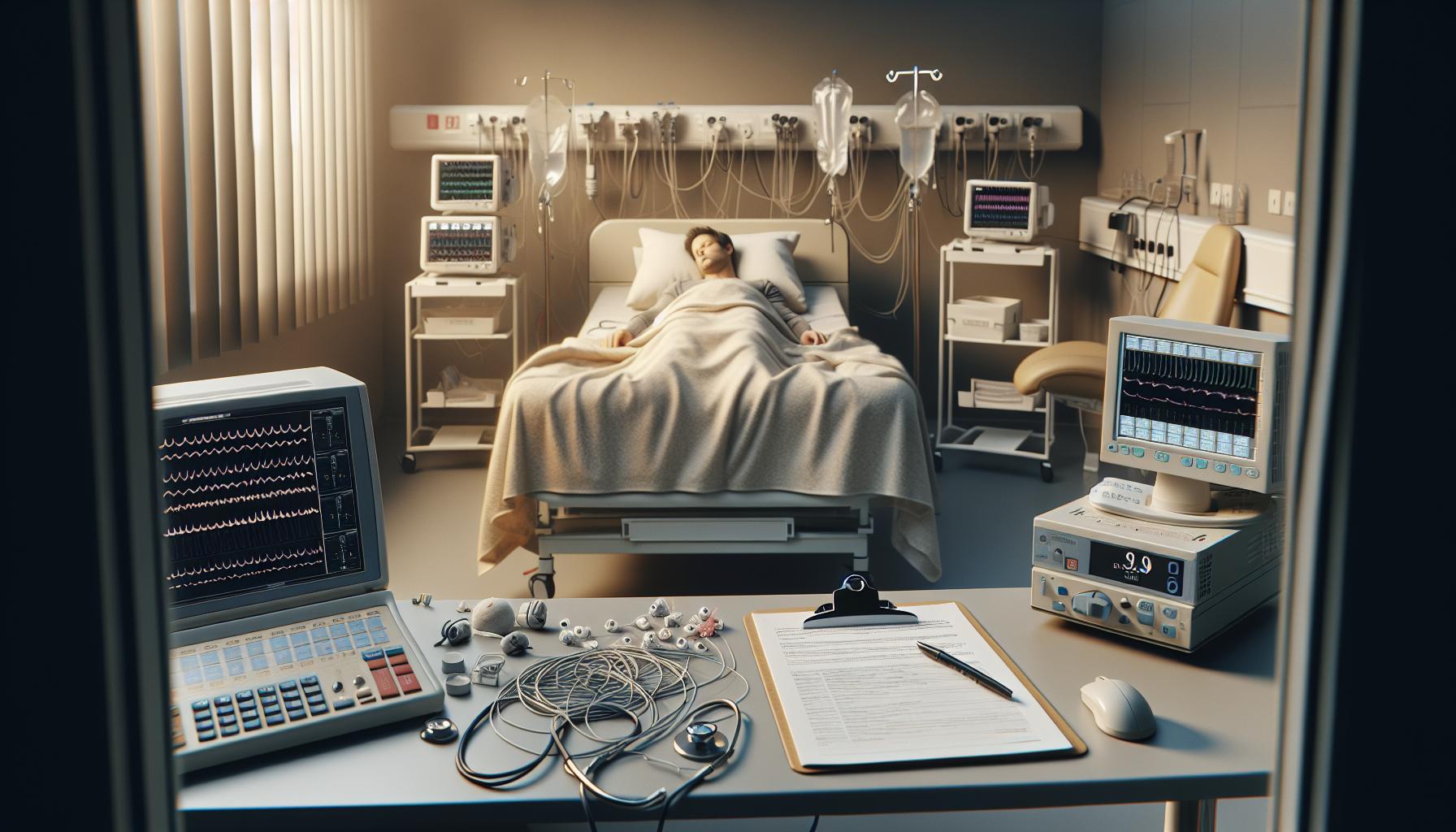
Navigating the costs associated with sleep studies can be daunting, especially when you’re dealing with health concerns and trying to understand insurance coverage. Generally, sleep studies, including both in-lab and at-home options, can vary widely in cost, from a few hundred to several thousand dollars depending on the procedure’s complexity. Insurance coverage can significantly influence your out-of-pocket expenses, making it crucial to understand what your specific plan offers.
Most private insurers, as well as Medicare and Medicaid, cover sleep studies when deemed medically necessary-particularly for conditions like sleep apnea. According to various sources, insurance often prefers at-home studies because they can be less expensive than in-lab studies. For instance, if your physician suspects sleep apnea, you might initially be directed to an at-home study, which tends to have a smoother approval process and lower associated costs. However, it’s essential to check the specifics of your plan as coverage can differ based on your insurer and policy type. Some plans may fully cover at-home studies while requiring a copayment for in-lab tests.
To make the most informed choice, start by contacting your insurance provider and asking about your coverage details for sleep studies. Key questions to address should include:
- Is a referral necessary from my primary care physician?
- Do I need to meet certain criteria for coverage?
- What is my deductible, copayment, or coinsurance amount?
Additionally, consider that some insurers may require prior authorization before approving the study, especially for specialized tests. Being proactive in understanding these factors can alleviate financial surprises and streamline your experience when seeking a diagnosis for your sleep issues. Remember, taking these steps not only aids in your immediate financial planning but also ensures you receive the appropriate care based on your individual health needs.
Insurance Coverage for Sleep Studies Explained

Navigating the intricacies of insurance coverage for sleep studies can feel overwhelming, especially when faced with the uncertainties of medical costs and treatment. Understanding your insurance plan’s specifics is vital to avoiding unexpected expenses. Generally, most health insurance plans, including Medicare and Medicaid, cover sleep studies if deemed medically necessary, particularly for conditions like sleep apnea. However, the extent of coverage can vary significantly based on your policy.
What to Expect
When it comes to sleep studies, your insurance provider may lean towards approving at-home studies first. These tests are often more cost-effective and can be completed in the comfort of your home. In contrast, in-lab studies might come with higher costs and stricter coverage requirements. Insurers recognize that at-home tests can offer sufficient diagnosis for conditions like sleep apnea, making them a preferred option. Always check whether your plan fully covers at-home studies or if you’ll need to pay a copayment for in-lab evaluations.
Key Questions to Ask
To clarify your coverage, consider these important questions for your insurance provider:
- Is a physician referral necessary for the study to be covered?
- Are there specific diagnostic criteria I need to meet for approval?
- What are my deductible, copayment, or coinsurance obligations?
- Does my plan require prior authorization for certain types of sleep studies?
Being well-prepared not only helps to ease financial worries but also ensures that you can access appropriate care promptly. Taking these steps can empower you to make informed decisions about your sleep health without the stress of hidden costs or coverage surprises.
Types of Sleep Studies: At-Home vs. In-Lab
Sleep studies are essential tools for diagnosing various sleep disorders, including sleep apnea, narcolepsy, and restless leg syndrome. When deciding between at-home and in-lab studies, it’s crucial to understand the differences in terms of comfort, cost, and coverage by insurance.
At-home sleep studies are typically less invasive and allow you to perform the test in your own environment. They usually involve straightforward equipment like a wristband or a small monitor that tracks your sleep patterns, heart rate, and oxygen levels. Insurance companies often favor these studies because they are more cost-effective, making them a popular first-line option for diagnosing conditions like sleep apnea. If your doctor believes that an at-home study is sufficient, there’s a good chance your insurance will cover it completely, or you may have a lower copayment compared to in-lab studies.
In contrast, in-lab sleep studies, also known as polysomnography, are performed in a specialized facility and are more comprehensive. During these studies, you’ll be monitored overnight by trained technicians who record various physiological signals. This detailed approach is beneficial for diagnosing more complex sleep disorders that require professional oversight. However, these studies often come with higher costs that might result in larger out-of-pocket expenses-your insurance coverage might also involve stricter criteria for approval. It’s vital to check in advance with your insurance provider about what specific costs you might incur if a lab study is deemed necessary.
When weighing your options, consider factors such as the severity of your symptoms, your comfort level with sleep studies, and your insurance coverage. If you prefer the convenience of home and your condition can be adequately assessed through an at-home test, take that route. However, don’t hesitate to ask your healthcare provider about in-lab testing if you suspect more complicated sleep issues. Understanding your insurance plan’s specifics can save you from unexpected expenses down the line, ensuring you receive the right diagnosis and treatment for your sleep health.
What to Expect During a Sleep Study
During a sleep study, whether conducted at home or in a lab, you can expect a series of monitored observations to ensure accurate data collection regarding your sleep patterns and behaviors. Understanding what happens during this process can help alleviate any anxiety you might have and prepare you for what’s coming.
Most commonly, individuals undergo polysomnography in a sleep lab, where your brain waves, oxygen levels, heart rate, and breathing are monitored while you sleep. Upon arrival, a sleep technician will guide you through the setup, which involves attaching sensors to your body. These sensors include electrodes placed on your scalp, face, and chest, and bands around your abdomen and legs. Despite the array of equipment, the process is non-invasive, and technicians are skilled at making you comfortable while ensuring that the devices function properly.
If you’re participating in an at-home sleep study, the setup is significantly simpler. You typically receive a small device that may include a wristband, nasal cannula, or finger monitor. Your healthcare provider will walk you through how to use the equipment effectively. With an at-home test, you can sleep in your own bed, which might contribute to a more natural sleep environment.
Keep in mind that the duration of the study can vary. In-lab studies typically last one night and start at your usual bedtime. The technician will be present to assist and monitor while you sleep, providing reassurance that help is available if needed. Conversely, at-home studies can often be done over multiple nights, allowing you to gather a broader range of data about your sleep behaviors.
Ultimately, being prepared can make a significant difference. Whether at home or in a lab, arrive ready to settle in for the night and follow any specific instructions given by your doctor or technician. If you have concerns, don’t hesitate to express them. Understanding what to expect will not only enhance your comfort level but also lead to more accurate results, which are crucial for effective diagnosis and treatment of potential sleep disorders.
Common Reasons for Undergoing a Sleep Study
Understanding why a sleep study may be necessary could be your first step towards improving your sleep quality. Sleep disorders are more common than many realize and can significantly impact your health, mood, and daily functioning. Below are some prevalent reasons individuals might undergo a sleep study.
Diagnosing Sleep Apnea
Sleep apnea is one of the most common reasons for a sleep study. It occurs when breathing repeatedly stops and starts during sleep, leading to poor sleep quality and increased risks for cardiovascular issues. Individuals may experience loud snoring, choking, or gasping during the night. A sleep study can confirm the diagnosis and help determine the severity, enabling appropriate treatment options like Continuous Positive Airway Pressure (CPAP) therapy.
Assessing Insomnia
Chronic insomnia affects millions of people who struggle with falling asleep or staying asleep. A sleep study can help identify any underlying issues and differentiate between primary insomnia and insomnia resulting from other conditions, such as anxiety or depression. Knowing the root cause can lead to tailored treatment options that can restore a regular sleep pattern.
Investigation of Parasomnias
For some, unusual behaviors during sleep, such as sleepwalking, night terrors, or REM sleep behavior disorder, can be concerning. A sleep study can monitor brain activity and physical movements during sleep, providing data that can help clarify these conditions. Understanding these disturbances is crucial for effective management and ensuring safety.
Excessive Daytime Sleepiness
If you find yourself constantly sleepy during the day despite getting enough rest, it might be a sign of an underlying sleep disorder, such as narcolepsy or restless leg syndrome. A sleep study could provide insights into your sleep cycles and help identify interruptions that lead to daytime fatigue.
Understanding these common reasons can empower you to take charge of your sleep health. If you suspect you have a sleep disorder, discussing with your healthcare provider whether a sleep study is appropriate could lead you on the path to better sleep and overall well-being.
How to Prepare for Your Sleep Study

Preparing for a sleep study can feel daunting, but understanding what to expect can help ease any anxiety. Here’s what you need to know to ensure a smooth experience.
First, it’s essential to fully understand the specifics of your sleep study, whether it’s at home or in a lab. If your doctor has recommended an at-home sleep study, you’ll typically receive a portable device that monitors key metrics like breathing patterns and oxygen levels. For an in-lab study, expect to sleep in a controlled environment where technicians will monitor your sleep closely using comprehensive equipment. Before your appointment, check with your insurance provider to confirm coverage, as many plans help cover the costs, especially if you meet their criteria for a sleep evaluation [[2]](https://www.carecredit.com/well-u/health-wellness/sleep-study-costs-and-financing/).
Next, prepare by avoiding certain substances in the days leading up to your study. It’s advisable to refrain from caffeine and alcohol, as they can significantly impact your sleep quality. Additionally, maintain a regular sleep schedule-both before the study and on the night of the test. Dress comfortably in loose-fitting clothing, and if you wear hair products, it’s best to wash them out, especially for lab studies where equipment will be attached to your scalp.
Make a checklist of items to bring along, such as:
- Your prescribed sleep medications, if any
- Your usual pillow or blanket for comfort
- Any personal items that help you relax before sleep
- Insurance card and any necessary paperwork
Lastly, don’t hesitate to ask questions or voice concerns with your healthcare provider before the study. They can clarify any uncertainties about the test and its implications, ensuring you feel informed and prepared. Remember, this is a step toward better sleep health, and understanding how to navigate the process can lead to beneficial outcomes.
Comparing Wearable Sleep Trackers: Do They Work?
Wearable sleep trackers have gained popularity as accessible tools for monitoring sleep patterns, but how reliable are they compared to traditional sleep studies covered by insurance? Many individuals wonder if these devices can adequately replace a clinical approach, especially when they’re concerned about costs and effectiveness. While wearables provide valuable insights into sleep duration and quality, they often lack the comprehensive data interpretation offered by professional sleep studies.
Understanding Wearable Sleep Trackers
Most wearable sleep trackers employ sensors to monitor movements and biometrics, such as heart rate and breathing. They can help capture general sleep trends, including how many hours you sleep and how often you wake up. However, these devices typically rely on algorithms to estimate sleep stages, which can lead to inaccuracies. For example, a tracker may indicate that you are in deep sleep when you might be experiencing lighter sleep.
When to Consider a Sleep Study
If you have ongoing sleep disturbances or suspect conditions like sleep apnea, it’s essential to consult healthcare professionals. They may recommend a sleep study to diagnose underlying issues accurately. Unlike wearables, which can suggest general patterns, clinical assessments utilize polysomnography, a method that monitors brain waves, oxygen levels, heart rate, and more. This comprehensive analysis helps identify specific sleep disorders, making it crucial for individuals with severe symptoms.
Balancing Cost and Effectiveness
For those concerned about costs, understanding insurance coverage for sleep studies is vital. Many insurance plans often cover sleep studies if they meet established criteria, making it affordable to pursue professional evaluation. In contrast, while wearables might seem cost-effective, the lack of diagnostic capabilities means they shouldn’t be your sole tool for managing sleep health. If a tracking device indicates problems, it may save you time and money by prompting you to seek professional help sooner.
In conclusion, wearable sleep trackers can be useful for initial observations and promoting healthy sleep habits, but they cannot replace the detailed analysis and diagnosis that clinical sleep studies provide. Knowing when to rely on technology versus seeking professional evaluation is key to managing sleep health effectively. Always discuss your findings from wearable devices with your healthcare provider to ensure appropriate next steps.
Advanced Sleep Testing Technologies: A Closer Look
Advanced sleep testing technologies continue to evolve, offering new ways to diagnose and treat sleep disorders effectively. In a world where sleep quality impacts overall health significantly, understanding the latest advancements can empower you in managing your sleep health. Current medical technologies, such as polysomnography and home sleep apnea testing, provide critical insights into sleep patterns and potential disorders, making them invaluable when considering a sleep study covered by insurance.
Polysomnography: The Gold Standard
Polysomnography (PSG) remains the most comprehensive tool for evaluating sleep. Conducted in a lab, this overnight study monitors numerous physiological parameters, including brain waves, oxygen level, heart rate, and respiratory effort. The detailed data collected can reveal conditions such as sleep apnea, restless legs syndrome, or other sleep disturbances. Generally, insurance covers PSG when medical necessity criteria are met, determining that the results will guide treatment decisions and improve patient outcomes.
At-Home Sleep Testing Options
For those hesitant about undergoing an in-lab study, at-home sleep testing devices provide a viable alternative. These devices often focus on specific issues like sleep apnea, tracking oxygen levels and airflow through simple sensors placed on the body. While typically less comprehensive than PSG, they can effectively identify sleep apnea and are often quicker and more comfortable. Insurance coverage varies by provider, so it’s essential to verify if your plan supports at-home testing.
Recent Innovations in Sleep Tracking Technologies
Emerging technologies, such as wearables and smart sleep devices, have garnered attention as modern tools for tracking sleep. However, while these gadgets can offer insights into sleep patterns and duration, they often do not capture the full spectrum of sleep stages or diagnose sleep disorders accurately. Advanced consumer-grade devices may include features like temperature control or sleep environment adjustments, but they should complement-rather than replace-professional sleep studies. Always consult a healthcare professional to discuss potential findings from these devices before making any decisions about your sleep health.
By understanding these advanced sleep testing technologies, you can make informed choices about your sleep health, navigate insurance coverage effectively, and determine when it’s appropriate to seek professional help versus using consumer sleep trackers. Achieving quality sleep is crucial, and knowing your options can lead you toward more restful nights.
Troubleshooting Common Sleep Study Issues
If you’re preparing for a sleep study and are concerned about potential hiccups, you’re not alone. Many people feel anxious about what might go wrong, but understanding common issues can ease your mind. From technical difficulties to comfort concerns, being informed allows you to take proactive steps toward a smooth experience.
One frequent challenge during sleep studies involves equipment malfunction. For instance, sensors may come loose, or monitoring devices might not capture data correctly, which can lead to inconclusive results and the need for a repeat study. To mitigate this, ensure you understand how the equipment works during your orientation. Ask your technician about what to do if something doesn’t feel right-most labs have protocols for quick troubleshooting.
Another common concern is comfort during the study. Sleeping in an unfamiliar environment with sensors attached can feel intrusive. To enhance your comfort, wear loose-fitting clothing and consider bringing along your favorite pillow or blanket. This small touch can help ease anxiety and promote better sleep quality during the study.
Some participants also report feeling overwhelmed by the testing process. To alleviate this, it’s helpful to have a detailed discussion with your sleep technician beforehand. They can explain every step you’ll go through, making it feel less daunting. Remember, asking questions is key to alleviating fears and ensuring you are adequately prepared.
Lastly, if you’re dealing with insurance-related issues, make sure you understand your coverage thoroughly. Call your insurance provider in advance to clarify the details of what is covered regarding the study. Sometimes, unexpected fees can arise, so having a clear idea of your benefits will help you manage costs effectively. Collect any necessary documentation required for reimbursement, such as referral letters or proof of medical necessity, and keep them readily available.
By anticipating these potential challenges and knowing who to talk to and what steps to take, you’ll be better equipped to tackle a sleep study smoothly, making the process far less stressful.
When to Seek Professional Help vs. Tracking Sleep
Understanding when to seek professional help for sleep concerns versus relying on wearable sleep trackers can significantly influence your health and well-being. Many individuals often underestimate the complexity of sleep disturbances. While wearables can provide helpful insights into sleep patterns, they typically lack the diagnostic capabilities necessary to pinpoint specific disorders. If you’re experiencing chronic fatigue, inconsistent sleep patterns, or symptoms like loud snoring or gasping during sleep, it’s essential to consult a healthcare professional.
When to Consider Professional Help
Signs that indicate you should seek professional evaluation include:
- Persistent Symptoms: If you suffer from frequent daytime sleepiness, irritability, or trouble concentrating, it could signal an underlying sleep disorder.
- Common Sleep Disorders: Conditions such as obstructive sleep apnea, insomnia, or restless legs syndrome often require professional diagnosis and tailored treatment plans.
- Impact on Daily Life: If sleep issues hinder your ability to perform daily tasks or maintain relationships, a professional can help assess and address the root causes.
On the other hand, if your sleep issues are mild and temporary, tracking them with wearables might be a useful first step. Devices can provide insights into your sleep duration, cycles, and disturbances. For instance, a short period of insomnia related to stress might not necessitate a full sleep study but could benefit from basic monitoring.
Balancing Trackers and Professional Insight
Wearables can be great for gathering data about your sleep patterns, but it’s vital to remember their limitations. Many devices might use algorithms to estimate sleep stages but do not provide the comprehensive assessment of sleep disorders that a professional can.
For example, if your tracker indicates that you’re not reaching deep sleep stages consistently, that’s a signal to pay attention. However, rather than jumping to conclusions, it’s wise to consider the context. If you have additional symptoms or your quality of life is severely affected, take that wearable data to a sleep specialist, who can conduct more sophisticated testing such as polysomnography.
In summary, while wearable trackers are a fantastic starting point for monitoring sleep, consulting a sleep health professional is paramount when you need an accurate diagnosis or if symptoms are disrupting your life significantly. Your health should always take precedence, and knowing when to seek help could pave the way for a better night’s sleep.
Navigating Your Insurance: Tips for Approval
Navigating the complex world of insurance coverage for sleep studies can feel overwhelming, but understanding your options is crucial for getting the care you need without financial strain. First, familiarize yourself with your health insurance policy, particularly the sections that pertain to diagnostic or outpatient testing. It’s common for insurance plans, including Medicare, to cover sleep studies when deemed medically necessary. Before moving forward, ensure you understand the pre-authorization requirements, which many insurance providers require to approve payment for a sleep study.
Start by consulting your primary care provider (PCP) or a sleep specialist about your symptoms. This will not only help establish medical necessity but also create documentation that you’ll need for insurance approval. Keep a detailed record of symptoms and any previous treatments or medications you’ve tried, as this information can strengthen your case for a sleep study.
Prepare Essential Documentation
Gathering the right information before contacting your insurance can simplify the approval process. Here’s what you should have ready:
- Medical Records: Document your symptoms, previous treatments, and any relevant medical history.
- Referrals: If required by your insurance, obtain a referral from your PCP to a sleep specialist.
- Sleep Diary: Maintain a sleep diary for at least a week to provide insight into your sleeping patterns.
Once you have this information, reach out to your insurance provider to inquire about coverage specifics and any required documentation for the approval of a sleep study. Ask about in-network providers for sleep studies, as this can lower out-of-pocket costs significantly.
Understand Financial Responsibilities
Be aware of the potential costs involved, including copays, deductibles, and out-of-pocket limits. Many insurance plans may cover most of the expenses associated with a sleep study, but understanding your financial responsibilities ahead of time helps avoid unexpected bills. If you find that coverage is limited or denied, inquire about the possibility of appealing the decision. Documentation and clear communication about your health needs can aid in these discussions.
By proactively navigating your insurance and being well-prepared, you can ensure that the path to getting a sleep study is as smooth as possible, paving the way towards better sleep health.
Q&A
Q: How can I find out if my insurance covers a sleep study?
A: To determine if your insurance covers a sleep study, contact your insurance provider directly and ask about coverage for sleep diagnostics. Make sure to inquire about any specific requirements, such as referrals from your primary care doctor. Check your plan’s policy documents for terms related to sleep studies as well.
Q: What should I do if my insurance denies coverage for a sleep study?
A: If your insurance denies coverage for a sleep study, review the denial notice for specific reasons. You can appeal the decision by gathering supporting documentation from your healthcare provider. Contact your insurance company to understand the appeal process and deadlines for submission.
Q: Are there any out-of-pocket costs associated with sleep studies?
A: Yes, even with insurance, there can be out-of-pocket costs like co-pays, deductibles, or coinsurance. Contact your insurance provider to estimate these costs based on your specific plan. Knowing these details can help you budget for the procedure.
Q: How can I prepare my insurance claim for a sleep study?
A: To prepare your insurance claim for a sleep study, ensure all necessary documentation is completed accurately, including referral forms and medical necessity letters from your physician. Submitting these documents promptly can help expedite the claims process.
Q: What type of sleep study is covered by insurance?
A: Most insurance plans cover polysomnography (in-lab sleep studies) and home sleep apnea testing. Check your policy for specific language regarding covered services. Understanding the type of study your plan covers can save you from unexpected costs.
Q: How long does it take for insurance to process a sleep study claim?
A: Insurance claims for sleep studies typically take 30 to 45 days to process. Factors such as the complexity of the case and any additional information required can affect this timeline. Follow up with your insurer if you haven’t received a response by then.
Q: What are the common reasons that insurance might deny coverage for a sleep study?
A: Common reasons for an insurance denial include lack of medical necessity, incomplete documentation, or the study being performed at an unapproved facility. Understanding these reasons can help you address potential issues before the claim is submitted.
Q: Can I get a sleep study without insurance?
A: Yes, you can get a sleep study without insurance. However, it may be costly. Some facilities offer payment plans or discounts for self-pay patients. Checking various providers can help you find the most affordable option.
For more details on navigating insurance coverage, visit our section on Navigating Your Insurance: Tips for Approval. Feel free to reach out for any further questions about sleep health and studies!
Key Takeaways
Understanding the costs and coverage of sleep studies is crucial for taking control of your sleep health. If you’ve been struggling with symptoms of sleep disorders, don’t wait-consider getting a sleep study to evaluate your needs. Most insurances, including Medicare, typically cover these tests when deemed medically necessary, but it’s essential to verify your specific policy and what it entails.[[1]] Explore our guides on navigating insurance for sleep studies and learn more about the options available to you.
Take the next step in your sleep journey today: check your insurance benefits, consult with your healthcare provider, or read more about the types of sleep studies available and how they can impact your life. If you’re curious about the connection between sleep studies and wearable technology, dive into our resources on modern sleep tracking methods. Your path to better sleep starts now-don’t hesitate to share your questions or experiences in the comments below! Your insights could help others in our community.
Get our latest guides, news, and insights highlighted in your Google Search & AI Overviews.