
Did you know that sleep quality can directly impact your overall health? If you’ve previously undergone a sleep study, you might be wondering how often you should repeat it or when retesting is necessary. This article demystifies the timeline for sleep studies, helping you understand when it’s time to re-evaluate your sleep patterns or treatment plans. Whether you’re struggling with insomnia, sleep apnea, or just want to optimize your rest, knowing when to seek another study can be crucial for your well-being. Let’s explore the factors that influence the need for retesting and empower you to make informed decisions about your sleep health.
What is a Sleep Study and Why Do It?
A sleep study, or polysomnography, is a comprehensive test that records various physiological parameters during sleep. It plays a crucial role in diagnosing sleep disorders such as sleep apnea, insomnia, and narcolepsy. By assessing these parameters-which include brain waves, oxygen levels, heart rate, and muscle activity-healthcare professionals can gain insights into an individual’s sleep patterns and disturbances. Sleep studies can take place either in a sleep lab, also known as a sleep center, or at home with sophisticated portable monitoring devices.
Undergoing a sleep study can feel daunting, but understanding its purpose helps alleviate anxiety. Since most people underestimate the significance of quality sleep, a study can highlight not only the quantity of sleep you are getting but also its quality. If you’ve been experiencing excessive daytime sleepiness, loud snoring, or interruptions in your breathing during sleep, these may be clear indicators that a sleep study is necessary. The findings from this assessment guide treatment options, ranging from lifestyle modifications to CPAP therapy, ensuring a more restful and rejuvenating sleep experience.
Moreover, advancements in technology have made sleep studies more accessible. Patients can now often opt for home-based studies that offer convenience while still capturing accurate data. These innovations empower individuals to understand their sleep better, fostering a proactive approach to their health. Before scheduling a retest, it’s essential to communicate with your healthcare provider about any ongoing symptoms or changes in your sleep that may require further investigation, reinforcing the importance of regular evaluations in managing your sleep health effectively.
Understanding the Different Types of Sleep Studies
The landscape of sleep studies has evolved significantly, providing various options tailored to different needs. Each sleep study type focuses on specific aspects of sleep disorders, enabling healthcare providers to gain important insights into individual sleep patterns and disturbances.
One of the most comprehensive forms of assessment is polysomnography (PSG). This type of study is typically conducted overnight in a sleep lab and measures essential parameters such as brain activity, eye movement, heart rate, blood oxygen levels, and muscle activity. These measurements offer a thorough understanding of sleep architecture, helping to diagnose conditions like sleep apnea or narcolepsy effectively.
Another option is the home sleep apnea test (HSAT). This study offers convenience, allowing patients to undergo testing in the comfort of their own home, making it especially beneficial for those who may feel anxious in a clinical environment. Home tests typically involve fewer sensors, often measuring just brain waves, oxygen levels, and airflow. While these can provide valuable information, they’re generally more limited compared to a full PSG, which is crucial for diagnosing complex sleep issues.
It’s also important to consider actigraphy, which involves wearing a wristwatch-like device that tracks sleep-wake patterns over time. This method is less invasive and can be helpful for monitoring sleep patterns long-term, especially in cases of insomnia or circadian rhythm disorders. Actigraphy offers insights into daily sleep habits rather than a single night’s data, making it a useful tool for understanding overall sleep health.
In recent years, sleep technology has also made its way into the consumer market with various wearable devices. These gadgets, while not a replacement for medical-grade sleep studies, can provide useful data on sleep duration and quality. However, it’s essential to recognize their limitations-they may lack the accuracy of traditional methods and should not be solely relied upon for diagnosing sleep disorders.
By understanding these different types of sleep studies, individuals can make more informed decisions about their sleep health and consult with healthcare providers about the most suitable option for their needs. If you suspect you may have a sleep disorder, discussing these available options with a doctor can lead to an effective diagnosis and tailored treatment plan.
Signs You May Need a Sleep Study Retest
Identifying when to retest following a sleep study can be crucial for maintaining optimal health and managing sleep disorders effectively. Several telltale signs may indicate the need for a follow-up assessment to ensure your treatment plan remains effective and to adapt as your symptoms evolve.
One major sign is a resurgence of symptoms that had previously improved or been managed. If you notice a return of sleep disturbances, such as excessive daytime sleepiness, loud snoring, or episodes of interrupted breathing during sleep, it’s vital to consult with your healthcare provider. Additionally, significant changes in your overall health or lifestyle-such as weight gain, changes in medication, or increased stress-can all influence sleep patterns and may warrant re-evaluation through a sleep study.
Changes in sleep habits, like altered sleep schedules or difficulties maintaining sleep, should also raise concerns. Whether due to lifestyle changes or underlying health issues, these alterations can indicate a shift in your sleep health that a retest could illuminate.
Lastly, for ongoing conditions like obstructive sleep apnea, frequent monitoring is often necessary. Your doctor may recommend periodic sleep studies to adjust your treatment plan based on the severity of your condition. If you’re feeling unsure whether a retest is necessary, trust your instincts; it’s always better to err on the side of caution when it comes to your health. A proactive approach not only aids in addressing issues promptly but also fosters a more profound understanding of your sleep dynamics.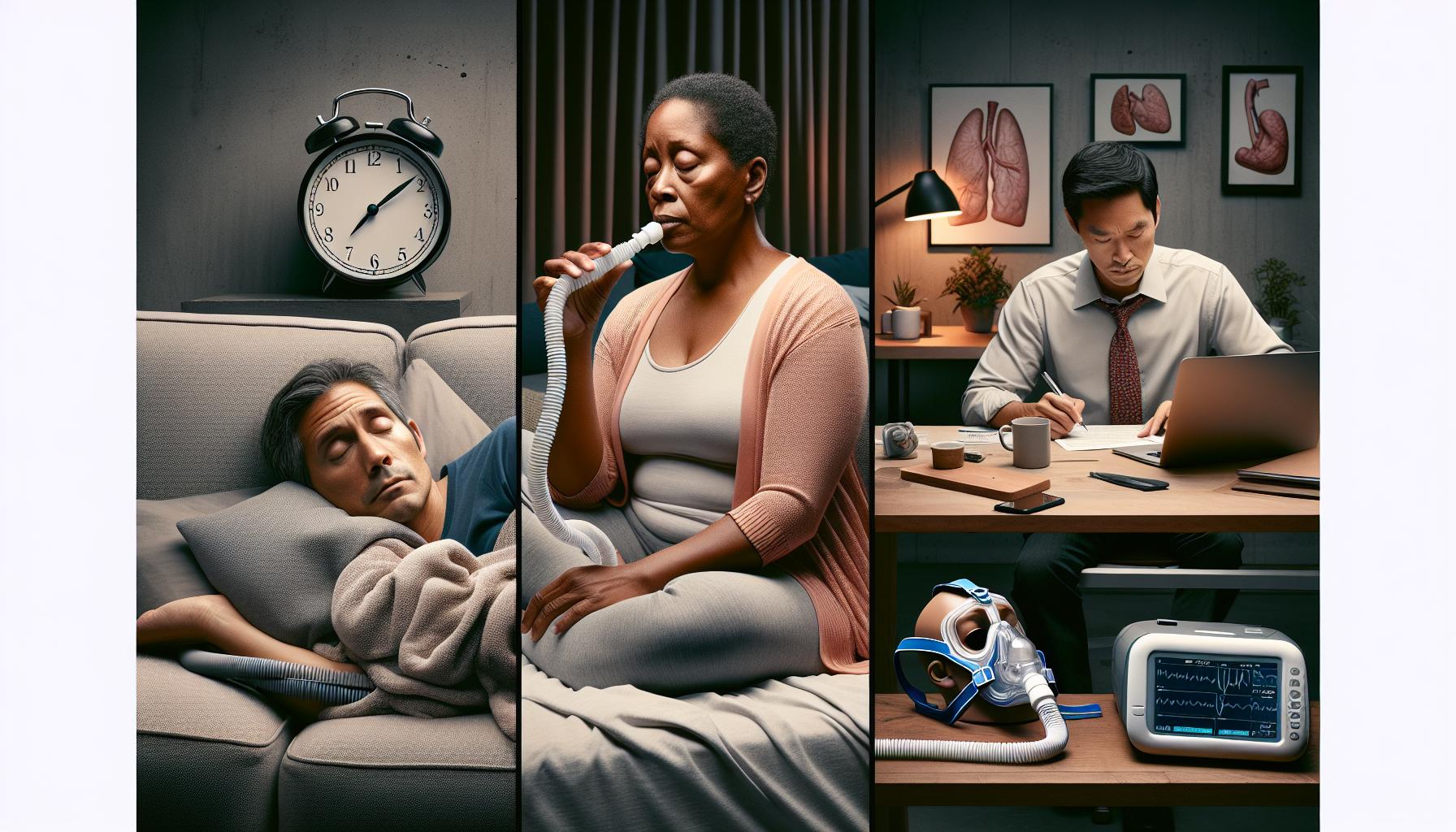
How Often Should You Repeat a Sleep Study?
Determining the appropriate frequency for repeating a sleep study can be a nuanced decision influenced by various factors, including the type of sleep disorder you have, the effectiveness of current treatments, and any significant changes in health or lifestyle. Most experts recommend that individuals with diagnosed sleep disorders, such as obstructive sleep apnea, should undergo retesting at regular intervals-typically every 1 to 3 years. However, the precise timing can vary based on personal circumstances and symptoms.
If you’ve recently undergone changes in your weight, health status, or medication, these factors might necessitate a retest sooner rather than later. For example, significant weight gain can exacerbate obstructive sleep apnea symptoms, thereby requiring an updated evaluation to ensure that your treatment plan remains effective. Similarly, a noticeable resurgence of symptoms like chronic fatigue or loud snoring could signal that a follow-up study is warranted.
It’s also important to have an open conversation with your healthcare provider about your treatment, as they can provide personalized recommendations. They may suggest more frequent monitoring if you’re using CPAP therapy for sleep apnea, especially if your symptoms seem unstable or poorly controlled. Additionally, for conditions like REM sleep behavior disorder or complex sleep apnea, more frequent assessments could be essential as your symptoms evolve.
In summary, while general guidelines suggest retesting every 1 to 3 years, personal health changes and the nature of your sleep disorder should guide your specific situation. Stay vigilant about any shifts in your sleep health and maintain regular check-ins with your healthcare provider to decide the best course of action for retesting your sleep study.
Factors Influencing the Frequency of Sleep Studies
Determining how often to repeat a sleep study isn’t just a matter of following a set schedule; it requires assessing multiple factors that can significantly influence your sleep health. Understanding these variables can empower you to take proactive steps in managing your sleep disorders effectively.
Changes in your health status are one of the primary considerations. If you’ve experienced significant weight gain or loss, this can alter the severity and nature of conditions like obstructive sleep apnea (OSA). For instance, even a small increase in weight can worsen OSA symptoms, necessitating a timely retest to ensure your treatment plan is still suitable. Similarly, adjustments in medication or the introduction of medication for other health conditions might impact sleep quality and require reevaluation through a new sleep study.
Your response to current treatments also plays a critical role. If you’re using CPAP therapy and find yourself frequently waking up with fatigue or experiencing increased snoring, it might indicate that your existing settings are no longer effective. In such cases, your healthcare provider may recommend a sleep study sooner than the standard interval of 1 to 3 years. Tracking how you feel over time, combined with open communication with your doctor, can lead to optimal management of your sleep health.
Moreover, specific sleep disorders may inherently require more frequent testing. For instance, complex sleep apnea or REM sleep behavior disorder can evolve over time, with symptoms intensifying or changing altogether. Regular assessments can help catch these shifts early, ensuring that your treatment remains effective. Ultimately, remaining vigilant about any fluctuations in your sleep patterns, health changes, and treatment efficacy will guide you in determining the right timeline for your next sleep study.
Stay well-informed and proactive-your sleep health is vital, and understanding these influencing factors can help align your testing with your needs.
What To Expect During a Sleep Study Retest
Undergoing a sleep study retest can be a pivotal step in managing your sleep health, especially if you’ve noticed changes in your condition or if your treatment isn’t yielding the expected results. While the idea of spending a night in a sleep lab may sound daunting, knowing what to expect can help alleviate any anxiety. This experience typically involves a setup similar to your initial sleep study, where various sensors will be attached to monitor different body functions while you sleep.
During the retest, you can expect to wear multiple electrodes on your scalp, face, and sometimes your chest and legs to measure brain activity, heart rate, and breathing patterns. These sensors are usually painless and streamlined. Many facilities also provide comfortable bedding to create a restful environment. Before the test, you might be asked to maintain your normal routine leading up to it, which helps ensure accurate results. It’s essential to communicate openly with your sleep technician about any concerns and to follow any specific instructions given for the night.
For many people, the most significant concern is the potential discomfort associated with sleep study equipment. However, most advancements in sleep technology now include more compact and comfortable devices. For example, newer systems may utilize simpler, less intrusive sensors that are designed to minimize disturbance during sleep. Being familiar with how the equipment works can also reduce anxiety. For those using Continuous Positive Airway Pressure (CPAP) machines, be prepared to bring your device if required by your healthcare provider to adjust the settings.
In the days leading up to your sleep study, it’s important to maintain a consistent sleep schedule as much as possible. Avoiding caffeinated beverages and heavy meals close to bedtime can also significantly enhance the quality of your sleep during the study. Remember, the data collected will help tailor your treatment plan moving forward, ensuring that any adjustments can effectively address your unique sleep needs. This is your opportunity to gain better insights into your sleep patterns and to take proactive steps towards better health.
The Role of Wearable Tech in Monitoring Sleep
Wearable technology has revolutionized how we monitor our sleep, offering an accessible alternative to traditional sleep studies. Devices such as smartwatches and fitness trackers can provide valuable insights into your sleep patterns, including duration, quality, and even disruptions that might indicate a sleep disorder. In fact, around 80% of individuals with sleep apnea remain undiagnosed, and these gadgets can serve as an initial screening tool that prompts further evaluation through formal testing when needed.
Modern wearables come equipped with advanced features such as heart rate monitoring, movement tracking, and even oxygen saturation levels. These capabilities enable users to gauge their nightly rest and identify patterns or anomalies that may warrant further exploration. For example, if a device indicates frequent awakenings or poor sleep stages, it might be time to consult a sleep specialist and consider a formal sleep study for a more accurate diagnosis. Tracking sleep over a few weeks through wearables can also provide your healthcare provider with meaningful data to assess whether you need to retest or adjust your existing treatment.
However, while wearables offer convenience and immediate feedback, it’s crucial to understand their limitations. They generally do not capture the same level of detail that a comprehensive sleep study (polysomnography) provides, which may include brain activity and precise breathing patterns. Therefore, while these devices can help identify potential issues, they should complement rather than replace professional evaluations. Be cautious of relying solely on the data without considering the larger clinical picture.
In summary, wearable tech can be a game-changer in monitoring sleep health and determining when it might be time for a repeat sleep study. Using these devices empowers you to take control of your sleep health and engage proactively with your healthcare provider about your needs, ultimately ensuring you receive the most accurate treatment tailored to your unique situation.
Sleep Disorders That May Require Frequent Testing
Certain sleep disorders can significantly impact your overall health, making it crucial to stay on top of your sleep assessments. For individuals diagnosed with conditions like obstructive sleep apnea (OSA), restless legs syndrome, and narcolepsy, frequent testing may not just be recommended, but essential for effective management. These disorders often require continuous monitoring to ensure that treatments are working and that symptoms are adequately controlled.
Obstructive Sleep Apnea (OSA)
Obstructive sleep apnea is among the most common sleep disorders, characterized by repeated interruptions in breathing during sleep. For those with OSA, a sleep study is often the first step in diagnosing the severity of the condition. Following initial treatment-such as continuous positive airway pressure (CPAP) therapy-it’s crucial to undergo periodic retesting. This helps evaluate the effectiveness of the current treatment plan, as improvements or worsening of symptoms may necessitate adjustments. The general recommendation is to retest every one to two years, but more frequent evaluations might be required if a patient experiences significant weight changes or other health issues that can impact sleep.
Restless Legs Syndrome (RLS)
Restless legs syndrome presents another reason for regular sleep assessments. This neurological disorder causes uncomfortable sensations in the legs, leading to a strong urge to move them, especially at night. The severity of RLS symptoms can fluctuate, prompting the need for follow-up testing to ensure adequate symptom management and treatment effectiveness. Depending on how often symptoms change or other medications needed, healthcare providers may suggest re-evaluating sleep through a sleep study annually or biannually.
Narcolepsy
For individuals suffering from narcolepsy, a disorder that leads to excessive daytime sleepiness and unexpected sleep attacks, regular follow-ups are paramount. Diagnosing narcolepsy typically involves comprehensive testing, including a polysomnography (PSG) study followed by a multiple sleep latency test (MSLT). Once diagnosed, ongoing evaluations may be important to monitor treatment effectiveness and any changes in symptoms. If you are experiencing new or worsening symptoms, a repeat study might be warranted sooner rather than later.
Frequent testing not only provides insight into how well a treatment plan is working, but it also serves as an opportunity to reassess the condition and make necessary adjustments. If you’ve been diagnosed with any of these disorders, being proactive about retesting can significantly influence your quality of life and overall health. Always consult your healthcare provider about the best testing schedule tailored to your specific condition and needs.
Insurance and Costs: Navigating Sleep Study Retests
Navigating the financial aspects of sleep study retests can be daunting, especially with the potential costs involved. Sleep studies can range significantly in price, depending on whether the test is done in a lab or at home, the specific type of study performed, and your location. Typically, overnight polysomnography can cost anywhere between $1,000 to $3,000, while home sleep apnea tests might be more affordable, ranging from $250 to $1,000. Knowing what to expect in terms of costs helps in budgeting and planning for your health needs.
Insurance Coverage
Most insurance plans provide coverage for medically necessary sleep studies, but the extent of coverage can vary widely. It’s essential to check with your insurance provider before scheduling a sleep study to understand what will be covered and any out-of-pocket expenses you may encounter. Many insurance companies require prior authorization, which means you’ll need to demonstrate that the study is necessary for diagnosing a potential sleep disorder. Having a referral from your primary care doctor can streamline this process.
What You Can Do
To avoid unexpected costs, consider taking these steps:
- Contact your insurance provider to ask specific questions about coverage for sleep studies.
- Inquire whether your chosen facility is in-network, as this can significantly affect costs.
- Discuss with your healthcare provider the necessity of the retest and its implications for your treatment plan to ensure that the study is authorized and potentially covered.
Many facilities also offer payment plans or financial assistance, which can help ease the burden. Don’t hesitate to ask about available options if the cost feels overwhelming.
Understanding the financial implications of sleep studies, especially when retests are necessary, helps you make informed decisions about your health and ensures you don’t overlook critical aspects of your care due to cost concerns. By staying proactive and informed, you can focus on what truly matters: achieving better sleep and overall health.
Common Myths About Sleep Studies Debunked
When it comes to sleep studies, misconceptions abound, often preventing people from seeking necessary help. For instance, a common myth is that sleep studies are only for those with severe sleep conditions or that the process is overly uncomfortable and invasive. In reality, sleep studies, particularly home sleep apnea tests, are less daunting than many believe. These tests can typically be conducted in the comfort of your own home, requiring only a few simple devices to monitor your sleep patterns. This simplicity means that if you suspect you have a sleep disorder, you can pursue a diagnostic test without unnecessary fear.
Another prevalent misunderstanding is that one sleep study is sufficient for life. Given that sleep patterns can change due to various factors-including age, health conditions, and lifestyle choices-it’s essential to understand that retesting might be necessary. For many, periodic sleep studies are key to managing ongoing conditions like sleep apnea. How often you should repeat a sleep study largely depends on your symptoms and response to any treatments.
There’s also the belief that sleep studies aren’t covered by insurance or are prohibitively expensive. Most insurance plans do cover medically necessary sleep studies, but it’s essential to check with your provider to understand your specific coverage. Preparation can significantly alleviate financial stress, as many facilities offer assistance and payment plans to make the process manageable.
Lastly, some assume that wearable tech devices fully replace the need for a clinical sleep study. While wearables can provide helpful insights into sleep patterns, they often lack the diagnostic accuracy of a comprehensive sleep study. Consulting with a healthcare provider can help determine the best approach for your individual needs, combining technology with clinical assessment for a holistic view of your sleep health.
Preparing for Your Next Sleep Study Retest
Preparation for a sleep study retest is essential for ensuring accurate results and reducing any anxiety you might feel about the process. Understanding what to expect and how to get ready can help you sleep easier on the night of the study. One of the first steps is to speak with your healthcare provider about any changes in symptoms or health status since your last test. This conversation can offer guidance on what type of sleep study is appropriate, be it in a lab or at home.
When you’re scheduled for a sleep study, consider these practical tips to prepare:
- Review Pre-Study Instructions: Familiarize yourself with any specific instructions from your sleep clinic. This may include avoiding caffeine, alcohol, and certain medications that could interfere with your sleep.
- Plan Your Evening: On the night of the study, take time to follow a relaxing bedtime routine. Try to keep your sleep environment as close to normal as possible to facilitate a good rest.
- Wear Comfortable Clothing: Choose suitable clothing that allows for easy attachment of monitoring devices. Avoid anything too tight that might disrupt your comfort.
- Keep Track of Devices: If you’re using portable devices, ensure they are charged and that you know how to use them before the test. This is particularly important if you have been given a home sleep study kit.
- Secure Insurance and Financial Details: Before your appointment, verify your insurance coverage for the sleep study. Many plans cover these tests, but knowing your costs upfront can ease financial stress.
Understanding the testing process can also reduce anxiety. Typically, a technician will guide you through the setup, attaching sensors to monitor your heart rate, breathing, and brain waves. It might be helpful to remember that many people who undergo sleep studies find that the environment is more comfortable than they anticipated.
Keep in mind that the results from the retest can provide valuable insights into changes in your sleep patterns, helping to fine-tune your treatment if you have been diagnosed with a sleep disorder. This proactive approach not only aids your recovery but also gives you the knowledge needed to manage your sleep health effectively. With the right preparation, you can make your next sleep study retest a smooth and informative experience.
Real-Life Scenarios: When to Seek a New Test
If you’ve recently altered your lifestyle or experienced changes in your sleep patterns, it may be time to consider undergoing another sleep study. For instance, if you’ve gained weight or developed new health issues, such as hypertension or diabetes, these factors can contribute to the progression of sleep disorders like obstructive sleep apnea (OSA). If you’ve previously been diagnosed with a sleep disorder but find that your symptoms are worsening or changing, it’s essential to discuss a retest with your healthcare provider. They can help assess whether a new evaluation is warranted based on your current health status.
Moreover, individuals who start new medications that affect sleep, such as antidepressants or blood pressure medications, should also contemplate seeking a new sleep study. These medications can alter sleep architecture and exacerbate or create sleep issues that may not have been evident during previous testing. Similarly, if you’ve been using continuous positive airway pressure (CPAP) therapy but are still experiencing excessive daytime sleepiness or difficulty falling and staying asleep, your sleep specialist may recommend a retest to evaluate how well the current treatment is working.
In addition, technology can play a key role in monitoring your sleep. Wearable devices and apps provide valuable insights into your sleep habits, helping you track patterns over time. However, while these tools can highlight concerns, they may not always replace the comprehensive evaluation offered by a sleep study. If your home devices indicate persistent issues, or if you have unique symptoms that devices cannot assess, it might be an indication that professional testing is necessary.
Overall, the decision to seek a new sleep test should be a collaborative one with your healthcare provider, especially if you experience any of the following signs: worsening snoring, choking episodes during sleep, or increased fatigue despite sufficient sleep duration. Understanding when to retest can empower you to take control of your sleep health and refine your treatment accordingly.
Q&A
Q: How often should I repeat a sleep study if I have sleep apnea?
A: If you have sleep apnea, it’s recommended to repeat your sleep study every 1 to 3 years, depending on your symptoms and treatment response. Regular evaluations help ensure your treatment is effective and adjust it if necessary. Always consult your healthcare provider for personalized guidance.
Q: What factors influence the need for a repeat sleep study?
A: Factors such as changes in symptoms, medical conditions, weight fluctuations, or treatment effectiveness can necessitate a repeat sleep study. Significant lifestyle changes should also prompt evaluation. Refer to the “Factors Influencing the Frequency of Sleep Studies” section for more detailed info.
Q: Can I conduct a sleep study at home?
A: Yes, many at-home sleep studies are available, especially for diagnosing sleep apnea. These utilize portable devices to gather data on your sleep patterns. However, they’re not suitable for all sleep disorders; consult with your doctor for the best option based on your needs.
Q: How long does it typically take to get results from a sleep study?
A: Results from a sleep study usually take about 1 to 2 weeks to be processed and shared with your healthcare provider. They will then discuss the findings with you and outline any necessary treatment plans.
Q: What should I expect during my sleep study retest?
A: During your sleep study retest, you can expect similar procedures as before, including monitoring your sleep stages and breathing patterns. Familiarize yourself with the process using the “What To Expect During a Sleep Study Retest” section for reduced anxiety.
Q: Are there any risks involved with multiple sleep studies?
A: Generally, sleep studies are safe and non-invasive. However, repeated studies can be inconvenient and may cause discomfort for some. Discuss any concerns with your healthcare provider to ensure you understand the necessity and process involved.
Q: How do sleep disorders affect the frequency of sleep studies?
A: Certain sleep disorders, like narcolepsy or restless legs syndrome, may require more frequent assessments compared to others. The severity and type of disorder will guide how often you need a repeat study for optimal management of your condition.
Q: Is insurance likely to cover a retest for a sleep study?
A: Most insurance plans cover sleep study retests if deemed medically necessary. Coverage specifics can vary, so it’s essential to check with your insurance provider and consult the “Insurance and Costs: Navigating Sleep Study Retests” section for more insights.
Insights and Conclusions
Understanding when to repeat a sleep study is crucial for effectively managing your sleep health. Regular retesting can help ensure your treatment plan remains effective, providing personalized insights into your sleep patterns and any potential disorders. As you consider your options, remember that tracking your sleep through wearables or consulting with sleep health professionals can greatly assist you.
Ready to take the next step? Explore our resources on sleep disorders and the benefits of sleep technology to enhance your knowledge and make informed choices. If you have questions or need personalized advice, don’t hesitate to reach out or sign up for our newsletter for regular updates and expert tips. Your journey to better sleep starts with understanding your needs-let us help you on that path!
Get our latest guides, news, and insights highlighted in your Google Search & AI Overviews.