
Did you know that a single night of sleep can reveal a wealth of information about your sleep health? If you’ve been grappling with fatigue or restless nights, you might be considering a sleep study. Understanding the minimum duration of sleep needed for an effective study is crucial for getting accurate results. Typically, a sleep study aims to capture 7 to 8 hours of data-the average amount of sleep most adults need. This is essential for diagnosing sleep disorders like sleep apnea and ensuring you get the help you need. As you read on, you’ll uncover what to expect during a sleep study and why sufficient sleep duration is critical for your well-being. Let’s explore how this process can bring clarity to your sleep challenges and set you on the path to better rest.
How Much Sleep Is Needed for Sleep Studies?
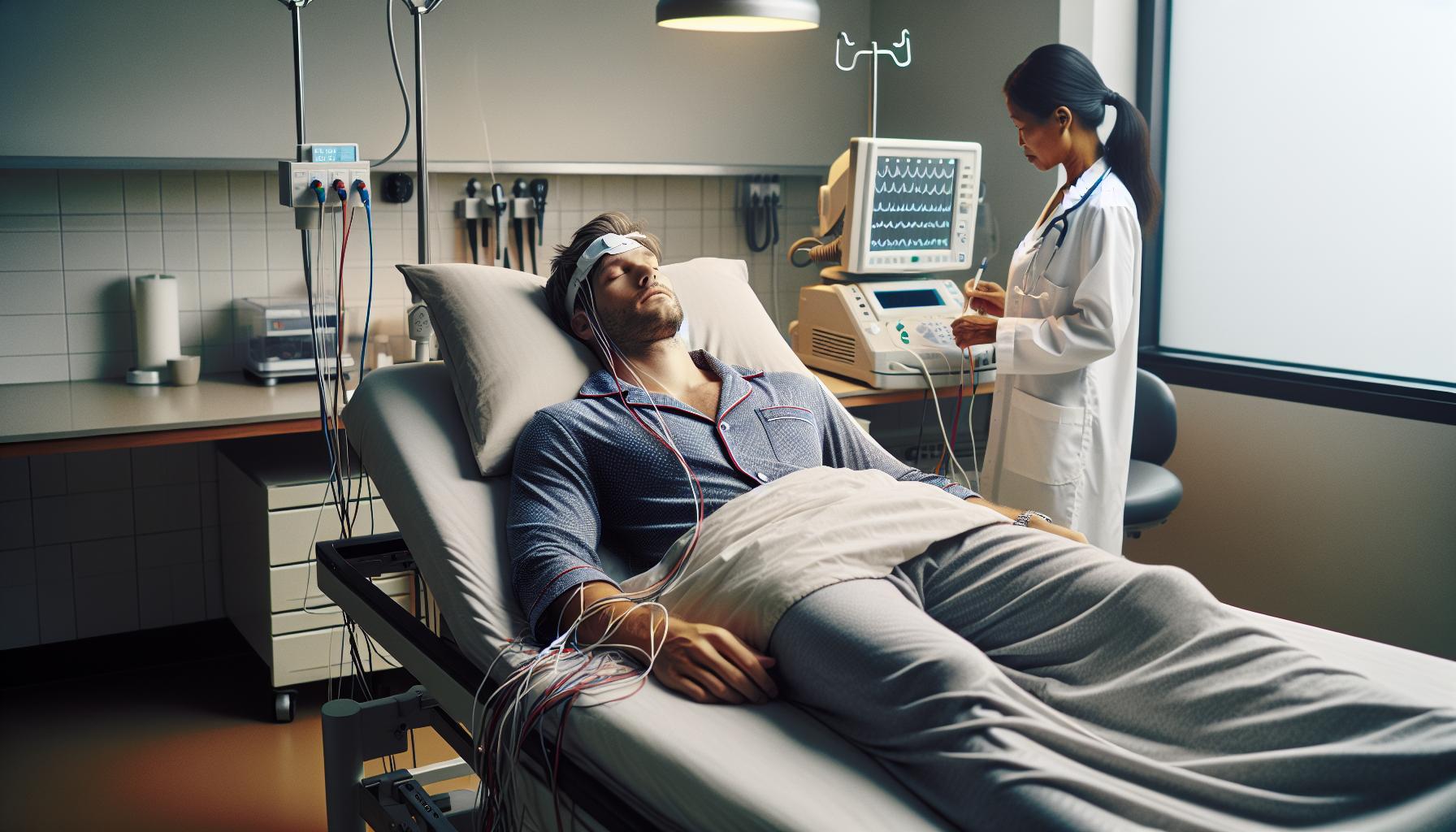
Understanding how much sleep is necessary for effective sleep studies can reduce anxiety and improve the quality of the assessment. Sleep studies, or polysomnographies, aim to capture a comprehensive picture of your sleep patterns and health. Generally, a minimum of 6 hours of recorded sleep is recommended to ensure that any assessment of sleep disorders is accurate and meaningful. This duration allows for sufficient sleep cycles to be recorded, which include essential stages like REM and deep sleep, critical in diagnosing conditions such as sleep apnea or insomnia [3[3].
In practical terms, achieving this duration often depends on how well you can replicate your typical sleep environment and habits. Sleep studies typically occur overnight, where you are monitored in a lab or at home using specialized equipment. It’s essential to communicate any issues you might have with sleeping, as this can help technicians adapt the study conditions to better suit your needs. If you have trouble reaching the recommended hours of sleep, sleep specialists may also suggest strategies to help improve your sleep hygiene leading up to the study.
When preparing for a sleep study, it’s vital to understand that the quality of your sleep can significantly impact the results. Therefore, if you frequently experience disruptions or irregular patterns, be sure to discuss these concerns with your healthcare provider. They can offer personalized advice or suggest alternative options, such as home sleep testing devices, which can be more comfortable and convenient yet still provide valuable insights into your sleep health.
Understanding Sleep Study Requirements
Sleep studies are vital for diagnosing sleep disorders, but understanding what is required for a successful assessment can ease any concerns. For the best chance of accurately capturing your sleep patterns, a minimum of 6 hours of recorded sleep is recommended during these studies. This duration allows for the monitoring of essential sleep cycles, including REM (Rapid Eye Movement) and deep sleep, both critical for evaluating conditions like sleep apnea or insomnia.
On the night of the study, you will be monitored in a sleep lab or potentially at home using specialized equipment. It is essential to create an environment similar to your regular sleep setting. Factors such as lighting, noise levels, and comfort can significantly impact the quality of your sleep during the study. If you often struggle to fall asleep or stay asleep, make sure to communicate these challenges to the sleep technician in advance. They can tailor the setup to better accommodate your specific needs.
Pre-study preparation is crucial as well. Consider factors that may disrupt your sleep in your daily life. Discuss any irregular sleep patterns or habits with your healthcare provider before the study; they may offer personalized strategies to improve sleep hygiene and help achieve the recommended sleep hours. If you find traditional sleep studies intimidating, alternatives like home sleep testing devices may be available, offering a more relaxed and familiar setting while still providing valuable insights into your sleep health.
Types of Sleep Studies Explained
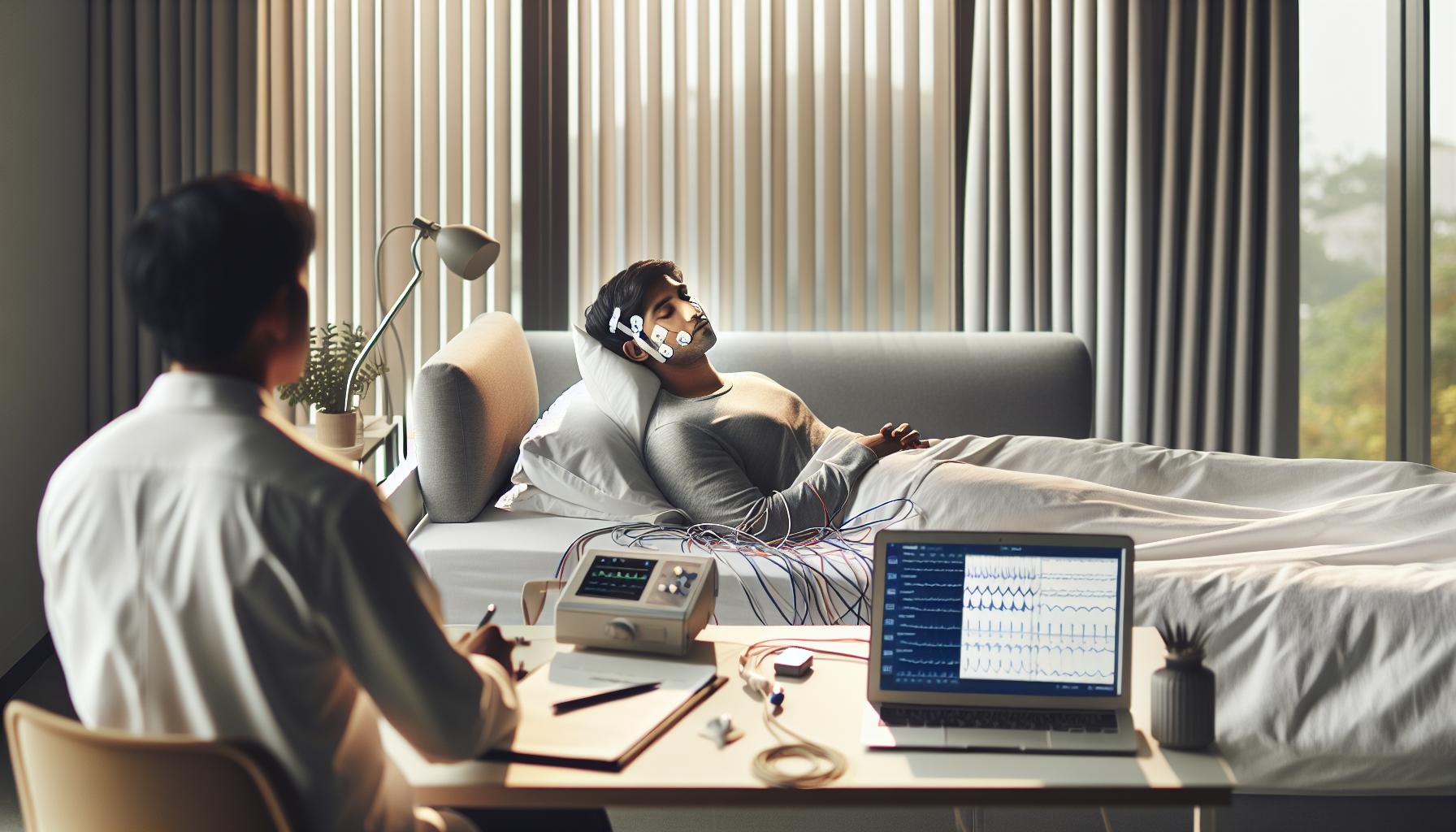
Understanding the various types of sleep studies can significantly enhance your preparation and expectations surrounding sleep health assessments. Different studies are designed for specific diagnostic purposes and can vary in their complexity and the environment in which they are conducted.
The most common type is polysomnography (PSG), often referred to as an overnight sleep study. This comprehensive test records brain waves, oxygen levels, heart rate, and breathing as well as eye and leg movements while you sleep. PSG is typically conducted in a sleep lab where you are monitored overnight, allowing for a minimum of 6 hours of sleep to capture essential sleep stages adequately. This depth of monitoring helps diagnose conditions such as sleep apnea or restless leg syndrome.
Another option is a home sleep apnea test (HSAT). This less invasive method allows you to perform a sleep study in the comfort of your own home, using portable monitoring devices that record basic data like airflow, breathing patterns, and oxygen levels. HSATs can also yield valuable insights, especially for those with high suspicion of sleep apnea, without the need for an overnight stay at a sleep clinic.
For more severe or intricate cases, multi-channel sleep studies might be carried out, which involve a combination of EEG, EOG, and other physiological measures to provide an in-depth understanding of a patient’s sleep architecture. These studies often take place in a sleep lab and may involve both diagnostic and therapeutic evaluations.
Alongside these, some sleep studies can include a split-night study format, where the first half involves diagnostic monitoring, and the second half is dedicated to treatment administration, such as continuous positive airway pressure (CPAP) therapy for sleep apnea patients.
It’s essential to know that the type of study recommended for you can depend on various factors, including your specific symptoms and medical history. Always consult with your healthcare provider to determine which study is the most appropriate for your situation. Understanding the nuances of these different tests can alleviate some anxiety and help you better prepare for the journey towards improved sleep health.
Length of Sleep Needed for Effectiveness

To effectively gather data during a sleep study, achieving a sufficient amount of sleep is paramount. Typically, a minimum of 6 hours of sleep is necessary for comprehensive assessment using polysomnography (PSG), the most common type of sleep study. This duration allows for the observation of various sleep stages, which are crucial for diagnosing conditions such as sleep apnea or other sleep disorders. Without this baseline of sleep, the results may not accurately represent your sleep patterns, potentially leading to misdiagnoses or an incomplete understanding of your sleep health.
Factors Affecting Sleep Duration
While the standard recommendation stands at six hours, individual factors can influence how much sleep you may need. Some patients may experience difficulty falling asleep in a lab setting due to anxiety about the study itself, potentially impacting their ability to meet the minimum duration. It’s helpful to practice relaxation techniques beforehand or discuss any concerns with your healthcare provider to enhance your chances of sleeping soundly during the test.
Moreover, different types of sleep studies may have distinct requirements. For instance, home sleep apnea tests (HSAT) may require only a few hours of sleep to gather pertinent data, focusing primarily on breathing patterns rather than a detailed analysis of sleep stages. Understanding these nuances can help you prepare effectively for the specific type of study you’re undergoing.
Being well-rested prior to the study can also improve your experience and the quality of data collected. Consider adjusting your sleep schedule leading up to the night of your sleep study to ensure you arrive in an optimal state for rest.
Factors Influencing Sleep Study Duration
When preparing for a sleep study, understanding the factors that can influence the duration of sleep you achieve is critical for an effective evaluation. One of the most significant aspects to consider is the testing environment. Many participants find it challenging to fall asleep in a lab setting, where unfamiliar surroundings, equipment, and even the presence of medical staff can create anxiety. This anxiety can hinder your ability to reach the recommended minimum of 6 hours of sleep, making it essential to find ways to relax and acclimate to the setting before your study begins.
In addition to environmental factors, personal habits play a crucial role. If you’re someone who typically gets less sleep than the recommended amount, you may need to adjust your schedule in the days leading up to the study. Ensuring you’re well-rested before the night of the sleep study can effectively enhance your chances of hitting that target. For instance, gradually shifting your bedtime earlier can help align your body’s circadian rhythm, making it easier to fall asleep once you’re connected to the monitoring equipment.
Different types of sleep studies also have varying requirements concerning the length of sleep needed. For example, while polysomnography (PSG) typically necessitates a full night’s sleep to analyze sleep stages accurately, a home sleep apnea test (HSAT) may only require a few hours of adequate sleep focused on breathing patterns. It’s important to recognize these distinctions when preparing for your specific test.
Finally, minimize any potential sleep disruptions by discussing any concerns with your healthcare provider ahead of time. This can include strategies for managing anxiety and adjusting pre-study routines. Emphasizing sleep hygiene and proper preparation can lead to a more beneficial experience and produce high-quality data for a thorough assessment of your sleep health. By considering all these factors, you can significantly improve your chances of successfully meeting the sleep duration necessary for an effective sleep study.
What to Expect During Your Sleep Study

During a sleep study, also known as polysomnography, you can expect to undergo a carefully monitored and supportive evaluation of your sleep patterns. This experience often takes place in a comfortable sleep clinic designed to feel as home-like as possible, which can help ease anxiety related to the unfamiliar environment. You’ll be hooked up to monitoring equipment that tracks your brain activity, heart rate, breathing patterns, and even muscle activity throughout the night, aiding in a comprehensive analysis of your sleep health.
As you settle in for the night, a technician will place electrodes on your scalp, face, and body. While it might feel a bit strange at first, these attachments are crucial for observing the various stages of your sleep cycle, including REM (rapid eye movement) and deep sleep. You will be encouraged to maintain your regular sleeping position as much as possible; this approach allows for the most natural sleep patterns to emerge, which is essential for accurate results.
If you are worried about falling asleep during the study, remember that sleep experts aim for a minimum of 6 hours of sleep to gather sufficient information. This duration enhances the study’s efficacy in accurately diagnosing sleep disorders like sleep apnea or insomnia. The technician will monitor your comfort levels, and while mild interruptions may occur for equipment checks, they are generally minimized to avoid disturbing your rest.
It’s also helpful to prepare yourself for the night by keeping a relaxed mindset. You might find it beneficial to bring along items that promote comfort, like your pillow or a book, to help you wind down. Remember that the data obtained from your sleep study is not only valuable to your physician but also serves your interests in attaining better sleep health. Ultimately, your experience is designed to illuminate the factors affecting your sleep quality and lead to meaningful health improvements.
Preparing for Your Sleep Study Night
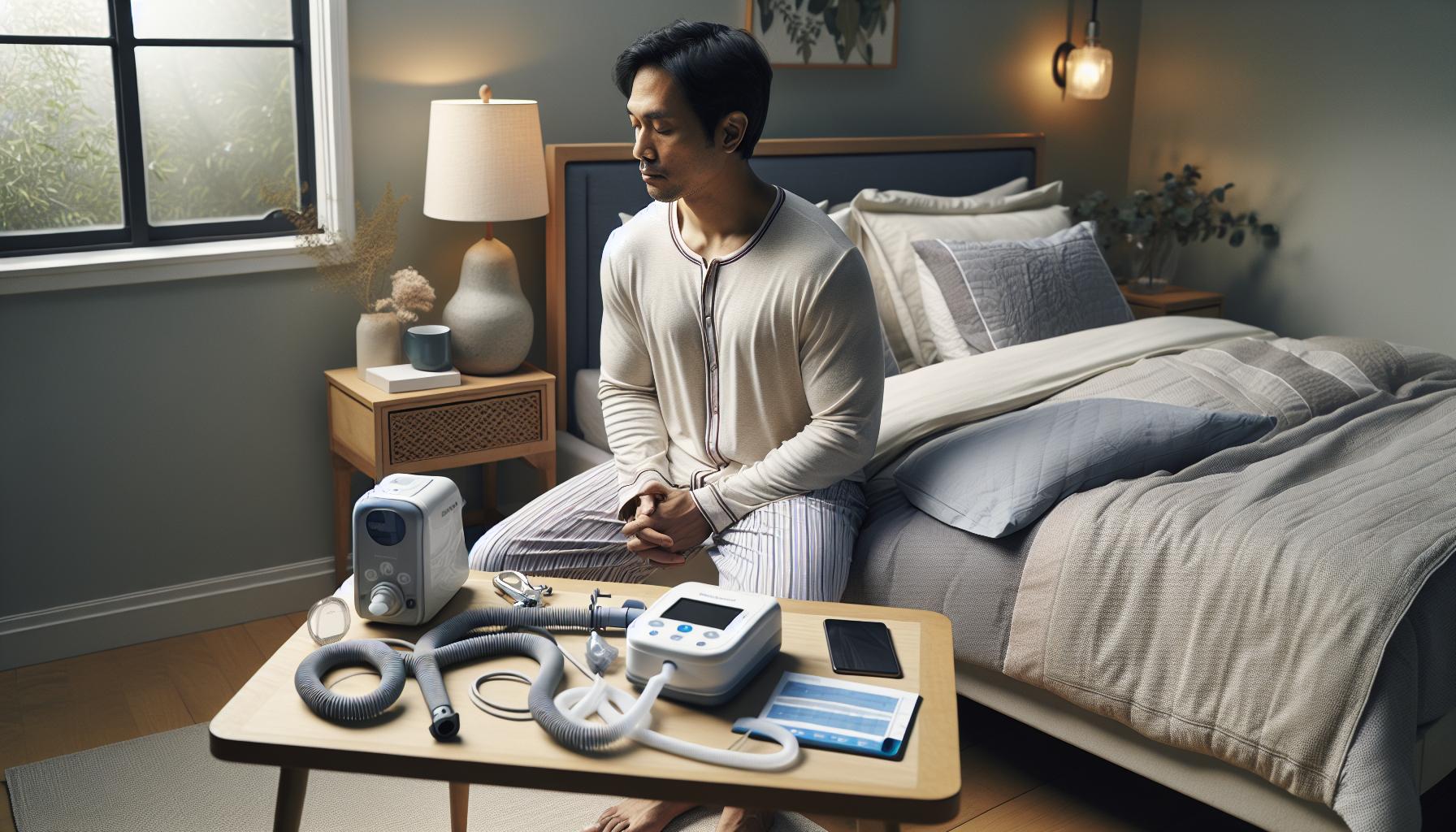
On the night of your sleep study, creating a comfortable and calming environment for yourself is essential. Although the prospect of being monitored while you sleep can be daunting, understanding how to prepare can significantly reduce your anxiety and enhance the experience. Aim for a minimum of 6 hours of sleep during the study, as this duration is crucial for gathering comprehensive data on your sleep patterns. This is particularly important for diagnosing common sleep disorders, such as sleep apnea or insomnia.
To facilitate a restful night, consider packing items that promote comfort. Bringing your own pillow can help maintain a sense of familiarity, while soft blankets or pajamas may help you feel more at ease in a new environment. Having a book or calming music can also assist in winding down before the study begins, fostering a relaxed mindset that’s conducive to sleep. Additionally, be mindful of caffeine and alcohol intake before your appointment, as both substances can interfere with your sleep quality and negatively impact the study results.
As the night progresses, technicians will place electrodes on your scalp and body to monitor your sleep stages. This might feel a little unusual at first, but it’s a standard part of the process that allows healthcare professionals to assess the different phases of your sleep. During the study, though mild interruptions may occur, such as equipment checks to ensure your comfort, efforts will be made to keep these to a minimum. Embrace this setup as part of a necessary journey towards better understanding your sleep, with each short clip providing valuable insights into your health.
To enhance your confidence throughout the process, remember that you’re not alone. Many individuals experience similar feelings and concerns prior to their sleep study. Recognizing that your input directly contributes to your sleep health can empower you on this journey. Embrace the opportunity to gain a clearer picture of your sleep patterns and work towards achieving better, restorative sleep.
Common Sleep Disorders and Their Impact

Many individuals suffer from sleep disorders that can severely impact their quality of life. It’s crucial to recognize how these conditions affect sleep patterns and overall health. Common sleep disorders include insomnia, obstructive sleep apnea (OSA), narcolepsy, and restless legs syndrome. Each of these conditions can disrupt the natural sleep cycle, leading to issues like daytime fatigue, cognitive impairment, and even long-term health consequences.
For instance, OSA is marked by interrupted breathing during sleep, often accompanied by loud snoring. This disorder leads not only to poor sleep quality but also to increased daytime sleepiness, which can jeopardize performance at work or while driving. In contrast, insomnia involves difficulty falling or staying asleep, which can result from stress, anxiety, or underlying health issues. The compounding effects of these disorders can create a cycle where poor sleep exacerbates health problems and mental well-being.
Understanding the impact of these disorders is essential, particularly during a sleep study. A minimum of 6 hours of sleep is typically recommended for effective analysis, which is especially pertinent for those suffering from OSA or insomnia. A sufficient duration of sleep allows healthcare professionals to observe patterns and disturbances accurately, leading to a more reliable diagnosis and appropriate treatment strategy.
In light of these challenges, patients may explore alternative options like wearable devices or home sleep tests, which can offer preliminary insights into their sleep habits. While these devices can be useful, they often lack the comprehensive data provided by in-lab sleep studies, highlighting the importance of understanding one’s specific sleep disorder prerequisites. Ultimately, addressing sleep disorders effectively requires a personalized approach, informed by detailed evaluations during sleep studies, to guide treatment and improve sleep health.
Alternative Options: Wearables and Home Testing
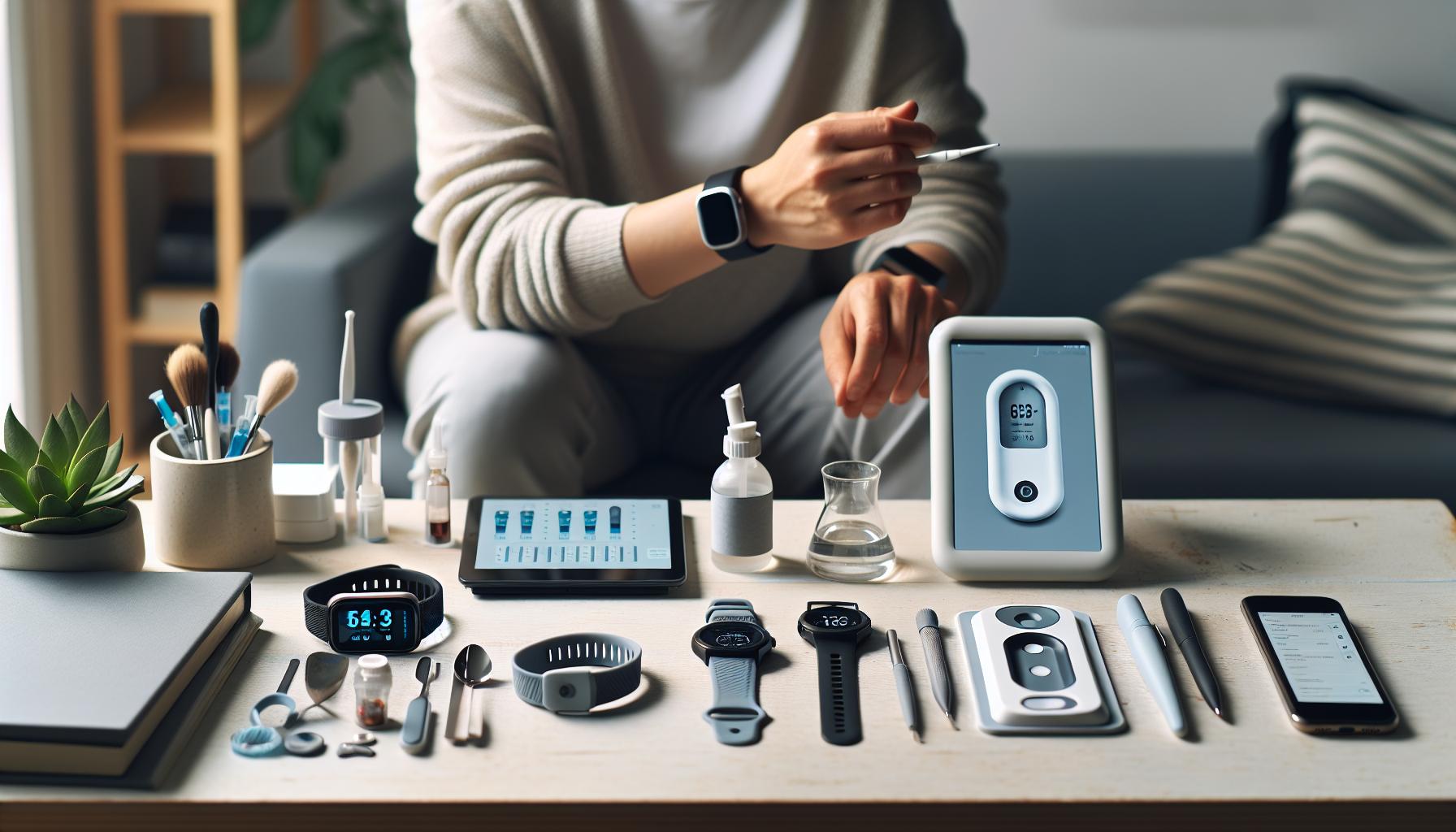
Many people are turning to alternative sleep monitoring options that can offer flexibility and convenience without the need for in-lab polysomnography. Wearable devices and home sleep tests have surged in popularity, not just because they are more manageable but also because they can provide valuable insights into your sleep habits from the comfort of your own home.
Wearable devices such as sleep trackers come in various forms, from smartwatches to rings like the Oura Ring 4. These devices can track your heart rate, oxygen levels, and sleep stages throughout the night, enabling you to gather data about your sleep patterns. For instance, Oura Ring 4 offers a compact design and provides detailed metrics that can help you understand how well you’re sleeping. However, while these devices can be extremely useful for self-monitoring, they may not always offer the comprehensive analysis required for diagnosing serious sleep disorders.
Home sleep testing is another option that might be less daunting than a traditional sleep study. These tests usually involve wearing a portable monitoring device that tracks your breathing, oxygen levels, and other parameters to assess conditions like sleep apnea. One significant advantage of home testing is the reduced cost and increased comfort, as you’re able to perform the test in your own bed. However, it’s important to note that while these home tests can help identify potential issues, they might not be as thorough as a lab study, especially for complex sleep disorders.
When considering these alternatives, remember to evaluate your specific needs and the severity of your sleep issues. If you suspect a serious condition, a comprehensive sleep study might still be the best option. However, for initial assessments, wearables and home tests can provide a great starting point and can ease some anxiety related to the sleep study process. By collecting your data consistently and analyzing trends, you can make informed decisions about whether to pursue professional testing or tackle sleep improvements independently.
Managing Anxiety Around Sleep Studies

Feeling anxious about sleep studies is common, especially when you’re uncertain about what to expect. Understanding that you’re not alone can be reassuring; many individuals share these concerns. Sleep studies often involve spending a night in a clinic, which may feel intimidating. However, keeping a few key things in mind can help ease that anxiety and prepare you for a smoother experience.
Firstly, it’s helpful to gather as much information as possible about the process. Typical sleep studies, notably polysomnography, are designed to monitor your sleep stages and various physiological functions. You’ll wear sensors that track brain activity, eye movements, heart rate, and breathing. Knowing this setup in advance can demystify the experience. Many clinics strive to create a comfortable environment, and staff members are usually trained to accommodate your needs and answer questions.
On the night of your sleep study, consider bringing familiar items from home, such as pillows or a favorite blanket. These personal touches can provide comfort and help ease the stress of the new surroundings. It’s also a good idea to discuss any worries with your sleep technologist before the study begins. They can offer reassurance and make accommodations to ensure your comfort throughout the night.
If the idea of an in-lab study still feels overwhelming, you might want to explore alternative testing options, such as home sleep testing. These tests allow you to monitor your sleep in the comfort of your own bed, which significantly reduces anxiety. Devices used in home testing are user-friendly and less intrusive. However, remember that while home tests can be less stressful, they may not provide as comprehensive results as a lab study.
Ultimately, it’s essential to recognize that sleep issues can significantly impact your health and quality of life. Taking this step toward understanding your sleep patterns is crucial. By preparing adequately, seeking support, and considering all available options, you can manage your anxiety and ensure that your sleep study is as productive and informative as possible.
Interpreting Sleep Study Results

can feel overwhelming, but breaking down the information into understandable components can make it more accessible and less daunting. One of the primary outcomes from a sleep study is the Apnea-Hypopnea Index (AHI), which indicates the severity of sleep apnea by measuring the number of apneas (pauses in breathing) and hypopneas (shallow breathing) per hour of sleep. A higher AHI score typically signifies more severe sleep apnea, which requires careful consideration and may influence treatment options.
Another crucial metric is the sleep architecture, comprising different sleep stages: REM (Rapid Eye Movement) and non-REM sleep. Each stage serves distinct restorative functions. A study showing disrupted sleep patterns, such as frequent awakenings or inadequate deep sleep, can signal issues that extend beyond sleep apnea, such as insomnia or restless leg syndrome. Reviewing these stages, alongside arousals and oxygen saturation levels, provides a comprehensive picture of your sleep health.
Factors influencing how much sleep is needed for an effective study include your sleep disorder history and the specific conditions being assessed. For most comprehensive results, it is essential to complete a full night of sleep, typically around 7 to 8 hours. However, if you have difficulty sleeping, the study can still yield valuable information even with shorter sleep duration. If you’re curious about how these metrics apply to your situation, it’s worthwhile to engage in a discussion with your sleep specialist, as they can interpret the nuances and tailor the management plan accordingly.
In addition, for those working through anxiety around their sleep study, understanding that these results guide personalized treatment can be a comforting perspective. The process of interpreting these results is not just about numbers but about gaining insights and fostering well-being. By recognizing the implications of these findings, you equip yourself to make informed decisions regarding your sleep health, paving the way for effective interventions.
Insurance Coverage for Sleep Testing

Insurance can play a crucial role in alleviating the financial burden associated with sleep studies, which can range significantly in cost depending on the type and location of the test. Understanding your insurance coverage can alleviate some anxiety and help you plan for the necessary evaluations. It’s essential to know that many insurers, including Medicare, generally cover sleep studies if there are clinical signs of sleep disorders, such as sleep apnea. For instance, Medicare covers various types of sleep tests, and once you meet the deductible, you typically pay only 20% of the allowed amount for the test conducted in a sleep lab [[3](https://www.medicare.gov/coverage/sleep-studies)].
Before scheduling a sleep study, confirm with your health insurance provider to determine what specific tests are covered and any prerequisites that might need to be met, such as a referral from a doctor. This step is vital because not all insurers cover the same types of tests, and out-of-pocket costs can vary significantly. Here’s a practical checklist to guide you:
- Contact your insurance provider to inquire about coverage for sleep studies.
- Ask if a referral from a primary care doctor is necessary.
- Determine if both in-lab and at-home sleep studies are covered.
- Understand your deductible, coinsurance, and out-of-pocket maximums related to the test.
Should your insurance not cover a sleep study, some facilities offer payment plans or financing options that can help manage costs. Additionally, home sleep tests are often more affordable compared to in-lab studies, ranging from $150 to $1,000, making them a viable alternative if approved by your insurance [[1](https://www.sleepfoundation.org/sleep-studies/how-much-does-a-sleep-study-cost)].
Being proactive about understanding your insurance can make the entire process of getting a sleep study less stressful and more straightforward, allowing you to focus on achieving better sleep health. Remember, discussing your concerns and options with your healthcare provider can also provide clarity and reassurance as you navigate your insurance benefits for sleep testing.
Q&A
Q: What is the minimum sleep duration required for a sleep study?
A: The minimum sleep duration for a sleep study is typically around 6-8 hours. This allows for adequate assessment of sleep stages and patterns. However, specific requirements may vary by type of study, so it’s essential to consult your sleep specialist for tailored advice.
Q: How much sleep do I need on the night of a sleep study?
A: On the night of a sleep study, you should aim for at least 7 hours of sleep to ensure the study is effective. Lack of sufficient sleep may lead to inconclusive results. Proper preparation can enhance your sleep quality during the study.
Q: Can I use sleep aids before a sleep study?
A: It is generally advised to avoid sleep aids before a sleep study unless directed otherwise by your physician. Sleep aids can alter your natural sleep patterns, affecting the study’s accuracy. Discuss any medication use during your consultation.
Q: What factors influence how much sleep I can get during a sleep study?
A: Several factors can affect how much sleep you achieve during a sleep study, including anxiety about the process, the comfort of the sleep environment, and the presence of monitoring equipment. Practicing relaxation techniques can help ease sleep onset.
Q: Why is sufficient sleep important for a sleep study?
A: Sufficient sleep is crucial for accurate diagnosis and assessment. It allows the sleep specialist to observe your natural sleep stages and detect any disruptions or disorders effectively. Inadequate sleep may lead to an inaccurate evaluation of your sleep health.
Q: What should I do if I can’t sleep during my sleep study?
A: If you struggle to sleep during your sleep study, inform the technician monitoring the session. They may offer advice to help you relax, such as deep breathing exercises or adjusting the environment. Staying calm can enhance your ability to fall asleep.
Q: How can I improve my sleep quality before a sleep study?
A: To enhance sleep quality before your study, maintain a consistent sleep schedule, avoid stimulants, and create a relaxing bedtime routine. Additionally, consider a comfortable sleep environment free from distractions to aid sleep onset and depth.
Q: How can I prepare for a sleep study to ensure enough sleep?
A: To prepare for a sleep study, focus on getting a good night’s rest prior to the scheduled date. Avoid naps on the day of the test and limit caffeine intake. Following your normal sleep routine can help increase your chances of sufficient sleep during the study.
For more detailed information on preparing for your sleep study, visit our section on Preparing for Your Sleep Study Night.
Future Outlook
Understanding the minimum duration of sleep needed for a sleep study is crucial for ensuring accurate results and effective diagnosis. As you consider this important step toward better sleep health, remember that most studies require at least 6 hours of monitored sleep to gather reliable data on sleep patterns and potential disorders. If you’re still unsure about what to expect, don’t hesitate to check our guides on common sleep disorders or tips for preparing for your sleep study.
Ready to take control of your sleep health? Explore our in-depth resource on preparing for a sleep study, or dive into our comparison of leading sleep trackers to see if an at-home solution might be right for you. Don’t forget to subscribe to our newsletter for the latest insights on sleep health, technology advancements, and expert tips. Your journey to restful nights and energetic days starts with informed choices-let us help you every step of the way!
Get our latest guides, news, and insights highlighted in your Google Search & AI Overviews.