
Getting a good night’s sleep is crucial for overall health and wellbeing, yet millions struggle with sleep disorders. A Quest Diagnostics sleep study can provide valuable insights into your sleep patterns and help identify potential issues. In this guide, we’ll explore the costs, process, and what you can expect during your sleep study. Understanding this journey not only alleviates anxiety but empowers you to make informed decisions about your sleep health. Whether you’re curious about how a sleep study is conducted or looking to navigate costs and insurance, we’ve got you covered. Continue reading to unlock the information that can lead you to better sleep and improved quality of life.
Cost of a Quest Diagnostics Sleep Study: What to Know
The cost of a sleep study can vary significantly depending on multiple factors, including the type of study, the location, and whether or not you have insurance coverage. Typically, a in-lab polysomnography sleep study conducted at a facility can range from $1,000 to $3,000. Home sleep tests, which are often more affordable and convenient, usually cost between $200 and $800. However, it’s essential to check whether your health insurance plan covers sleep studies, as many policies do provide at least partial coverage, which can substantially lower your out-of-pocket expense.
When preparing for a sleep study, it’s advisable to first verify with your insurance provider regarding what costs will be covered and what your deductible or copay might be. Some diagnostic centers offer payment plans or sliding scale fees based on income, which can alleviate financial strain. Additionally, you should inquire about any potential extra fees, such as those related to consultations, equipment rentals, or follow-up consultations to discuss the results.
Many patients find the financial aspect of sleep studies daunting, but understanding the value they provide is crucial. Sleep studies not only help diagnose conditions like sleep apnea, insomnia, or restless leg syndrome, but they can also open the door to treatment options that significantly improve quality of life. Knowing that a sleep study can lead to long-term health benefits should motivate you to explore your options and make informed decisions regarding your sleep health.
To maximize your insurance benefits, keep all documentation and receipts related to your sleep study. Clear communication with your healthcare provider and insurance company can ensure you meet all necessary requirements for reimbursement. In summary, invest time in understanding the costs and insurance dynamics associated with sleep studies so you can make the best choice for your health and finances.
Step-by-Step Process for Your Sleep Study
Preparing for a sleep study can feel daunting, but understanding the process step by step can significantly ease your anxiety. First, you will need to consult with your healthcare provider to determine whether a sleep study is necessary. They will assess your symptoms and medical history to recommend either an in-lab polysomnography or a home sleep test.
Once your doctor refers you for a sleep study, you’ll schedule an appointment. This usually involves checking in with the sleep center, where you’ll receive detailed instructions on how to prepare. Here are the key steps you can expect:
1. Scheduling and Paperwork
Make sure to complete any necessary paperwork before your appointment. This may include insurance verification and a list of your current medications. Keeping this documentation organized will help streamline the process.
2. Preparation for the Night
On the day of your sleep study, follow any pre-study guidelines. For an in-lab study, avoid caffeine and alcohol the day before. If you’re doing a home test, familiarize yourself with the equipment, which typically includes a device that monitors breathing, heart rate, and possibly your blood oxygen levels.
3. Arriving at the Sleep Center
If you are having an in-lab sleep study, arrive at the center in the evening. You’ll need to bring any required items such as toiletries and comfortable sleepwear. The staff will provide a warm welcome and guide you on how everything works.
4. Setup Process
Once there, a technician will help set up the monitoring equipment. They will attach sensors to various parts of your body, including your scalp, face, and limbs, to monitor your sleep stages and bodily functions. This setup is generally painless and takes about 30-60 minutes.
5. Sleep and Monitoring
The actual sleep period begins, and you’ll be monitored throughout the night. Don’t worry about the equipment-technicians will be on-site to ensure everything runs smoothly, and you can rest assured that you are in a safe environment.
6. After the Study
Once the study is complete, the sensors will be removed, and you’ll receive guidance on when to follow up with your doctor for results. If you performed a home sleep test, you’ll return the equipment as instructed.
Understanding this process can help demystify the experience and prepare you for your upcoming sleep study. Remember, sleep studies are crucial in diagnosing sleep disorders, paving the way for treatments that can enhance your quality of life. By equipping yourself with knowledge, you can feel more empowered and less anxious about the journey ahead.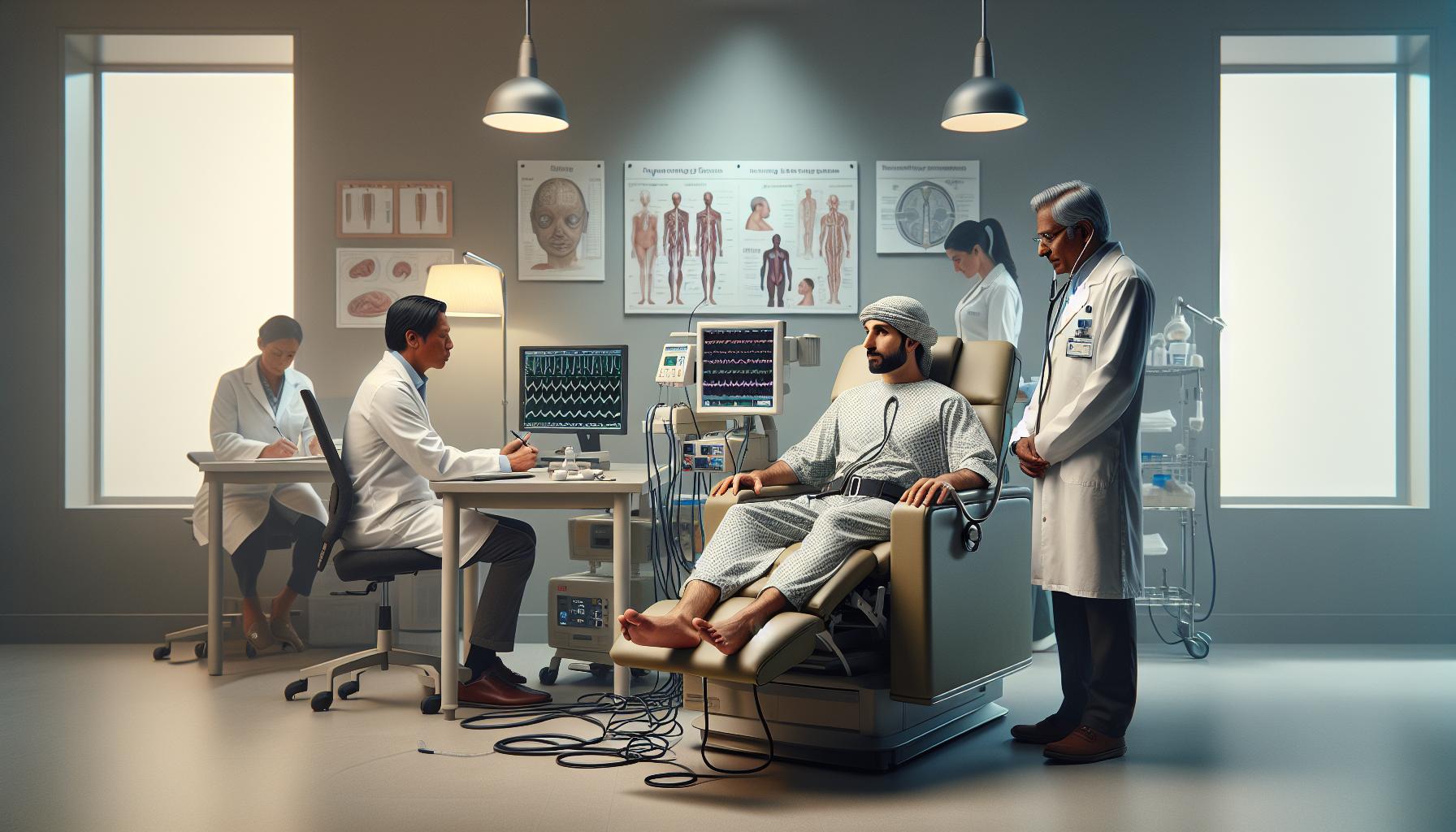
Preparing for Your Sleep Study: Essential Tips
Getting ready for a sleep study may feel intimidating, but thorough preparation can make your experience smoother and less anxiety-provoking. Recognizing key aspects ahead of time equips you to face the process confidently. Knowing what you can control will help lower your stress and enable you to focus on the underlying reasons for your test.
Before the night of your study, it’s essential to follow some straightforward yet significant guidelines. Avoid stimulants like caffeine and sugar for at least 24 hours before your appointment, as these can disrupt your natural sleep patterns. For an in-lab study, make a packing list of personal items to bring along, including comfortable pajamas, toiletries, and any medications you typically take at night. This preparation not only ensures you have what you need but also provides a sense of comfort in an unfamiliar environment.
On the day of the study, maintain a routine that mimics your normal sleeping habits. If you’re undergoing a home sleep test, familiarize yourself with the equipment in advance. Practicing with the device can alleviate anxiety about not knowing how it works. For both in-lab and home studies, aim to maintain your usual bedtime as closely as possible to allow for a smoother transition into sleep.
After preparing physically, remember the emotional aspect too. It’s common to feel nervous about being monitored while sleeping. Reassure yourself that sleep studies are designed with your comfort in mind. Technicians are trained to assist you and ensure that any discomfort is minimized. A positive mindset can enhance your experience, paving the way for more effective diagnosis and treatment of sleep disorders. Following these steps not only prepares you practically but helps foster a more relaxed, informed approach to your sleep study.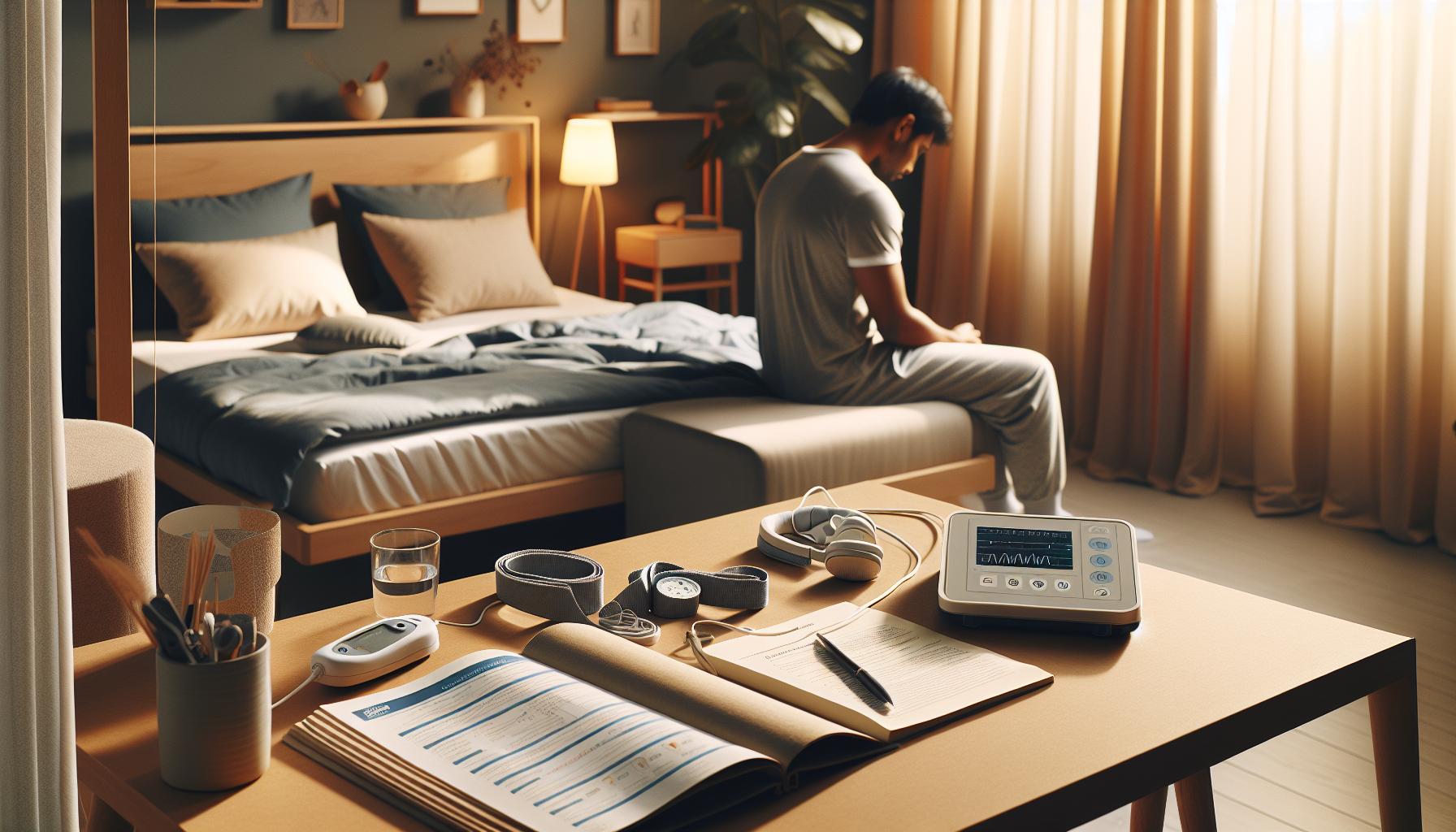
What to Expect During Your Sleep Study
During your sleep study, it’s completely normal to feel a mix of excitement and anxiety. This is an important step towards discovering more about your sleep health, and knowing what to expect can make the experience far less daunting. Generally, sleep studies help diagnose various sleep disorders by monitoring your sleep patterns and physiological responses during the night.
Upon arrival at the sleep center, you’ll typically be greeted by a sleep technologist. They’ll explain the process, ensuring you feel comfortable and informed. You’ll then be guided to your private room, which is designed to simulate a home-like environment. Before settling in, you might be asked to change into comfortable sleepwear. Essential devices will be attached to your body to monitor your brain waves, heart rate, breathing patterns, and oxygen levels throughout the night. These sensors are non-intrusive, and while it might feel unusual at first, many patients find they adapt quickly once they’re in bed.
As you fall asleep, the monitoring begins. It’s a good idea to relax and focus on your breathing to ease any lingering anxiety. The equipment will record data on your sleep stages – light, deep, and REM sleep – which will be crucial for your doctor’s analysis. If you undergo an in-lab study, expect to wake up at the end of the night, while home sleep tests allow you to be in your familiar surroundings but may involve simpler equipment for basic monitoring.
Throughout this process, the staff will be nearby, ready to assist if necessary. Remember, it’s perfectly fine to express any discomfort during the study; the goal is to create a comfortable environment while gathering accurate data. Having a straightforward understanding of these steps can help minimize your anxiety, allowing you to focus on obtaining valuable insights into your sleep health.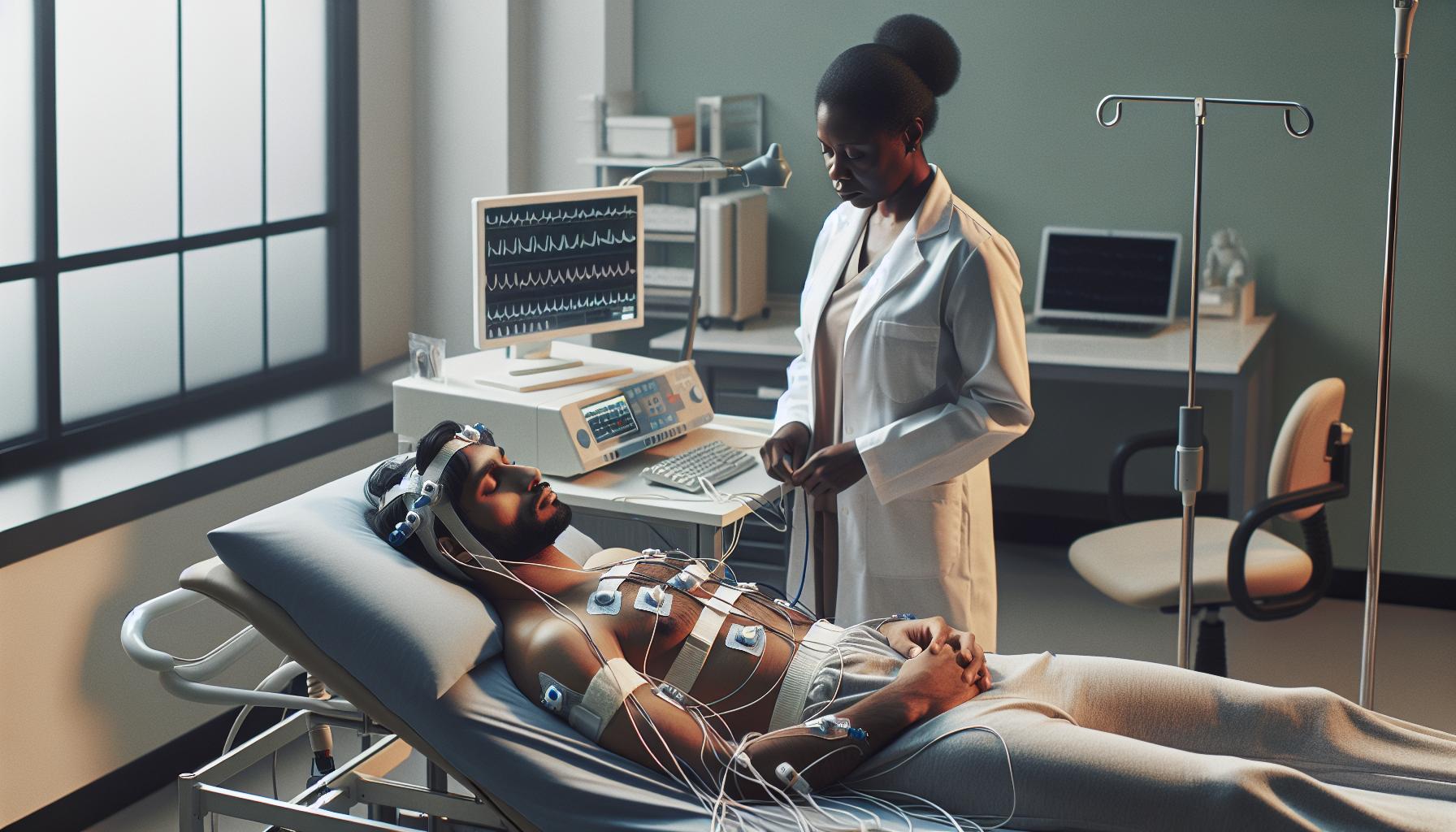
Understanding Sleep Disorders Commonly Diagnosed
Understanding sleep disorders can significantly enhance your health choices and overall well-being. These conditions range from common issues like insomnia to more complex disorders like sleep apnea, each with unique implications for your health and daily life. Recognizing the symptoms and understanding the underlying mechanisms of these disorders can empower you to seek the right treatment and improve your quality of sleep.
Common Sleep Disorders
Some of the most frequently diagnosed sleep disorders include:
- Insomnia: Characterized by difficulty falling asleep or staying asleep, insomnia can stem from stress, anxiety, or certain medical conditions. Treatment may involve cognitive behavioral therapy and lifestyle changes.
- Sleep Apnea: This disorder involves pauses in breathing during sleep, leading to disrupted sleep and daytime fatigue. It can be diagnosed using polysomnography during a sleep study, which monitors your breathing patterns.
- Restless Legs Syndrome (RLS): A condition where uncomfortable sensations in the legs create an irresistible urge to move them, RLS often interferes with sleep onset and quality.
- Narcolepsy: This neurological disorder affects the brain’s ability to control sleep-wake cycles, leading to excessive daytime sleepiness and sudden sleep attacks.
Importance of Diagnosis
Diagnosing these disorders typically requires a comprehensive approach, often starting with a sleep study or sleep diary to record your sleeping patterns and behaviors. The insights gained from monitoring your sleep can be invaluable for healthcare professionals to tailor interventions. For example, polysomnography, a detailed sleep study, captures data like brain activity and breathing to provide a clear picture of what is happening during your sleep.
Addressing these disorders early can lead to better management and treatment options, improving your sleep quality and overall health. If you’re facing sleep disturbances, a sleep study can be a critical step in understanding and addressing your condition effectively.
Exploring Different Types of Sleep Studies
When it comes to understanding sleep better, exploring the various types of sleep studies can provide crucial insights into your sleep patterns and overall health. These assessments are typically conducted to diagnose sleep disorders and monitor your sleep stages, helping to pinpoint issues such as sleep apnea, insomnia, and other disturbances. Familiarizing yourself with the types of sleep studies available will empower you to make informed decisions about your sleep health.
One of the most comprehensive methods is polysomnography, a laboratory-based study where your sleep is monitored overnight. This test records brain waves, oxygen levels, heart rate, and breathing. It’s designed to evaluate the stages of sleep and identify any potential disorders like sleep apnea or narcolepsy. Because it’s conducted in a sleep center, polysomnography provides a detailed analysis, but also involves more preparation and potentially higher costs.
On the other hand, home sleep testing (HST) offers a convenient alternative. This option allows you to undergo a sleep assessment in the comfort of your own home, using a simplified device that typically monitors breathing patterns, oxygen levels, and heart rate. While not as comprehensive as polysomnography, home sleep tests can still effectively diagnose conditions such as obstructive sleep apnea, making them a popular choice for individuals who prefer to avoid the lab setting. However, it’s crucial to ensure that the device you use meets medical standards for accurate results.
Comparison of Sleep Study Types
| Type of Study | Description | Best For |
|---|---|---|
| Polysomnography (PSG) | Conducted in a sleep lab, monitors brain activity, breathing, and more throughout the night. | Complex sleep disorders, detailed clinical evaluation. |
| Home Sleep Testing (HST) | A simplified test done at home, focuses primarily on breathing and oxygen levels. | Obstructive sleep apnea, convenience-seeking individuals. |
Regardless of the method chosen, understanding the specific sleep study can help alleviate anxiety surrounding the testing process. Many individuals dread the prospect of sleep studies, fearing discomfort or embarrassment. However, knowing what to expect-whether it’s the equipment you’ll wear or the environment of the sleep lab-can make the experience much more manageable. Taking the time to research and consider your options is invaluable, paving the way towards better sleep and improved overall health.
Polysomnography vs. Home Sleep Testing: Key Differences
Polysomnography and home sleep testing each offer valuable insights into your sleep health, but they cater to different needs and circumstances. Understanding these differences can help you choose the right approach for your sleep study.
Polysomnography (PSG) is typically performed in a sleep lab where your sleep is closely monitored overnight. This comprehensive study records various physiological parameters, including brain activity, heart rate, oxygen levels, and breathing patterns. As a result, PSG provides a detailed overview of your sleep architecture and is particularly effective for diagnosing complex sleep disorders like narcolepsy or severe sleep apnea. However, this thorough approach comes with a higher price tag, typically ranging from $1,000 to $3,000 without insurance, and involves more logistics, such as scheduling and traveling to a facility, which can be daunting for some.
In contrast, home sleep testing (HST) offers a more convenient and cost-effective alternative that allows you to conduct the assessment in the comfort of your own home. Often more affordable-averaging between $300 to $600-HST utilizes simplified devices to track essential data like breathing and oxygen saturation. While it’s not as comprehensive as PSG, HST is still particularly adept at diagnosing obstructive sleep apnea, making it an excellent option for many individuals. However, users must ensure the device used meets medical standards for accuracy, which can be a concern if the device is not properly calibrated.
Both methods come with their strengths and limitations. For instance, if you struggle with conditions that have complex roots or you have a history of multiple sleep issues, polysomnography will likely provide the thoroughness needed for accurate diagnosis and treatment planning. On the other hand, if you’re primarily concerned about sleep apnea and seek a less invasive, straightforward testing approach, home sleep testing may be your best bet.
In summary, the choice between polysomnography and home sleep testing largely depends on your specific needs, the complexity of your sleep issues, and personal comfort with testing environments. By understanding these differences, you can make a well-informed decision that aligns with your sleep health goals.
Maximizing Insurance Benefits for Sleep Studies
Navigating the financial aspects of sleep studies can be overwhelming, but understanding how to maximize your insurance benefits can significantly ease the burden. Various sleep study types, such as polysomnography and home sleep testing, come with different costs, making it essential to know what your policy covers. Generally, most insurance plans consider sleep studies a medical necessity if there’s a documented history of sleep disorders, which can lead to better coverage options.
One crucial step is to contact your insurance provider before scheduling a sleep study. Ask specific questions about coverage for both in-lab and home tests, as well as any pre-authorization requirements. It’s helpful to understand your deductible, co-pay, and the percentage of the costs that will be covered. Keep in mind that polysomnography often requires a higher co-pay due to its complexity, while home sleep testing typically incurs lower out-of-pocket expenses.
Additionally, ensure your healthcare provider sends all required documentation to the insurer. This includes detailed notes on why the study is medically necessary, which can help in securing approval. If you encounter claim denials or disputes, don’t hesitate to follow up. Understanding the appeals process can prove advantageous, as you may have the right to challenge decisions and obtain the coverage you deserve.
In some cases, if your insurance does not fully cover the cost of a sleep study, you might still have options to reduce expenses. Many facilities offer payment plans or financial assistance programs. Utilizing these resources can lessen your financial strain and ensure that you prioritize your sleep health without excessive worry about costs. By taking proactive steps and being well-informed, you can maximize your benefits and invest in your overall well-being.
Sleep Study Results: What Do They Mean?
Understanding the results of your sleep study can be a pivotal moment in your health journey, transforming your approach to sleep and overall well-being. After participating in a Quest Diagnostics sleep study, you may find yourself with a detailed report outlining various findings that shed light on your sleep patterns and any potential disorders. This report typically includes metrics such as sleep stages, duration, interruptions, and any abnormalities detected during your sleep.
Sleep studies primarily aim to diagnose conditions like sleep apnea, insomnia, and restless legs syndrome, among others. Each disorder presents unique characteristics that your results will help clarify. For instance, if your study indicates frequent awakenings or significant drops in oxygen levels, it may suggest obstructive sleep apnea. Alternatively, if you’re experiencing disrupted nightly rhythms or prolonged awakenings, your results might point towards insomnia.
Interpreting Key Metrics
Your sleep study results will often provide a wealth of data, including:
- Total Sleep Time: This measures how much actual sleep you got during the night.
- Sleep Efficiency: This ratio shows how long you were asleep versus how long you were in bed, highlighting any restlessness.
- Sleep Stages: Data on the proportion of REM and non-REM sleep can indicate the quality of your rest.
- Arousals: Frequent awakenings can be a sign of underlying issues that need addressing.
It’s essential to follow up with your healthcare provider to discuss your results thoroughly. They can help you interpret the findings in the context of your health history and sleep issues. Don’t hesitate to ask questions-understanding your data is crucial to making informed decisions about your treatment options or lifestyle changes. By approaching your sleep study results with curiosity and openness, you empower yourself to take action toward better sleep health.
Remember, your journey doesn’t end with the results. It’s a step toward improving your quality of life, enhancing your daily function, and achieving restful sleep, which is foundational to your overall health.
Technology in Sleep Studies: Wearables and Advanced Devices
In recent years, technology has significantly transformed the landscape of sleep studies, introducing wearables and advanced devices that promise to enhance both diagnosis and monitoring. The integration of these tools into traditional sleep studies not only streamlines data collection but also offers patients the convenience of monitoring their sleep patterns from home, which can lead to more comprehensive insights into their sleep health.
Wearable devices, such as smartwatches and fitness trackers, can provide valuable preliminary data on sleep quality and duration. These devices typically track movements, heart rates, and even blood oxygen levels throughout the night. For instance, brands like Fitbit and Apple Watch have built-in sleep tracking features that analyze sleep cycles-REM, light, and deep sleep-allowing users to get a general idea of their sleep efficiency. However, while convenient, it’s crucial to note that the accuracy of wearables can vary. They should be viewed as a complementary tool rather than a replacement for more rigorous testing methods like polysomnography done in a clinical setting.
Moreover, advanced sleep-diagnostic technologies, such as portable sleep monitors, have made it easier for patients to undergo sleep studies in the comfort of their homes. Devices like the WatchPAT or ARES utilize sensors to track sleep stages, breathing disturbances, and oxygen levels. These home-based assessments are often less intrusive and can be a comfortable alternative for individuals reluctant to spend a night in a sleep lab. Nevertheless, they may not be suitable for all sleep conditions, particularly those requiring extensive monitoring or assessment of sleep architecture.
In exploring these technological advancements, it’s important for consumers to understand what each device can and cannot offer. If you’re considering a home sleep study or tracking your sleep with wearables, consult with a healthcare provider to discuss the best options based on your specific needs. This guidance ensures you make informed choices that lead to effective management of any underlying sleep disorders while also addressing any anxiety related to testing.
Real-World Scenarios: When to Seek a Sleep Study
Many people underestimate the significance of a good night’s sleep, often dismissing their sleep problems as minor inconveniences. However, if you find yourself constantly feeling fatigued, irritable, or unable to focus, it may be time to consider a sleep study. Certain signs can indicate that it’s necessary to seek a more in-depth analysis of your sleep patterns and potential disorders, which can be effectively diagnosed through testing at facilities like Quest Diagnostics.
If you experience frequent snoring, gasping, or pauses in breathing during sleep, these could be red flags for sleep apnea. Conditions like insomnia-where you struggle to fall asleep or stay asleep-can also warrant a sleep study to identify underlying causes. Additionally, daytime sleepiness or chronic fatigue can significantly impact your quality of life, suggesting something more than mere stress or busy schedules may be at play. Real-world examples include someone who finds themselves dozing off at work or during conversations, or another who routinely fights off overwhelming drowsiness during the day despite what seems like ample nighttime rest.
It’s essential to understand the distinction between everyday fatigue and the type of extreme tiredness that suggests a deeper issue. In such cases, a sleep study can provide critical insights into your sleep architecture, helping to pin down whether you’re suffering from conditions like narcolepsy or restless leg syndrome. Moreover, if you are currently using a wearable device and notice discrepancies between what it tracks and how you feel, this is a compelling reason to consult with a healthcare professional. They can help interpret these findings and determine if a sleep study is warranted.
Ultimately, if your sleep quality is negatively affecting your health, relationships, or productivity, don’t hesitate to explore the possibility of a professional sleep study. The peace of mind and potential treatment options gained from understanding your sleep will be invaluable for your overall well-being. Remember, addressing sleep issues early can lead to improvements not just in your sleep, but in your daily life too.
Navigating the Anxiety of Sleep Testing
Feeling anxious about undergoing a sleep study is completely normal. Many people worry about the unknowns associated with the testing process, but understanding what to expect can significantly help alleviate these fears. Sleep studies, whether conducted at a facility or at home, are designed to gather critical information about your sleep patterns and disorders in a comfortable environment. Knowing this can make the experience feel less daunting and more manageable.
Before your sleep study, it’s essential to prepare both mentally and physically. Familiarize yourself with the procedures-most sleep studies involve monitoring your brain waves, heart rate, and breathing while you sleep. This information is crucial in diagnosing sleep disorders like sleep apnea or narcolepsy. Bringing a favorite pillow or blanket can create a sense of comfort, turning a clinical setting into a more personal space. Remember, it’s normal to feel a bit uneasy, but the technicians and sleep specialists are there to ensure your comfort and help put you at ease.
During the actual testing, the equipment may seem intimidating; however, it’s designed for your benefit. While sensors may be attached to your body, they won’t interfere with your ability to sleep. If this equipment causes additional stress, don’t hesitate to communicate this with the staff- they can provide reassurance and flexibility. For some, using a home sleep test can be a more comfortable option, allowing you to sleep in your familiar surroundings while still obtaining crucial data about your sleep health.
Lastly, focusing on the positive outcome of the study can ease anxiety. Accessing insights into your sleep patterns can lead to effective treatments and significantly improve your daily life. If you’re still feeling apprehensive, consider discussing your concerns with a healthcare provider beforehand. They can offer additional reassurance and help you navigate any residual fears, making the entire experience less stressful and more beneficial.
Frequently Asked Questions
Q: What should I do if I have anxiety about the sleep study process?
A: If you’re feeling anxious about your sleep study, start by discussing your concerns with your healthcare provider beforehand. They can give you detailed information and support. Practicing relaxation techniques, such as deep breathing or meditation, can also help ease your anxiety on the day of the test.
Q: How long does it take to receive sleep study results from Quest Diagnostics?
A: Typically, you can expect to receive your sleep study results within 1 to 2 weeks. Your doctor will review the findings and discuss them with you, providing clarity on any diagnosed sleep disorders and recommended treatments.
Q: What types of sleep disorders can be diagnosed through a sleep study?
A: Common sleep disorders diagnosed through a sleep study include sleep apnea, insomnia, narcolepsy, and restless leg syndrome. Understanding these disorders can help you make informed decisions about your sleep health.
Q: Is a sleep study painful or uncomfortable?
A: No, a sleep study is generally not painful. You will have sensors placed on your body to monitor sleep patterns, which may feel unusual at first but are typically comfortable. Be sure to communicate any discomfort to the sleep technician.
Q: Are there any lifestyle changes I should make before a sleep study?
A: It’s advisable to maintain your regular sleep schedule and avoid stimulants like caffeine and nicotine the day before your study. This can help ensure more accurate results. Refer to the section on preparation in your article for more specific tips.
Q: Can I eat or drink before my sleep study?
A: You can usually eat a light meal before your sleep study, but it’s best to avoid caffeine and alcohol in the hours leading up to your appointment. Check with your healthcare provider for personalized recommendations based on your situation.
Q: How can I prepare my home for a home sleep study?
A: For a home sleep study, ensure you have a quiet and comfortable sleeping environment. Follow the instructions provided by Quest Diagnostics regarding device setup, and keep your room dark and cool to promote better sleep quality.
Q: What equipment should I expect during a home sleep study?
A: During a home sleep study, you will generally receive a portable monitor that includes sensors to measure your heart rate, oxygen levels, and breathing patterns. Following the setup instructions carefully will help ensure accurate readings.
Feel free to explore our article sections for more detailed information and insights on your sleep health.
Wrapping Up
Understanding the costs and processes involved in a Quest Diagnostics sleep study is the first step toward improving your sleep health. Whether you’re struggling with insomnia or other sleep disorders, this study can provide valuable insights into your sleep patterns and help tailor your treatment options. Don’t let sleep issues hold you back-take action today to enhance your well-being.
For more information on optimizing your sleep environment or exploring wearable sleep tech, check our guides on sleep tips and natural insomnia remedies. Remember, knowledge is power-feel free to leave your thoughts or questions in the comments below, and share this article with others seeking better sleep health. Dive into our resources to embark on your journey towards restorative sleep!
Get our latest guides, news, and insights highlighted in your Google Search & AI Overviews.