
Did you know that nearly 30 million adults in the U.S. are affected by sleep apnea, yet many go undiagnosed? An at-home sleep study offers a convenient, cost-effective way to assess your sleep health right from the comfort of your bed. This guide will walk you through the ins and outs of at-home sleep studies, helping you understand their pros and cons, how they differ from traditional sleep tests, and what to expect during the process. Whether you’re struggling with fatigue, snoring, or just curious about your sleep quality, understanding this testing option can empower you to take control of your health and improve your sleep patterns. Read on to discover how at-home sleep studies can be a practical solution for your sleep-related concerns.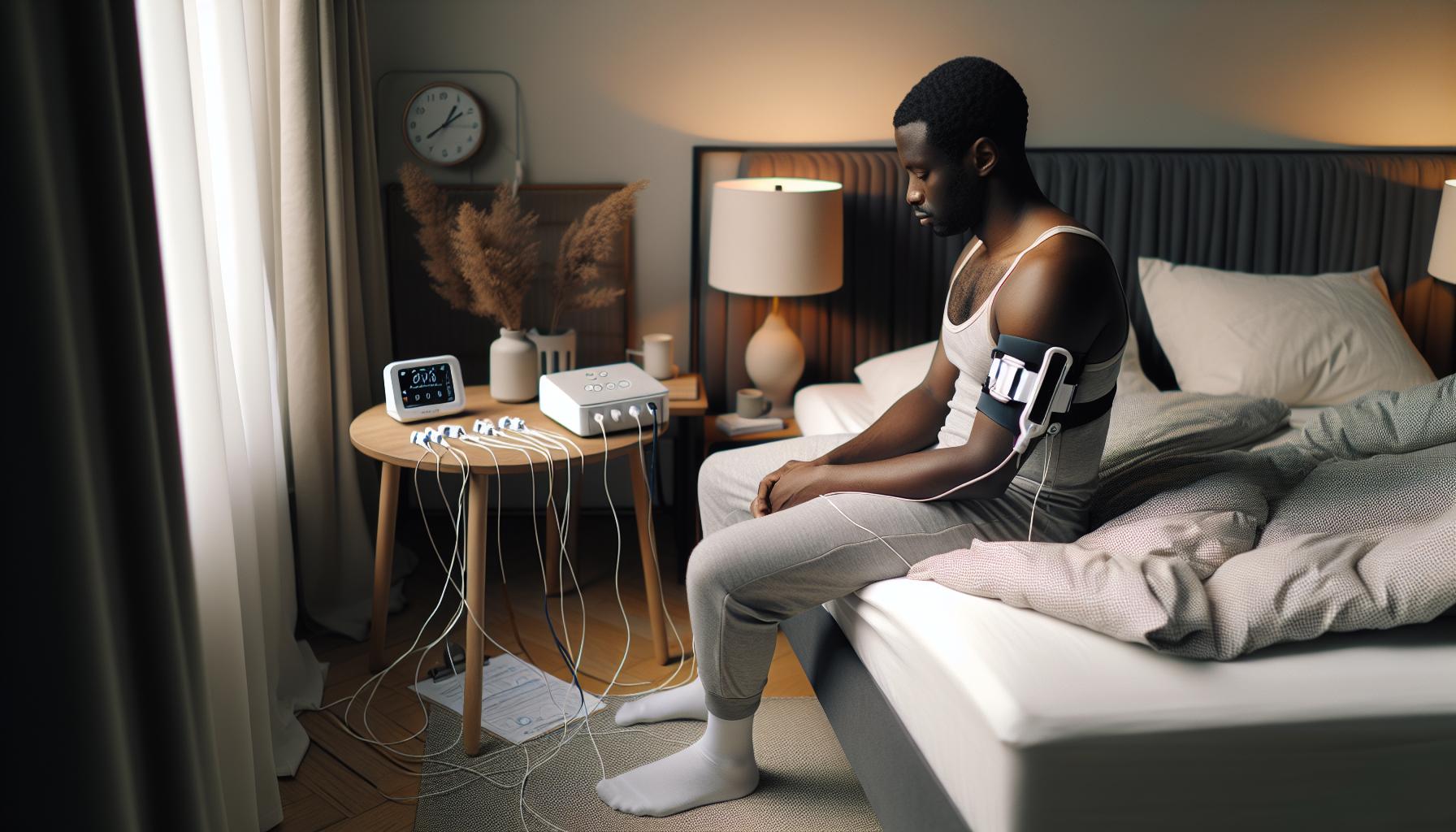
What Is an At Home Sleep Study?
An at-home sleep study provides a convenient and effective way to assess sleep patterns and diagnose conditions such as sleep apnea without the need to sleep in a clinical setting. These tests, often referred to as home sleep apnea tests (HSAT), allow individuals to monitor their sleep from the comfort of their own bed. Utilizing simplified monitoring devices, users collect data on essential physiological signals, such as heart rate, oxygen levels, and breathing patterns, during a normal night’s sleep.
The primary advantage of at-home sleep studies is their accessibility and ease of use. Patients often experience lower levels of anxiety in their familiar environments, resulting in more natural sleep patterns compared to laboratory settings. Moreover, the cost-effectiveness of at-home tests-typically significantly lower than that of in-lab studies-makes them a popular choice among both patients and healthcare providers. As sleep health becomes an increasingly important aspect of overall well-being, many people turn to these studies, especially when symptoms of sleep disorders, such as excessive daytime sleepiness or loud snoring, arise.
To prepare for an at-home sleep study, individuals typically receive a device that is easy to set up and requires minimal guidance. The process generally involves placing sensors on specific parts of the body to monitor breathing and other vital signs throughout the night. Understanding how these devices work can empower users to maximize the accuracy of their tests and help pinpoint any potential sleep disorders. Although there are many benefits to at-home sleep studies, individuals should also be aware of their limitations, such as a reduced ability to diagnose complex sleep issues that might require more extensive monitoring conducted in a lab.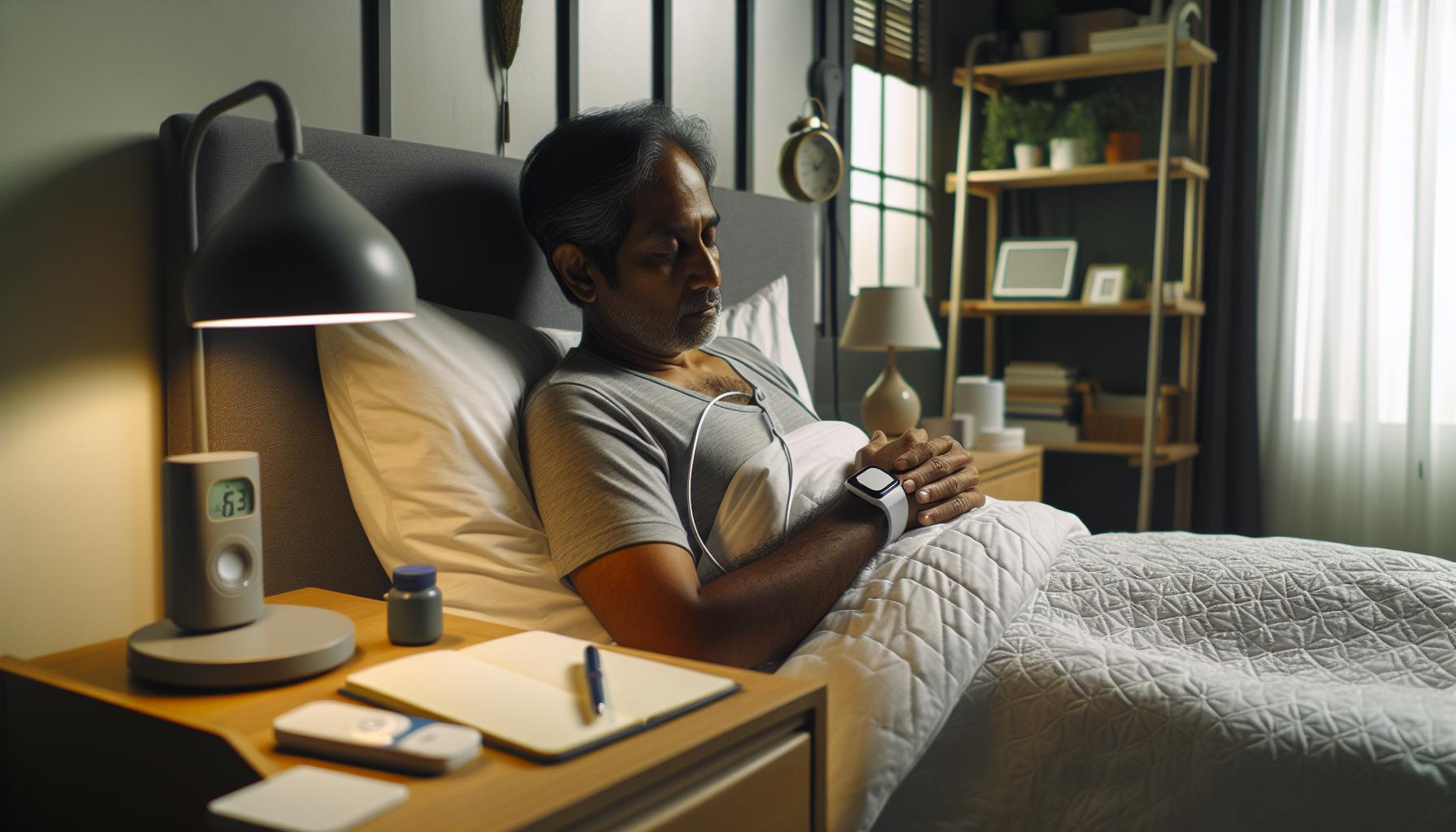
Key Benefits of At Home Sleep Studies
At-home sleep studies have transformed how we approach diagnosing sleep disorders, providing a window into our nightly habits without the stress of a clinical environment. One of the standout benefits is the convenience they offer. You can take the test in the comfort of your own bed, leading to a more relaxed and natural sleep experience. This ease often translates to more accurate readings, as anxiety related to unfamiliar lab settings can skew results.
Another significant advantage is cost-effectiveness. At-home tests generally come with lower price tags compared to their in-lab counterparts, making it easier for individuals and families to prioritize sleep health without the financial burden. Insurance coverage for at-home studies is also improving, further increasing accessibility.
Moreover, these studies are ideal for those demonstrating clear symptoms of sleep disorders, such as snoring or daytime fatigue. Individuals with straightforward cases may find that an at-home study is a practical first step before pursuing more complex testing options. This approach facilitates quicker diagnoses and interventions, which can significantly enhance quality of life.
In addition to convenience and cost savings, at-home sleep studies often involve straightforward setup processes. Most devices are user-friendly, requiring minimal technical know-how. With clear instructions, patients can confidently prepare for their study, ensuring they capture the necessary data while experiencing a typical night’s sleep. This adaptive technology makes it easier than ever to take control of your sleep health.
How an At Home Sleep Study Works
Experiencing disrupted sleep? An at-home sleep study might be just what you need to uncover the cause. This innovative approach to sleep diagnosis allows you to monitor your sleep patterns in the comfort of your own home. Using simple, portable devices, these studies collect vital information about your sleep cycles, breathing patterns, heart rate, and oxygen levels-key indicators of sleep disorders like sleep apnea.
To get started, your healthcare provider will typically recommend an at-home sleep study if you express symptoms such as loud snoring, gasping during sleep, or persistent daytime fatigue. Once the recommendation is made, you’ll receive a device, often an easy-to-use home kit equipped with sensors for your finger (to measure oxygen levels), a nasal cannula (for monitoring airflow), and sometimes a chest strap (to detect breathing). The setup is straightforward: you’ll attach the sensors as instructed, usually right before bed, and turn the device on.
During a typical night, the device records data as you sleep, capturing fluctuations in your body’s vital signs. The next morning, you simply return the device as instructed. The data collected is then analyzed by a sleep specialist, who will evaluate the results to determine if you have a sleep disorder that requires treatment or further testing. This straightforward process eliminates the need for overnight hospital stays while still providing accurate results.
Many people find the idea of recording their sleep in a familiar environment less intimidating than spending a night in a sleep lab. While at-home studies are convenient and generally sufficient for diagnosing common conditions like sleep apnea, they may not capture the full range of sleep disorders. Some complex sleep issues may still require a comprehensive in-lab sleep study, which offers advanced monitoring capabilities. Understanding these nuances can help you and your healthcare provider make an informed decision about the next steps in your sleep health journey.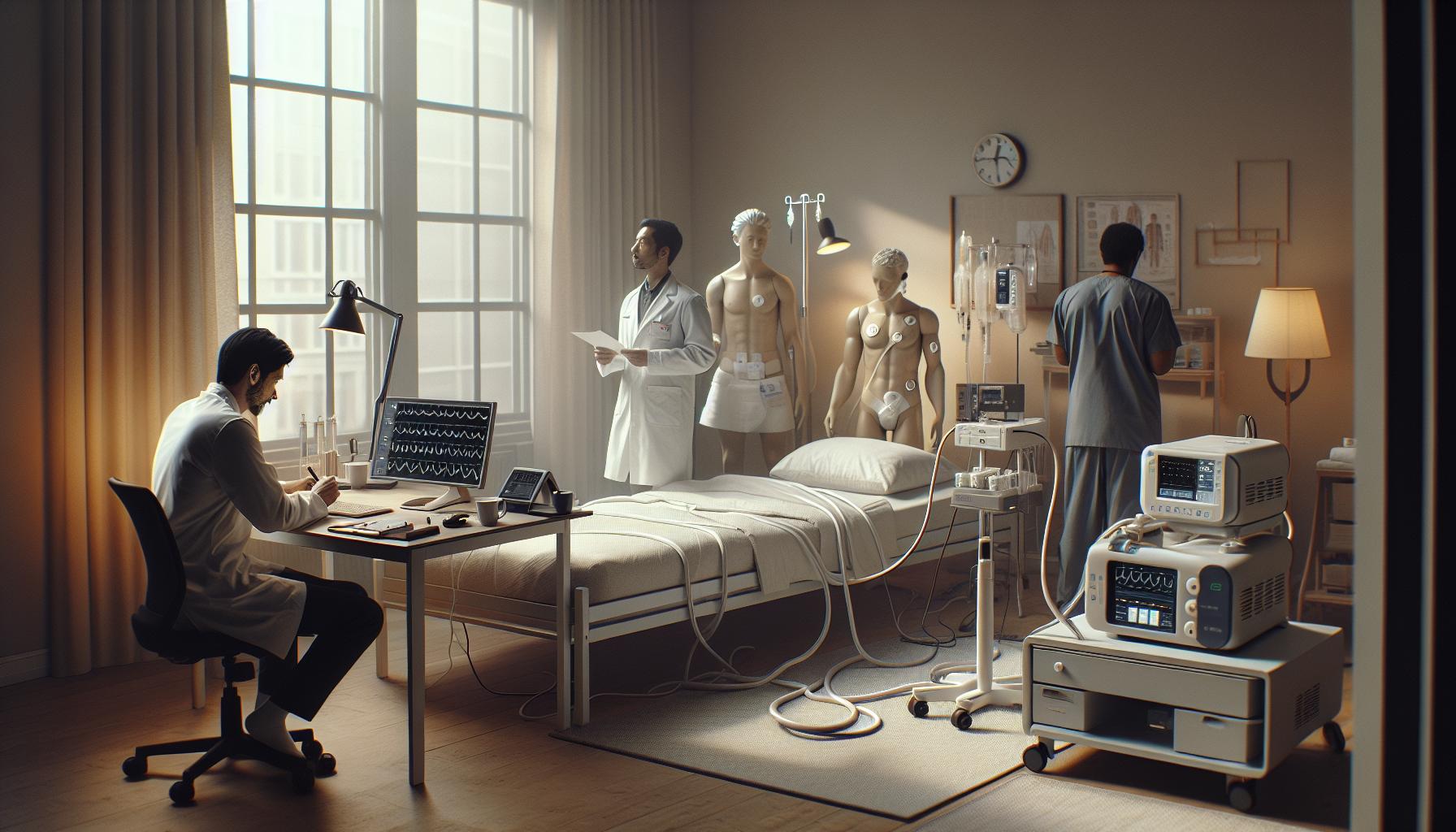
Step-by-Step Guide to Setting Up Your Sleep Study
Setting up an at-home sleep study can feel intimidating, but it’s a straightforward process that offers the convenience of monitoring your sleep in a familiar environment. With the right equipment and a few simple steps, you can collect useful data that helps elucidate your sleep patterns and potential disorders.
Start by gathering your sleep study kit, which typically includes a portable monitoring device equipped with sensors for measuring key health metrics like oxygen saturation and airflow. Before you go to bed, follow these essential steps:
Preparation Before Setup
- Choose a Comfortable Sleep Environment: Ensure your bedroom is conducive to sleep, which means comfortable bedding, a dark room, and a cool temperature.
- Avoid Stimulants: Refrain from caffeine or nicotine in the hours leading up to your study to ensure accurate readings.
- Familiarize Yourself with the Device: Read the instructions provided with the kit carefully to understand how each component works.
Setting Up the Device
- Attach Sensors: Most kits will require you to attach sensors to your body. Common components include:
– A finger probe to measure oxygen levels.
– A nasal cannula or mouthpiece for airflow monitoring.
– A chest strap to record breathing patterns.
Follow the visual guides in your instructions to ensure correct positioning.
- Turn on the Device: Once everything is secure and comfortable, turn on the device as instructed. It typically involves pressing a button or flipping a switch.
- Record a Sleep Diary (Optional): Before you go to sleep, jot down any factors that may affect your sleep, such as medications taken or issues experienced during previous nights. This information can be helpful for your healthcare provider when reviewing your results.
Going to Bed
Once you’re set up, go about your regular bedtime routine. Try not to overthink the device-you’ll be sleeping in your own bed, which should help you relax. The device will automatically record data throughout the night based on your sleep stages, breathing patterns, and oxygen levels.
Returning the Device
When you wake up, simply take off the sensors and return the device according to the instructions provided. Most companies offer pre-paid shipping labels or drop-off points, making the process seamless. Your data will be analyzed by a sleep specialist, who will provide insights based on the findings.
Setting up your at-home sleep study doesn’t have to be a source of stress. With preparation, patience, and a little knowledge about how the devices work, you will be on your way to uncovering insights into your sleep health.
Understanding Sleep Disorders: When to Seek Help
Many people underestimate the impact that sleep disorders can have on their overall health and well-being. If you’re experiencing persistent sleep disturbances, it’s vital to recognize the signs that indicate it might be time to seek professional help. Ignoring symptoms can lead to more serious health issues, affecting both your physical and mental state.
A common reason to consider a sleep study is when you experience excessive daytime sleepiness that interferes with your daily activities. This can be indicative of conditions like sleep apnea, where interrupted breathing causes frequent awakenings. Other symptoms to watch for include loud snoring, significant changes in your sleep patterns, or episodes of gasping for air during sleep. If you frequently wake with headaches, have trouble concentrating, or feel irritable during the day, these are strong signals that a deeper investigation into your sleep quality is warranted.
When to Discuss Sleep Disorders with a Professional
It’s important to consult with a healthcare provider if you notice any combination of symptoms, such as:
- Chronic Insomnia: Difficulty falling asleep or staying asleep at least three times a week for over a month.
- Restless Leg Syndrome: An uncontrollable urge to move your legs, often accompanied by uncomfortable sensations.
- Frequent Nightmares or Night Terrors: Recurrent distressing dreams or episodes of extreme fear during sleep.
- Physical Symptoms: Complaints like chest pain, or feelings of anxiety that disrupt your ability to sleep.
Understanding the Next Steps
If you decide to seek help, your healthcare provider may recommend an at-home sleep study to pinpoint issues affecting your nightly rest. This process is straightforward and can yield important insights into your sleep behavior. During the study, you’ll wear a device that records data on your breathing, oxygen levels, and sleep patterns, all within the comfort of your own bed. By identifying abnormalities in your sleep cycle, healthcare professionals can tailor treatments that cater to your specific needs.
Ultimately, understanding when to seek help for sleep disorders not only improves your quality of life but can also prevent long-term health complications. Don’t hesitate to reach out; prioritizing your sleep health is a crucial step toward overall wellness.
Comparing At Home Sleep Studies and In-Lab Studies
When considering a sleep study, many are faced with the choice between an at-home test and an in-lab sleep study. Both methodologies aim to unveil underlying sleep disorders, yet they vary significantly in terms of environment, comfort, and data collection.
In-lab studies, often referred to as polysomnography, involve spending the night at a sleep clinic where numerous sensors and electrodes are attached to monitor various sleep functions. This comprehensive assessment captures a wide range of variables, including brain activity, eye movement, heart rate, and respiratory function, providing a detailed analysis of your sleep architecture. While this method is the gold standard for diagnosing complex sleep disorders, it can feel intimidating and disruptive; many patients report anxiety or difficulty sleeping in an unfamiliar environment.
Conversely, at-home sleep studies offer a more relaxed and personal alternative, allowing individuals to undergo testing in the comfort of their own beds. While they generally focus on essential parameters such as oxygen saturation, heart rate, and respiratory effort, they may lack the depth of data that an in-lab study provides. These tests are particularly effective for diagnosing obstructive sleep apnea (OSA), as they focus on breathing patterns rather than the intricacies of sleep stages. The convenience and reduced anxiety associated with conducting the assessment at home often make these tests a first choice for those suspected of having OSA.
Both options come with their own sets of pros and cons. Here’s a simple comparison:
| Feature | At-Home Sleep Study | In-Lab Sleep Study |
|---|---|---|
| Comfort | High: Sleep in your own bed | Low: Unfamiliar environment |
| Data Detail | Moderate: Focuses on apnea events | High: Comprehensive sleep data |
| Cost | Lower: Generally less expensive | Higher: Includes facility charges |
| Anxiety Levels | Lower: Familiar setting | Higher: Clinical environment can cause stress |
In summary, the choice between an at-home or in-lab sleep study boils down to individual needs and preferences. If you’re looking for comfort and immediate testing for conditions like sleep apnea, an at-home study could be ideal. However, if you exhibit more complex symptoms or need a comprehensive evaluation, an in-lab study may be necessary. Evaluating these aspects can empower you to make an informed decision in the quest for better sleep health.
Common Devices Used for At Home Sleep Testing
When undergoing an at-home sleep study, the devices you will interact with play a crucial role in gathering the necessary data to understand your sleep patterns and diagnose potential disorders. The technology available today has evolved significantly, making it possible to conduct effective assessments right from your own bedroom. Understanding these devices can alleviate concerns and help you prepare for your study with clarity and confidence.
Commonly used devices include portable monitors that track essential physiological metrics during sleep. These devices typically monitor oxygen levels, heart rate, and breathing patterns, focusing specifically on detecting instances of apnea or hypopnea-brief interruptions in breathing. Typically, a small clip is placed on your finger to measure oxygen saturation, while a nasal cannula or a respiratory belt can monitor airflow and breathing effort throughout the night.
Another popular tool is the chest strap, which is worn like a band around your torso. This device captures data related to chest movement and helps in identifying the effectiveness of your breathing during sleep. Some systems might use a combination of these devices to gather comprehensive data. This multi-faceted approach helps create a clearer picture of your overall sleep quality, especially if obstructive sleep apnea (OSA) is suspected.
Understanding the Setup Process
Setting up these devices is typically straightforward, allowing for a hassle-free experience before you go to bed. Most at-home sleep study kits come with clear instructions and user-friendly interfaces. Here’s a brief overview of what to expect during the setup:
- Prepare the Environment: Ensure your sleeping area is conducive to rest-dim the lights, lower noise, and maintain a comfortable temperature.
- Wear the Devices: Follow the instructions to put on each device correctly-this may include attaching the pulse oximeter, wearing the chest strap, and securing the nasal cannula.
- Connect the Monitors: Ensure all devices are connected to a central recording unit, which might be a small box you place on your bedside table.
- Test the Setup: Perform a quick self-check to ensure all monitors are functioning properly, adjusting any straps or connections as needed.
Knowing how these devices work and what to expect can dramatically reduce anxiety and help you feel more secure about your at-home sleep study experience. While they might seem clinical, they are designed to be as non-intrusive as possible, allowing you to rest comfortably and naturally as sleep data is collected. Remember, the ultimate goal is to empower you to gain insights into your sleep health and identify any areas that may require greater attention.
Cost Breakdown: What to Expect for Your At Home Study
Understanding the financial aspects of an at-home sleep study can help you make informed decisions about your sleep health. Generally, the costs associated with these studies can vary significantly based on factors like insurance coverage, the provider, and the specific type of test conducted. Typically, prices range from $150 to $500 for the study itself. This is often less than the cost of traditional in-lab sleep studies, which can exceed $3,000.
Insurance is another critical element in this equation. Many health insurance plans cover some or all of the costs associated with at-home sleep studies, primarily if they result from a doctor’s recommendation due to suspected conditions like sleep apnea. However, it’s essential to check with your insurer for specific coverage details and pre-authorization requirements, as policies can differ widely.
After considering the cost of the test, you might also want to factor in any potential additional costs. Some providers may charge fees for the devices used during the study, while others might include them in the initial fee. Additionally, if follow-up consultations or additional testing are required, these will incur extra expenses.
To help you navigate these financial waters, here’s a simplified breakdown:
| Cost Element | Estimated Range |
|---|---|
| At-Home Sleep Study | $150 – $500 |
| In-Lab Sleep Study | $1,000 – $3,000+ |
| Insurance Coverage | Varies; check with provider |
| Device Rental/Fees | Included or $50 – $200 |
By understanding these costs and seeking clarification from your health insurance provider, you can make a more informed decision about pursuing an at-home sleep study. This proactive approach not only aids in your sleep health journey but can also save you money in the long run.
Navigating Insurance: Coverage for Sleep Studies
Navigating the intricacies of insurance coverage for at-home sleep studies can feel overwhelming, but understanding your options is essential for managing your health and finances effectively. Many health insurance plans do cover at-home sleep studies, especially if they are recommended by a healthcare provider due to suspected conditions such as obstructive sleep apnea. However, this coverage can vary significantly from one plan to another.
When considering an at-home sleep study, reach out to your insurance provider to clarify what is covered under your plan. Ask them about pre-authorization requirements, which are often needed to ensure that your insurance will pay for the study. It’s also wise to inquire about any specific codes or diagnostic criteria they may require. Having this information upfront can help prevent unexpected costs later.
In some cases, the entire cost of the at-home sleep study may be covered, but you might still encounter out-of-pocket expenses for device rentals or specific testing equipment. These fees can range from $50 to $200, depending on the service provider. It’s important to ask if these costs are included in the initial study fee or if they will be billed separately.
Additionally, if follow-up consultations or further testing are recommended based on your study results, make sure to understand how these will be billed. By proactively engaging with your insurance provider and your healthcare team, you can navigate the financial aspects of at-home sleep studies with greater confidence, making informed decisions that prioritize both your sleep health and your budget.
User Experiences: Real Stories from Sleep Study Participants
Many individuals have found at-home sleep studies to be a transformative experience, offering a fresh perspective on their sleep patterns and related health concerns. One participant, Sarah, shared her journey of needing a sleep study due to persistent daytime fatigue that affected her productivity. She appreciated the convenience of conducting the study at home, as it allowed her to maintain her usual sleep routine without the anxiety of a clinical setting. Sarah found the setup straightforward; the device included a small monitor she wore on her wrist and a couple of sensors she attached to her body. “I was surprised at how easy it was,” she remarked. “I just put everything on before bed and went to sleep like normal.”
Jessica’s experience highlighted a common concern: the potential discomfort of wearing devices during sleep. Initially apprehensive, she was relieved to discover that the sensors were lightweight and unobtrusive throughout the night. “I barely noticed them after a while,” she said, explaining how the at-home environment made her feel more relaxed than she would have been in a lab. The detailed report she received afterward helped her understand that she had mild obstructive sleep apnea, which she could discuss with her doctor and address through lifestyle changes and treatment options.
However, not all stories are without challenges. Tom, who underwent a study for suspected sleep apnea, faced technical difficulties with the device connecting properly to his mobile app. “I had to reach out to customer support, which was a bit frustrating,” he admitted. Yet, he praised the quick response from the support team, which ultimately resolved his issues. This interaction emphasized that while at-home tests have their merits, having responsive customer service is crucial for a smooth experience.
Ultimately, participants like Sarah, Jessica, and Tom underscore the value of sharing personal experiences with at-home sleep studies. Their stories reflect the balance between convenience and the importance of preparation, reassuring potential users that with the right mindset and resources, taking charge of one’s sleep health can be empowering.
Troubleshooting Common Issues with Sleep Study Devices
Experiencing issues with your at-home sleep study device can be frustrating, especially when you’re eager to understand your sleep health. It’s not uncommon for users to encounter technical difficulties or inconveniences, but knowing how to troubleshoot these problems can make the process smoother and less stressful. Here are some common issues and effective solutions to help you navigate potential challenges.
Technical Glitches
One of the most frequent problems users report is connectivity issues, particularly with mobile apps or Wi-Fi connections. If your device is not syncing or recording data properly, try following these steps:
- Check Bluetooth Settings: Ensure that your device is properly paired with your smartphone or tablet. Sometimes, turning Bluetooth off and then back on can resolve connectivity issues.
- Restart the Device: A simple restart of both the sleep device and your syncing device can often resolve glitches.
- App Updates: Regularly check for updates to the mobile app. An outdated app can lead to compatibility issues.
Sensor Comfort and Placement
Many users express concerns about the comfort of wearing sensors while they sleep. If you’re feeling discomfort or if sensors seem to be improperly placed, consider these tips:
- Readjust Placement: Carefully follow the instructions for sensor placement provided in your user manual. If a sensor feels off, it may not be making proper contact with your skin.
- Wear Lightly: If you find the sensors too tight, consider adjusting the straps or securing them more loosely to avoid discomfort.
Data Accuracy Concerns
Another common concern is the accuracy of the data collected during the study. If you suspect that your device might not be capturing your sleep correctly, here are some steps you can take:
- Verify Setup Instructions: Double-check the setup process you followed and ensure all components are functioning correctly, such as batteries and sensors.
- Consult Customer Support: If you continue to experience doubts, don’t hesitate to reach out to customer support. They can help troubleshoot or possibly offer replacements if the device is malfunctioning.
Involving patient customer service can significantly enhance your experience with at-home sleep studies. Many users like Tom have found that issues with device connectivity were resolved swiftly with the help of responsive support teams, making their testing experience much more manageable. By being proactive and prepared, you can turn potential hurdles into manageable bumps on your journey to better sleep health.
Tips for Improving Your Sleep Quality After Testing
Improving your sleep quality after undergoing an at-home sleep study can greatly impact your overall well-being, especially as you become more aware of your sleep patterns. Since you’ve taken the step to better understand your sleep health, it’s an excellent opportunity to implement effective strategies that foster healthier sleep habits.
Create a Consistent Sleep Schedule
One of the most effective methods to enhance sleep quality is to establish a consistent sleep schedule. Going to bed and waking up at the same time every day helps regulate your body’s internal clock. This consistency can lead to deeper, more restorative sleep cycles. Aim for at least 7-9 hours of sleep each night, adjusting your bedtime as needed to ensure you wake up feeling refreshed.
Optimize Your Sleep Environment
Your sleep environment plays a crucial role in the quality of your rest. Consider these optimization tips:
- Darkness: Use blackout curtains to block out light, or consider wearing a sleep mask.
- Temperature: Keep your bedroom cool, ideally between 60°F to 67°F (15°C to 19°C), to promote comfortable sleep.
- Noise Control: Use earplugs or white noise machines to minimize disruptive sounds.
Limit Stimulants and Screen Time
Minimize the intake of stimulants like caffeine and nicotine, especially in the hours leading up to bedtime. Both can disrupt your ability to fall asleep and affect sleep quality. Moreover, reduce exposure to screens from phones, tablets, and computers at least an hour before bedtime. The blue light emitted by these devices can interfere with your natural sleep-wake cycle, making it harder to fall asleep.
Incorporate Relaxation Techniques
Engaging in relaxation techniques before bedtime can significantly enhance your ability to unwind and prepare for sleep. Activities such as gentle yoga, deep breathing exercises, or meditation can help calm your mind and body. Consider making a routine of these practices as part of your nightly wind-down period.
By implementing these strategies, you can nurture better sleep habits and maximize the insights gained from your sleep study. Consistently prioritizing your sleep health can lead to improved mood, cognitive function, and overall health, empowering you to lead a more vibrant life.
Q&A
Q: What equipment will I use for an at-home sleep study?
A: For an at-home sleep study, you’ll typically use a portable monitor that includes sensors for measuring your breathing, heart rate, and oxygen levels. Some studies may also involve a headband or wrist device. Refer to the *Common Devices Used for At Home Sleep Testing* section for more detailed information.
Q: How do I prepare for an at-home sleep study?
A: To prepare for an at-home sleep study, ensure you follow your doctor’s instructions regarding medication and daily activities. Avoid caffeine and alcohol before the study night, and get familiar with the equipment to feel comfortable. For setup steps, visit the *Step-by-Step Guide to Setting Up Your Sleep Study* section.
Q: Can I eat or drink before a home sleep study?
A: Generally, it’s best to avoid heavy meals and caffeine several hours before your sleep study. However, mild snacks are usually fine. Consult your healthcare provider for personalized advice, especially regarding medications.
Q: What should I do if I have trouble sleeping during the study?
A: If you struggle to sleep during the study, try to stay calm and relax, as anxiety can affect your rest. It’s essential to document any difficulties so your healthcare provider can interpret the results accurately. Check the *Troubleshooting Common Issues with Sleep Study Devices* section for more tips.
Q: How long does it take to get results from an at-home sleep study?
A: Typically, results from an at-home sleep study can take a week or more, depending on your healthcare provider and the complexity of the data collected. After the analysis, expect a follow-up consultation to discuss the findings and next steps.
Q: Are there any risks associated with at-home sleep studies?
A: At-home sleep studies are generally safe, but there are limitations, such as not detecting all sleep disorders that may be identified in a lab setting. Discuss potential risks and limitations with your healthcare provider to ensure it aligns with your health needs.
Q: What are the most common sleep disorders diagnosed with home sleep studies?
A: Home sleep studies primarily diagnose conditions like obstructive sleep apnea (OSA) and can indicate other breathing-related sleep disorders. For a deeper understanding, refer to the *Understanding Sleep Disorders: When to Seek Help* section.
Q: Can I use a smartwatch for an at-home sleep study?
A: Some smartwatches can monitor basic sleep metrics, but they are not as comprehensive as dedicated sleep study devices. Discussing your smartwatch data with your healthcare provider can provide additional insights during your study interpretation.
Key Takeaways
In summary, at-home sleep studies offer a valuable solution for those seeking to understand their sleep patterns without the discomfort of traditional lab settings. By harnessing modern technology, you can gain insights into potential sleep disorders-from sleep apnea to insomnia-allowing for timely interventions that could drastically improve your sleep quality. If you’re still on the fence, consider reaching out for a consultation or exploring our comprehensive guide on sleep studies to clarify any lingering questions.
Don’t miss the chance to optimize your sleep health further; check out our articles on essential sleep hygiene tips and the stages of sleep to enhance your understanding and experience. Additionally, subscribing to our newsletter ensures you stay updated with the latest in sleep science and technology. Remember, your journey to better sleep starts with taking that first step-let us help guide you on the way!
Get our latest guides, news, and insights highlighted in your Google Search & AI Overviews.