
In our fast-paced world, sleep often takes a backseat, leading to fatigue and affecting our overall health. Did you know that nearly one in three adults don’t get enough sleep? Fortunately, sleep tracking apps can help you understand your sleep patterns, identify issues, and improve your rest. This guide explores the top seven sleep tracking apps-both free and paid-that cater to different needs and preferences. Whether you’re aiming to boost your sleep quality or seeking insights into your nightly rest, there’s an app that can guide you on your journey to better sleep. Read on to discover which sleep tracking app is right for you and how it can make a difference in your life.
Understanding Sleep Tracking: How It Works
Tracking your sleep can unlock valuable insights into your nightly rest patterns and overall health. Sleep tracking technology has become increasingly accessible through smartphones and wearable devices, allowing users to monitor their sleep stages, duration, and quality without needing to visit a sleep clinic. So, how does this technology work? Sleep trackers typically use a combination of motion sensors, heart rate monitors, and algorithms to analyze your sleep behavior. By collecting data while you rest, these devices can categorize your sleep into stages, such as light, deep, and REM sleep, providing a detailed overview of your sleep cycle.
Most sleep tracking apps function through a straightforward setup process. Typically, you’ll download the app, create a user profile, and then place your phone on your mattress or wear a device on your wrist. The app starts recording data as you sleep, often integrating features like bedtime reminders and relaxation aids. Some advanced options even include environmental monitoring, assessing factors like room temperature and noise levels, which can affect your sleep quality. Once you view your sleep data, you can gauge patterns and make informed adjustments to your nighttime routine.
While these apps and devices offer significant benefits, their accuracy can vary. Wearable devices that track heart rate and movement may provide more precise data than those relying solely on smartphone motion. Furthermore, it’s essential to keep in mind that while sleep trackers can illuminate general patterns, they are not a substitute for clinical sleep studies, especially for diagnosing sleep disorders. If you regularly find yourself fatigued despite what you think is adequate sleep, or if your tracker indicates irregular patterns, consulting a healthcare provider is crucial.
In the ever-evolving landscape of sleep technology, innovations like smart mattresses and bedding with integrated sensors are on the rise, promising to enhance accuracy and provide an even deeper understanding of sleep dynamics. As these advancements continue, consumers should remain informed about their sleep tracking options, keeping in mind both the capabilities and limitations of the tools available. This knowledge empowers you to utilize sleep tracking technology effectively-leveraging its insights to improve your sleep health.
Benefits of Using Sleep Tracking Apps
Sleep tracking apps offer a modern approach to understanding your sleep patterns, providing insights that can significantly enhance your overall health and well-being. With the rising awareness of sleep’s impact on physical and mental health, these apps have surged in popularity, enabling users to make informed decisions about their nightly routines. By leveraging technology, sleep tracking apps can support you in developing consistent sleep habits, monitoring sleep quality, and identifying factors that contribute to restless nights.
One of the most notable advantages of using sleep tracking apps is the ability to gain a comprehensive view of your sleep stages-light, deep, and REM sleep. By analyzing this data, you can pinpoint trends and disturbances that might interrupt your sleep cycle. This insight allows for targeted changes, whether it’s adjusting your bedtime, improving your sleep environment, or even incorporating relaxation techniques into your nightly routine. Many apps offer personalized feedback, turning complex data into clear, actionable recommendations tailored to your unique sleep patterns.
Moreover, the convenience of having these tools on your smartphone or wearable device cannot be overstated. Setup is typically straightforward: download the app, create a user profile, and let the app do the rest, whether it’s tracking sleep cycles via sensors or using your phone’s motion detector. The ease of access means you can monitor your sleep with minimal effort, making it easier to prioritize your sleep health without needing to invest in expensive monitoring devices.
Additionally, sleep tracking apps often incorporate community support features or educational content. Users can explore articles about sleep hygiene and connect with others who share similar sleep struggles. This communal aspect can provide motivation and reduce feelings of isolation when facing sleep challenges. As you engage with these tools, remember that while they are valuable for gaining insights, they should complement rather than replace medical advice if sleep disorders are suspected.
Top Features to Look for in Sleep Trackers
Sleep tracking apps vary widely in their features, and choosing the right one can significantly influence your understanding of your sleep patterns. A well-equipped sleep tracker can provide not only insights but actionable steps towards better sleep. Here are key features to look for when evaluating sleep trackers, ensuring you maximize your sleep health journey.
Comprehensive Sleep Analysis
A robust sleep tracker should offer detailed insights into various sleep stages, including light, deep, and REM sleep. This comprehensive analysis enables you to identify patterns and disturbances. Look for apps that present this data in intuitive graphs and reports, making it easier to understand your sleep cycle. Some advanced apps use heart rate and body motion sensors to enhance accuracy in categorizing sleep phases.
Personalization and Recommendations
An ideal sleep tracker doesn’t just collect data; it also provides personalized feedback based on your individual sleep patterns. Apps that suggest actionable recommendations-such as optimal bedtime adjustments, relaxation techniques, or modifications to your sleep environment-can turn insights into improvements. This feature becomes especially valuable as it empowers you to make informed adjustments aimed at enhancing your sleep quality.
Wearable Integration
If you already own a fitness tracker or smartwatch, consider a sleep tracking app that integrates seamlessly with these devices. Wearables often provide more accurate data collection such as movement and heart rates. This integration allows for a more holistic view of your health, connecting physical activity with sleep quality. Ensure that your chosen app is compatible with popular wearables like Fitbit, Apple Watch, or Garmin.
User-Friendly Interface and Accessibility
The usability of your sleep tracker is crucial for consistent engagement. Seek out apps with intuitive interfaces that make navigating reports straightforward. Look for features like sleep reminders, alarm functions that wake you up at the right time based on your sleep cycle, or even community features that provide a support network. Accessibility across multiple platforms-whether on your smartphone, tablet, or desktop-can also enhance your experience.
Cost and Value
Lastly, consider the cost versus features. While many sleep tracking apps are free, premium versions might offer additional features like more advanced analytics or personalized coaching. Weigh the benefits of these features against the subscription costs to ensure you get the right value for your investment. Free trials can also be a great way to test premium offerings before committing financially.
By focusing on these core features, you can more effectively select a sleep tracker that not only meets your needs but potentially transforms your sleep quality and overall well-being.
Comparing Free and Paid Sleep Apps
can feel overwhelming, but understanding their differences is crucial for making the right choice for your sleep health. Free sleep apps often serve as a great starting point, providing core functionalities that allow you to track your sleep patterns without any financial commitment. These apps might offer basic features such as sleep duration logging, sleep quality assessment, and simple graphs to help visualize your sleep cycles. Many users find these features sufficient for casual tracking or basic insights into their sleep habits.
However, if you seek deeper insights and enhanced functionalities, paid sleep apps are worth considering. These typically provide more comprehensive analytics, including detailed breakdowns of sleep stages (light, deep, and REM sleep), personalized recommendations, and integration with wearable devices. With premium subscriptions, you may access features like sleep coaching, advanced reporting, and even tailored advice based on your sleep history. In addition, certain paid apps may offer user-friendly dashboards that allow for easier navigation and comparison of different nights’ sleep quality.
Pros and Cons at a Glance
- Free Apps:
- Cost-effective, allowing you to start tracking without investment.
- Basic features are often sufficient for a casual user.
- May have ad interruptions or limited options for customization.
- Paid Apps:
- Comprehensive features that provide deeper insights into sleep patterns.
- Personalized coaching and recommendations.
- Subscription fees can be ongoing, which may deter some users.
When choosing between free and paid apps, consider your specific needs. If your primary goal is to gather basic data about your sleep, a free app might suffice indefinitely. However, if you struggle with sleep issues, investing in a paid app with personalized insights can facilitate more effective changes to your sleeping habits. Evaluating user reviews and possibly taking advantage of trial versions can also help you determine which features resonate with your sleep health objectives.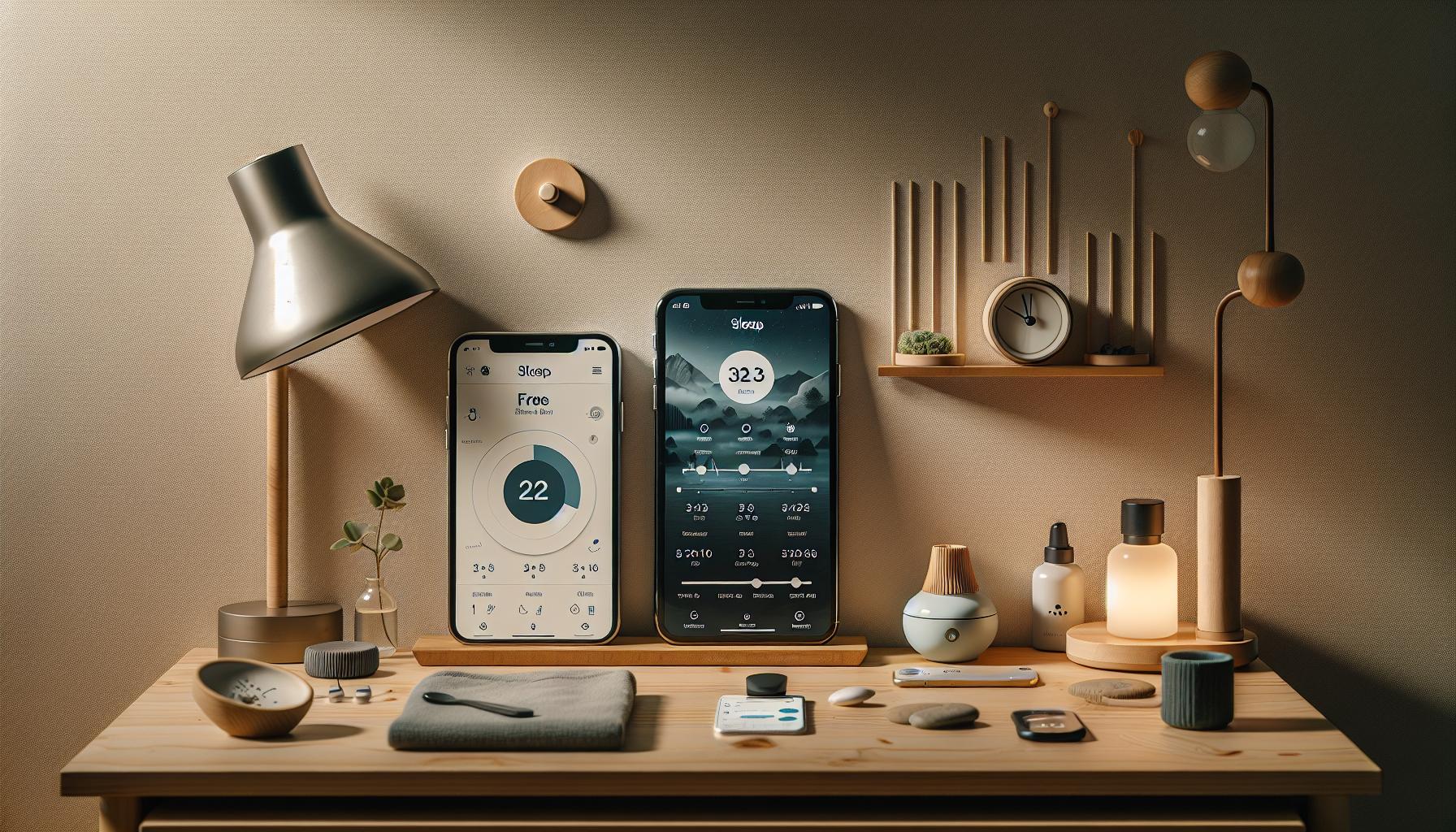
In-Depth Reviews of the Top 7 Sleep Tracking Apps
Sleep tracking apps have rapidly evolved, combining innovative technology with user-centric designs to help individuals better understand their sleep patterns. With many options on the market, it can be challenging to determine which app will best meet your sleep needs. Below are detailed insights into seven of the top sleep tracking apps, each known for their unique features, pricing, and overall user experiences.
Sleep Cycle
Sleep Cycle leverages sophisticated technology to analyze your sleep patterns and gently wake you up during your lightest sleep phase. The free version offers essential tracking, while the premium subscription includes features like sleep statistics, a sleep aid library, and long-term trend analysis. Users appreciate the natural alarm clock feature and the app’s ability to correlate sleep quality with lifestyle habits easily.
Calm
Primarily known as a meditation app, Calm offers sleep stories, soundscapes, and guided meditations aimed at improving overall sleep quality. The app’s unique approach provides a holistic perspective to sleep health. Although its sleep tracking capabilities are more basic compared to others, the integration of relaxation techniques receives positive feedback from users seeking mindfulness over metrics.
Pillow
Pillow boasts a user-friendly interface and employs both automatic and manual sleep tracking options. It provides detailed reports on sleep stages and quality, along with heart rate monitoring. Pillow stands out for its ability to integrate with Apple Health and detailed analytics available on sleep efficiency. Users note that the app’s design is visually appealing, making it easier to understand data at a glance.
SleepScore
SleepScore relies on a combination of audio and radar technology to track sleep without needing to wear any devices. This innovative approach allows it to provide insights into sleep quality while offering personalized recommendations based on your sleep patterns. Although SleepScore offers a free version, its premium features are where it shines, enhancing data interpretation significantly. Users find it particularly helpful for combating sleep apnea.
Relax Melodies
Relax Melodies offers users the ability to create their own soundscapes for better sleep. While it doesn’t focus on traditional sleep tracking metrics, it provides insights into how different sounds may influence sleep quality. The app encourages experimenting with calming sounds, with many users reporting improved sleep onset and relaxation levels.
AutoSleep
If you’re an Apple Watch wearer, AutoSleep is an excellent companion. It automatically tracks your sleep when worn and syncs data seamlessly with your Apple Health record. The app collects extensive sleep data, including time in bed, sleep quality, and how long it took to fall asleep. Users frequently praise its deep insights and robust data analysis, making it ideal for those who seek to understand their sleep habits comprehensively.
Headspace
Much like Calm, Headspace focuses on mindfulness and meditation, which can significantly impact sleep quality. The app features sleep meditations and soundscapes, alongside a straightforward sleep tracking component. While it’s less extensive in terms of metrics, Headspace’s calming techniques have helped numerous users develop a pre-sleep routine that enhances their overall sleep experience.
Choosing the right sleep tracking app can often depend on personal sleep goals and how much detail you want to capture. Consider your specific needs-whether you are after intricate analytics or simply looking to enhance your sleep environment. Exploring these apps through trial versions can help you find the perfect fit for your sleep journey.
User Experience: What to Expect from Popular Sleep Apps
Many users embark on their sleep optimization journey with high hopes, only to be met with confusion when first navigating sleep apps. The experience varies significantly depending on the app chosen, but several common threads can help ease the learning curve and enhance overall satisfaction.
Most sleep apps prioritize user-friendly interfaces, making it easier to track and understand sleep patterns without needing technical expertise. For instance, Sleep Cycle and Pillow allow users to manually input factors such as their mood and daily activities. This feature not only helps in understanding sleep quality but also correlates habits with sleep data. Expect to see visual graphs and summaries that break down your sleep cycles, giving you insight into light, deep, and REM sleep phases.
Aligning your sleep goals with the right app can lead to a more personalized experience. If relaxation is your priority, apps like Calm and Headspace offer meditative features alongside basic sleep tracking. Their design encourages engagement with calming techniques, helping users build a routine that promotes better sleep over time. Alternatively, those aiming for detailed analytics might find AutoSleep appealing, as it integrates seamlessly with Apple devices, providing extensive reports on sleep data that can be intimidating but incredibly informative.
While many apps are available for free, consider what premium features may be valuable for you. Apps like SleepScore offer advanced insights and personalized recommendations that can be a game-changer for targeted sleep improvement. Keep in mind that as you set up your tracker, you will likely need a few nights of data collection before seeing trends and meaningful feedback. This initial period is essential for the app to learn your patterns and customize advice accordingly.
In conclusion, the user experience with sleep tracking apps can range from practical and straightforward to immersive and analytical. By understanding what each app has to offer and how they align with your specific sleep goals, you can maximize the benefits of your sleep tracker, ultimately paving the way for healthier sleep habits and improved overall well-being.
Setting Up Your Sleep Tracker: Step-by-Step Guide
Getting your sleep tracker set up correctly is crucial for obtaining accurate data, which in turn helps you improve your sleep quality. Whether you’re using a dedicated wearable device or a mobile app, the setup process is typically straightforward. Here’s how to begin your journey towards better sleep with a step-by-step approach.
1. Choose the Right App or Device
Before diving into the setup, consider what you want from a sleep tracker. Some popular options include Sleep Cycle for its alarm features, AutoSleep for Apple users, or SleepScore for comprehensive insights. Each comes with its unique features tailored to different needs. Check reviews to identify which app meets your requirements.
2. Create an Account
Download your chosen app from the App Store or Google Play. Most apps will require you to create an account to save your sleep data. This typically involves providing an email address and setting up a password. Some wearable devices will also guide you to download a companion app (e.g., Fitbit app for Fitbit devices).
3. Customize Your Settings
Once you’ve logged in, take a moment to customize your settings. This often includes inputting your age, weight, and sleep preferences (such as bedtime and wake-up time). Setting these preferences can enhance the app’s ability to offer personalized insights and recommendations.
4. Prepare for Sleep Tracking
For apps that require you to place your phone under your pillow or on your bedside, ensure it is on a stable surface. If you’re using a wearable, charge it ahead of bedtime so that it has enough battery to last through the night. Make it a habit to wear it consistently to gather reliable data over nights.
5. Familiarize Yourself with the Features
Spend a few minutes navigating through the app or device interface. Most apps will show sleep cycle graphs, sleep quality scores, or mood inputs. Experiment with additional features, such as integrating relaxation exercises with apps like Calm or managing alarms with natural sounds.
6. Start Tracking
You’re now ready to begin. Simply follow the app instructions to commence sleep tracking. For most apps, you’ll need to activate tracking before you go to bed. Ensure you have a wind-down routine to signal your body that it’s time to sleep, which can also benefit the accuracy of your data.
7. Review Your Data Regularly
After several nights of data collection, make it a practice to review your sleep patterns. Look for trends in your sleep quality, duration, and cycles. Most apps will provide insights into what might affect your rest, such as sleep disturbances or routine factors. This is crucial for making necessary changes to optimize your sleep.
By following these straightforward steps, you’ll harness the full potential of your sleep tracking app, paving the way for healthier sleep habits and improved nightly rest. As you continue using the tracker, remain patient-adjustments may take time, but with regular observation and tweaks, you’ll find your path to better sleep clarity.
Tips for Maximizing Sleep Tracker Accuracy
To ensure your sleep tracker provides accurate and actionable insights, there are several strategies you can implement. Given that many app users report fluctuations in accuracy, understanding how to maximize your tracker’s effectiveness is crucial for gaining the most out of your sleep data.
One key factor is consistency. Make it a habit to use your sleep tracker each night and maintain a routine regarding your sleep schedule. By going to bed and waking up at the same time each day, you can provide a clear baseline for the app, allowing it to generate more reliable data. Consider creating a wind-down ritual-like reading or meditating-to signal your body that it’s time to sleep, which may aid in improving the quality of your rest.
It’s also essential to ensure that your device is set up correctly. For apps requiring you to place your phone in a specific position, double-check that it’s snug and stable; movement during the night can lead to inaccuracies. If you’re using a wearable device, make sure it fits comfortably yet securely on your wrist to accurately track movements and heart rate. Regularly charging your wearable will also prevent data loss and ensure that you’re always capturing your sleep cycles.
Reviewing your data regularly will enhance your understanding of your sleep patterns as well. Don’t just glance at the numbers; delve into the metrics your sleep tracker provides. Many apps offer insights on how factors like caffeine intake or exercise affect your sleep quality. By correlating your lifestyle choices with sleep data, you’re better equipped to make informed adjustments that could lead to more restful nights.
Lastly, always keep in mind that the technology behind sleep tracking is improving, but it still has its limitations. If you notice persistent issues with your sleep, despite the data appearing normal, consider consulting a healthcare professional for a more comprehensive sleep evaluation.
Common Mistakes to Avoid with Sleep Tracking
Many people turn to sleep tracking apps with the expectation that they will provide precise insights into their sleep patterns and overall health. However, to maximize the benefits of these tools, it’s crucial to avoid common pitfalls that can lead to inaccurate data and misguided conclusions.
One prevalent mistake is neglecting to set consistent bedtime and wake-up times. Sleep tracking relies on regular patterns to analyze and report your sleep quality accurately. Inconsistent sleep schedules can confuse the algorithm, leading to erroneous conclusions about your sleep. It helps to establish a wind-down routine, signaling to your body that it’s time to rest, thereby enhancing the tracker’s effectiveness.
Another common error is overlooking the importance of device setup. If you’re using a smartphone app, make sure to place it in a stable position, away from vibrations that could disrupt readings. For wearable devices, ensure they fit snugly yet comfortably; too loose can prevent accurate heart rate monitoring, and too tight can interfere with circulation. Additionally, regularly charging your devices is essential to maintain functionality throughout the night.
Many users also fail to engage with the data provided by their sleep trackers. Simply checking nightly summaries without analyzing trends over time can result in missed opportunities for personal growth. Look for patterns and correlating factors, such as caffeine intake or exercise, to understand how these variables impact your sleep. This proactive engagement transforms raw data into actionable insights, guiding you toward better sleep hygiene.
Lastly, it’s critical to remember that sleep trackers have limitations. While they can offer valuable insights, they are not a replacement for professional medical advice or comprehensive sleep studies when necessary. If you experience ongoing sleep issues, consulting a sleep specialist can provide deeper insights and personalized recommendations. By being mindful of these common mistakes, you can achieve a more accurate understanding of your sleep health and make informed decisions that lead to restorative sleep.
When to Seek Professional Sleep Studies vs. Trackers
Many individuals find themselves wondering whether sleep tracking apps can provide the insights they need for better sleep or if they should seek more in-depth assessments through professional sleep studies. While apps can offer useful tracking and feedback on sleep patterns, there are circumstances where a detailed clinical evaluation becomes necessary.
Sleep tracking devices and apps generally excel at providing a broad overview of your sleep habits, including duration, waking times, and sleep stages. However, they typically rely on algorithms that analyze movements or heart rate to estimate sleep quality, which can sometimes lead to inaccuracies. If you’re facing issues such as severe insomnia, sleep apnea, or other significant sleep disorders, these can significantly impact your health and require a more comprehensive approach. In these cases, a polysomnography (sleep study) may be recommended. This is typically carried out in a sleep clinic where specialists can monitor your brain waves, heart rate, and other critical parameters throughout the night.
Consider seeking professional assistance if you experience any of the following:
- Persistent Sleep Issues: If sleep trackers indicate consistent patterns of poor sleep yet lifestyle changes aren’t helping, it’s time to consult a healthcare provider.
- Daytime Dysfunction: Excessive daytime sleepiness or fatigue can signal serious problems that warrant further investigation.
- Symptoms of Sleep Disorders: If you snore heavily, wake up gasping for air, or experience limb movements that disrupt your sleep, a sleep study can significantly aid in diagnosing conditions like sleep apnea or restless leg syndrome.
If you choose to use a sleep tracker as your initial tool, aim to engage with the data it provides and keep a detailed log of your sleep habits. This insight can be invaluable in discussions with healthcare professionals if you ultimately seek out a sleep study. Factors such as caffeine consumption, bedtime routines, and stress levels can all impact sleep quality observed in tracking apps but might require more nuance that only a clinical setting can provide.
In summary, while sleep trackers serve as effective tools for monitoring your sleep, they should not replace professional medical evaluations if significant issues arise. By understanding when to transition from app-based tracking to formal sleep studies, you empower yourself to take control of your sleep health effectively.
The Future of Sleep Tracking Technology
As technology evolves, so does the landscape of sleep tracking, promising exciting advancements and greater accuracy in understanding our nocturnal habits. Imagine a future where sleep trackers not only provide basic data on slumber but also utilize sophisticated AI algorithms to offer personalized insights and recommendations. This transformation is already underway, driven by innovations in wearable technology and connected smart home devices.
Enhanced Biometric Monitoring
One of the most notable trends is the integration of advanced biometrics. Modern sleep trackers now tap into various physiological parameters such as heart rate variability, blood oxygen levels, and even skin temperature. These metrics can help provide deeper insights into sleep quality and potential disturbances. For example, devices like the Oura Ring monitor your readiness score based on overnight data, which can guide users on when to be active or rest.
Smart Home Integration
Another promising direction for sleep tracking technology is its seamless integration with smart home systems. Imagine your sleep tracker automatically adjusting your room’s lighting, temperature, or even soundscapes based on your sleep patterns. Companies are developing systems where your smart thermostat cools your room as you fall asleep, or your smart speaker plays soothing sounds to help you enter a deeper sleep state, consequently enhancing overall sleep quality.
User-Centric Features
Future sleep trackers are focusing on user experience by offering more intuitive interfaces. This includes features like goal-setting around sleep duration or quality, notifications for sleep hygiene tips, and even guided sleep meditations. Many apps are also expected to harness machine learning to adaptively learn from user input and behavior, tailoring advice to individual sleep needs and preferences.
Addressing Sleep Disorders
These advancements also carry potential for addressing sleep disorders. With more accurate data collection, sleep trackers equipped with AI could flag irregular sleep patterns and recommend when users should consult healthcare professionals. This proactive approach not only empowers individuals to monitor their sleep health but also fosters a connection between casual tracking and clinical insights.
In summary, is not just about providing data; it’s about enhancing wellness through smart interactions and personalized experiences. As these technologies develop, they promise to bridge the gap between casual tracking and professional analysis, helping users make informed choices about their sleep health like never before.
Real User Scenarios: Finding Balance Between Apps and Studies
Navigating the world of sleep tracking can be both exciting and overwhelming, especially when deciding whether to rely on an app or seek more traditional sleep studies. Many people find themselves in a dilemma, grappling with the question: “Should I trust my smartwatch to analyze my sleep or consult a sleep specialist?” Consider Sarah, a busy professional who began using a popular sleep tracking app to address her insomnia. Initially intrigued by its insights, she quickly discovered limitations-while her app provided useful data on sleep duration and disturbances, it could not diagnose the underlying issues affecting her sleep quality.
Real-user scenarios often highlight the need to balance the day-to-day convenience of sleep trackers with the comprehensive evaluation provided by clinical studies. For instance, Jake, who used a wearables-based approach, noted frequent awakenings but struggled to determine why. After discussing his concerns with a healthcare provider, he underwent a polysomnography (sleep study). The results revealed that he suffered from sleep apnea-a condition that a tracker alone would not have identified. This experience emphasizes the importance of understanding when a digital solution is enough and when a deeper, professional analysis is warranted.
To strike a balance, it’s essential to be aware of what each option offers. Sleep apps can be a great starting point; they are typically user-friendly and provide insights on patterns over time. However, for people with persistent sleep issues, symptoms such as excessive daytime sleepiness or irregular sleeping patterns warrant a closer examination through sleep studies. These procedures, though more involved and possibly more costly, offer comprehensive data that can pinpoint metabolic issues or sleep disorders.
Ultimately, the goal is to empower users with knowledge. If you’re beginning your sleep tracking journey, consider starting with an app to monitor trends before potentially escalating to a sleep study. In forming this strategy, always pay attention to how your body feels. As soon as you notice troubling patterns or symptoms that could indicate deeper issues, consult a healthcare professional. By combining app data with medical insights, you can approach sleep health holistically, ensuring both immediate wearables guidance and the rigor of clinical analysis when necessary.
Frequently asked questions
Q: What features should I look for in a sleep tracking app?
A: Essential features in a sleep tracking app include sleep cycle tracking, snore detection, sound analysis, and smart alarm options. Additionally, look for integration with wearables and customizable sleep goals for better insights and personalized recommendations. These features enhance user experience by providing comprehensive data about sleep patterns.
Q: Are free sleep tracking apps worth using?
A: Yes, free sleep tracking apps can be valuable, especially for beginners. They often provide basic functionalities like sleep duration and quality tracking. However, for more advanced features and detailed insights, consider investing in paid options, as discussed in the section on Comparing Free and Paid Sleep Apps.
Q: How accurate are sleep tracking apps compared to professional sleep studies?
A: Sleep tracking apps offer convenience and valuable insights, but they are generally less accurate than professional sleep studies. Apps primarily use motion and sound to analyze sleep, while sleep studies involve comprehensive monitoring, including brain activity. If you suspect a serious sleep disorder, consult a healthcare provider.
Q: Can sleep tracking apps help with sleep disorders?
A: Yes, sleep tracking apps can help identify patterns related to sleep disorders, such as insomnia or sleep apnea. By tracking your sleep habits, you can share insights with your doctor for tailored treatment recommendations. Refer to the section When to Seek Professional Sleep Studies vs. Trackers for more guidance.
Q: How can I improve the accuracy of my sleep tracker?
A: To enhance your sleep tracker’s accuracy, maintain a consistent sleep schedule and regularly use the app or device each night. Ensure your wearable is properly fitted and charge it fully. Additionally, minimize disturbances in your sleep environment as discussed in the Tips for Maximizing Sleep Tracker Accuracy section.
Q: Which sleep apps are best for couples?
A: The best sleep apps for couples often include features like shared sleep data and separate alarms. Apps like Sleep Cycle and Pillow offer functionalities to account for individual sleep stages while providing insights on shared patterns, ideal for couples monitoring their sleep health together.
Q: Do I need to wear a device to track my sleep?
A: No, not all sleep tracking apps require a wearable device. Many smartphone apps monitor sleep patterns through microphone and accelerometer data. However, wearables may provide more precise tracking and additional features, enhancing your overall sleep analysis.
Q: What should I do if my sleep tracker shows poor sleep quality?
A: If your sleep tracker indicates poor sleep quality, assess potential lifestyle factors like stress, screen time, or caffeine intake. Consider making adjustments based on insights from your tracker. If issues persist, consult a healthcare professional for further evaluation and support.
To Wrap It Up
Ready to take control of your sleep journey? Discover the perfect sleep tracking app for you from our top 7 list of free and paid options. Each app offers unique features designed to help you improve your sleep quality and understand your patterns better. Don’t wait to experience the benefits-download one today and start your journey toward better rest!
If you need further guidance, check out our articles on the best sleep studies and wearables to ensure you have all the tools at your disposal for optimal sleep health. Have questions or experiences to share? We invite you to leave a comment below and join our community discussing the latest sleep tech trends. Remember, good sleep isn’t just a luxury; it’s a necessity. Explore our resources and take the first step toward restful nights and energized days!
Get our latest guides, news, and insights highlighted in your Google Search & AI Overviews.