
Did you know that tracking your sleep can reveal patterns that significantly affect your overall well-being? Many people struggle to get quality rest, and data from sleep trackers can be a game-changer. By understanding this information, you can identify key habits impacting your sleep quality and make informed adjustments to optimize your nightly rest. Whether you’re battling insomnia or simply looking to enhance your sleep hygiene, the insights gained from your sleep data can empower you to make smarter choices. As we dive deeper into how to use sleep tracking data effectively, you’ll discover practical strategies to transform your sleep experience and improve your overall health. Let’s unlock the potential of your sleep data together!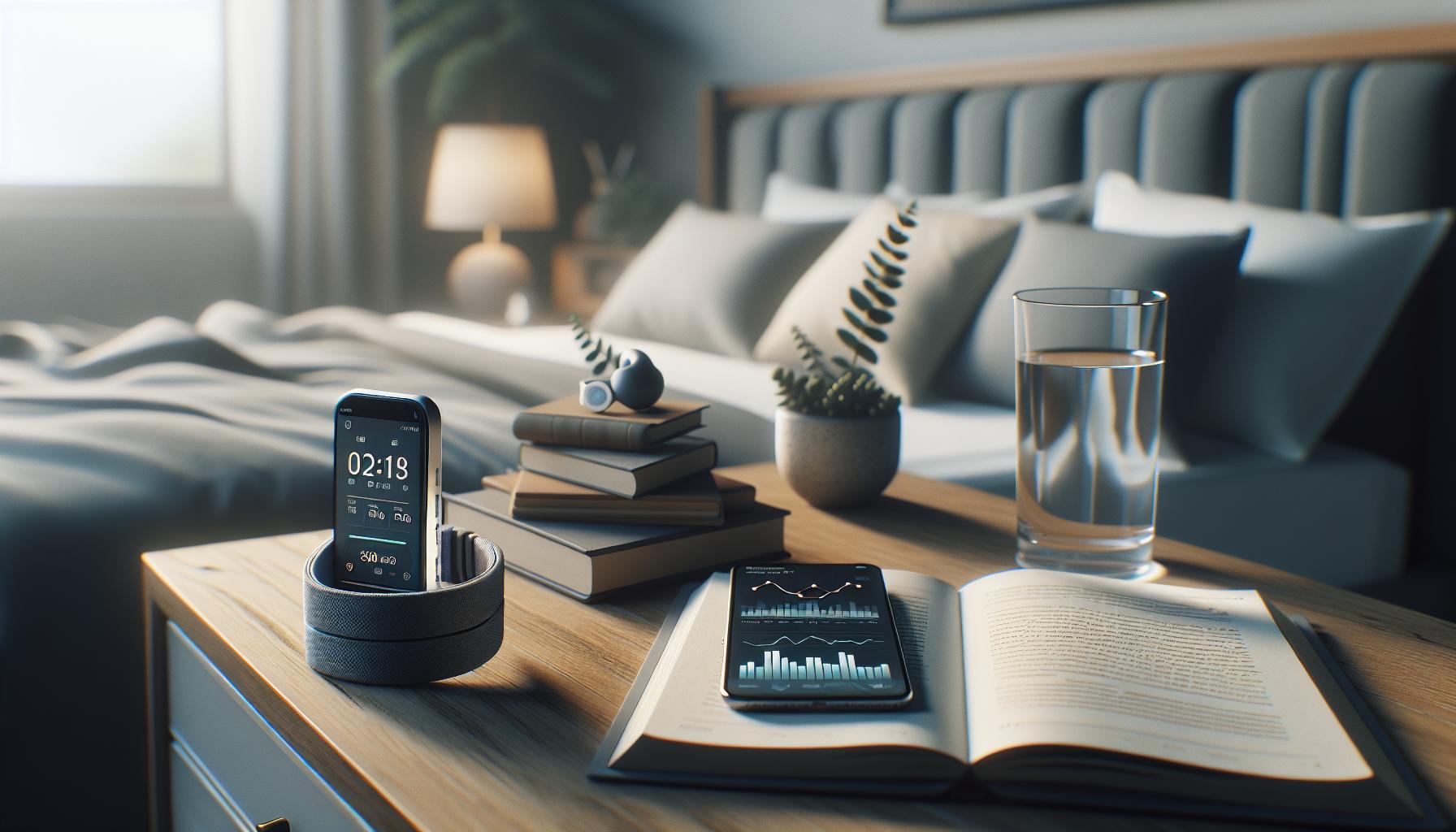
Understanding Sleep Tracking: Why It Matters
In a world where health tracking is becoming increasingly mainstream, understanding sleep tracking is crucial for anyone seeking to improve their rest and overall health. Sleep data can reveal patterns and help identify issues that might not be apparent otherwise, acting as a tool for accountability and insight. With the right sleep tracker, users can not only monitor the quantity of their sleep but also evaluate its quality, enabling them to make informed adjustments to their routines and environments.
Sleep trackers utilize various technologies, from simple wearable devices to sophisticated apps, to capture metrics like total sleep time, sleep stages, and disturbances. Understanding these metrics allows users to see how lifestyle factors-such as diet, exercise, and stress-impact their sleep quality. For instance, if a tracker shows frequent awakenings during the night, it may indicate a need to adjust bedtime routines or sleep environments, such as optimizing room temperature or reducing screen time before bed.
Moreover, interpreting sleep data empowers individuals to set achievable sleep goals. By identifying trends over time, users can create personalized strategies to enhance their sleep hygiene and overall well-being. For example, one might find that consistent sleep patterns lead to deeper sleep phases, while erratic sleep schedules disrupt them. This insight can foster healthier habits, ultimately leading to more restorative rest.
Utilizing sleep tracking data effectively can bridge the gap between awareness and action. When users engage proactively with the insights offered by sleep trackers, they become more empowered to make changes that promote better health. Whether it’s adjusting sleeping positions, setting regular sleep schedules, or even seeking further evaluation for sleep disorders, understanding and responding to sleep data is a powerful tool in the quest for better rest.
How Sleep Trackers Work: Features and Functionality
Sleep trackers have surged in popularity as essential tools for monitoring sleep health, providing users not just data, but actionable insights into their rest patterns. Understanding how these devices work is crucial for maximizing their potential benefits. Most sleep trackers utilize various technologies-ranging from simple wearable bands to advanced smart mattresses-that monitor multiple metrics during sleep. These include total sleep time, sleep stages (both REM and non-REM), interruptions, and even heart rate and breathing patterns, delivering a comprehensive view of one’s sleep quality.
### Key Features and Functionality
Modern sleep trackers are packed with features that enhance user experience and effectiveness:
- Sleep Staging: They break down sleep into different stages, offering insights into how much time is spent in light, deep, and REM sleep. This helps users understand their sleep architecture, which can influence overall well-being.
- Movement Tracking: Many devices include sensors to detect movements during sleep, which can indicate restlessness or disturbances that might affect sleep quality.
- Heart Rate and Breathing Monitoring: Some advanced models can measure these vital signs to give a more complete picture of sleep health, alerting users to any irregularities.
- Smart Alarms: Certain trackers can wake users up at the optimal time within a set window, ensuring they feel more refreshed.
Setting up a sleep tracker is typically straightforward. Most wearables and apps only require a one-time registration, and users can often start collecting data the very first night. Depending on the model, some devices sync with smartphones to present data in real-time or compile it into weekly reports, allowing users to track trends over time.
### Real-World Application
The true value of sleep trackers emerges when users reflect on the data collected. For instance, if your tracker consistently shows light sleep dominance, it may be time to address factors like late-night screen time or an uncomfortable sleep environment. By analyzing patterns, you can tweak your bedtime routine and create a sleep-friendly environment, which might include optimizing bedroom temperature or reducing noise.
In essence, sleep trackers are valuable tools that, when used effectively, lead to more restful nights and revitalized days.
Interpreting Your Sleep Data: Key Metrics Explained
Interpreting sleep data can feel overwhelming, especially when faced with a multitude of metrics. However, understanding these key indicators can empower you to make informed choices about your sleep health. Each metric serves a specific purpose, offering insights that can guide adjustments in your nightly routine, lifestyle choices, and sleep environment.
Key Metrics Explained
- Total Sleep Time: This is the cumulative amount of time you spend asleep. While it’s important to get enough sleep, it’s equally vital to ensure that the quality of that sleep is high. Aim for the recommended hours based on your age and individual needs.
- Sleep Stages: Most trackers measure the different stages of sleep, including light, deep, and REM. Each stage serves a unique function, with deep sleep being crucial for physical restoration and REM essential for cognitive functions. Understanding how much time you spend in each stage can highlight areas for improvement.
- Sleep Interruptions: This metric tracks how often you wake up during the night, which can impact the continuity and quality of your sleep. Frequent interruptions may signal issues such as sleep apnea or an uncomfortable sleep environment.
- Restlessness or Movement: Some trackers provide data on how much you move during sleep. High levels of restlessness may indicate anxiety, an uncomfortable mattress, or other factors negatively affecting your sleep quality.
- Heart Rate and Breathing Patterns: Advanced trackers monitor your heart rate and breathing, giving insights into your overall health and how well your body is functioning during sleep. Abnormalities in these metrics can indicate health issues that might need attention.
Making Sense of Your Data
Transforming raw data into actionable steps is where the real magic happens. For instance, if you notice frequent disruptions or limited time spent in deep sleep, it may be beneficial to reevaluate your pre-sleep habits-like setting a stricter bedtime or incorporating relaxation techniques. On the other hand, if your tracking shows adequate total sleep time but low REM, consider avoiding alcohol and heavy meals before bed.
Lastly, remember that each device comes with its limitations and should be viewed as a piece of the larger puzzle that is your sleep health. Use the information gathered as a guide, but consider consulting health professionals for a more comprehensive assessment should you notice persistent sleep issues or abnormal data patterns. Engaging with this data will help you take proactive steps towards achieving better rest.
Setting Goals for Better Sleep: Turning Data into Action
Transforming sleep tracking data into actionable goals can significantly enhance your overall sleep quality. For instance, if your data indicates a consistent pattern of insufficient total sleep time, setting a specific goal to go to bed 15 minutes earlier each night can lead to improvements over time. It’s about gradual adjustments that feel manageable rather than overwhelming, making the process more sustainable.
Another effective strategy is to focus on enhancing the quality of the various sleep stages. If you notice that your deep sleep is lacking, consider implementing a calming nighttime routine. Activities like reading, gentle yoga, or mindfulness meditation can help create a peaceful transition into sleep. Furthermore, the environment plays a crucial role; optimizing your bedroom for comfort-think blackout curtains, a cool room temperature, and a supportive mattress-can encourage deeper sleep.
Tracking interruptions during the night can give insights into potential issues like anxiety or sleep disorder symptoms. If this metric is high, goals should pivot towards stress reduction techniques. Consider incorporating practices such as journaling or breathing exercises before bed to help calm your mind and improve sleep continuity. If your data indicates frequent awakenings, it might also be worthwhile to evaluate factors like caffeine intake, technology use, or dietary choices that could be disrupting your sleep patterns.
Lastly, remember that small changes can lead to significant improvements. Setting incremental goals-like limiting screen time before bed or enjoying a caffeine-free evening routine-can create a foundation for better sleep health. Celebrate the progress as you refine your habits based on your sleep tracker data, encouraging consistent efforts towards restorative sleep. Each step taken towards enhancing sleep hygiene can empower you to transform your nightly rest, leveraging the data for a healthier, more restful lifestyle.
Personalizing Your Sleep Environment: Tips and Tricks
Creating a personalized sleep environment can make a significant difference in the quality of your rest. By tailoring your space to meet your unique comfort needs, you can enhance your overall sleep experience, making it easier to fall asleep and stay asleep. With sleep tracking data in hand, consider adjusting various aspects of your bedroom to promote better sleep health.
Optimize Your Bedroom for Comfort
Start by evaluating the fundamentals of your sleep environment, which include lighting, temperature, and noise levels. Aim for a cool room temperature, ideally between 60-67°F (15-19°C), as cooler environments can help facilitate deeper sleep stages. Additionally, invest in blackout curtains to eliminate disruptive light and consider using a white noise machine or a fan to mask background sounds. Simple changes like these can drastically improve your sleep quality.
Assess Your Bedding and Pillow Options
Your mattress and pillows play a crucial role in how well you sleep. If your sleep tracker highlights discomfort or restless nights, assess whether your current bedding meets your support and comfort preferences. A mattress should provide adequate support for your body type and preferred sleep position, while pillows should align your head and neck in a way that maintains spinal alignment. Don’t hesitate to explore various materials, such as memory foam or latex, to find what works best for you.
Create a Calm Atmosphere with Personal Touches
Incorporate elements that promote relaxation in your bedroom. Soft lighting, soothing colors, and personal decor can make the space feel inviting and tranquil. Consider adding plants or essential oil diffusers with calming scents like lavender, which is known to promote relaxation. These touches can create a serene atmosphere conducive to rest, as suggested by your sleep data that indicate anxiety or stress as potential sleep disruptors.
Limit Technology Use Before Bed
If your sleep tracker shows high screen time before bed, it’s time for a digital detox. The blue light emitted by screens can interfere with melatonin production, making it harder to fall asleep. Set a technology curfew at least an hour before bedtime, replacing screen time with relaxing activities such as reading or practicing mindfulness. This can help signal to your body that it’s time to wind down.
By leveraging insights from your sleep tracking data and making intentional adjustments to your sleep environment, you can cultivate a space that supports restorative sleep. Remember, a little experimentation can go a long way in finding the optimal setup that promotes a more restful night.
Best Practices for Using Sleep Data Effectively
Unlocking the potential of your sleep tracking data can be a game changer for your nightly rest. Many people invest in sleep trackers, but understanding how to effectively use the insights they gather can significantly enhance your sleep quality. Here are some best practices that can help you transform raw data into actionable steps to improve your overall sleep health.
Regularly Review Your Sleep Patterns
Make it a habit to check your sleep data at least once a week. Track key metrics such as total sleep time, sleep cycles, and interruptions. This review allows you to identify patterns or trends. For instance, if you notice consistently poor sleep following late-night screen time, it may be time to reevaluate your bedtime routine. Use your findings to adjust your habits gradually-like incorporating relaxation techniques or adjusting your sleep schedule.
Set Realistic Sleep Goals
Based on your sleep data, establish achievable goals. Aim for specific targets like increasing sleep duration by 30 minutes or reducing nightly wake-ups. A practical approach involves breaking these targets down into manageable steps. If your tracker indicates that you typically fall asleep at 11 p.m., try moving your bedtime earlier by 15-minute increments until you reach your desired goal. This gradual adjustment is less daunting and easier to achieve.
Correlate Lifestyle Habits with Sleep Quality
Pay attention to how changes in your daily life affect your sleep. For example, track your physical activity, caffeine intake, and stress levels alongside your sleep data. Many trackers also allow for notes where you can document daily habits. This association enables you to identify triggers that may disrupt sleep or contribute to better rest, such as reducing caffeine intake in the afternoon or increasing exercise frequency.
Engage with Your Sleep Community
Learn from others who are also using sleep tracking data. Online forums, social media groups, and sleep health blogs can be valuable resources. Sharing your experiences and challenges can offer new strategies and support. You might discover tips about what worked for others facing similar issues.
By consistently applying these practices, you’ll not only maximize the utility of your sleep tracking data but also foster a proactive mindset toward achieving healthier sleep. Remember, small actions can lead to significant improvements in your well-being.
Common Sleep Issues Captured by Trackers
Many sleep trackers provide insights into recurring sleep problems that you might not be aware of, helping you tackle these issues effectively. By monitoring factors such as sleep duration, wake times, and sleep quality, you can identify patterns or disruptions in your sleep cycle. This data is crucial, as certain sleep disorders may manifest through the patterns captured by these devices.
Understanding Common Sleep Issues
Among the most commonly recorded issues are insomnia and sleep interruptions. Trackers often reveal how long it takes to fall asleep and how many times you wake during the night. If your device shows lengthy periods of insomnia, it may indicate underlying stress or anxiety that needs addressing.
Another prevalent issue tracked is sleep apnea, often characterized by interrupted breathing during sleep. Some advanced trackers can detect irregularities in heart rate and breath patterns, signaling potential sleep apnea. Recognizing these symptoms early can prompt you to seek medical advice, ensuring timely care before it exacerbates into more serious health concerns.
Capturing Restless Legs Syndrome
Restless legs syndrome (RLS) is another issue that sleep trackers can help identify. This condition causes an uncomfortable urge to move your legs, particularly at night, disrupting your ability to fall asleep. By tracking movement during sleep, a device can highlight whether you experience significant restlessness, compelling you to consult healthcare professionals for management strategies.
Tracking Sleep Environment Factors
The effectiveness of sleep hygiene practices can also be gauged through your data. Factors like temperature, noise levels, and light exposure can greatly affect your sleep quality. Many modern trackers allow you to note external conditions, helping you establish correlations between a restful environment and good sleep. For instance, you might find that adjusting the room temperature or using blackout curtains leads to longer, uninterrupted sleep spans.
By utilizing these insights, you can make informed decisions to tackle common sleep issues effectively. Remember, the data is a starting point to improve your sleep health-don’t hesitate to complement it with lifestyle changes or professional guidance as needed.
Advanced Techniques: Combining Data with Lifestyle Changes
Understanding and leveraging the data from your sleep tracker can significantly enhance your sleep quality and overall health. To truly benefit from these insights, it’s essential to combine the information you gather with meaningful lifestyle changes. For instance, if your tracker shows that you’re waking up frequently during the night, it might be time to examine habits like evening screen time or caffeine consumption, which can impact sleep quality.
Integrating Lifestyle Changes
Making small, actionable changes based on your sleep data can lead to profound improvements. Here are some strategies:
- Limit Stimulants: If your sleep tracker indicates longer times to fall asleep or restlessness, consider reducing caffeine intake, especially in the afternoon and evening.
- Establish a Wind-Down Routine: Engaging in relaxing activities such as reading or meditating before bed can help signal your body that it’s time to sleep. Trackers might show a correlation between your wind-down habits and sleep efficiency.
- Optimize Your Sleep Environment: Ensure your bedroom is conducive to sleep by adjusting lighting, temperature, and noise levels based on your tracker’s data. For example, using blackout curtains or white noise machines could improve overall sleep quality.
Utilizing Data for Continuous Improvement
Regularly reviewing your sleep data can help you identify patterns that suggest what works best for you. For instance, if you consistently sleep better after exercising during the day, aim to incorporate a regular workout regimen. Keeping a journal of your sleep patterns alongside lifestyle changes lets you see what has the most positive impact.
Additionally, consider setting specific sleeping goals based on your data. For example, if your tracker shows that you’re averaging only six hours of sleep despite feeling tired, set a goal to extend this to seven or eight hours and track your progress. This approach allows you to create a personal sleep plan tailored to your specific needs.
Combining actionable data from your sleep tracker with thoughtful lifestyle tweaks empowers you to take control of your sleep health. By adopting a proactive approach, you’ll not only improve your nightly rest but also enhance your overall well-being, leading to better productivity and mood during the day.
When to Consider Professional Sleep Studies
Many people rely on sleep trackers to gain insights into their nightly rest, but there are times when these devices may not provide the full picture of your sleep health. Professional sleep studies can be crucial for those experiencing persistent sleep issues. If you find that despite your best efforts, such as adjusting your sleep environment or maintaining a consistent bedtime routine, your sleep quality remains poor, it may be time to consider a formal sleep evaluation.
A sleep study can help diagnose sleep disorders that wearables simply can’t capture, such as sleep apnea, restless legs syndrome, or more complex sleep disorders. These studies typically involve spending a night in a sleep clinic where specialists monitor various physiological signals, including brain waves, heart rate, and breathing patterns. While at-home tests are also available for specific conditions like sleep apnea, in-lab sleep studies offer a more comprehensive analysis, especially if you have multiple symptoms. The costs can vary, often ranging from $500 to $3,000 depending on the type of study and whether it’s covered by insurance.
If your sleep tracker indicates frequent awakenings, excessive movement, or inconsistent sleep stages, these could be signs pointing towards a deeper issue. Similarly, if you experience symptoms such as daytime fatigue, loud snoring, or difficulty concentrating, these are red flags that warrant a professional evaluation. Working closely with a healthcare provider can guide you through the process of scheduling a sleep study, interpreting results, and determining the best treatment options.
In short, while wearable technology can be invaluable for tracking your sleep patterns and making lifestyle adjustments, it’s essential to recognize the limitations of these devices. When you suspect that your sleep issues may stem from a medical condition, seeking a professional diagnosis can lead to more effective solutions and significantly improve your quality of life.
Exploring Popular Sleep Tracking Devices: Pros and Cons
Understanding the right sleep tracking device for your needs can significantly influence your journey toward better rest. With numerous options available, each device comes with its own set of strengths and weaknesses, making it crucial to evaluate which one aligns with your personal sleep health goals.
Oura Ring: The Sleep Champion
The Oura Ring offers a wealth of insightful metrics, including sleep stages, heart rate variability, and body temperature. Its sleek design and comfort, combined with a battery life lasting up to seven days, make it an attractive choice for many. However, at a price point around $299, it may not fit everyone’s budget. Furthermore, while the data accuracy is generally considered high, it may overlook some nuanced aspects of sleep disorders that require clinical evaluation.
Muse S Headband: Meditation Meets Sleep Tracking
The Muse S Headband specializes in guiding users through meditation while providing sleep data. Its advanced sensor technology tracks brain activity during sleep stages, making it appealing for those interested in mindfulness. Priced at approximately $249, it’s a good investment for meditation enthusiasts. However, some users report discomfort while sleeping, and the reliance on headphones may not suit every individual’s preferences.
Fitbit: The All-Rounder
Fitbit devices encompass a broad range of fitness and health functions, including sleep tracking. Their user-friendly interface allows for tracking of sleep patterns, activity levels, and even stress management. With models priced between $99 to $249, they cater to various budgets. However, while Fitbits offer decent sleep insights, their sleep stage accuracy during deeper sleep can sometimes be less reliable compared to specialized devices.
Understanding Device Limitations
It’s essential to remember that while these devices can provide valuable data, they are not a substitute for professional assessment when it comes to sleep disorders. Relying solely on sleep trackers may create a false sense of security about sleep health. If you frequently experience sleep disturbances, consulting a healthcare professional is advisable.
Using a sleep tracker wisely means recognizing its strengths-such as raising awareness about sleep habits and fostering healthier nighttime routines-while also being mindful of its limitations. Tracking your sleep data can empower you to make informed decisions, paving the way to improved rest and overall well-being.
Prioritizing Sleep Hygiene: Habits for Nightly Restfulness
Creating an optimal sleep environment is crucial for enhancing the quality of rest, especially in a world where hectic schedules and digital distractions abound. Sleep hygiene-the collection of habits and practices that promote sound sleep-can significantly transform your nightly routine. By adhering to these principles, you can set the stage for restorative sleep and make effective use of the data gathered from your sleep tracker.
Establish a Consistent Sleep Schedule
One of the most powerful components of good sleep hygiene is maintaining a regular sleep schedule. Aim to go to bed and wake up at the same time every day, even on weekends. This practice helps regulate your body’s internal clock, making it easier to fall asleep and wake up naturally. Utilize your sleep data to identify patterns; for instance, if your tracker shows that you feel more rested after consistently sleeping for eight hours, try to replicate this schedule as closely as possible.
Create a Relaxing Bedtime Routine
Engaging in calming activities before bedtime signals to your body that it’s time to wind down. Consider incorporating relaxing activities such as reading, gentle yoga, or meditation into your night routine. Your sleep tracker can help you determine which pre-sleep practices correlate with better sleep quality. For example, if data shows improved sleep efficiency after a meditation session, prioritize this practice in your evening rituals.
Optimize Your Sleep Environment
The physical environment in which you sleep greatly influences the quality of your rest. Make your bedroom a sanctuary for sleep by controlling factors such as light, temperature, and noise:
- Light: Limit exposure to screens an hour before bed. Use blackout curtains to block external light for deeper sleep.
- Temperature: A cool room (around 60-67°F or 15-20°C) is ideal for most people. Adjust your thermostat accordingly.
- Noise: Consider using white noise machines or earplugs if you live in a noisy environment. Check your tracker to see if disturbances affect your sleep stages.
Limit Stimulants and Heavy Meals
Be mindful of what you consume, especially in the hours leading up to sleep. Caffeine and nicotine are stimulants that can hinder your ability to fall asleep. Similarly, heavy meals late at night can lead to uncomfortable sleep. Use your tracking data to observe how your eating habits impact sleep quality; for instance, if your tracker indicates restless sleep after late-night snacks, try to finish eating at least two to three hours before bedtime.
By integrating these sleep hygiene practices into your routine, you’ll create a conducive environment for rest while effectively leveraging the data from your sleep tracker. It’s not just about tracking sleep but understanding how lifestyle choices contribute to your overall sleep quality, paving the way for a rejuvenating night’s rest.
Sharing Your Sleep Data with Health Professionals
When it comes to optimizing your sleep health, sharing data from your sleep tracker with health professionals can be a game-changing step. Many people assume their nightly disturbances are just a normal part of life, but detailed sleep data can provide insights into potential issues that might otherwise go unnoticed. This dialogue can empower you and your provider to tailor a more effective strategy for improving your rest.
Start by gathering key metrics from your sleep tracker. Most devices monitor sleep duration, quality, restlessness, and even heart rate. When discussing your sleep with a healthcare professional, focus on trends observed over time rather than isolated data points. For instance, if you notice that you consistently wake up feeling unrested after receiving less than seven hours of sleep, this information is essential for your provider to understand your sleep patterns and needs.
Utilizing your tracker’s insights also involves being honest about lifestyle factors that may affect your sleep. Include details such as caffeine consumption, exercise routines, and any evening habits that could impact your quality of rest. This transparency will provide your healthcare provider with a holistic view of your sleep health, enabling them to recommend personalized strategies, from adjustments in daily routines to potential sleep studies or treatments if necessary.
Finally, don’t hesitate to ask your doctor specific questions based on your sleep data. For example, if your tracker indicates frequent awakenings, inquire about common causes or treatments, such as cognitive behavioral therapy for insomnia or lifestyle changes that could mitigate stress. This proactive approach not only helps demystify your sleeping struggles but also fosters a collaborative relationship with your healthcare team, ultimately paving the way for better sleep outcomes.
Faq
Q: How can I analyze my sleep data for better rest?
A: Analyzing your sleep data involves reviewing key metrics like sleep duration, sleep cycles, and disturbances. Use this data to identify patterns and triggers. Based on your findings, adjust your sleep routine or environment, such as optimizing the room temperature or minimizing noise, to enhance your sleep quality.
Q: What sleep tracking metrics should I prioritize?
A: Focus on metrics like total sleep time, sleep efficiency, and the duration of different sleep stages (light, deep, REM). Understanding these can help you make informed changes to your routine for improved rest. For detailed insights, refer to the section on Interpreting Your Sleep Data in the article.
Q: How does sleep tracking help with insomnia?
A: Sleep tracking can identify insomnia patterns by highlighting when and why you’re having trouble sleeping. Monitoring sleep data can help tailor relaxation techniques or lifestyle changes, such as establishing a consistent bedtime routine or reducing screen time before bed, enhancing your sleep quality over time.
Q: When should I seek professional help for sleep issues?
A: If your sleep tracker indicates consistent sleep disturbances affecting your daily life, consider seeking professional help. Symptoms like excessive daytime sleepiness or frequent awakenings may indicate a more serious condition. Explore the When to Consider Professional Sleep Studies section for more guidance.
Q: Can I improve my sleep using only sleep tracker data?
A: Yes, you can make significant improvements using your sleep tracker data. By identifying negative patterns and implementing changes based on these insights, many users report better sleep. Look for actionable tips in the Best Practices for Using Sleep Data Effectively section of the article.
Q: How can I combine sleep data with lifestyle changes?
A: Combining sleep data with lifestyle changes involves establishing a consistent sleep schedule, optimizing your environment, and making dietary adjustments. For practical application, consider referencing the Advanced Techniques section to tailor strategies that align with your specific sleep data findings.
Q: Can sleep trackers diagnose sleep disorders?
A: Sleep trackers cannot officially diagnose sleep disorders but can provide valuable data for further investigation. They can highlight irregularities that suggest potential disorders. Consult with a healthcare professional for formal assessments or sharing your sleep data for expert advice.
Q: What are the best sleep tracking devices?
A: The best sleep tracking devices vary per individual needs, but look for features like heart rate monitoring, sleep stage analysis, and user-friendly apps. For an in-depth comparison, refer to the section on Exploring Popular Sleep Tracking Devices in the article to find the best fit for you.
Insights and Conclusions
Transforming your sleep tracking data into actionable insights is your key to a more restful night’s sleep. Don’t let your unique sleep patterns go unexamined; take charge of your sleep health today. Check out our guide on the Stages of Sleep to better understand how different phases affect your rest, or explore How Much Sleep You Really Need to fine-tune your sleep goals. Remember, each step you take toward better sleep can significantly enhance your overall health and productivity.
Ready to dive deeper? Sign up for our newsletter for the latest tips and exclusive resources on sleep health that can empower you to make informed choices. Share your experiences and thoughts in the comments below-your insights could inspire someone else on their journey to better sleep! Don’t wait; start using your sleep tracking data to unlock the full benefits of restorative sleep. Explore now and take the first step toward a rejuvenated tomorrow!
Get our latest guides, news, and insights highlighted in your Google Search & AI Overviews.