
Did you know that nearly one in three adults struggle with sleep issues? As more people turn to technology for solutions, wearable devices like smartwatches have emerged as popular tools for tracking sleep patterns and improving rest quality. In this article, we’ll compare the sleep tracking features of different watches to help you find the perfect fit for your lifestyle and wellness goals. Understanding how these devices measure your sleep can empower you to make informed decisions about your health. Whether you’re seeking deeper insights into your sleep stages or simply want a better night’s rest, our comprehensive comparison will guide you through the options available. Dive in to discover which watch might unlock a more restorative sleep experience for you!
Understanding Sleep Tracking Technology and Features
Sleep tracking technology has evolved significantly in recent years, providing users with insights into their sleep patterns and overall sleep health. Most modern sleep trackers, whether in the form of watches, bands, or rings, utilize a combination of sensors to monitor various physiological metrics, such as heart rate, movement, and even blood oxygen levels. These devices can analyze your sleep duration and quality by detecting when you are asleep, the different stages of sleep you enter, and any interruptions throughout the night.
For instance, many sleep trackers can differentiate between light, deep, and REM sleep stages, helping you understand how restorative your sleep is. By identifying these stages and disruptions, sleep trackers can highlight patterns that might indicate sleep issues like insomnia or sleep apnea. However, it’s important to note that while they provide valuable insights, they are not a substitute for clinical sleep studies, which offer more comprehensive evaluations through polysomnography. Medical sleep studies record brain waves and employ multiple sensors to provide a detailed analysis that consumer wearables cannot replicate.
When selecting a sleep tracker, consider the features that resonate most with your needs. Look for ones that offer easy-to-read metrics and insights into not only sleep but also fitness and general wellness. For example, devices such as the Oura Ring and others reviewed by experts have been praised for providing clear, actionable data while being discreet and comfortable to wear at night. Ultimately, the best sleep tracking technology for you is one that fits seamlessly into your lifestyle and provides the motivation needed to improve your sleep habits without causing unnecessary anxiety about any potential sleep issues.
In summary, understanding the technology behind sleep trackers and their features can empower you to make informed decisions about your sleep health. Whether you are aiming for better sleep quality or managing a sleep disorder, these devices can act as a helpful first step towards achieving a more restful night’s sleep.
Key Features to Look for in Sleep Trackers
When diving into the realm of sleep trackers, understanding the key features that elevate them from basic devices to essential tools for improving sleep health can be game-changing. One important aspect is the accuracy of sleep tracking. Look for devices that can differentiate among various sleep stages-light, deep, and REM sleep. This capability allows users to gain insights into the quality of their rest, helping to identify if they are getting restorative sleep or if they need to make lifestyle adjustments. Additionally, many models provide metrics on sleep interruptions, which can highlight potential issues like insomnia or sleep apnea.
Additionally, consider the integration of health metrics beyond sleep. Many advanced trackers measure heart rate, blood oxygen levels, and even daily activity, providing a comprehensive overview of overall wellness. For example, the Oura Ring is praised not only for its sleep tracking but also for its ability to track physical activity, offering users a holistic understanding of their health. This integrated approach enhances user experience by consolidating various health insights into one platform.
A user-friendly interface is another crucial feature. Sleep data can be overwhelming if it’s not presented clearly. Look for devices with intuitive apps that allow easy navigation through metrics and insights. This is especially important for those who may not be tech-savvy. Engaging visuals and straightforward summaries can help demystify the data, making it more accessible and actionable for the user.
Furthermore, consider practical aspects like battery life and comfort. Many sleep trackers must be worn overnight, so a device that lasts several days between charges and is comfortable enough for sleep is invaluable. Lastly, comparing price points might guide your decision. Premium trackers often come with advanced features, while budget-friendly options still offer essential sleep tracking. Evaluating these features will empower you to choose the best device to meet your sleep needs and preferences.
In summary, when selecting a sleep tracker, focus on accuracy, the breadth of health metrics, user-friendly interfaces, comfort, and price. By considering these features, you’ll be better equipped to choose a device that enhances your sleep health and aligns with your lifestyle.
Expert Comparison of Popular Sleep Tracking Watches
When it comes to sleep tracking, not all smartwatches are created equal. Some models excel in providing detailed insights into your sleep patterns, while others might only scratch the surface, offering basic metrics that may not be enough for those genuinely seeking to improve their sleep health. Here’s a closer look at a few popular sleep tracking watches and what makes them stand out.
Apple Watch Series 10
The Apple Watch Series 10 has been a popular choice among users thanks to its seamless integration with the Apple ecosystem and sophisticated health monitoring features. It tracks various sleep stages, including light, deep, and REM sleep, and provides a comprehensive sleep score based on several metrics such as heart rate variability and respiratory rate. However, the price point starts at around $399 USD, which may be a consideration for budget-conscious consumers. The intuitive interface makes it user-friendly, and the deep integration with health apps allows for a holistic view of your health.
Galaxy Watch 7
Another contender is the Galaxy Watch 7, which offers similar sleep tracking capabilities as the Apple Watch but includes additional features that cater to a broader audience. It also measures blood oxygen levels and stress levels, factors that can significantly impact sleep quality. With a slightly lower entry price point than the Apple Watch, it’s seen as an excellent option for those seeking robust functionality without fully committing to the Apple ecosystem. Users have noted that the Galaxy’s software tends to be more intuitive, making navigation through its various features a breeze.
Oura Ring
For those who prefer a less traditional approach to sleep tracking, the Oura Ring provides a unique alternative. This ring format makes it exceptionally comfortable to wear during sleep, and it offers in-depth analysis of sleep cycles, recovery, and readiness to perform. Users appreciate the longer battery life compared to many smartwatch counterparts, allowing them more time between charges. While it does come with a higher price tag (around $299), many find the investment worthwhile due to its specialized focus on sleep and recovery metrics.
Comparison Overview
To help readers further, here’s a comparison table summarizing key features and pricing of these popular sleep trackers:
| Device | Price | Sleep Stages | Additional Health Metrics | Battery Life |
|---|---|---|---|---|
| Apple Watch Series 10 | $399 | Yes | Heart Rate, Respiratory Rate | 18 hours |
| Galaxy Watch 7 | Approx. $350 | Yes | Blood Oxygen, Stress Levels | 2-3 days |
| Oura Ring | $299 | Yes | Heart Rate Variability, Temperature | 7 days |
Each of these devices has distinct advantages depending on user preferences and lifestyle. While traditional smartwatches like the Apple Watch and Galaxy Watch offer comprehensive features for those also interested in fitness and health tracking, the Oura Ring caters specifically to sleep enthusiasts seeking detailed insights without sacrificing comfort. As you navigate your options, consider what metrics matter most to you, how you intend to use the data gathered, and which design aligns best with your lifestyle. Ultimately, a smart choice tonight can significantly enhance your sleep health tomorrow.
Real User Experiences: Watches That Fit Your Sleep Needs
For many users, the right sleep tracking device transforms how they understand and improve their sleep. Each device, from the Apple Watch Series 10 to the Oura Ring, offers unique insights and features that cater to different sleep needs and lifestyles.
One user shared their experience with the Apple Watch Series 10, highlighting its comprehensive sleep tracking capabilities. They appreciated how it provided detailed breakdowns of sleep stages, indicating how much time was spent in light, deep, and REM sleep. The companion app not only presented these metrics clearly but also included trends over time that encouraged healthier bedtime routines. However, they did mention the watch’s shorter battery life, which required daily charging-a consideration for those who dislike mid-night charging interruptions.
Conversely, others who opted for the Oura Ring found its unobtrusive design and excellent battery life to be game-changers. One user remarked, “I love that I can wear it comfortably all night without feeling it. The insights into my readiness scores based on recovery metrics help me plan my day.” The data from Oura focused heavily on recovery, making it especially appealing to users with demanding fitness regimens or stressful lifestyles.
The Galaxy Watch 7 also garnered positive feedback for users seeking a balance between smartwatch functionalities and sleep tracking. Many users found its display easy to navigate, making it simple to access sleep data before going to bed or first thing in the morning. “The ability to monitor my blood oxygen levels alongside sleep stages was a big draw for me,” reported another user, who valued this extra data as a critical part of managing their night-time health.
Ultimately, user experiences reflect a spectrum of preferences-some prioritize a comprehensive fitness ecosystem and quick access to sleep data, while others prefer comfort and specialized sleep insights. By understanding these real-world applications, potential buyers can align their choices more closely with their sleep needs, ensuring they select the watch that fits best into their nightly routine.
Sleep Accuracy: How Each Watch Measures Your Sleep
Sleep tracking technology has significantly advanced, allowing wearables like smartwatches to offer insights into your nightly rest. But how accurate are these beloved devices in measuring your sleep? Understanding the mechanisms behind each watch can help you determine which one aligns best with your sleep needs. Generally, sleep trackers utilize a combination of heart rate monitoring, movement detection, and algorithms to estimate your time spent in various sleep stages, such as light, deep, and REM sleep.
How Each Watch Measures Sleep
- Heart Rate and Movement: Most devices, including the Apple Watch, Fitbit, and Oura Ring, monitor heart rate variability (HRV) and physical movements throughout the night. Increases in heart rate can indicate wakefulness or transitions into lighter sleep stages, while a stable heart rate is associated with deeper sleep. This data is complemented by accelerometer readings that track movements, helping to reinforce the sleep stage estimations.
- Algorithm-Based Predictions: Each device employs proprietary algorithms designed to interpret the data collected. These algorithms analyze patterns from your heart rate and movements to provide estimates of your sleep stages throughout the night. For instance, the Oura Ring has been noted for its advanced algorithms that have been validated in studies to provide accurate sleep stage classifications when compared against gold-standard polysomnography measures [1[1]. The Galaxy Watch 7 combines sleep tracking with blood oxygen measurement, providing a dual layer of health monitoring that some users find essential in assessing overall night-time wellness.
- Accuracy Limitations: It’s crucial to remember that while these devices give valuable trends and insights, they should not be viewed as definitive assessments of sleep health. Experts caution that anxiety around sleep scores can impact sleep quality, highlighting the importance of using these devices as supportive tools rather than ultimate authorities on sleep [2[2].
By exploring how various watches measure sleep, you can better understand which device suits your needs. If your focus is on accuracy and recovery metrics, the Oura Ring may be your best bet, whereas those looking for a comprehensive lifestyle interface might prefer the Apple Watch or Galaxy Watch 7. Consider how comfortable the device feels during the night and whether its features resonate with your specific health goals to make an informed decision.
Advanced Sleep Metrics: What They Mean for You
Understanding advanced sleep metrics can empower you to make informed decisions about your health and wellness. Today’s sleep trackers go beyond simply counting hours of sleep; they analyze various metrics to provide a comprehensive view of your sleep quality and patterns. By interpreting these metrics, you can gain insights into your rest habits, how they affect your daily life, and where improvements might be made.
Key Advanced Metrics
- Sleep Stages: The ability to distinguish between light, deep, and REM sleep stages is crucial. Light sleep is essential for memory consolidation, whereas deep sleep plays a significant role in physical restoration. REM sleep is vital for creativity and mood regulation. Understanding the balance between these stages can guide you toward making adjustments in your sleep routine.
- Heart Rate Variability (HRV): This metric reflects your body’s stress response and recovery. A higher HRV is typically associated with more restorative sleep and overall well-being. Monitoring HRV trends over time can help you gauge how lifestyle changes or stress impact your sleep quality.
- Sleep Duration and Efficiency: Not only should you track how long you sleep, but also how efficiently you do so. Sleep efficiency is the ratio of time spent asleep to the time spent in bed. Low efficiency can indicate difficulties with sleep onset or disturbances throughout the night.
- Resting Heart Rate: Tracking your resting heart rate while you sleep can reveal insights into your cardiovascular health. Fluctuations in this metric may suggest changes in stress levels, physical exertion, or even the onset of illness.
Using wearables that measure these advanced sleep metrics allows you to identify patterns that might be affecting your overall sleep health. For example, if your data shows a consistent lack of deep sleep, consider reviewing factors such as room temperature, noise level, or even dietary habits before bedtime – all of which can play significant roles in your sleep quality.
At the same time, it’s important to approach these insights with a balanced perspective. While the data can provide valuable trends, remember that monitoring your sleep should enhance your understanding – not add anxiety. Many users stress about their sleep results; instead, aim to view these insights as tools to refine your sleep habits rather than as definitive judgments on your health. By interpreting these advanced metrics correctly, you’ll be better positioned to enhance your overall sleep experience for improved health and vitality.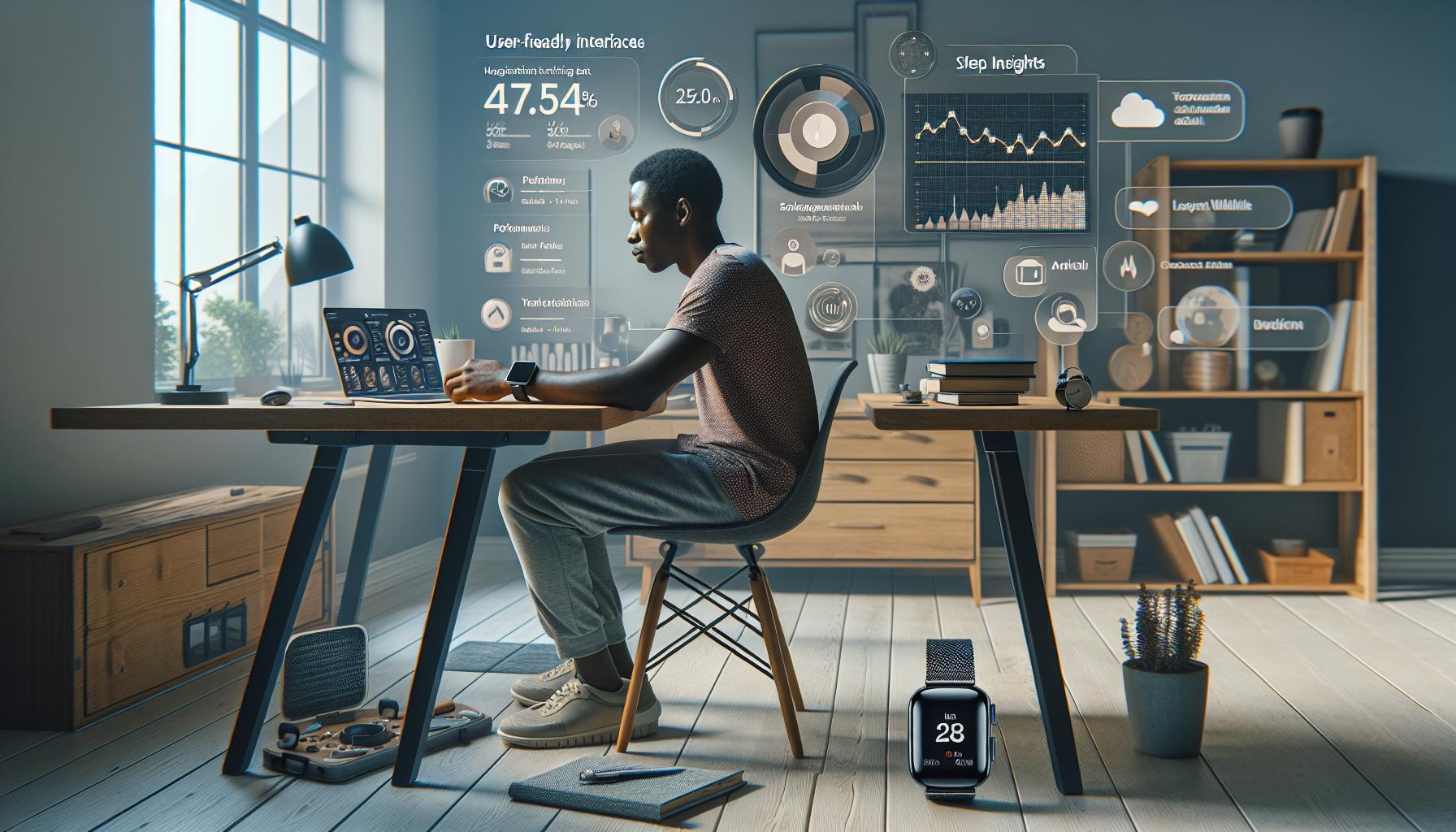
User-Friendly Interfaces: Navigating Your Sleep Data
Navigating the data provided by sleep trackers can be overwhelming, especially with the sheer volume of information on sleep patterns and health metrics. A user-friendly interface can make all the difference, turning complex data into actionable insights. It’s essential to choose a device that presents information in a clear and engaging manner, ensuring that you can easily interpret your sleep health without feeling lost in a maze of numbers and graphs.
Most modern sleep trackers prioritize simplicity in their designs. Look for features such as intuitive navigation menus, customizable dashboards, and straightforward legends that explain the various metrics. For example, the Oura Ring 4 excels in this area; it not only delivers detailed analytics but does so through a clean, easily digestible app interface. Users can quickly check their sleep stages or recovery metrics without navigating through cumbersome menus. This ease of use allows for a more personalized experience, where adjustments to sleep habits can be made with confidence.
Moreover, consider how each wearable integrates visual data representation-such as charts and graphs-that offer at-a-glance insights. The ability to visualize trends over nights or weeks can help clarify patterns that may inform lifestyle changes. For instance, if your tracker indicates a dip in REM sleep following sleepless nights, recognizing this trend can encourage you to prioritize better sleep hygiene. Interface elements like color coding for good versus poor sleep days can also prompt proactive behavior toward sleep improvement.
Ultimately, investing time in understanding how to navigate your sleep data can significantly enhance your sleep health journey. The right interface not only simplifies the process but also encourages consistent tracking and reflection. By engaging with the data meaningfully, you become empowered to harness these insights for better sleep quality and overall well-being.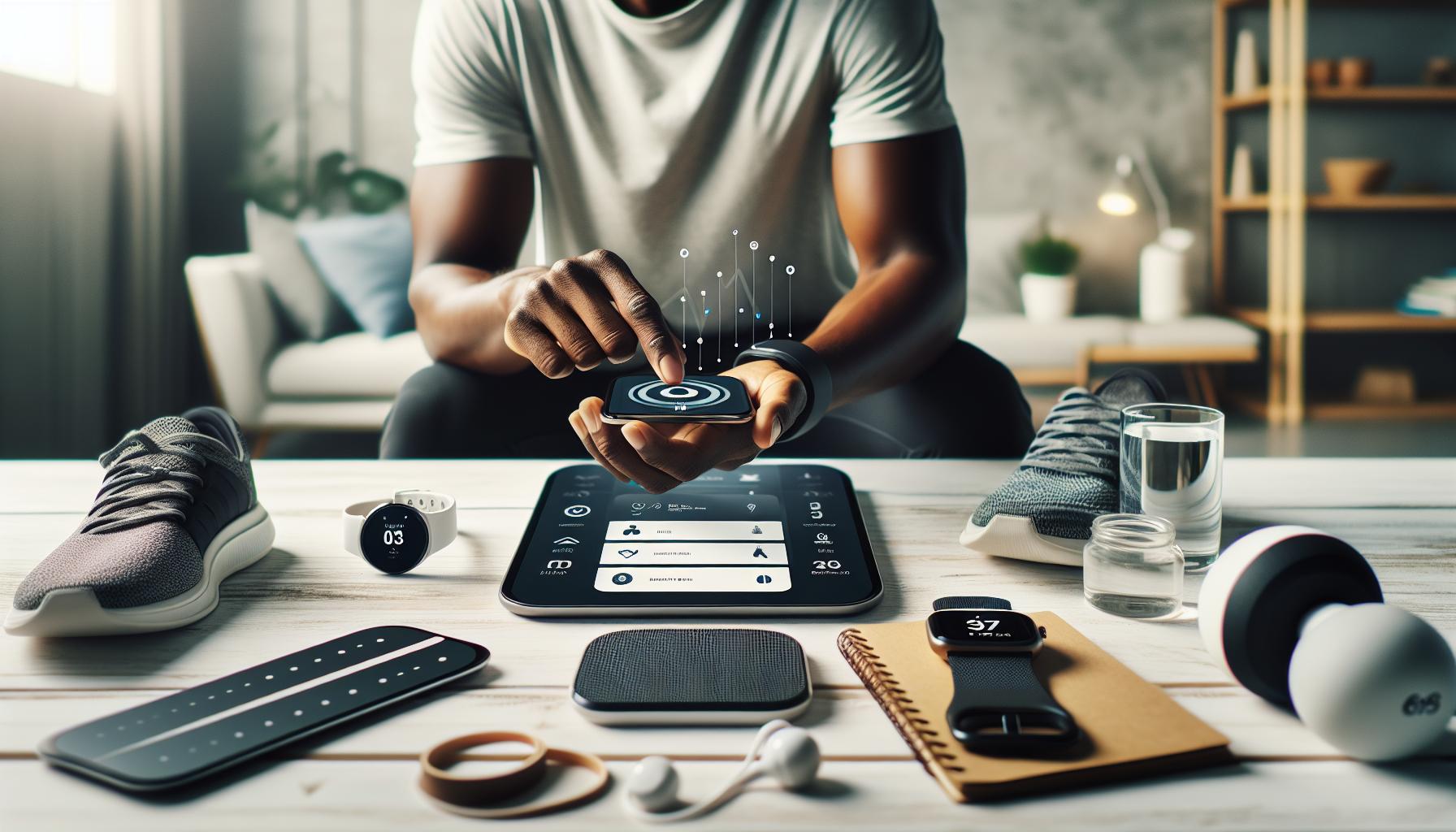
Integration with Health Apps: The Bigger Picture
In today’s health-conscious world, the integration of sleep trackers with health apps is changing how we approach sleep health. According to recent trends, many wearable devices not only collect sleep data but also sync with popular health platforms like Apple Health, Google Fit, and Fitbit, making it easier to incorporate sleep insights into your overall wellness routine. This integration allows for a holistic view of personal health and enables users to better understand how their sleep patterns affect daily activities, exercise, and nutrition.
When choosing a sleep tracker, consider its compatibility with these health apps. A seamless connection means you can aggregate your data across various measurements, from steps taken to calories burned and sleep metrics. For instance, if you wear a smartwatch that tracks your sleep and activity, having it connected to an app that demonstrates trends over time can be exceptionally beneficial. It provides insights into how your physical activity-a late afternoon workout, for example-impacts your sleep quality, allowing for more informed lifestyle adjustments.
Another advantage is the ability to set and track health goals across multiple domains. With many health apps, you can set challenges based on the total number of sleep hours or improvements in sleep quality metrics, like REM and deep sleep phases. This encouragement can motivate you to prioritize sleep while engaging with other health targets, ensuring that you address sleep health as part of a broader wellness strategy.
Before integrating devices, also examine the user interface of these health apps; a well-organized, engaging dashboard with easy-to-read charts and notifications can significantly enhance user experience. Look for apps that offer visual representations of your data, enabling you to recognize patterns and changes easily. This not only makes the tracking process enjoyable but also provides tangible feedback to tweak your routines effectively.
In summary, choosing a sleep tracker that integrates well with comprehensive health applications can empower your journey toward improved sleep health and overall wellness. Taking the time to understand these integrations and how they can benefit your health management can lead to profound changes in your quality of life.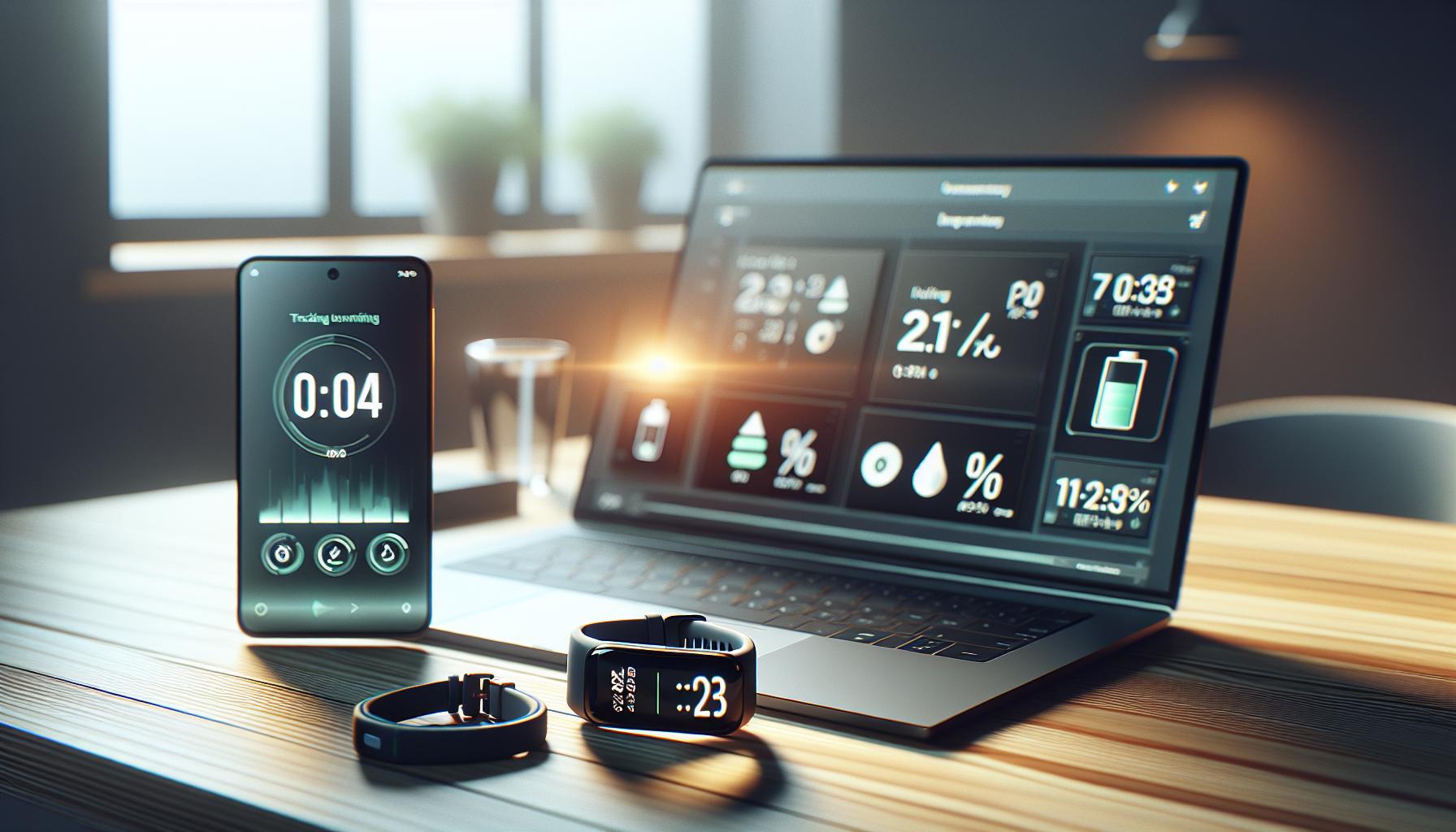
Battery Life and Tracking Durations: What to Expect
Understanding how long your sleep tracker can last before needing a recharge is vital to seamlessly integrating it into your nightly routine. Battery life varies significantly across devices, influencing both their convenience and effectiveness in tracking your sleep. For example, while some advanced smartwatches boast a range of features, they may require daily charging, potentially disrupting their ability to provide continuous sleep insights. In contrast, minimalist designs, like sleep rings, often deliver longer battery lives-sometimes lasting up to a week on a single charge.
When assessing battery life, consider the following key points:
- Average Battery Life: Most fitness trackers and smartwatches typically offer 2 to 7 days of battery life, depending on usage and features activated (like GPS or continuous heart rate monitoring).
- Charging Time: Evaluate how long it takes for a device to recharge fully; many options take around 1 to 2 hours for a full charge.
- Sleep Tracking Duration: Devices like the Oura Ring can accurately monitor your sleep across multiple nights without a charge, thanks to their efficient energy use.
Finding a balance between battery life and functionality is crucial, especially if you want uninterrupted tracking. Shorter battery life may necessitate nightly charging, which could mean risking missed data if you forget to put it on the charger. Advanced sleep metrics also consume more power; thus, if a device offers extensive features yet has a limited battery, you may need to compromise on convenience.
Also, consider how your daily activities impact battery consumption. If you frequently engage in workouts or use features such as heart rate monitoring throughout the day, this could strain the battery life. Optimizing settings to balance performance and longevity can enhance your sleep tracking experience, allowing you to gather data without the hassle of constant recharging.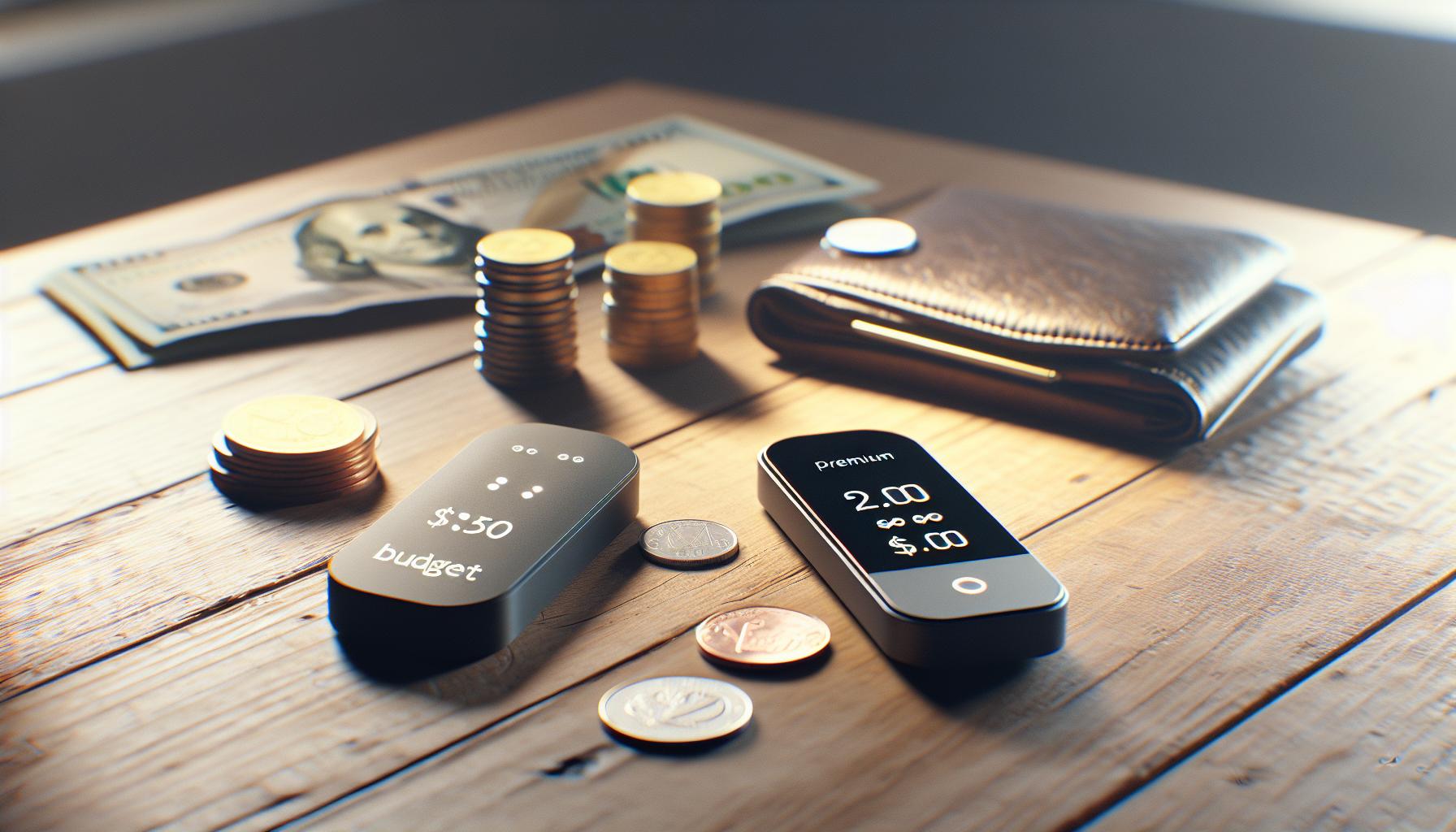
Price Comparison: Budget vs. Premium Sleep Trackers
Choosing between budget and premium sleep trackers can feel overwhelming, especially given the wide range of options available. Typically, budget devices range from $50 to $150 and offer basic sleep tracking features like total sleep time, wake-ups, and some heart rate monitoring. These devices might be ideal for casual users who want a simple way to monitor their sleep without diving deep into sleep science. For instance, a budget tracker can help identify patterns like restlessness or general sleep duration, making them suitable for those who are just beginning to explore their sleep habits.
On the other hand, premium sleep trackers typically cost $200 and up and come loaded with advanced features that provide insights into sleep stages (like REM and deep sleep), sleep quality scores, and various health metrics such as heart rate variability and body temperature. Devices in this category, such as the Oura Ring or advanced smartwatches, offer in-depth analytics that can empower users with actionable data to optimize their sleep. For example, knowing how certain lifestyle factors affect sleep quality can lead to better overall health decisions.
Investing in a premium device often means superior build quality, better battery life, and integration with health apps, enhancing the overall user experience. However, it’s essential to assess whether you genuinely need such comprehensive data. If your primary goal is to track sleep duration, a budget device might suffice. Yet, for those looking to enhance their sleep quality and overall wellness, the additional features and insights offered by premium devices can be well worth the higher price tag.
In conclusion, when comparing these options, consider your specific needs, budget, and how much detail you want in your sleep data. Remember, the best device for you is the one that aligns with your personal sleep goals and health journey.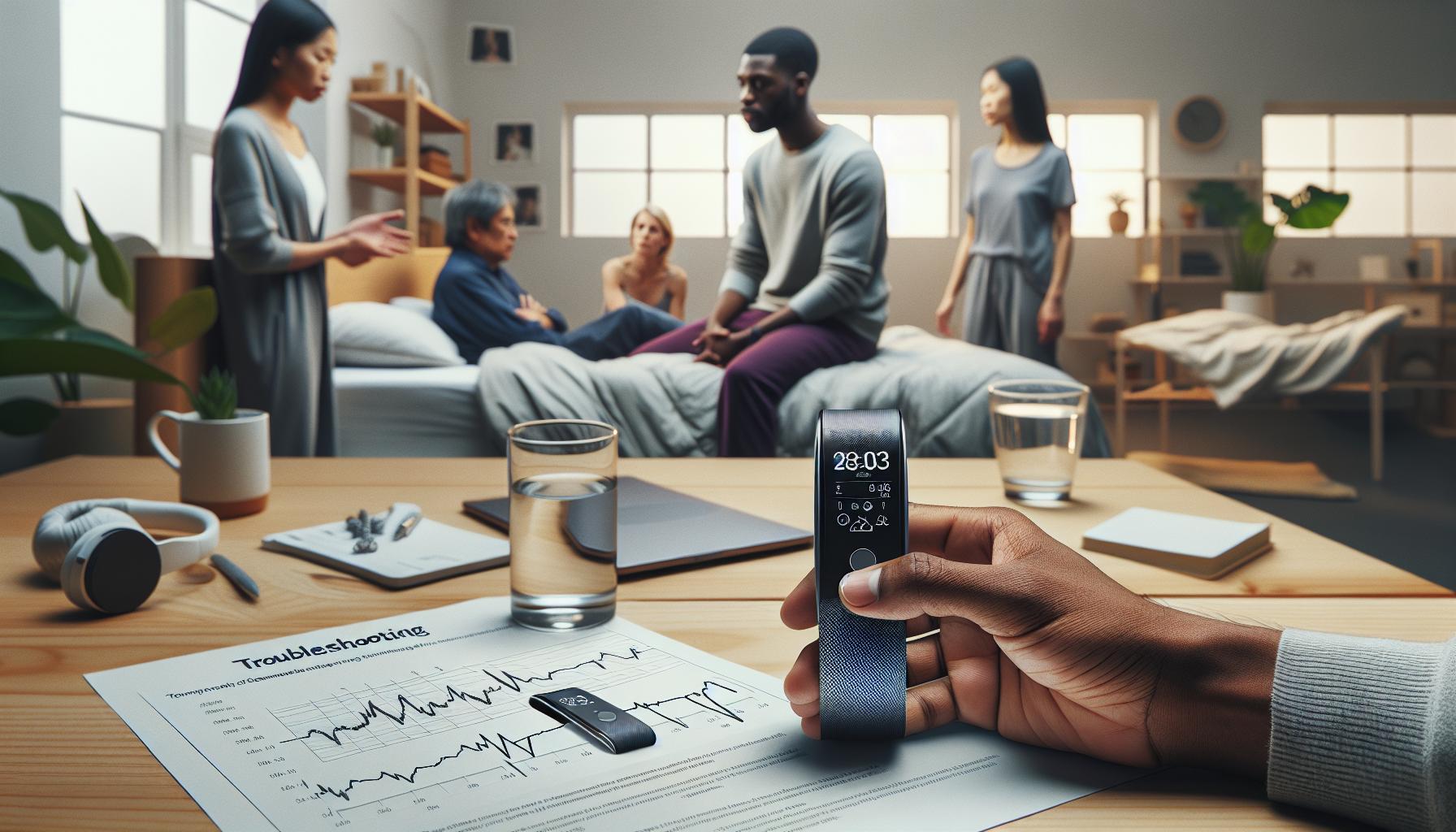
Troubleshooting Common Sleep Tracking Issues
Many users find themselves frustrated by the occasional inaccuracies of sleep trackers, which can be attributed to various factors, including device fit, sleep environment, and personal habits. Identifying and addressing common issues can significantly enhance the reliability of the data these devices provide. Here are some key troubleshooting tips to ensure you get the most accurate readings from your sleep monitor.
Device Fit and Usage
One of the most common issues affecting sleep tracker accuracy is improper fit. For wearable devices, ensure the tracker is snug but not too tight on your wrist. A loose fit can lead to inaccurate heart rate readings, which many devices use to determine sleep stages. Additionally, battery levels should be monitored; a low battery can compromise the functionality of the device. If you notice significant discrepancies in your sleep data, consider recalibrating the device according to the manufacturer’s instructions.
Understanding Sleep Environment
The environment in which you sleep plays a critical role in the performance of your sleep tracker. Factors like ambient light, noise, and temperature can impact both your sleep quality and the tracker’s ability to record your sleep accurately. If your device struggles with detecting sleep stages, try maintaining a darker, quieter, and cooler space for sleep. Furthermore, avoid using any sleep aids, like medications or excessive caffeine, without discussing them with a healthcare professional, as these can confound the data recorded by your tracker.
Regular Updates and App Syncing
Ensure that your tracker and accompanying applications are regularly updated. Sleep tech companies frequently release software updates that improve tracking accuracy and introduce new features. Additionally, syncing issues between your watch and the app can lead to malfunctioning or outdated data. Always check if your data appears correctly in the app, and if discrepancies arise, try manually syncing or restarting both devices.
Real-World Scenarios
Imagine that you consistently wake up tired, and your tracker shows you’re getting only a few hours of sleep. In this case, double-check your sleep conditions, like the amount of light and noise present during the night. A simple change such as using blackout curtains or earplugs can help improve issue tracking. If you’ve evaluated all these factors and continue experiencing unexplainable data, it may be wise to consult with a sleep specialist or consider professional sleep studies, especially if symptoms of sleep disorders persist.
By proactively addressing these common issues, you can enhance the performance of your sleep tracker, empowering yourself to make informed decisions about your sleep health. Remember, while wearables can offer valuable insights, they are one piece of the puzzle in diagnosing and improving sleep quality.
When to Consider Professional Sleep Studies vs. Wearables
Navigating the tricky waters between using wearables for sleep tracking and opting for professional sleep studies can be daunting. While fitness trackers and smartwatches equipped with sleep monitoring features offer insights into your nightly rest, they are not foolproof. If you find yourself constantly fatigued despite seemingly adequate sleep durations, it might be time to consider a deeper investigation into your sleep patterns.
When Wearables Are Not Enough
Wearable devices are handy for identifying trends in sleep duration and general quality but are limited in their accuracy regarding specific sleep stages, such as REM and deep sleep. For instance, if your wearable suggests that you’re not spending enough time in restorative stages, but you feel well-rested, the data might not tell the full story. These devices often rely on movement and heart rate data, which can lead to inaccurate conclusions about the complexities of sleep architecture. If you experience more severe symptoms, such as snoring, significant daytime drowsiness, or if someone has observed you pausing in your breathing while asleep, it’s crucial to consult a healthcare professional.
Understanding Professional Sleep Studies
Professional sleep studies, commonly known as polysomnography, provide a comprehensive view of your sleep. Conducted in a sleep lab, these studies monitor brain waves, oxygen levels, heart rate, and breathing, allowing for a detailed analysis of various sleep stages. It’s important to note that these studies can be costly, ranging from $600 to $3,000, depending on the specifics of the assessment and insurance coverage. Expect a comfortable but structured environment; sensors will be placed on different parts of your body to monitor your sleep patterns throughout the night.
Key Scenarios to Seek Professional Help
If you notice any of the following, it may be advisable to pursue a sleep study rather than relying solely on your wearable:
- Persistent trouble falling or staying asleep
- Waking up feeling unrefreshed, despite adequate sleep duration
- Experiencing insomnia or excessive daytime sleepiness that interferes with daily activities
- Symptoms of sleep apnea, such as loud snoring or gasping during sleep
- Recent significant changes in sleep patterns or behaviors
While wearables can serve as a useful preliminary tool to gather data about your sleep habits, consulting a sleep specialist can provide clarity and direction for health issues that trackers simply cannot address. Always weigh the benefits of professional assessment against the insights gained from your devices. If your sleep quality is affecting your overall well-being, don’t hesitate to take the next step toward better sleep health.
FAQ
Q: What are the top features to consider when choosing a sleep tracking watch?
A: The top features to consider include accuracy of sleep stage detection, comfort for wear, battery life, data integration with health apps, and advanced metrics like heart rate variability. Make sure to assess which features align with your sleep tracking needs for effective monitoring.
Q: How do I know if my sleep tracking watch is accurate?
A: To determine the accuracy of your sleep tracking watch, compare its data against sleep studies or other trusted sleep monitors. Look for studies or reviews that validate the technology used in your watch and check metrics like sleep duration and wake times against your own experiences.
Q: Can I improve my sleep tracking accuracy with specific apps?
A: Yes, pairing your watch with specific sleep tracking apps can enhance accuracy by providing deeper insights and personalized recommendations. Look for apps that analyze your sleep data comprehensively and offer guidance tailored to improve your sleep hygiene.
Q: What is the difference between budget and premium sleep tracking watches?
A: Budget sleep tracking watches typically offer basic features such as sleep duration tracking, while premium watches provide comprehensive metrics, better build quality, and longer battery life. Premium options often integrate advanced technologies like heart rate variability assessment and more intuitive interfaces.
Q: When should I consider a professional sleep study over a wearable device?
A: Consider a professional sleep study if you experience persistent sleep issues like insomnia or sleep apnea that affect your daily life. A wearables can provide useful insights, but a sleep study can diagnose serious conditions more accurately.
Q: What are common issues with sleep tracking devices?
A: Common issues include inaccurate sleep stage detection, inconsistency in tracking due to poor fit, and difficulty in integrating with health apps. Always ensure your device is fitted correctly and updated; if issues persist, consult user forums for troubleshooting tips.
Q: How can users interpret advanced sleep metrics provided by wearables?
A: Users can interpret advanced sleep metrics by understanding what metrics like REM sleep, light sleep, and deep sleep indicate about their overall rest. Many quality apps provide guides that explain these stages and how they relate to sleep quality.
Q: Do sleep tracking watches help in managing sleep disorders?
A: While sleep tracking watches can aid in recognizing sleep patterns and disturbances, they should not replace professional medical advice. They can provide useful data for discussions with healthcare providers regarding sleep disorders, facilitating better management strategies.
In Retrospect
As you’ve explored the nuances of sleep tracking features across different watches, you’re now equipped with insights that empower your decision-making. Remember, a watch with superior sleep tracking can significantly impact your health and well-being by providing actionable insights into your sleep patterns. If you’re still unsure which option is best for you, don’t hesitate to check out our detailed guide on setting up and maximizing wearable devices for better sleep.
Feeling overwhelmed by choices? Consider reaching out for a personalized consultation or visiting our resource on effective sleep strategies. Your journey toward improved sleep health begins with the right tools and knowledge, and we’re here to support you every step of the way.
Don’t forget to subscribe to our newsletter for the latest updates on sleep health technologies and tips on optimizing your sleep. Engage with us in the comments below – we’d love to hear your experiences and recommendations! Your next great night’s sleep is just a decision away.
Get our latest guides, news, and insights highlighted in your Google Search & AI Overviews.