
After undergoing a sleep study, many individuals find themselves at a crossroads, wondering, “What comes next?” Understanding your results and the steps to take can significantly impact your journey toward better sleep. Whether you faced challenges like insomnia or simply want to optimize your nightly rest, this follow-up action plan is designed to guide you. With the right insights and strategies, you can transform your sleep experience, addressing concerns about sleep disorders and incorporating practical solutions. Keep reading to discover how to interpret your findings and make informed decisions that will enhance your sleep health and overall well-being. Together, we’ll navigate this path, empowering you to reclaim restful nights and rejuvenated mornings.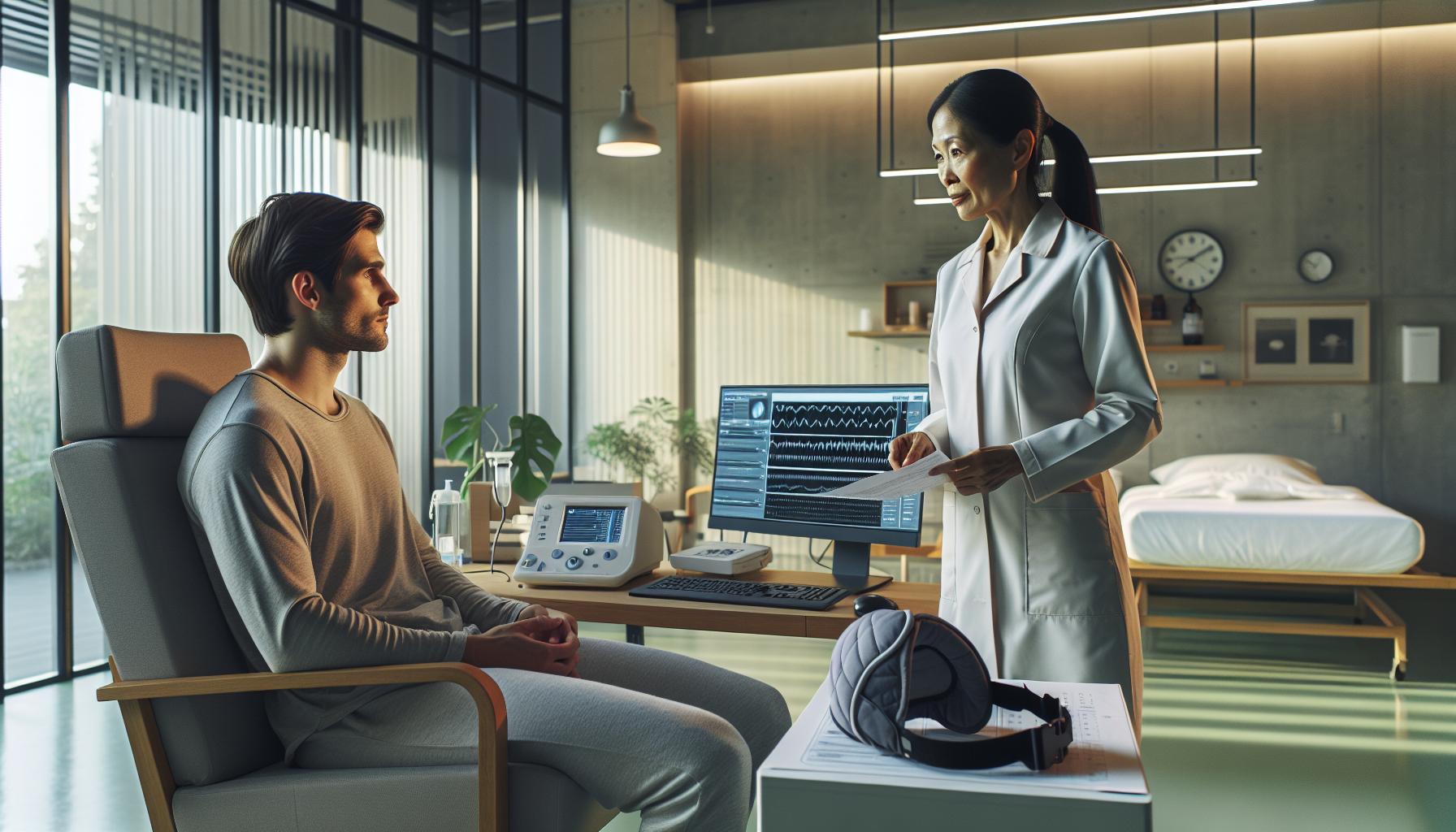
After Your Sleep Study: Understanding Results
Receiving the results from your sleep study can feel overwhelming, but understanding what those results mean is a crucial step toward improving your sleep health. Sleep studies, also known as polysomnographies, provide a wealth of information that can help diagnose various sleep disorders, such as sleep apnea, restless legs syndrome, and insomnia. By interpreting these findings correctly, you can take significant steps towards better rest and overall well-being.
When you receive your results, focus on key metrics that offer insight into your sleep patterns. Look for data on sleep stages, which include REM (rapid eye movement) and non-REM sleep. A typical night includes several cycles through these stages, and an imbalance can indicate disorders or other issues. Additionally, pay attention to the apnea-hypopnea index (AHI), which measures the severity of sleep apnea based on the number of breathing interruptions you experience each hour. Understanding these terms and how they relate to your sleep can empower you to discuss your findings effectively with your healthcare provider.
Next, consider tailoring an action plan based on your results. If your study indicates sleep apnea, for instance, options may include lifestyle changes, the introduction of CPAP therapy, or even surgical interventions in more severe cases. Personalized steps might involve weight management, positional therapy, or the incorporation of sleep hygiene practices to create a more conducive sleep environment. It’s essential to discuss these outcomes with a sleep specialist to determine the best course of action tailored to your specific situation.
Finally, remember that lifestyle changes can significantly impact your sleep quality. Simple adjustments such as maintaining a consistent sleep schedule, reducing caffeine intake, and creating a relaxing bedtime routine can enhance your nightly rest. By approaching your sleep study results with an understanding mindset and a clear action plan, you empower yourself to make informed decisions towards better sleep health.
Interpreting Sleep Study Findings: What to Expect
Receiving the results of your sleep study can feel like opening a door to a new understanding of your sleep health, but it can also be daunting. These findings can reveal not just how well you sleep, but the quality and efficiency of your rest. For instance, while the average person cycles through various sleep stages multiple times per night, disruptions in these cycles can indicate underlying sleep issues such as obstructive sleep apnea or insomnia. Among the critical metrics to review, pay particular attention to the apnea-hypopnea index (AHI), which informs you about the frequency and severity of breathing interruptions during sleep.
The sleep study report may seem technical at first glance, packed with medical jargon, but it is essential to translate these findings into actionable insights. For example, a high AHI score could suggest that you are experiencing significant interruptions in breathing, stating the need for a conversation about CPAP therapy or lifestyle changes. Moreover, comprehending the data on sleep architecture-how long you spend in different sleep stages-can shed light on issues like excessive daytime sleepiness or irritability, often tied to insufficient REM sleep.
To make sense of your results, consider creating your own summary that highlights the most critical data points, including your sleep efficiency (the percentage of time spent asleep while in bed) and overall sleep duration. Sharing this summary with your healthcare provider not only facilitates a more streamlined discussion but also ensures that all important aspects of your sleep health are addressed.
Lastly, remember that interpreting your sleep study findings is an ongoing journey. Engage with your healthcare provider to explore personalized action plans tailored to your specific needs, whether they involve lifestyle adjustments, therapy options, or further testing. This proactive approach not only helps in managing any identified conditions but empowers you to take charge of your sleep health moving forward.
Tailoring Your Action Plan: Personalized Next Steps
Receiving your sleep study results is just the beginning of a journey toward improved sleep health. Following the findings, it’s vital to create a personalized action plan that addresses your specific sleep issues. By actively engaging with your healthcare provider and utilizing the insights from your sleep study, you can tailor a roadmap that significantly enhances your sleep quality.
To start, consider the key metrics provided in your report, such as your apnea-hypopnea index (AHI) score or sleep efficiency percentage. These metrics can inform various actionable strategies:
- Consultation with a Specialist: Schedule an appointment with a sleep specialist to interpret your results more deeply and discuss potential interventions, from lifestyle modifications to therapeutic options like CPAP therapy.
- Set Achievable Goals: Develop specific, measurable goals for your sleep health. For example, if your study indicates poor sleep efficiency, aim to improve your sleep hygiene practices or adjust your bedtime routines.
- Explore Therapeutic Options: Depending on your diagnosis, your action plan may include medical devices like CPAP or lifestyle changes such as weight loss, dietary modifications, or exercise. Understand how these options work and ask your provider about their setup and maintenance.
Moreover, documenting your sleep patterns and any changes you implement can provide valuable feedback on what strategies are working. Sleep trackers and apps can enhance this self-monitoring process, allowing you to visualize progress and stay motivated. Be sure to integrate relaxation techniques like meditation or mindfulness into your routine, as they can improve your nightly rest and reduce anxiety related to sleep issues.
Ultimately, a proactive approach is key to managing your sleep health. Regularly revisit your action plan with your healthcare provider to adjust goals, assess progress, and explore new strategies. Taking small, consistent steps can lead to significant improvements in your sleep quality and overall well-being.
Lifestyle Changes for Better Sleep: Start Here
Making simple lifestyle changes can dramatically improve your sleep quality after receiving your sleep study results. The way you approach your day and evening rituals plays a pivotal role in how well you rest at night. Here’s how you can start transforming your sleep environment and habits.
- Establish a Consistent Sleep Schedule: Go to bed and wake up at the same time every day, even on weekends. This helps regulate your body’s internal clock, making it easier to fall asleep and wake up naturally.
- Create a Relaxing Bedtime Routine: Engage in calming activities before bedtime. This might include reading a book, taking a warm bath, or practicing mindfulness meditation. These activities can signal your body that it’s time to wind down.
- Limit Screen Time Before Bed: The blue light emitted from phones, tablets, and computers can interfere with the production of melatonin, making it harder to fall asleep. Aim to disconnect at least an hour before sleep.
- Optimize Your Sleep Environment: Ensure your bedroom is conducive to sleep-dark, cool, and quiet. Consider using blackout curtains, a white noise machine, or earplugs if necessary.
Incorporating these changes can initially feel challenging, but small, consistent adjustments can lead to lasting improvements in your sleep. For example, someone struggling with insomnia might find that reading fiction for 30 minutes in a dimly lit room helps them transition to sleep more effectively than scrolling through social media.
Moreover, monitoring your progress with sleep trackers or journals can provide insights into how well your new routines are working. Regularly reviewing this data with a healthcare provider can be invaluable, allowing for adjustments as you learn what techniques truly resonate with you.
Ultimately, remember that better sleep is within reach. By making thoughtful lifestyle changes, you can create a solid foundation for improved rest and recovery. Empower yourself with patience and persistence, and don’t hesitate to seek support when needed. The journey to better sleep is a gradual process, but the rewards are well worth the effort.
Sleep Disorders: When to Seek Additional Help
Recognizing when to seek additional help for sleep disorders can be crucial for maintaining overall health and well-being. If you’ve recently completed a sleep study and have received your results, certain symptoms or patterns may indicate the need for further evaluation or treatment. It’s essential to understand that experiencing occasional sleep disturbances is normal; however, persistent issues could signal a more serious underlying condition.
If you find yourself consistently struggling with sleep, consider the following scenarios that may warrant seeking professional guidance:
- Frequent Nightly Disturbances: If you frequently wake up during the night or have difficulty falling back asleep, this could indicate conditions like insomnia or sleep apnea.
- Daytime Drowsiness: Struggling to stay awake during the day, especially if it interferes with daily activities, may highlight insufficient restorative sleep cycles or other sleep disorders.
- Chronic Snoring or Gasping: Nocturnal snoring or gasping for air can be symptoms of obstructive sleep apnea, which requires further testing and treatment.
- Strong Emotional Response: If sleep difficulties are accompanied by heightened anxiety, depression, or irritability, addressing these issues with a healthcare provider is vital.
Speaking with a healthcare professional can help clarify whether your experiences are common and guide you through the next steps. Depending on your analysis results, additional testing like polysomnography may be recommended, or you might simply need tips for improving your sleep hygiene. As you engage with your healthcare provider, don’t hesitate to ask about the connections between your symptoms and your overall health, as well as the various treatment options available, including lifestyle changes or more advanced interventions like CPAP therapy.
Ultimately, being proactive about your sleep health can pave the way for improving your overall quality of life. Your journey towards restful nights and energized days starts with understanding when to seek help and being open to the recommendations from your sleep specialist. Each step taken towards addressing your sleep concerns is a step towards reclaiming your vitality.
Using Sleep Trackers: Enhancing Your Sleep Health
Using sleep trackers can significantly enhance your understanding of sleep patterns and overall sleep health. These devices, ranging from wrist-worn fitness trackers to advanced smart mattresses, can help provide insights into your sleep duration, quality, and disturbances. By taking advantage of this technology, you can identify trends and factors affecting your sleep, making it easier to share valuable data with your healthcare provider after a sleep study.
Choosing the Right Tracker
When selecting a sleep tracker, consider the following features:
- Accuracy: Different trackers use various methods to measure sleep; some are based on movement, while others employ heart rate monitoring. Look for devices with good reviews highlighting accuracy.
- Comfort: You’ll want a tracker that’s comfortable enough to wear throughout the night without disrupting your sleep.
- Data Sharing: Some devices sync with smartphone apps, making it easy to review your sleep data over time and share it with your doctor.
When evaluating trackers, also keep in mind your specific needs-whether you want to monitor sleep apnea, assess overall sleep quality, or understand the effects of lifestyle changes.
Real-World Application
Imagine experiencing frequent awakenings during the night. By using a sleep tracker, you notice a pattern: you tend to wake up when your bedroom temperature exceeds a certain point. Armed with this information, you can adjust your environment (like cooling your room) and subsequently report these findings to your doctor, facilitating a more targeted approach to your sleep issues.
Limitations of Sleep Trackers
While sleep trackers are beneficial, they are not infallible. They may not capture complex sleep disorders accurately, such as sleep apnea, which typically requires a comprehensive sleep study for diagnosis. Use trackers as a complementary tool to increase your awareness of sleep habits rather than a substitute for professional medical advice.
In navigating your sleep health journey, integrating sleep trackers into your routine may provide valuable insights. Combine this data with the outcomes from your sleep study and ongoing discussions with your healthcare provider to develop a well-rounded plan for achieving better sleep. This proactive approach empowers you to take control of your sleep health, leading to improved well-being and quality of life.
Communicating with Your Doctor: Key Questions to Ask
Understanding the results of your sleep study can feel overwhelming, but discussing these findings with your doctor is essential for your next steps. Armed with the right questions, you can clarify any uncertainties, establish a plan, and feel empowered in your sleep health journey. Meeting with your healthcare provider calls for an open dialogue; preparing questions in advance can make this discussion more productive.
Start by asking about the specific outcomes of your sleep study. You might inquire: “What does my sleep pattern look like?” and “Did you find any abnormalities like sleep apnea or insomnia?” Understanding the technical aspects of your sleep study can provide insights into your nightly rest and how it might affect your overall health. Don’t hesitate to ask for clarifications about terms that may seem complicated, such as REM sleep, sleep latency, or arousals, to truly grasp your unique situation.
Next, focus on treatment implications. Questions like “What are my treatment options based on these results?” and “How will these options improve my sleep?” will help you explore methods tailored to your specific needs, whether that includes lifestyle changes, therapies, or devices such as CPAP machines. Discussing the expected outcomes of these interventions is crucial; inquire about timelines and what progress might look like.
Additionally, it’s important to communicate about the role of sleep technology and monitoring. For instance, you could ask, “Should I consider a sleep tracker or monitor at-home therapy effectiveness?” and “How can I integrate the data from these devices with my treatment plan?” Your doctor can help you understand how these tools fit into your overall health management and can augment or complement clinical assessments.
Lastly, don’t forget to bring up any concerns regarding costs or insurance coverage related to follow-up treatments. Questions like “Will my insurance cover recommended treatments?” and “Are there cost-effective alternatives I should consider?” can alleviate financial stress as you navigate your path to better sleep. Establishing clear communication about these topics ultimately ensures you are a proactive participant in your health care, setting the stage for improved sleep health and a better quality of life.
Meditation and Relaxation Techniques to Sleep Better
Exploring techniques like meditation and relaxation can dramatically enhance the quality of your sleep, especially after undergoing a sleep study. Many find that these practices not only reduce anxiety around sleep issues but also prepare the mind and body for a restful night. Research shows that incorporating mindfulness and relaxation techniques can lead to significant improvements in sleep patterns and overall health.
Benefits of Meditation for Sleep
Meditation calms the mind, allowing you to let go of the day’s stressors. By focusing on your breath and observing your thoughts without judgment, you create a sense of peace. Regular meditation practice has been linked to increased melatonin production, the hormone responsible for regulating sleep. Here are a few meditation techniques to consider:
- Guided Imagery: Visualize a serene setting, such as a tranquil beach or a quiet forest. Allow the details to fill your mind and immerse yourself in this peaceful scene.
- Breath Awareness: Concentrate solely on your breathing. Notice the rise and fall of your chest, allowing any tension to melt away with each exhale.
- Body Scan: Progressively focus on different muscle groups, from your toes to your head, and consciously relax each area.
Relaxation Techniques to Incorporate
In addition to meditation, various relaxation techniques can help signal your body that it’s time for sleep. Progressive Muscle Relaxation (PMR) is widely recognized for its effectiveness. Start from the tips of your toes, tensing each group of muscles for five seconds before releasing. Work your way up through your body, finishing with your forehead.
Another method is deep breathing exercises. Try inhaling deeply through your nose for a count of four, holding for four, and exhaling through your mouth for a count of six. This not only calms your nervous system but also lowers heart rate, making it easier to fall asleep.
Creating a Relaxation Routine
To reap the benefits of these techniques, it’s wise to establish a nightly routine. Aim for 20-30 minutes of relaxation exercises before bedtime. Here’s how to craft your routine:
- Set a consistent bedtime to signal to your body when it’s time to unwind.
- Eliminate screens and bright lights an hour before bed to help regulate your circadian rhythm.
- Create an inviting sleep environment-dim lights, comfortable bedding, and a cool room.
Combining these meditation and relaxation techniques can empower your journey to better sleep, offering a proactive approach to managing sleep-related challenges. By addressing both your mental and physical state, you set the stage for more restful nights and improved overall well-being.
Understanding Treatment Options: CPAP and Beyond
Treatment options for sleep disorders can often seem overwhelming, especially after receiving results from a sleep study. One of the most common recommendations is Continuous Positive Airway Pressure (CPAP) therapy, especially for those diagnosed with obstructive sleep apnea. A CPAP machine helps keep your airway open by providing a steady stream of air through a mask you wear while sleeping. It’s essential to understand how this device works, as well as other options that may help improve your sleep quality.
CPAP Therapy
CPAP devices come in various models and settings, tailored to fit individual comfort and pressure needs. Here are the key aspects of using CPAP:
- Setup and Fit: After your sleep study, the sleep specialist will recommend the pressure settings on your CPAP device. It’s crucial to work with a provider to ensure the mask fits properly to avoid leaks and ensure comfort.
- Compliance: Many users find it challenging to adjust initially. You might experience discomfort or feel claustrophobic. Stick with it; many users report significant improvements in sleepiness and mood after consistent use.
- Maintenance: Regular cleaning of the mask and tubing is vital for hygiene and efficient operation. Follow your manufacturer’s guidelines for maintenance.
Alternative Treatment Options
If CPAP therapy isn’t the right fit, several alternatives exist. Some options include:
- Oral Appliances: These dental devices reposition the jaw and tongue to keep the airway open. They are particularly effective for mild to moderate sleep apnea.
- Positional Therapy: For those whose sleep apnea is worse when sleeping on their backs, positional therapy devices can help ensure you maintain a side-sleeping position.
- Behavioral Interventions: Weight loss, exercise, and avoiding alcohol and sedatives can significantly alleviate symptoms of sleep apnea.
When to Consider Additional Help
If you’ve tried CPAP or other treatments and still experience symptoms like daytime sleepiness or difficulty concentrating, further evaluation may be necessary. This could involve a follow-up sleep study or consultations with specialists focusing on insomnia, restless leg syndrome, or circadian rhythm disorders.
Choosing the right treatment requires patience and communication with your healthcare provider. Assessing your comfort level with each option and understanding the trade-offs involved will empower you to make informed decisions about your sleep health. With the right approach, you can significantly enhance your sleep quality and overall well-being.
Monitoring Progress: Tracking Sleep Improvements
Tracking your sleep improvements after a sleep study can be both empowering and essential for optimizing your health. By keeping a close eye on your sleep patterns, you not only gain insights into how well your treatment is working but also increase your awareness of various factors influencing your sleep quality. This understanding plays a crucial role in making informed decisions about your health and well-being.
To effectively monitor your progress, consider a few practical strategies. First, maintaining a sleep diary can help you log daily details like your sleep duration, quality, and any daytime symptoms. Include notes on medications, dietary changes, and lifestyle factors-such as caffeine or alcohol intake-that might impact your sleep. This record not only aids discussions with your healthcare provider but helps you identify patterns that contribute to better or worse sleep.
Utilizing wearable technology can also enhance your monitoring efforts. Devices like smartwatches and fitness trackers can provide objective data on your sleep stages, heart rate, and overall sleep quality. While these devices can supplement your sleep diary, it’s important to approach the data critically. Not all sleep trackers are accurate, and they should be viewed as part of a broader picture that includes how you feel during the day.
Trends and Adjustments
As you collect data and track your sleep improvements, look for trends over time. Are there specific changes in your routine that coincide with better sleep? For instance, implementing a consistent bedtime, reducing screen time before sleep, or adjusting your sleep environment can significantly impact your sleep quality. If you notice persistent challenges, such as ongoing daytime sleepiness despite treatment adherence, it may be time to consult with your healthcare provider to re-evaluate your action plan or consider additional sleep studies.
Ultimately, the goal of monitoring is to empower you to make adjustments that enhance your rest. Whether through keeping a diary, leveraging technology, or engaging with your healthcare team, being proactive in tracking your sleep can lead to meaningful improvements in your sleep health journey. Remember, achieving better sleep is often a process of trial and error, requiring patience and persistence.
Insurance Coverage for Follow-Up Treatments: What to Know
Many people wonder how to navigate the often-complicated world of insurance coverage for follow-up treatments after a sleep study. Understanding what your insurance will cover can significantly impact your access to necessary treatments and devices, so it’s essential to be informed and prepared. In many cases, your plan may cover treatments like CPAP (Continuous Positive Airway Pressure) therapy, medication for sleep disorders, or even specialized sleep aids, but the specifics can vary widely.
To start, check your insurance policy for any mentions of sleep studies and devices. Some plans may categorize sleep studies as diagnostic, which could mean higher coverage limits compared to more routine health services. Additionally, confirm whether your insurer requires a referral from a primary care physician or a sleep specialist before proceeding with treatment, as this can affect your ability to access resources promptly.
What to Do Before Your Follow-Up Treatment
Before moving forward with any treatment, consider these practical steps:
- Call Your Insurance Provider: Always speak directly to your insurance representative about your benefits related to sleep disorders. Ask specifically about coverage for follow-up sleep treatments, including CPAP machines, medications, or any additional testing.
- Verify In-Network vs. Out-of-Network: Check which healthcare providers and suppliers are in-network to avoid higher costs. Using out-of-network services can lead to substantial out-of-pocket expenses.
- Get Pre-Authorization: Depending on your insurance plan, obtaining pre-authorization before starting any new treatment could save you from unexpected bills. This step often involves submitting documentation from your healthcare provider to demonstrate medical necessity.
Ultimately, staying proactive and informed can empower you to make decisions that support your sleep health without breaking the bank. Remember, every insurer is different, and your coverage will also depend on your specific policy terms, so it’s crucial to do your homework. By understanding your options and rights before beginning follow-up treatments, you can ensure that you are well-equipped to tackle any challenges along the way.
Navigating Sleep Technology: Best Devices for Home Use
With the growing awareness of sleep health, an array of innovative technologies is available to help individuals better understand and improve their sleep. After a sleep study, exploring these devices can provide valuable insights and support your journey towards improved sleep quality.
One of the most beneficial categories of sleep technology includes sleep trackers. These wearables, often worn on the wrist or as rings, monitor your sleep patterns by tracking movements, heart rate, and sometimes even oxygen levels. For instance, devices like the Fitbit or Oura Ring provide data that can inform you about your sleep stages-light, deep, and REM sleep-and offer guidance on how to optimize your rest. Many of these devices also feature app integration, allowing you to visualize sleep data over time and identify trends or areas for improvement.
Another exciting option is smart mattresses and mattress covers that adjust to your sleeping position and body temperature. Products like the Eight Sleep Pod use built-in sensors to regulate your sleeping environment and generate personalized insights. These devices can track your sleep quality and even wake you up at the optimal time in your sleep cycle, enabling a smoother transition from sleep to wakefulness.
For those diagnosed with sleep disorders, especially sleep apnea, Continuous Positive Airway Pressure (CPAP) machines are essential. Many modern CPAP devices come equipped with smart technology that tracks compliance, mask fit, and airflow pressure, allowing for adjustments to maximize effectiveness. Some models even connect to apps to provide real-time feedback, so you can ensure that your therapy is working as intended.
When selecting sleep technology, consider both your specific needs and budget. While basic sleep trackers may start at just $50, premium options and smart mattresses can range in the hundreds to thousands of dollars. Investigate the most relevant features for your situation, and don’t hesitate to consult with your healthcare provider to find the best fit for your lifestyle and needs. By leveraging these tools, you can take a proactive role in managing your sleep health and enhancing your overall well-being.
FAQ
Q: What should I do if I feel anxious after my sleep study results?
A: If you feel anxious about your sleep study results, consider discussing your feelings with your doctor. They can provide clarity and reassurance. Practicing relaxation techniques like meditation or deep breathing can also help ease anxiety. For more support, refer to the Meditation and Relaxation Techniques to Sleep Better section in our article.
Q: How can I improve my sleep hygiene after a sleep study?
A: To improve your sleep hygiene, establish a regular sleep schedule, create a relaxing bedtime routine, and ensure a comfortable sleep environment. Avoid screens an hour before bed and limit caffeine intake in the afternoon. Implement these changes as part of your Tailoring Your Action Plan: Personalized Next Steps might suggest.
Q: What happens during a follow-up appointment after a sleep study?
A: During a follow-up appointment, your doctor will review your sleep study results, discuss your symptoms, and develop a personalized treatment plan. This appointment is crucial for understanding treatment options and determining any further tests you might need.
Q: How do I choose the right sleep tracking device after my study?
A: When choosing a sleep tracking device, consider factors like accuracy, user interface, and compatibility with other health apps. Evaluate your needs-do you want basic tracking or advanced features? Check out our Navigating Sleep Technology: Best Devices for Home Use section for recommendations.
Q: When should I seek additional help for my sleep issues after a study?
A: Seek additional help if you continue to experience symptoms such as excessive daytime sleepiness, snoring, or mood changes, despite following your treatment plan. Resources on when to Seek Additional Help can guide your decision.
Q: Are there financial assistance options for follow-up treatments after a sleep study?
A: Yes, many insurance plans cover follow-up treatments, though coverage varies. It’s advisable to contact your insurance provider for specifics. Check the Insurance Coverage for Follow-Up Treatments: What to Know section for further insights.
Q: How long does it take to see improvements after starting treatment for sleep issues?
A: Improvement duration varies by individual and treatment type. Some may notice changes within a few weeks, while for others, it may take several months. Regularly monitor your progress as outlined in the Monitoring Progress: Tracking Sleep Improvements section of our article.
Q: What lifestyle changes can support my sleep health after a study?
A: Supporting your sleep health can be achieved by maintaining a balanced diet, exercising regularly, and managing stress. Also, limit alcohol and nicotine use. These lifestyle changes will be highlighted under Lifestyle Changes for Better Sleep: Start Here in the article.
The Conclusion
Now that you’ve completed your sleep study, it’s time to take proactive steps towards better sleep health. Your follow-up action plan is essential for understanding your results and making informed decisions-don’t wait! Engaging with our additional resources on sleep hygiene and insomnia can provide further insights into enhancing your sleep quality [[3]].
Feeling uncertain about the next steps? Consider consulting a sleep specialist and exploring the latest technology in sleep wearables to monitor your progress. Visit our guide on sleep disorders to better comprehend what your results mean and how they influence your nightly rest [[2]].
Join our community of sleep enthusiasts by signing up for our newsletter, where we’ll keep you updated on the best practices for improving sleep. Remember, informed decisions lead to healthier sleep, so let’s embark on this journey together! Explore more, interact with us below, and don’t hesitate to reach out with any questions you may have. Your path to restful nights starts now!
Get our latest guides, news, and insights highlighted in your Google Search & AI Overviews.