
Did you know that about 70 million Americans suffer from sleep disorders? Understanding your sleep study results is crucial for unlocking a better night’s sleep and enhancing your overall health. This guide aims to demystify the process of interpreting your sleep study, empowering you with the knowledge to make informed decisions about your sleep health. Whether you’ve recently undergone a polysomnography test or used a wearable sleep tracker, comprehension of your results can help alleviate anxiety and provide direction for future steps. As we delve into the nuances of sleep measurements, potential disorders, and actionable insights, you’ll gain clarity on how to leverage this information to improve your rest and rejuvenation. Armed with the right understanding, you can finally take control of your sleep journey. Let’s explore how to interpret your sleep study results effectively!
Understanding Sleep Studies: An Overview
Understanding sleep studies can feel overwhelming, but they are a vital tool in diagnosing sleep disorders that impact your health. A sleep study, or polysomnography, records your brain waves, blood oxygen levels, heart rate, and breathing, alongside monitoring your body movements during sleep. This comprehensive data allows sleep specialists to gain insight into various sleep stages and patterns, helping to identify conditions like sleep apnea, insomnia, and restless legs syndrome.
Before participating in a sleep study, it’s important to know what to expect. Typically, these studies are conducted in specialized sleep centers, though some can now be done at home. During a traditional sleep study, you’ll spend the night in a comfortable, monitored environment with sensors attached to your body to collect precise data. You’ll be observed as you sleep, so any concerns about discomfort and privacy should be addressed beforehand.
One key aspect of preparing for your sleep study is understanding the technology involved. Devices used in sleep studies can range from basic sleep monitors to advanced polysomnography machines. For those considering home sleep tests, these generally involve simpler setups with fewer sensors, which can be less intimidating but may not capture all the necessary data compared to in-lab studies.
As you await results, it’s essential to ask questions about the process-what the tests measure, how they interpret data, and what the results could mean for your health. Understanding these facets empowers you to make informed decisions about your sleep health. Remember, being proactive about your sleep is a crucial step towards improving overall well-being.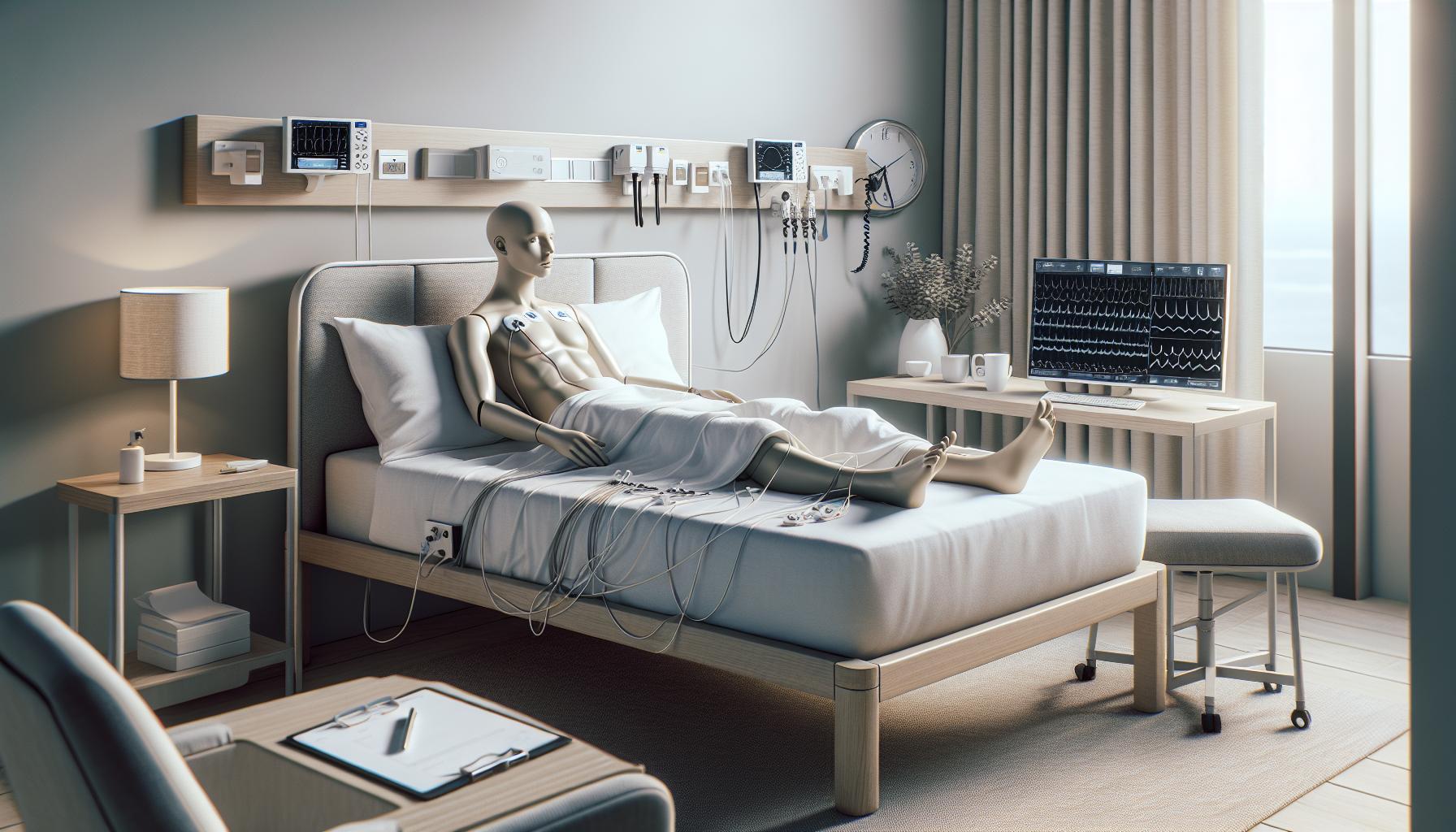
What to Expect During Your Sleep Study
When preparing for a sleep study, knowing what to expect can help alleviate anxiety and set you up for a successful experience. Whether you’re undergoing a traditional study in a sleep center or opting for a home sleep test, each approach has its unique process and considerations. Sleep studies typically involve an overnight monitoring session where various physiological parameters are tracked to gather data about your sleeping patterns.
Upon arrival at the sleep center, you can expect a warm, welcoming environment designed to mimic the comfort of home, which is crucial for helping you relax. Once you’re settled, sleep technicians will place sensors on your body that may include electrodes on your scalp, sensors under your chin, and bands around your chest and abdomen. These devices monitor brain activity, eye movement, heart rate, oxygen levels, and breathing patterns. It’s natural to feel a bit apprehensive about these setup steps; however, technicians are trained to make the process as smooth and comfortable as possible.
For those considering home sleep tests, the experience is usually less invasive but still requires careful preparation. You’ll receive a kit that includes a simplified version of the equipment used in a lab. Once you have your devices, you’ll need to follow the provided instructions to attach the sensors properly before going to sleep in your own bed. This setup can be less intimidating and allows for a more natural sleep environment, although it may not capture as comprehensive data as an in-lab study.
As you get ready for your sleep study, here are some tips to keep in mind:
- Communicate any concerns with your sleep specialist beforehand.
- Bring along personal items that help you feel comfortable, such as a favorite pillow or blanket.
- Follow any pre-study instructions, which might include avoiding caffeine or certain medications.
- Prepare for the possibility of sleeping in a monitored environment; this may take some getting used to.
By understanding , you can embrace the experience with confidence, making it easier to focus on the ultimate goal: achieving a better understanding of your sleep health. Remember, with every piece of data collected, you’re one step closer to identifying any potential sleep disorders and learning how to address them effectively.
Types of Sleep Studies Explained
Understanding the types of sleep studies available is crucial for anyone looking to address sleep-related issues. The most common types include polysomnography (PSG), home sleep apnea tests (HSAT), and actigraphy. Each serves a distinct purpose and caters to different needs, making it essential to choose the right one based on your symptoms and lifestyle.
Polysomnography (PSG) is the gold standard for diagnosing a range of sleep disorders. Conducted in a sleep center, this comprehensive study records brain waves, blood oxygen levels, heart rate, respiration, and eye and leg movements. The data collected can help identify conditions such as sleep apnea, narcolepsy, and REM sleep behavior disorder. While it may seem daunting to spend the night in a lab, this method provides extensive information that home tests often cannot.
For those who suspect they have sleep apnea but do not experience severe symptoms, a home sleep apnea test (HSAT) may be more suitable. HSATs are less invasive and can be done in the comfort of your own home. They typically monitor airflow, breathing patterns, and oxygen levels using compact devices that you wear overnight. While convenient, these tests might not offer the comprehensive data required for more complex sleep disorders.
A less common yet valuable tool is actigraphy, which involves wearing a wristwatch-like device to measure movement over an extended period, usually one to two weeks. This method is particularly useful for assessing sleep-wake patterns and diagnosing circadian rhythm disorders. Although actigraphy doesn’t provide the depth of information seen in PSG, it can shine a light on sleep habits and help track changes over time.
In choosing the appropriate sleep study, consider the severity of your symptoms, the environment in which you feel comfortable sleeping, and the specific data your healthcare provider seeks. Each study has its benefits and limitations, and a conversation with your sleep specialist can ensure you select the best option tailored to your needs.
Key Terms You Need to Know
Understanding the terminology associated with sleep studies can empower you as you navigate the process of interpreting your results. Familiarizing yourself with key terms helps demystify what you may encounter, from the type of study performed to the findings related to sleep disorders. This understanding can alleviate anxiety and prepare you for an informed discussion with your healthcare provider.
Common Sleep Study Terms
- Polysomnography (PSG): This is a comprehensive test used to diagnose sleep disorders. It records a variety of body functions while you sleep, including brain activity, heart rate, respiration, and muscle activity. Knowing this can help you feel more at ease about what to expect during the study.
- Arousals: Brief awakenings from sleep that may not fully awaken you but can disrupt your sleep cycle. Understanding arousals is important as they can indicate underlying issues like sleep apnea.
- Sleep Latency: This term refers to how long it takes for you to fall asleep. A longer sleep latency may suggest insomnia or other sleep-related issues.
- Apnea: A significant pause in breathing during sleep, often associated with sleep apnea. Recognizing this term can lead to better discussions about treatment options.
- Cycles and Stages of Sleep: Sleep is divided into stages, including REM (Rapid Eye Movement) and non-REM stages. Each stage has a different function in physical and mental restoration. Knowing this will help you understand the value of each sleep phase as it relates to your overall health.
Interpreting Results
When you receive your sleep study results, you may encounter various metrics and measures. It can be helpful to focus on a few critical aspects:
- Oxygen Saturation: This measures the percentage of oxygen in your blood during sleep. Low levels could indicate severe sleep apnea.
- Sleep Efficiency: This percentage measures the amount of time you spend asleep while in bed. Higher sleep efficiency may indicate better sleep quality.
Understanding these terms and metrics can bridge the gap between clinical data and practical insight, enabling you to take actionable steps toward improving your sleep health. By engaging with your sleep specialist using this knowledge, you can better advocate for yourself and feel more confident in the decisions regarding your sleep study outcomes.
Decoding Your Sleep Study Results
Receiving your sleep study results can evoke a mix of anticipation and anxiety. Understanding what these results mean is crucial for your overall sleep health. The sleep study generates a wealth of data, and it’s essential to break down this information into comprehensible parts. You’ll often see metrics related to your sleep’s quality and patterns, offering insights that can help you and your sleep specialist collaborate effectively on your treatment plan.
One of the primary metrics you might encounter is Sleep Efficiency, which reflects the percentage of time you spend asleep compared to the total time spent in bed. A higher sleep efficiency-ideally above 85%-suggests good sleep quality, while a lower percentage may indicate issues such as insomnia or fragmented sleep. Alongside this, Sleep Latency measures the duration it takes for you to fall asleep after lights out. If your sleep latency is excessively long, it could point to underlying insomnia or anxiety.
Another critical measurement is Oxygen Saturation, which indicates your blood’s oxygen levels during sleep. Normal levels typically range between 95% to 100%. If your readings drop below this, especially during apneic episodes, it could suggest obstructive sleep apnea or other respiratory concerns. When discussing your results with your sleep specialist, focus on these metrics to glean a clearer picture of your sleep health and possible steps forward.
Remember to explore each aspect of your results in detail. It’s beneficial to jot down any questions or clarifications you might need regarding specific findings, such as Arousals-those pesky awakenings that can disrupt your night-and what they might indicate about your sleep quality. By understanding these components, you not only advocate for your health but also gain empowerment in navigating the path to better sleep.
Understanding Sleep Stages and Patterns
Understanding how your sleep cycles and stages work can provide invaluable insights into the quality of your sleep and can help you interpret your sleep study results effectively. During a typical night, your body goes through several sleep stages in cycles that last approximately 90 minutes. These stages are categorized into two main types: Non-REM (NREM) and REM (Rapid Eye Movement) sleep. Each stage plays a critical role in your physical and mental wellbeing.
In NREM sleep, which is further divided into three stages (N1, N2, N3), your body transitions from wakefulness to light sleep and then deep sleep. N1 is the lightest stage where you can be easily awakened. N2, which accounts for about 50% of total sleep time, is characterized by a drop in heart rate and body temperature, preparing you for deeper sleep. N3, or deep sleep, is the most restorative phase where growth and repair occur, contributing to physical recovery and bolstering your immune system.
REM sleep, where most dreaming occurs, is essential for cognitive functions, including memory consolidation and problem-solving abilities. It usually occurs after about 90 minutes of sleep, with subsequent cycles getting progressively longer throughout the night. A healthy sleep pattern typically includes 4 to 6 cycles of these stages per night, where a balanced distribution of NREM and REM sleep is necessary for overall sleep quality.
When reviewing your sleep study results, pay close attention to the duration and percentages of each stage. A limited amount of deep sleep (N3) or REM sleep can signify sleep disorders, while frequent awakenings or an irregular pattern may indicate disturbances such as sleep apnea. Normal sleep architecture is crucial for maintaining mood stability, cognitive function, and physical health, so understanding these patterns can empower you to make informed decisions about your sleep health.
In your discussions with your sleep specialist, consider asking about your specific sleep stage results. If, for example, you notice minimal REM sleep, inquire about possible reasons and remedies. This conversation can lead to actionable steps that enhance your sleep quality, from sleep hygiene practices to potential therapies tailored to your individual needs.
Interpreting Common Sleep Disorders
Understanding your sleep study results can feel overwhelming, especially when it comes to . Sleep disorders can vary significantly in their symptoms and effects, and how they show up in your study results is crucial in determining the best course of action to improve your sleep health. By focusing on a few key disorders, we can demystify what certain findings might indicate.
Sleep Apnea
One of the most common sleep disorders diagnosed via sleep studies is sleep apnea. This condition is characterized by repeated interruptions in breathing during sleep. If your sleep study indicates a high number of apneas (pauses in breathing), especially if these occur frequently during REM sleep, it may signify obstructive sleep apnea (OSA), where throat muscles relax excessively. Important indicators to look for in your results are the Apnea-Hypopnea Index (AHI), which measures how many apneas occur per hour, and oxygen saturation levels. A lower oxygen level during sleep can be a red flag, prompting further discussion with your healthcare provider about treatment options such as Continuous Positive Airway Pressure (CPAP) devices or lifestyle changes.
Insomnia
Insomnia, characterized by difficulty falling or staying asleep, can also emerge from sleep study findings. If your results show a prolonged sleep latency (the time it takes to fall asleep) or frequent awakenings with inadequate total sleep time, these might indicate primary insomnia. A valuable approach is to reflect on your sleep habits and incorporate cognitive behavioral therapy for insomnia (CBT-I), which has proven effective for many individuals. This structured program can help reset your sleep patterns to promote healthier sleep.
Restless Legs Syndrome (RLS)
Restless Legs Syndrome (RLS) is another disorder that might be highlighted during a sleep study. If your results indicate frequent leg movements during the night or arousals connected to uncomfortable sensations in your legs, it may prompt your doctor to evaluate you for RLS. While this disorder can be disruptive, approaches such as lifestyle modifications, iron supplementation (if deficient), or medication might be discussed based on your specific symptoms.
Periodic Limb Movement Disorder (PLMD)
Similar to RLS, Periodic Limb Movement Disorder can also be discovered through a sleep study. If you experience repetitive jerking or twitching movements of the limbs, and this is evident in the study results, your doctor may consider treatment options that include lifestyle adjustments or medications designed for managing movent-related sleep disruptions.
Being informed about these common disorders can empower you during discussions with your sleep specialist. It’s essential to ask questions and clarify findings in your results, which can lead to suitable strategies for managing any identified issues. By taking an active role in understanding your sleep health, you’re better equipped to make wise choices that can enhance your overall well-being.
Essential Questions to Ask Your Sleep Specialist
Knowing the right questions to ask your sleep specialist can significantly enhance your understanding of your sleep study results and inform your treatment options. Preparing a list of inquiries before your appointment not only clarifies your concerns but also shows your proactive engagement in your sleep health journey.
Start by asking about the specific results of your sleep study. Questions such as, “What are the key findings, and what do they mean?” and “How do these results indicate a specific sleep disorder?” will help set the stage for a clear explanation of your condition. Understanding the terminology involved can also be crucial, so don’t hesitate to ask for clarifications on terms like the Apnea-Hypopnea Index (AHI) or sleep latency if they appear in your results.
You may also want to explore treatment options: “What are my treatment options, and what do you recommend?” This can open discussions regarding lifestyle changes, therapies like Cognitive Behavioral Therapy for Insomnia (CBT-I), or devices such as CPAPs. It’s also helpful to ask about the potential side effects of any recommended treatments; knowing what to expect can ease anxiety about starting a new regimen.
Lastly, consider discussing long-term management. Questions like “How will we monitor my progress?” or “What should I do if my symptoms worsen?” will provide strategies for ongoing evaluation and adjustments to your care plan. Engaging with your sleep specialist through these targeted questions helps foster a collaborative approach to your sleep health, ensuring you’re well-informed as you tackle sleep challenges.
The Role of Wearable Sleep Trackers
Tracking your sleep has never been easier with the proliferation of wearable technology designed to monitor sleep patterns. Devices like smartwatches and fitness trackers can provide valuable insights into your sleep quality and duration, helping you take proactive steps towards better rest. However, while these gadgets can offer a glimpse into your sleep habits, it’s important to understand their role in the broader context of sleep health and diagnosis.
Wearable sleep trackers typically measure metrics such as total sleep time, sleep stages (light, deep, and REM), and sometimes factors like heart rate and movement. These devices can be especially useful for identifying potential issues, such as irregular sleep patterns or disturbances due to factors like stress or lifestyle. Their convenience allows for continuous monitoring without the need for a formal sleep study, making them an appealing option for those seeking immediate feedback on their sleep habits.
Limitations to Consider
Despite their advantages, wearable sleep trackers should not be viewed as a replacement for professional sleep studies, particularly for diagnosing sleep disorders like sleep apnea or insomnia. While these devices can provide general insights and highlight potential problems, they lack the comprehensive data collected during clinical studies, such as polysomnography, which measures brain waves, oxygen levels, and other critical factors during sleep. Be wary of placing too much trust in these devices; their accuracy can vary widely, and false readings may lead to unnecessary anxiety about sleep issues.
When to Seek Professional Help
Understanding when to rely on a wearable tracker versus when to consult a sleep specialist is crucial for effective sleep management. If you notice persistent patterns of poor sleep quality or excessive daytime drowsiness, it may be time to consider a formal sleep study. These studies can provide a thorough evaluation and help in diagnosing specific conditions, ultimately leading to tailored treatment plans. Remember, while wearables can be a helpful tool in your sleep health arsenal, they are just one piece of the puzzle.
Pros and Cons of Home Sleep Tests
Home sleep tests have gained popularity as an affordable and convenient alternative to traditional in-lab sleep studies. However, they come with their own set of advantages and disadvantages that are important to weigh when considering your sleep health options.
One of the primary benefits of home sleep tests is their accessibility. They often cost less than in-lab studies and can be done in the comfort of your own home. This setup can alleviate anxiety that might come from sleeping in a strange environment with electrodes attached. The convenience makes it easier for those with busy schedules or those who live far from sleep clinics to get evaluated for conditions like sleep apnea. Additionally, home tests can typically be scheduled and completed more quickly than traditional polysomnography, which might involve longer wait times for appointments.
However, there are limitations to consider. Home sleep tests usually measure fewer parameters compared to in-lab studies. While they can effectively diagnose obstructive sleep apnea, they often do not capture detailed information about sleep stages or associated disorders like insomnia or restless legs syndrome. This limited data can lead to misdiagnosis or missing other sleep-related issues that require different treatment approaches. Furthermore, the accuracy of the home devices can vary, and improper use may lead to inconclusive results, resulting in a false sense of security or unwarranted concern.
Key Considerations
When deciding on a home sleep test, consider these important factors:
- Consultation with a sleep specialist: It’s wise to discuss your symptoms and concerns with a healthcare provider who can recommend whether a home test is appropriate for your situation.
- Understanding the limitations: Be aware that a home test may not provide a complete picture of your sleep health.
- Follow-up care: If your home sleep test suggests a problem, you might still need a follow-up lab test for a comprehensive evaluation.
By weighing these pros and cons, you can make a more informed decision regarding whether a home sleep test suits your needs. This approach empowers you to take control of your sleep health while ensuring you get the right level of care. Understanding your options will help you navigate the sometimes overwhelming landscape of sleep diagnostics and find the best path toward restful nights and better days.
How to Prepare for a Sleep Study
Preparing for a sleep study can feel daunting, but knowing what to expect can ease anxiety and help you make the most of the experience. Prior to your appointment, familiarize yourself with any specific instructions provided by your sleep specialist. These may include recommendations about medications, eating, and drinking before the study, as these factors can affect your sleep quality and, in turn, the results of the study.
A good starting point is reviewing your medications, both prescription and over-the-counter. Some medications, especially those for sleep or anxiety, might need to be adjusted or avoided prior to your study. Be sure to compile a list of all the substances you take and discuss this with your healthcare provider. Additionally, strive for a good night’s sleep in the days leading up to the study if possible; feeling well-rested could help ensure a more natural sleep during the testing.
Another key preparation step is to plan your arrival at the sleep clinic. Aim to arrive relaxed and on time. You may want to wear comfortable clothing, as the study may involve hooking up sensors to your body. If you’re having an in-lab polysomnography study, it’s also wise to bring items that will help you feel more at ease, like your favorite pillow or a pair of cozy socks.
Lastly, consider the type of study being conducted; if it’s a home sleep test, familiarize yourself with how to set up the equipment. Many home devices are designed to be user-friendly but may still require some initial setup and calibration. Reviewing the video tutorials or guide provided by the company can ensure you’re equipped for success before bedtime.
By taking these proactive steps, you can turn a potentially stressful experience into a straightforward process, paving the way for clearer insights into your sleep health. The goal is a successful study that provides valuable data to help you achieve better sleep and overall health.
Taking Action: Next Steps After Your Results
Understanding your sleep study results can be a pivotal moment in your journey toward better sleep health. Whether the report indicates potential sleep disorders, such as sleep apnea or insomnia, or simply highlights areas for improvement, knowing how to proceed can empower you to take control of your sleep hygiene. After discussing your results with your sleep specialist, it’s crucial to take actionable steps tailored to your unique needs.
Follow-Up Actions
After receiving your results, consider the following actions:
- Schedule a Follow-Up Appointment: A detailed discussion with your sleep specialist can clarify findings and guide treatment options.
- Understand Your Diagnosis: If a sleep disorder is diagnosed, ask for comprehensive information about its implications and available treatments.
- Inquire About Treatment Options: Explore various treatment avenues, including lifestyle changes, therapy, or devices like CPAP machines.
Implement Changes to Improve Sleep
Making lifestyle adjustments can greatly affect your sleep quality. Here are some practical changes to consider:
- Sleep Hygiene: Establish a consistent sleep schedule, create a calming bedtime routine, and ensure your sleep environment is conducive to rest.
- Health and Wellness: Regular exercise, a balanced diet, and stress management techniques can contribute positively to your sleep.
- Monitor Symptoms: Keep a sleep diary to track patterns, noting how changes affect your sleep quality.
Consider Wearable Sleep Technology
Using wearable technology can provide ongoing insights into your sleep patterns. Many devices offer features such as:
| Device | Features | Considerations |
|---|---|---|
| Fitness Trackers | Tracks sleep stages, duration, and overall health metrics. | May not be as accurate as clinical studies. |
| Smart Mattresses | Adjusts firmness, tracks sleep data, and often integrates with apps. | Can be expensive but offers detailed analytics. |
By guiding you through this part of your sleep health journey, you can feel more informed and empowered. The key is to maintain open communication with your health provider, be proactive in making changes, and utilize technology wisely. This rounded approach will help you build healthier sleeping patterns and improve your overall well-being.
FAQ
Q: What are key symptoms indicating I need a sleep study?
A: Key symptoms suggesting you may need a sleep study include persistent snoring, daytime sleepiness, morning headaches, and difficulty concentrating. If you experience restless legs at night or frequent awakenings, consult a sleep specialist to determine if a study is necessary. Explore the article section on Understanding Sleep Disorders for more insights.
Q: How can I get the most accurate results from a sleep study?
A: To ensure the most accurate results from a sleep study, follow your doctor’s instructions carefully, especially regarding medication adjustments and sleep hygiene practices before the study. A detailed account of your sleep habits will also assist in accurate interpretation. Refer to our section on How to Prepare for a Sleep Study for tips.
Q: Can lifestyle changes affect sleep study results?
A: Yes, lifestyle factors such as diet, exercise, and stress levels can significantly influence sleep quality and test outcomes. It’s advisable to maintain a consistent sleep schedule and avoid stimulants like caffeine leading up to the study. For further strategies, see our discussion on Key Terms You Need to Know.
Q: What should I do if my sleep study results are inconclusive?
A: If your sleep study results are inconclusive, consult your sleep specialist about further testing options or lifestyle adjustments that may improve clarity. This may include additional studies or the use of wearable sleep trackers for ongoing monitoring. See the section on Taking Action: Next Steps After Your Results for more.
Q: Are home sleep tests effective compared to in-lab studies?
A: Home sleep tests can be effective for diagnosing obstructive sleep apnea but may not capture other disorders like narcolepsy or restless legs syndrome adequately. Discuss with your provider the best option based on your symptoms. You can find relevant comparisons in the section about Pros and Cons of Home Sleep Tests.
Q: What is the quickest way to improve sleep quality before a study?
A: The quickest way to improve sleep quality before a study is to establish a consistent bedtime routine, engage in relaxation techniques, and limit screen time before bed. Implementing these strategies can enhance sleep patterns and potentially improve study results. Check out our Understanding Sleep Stages and Patterns section for more strategies.
Q: How does sleep apnea appear on a sleep study?
A: Sleep apnea is typically indicated by frequent pauses in breathing, drops in oxygen levels, and characteristic sleep stage disruptions during a sleep study. Your technician will observe these patterns to make an accurate diagnosis. For an in-depth explanation, see the Interpreting Common Sleep Disorders section.
Q: What do I do with my results after the sleep study?
A: After receiving your sleep study results, discuss them with your sleep specialist to understand the implications and next steps, such as possible treatments or lifestyle modifications. The Essential Questions to Ask Your Sleep Specialist section will guide you on what to cover during your appointment.
In Conclusion
Understanding the results of your sleep study is a crucial step toward achieving better sleep health and overall well-being. Remember, your results can guide you in making informed decisions that enhance your sleep quality. If you have further questions or concerns, consider exploring our detailed guides on natural cures for insomnia or the benefits of sleep for improved energy and mood.
Don’t let uncertainty keep you from achieving restful nights-take action today! Join our newsletter for the latest insights and tips on managing sleep disorders. As you move forward, keep in mind that advanced sleep technologies, like wearables, can also offer valuable insights. Share your thoughts or experiences in the comments below, and continue your journey toward better sleep health with us. Your path to rejuvenating sleep starts now!
Get our latest guides, news, and insights highlighted in your Google Search & AI Overviews.