
Did you know that sleep disorders affect millions of Americans, yet many feel apprehensive about undergoing traditional sleep studies? Fortunately, the good news is that you can get valuable insights into your sleep patterns from the comfort of your own home. Understanding whether a home sleep study is right for you can empower you to take proactive steps toward better sleep health. In this article, we’ll explore how home sleep studies work, what to expect during the process, and how they compare to traditional lab studies. We’ll also discuss the costs involved and provide practical tips for setup, ensuring you feel confident in your journey towards a restful night’s sleep. Whether you’re struggling with insomnia, excessive daytime sleepiness, or snoring, this guide will help demystify the home sleep study process and support you in making informed decisions about your sleep health.
Understanding Sleep Studies: Home vs. Lab
Navigating the world of sleep studies can be overwhelming, especially when considering whether to undergo testing at home or in a lab. Understanding the differences between home and lab sleep studies is crucial to making an informed decision about your sleep health. While both options aim to diagnose sleep disorders, they cater to different needs and circumstances. Home sleep studies are increasingly popular due to their convenience and comfort, allowing you to sleep in your own bed rather than a clinical environment. This familiarity can help reduce anxiety and provide a more accurate reflection of your typical sleep patterns.
In contrast, traditional in-lab sleep studies offer a comprehensive approach to monitoring your sleep. These studies are conducted in a controlled environment, equipped with advanced technology and professional oversight, making them ideal for diagnosing complex sleep disorders. During an in-lab study, a polysomnography technician will monitor your sleep stages, brain waves, oxygen levels, heart rate, and breathing patterns in real time. This level of detail can be invaluable for identifying issues like sleep apnea or REM sleep behavior disorder that might not be fully captured by at-home devices.
When considering which option may be suitable for you, it’s essential to weigh factors such as your specific symptoms, comfort level, and whether your insurance covers the service. For simpler cases, where obstructive sleep apnea is suspected, an at-home study can be an effective first step. However, if your symptoms are complex or have not responded to other treatments, pursuing an in-lab study might provide more definitive results. Understanding the nuances of both types of sleep studies enables you to discuss your options with a healthcare provider and choose the path that aligns best with your needs.
Benefits of At-Home Sleep Studies
The convenience of at-home sleep studies presents an appealing option for those seeking answers about their sleep health without the discomfort and disruption often associated with traditional lab settings. Imagine being able to assess your sleep quality right from the comfort of your own bed, surrounded by familiar sounds and smells. This environment can help cultivate natural sleep patterns, potentially yielding more accurate results than a controlled clinical setting where anxiety might play a role.
At-home sleep studies are primarily designed to diagnose conditions like obstructive sleep apnea. With advancements in technology, these tests typically utilize simple, user-friendly devices that monitor essential metrics such as heart rate, oxygen saturation, and breathing patterns. Most tests take place over a single night and can be completed with minimal setup-often involving placing sensors on your chest, wrist, or finger. This streamlined process not only simplifies testing but can also reduce costs significantly, making it a more accessible option for many individuals.
In addition to affordability and comfort, the adaptability of at-home sleep tests stands out. They are particularly beneficial for individuals with busy schedules or those living in remote areas where access to sleep clinics may be limited. Furthermore, receiving results from the privacy of one’s home can lessen the psychological barrier that comes with clinical environments, providing a more relaxed atmosphere for both patients and providers.
Choosing an at-home sleep study can be an effective first step in addressing sleep concerns. These tests provide valuable insights that can inform further healthcare decisions, ensuring that individuals are empowered to take charge of their sleep health. However, it is important to understand that while at-home studies are convenient, they may not capture the full spectrum of some complex sleep disorders, which might require an in-lab study for comprehensive analysis. Opting for home testing corresponds well with a proactive approach to health, allowing a pathway for individuals to seek supportive care without unnecessary delay.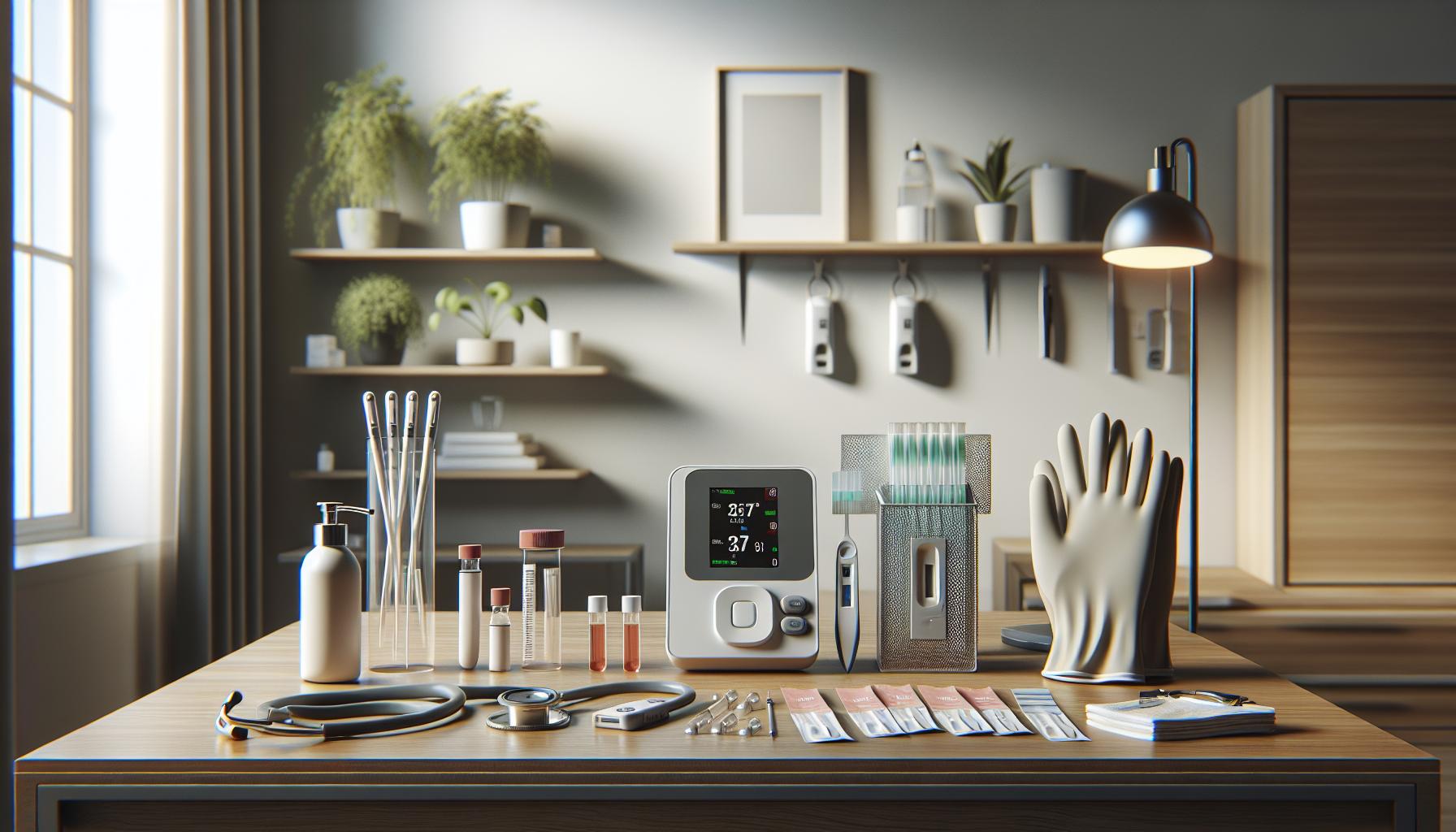
What Equipment Do You Need for Home Testing?
To effectively conduct a sleep study at home, you’ll need a selection of lightweight, easy-to-use devices that are designed to monitor your sleep patterns without the complexities of traditional lab equipment. The key components typically include sensors that measure critical physiological data such as heart rate, oxygen levels, and breathing patterns-essential indicators for diagnosing disorders like sleep apnea.
Commonly used equipment for at-home sleep testing includes:
- Pulse Oximeter: This small device clips onto your finger to monitor oxygen saturation in your blood, providing crucial data on how well your lungs function while you sleep.
- Chest Strap or Belt: Often equipped with sensors, this strap is worn around your chest to track your breathing patterns and chest movements throughout the night.
- Nasal Cannula: This device is placed in your nostrils to monitor airflow, helping to detect any interruptions in your breathing.
- Wrist Monitor: Similar to a fitness tracker, this device can monitor your heart rate and movement, giving insights into your overall sleep quality.
These devices work together to gather comprehensive data over the course of a single night-allowing you to complete the study in your own bed, surrounded by your usual comforts. The simplicity of the setup can usually be managed in about 15-30 minutes. Once equipped, you’ll follow straightforward instructions often provided by the sleep study service, allowing for a hassle-free experience.
Moreover, while these at-home tests are efficient, it’s important to note that they primarily focus on detecting obstructive sleep apnea rather than other potential sleep disorders. For a more detailed analysis of complex sleep issues, a follow-up in-laboratory study might still be necessary. However, the ease and accessibility of at-home testing represent a valuable initial step in addressing your sleep health concerns. Always check with your healthcare provider for guidance specific to your condition and what equipment may be best suited for your situation.
Setup Guide for Home Sleep Monitoring
Preparing for a home sleep study can seem daunting, but understanding the setup process can make it much easier and less intimidating. First and foremost, you will receive a kit that includes all the necessary equipment for monitoring your sleep. This may include a pulse oximeter, a chest strap, a nasal cannula, and possibly a wrist monitor. Each piece of equipment is designed to be lightweight and comfortable, allowing you to sleep as naturally as possible while data is collected.
To get started, find a quiet and comfortable space in your home where you usually sleep. Setting up typically takes about 15 to 30 minutes. Begin by attaching the pulse oximeter to your finger, ensuring it fits snugly but not too tightly. Next, put on the chest strap; it should sit comfortably around your ribcage and should be positioned so that it can accurately track your breathing without restricting movement. If your kit includes a nasal cannula, insert it gently into your nostrils, making sure it is secure. Finally, if there’s a wrist monitor, wear it as you would any regular watch or fitness tracker.
Before you dive into sleep, take a moment to review the instructions provided with your equipment. It’s crucial to understand how everything works and to ensure all components are operational. Once you’re set up and ready to sleep, try to maintain your usual sleep routine to ensure the most accurate results. Avoid consuming alcohol or caffeine, as these can affect the quality of your sleep and, subsequently, the reliability of your study.
If any issues arise during setup, don’t hesitate to reach out to the provider of your home sleep study for assistance. They can guide you through troubleshooting the equipment. Remember, the purpose of this home sleep study is not just to collect data but to provide insight into your sleep health. Preparing properly and following instructions closely will help ensure that you gather the most accurate information possible for your healthcare provider.
How Accurate Are Home Sleep Tests?
Home sleep tests (HSTs) have gained popularity due to their convenience and accessibility, but how accurate are they in diagnosing sleep disorders like obstructive sleep apnea (OSA)? Research indicates that while home tests can effectively identify OSA in many cases, they are not without limitations.
Studies show that home sleep tests have a sensitivity of about 70-80% and specificity of around 90% for detecting moderate to severe OSA. This means they can provide accurate results for a significant portion of the population, but there’s still a chance for false negatives or positives, particularly in individuals with varying medical conditions or complex sleep disorders. It’s important to note that these tests typically measure fewer parameters compared to in-lab polysomnography, which observes brain waves, heart rate, breathing, and oxygen levels in greater detail.
When considering the accuracy of a home sleep test, several factors contribute:
- Device Quality: The accuracy of results can depend on the equipment used. Higher-quality devices generally yield better outcomes.
- Patient Selection: HSTs are best suited for individuals suspected of having moderate to severe OSA without additional complicating factors like other sleep disorders or significant comorbidities.
- Correct Usage: Following setup instructions meticulously and ensuring all components function well during the test is crucial for reliable results.
Given these considerations, home sleep tests can serve as an effective first step in sleep evaluation, particularly for those who may have difficulty accessing traditional sleep labs. However, if a home test indicates a potential problem, it’s advisable to consult a sleep specialist for further evaluation, as they can offer comprehensive testing solutions tailored to individual needs. Balancing the convenience of home testing with the thoroughness of lab studies can empower individuals to make informed decisions about their sleep health.
Common Sleep Disorders You Can Identify
Sleep health is increasingly recognized as a key component of overall well-being, and understanding the common disorders that can be identified through sleep studies-especially home sleep tests (HSTs)-is crucial for taking control of your sleep hygiene. Many people are surprised to learn that these at-home solutions can help in diagnosing a variety of sleep disorders without the need for costly and time-consuming visits to a sleep lab.
One of the primary conditions that can be identified through HSTs is Obstructive Sleep Apnea (OSA). This disorder occurs when the throat muscles intermittently relax and block the airway during sleep, leading to drops in oxygen levels and disruptions in sleep patterns. Home tests are particularly effective at measuring nocturnal breathing patterns and can provide crucial insights into the severity of OSA, helping individuals pursue timely treatment options.
In addition to OSA, home sleep testing can also help identify Central Sleep Apnea, where the brain fails to send signals to the muscles that control breathing. Though less common, its implications can be serious. HSTs can also indicate Periodic Limb Movement Disorder (PLMD), characterized by involuntary leg movements that can disturb sleep. Recognizing this condition can allow individuals to explore treatments that promote a more restorative night’s rest.
Furthermore, HSTs exhibit potential in flagging Insomnia and helping distinguish between various forms of sleep disturbances. Though these studies focus on apnea-related symptoms primarily, they also track sleep stages and can reveal patterns that suggest insomnia issues, thus guiding individuals to seek further evaluation or management strategies.
As you explore the possibility of taking a home sleep test, remember that a clear understanding of these conditions empowers you to take proactive steps. If a home test suggests a sleep disorder, it’s crucial to consult a sleep specialist to further understand your results and create a personalized management plan tailored to your specific needs. In this way, you’ll not only improve your sleep quality but also enhance your overall health and well-being.
Navigating Insurance for Sleep Studies
Navigating the complexities of insurance for sleep studies can feel daunting, especially when considering the options between in-lab and at-home testing. One of the first steps is to check your specific insurance plan. Many insurance companies cover medically necessary sleep studies, but the extent of that coverage can vary significantly. Typically, an in-lab polysomnography is more likely to be covered compared to home sleep tests due to its clinical nature. However, this is not a rule set in stone, and some health plans may offer broader coverage for at-home testing.
When you’re planning for a home sleep test, it’s recommended to contact your insurance provider to clarify coverage details. Ask about the following:
- Coverage Criteria: Ensure your symptoms align with their diagnosis criteria for a sleep study.
- Pre-Authorization: Confirm if you need prior authorization before scheduling a test.
- Cost Sharing: Understand your deductible, co-payments, and out-of-pocket maximums related to sleep studies.
In many instances, your doctor will need to provide documentation supporting the medical necessity of the sleep study, which is crucial for insurance approval. Keep in mind that while home sleep tests may be less expensive than traditional lab studies, they may still incur costs depending on your specific plan.
To make the process smoother, consider these practical tips for managing insurance questions:
Tips for Engaging with Insurance
- Document Everything: Keep written records of all correspondence with your insurance company, including names of representatives and reference numbers.
- Check Network Providers: Ensure that the sleep clinic or home testing service is within your insurance network to avoid higher costs.
- Follow Up: After you’ve submitted any claims, follow up with your insurer for updates on approval or any additional information required.
Navigating your way through insurance for sleep studies might seem overwhelming, but arming yourself with the right information can alleviate your worries, ensuring that you can focus on finding solutions for your sleep health without the additional stress of unforeseen costs.
Comparing Wearable Sleep Tech Options
When it comes to finding solutions for better sleep, many people turn to wearable sleep technology as an accessible and user-friendly option. These devices, ranging from fitness trackers to smartwatches, can provide insights into your sleep patterns right from the comfort of your home. However, it’s essential to understand their capabilities and limitations compared to more traditional sleep studies.
Wearable sleep trackers typically monitor your movements and can estimate sleep duration and quality based on factors such as heart rate and movement patterns. Most devices analyze sleep stages (light, deep, and REM sleep) and even offer personalized feedback. This information can be a great starting point for identifying sleep disturbances or habits that may impact your rest. However, while they can offer valuable insights, they often lack the precision of a formal sleep study, particularly in diagnosing specific sleep disorders.
A few popular options in wearable sleep tech include:
- Fitbit: Known for its comprehensive health tracking, including sleep stages and score based on restfulness.
- Oura Ring: This stylish ring tracks sleep quality, heart rate, and body temperature, providing a holistic view of your health.
- Apple Watch: With sleep tracking features, it offers insights and integrates well within the Apple ecosystem for health metrics.
- Sleep Cycle App: Paired with smartphones, it analyzes sleep patterns and wakes you gently during your lightest sleep phase.
What to Consider When Choosing a Tracker
Before investing in a wearable, consider your specific needs and lifestyle. Think about factors such as battery life, comfort, and how much detail you want regarding your sleep patterns. While some wearables may provide basic sleep data, others can deliver in-depth analysis and even actionable insights tailored for improving your sleep quality.
For example, if you’re experiencing significant sleep issues and are unsure whether they stem from sleep apnea or another disorder, it may be wise to consider a more comprehensive approach, such as an in-lab sleep study. In contrast, if you’re merely looking to optimize your nightly routine or assess how lifestyle changes impact your sleep, a wearable may suffice.
As you explore these options, keep in mind that while technology can be a valuable tool in transcending sleep challenges, it doesn’t replace the insights and thorough assessments that a sleep specialist can provide. Whether you deploy a wearable device or seek a professional sleep study, understanding your sleep health journey is a key step toward better rest.
Real-Life Scenarios: Home Study vs. In-Lab
Navigating the decision between a home sleep study and an in-lab study can feel overwhelming, especially when considering the implications for your health and comfort. Both methods offer unique advantages and cater to different needs. A home sleep study is generally less invasive and allows you to collect data in your natural sleep environment, which can lead to more genuine results. Imagine a scenario where you’re constantly waking up feeling unrested-conducting a home study can help you track your sleep patterns without the stress of a clinical setting.
In contrast, an in-lab sleep study is typically more comprehensive. It’s supervised by professionals who can monitor a wider array of variables, such as brain activity, oxygen levels, and heart rhythms. For instance, if you suspect you have sleep apnea, an in-lab study might be more appropriate as it involves polysomnography, which captures detailed sleep stages and disturbances. Patients may find the clinical environment unsettling initially, but it provides critical data for accurate diagnosis and treatment.
Cost can also be a deciding factor. Home studies usually come with a lower price tag-often ranging between $150 to $600-compared to in-lab studies that could cost up to $3,000, depending on the facility and insurance coverage. Patients should also consider the specific sleep issues they are facing: if you’re merely curious about your sleep quality, a home test might suffice. On the other hand, if you struggle with severe symptoms or chronic conditions, the thoroughness of an in-lab test can provide more actionable insights.
Ultimately, the choice between a home study and an in-lab test hinges on your specific symptoms, preferences, and financial considerations. Remember that many factors influence sleep quality, and sometimes a combination of tools, including wearables for preliminary tracking, can lead you to the right path for a restful night.
Interpreting Your Sleep Study Results
Navigating the nuances of your sleep study results can feel daunting, but understanding what those results mean is vital to improving your sleep health. Typically, home sleep studies yield data on essential parameters such as oxygen levels, heart rate, and sleep patterns-core indicators for diagnosing conditions like sleep apnea. When you receive your results, pay attention to the Apnea-Hypopnea Index (AHI), which indicates the severity of sleep apnea by counting the number of apneas and hypopneas per hour. A higher AHI score suggests more severe sleep apnea, prompting a need for further evaluation or intervention.
It’s also important to look for patterns in the sleep stages reported. Home tests usually capture data on light, deep, and REM sleep. If your results show minimal time spent in deep or REM sleep, this could explain feelings of fatigue or unrest even after a full night’s sleep. Analyzing the duration and quality of these sleep stages can provide insights into your overall sleep architecture-essential for diagnosing other disorders.
While interpreting your results, consider context and consult with a healthcare professional for clarification. This is especially true when a report notes any irregularities, such as frequent awakenings or prolonged periods of shallow breathing. Your healthcare provider can help you understand the implications of these results, direct you toward effective treatments, and support you in making necessary lifestyle adjustments.
Moreover, if you used a wearable device for sleep tracking, it’s crucial to compare and contrast its data with that of the home study. Wearables may capture elements like sleep duration or restless movements but lack the depth of physiological metrics provided by clinical tests. By synthesizing insights from both sources, you can gain a more comprehensive understanding of your sleep health, leading to more informed decisions about your well-being.
When to Consult a Sleep Specialist
Consulting a sleep specialist can be a crucial step for anyone struggling with sleep issues, especially when home studies yield concerning results or symptoms persist despite lifestyle adjustments. If you continually wake up feeling tired, experience excessive daytime drowsiness, or notice signs of sleep apnea-like snoring or gasping for air during the night-it’s wise to seek expert guidance. These are not just everyday problems; they could signal deeper sleep disorders requiring professional evaluation and treatment.
When considering whether to consult a sleep specialist, reflect on your sleep patterns and the insights gleaned from any previous tests. If home sleep monitoring shows irregularities in your sleep patterns or significant periods of shallow breathing, these may warrant a comprehensive in-lab study. In-lab polysomnography provides a detailed look at your sleep stages, oxygen levels, and heart rate, allowing a clearer diagnosis and tailored treatment options.
A sleep specialist can also provide valuable support if you are overwhelmed by sleep study anxiety-or if you’re unsure about the implications of your results. They can help demystify the data, clarify next steps, and develop a personalized plan to improve your sleep health. For instance, if your home study indicated a high Apnea-Hypopnea Index (AHI), a specialist can discuss potential interventions such as CPAP therapy, lifestyle changes, or further testing.
To summarize, consulting a sleep specialist is appropriate when you experience persistent sleep troubles, significant findings in your home study, or simply need professional reassurance and guidance. Addressing sleep disorders early can lead to better management and improved overall health, enhancing both your night’s rest and daily functioning.
Tips for Managing Sleep Study Anxiety
Anxiety about sleep studies, whether at-home or in-lab, is common but manageable. One of the first steps to alleviating this stress is understanding what the study entails. Knowing that at-home sleep studies typically involve wearing a small, comfortable device while you sleep can ease fears about the process. These devices are designed to be non-intrusive and can be used in the comfort of your own bed, which often helps reduce anxiety compared to an unfamiliar lab setting.
To better prepare yourself, consider laying out your study equipment a few days prior to your test. Familiarize yourself with how it operates, which can include monitoring your heart rate, breathing, and movements. This proactive approach can turn your apprehension into confidence. Here are some practical tips for managing your anxiety:
- Establish a Routine: In the nights leading up to the study, stick to a consistent bedtime routine. This can make it easier to relax and fall asleep naturally, which can also help simulate normal sleep conditions for the study.
- Practice Relaxation Techniques: Techniques such as deep breathing, meditation, or gentle yoga can help center your mind. Even a short session before bedtime can significantly reduce anxiety levels.
- Keep Your Environment Comfortable: Make your sleeping environment as relaxing as possible-consider blackout curtains, a comfortable temperature, and soothing sounds. This can enhance your ability to fall asleep, regardless of the monitoring equipment.
- Talk About It: Share your concerns with supportive friends or family members. Sometimes, just voicing your worries can diminish their hold on you.
- Consult with Professionals: If the anxiety feels overwhelming, reaching out to sleep specialists or mental health professionals can offer clarifications and reassurance. They can provide tailored advice and address any specific worries you may have.
Remember, anxiety is a normal reaction to uncertainty, especially regarding health-related processes. The goal of these studies is to better understand your sleep patterns and help you achieve restful sleep in the long run. By being prepared, informed, and supported, you can mitigate anxiety and approach your sleep study with greater peace of mind.
FAQ
Q: What types of sleep disorders can be diagnosed with a home sleep study?
A: Home sleep studies can diagnose conditions such as obstructive sleep apnea, snoring, and insomnia. They usually focus on measuring airflow, breathing patterns, and oxygen levels. For more complex disorders, a lab study may be recommended. Always consult a sleep specialist for accurate diagnoses and treatment options.
Q: How long does a home sleep study take to complete?
A: A home sleep study typically takes one night to complete. You’ll wear the equipment while you sleep. Afterward, the data is analyzed by healthcare professionals, usually within a week, to provide insights into your sleep patterns. For detailed information, refer to our setup guide for home sleep monitoring section.
Q: Are home sleep studies covered by insurance?
A: Many insurances cover home sleep studies, but coverage varies by provider and policy. Contact your insurance company for details on what is included and whether a referral from a doctor is needed. For more guidance, check out the navigating insurance for sleep studies section.
Q: What is the cost of a home sleep study?
A: The cost of a home sleep study can range between $200 and $600, depending on the provider and type of equipment used. Some insurance plans may cover part or all of these costs, so it’s advisable to confirm with your insurance beforehand.
Q: What happens if my home sleep study results indicate a problem?
A: If your home sleep study results indicate a sleep disorder, your doctor may recommend lifestyle changes, further testing, or treatment options like CPAP therapy. Consult with a sleep specialist for personalized advice based on your findings.
Q: Can I prepare for a home sleep study?
A: Yes, preparing for a home sleep study involves avoiding caffeine and alcohol in the evening before the test and adhering to your usual sleep schedule. Follow specific instructions provided by your healthcare provider for the best results.
Q: How do I ensure I get quality results from a home sleep study?
A: To ensure quality results from a home sleep study, follow the setup guide closely, ensure proper equipment fitting, and maintain a consistent sleep environment. Avoiding disruptions and distractions can also help improve the accuracy of the data collected.
Q: Is a home sleep study less accurate than a lab study?
A: While a home sleep study is generally effective for diagnosing sleep apnea, it may not capture the full range of sleep disorders as accurately as a lab study would. Factors like environmental noise and equipment usage can affect results. Consult our how accurate are home sleep tests section for more information.
In Retrospect
If you’re considering a sleep study at home, now is the perfect time to take action. Understanding your sleep patterns and diagnosing potential disorders can lead to improved health and well-being. By utilizing innovative wearable technology or at-home sleep testing devices, you can gain insights without the need for a traditional lab setting.
To explore more about sleep studies, check out our detailed guides on the types of sleep tests available and how wearables compare. Don’t hesitate to reach out for personalized consultation or sign up for our newsletter to stay updated on the latest in sleep health. We’re here to support you on your journey to better sleep-take the first step today! Share your questions or experiences in the comments below; your insights could help others seeking answers! As you continue exploring, consider topics like sleep hygiene tips or the science of sleep stages to further enhance your understanding. Your health is our priority, and together, we can help you achieve restful nights and energized days.
Get our latest guides, news, and insights highlighted in your Google Search & AI Overviews.