
As sleep issues become a growing concern for many, accurate diagnosis and effective management are more important than ever. The Night Owl home sleep study presents a convenient solution, allowing users to collect data about their sleep patterns in the comfort of their own homes. This device records critical metrics that can help identify potential sleep disorders like obstructive sleep apnea, offering a pathway to better rest and overall health. But just how reliable are the results it provides? Understanding the accuracy of the Night Owl sleep study is essential for anyone considering this option. Are you curious about its effectiveness compared to traditional sleep studies? In this article, we will break down the technology behind the Night Owl, its performance, and what you can realistically expect if you decide to use this innovative device. Let’s explore this important tool in the realm of sleep health together.
Understanding the Night Owl Sleep Study Purpose
Understanding the Night Owl sleep study can significantly demystify the process of diagnosing sleep apnea and related disorders. The Night Owl is more than just a gadget; it’s a sophisticated sleep data collection tool designed to provide insights into your sleep patterns in the comfort of your own home. This device focuses primarily on identifying sleep disruptions, such as apneas-episodes during which breathing stops or becomes extremely shallow. By capturing critical data over several nights, it helps clinicians form a clearer picture of your sleep health.
One of the primary purposes of a Night Owl sleep study is to simplify the sleep testing process. Traditional sleep studies often require patients to spend the night in a sleep lab, which can be intimidating and uncomfortable, not to mention costly. In contrast, the Night Owl allows you to collect data at home, where you feel most at ease. This can lead to a more accurate representation of your typical sleep environment and routines, ultimately aiding in better diagnosis and treatment.
As you prepare for a Night Owl study, it’s essential to have a clear understanding of what to expect. The device uses a fingertip sensor to monitor vital signs such as heart rate and blood oxygen levels. It records data continuously and transmits it to your healthcare provider for analysis. This real-time monitoring means that clinicians can access detailed insights into your sleep health without the need for cumbersome machinery or overnight stays in a lab. This streamlined approach not only alleviates anxiety associated with formal sleep studies but also fosters an empowering experience where you can actively participate in your health management.
In summary, utilizing the Night Owl for a sleep study offers convenience and a personalized approach to diagnosing sleep disorders. It embraces modern technology to enhance our understanding of sleep health, crucial in making informed decisions about treatment options and lifestyle adjustments for better sleep quality.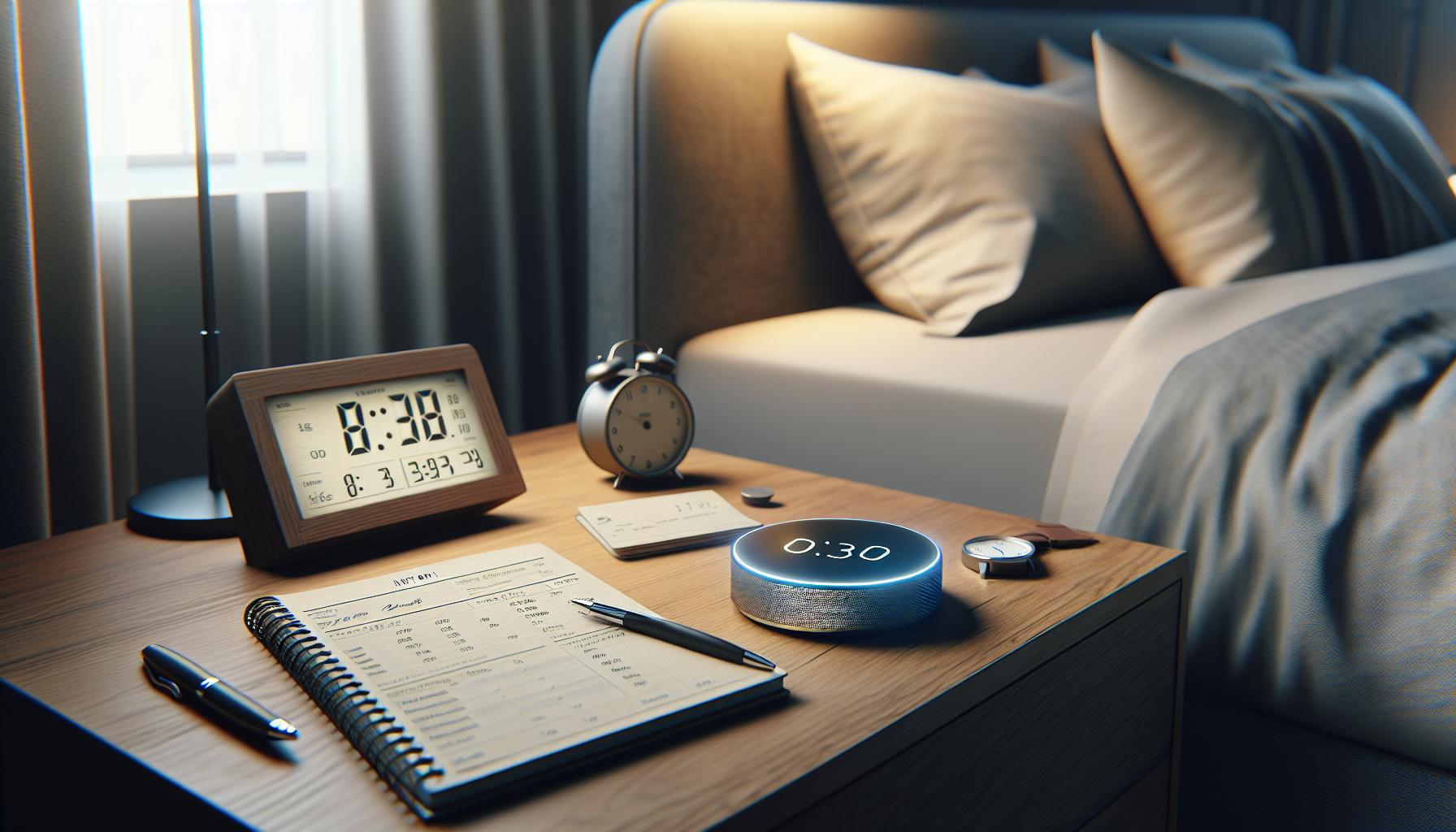
How Night Owl Devices Measure Sleep Quality
The Night Owl device leverages advanced technology to measure sleep quality effectively, making it a notable tool in the home sleep study arena. At its core, the device utilizes a fingertip sensor to collect critical data points, including heart rate and blood oxygen levels, which play a crucial role in assessing your sleep health. This approach is not only user-friendly but also mimics elements of traditional polysomnography, albeit in a more comfortable setting: your own bedroom.
When you wear the Night Owl sensor overnight, it continuously records how your body behaves during sleep. This includes tracking episodes of sleep apnea-instances when your breathing briefly stops, a key indicator to consider in evaluating sleep quality. Unlike traditional sleep studies that can be daunting, the Night Owl captures your natural sleeping patterns in an environment where you’re most relaxed, potentially leading to more accurate results.
The ease of use extends beyond just setup; the data collected is seamlessly transmitted to your healthcare provider for analysis. This means you don’t have to shuffle through complex information yourself-your clinician will interpret it to provide insights about your sleep quality and any necessary interventions. However, it’s important to remember that while the Night Owl offers a wealth of information, it may not capture every nuance of sleep disturbances as thoroughly as a full lab study, especially in severe cases of sleep disorders.
In summary, the Night Owl is a practical solution for those seeking insights into their sleep quality without the hassle and discomfort associated with traditional sleep labs. By demystifying the process and placing the power of sleep monitoring in your hands, it enhances your ability to take charge of your sleep health effectively.
Accuracy of Sleep Tracking Devices Explained
Sleep tracking devices have become increasingly popular for individuals looking to understand their sleep patterns better. However, when it comes to their accuracy, particularly the Night Owl home sleep apnea test, several factors need to be considered.
The Night Owl utilizes advanced technology to capture critical data during the night, including heart rate and blood oxygen levels, which are essential for assessing sleep quality. Unlike traditional sleep studies, which can be intimidating and require overnight stays in clinical environments, the Night Owl allows users to collect data in the comfort of their own homes. This can lead to more realistic insights into one’s sleep behaviors. However, it’s important to recognize that while the device offers a convenient alternative, the accuracy can vary. The Night Owl is designed to monitor specific indicators of sleep apnea but may not account for all sleep disturbances comprehensively.
Understanding Device Limitations
A key aspect of the Night Owl’s accuracy lies in its technology. While it records pivotal details related to sleep quality, it lacks the extensive monitoring of a full polysomnography (PSG) study, which typically provides a detailed overview of brain waves, muscle activity, and other essential parameters in addition to breathing patterns. Consequently, users might miss detailed abnormalities that could be detected in a lab setting. For many individuals without acute sleep issues, the data provided by the Night Owl can still be insightful, yet others may require more thorough evaluation.
Your Role in Accuracy
As a user, understanding how to properly wear and set up the device can significantly influence the accuracy of the results. The fingertip sensor must maintain a good connection throughout the night to ensure accurate readings. Ensuring a comfortable fit and minimizing movement can facilitate optimal data collection.
Ultimately, while the Night Owl device is a valuable tool for many looking to gain insights into their sleep health, it is beneficial to approach its results with an understanding of its limitations. Consulting with healthcare professionals about the findings can help clarify any concerns and determine if further, more detailed testing is necessary. Through this combination of home testing and professional guidance, individuals can better navigate their sleep health journey.
Comparing Night Owl Devices to Traditional Sleep Studies
While the Night Owl device presents a convenient home sleep apnea testing option, it’s essential to understand how it stacks up against traditional sleep studies. Traditional polysomnography (PSG) is often considered the gold standard for diagnosing sleep disorders. This comprehensive evaluation occurs in a sleep lab, where multiple physiological parameters-such as brain activity, eye movements, muscle activity, heart rate, and breathing patterns-are meticulously monitored throughout the night. It offers a holistic view of sleep health, capturing the intricacies of sleep cycles and disturbances.
In contrast, the Night Owl is designed to be user-friendly, allowing individuals to test for obstructive sleep apnea from the comfort of their own homes. It primarily tracks heart rate and blood oxygen levels through a fingertip sensor, collecting critical data related to breathing patterns during sleep. This creates a more relaxed setting, which can result in more natural sleep behaviors, unlike the often disruptive environment of a sleep lab. However, this convenience comes with notable trade-offs. For instance, while the Night Owl effectively identifies certain apnea events, it may not offer the depth of analysis that a PSG provides, including detailed insights into sleep architecture-the different stages of sleep and how well you’re cycling through them.
When deciding between these two options, consider your specific symptoms and sleep concerns. If you have severe sleep issues or require a comprehensive analysis, a traditional sleep study may be more appropriate. However, if you’re mainly concerned about sleep apnea and wish to perform an initial assessment in a familiar environment, the Night Owl offers an accessible alternative. In many cases, it can serve as a first step, and if the results indicate concern, you may be referred for a more detailed PSG.
For those contemplating costs and insurance coverage, the Night Owl often represents a more affordable option than traditional labs. However, make sure to check with your insurance provider about the details of coverage for both types of sleep studies. Regardless of your choice, ensuring that you feel comfortable and informed about your sleep health journey is paramount.
Common Issues with Night Owl Sleep Studies
While the Night Owl device offers a convenient way to monitor sleep apnea at home, several challenges may arise during its use. Understanding these common issues can help you make an informed decision about your sleep health journey.
One significant concern is data accuracy. Unlike traditional sleep studies that utilize multiple sensors to record various physiological parameters, the Night Owl primarily measures heart rate and blood oxygen levels through a fingertip sensor. This limitation can lead to gaps in data, meaning some subtle sleep disturbances might go undetected. For example, the device may not fully account for other factors such as sleep architecture, which includes different sleep stages. This absence of comprehensive data can result in misinterpretation of your overall sleep health.
Additionally, user error can impact the effectiveness of the Night Owl device. Setting it up incorrectly or not using it as intended can skew results. Many users may also find wearing a device on their finger while sleeping uncomfortable, leading to disrupted sleep and inaccurate readings. It’s essential to ensure a proper fit and familiarize yourself with the device before the test night.
Another aspect to consider is the interpretation of the data collected. While the Night Owl can highlight potential sleep apnea episodes, understanding what these statistics mean can be daunting without medical guidance. Users might misinterpret normal fluctuations in their measurements as worrisome, potentially leading to unnecessary anxiety. Consulting a sleep specialist after receiving your results can provide clarity and context to the data.
Moreover, insurance coverage can pose a challenge. While home-based sleep tests like the Night Owl are often more affordable, not all insurance plans cover the cost. It’s vital to check with your provider to determine what options are available and whether a referral from a healthcare professional is necessary.
Ultimately, while the Night Owl device presents an accessible tool for preliminary sleep assessment, understanding these common issues can empower users to navigate their sleep health more effectively.
Interpreting Data from Night Owl Devices
Interpreting data collected from the Night Owl device can feel like trying to decipher a foreign language, especially without a background in sleep studies. At its core, the Night Owl is designed to monitor vital signs such as heart rate and blood oxygen levels, providing users with insights into their sleep patterns. However, the challenge lies in translating these readings into meaningful information that reflects the quality of your sleep.
When reviewing the results, focus on key metrics such as the frequency of apnea events, oxygen saturation levels, and any significant fluctuations in heart rate. For example, the device may indicate a series of desaturated blood oxygen levels during the night. If these episodes are frequent and prolonged, they can signal potential sleep apnea. But, it’s essential to remember that occasional dips in oxygen levels can occur in healthy sleepers as well. This is where context becomes crucial; rather than jumping to conclusions based solely on raw data, it’s wise to consider your overall well-being, any accompanying symptoms, and the quality of your daytime alertness.
To efficiently interpret your data, consider the following steps:
- Understand Normal Ranges: Familiarize yourself with what constitutes normal levels for heart rate and oxygen saturation during sleep. Generally, a resting heart rate under 60 bpm and oxygen levels above 90% are considered healthy.
- Track Changes Over Time: Look for trends rather than isolated incidents. If your oxygen levels are consistently low across multiple nights, that may warrant further investigation.
- Consult a Professional: Don’t hesitate to share your findings with a doctor or sleep specialist. They can help you interpret the data and recommend next steps, including whether a more comprehensive sleep study is needed.
Finally, it’s important to manage your expectations when it comes to home sleep studies like Night Owl. These devices are a useful starting point but may lack the comprehensive analysis that professional polysomnography provides. Thus, while they can highlight potential issues, they shouldn’t replace the depth of insights gained from in-lab studies conducted under professional care. Navigating this landscape can feel daunting, but with the right information and support, you can use your Night Owl results to take proactive steps toward better sleep health.
User Experiences: Real-Life Night Owl Study Reviews
Many users of the Night Owl device have shared varied experiences regarding its effectiveness and accuracy in tracking sleep patterns. Reviews indicate that, while the device offers a convenient way to monitor sleep from home, the consistency in data accuracy seems to vary among individuals. One common theme in user feedback is the initial apprehension about using a sleep tracking device, which often turns into relief when they realize how straightforward the Night Owl is to set up and use. Most users report that the fingertip sensor is comfortable and unobtrusive, making it easier to forget they are wearing it while falling asleep.
However, some users have noted discrepancies in the data they receive. Users often mention that while the Night Owl can provide valuable metrics such as heart rate and blood oxygen levels, certain sleep events may not be captured as accurately as in a traditional polysomnography setting. For instance, there are anecdotal reports of missed apnea events or an overestimation of sleep time. As shared by several reviewers, this inconsistency can lead to anxiety when interpreting results, leaving users unsure of whether their readings indicate a significant health concern or are simply an artifact of the device’s limitations.
Looking at practical implications, users suggest approaching the Night Owl results with a balanced mindset. They recommend using the data as a valuable starting point, but advising a consultation with a sleep specialist for a comprehensive understanding, particularly if concerning patterns emerge. Tracking personal sleep data over time can also help; several users found it helpful to log their experiences alongside their Night Owl data to see if patterns align with symptoms of sleep disorders.
In addition to user reviews, it’s essential to remember the broader context of sleep health. Any device, including Night Owl, provides insights that can guide discussions with healthcare providers but should not replace professional diagnostic methods in cases of severe sleep concerns. Detailed insights from the Night Owl can empower users to seek help when needed while giving them a real sense of ownership over their sleep health journey.
Limitations of Night Owl Sleep Tracking Technology
While the Night Owl sleep tracking technology provides a convenient way to monitor your sleep from home, there are a few limitations that you should be aware of when considering this device as part of your sleep health journey. Understanding these limitations can help you manage your expectations and make informed decisions.
One of the primary concerns is the accuracy of data collection. Although the Night Owl aims to measure various aspects of sleep, such as heart rate and blood oxygen levels, it may not always provide comprehensive insights. Traditional sleep studies, known as polysomnography, utilize multiple sensors to gather detailed information about different sleep stages and potential disturbances. In contrast, Night Owl primarily relies on a fingertip sensor, which may miss some sleep events like apnea occurrences or might inaccurately estimate total sleep time. Anecdotal evidence suggests that these discrepancies can lead to anxiety for users who are unsure whether their results indicate a serious health issue or if they merely reflect the limitations of the device.
Another limitation is the potential for user variability. The effectiveness of the Night Owl can vary significantly from person to person. Factors such as body temperature, skin condition, and individual physiology can affect the sensor’s performance. Some users report that the device works perfectly fine, while others find inconsistencies in the data, such as missed alerts or the overestimation of sleep time. To address these uncertainties, users should consider augmenting the data provided by the Night Owl with their own observations, keeping a sleep diary to track how they feel compared to the device’s readings.
Furthermore, interpreting the data from the Night Owl can be challenging. Without the context provided by a healthcare provider, users may find it difficult to understand what the data truly means for their sleep health. It’s important to approach the results with a balanced mindset-viewing them as a starting point for a conversation with a sleep specialist rather than a definitive diagnosis.
In using the Night Owl, embracing a proactive approach to your sleep health is essential. Always consult with a healthcare professional, especially if concerning patterns emerge. This perspective not only empowers you but also supports a clearer understanding of your sleep health journey while effectively navigating the limitations of sleep tracking technology.
Navigating Insurance for Sleep Studies and Devices
Navigating the complexities of insurance coverage for sleep studies and devices can feel overwhelming, especially when you’re already dealing with sleep-related concerns. It’s essential to approach this process with the right information to help ease any anxiety. Understanding the costs involved and what to expect during the insurance claims process can empower you to make informed decisions about your sleep health.
Many insurance plans cover sleep studies, particularly if a doctor recommends them due to suspected sleep disorders such as sleep apnea. However, coverage can vary significantly. Here are some key points to consider:
- Pre-authorization: Many insurers require pre-authorization before undergoing a sleep study. This means your healthcare provider must submit documentation showing the necessity of the test.
- Type of Study: Coverage often depends on whether the study is conducted in a sleep lab or at home. Traditional in-lab sleep studies (polysomnography) may have different coverage criteria compared to home sleep apnea tests like the Night Owl.
- Device Coverage: If you opt for a device like the Night Owl, check if your insurance provider covers it under medical equipment. Some plans may only cover devices prescribed by a sleep specialist.
- Out-of-Pocket Costs: Be prepared for co-pays, deductibles, or coinsurance. It’s wise to contact your insurance provider to understand your financial responsibilities before proceeding.
To make the most of your coverage, gather all relevant information before speaking with your insurer. This includes your physician’s recommendations, previous sleep studies, and any documentation showing symptoms of sleep disorders. When you’re clear on your plan’s specifics, you can navigate the insurance maze with greater confidence.
In situations where insurance won’t cover at-home devices like the Night Owl, consider discussing payment plans or financing options with the supplier. Some companies offer flexible payment arrangements to make sleep health more accessible. Remember, investing in your sleep is investing in your overall health, so exploring all available avenues can lead you to the right solution for your needs.
Optimal Use of Night Owl Devices for Better Sleep
To maximize the benefits of using Night Owl devices for sleep studies, it’s essential to approach their setup and use thoughtfully. The Night Owl, a compact home sleep apnea test from Resmed, is designed for consumer convenience while providing valuable data. Effectively utilizing this device can help individuals gain insights into their sleep patterns and potential issues such as sleep apnea.
Firstly, proper attachment of the fingertip sensor is crucial. Ensure that the sensor is securely placed on your finger as instructed. This sensor captures your heart rate and oxygen levels throughout the night, contributing to the analysis of your sleep quality. Incorporating a consistent sleep environment-like maintaining a comfortable room temperature and minimizing noise-can further enhance the accuracy of the Night Owl readings.
Next, aim to use the Night Owl device over several consecutive nights. This not only allows for the collection of more comprehensive data but also helps in observing variability in your sleep patterns. Exporting the data directly to your healthcare provider can facilitate a more thorough evaluation. Sharing at least a week’s worth of data allows for a clearer picture of your sleep health, which is especially vital if you experience intermittent problems.
Lastly, consider maintaining a sleep diary alongside the Night Owl recordings. Documenting your experiences, such as sleep duration, disturbances, and feelings upon waking, can provide additional context to the data collected. This holistic approach helps your healthcare provider understand not just the numerical data but also how you feel and function during the day, facilitating more personalized recommendations for improving your sleep quality.
By taking these steps, users can unlock the full potential of their Night Owl devices, creating a valuable dialogue with healthcare professionals about their sleep health.
Future Trends in Sleep Tracking Technology
The landscape of sleep tracking technology is rapidly evolving, with innovations that promise to transform how we understand and improve our sleep health. As more individuals become aware of sleep disorders, the demand for accessible and reliable sleep tracking devices like the Night Owl has soared. These advancements not only enhance the accuracy of data collection but also empower consumers to take charge of their sleep wellness.
Next-generation sleep trackers will likely integrate artificial intelligence (AI) to analyze vast amounts of sleep data more effectively. By employing machine learning algorithms, these devices can recognize individual patterns and offer personalized insights. For instance, they might suggest lifestyle adjustments, such as changes in bedtime or sleep environment, based on your unique data points. Imagine your device learning that you sleep poorly after consuming caffeine late in the day, prompting it to remind you to limit intake in the afternoon.
Another exciting trend is the incorporation of multi-modal monitoring capabilities. Future devices may combine data from various physiological markers, not just heart rate and oxygen levels but also skin temperature, movement, and even snoring patterns. This holistic approach can provide a comprehensive picture of sleep health. For example, a device that senses increased body temperature might suggest environmental adjustments, such as cooling the bedroom, to improve sleep quality.
Lastly, the growth of telehealth options presents an opportunity for better integration between sleep tracking devices and healthcare providers. With data being transmitted securely to physicians, personalized treatment plans can be developed more efficiently. Patients could receive real-time feedback on their sleep health, ensuring they stay informed throughout their treatment journey.
In summary, the future of sleep tracking technology, including devices like Night Owl, is filled with promise. As innovations progress, consumers can expect more personalized, accurate, and actionable insights into their sleep patterns, enabling them to make informed choices for their health. By staying engaged and curious about these developments, individuals can maximize the benefits of their sleep studies, leading to improved overall well-being.
Tips for Choosing the Right Sleep Study Method
Choosing the right method for a sleep study can feel overwhelming, especially with the growing variety of devices available on the market. Understanding what you need can significantly impact the quality of the insights you gain regarding your sleep health. First, consider the main purpose of your sleep study. Are you suspecting sleep apnea or do you simply want to improve your overall sleep quality? Devices like the Night Owl specifically monitor for symptoms of sleep apnea through fingertip sensors, while others might provide a broader overview of your sleep patterns.
When evaluating devices, think about factors such as accuracy, ease of use, and cost. The Night Owl is well-regarded for its ease of setup and comfort, making it a practical choice for home testing. However, for those with more severe sleep issues, a traditional sleep study in a polysomnography lab might provide deeper insights, despite being more invasive and costly. Recognize your specific comfort level and medical needs before deciding.
Here are some tips to navigate your choices effectively:
- Research Reviews: Look for user reviews and comparisons of sleep devices. Real experiences can highlight strengths and weaknesses you might not consider.
- Consult Healthcare Professionals: If you have ongoing sleep issues, discuss your concerns with a doctor who can recommend the most appropriate testing method based on your condition.
- Understand Insurance Coverage: Check with your insurance provider regarding coverage for different types of sleep studies. Policies can vary significantly, affecting your out-of-pocket expenses.
- Assess Comfort and Convenience: If you are distressed about sleeping away from home, opt for a home testing device like Night Owl that allows you to study your sleep in a familiar environment.
Each method has its advantages and may be more suitable based on your individual circumstances. Balancing your needs against the pros and cons of different options will empower you to make an informed decision about your sleep study method, leading to a more effective exploration of your sleep health.
Frequently asked questions
Q: How does the Night Owl Sleep Study compare to traditional sleep studies?
A: The Night Owl Sleep Study offers convenience and comfort compared to traditional sleep studies, which require overnight stays in sleep labs. While it uses similar principles of sleep tracking, the accuracy may vary. For a deeper understanding, see our section on Comparing Night Owl Devices to Traditional Sleep Studies.
Q: What are potential accuracy issues with Night Owl devices?
A: Night Owl devices can face accuracy issues due to factors like improper positioning and individual sleep patterns. Users should ensure the device is worn correctly and maintain consistent sleep habits for optimal results. Check our Common Issues with Night Owl Sleep Studies section for more insights.
Q: Can Night Owl devices help diagnose sleep disorders?
A: While Night Owl devices provide valuable data on sleep patterns, they are not diagnostic tools. For accurate diagnosis, consult a sleep specialist and consider a clinical sleep study. Explore Understanding the Night Owl Sleep Study Purpose for more details.
Q: How often should I use my Night Owl device for reliable results?
A: For reliable results, use your Night Owl device consistently over several nights. A minimum of two weeks of data can offer more accurate insights into your sleep patterns. Refer to Optimal Use of Night Owl Devices for Better Sleep for usage tips.
Q: What should I do if my Night Owl device shows unusual sleep patterns?
A: If your Night Owl device indicates unusual sleep patterns, review the data for trends and consider lifestyle adjustments. It may also be wise to consult a healthcare provider if abnormalities persist. For data interpretation, see Interpreting Data from Night Owl Devices.
Q: Are Night Owl devices covered by insurance?
A: Coverage for Night Owl devices varies by insurance provider. Check directly with your insurer for specifics on coverage and whether a prescription is required. Visit our section on Navigating Insurance for Sleep Studies and Devices for more guidance.
Q: What features should I look for in a sleep tracking device?
A: When choosing a sleep tracking device, look for aspects like accuracy in sleep stage detection, battery life, comfort, and user interface. Check our Tips for Choosing the Right Sleep Study Method for more feature recommendations.
Q: How can I improve the accuracy of the Night Owl Sleep Study?
A: To enhance accuracy, set a regular sleep schedule and ensure the device is worn properly. Minimize disturbances like noise and light in your sleep environment. For more tips, refer to Optimal Use of Night Owl Devices for Better Sleep.
Closing Remarks
As you explore the accuracy of the Night Owl Sleep Study, remember that understanding your sleep patterns is crucial for better health. If you have lingering questions or concerns about sleep studies, consider diving into our comprehensive guides on polysomnography and wearable devices for sleep tracking. These resources can help you navigate your options effectively. Don’t wait to take control of your sleep health-sign up for our newsletter for the latest insights and tools in sleep technology.
Curious about how your sleep impacts your daily life? Visit our blog for related articles on sleep disorders and tips to improve your rest. Your journey to better sleep starts here, and we’re here to support you every step of the way. Share your thoughts or experiences in the comments below and connect with others on their sleep journeys-together, we can promote healthier sleep habits for all.
Get our latest guides, news, and insights highlighted in your Google Search & AI Overviews.