
Did you know that over 70 million Americans struggle with sleep disorders? If you’re one of them, understanding your sleep is crucial for improving your health and well-being. Home sleep studies have gained popularity as a convenient way to diagnose issues like sleep apnea, allowing you to monitor your sleep patterns in the comfort of your own bed. But how do these studies compare to traditional lab tests, and what should you consider before deciding on the best approach? In this article, we’ll explore your options for conducting a sleep study at home, breaking down costs, setup processes, and what to expect so you can make an informed choice. Whether you’re seeking answers to your sleep woes or simply curious about your options, this guide will help you navigate the landscape of sleep testing with confidence.
Understanding Home Sleep Studies: A Comprehensive Guide
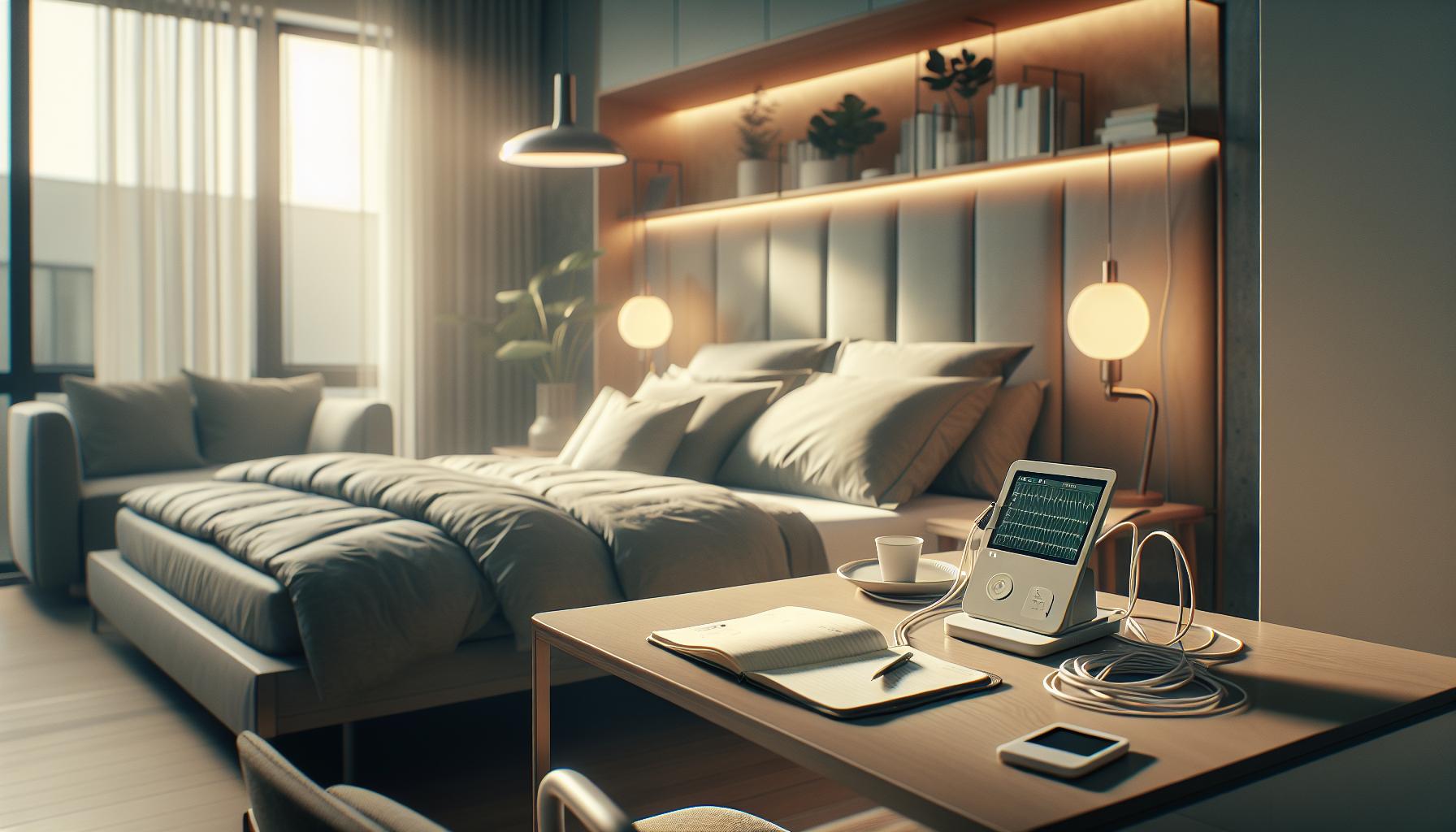
Home sleep studies have become increasingly popular as people seek convenient ways to monitor their sleep without the need for an overnight stay in a sleep lab. Generally, these tests involve using a compact device that monitors essential physiological signals while you sleep in your own bed. It’s a simplified method compared to traditional polysomnography, which captures a more comprehensive range of data, including brain activity, heart rate, and muscle tone. However, for diagnosing conditions like obstructive sleep apnea (OSA), many at-home tests have shown considerable effectiveness, making them an appealing alternative for many patients.
When considering at-home sleep studies, it’s crucial to understand how they work. These tests typically involve wearing a device that records vital metrics such as breathing patterns, oxygen levels, and heart rate throughout the night. While they can provide valuable insights into sleep apnea, they may not capture the full complexity of sleep disorders. For those experiencing specific symptoms, like excessive daytime sleepiness or irregular breathing during sleep, an at-home test can be a convenient first step.
Preparation is straightforward: ensure a comfortable sleep environment and follow the provider’s guidelines on how to wear the device correctly. Many tests are designed for ease of use with minimal setup required. The appeal of conducting a sleep study at home lies in its simplicity and the comfort of one’s own bed; being anxious about the test can affect sleep quality, making at-home studies a less stressful option. Moreover, understanding how these devices function and what to expect can alleviate concerns, allowing patients to focus on getting a good night’s sleep.
Home sleep studies are not suitable for everyone; individuals with complex sleep disorders may need the more extensive capabilities of an in-lab study. However, for many, these tests offer a valuable, cost-effective way to gain insights into their sleep health, eliminated the need for unnecessary expenses and potential inconveniences of clinic visits. Whether you’re just curious about your sleep patterns or seeking to address specific concerns, an at-home sleep study might just be the right option to consider.
The Benefits of Home Sleep Studies vs. In-Lab Tests
Home sleep studies offer a streamlined and comfortable alternative to traditional in-lab tests, making them increasingly popular among those looking to understand their sleep health. One of the standout benefits is the convenience; using a compact device in the comfort of your own bed eliminates the need for a potentially stressful overnight stay in a clinical environment. Not only does this promote a more natural sleeping experience, but it also reduces anxiety, allowing individuals to fall asleep more easily and get accurate readings that reflect their typical sleep patterns.
Another considerable advantage is cost-effectiveness. In-lab sleep studies can be expensive, with costs that may include facility fees and technician supervision. In contrast, home sleep studies are often more affordable, providing an accessible means for many people to evaluate their sleep issues without breaking the bank. Moreover, these tests can often be ordered more swiftly, allowing for timely intervention if an issue like obstructive sleep apnea (OSA) is suspected.
While home sleep studies are efficient for diagnosing sleep apnea with their focus on breathing patterns and oxygen levels, it’s essential to recognize their limitations. They typically do not capture the full range of data related to sleep stages, brain activity, or other more complex sleep disorders. Therefore, for individuals with multifaceted sleep issues, an in-lab study might still be necessary. The key is understanding your specific sleep concerns: if you wake up feeling refreshed and only occasionally experience symptoms, a home study could suffice. However, for persistent or severe issues, consulting with a sleep specialist who might recommend an in-lab test remains prudent.
Ultimately, the choice between home sleep studies and in-lab tests depends on your unique circumstances, the complexities of your symptoms, and the level of comfort you seek in monitoring your sleep. With the ability to conduct initial assessments at home, many people can take the first pilot steps towards better sleep health without the added stress of clinical settings.
Types of Home Sleep Tests: What You Need to Know
Home sleep tests come in several forms, each designed to cater to different needs and provide specific types of data about your sleep. Understanding these options is crucial for choosing the right test for your situation.
One of the most common types is the Level 2 Sleep Study, which is often referred to as a home-based polysomnography. This test typically measures multiple physiological signals, including airflow, breathing patterns, heart rate, and blood oxygen levels. A device is usually placed around your chest to monitor respiratory activity, while a pulse oximeter is often worn on your finger to track oxygen saturation. This setup can be effective for diagnosing conditions like obstructive sleep apnea (OSA) reliably.
Another option is the Level 3 Sleep Study, which focuses primarily on breathing patterns and blood oxygen levels, making it more streamlined than the Level 2 study. This type of test is simpler to set up, requiring fewer sensors. While it is less comprehensive than Level 2 testing, it still offers valuable insights for diagnosing sleep apnea. Consumers often find Level 3 tests to be affordable and user-friendly, making them a popular choice.
For individuals who want a more straightforward evaluation, wearable sleep trackers are another avenue, although they are not equivalent to clinical sleep studies. Wearables like smartwatches and dedicated sleep trackers can monitor sleep duration and quality, providing general insights into sleep health. However, it’s essential to note that they may lack the accuracy needed for diagnosing complex sleep disorders as they generally measure movement and heart rate rather than detailed sleep stages.
When considering these options, think about your specific symptoms and needs. For those with suspected sleep apnea or other serious sleep disorders, a Level 2 or 3 sleep study offers a more robust option. In contrast, a wearable device could be a useful tool for those looking to monitor their sleep patterns casually or seeking baseline data. Whichever route you choose, it’s vital to consult with a healthcare provider to ensure that you’re selecting the best option for your sleep health.
How to Prepare for a Home Sleep Study
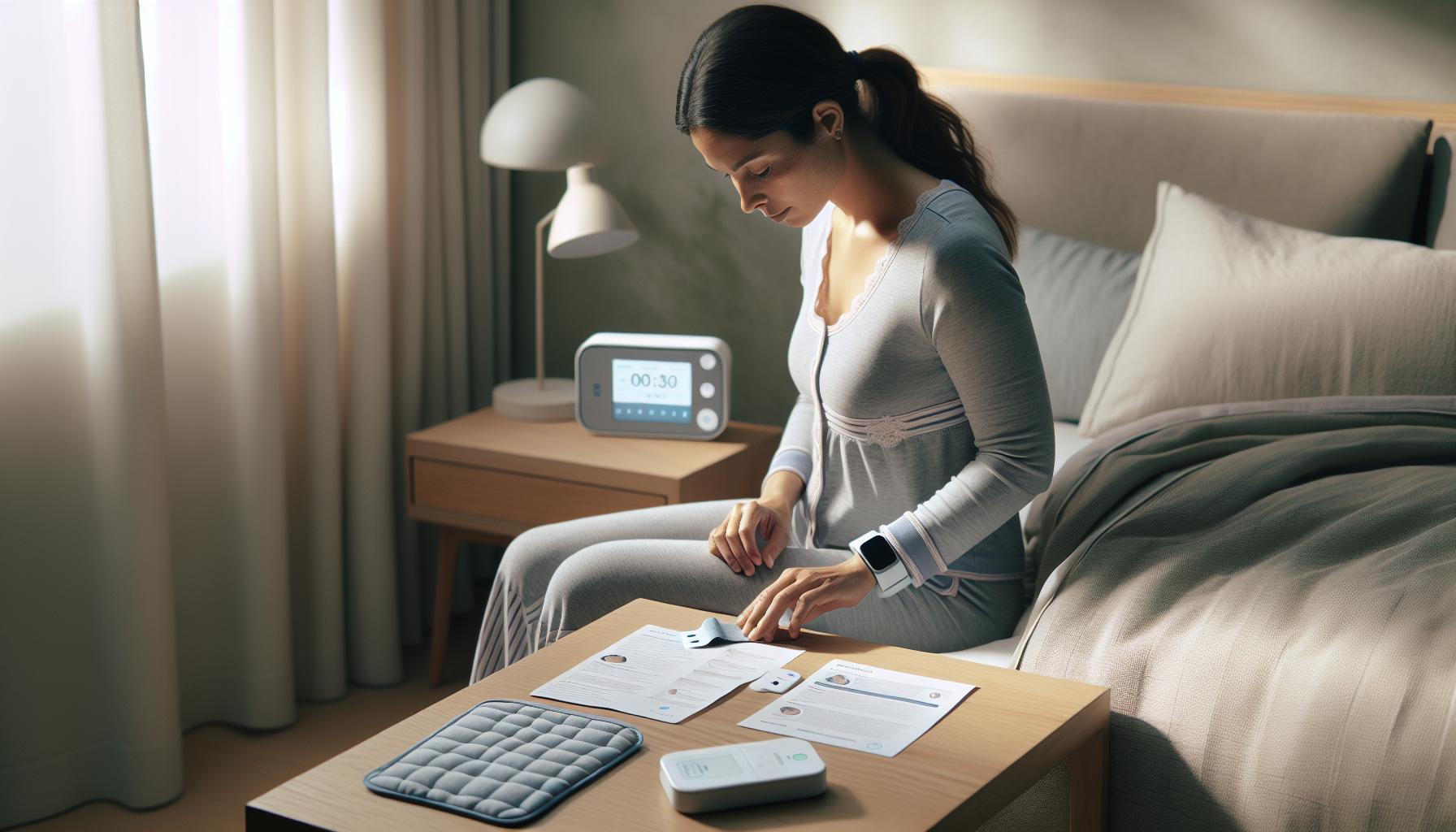
Preparing for a home sleep study can feel daunting, but with a little foresight and organization, you can set yourself up for success. First and foremost, familiarize yourself with the specific instructions provided by the testing device manufacturer or your healthcare provider. Each type of home sleep study comes with its unique requirements, but here are some general tips to ensure a smooth process.
Start by establishing a conducive sleep environment. Reduce noise and light in your bedroom, and maintain a comfortable temperature. It may also help to stick to your usual bedtime routine, as this can ease anxiety and make the transition to sleep more natural. Gather all your necessary equipment in advance, such as the monitoring devices, batteries, and instructions. If you have a specific Level 2 or Level 3 test, know what sensors will be attached and practice how to put them on, so you feel confident when the time comes.
Make a note of any medications you’re taking as some might affect sleep. Discuss these with your doctor, as they may recommend adjustments leading up to the study. It’s also wise to avoid caffeine and alcohol in the hours before your test, as these can disrupt your sleep patterns. If you’re nervous about the study, consider practicing relaxation techniques, like deep breathing or gentle stretching, to help calm your mind.
To streamline your experience, consider drafting a brief sleep diary leading up to the study. Document your sleep habits, including times you go to bed and wake up, along with any disturbances. This information can be invaluable for your healthcare provider in interpreting the study results and deciding on the next steps. Ultimately, thoughtful preparation not only helps clarify the process but also contributes to more accurate and beneficial outcomes from your home sleep study.
Cost Comparison: Home Sleep Studies vs. Traditional Lab Studies
The choice between a home sleep study and a traditional in-lab sleep study often boils down to cost and convenience. Understanding how these options stack up financially can significantly impact your decision-making process when seeking treatment for sleep disorders. On average, a home sleep apnea test can range from $150 to $500, depending on the provider and the complexity of the monitoring device. In contrast, traditional in-lab sleep studies typically cost between $1,000 and $3,000, influenced by factors like location, facility reputation, and insurance coverage.
One of the compelling benefits of a home sleep study is the reduced financial burden. Not only is the upfront cost lower, but home studies also eliminate expenses associated with overnight hospital stays, such as hospital fees and additional tests. Home sleep studies allow you to get diagnosed without the added stress and discomfort of a clinical environment, which can make the experience more appealing to many patients.
However, it’s essential to consider that while home tests are more economical, they may not be suitable for everyone. For instance, individuals with more complex sleep disorders may require the comprehensive diagnostics available in a lab setting, including continuous monitoring of a range of physiological data. Additionally, insurance companies may have specific policies that could affect your out-of-pocket costs for either option. It’s advisable to check with your provider about coverage details before proceeding.
Ultimately, the best approach depends on your unique circumstances, including your symptoms, health history, and personal preferences. In the end, weighing the costs is just one part of the equation; the goal is to choose a testing option that provides accurate data to guide your treatment effectively.
What to Expect During a Home Sleep Study
A home sleep study can be a game-changer for diagnosing sleep disorders, combining convenience with the comfort of your own space. Imagine slipping into your pajamas and settling into your own bed, armed with just a few simple devices designed to capture essential sleep data. Here’s what you can expect when you embark on this journey.
First, prior to the study, a healthcare provider typically will provide you with a sleep study kit directly at your home or ship it to you. This kit generally includes a small device you’ll wear, sensors that attach to your body (like respiratory effort belts and finger clips), and instructions for setup. Before bedtime, you’ll need to apply the sensors, which may feel unusual at first but are designed to be as unobtrusive as possible. Many people find the initial setup straightforward after a little practice.
During the Study
Once you’re all set, it’s simply a matter of winding down and getting a good night’s sleep. The equipment will monitor your breathing patterns, heart rate, oxygen levels, and movements throughout the night. A significant advantage of home sleep studies is their ability to allow you to experience your sleep patterns in a familiar environment, potentially leading to more accurate results compared to an in-lab setting.
Post-study, the data collected will be sent back to your healthcare provider for analysis, typically via secure online portals or mail. It might take a few days to receive results, but this waiting period can be alleviated by knowing that your sleep habits are being assessed in the most relaxed and personal context possible. The insights gained can help identify sleep apnea or other disorders, guiding you toward necessary treatment plans.
In summary, expect a blend of ease and efficiency during your home sleep study. Embrace the process knowing it’s designed to make diagnosing sleep issues straightforward and hassle-free, all within the comfort and safety of your own home.
Common Sleep Disorders Diagnosed by Home Testing
A significant number of people struggle with sleep disorders, but many are unaware that home sleep testing can effectively diagnose these issues. Home sleep studies are particularly adept at identifying several common conditions, making them a valuable tool for anyone suspecting they have a sleep-related problem. Here’s a look at some of the disorders that can be diagnosed through these convenient tests.
Sleep Apnea
One of the most prevalent conditions diagnosed through home sleep studies is obstructive sleep apnea (OSA). This occurs when the throat muscles intermittently relax and block the airway during sleep, leading to disrupted breathing. Symptoms often include loud snoring, choking, or gasping for air during sleep, and excessive daytime drowsiness. Home sleep tests can effectively measure the number of apneas, helping healthcare providers recommend appropriate treatments.
Snoring
While snoring is often viewed as a benign issue, it can sometimes indicate underlying conditions like OSA. Home testing can capture snoring patterns and help distinguish between simple snoring and more serious sleep apnea, enabling proper treatment to improve sleep quality for both the snorer and their partner.
Periodic Limb Movement Disorder (PLMD)
This disorder is characterized by involuntary flexing and extending of the legs during sleep, which can lead to disturbed sleep and daytime fatigue. Home studies can monitor limb movements, providing important data that helps differentiate PLMD from restless legs syndrome (RLS) and ensures effective management.
Insomnia and Other Sleep Disorders
Although insomnia is typically more challenging to assess than sleep apnea, certain home sleep tests can provide insights into sleep architecture and patterns when associated with sleep hygiene issues. Other conditions such as narcolepsy or hypersomnia can also be explored with additional monitoring features included in some home sleep study devices.
Understanding the types of sleep disorders that can be diagnosed at home empowers individuals to take control of their sleep health. While home sleep testing offers a convenient avenue for initial diagnosis, those with complex sleep issues or comorbid conditions may be advised to pursue comprehensive in-lab studies for definitive assessment and treatment planning.
Top Home Sleep Study Devices: Features and Reviews
When choosing a home sleep study device, it’s important to consider their features, user-friendliness, and the accuracy of readings. These devices can offer a convenient and effective way to monitor your sleep patterns from the comfort of home, making them an appealing option for many individuals experiencing sleep issues. Here’s a closer look at some top home sleep study devices worth considering.
Popular Home Sleep Study Devices
- WatchPAT ONE: This device resembles a wristwatch and is designed to monitor sleep apnea. It uses patented technology to measure pulse oximetry, heart rate, and sleep position. The WatchPAT shines in its ease of use; you simply put it on before sleep, and it connects to a smartphone app for easy reporting. Its streamlined design is particularly beneficial for users who find traditional setups cumbersome.
- Philips Respironics Alice NightOne: Known for its comprehensive monitoring capabilities, this device is great for those needing detailed information. It includes respiratory and oxygen saturation monitoring through a comfortable nasal cannula and finger oximeter. The connected app provides immediate feedback, making it user-friendly for tech-savvy individuals.
- SnoreLab: Although primarily an app, SnoreLab can be a great companion for sleep studies dealing with snoring and light sleep disturbances. It uses the phone’s microphone to record snoring patterns and offers insights into sleep quality. However, it lacks the comprehensive diagnostics of more advanced devices and is best used in conjunction with other testing methods.
- Oura Ring: This smart ring is not a dedicated sleep study device but offers valuable insights into sleep quality and patterns. It tracks heart rate variability, sleep stages, and even your activity level. While it may not provide the detailed diagnostics of some sleep study devices, its convenience and wearability make it a popular choice for ongoing sleep health management.
Considerations When Choosing a Device
When selecting a home sleep study device, consider the following factors:
- Ease of Use: Look for devices that are simple to set up and comfortable to wear during sleep. The easier the device is to use, the more likely you are to get accurate data.
- Data Reporting: Consider how the device presents its findings. An intuitive app can make it much easier to understand your results and share them with your healthcare provider.
- Cost: Prices can vary significantly, so it’s essential to weigh the benefits against the costs. Some devices may require a prescription, which can also affect overall expenses.
- Reliability: Research user reviews and testimonials to gauge the accuracy and effectiveness of the device. Devices with clinical backing usually provide more reliable results.
Understanding what each device offers allows you to make informed decisions regarding your sleep health. Whether it’s for diagnosing sleep apnea or gaining insights into your sleeping habits, there is a device that can suit your specific needs.
Wearable Sleep Trackers: Are They Effective?
Wearable technology has revolutionized personal health monitoring, and sleep tracking is no exception. These devices offer a glimpse into your sleep patterns, providing insights into how well you’re resting. However, the effectiveness of wearable sleep trackers can vary significantly based on the model, features, and how you use them. Understanding these nuances is crucial as you consider whether a sleep tracker is the right choice for you.
One of the primary benefits of wearable sleep trackers is their convenience. You can wear them overnight without the hassle of setting up a complex system, making them an appealing option for those who experience sleep issues. Many trackers, like the Fitbit or the Oura Ring, can monitor your heart rate, movement, and sleep stages, compiling data that can help you understand your sleep trends over time. The accessibility of this data can empower you to make informed lifestyle changes that promote better sleep hygiene.
However, it’s essential to acknowledge the limitations of these devices. While wearables can provide useful metrics like total sleep time and sleep cycles, they may not be as accurate as polysomnography, the gold standard for diagnosing sleep disorders. Wearables typically rely on algorithms that interpret movement and heart rate, which might not accurately reflect sleep quality or diagnose conditions such as sleep apnea. Therefore, while they can be a helpful first step in monitoring sleep, they should not replace professional medical advice or comprehensive testing when serious sleep issues are suspected.
When integrating wearable sleep trackers into your sleep study strategy, consider these points:
- Track Your Patterns: Use the data collected over time to identify trends or changes in your sleep habits.
- Know Your Goals: Clarify what you hope to achieve with the tracker-whether it’s simply improving sleep or identifying a potential sleep disorder.
- Consult Healthcare Providers: Share your findings with a sleep specialist if your tracking indicates persistent issues.
Ultimately, wearable sleep trackers can serve as an effective tool for initial sleep monitoring and awareness but should be used as part of a broader approach to sleep health. They help demystify your sleep behavior, making it easier to pinpoint when to seek further evaluation or treatment.
Troubleshooting Common Issues with Home Sleep Studies
Navigating a home sleep study can feel daunting, but understanding potential issues and solutions can make the experience smoother. Many individuals may face challenges such as device discomfort, inaccurate readings, or difficulties with setup. A common concern is whether the device will adequately capture sleep data. For instance, if a sensor isn’t positioned correctly, it could lead to misleading results regarding sleep quality. Checking that all sensors and connections are secure and following the manufacturer’s instructions closely can help prevent this issue.
Uncomfortable devices can often disrupt your sleep during the study. It’s vital to try to acclimate yourself to wearing the equipment before the actual test night. For instance, wearing the device during regular sleep for a few nights can help you get accustomed to the feeling, allowing you to rest better during the study. If you find the mask or straps intrusive, consider discussing alternatives with your healthcare provider or technician.
Another common issue is data transmission failures. If the device relies on Wi-Fi or mobile networks to transmit data, ensure that your home network is stable, and the device is adequately charged before going to bed. Reviewing the device’s battery levels ahead of time can prevent disconnections that lead to incomplete data. If you have concerns about technical difficulties during the study, don’t hesitate to reach out to your provider’s support team; they often have troubleshooting tips or can guide you through potential fixes in real-time.
Finally, understanding your results can be equally challenging. Home sleep studies often generate significant amounts of data, which may be difficult to interpret without assistance. If your results indicate potential sleep disorders, consider following up with a sleep specialist. They can help clarify what the data means and outline the next steps for diagnosis and treatment. By being proactive about potential issues and knowing how to address them, you can maximize the benefits of a home sleep study and take meaningful steps toward improving your sleep health.
Navigating Insurance for Sleep Studies: A Step-by-Step Guide
Navigating the insurance landscape for sleep studies can be overwhelming, but understanding your options is crucial in ensuring you receive the care you need without breaking the bank. Many people inquire whether home sleep studies are covered by insurance and what steps they should take to ensure reimbursement. Generally, the first step is to check your policy’s coverage for sleep studies, as terms can vary widely between plans.
Start by contacting your insurance provider to ask about coverage for home sleep studies versus in-lab sleep studies. Prepare to ask specific questions, such as:
- Is a home sleep study covered under my plan?
- What are the criteria for coverage?
- Do I need a referral from my primary care doctor?
- What percentage of the costs will I be responsible for, including copays or deductibles?
Once you obtain this information, it’s advisable to get any coverage details in writing. This documentation can be helpful if your claim is not processed correctly later on.
Next, ensure you have a prescription for the sleep study from your healthcare provider. Most insurance companies require a medical necessity to approve the claim. Be sure to confirm that your healthcare provider is within your insurance network, as using out-of-network services can significantly raise your costs.
When you are scheduled for the study, confirm the facility’s billing practices. Inquire whether the sleep study provider is in-network and what code will be used for billing. Ensure that they will submit the claim to your insurance on your behalf. After the study, keep all documentation, including invoices and your insurance explanation of benefits (EOB), to review any discrepancies in billing.
By being proactive and informed, you can navigate the insurance process with greater confidence, ensuring that your focus remains on getting the quality sleep you deserve. If you face challenges, don’t hesitate to ask your healthcare provider for assistance-they can often provide valuable guidance or advocacy on your behalf.
When to Consider Professional In-Lab Sleep Testing
When it comes to evaluating your sleep health, sometimes a home sleep study isn’t enough. While these at-home tests offer convenience and are less intimidating, they may not capture the full scope of your sleep issues. Professional in-lab sleep testing is highly detailed and is often necessary for diagnosing complicated sleep disorders. If you’ve been experiencing persistent or severe symptoms such as excessive daytime sleepiness, loud snoring, or observed breathing interruptions, you should consider in-lab testing. This setting allows for comprehensive monitoring, including brain activity, eye movement, muscle activity, heart rate, and oxygen levels-all crucial for an accurate diagnosis.
In-lab sleep studies, known as polysomnography, are particularly vital if you suspect complex conditions like sleep apnea, narcolepsy, or REM sleep behavior disorder. These conditions often require sophisticated equipment and professional oversight that home sleep tests simply cannot provide. For example, if your doctor suspects you suffer from positional obstructive sleep apnea, a specialized sleep study can confirm or rule this out based on the variations in your breathing across different sleep positions.
Another factor to consider is that if you’ve previously undergone a home sleep study and it returned inconclusive results, an in-lab study might be your next step. In situations where symptoms persist or worsen despite treatment, a thorough evaluation within a controlled environment can reveal hidden issues. Furthermore, having a trained sleep technician monitoring your sleep can help respond to any immediate problems, such as significant drops in oxygen levels.
As you think about this decision, also consider any additional factors such as the need for precise titration of CPAP therapy for obstructive sleep apnea. In a lab, healthcare providers can adjust your CPAP settings in real-time, ensuring optimal treatment as they monitor your response to therapy overnight. If you’re finding it hard to determine whether to go the home or lab route, consulting with your healthcare provider can clarify the best approach based on your symptoms and medical history.
FAQ
Q: What is the accuracy of home sleep studies compared to in-lab tests?
A: Home sleep studies can be generally accurate for diagnosing obstructive sleep apnea, but they may miss other sleep disorders. In-lab tests offer more comprehensive monitoring and can track additional sleep stages and conditions. Consider a home study as a first step, but consult a specialist for complex issues.
Q: How do I interpret my home sleep study results?
A: Your home sleep study results will indicate patterns such as apnea events, oxygen saturation levels, and overall sleep quality. It’s best to discuss the findings with your healthcare provider, who can help explain the results and recommend any necessary treatments based on your specific conditions.
Q: Are there any risks associated with home sleep studies?
A: Home sleep studies are generally safe; however, improper use of equipment could lead to inaccurate results. Additionally, those with complex sleep disorders may not receive adequate assessment. Always ensure you follow the preparation guidelines outlined in your study instructions for the best results.
Q: Can children undergo home sleep studies?
A: Yes, children can use home sleep studies, but it’s essential that a healthcare provider evaluates their specific needs first. Pediatric sleep disorders can differ considerably from adults, and specialized equipment or protocols may be necessary. Consult your child’s doctor for recommendations.
Q: How do I select the best home sleep study device?
A: When choosing a home sleep study device, look for features like comfort, data accuracy, and user-friendliness. Read reviews and compare devices based on their tracking capabilities for sleep apnea and other disorders. Refer to our section on Top Home Sleep Study Devices for detailed comparisons.
Q: Do I need a prescription for a home sleep study?
A: A prescription is typically required for home sleep studies. Consult your healthcare provider to determine the appropriateness of a home test for your symptoms. They can help order the test and guide you through the insurance navigation process.
Q: What should I do if I have trouble setting up my home sleep study equipment?
A: If you encounter issues setting up your home sleep study equipment, refer to the troubleshooting section of your user manual. Many devices also offer customer support for assistance. Ensure all components are connected correctly to enhance accuracy and reliability.
Q: What lifestyle changes can enhance the effectiveness of a home sleep study?
A: To improve your home sleep study results, maintain a consistent sleep schedule, create a restful sleep environment, and avoid caffeine or heavy meals before bedtime. Engaging in relaxation techniques can also help. For further tips, check our guide on How to Prepare for a Home Sleep Study.
To Conclude
In conclusion, understanding your options for sleep studies, whether at home or in a clinic, is crucial for getting to the root of your sleep difficulties. By exploring the pros and cons of each method, you can make an informed choice that fits your lifestyle and needs. Don’t let uncertainty hold you back-take control of your sleep health today. If you’re interested in enhancing your sleep hygiene, check out our tips on improving sleep routines and environments, which can make a noticeable difference in your overall restfulness. Additionally, consider exploring wearable sleep trackers, as these gadgets can provide valuable information and complement any sleep study results.
Remember, whether you decide to embark on a home sleep study or seek professional evaluation, taking that first step is vital. We invite you to engage with us further: leave a comment below with your thoughts, share this article with friends, or explore more of our resources on sleep disorders and technology. Your journey to better sleep starts now-let’s empower each other to rest better and live healthier!
Get our latest guides, news, and insights highlighted in your Google Search & AI Overviews.