
Pregnancy can bring about a range of changes, including significant shifts in sleep patterns. If you’re feeling unusually tired or experiencing sleep disturbances during this critical time, you may be wondering if a sleep study is a viable option. Understanding sleep apnea and its effects on both you and your baby is crucial, as untreated conditions can pose risks. In this article, we’ll explore the safety considerations of undergoing a sleep study while pregnant, guiding you through what to expect and how it can benefit your well-being. Stay with us to discover how you can prioritize your sleep health during pregnancy and make informed decisions about your care.
Can You Safely Undergo a Sleep Study During Pregnancy?
Undergoing a sleep study during pregnancy is a topic that raises many questions but is often accompanied by concerns about safety. Thankfully, sleep studies are generally considered safe for pregnant individuals, particularly when they are monitored by healthcare professionals experienced in dealing with maternity care. The gold-standard test for diagnosing sleep conditions, including sleep apnea, is polysomnography, which captures a comprehensive view of your sleep patterns while ensuring your comfort and safety throughout the procedure.
When preparing for a sleep study, it’s essential to discuss any unique pregnancy-related concerns with your healthcare provider. They will help determine if the study is necessary, weighing the potential benefits against risks, especially if you’re experiencing significant sleep disturbances. For instance, many pregnant individuals report sleep disruptions, and conditions such as obstructive sleep apnea can be exacerbated during this time, making sleep studies a critical tool for diagnosis and treatment.
Most sleep clinics are equipped to handle the needs of pregnant patients, often making accommodations that can include monitoring your condition more closely. Expect the study to involve a comfortable setup where you will sleep overnight in a private room, usually equipped with non-invasive sensors to monitor your breathing, heart rate, and movements. As you prepare, keeping a consistent sleep schedule leading up to your visit can enhance the effectiveness of the study, as this helps establish a baseline for sleep patterns.
In addition to the medical aspect, it’s also important to consider emotional well-being. Sleep study anxiety is common, especially during pregnancy. Knowing what to expect can ease those fears. Many clinics provide a thorough overview of procedures, and being informed helps create a supportive environment. Ultimately, addressing your sleep issues through a sleep study can lead to better health outcomes for both you and your baby, making it an important consideration if you’re struggling with sleep during pregnancy.
Understanding Sleep Studies: What to Expect

Preparing for a sleep study can feel overwhelming, especially for expectant mothers concerned about their safety and comfort. Understanding what to expect can significantly ease your mind. A sleep study, known as polysomnography, is a comprehensive examination that captures vital data about your sleep patterns through various sensors that monitor brain activity, breathing, heart rate, and movements, all conducted in a safe, controlled environment.
During your visit to the sleep clinic, you’ll typically settle into a private room designed for comfort. You’ll have sensors attached to your body using gentle adhesives; most of these are non-invasive, ensuring no discomfort. The entire setup aims to create a natural sleeping environment, allowing you to rest as you normally would. To enhance effectiveness, it’s beneficial to maintain a consistent sleep schedule leading up to the study. This routine helps doctors establish a reliable baseline for your sleep patterns.
While the thought of spending a night in a sleep lab may raise anxiety, especially for pregnant women, sleep clinics often take extra measures to accommodate specific needs. Many facilities are equipped to cater to expectant mothers, allowing healthcare professionals to monitor your condition closely while also providing the tools necessary to make the experience as comforting as possible. Being informed about the process and your rights during the study can foster a positive experience.
Overall, if you have issues like excessive fatigue or sleep disturbances, discussing these concerns with your healthcare provider can help determine whether a sleep study is the right step for you. Addressing sleep disorders early not only benefits you but can also have positive outcomes for your growing baby.
Types of Sleep Studies Available for Pregnant Women
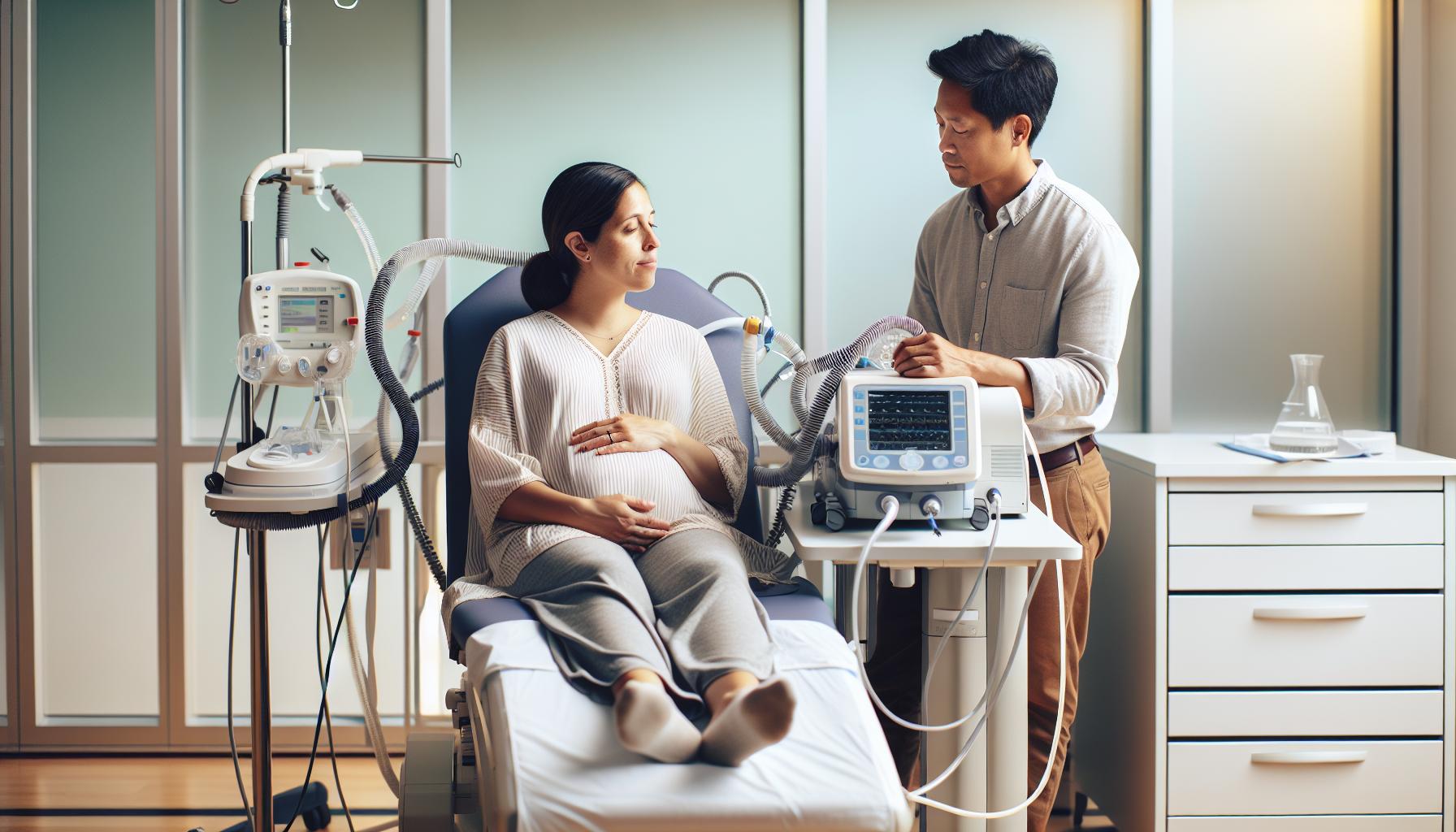
Pregnant women experiencing sleep issues have several types of sleep studies available to help diagnose conditions like sleep apnea or insomnia. These studies can provide valuable insights into your sleep health and help guide treatment options that ensure both maternal and fetal well-being.
1. Polysomnography (PSG)
Polysomnography is the gold standard for diagnosing various sleep disorders. This comprehensive study takes place in a clinical setting where multiple physiological parameters are monitored overnight. During the study, sensors measure brain activity, oxygen levels, heart rate, breathing patterns, and muscle activity, providing a detailed look into your sleep stages. For expectant mothers, hospitals are equipped specifically to address comfort and safety needs. The environment is usually designed to mimic a home-like setting, which can help ease anxiety and promote natural sleep.
2. Home Sleep Apnea Testing (HSAT)
For some women, a home sleep apnea test may be a more convenient option. This involves a simplified setup where you wear a small device overnight in your own bed. The device typically tracks oxygen levels and airflow, offering a focused insight into potential sleep apnea. While HSATs can be effective for screening, they may not capture the full range of sleep disturbances as comprehensively as a polysomnography study can. Therefore, if you qualify for home monitoring, a follow-up PSG may still be recommended based on findings.
3. Actigraphy
Another less invasive option is actigraphy, which involves wearing a wristwatch-like device that tracks movement patterns over a week or more. This data can help identify sleep disturbances and overall sleep quality without the need for an overnight stay in a sleep lab. While actigraphy won’t provide as much depth as PSG or even HSAT, it can still offer beneficial insights, especially when assessing your sleep patterns during pregnancy.
4. Specialized Pediatric Sleep Studies
If you’re concerned about sleep for your newborn or toddler post-pregnancy, specialized sleep studies are available for young children as well. These studies help assess and diagnose sleep disorders in infants and children, ensuring early intervention to promote healthy sleep habits as they grow.
Understanding the types of sleep studies available enables you to make informed decisions about your sleep health during pregnancy. Consult your healthcare provider to discuss which option is best suited for your specific needs. Safety and comfort are paramount, and your doctor can guide you toward the most suitable type of study based on your symptoms and concerns.
Safety Considerations When Choosing a Sleep Study
When considering a sleep study during pregnancy, safety is paramount. It’s crucial to choose a study that prioritizes both maternal and fetal health while effectively diagnosing potential sleep disorders. Expectant mothers often worry about whether the monitoring devices or procedures could impact their pregnancy. Fortunately, many sleep studies are designed with these concerns in mind, ensuring that both you and your baby remain safe throughout the process.
To start, you should ask whether the facility conducting the sleep study is experienced in working with pregnant patients. A specialized sleep center will have protocols that accommodate the unique physiological changes that occur during pregnancy. For instance, polysomnography (PSG), often conducted in a lab setting, allows for comprehensive monitoring while ensuring a comfortable environment. Look for facilities that provide flexible settings that mimic home conditions, which can help reduce anxiety and enhance sleep quality.
In addition, when weighing your options, consider the invasiveness and complexity of the sleep study. Home Sleep Apnea Testing (HSAT) can provide a less intrusive way to collect data, allowing you to stay in your familiar setting. This method typically involves a small device that tracks your breathing patterns and oxygen levels overnight without extensive setup or monitoring, which can be less stressful for a pregnant individual. Be aware, however, that while HSATs are convenient, they may not capture every aspect of sleep disturbances, so follow-up testing might still be necessary depending on the initial results.
Lastly, it’s vital to consult with your healthcare provider about your sleep study options. Discuss any specific concerns you have regarding your health and your baby’s well-being. They can guide you toward the most appropriate type of study based on your symptoms, reassuring you about the safety of various monitoring processes. Engaging openly with your doctor can empower you to make informed decisions that support both your sleep health and the health of your pregnancy.
Common Sleep Disorders in Pregnancy
Pregnancy brings a myriad of physical and hormonal changes that significantly impact sleep. Understanding the common sleep disorders that can arise during this time is essential for expecting mothers seeking to maintain their overall health and well-being. Here are a few prevalent sleep disorders that pregnant women may experience:
Insomnia
Insomnia is one of the most frequently reported sleep issues among pregnant women, with studies indicating that up to 78% of expectant mothers may experience sleep disturbances. This can be attributed to a combination of anxiety, hormonal shifts, and physical discomfort, particularly as the pregnancy progresses. Women may find it difficult to fall asleep, stay asleep, or may wake up too early. It’s important to establish calming bedtime routines and explore relaxation techniques, such as meditation or gentle yoga, to improve sleep quality.
Restless Legs Syndrome (RLS)
Another common disorder is Restless Legs Syndrome, which causes uncomfortable sensations in the legs and an uncontrollable urge to move them. This condition can be exacerbated by pregnancy due to increased blood volume and hormonal changes. Engaging in regular physical activity and staying hydrated can alleviate some symptoms, but it’s crucial to consult a healthcare provider for appropriate management options.
Sleep Apnea
Obstructive Sleep Apnea (OSA) can also develop during pregnancy, particularly in women with pre-existing risk factors, such as obesity. OSA is characterized by repeated interruptions in breathing during sleep, leading to decreased oxygen levels and disrupted sleep patterns. Not only does this affect the mother’s quality of sleep, but it can also pose risks to fetal development. If snoring, excessive daytime sleepiness, or choking sensations are present, seeking a sleep study is advisable to assess for OSA.
Navigating These Disorders
The presence of these sleep disorders underscores the importance of monitoring sleep quality during pregnancy. If you suspect you may have a sleep disorder, consulting with your healthcare provider is a key step in determining the best course of action. They may recommend a sleep study or other evaluation methods to better understand your specific circumstances. Addressing sleep issues not only enhances personal health but also positively impacts fetal development for a healthier pregnancy overall.
How Pregnancy Affects Sleep Patterns

Pregnancy significantly alters a woman’s sleep patterns, often leading to new challenges in getting restorative rest. Hormonal fluctuations, coupled with physical and emotional changes, create a complex environment that can disrupt standard sleep cycles. For instance, an increase in hormones such as progesterone can promote drowsiness but may also contribute to nighttime awakenings, as pregnant women often find themselves needing to urinate more frequently.
As pregnancy progresses, many expectant mothers report experiencing more fragmented sleep. A study revealed that while sleep quantity may initially increase, it tends to decrease in both quality and duration as pregnancy advances [[1]](https://pubmed.ncbi.nlm.nih.gov/37984016/). Physical discomfort from a growing belly, coupled with anxiety about upcoming childbirth, can exacerbate issues. To help combat these sleep disturbances, incorporating effective sleep hygiene practices is crucial.
### Strategies to Improve Sleep Quality During Pregnancy
- Establish a Consistent Routine: Going to bed and waking up at the same times daily can help regulate the body’s internal clock.
- Create a Comfortable Sleep Environment: Ensure your bedroom is cool, dark, and quiet. Consider investing in supportive pillows to alleviate discomfort.
- Limit Stimulants: Reduce caffeine and sugar intake, especially in the hours leading up to bedtime.
- Practice Relaxation Techniques: Yoga, meditation, or gentle stretching can calm the mind and body, making it easier to drift into sleep.
Embracing these strategies can improve sleep quality and enhance overall well-being during pregnancy. Remember, if sleep issues persist or worsen, consulting with a healthcare provider is essential. They can offer guidance and determine whether a sleep study might be beneficial for diagnosing potential sleep disorders, such as sleep apnea, which could pose additional risks during pregnancy.
The Role of Sleep Hygiene During Pregnancy
Pregnancy can significantly impact sleep quality, and practicing good sleep hygiene becomes even more vital during this time. Simple yet effective habits can help expectant mothers navigate the challenges of sleep disturbances. Establishing a calming bedtime routine and a supportive sleep environment can lead to more restful nights, crucial for overall health and well-being.
To create a conducive sleep space, consider factors like lighting, temperature, and noise levels. Keeping the bedroom cool, dark, and quiet can facilitate better sleep. Using blackout curtains to block out light and white noise machines to drown out distracting sounds can be beneficial. Additionally, investing in comfortable bedding and using pregnancy pillows can help alleviate discomfort caused by a growing belly, providing better support and promoting restful sleep.
Another essential aspect of sleep hygiene is avoiding stimulants in the hours leading up to bedtime. Caffeine and sugar intake should be limited, as they can interfere with the ability to fall asleep. Instead, consider consuming herbal teas or warm milk, which can have a calming effect. Incorporating relaxation techniques like deep breathing, gentle yoga, or meditation can also help reduce anxiety and prepare the body for sleep.
Clearly communicating any sleep issues with a healthcare provider is important. If persistent sleep problems arise, a sleep study might be necessary to assess for disorders such as sleep apnea, which could pose risks during pregnancy. Maintaining an open dialogue with your healthcare provider ensures that any underlying conditions are addressed and that you receive the best possible care throughout your pregnancy.
Insurance Coverage for Sleep Studies in Pregnant Women
Navigating insurance coverage for sleep studies while pregnant can be a daunting task. Understanding your options and the typical costs involved can make a significant difference in your experience and peace of mind. Many expectant mothers find the costs associated with sleep studies to be overwhelming, especially when managing other pregnancy-related expenses. Fortunately, most health insurance plans provide some level of coverage for diagnostic sleep studies, but it’s essential to verify the specifics with your insurance provider.
Before proceeding with a sleep study, it’s advisable to have a discussion with your healthcare provider, who can recommend the appropriate tests based on your symptoms. Once a sleep study is suggested, contact your insurance company to inquire about coverage for the procedure. Here are some points you should address:
- Pre-authorization: Confirm if your insurance requires pre-approval for the sleep study.
- In-network facilities: Check which sleep study centers are in-network to avoid unexpected out-of-pocket costs.
- Cost-sharing details: Ask about your deductible, co-payment, and coinsurance responsibilities.
- Types of covered studies: Ensure that the type of sleep study recommended, whether it’s a polysomnography or an at-home sleep test, is covered.
For those concerned about the financial aspect, consider discussing the possibility of a payment plan with the sleep study facility. Many centers offer flexible payment options for patients with high deductibles or insufficient insurance coverage. Additionally, be aware that some patients may qualify for financial assistance programs or sliding-scale fees based on their income.
In conclusion, being proactive and informed about your insurance coverage for sleep studies during pregnancy can help alleviate some of the anxiety surrounding both your health and finances. By engaging in open dialogue with your healthcare provider and insurance company, you can make well-informed choices that best suit your needs. As with any significant medical decision during pregnancy, thorough preparation is key to ensuring a smoother process, both for you and your growing family.
Modern Sleep Tech: Wearable Devices and Monitors
Wearable sleep devices are revolutionizing how we approach sleep health, especially for pregnant women who may experience unique sleep disturbances. These compact, user-friendly gadgets provide critical insights into sleep patterns and quality, all from the comfort of your home. Unlike traditional sleep studies, which can sometimes be daunting and require medical settings, these devices offer a level of accessibility and ease that many expectant mothers appreciate.
Among the various options available, smartwatches and fitness trackers are among the most popular. They monitor various metrics, such as heart rate, restlessness, and the duration of different sleep stages. Many models also feature sleep tracking functionalities-providing data on when you fall asleep, wake up, and the quality of your rest throughout the night. This information can empower you to make informed decisions about your sleep hygiene.
Choosing the Right Device
When selecting a wearable device, consider factors such as comfort, battery life, and data accuracy. Some devices provide in-depth analysis of your sleep cycles, while others might only track total sleep time. Here are some points to keep in mind:
- Comfort: Ensure the device is lightweight and comfortable, especially since you might wear it every night during pregnancy.
- Battery Life: Look for a device that offers extended battery life to avoid frequent recharging interruptions.
- Data Accuracy: Research consumer reviews and clinical validations of the device to ensure reliable data.
Combining Wearables with Professional Guidance
While these wearable technologies are helpful, they do have their limitations. They can give you a good overview of your sleep patterns but cannot replace an extensive overnight sleep study (polysomnography) performed in a clinical setting, especially if you have suspected sleep disorders such as sleep apnea. If your device indicates consistent sleep issues-such as poor sleep quality despite adequate hours spent in bed-consider discussing these findings with your healthcare provider. Utilizing both wearables and professional advice can lead to better-informed decisions about your sleep health during pregnancy.
In summary, the rise of wearables provides expectant mothers with an accessible way to monitor their sleep, making it easier to track how their bodies are adapting during this critical time. These devices can complement traditional methods, providing valuable insights without the stress of a clinical environment.
Real-Life Scenarios: Sleep Studies vs. Home Monitoring
Navigating the decision between a formal sleep study and at-home monitoring can be daunting, especially for pregnant women experiencing disrupted sleep. Imagine this: Maria, a 30-year-old expectant mother, has been struggling with severe nighttime restlessness and feels constantly fatigued. Her healthcare provider suggests considering a sleep study to rule out conditions like sleep apnea. However, Maria feels anxious about the thought of spending a night in a lab hooked up to machines. This is where understanding the available options-formal sleep studies versus home monitoring-becomes crucial.
For situations like Maria’s, at-home sleep monitoring devices offer a practical first step. These consumer-friendly tools, such as smartwatches or dedicated sleep trackers, allow pregnant women to gather important data about their sleep patterns without the stress of a clinical environment. Maria can use a wearable device to monitor her sleep stages, disturbances, and overall sleep quality. If the device shows consistent issues, such as frequent awakenings or low sleep quality, it will provide her with tangible insights to discuss with her healthcare provider. This proactive approach not only empowers her to take control of her sleep health but also helps in alleviating anxiety about the unknowns of clinical testing.
However, it’s important to recognize that while wearables can monitor general sleep trends, they have limitations and should not replace thorough diagnostic tests for suspected sleep disorders. If the data from her wearable indicates concerns like prolonged periods of apnea, Maria family might decide to proceed with a polysomnography (a formal sleep study) to explore these findings further. This test would provide comprehensive information, including brain waves, heart rate, and breathing patterns, enabling clinicians to accurately diagnose any sleep disorders, which is vital for the health of both Maria and her baby.
Ultimately, whether opting for a sleep study or using home monitoring devices, pregnant women should feel empowered to engage with their healthcare providers about their sleep concerns. The combination of home monitoring for initial insights and professional evaluation for potential disorders can help ensure a balanced and effective approach to managing sleep health during pregnancy. In Maria’s case, leveraging both approaches can lead to more informed decisions, ensuring she receives the care she needs while feeling comfortable and supported throughout the process.
Consulting Your Healthcare Provider: What to Discuss
Consulting with your healthcare provider about sleep concerns during pregnancy can be both empowering and vital to your overall well-being. It’s crucial to approach this discussion with clarity and purpose, understanding your unique experiences and needs. Many expectant mothers, like Maria, face questions regarding possible sleep disorders, the safety of sleep studies, and the appropriateness of using sleep trackers. Here are key points to discuss:
Key Topics to Discuss
- Your Symptoms: Clearly articulate your sleep issues. Are you experiencing insomnia, frequent awakenings, or excessive daytime sleepiness? Detailed descriptions can help your provider assess your situation effectively.
- Sleep Study Options: Inquire about the types of sleep studies available, including in-lab polysomnography or home sleep apnea tests. Discuss which option might be more suitable for you, especially considering any discomfort with clinical settings.
- Safety Considerations: Discuss the safety of undergoing a sleep study during pregnancy. Your provider can clarify any potential risks and the measures taken to ensure your comfort and safety.
- Wearable Devices: Share any data from sleep trackers you may have been using. While these devices can offer valuable insights into your sleep patterns, it’s important to understand their limitations and not rely solely on them for diagnosis.
- Insurance Coverage: Ask about the insurance coverage for sleep studies, including any out-of-pocket costs you might incur. Understanding the financial aspect can alleviate stress and help you plan accordingly.
- Next Steps: Collaborate with your healthcare provider to develop a plan based on your discussions. Whether it’s scheduling a sleep study, adjusting sleep hygiene practices, or exploring lifestyle modifications, having a clear path forward can provide reassurance.
By engaging in open dialogue with your healthcare provider, you can demystify the process surrounding sleep studies and make informed choices that prioritize your health and the health of your baby. Being proactive and asking the right questions not only helps clarify your situation but also builds a supportive partnership with your provider during this important time.
Navigating Sleep Anxiety During Pregnancy
Pregnancy can be a time of both excitement and anxiety, particularly when it comes to sleep. Many expectant mothers experience heightened levels of anxiety, often worrying about the health of their baby, physical changes, and the demands of motherhood. This anxiety can hinder restful sleep, leading to a cycle of insomnia that further amplifies worries. Understanding how to navigate this sleep anxiety is essential for both maternal and fetal well-being.
One effective strategy to combat sleep anxiety is developing a structured bedtime routine. Consistency helps signal to your body that it’s time to wind down. Consider activities like reading a book, practicing mindfulness, or engaging in gentle yoga. These calming practices can help reduce tension and promote a sense of safety, making it easier to transition into sleep.
If you’re anticipating a sleep study, it can be helpful to address your concerns with your healthcare provider. They can offer reassurance and clear information on what to expect, demystifying the process. Knowing the differences between various sleep studies, such as in-lab polysomnography and home sleep apnea testing, can also alleviate anxiety. For instance, home tests may offer more comfort than being monitored in a clinical environment. Discussing these options can empower you to choose the path that feels best for your situation.
Lastly, consider using wearable sleep devices with caution. These can provide insights into your sleep patterns, but remember they are not a substitute for professional diagnostic tests. Rely on your healthcare provider’s expertise for accurate assessments rather than solely depending on technology. Embrace the journey of pregnancy and lean into open conversations about your sleep concerns, creating a proactive approach to your sleep health.
Frequently Asked Questions
Q: What should I consider before scheduling a sleep study while pregnant?
A: Before scheduling a sleep study during pregnancy, consult your healthcare provider to assess any risks and discuss symptoms. Consider your current health status, the type of sleep study required, and any specific safety precautions recommended for pregnant women.
Q: How can I prepare for a sleep study during pregnancy?
A: To prepare for a sleep study while pregnant, follow your doctor’s advice, which may include measuring your sleep patterns prior to the study. Plan your transportation as sleep studies can take several hours, and ensure you bring any comfort items you might need.
Q: Are there any risks associated with sleep studies during pregnancy?
A: Generally, sleep studies are considered safe during pregnancy, but risks can be specific to individual health conditions. Always discuss potential risks and benefits with your healthcare provider, focusing on conditions like gestational hypertension or diabetes that may complicate the study.
Q: Can sleep studies help diagnose pregnancy-related sleep disorders?
A: Yes, sleep studies can effectively help diagnose pregnancy-related sleep disorders, such as sleep apnea or insomnia, allowing for appropriate treatment to improve your well-being. Multimodal approaches may also be suggested based on findings.
Q: What types of sleep studies are safest for pregnant women?
A: Polysomnography (a comprehensive study) is often the safest choice during pregnancy, as it tracks various sleep parameters. Home sleep tests may also be available; however, discuss with your physician which is most appropriate for your specific needs.
Q: What should I do if I experience anxiety about the sleep study process?
A: If you’re feeling anxious about a sleep study, communicate this to your healthcare provider. They can offer strategies for managing anxiety, including breathing exercises or adjusting the study environment to ensure comfort.
Q: Is there insurance coverage for sleep studies during pregnancy?
A: Many insurance plans cover sleep studies when medically necessary. To confirm coverage, check with your insurance provider or consult your healthcare provider for detailed billing guidance and potential upfront costs related to pregnancy sleep studies.
Q: What other resources are available for managing sleep issues during pregnancy?
A: In addition to sleep studies, consider resources such as sleep hygiene guides, relaxation techniques, and pregnancy support groups. Consulting your healthcare provider will also help tailor strategies to improve your sleep quality during pregnancy.
The Way Forward
As you navigate your pregnancy journey, understanding your sleep health is crucial-especially considering the unique challenges you may face. If you’re wondering, “Can you do a sleep study while pregnant?” the answer is yes! With proper safety considerations in mind, a sleep study can actually provide valuable insights into your sleep quality and any sleep disorders you might have, like obstructive sleep apnea or restless legs syndrome. Don’t hesitate to explore options such as portable sleep monitors that can be used safely at home.
Ready to take proactive steps for your sleep health? Check out our guides on sleep studies during pregnancy and the ongoing research focusing on CPAP treatments tailored for expectant mothers. We encourage you to share your experiences or questions in the comments, as your insights can help others. For more expert tips on managing sleep issues, consider subscribing to our newsletter. Empower yourself with knowledge and make informed choices for your and your baby’s well-being!
Get our latest guides, news, and insights highlighted in your Google Search & AI Overviews.