
Preparing for a sleep study can be both exciting and nerve-wracking, especially when it comes to understanding the food and beverage guidelines you need to follow. Did you know that what you eat before your test can significantly impact its results? Knowing whether you can eat beforehand helps alleviate anxiety and sets the stage for accurate findings. In this article, we’ll break down the importance of these guidelines, addressing common questions and concerns. You’ll learn how proper preparation can improve your comfort and the quality of the data gathered during your study. By understanding what you can and cannot consume ahead of time, you’ll feel more in control of the process-allowing you to focus on what truly matters: achieving a good night’s sleep.
Food’s Impact on Sleep Study Results
Eating habits can significantly influence the results of sleep studies by affecting sleep quality and patterns. The nutrients consumed before a sleep study may impact how well you sleep during the assessment. For instance, foods rich in refined sugars or caffeine might lead to unstable sleep patterns, while a balanced intake of nutrients can enhance sleep quality, leading to more accurate results.
The timing and composition of your last meal before a sleep study are essential considerations. It’s advisable to avoid heavy, rich foods that could cause discomfort and disrupt sleep. Ideally, opt for light meals comprising complex carbohydrates and proteins, as they help promote sleepiness. Foods known to impact sleep positively include whole grains, nuts, yogurt, and lean proteins. Conversely, those high in sugar, fat, or containing stimulants such as caffeine, should be minimized or avoided altogether. This strategy not only prepares your body for rest but also aids in delivering a clearer picture of your sleep patterns during the study.
Furthermore, understanding how your food choices influence sleep stages is crucial. Research indicates that a poor diet can lead to more fragmented sleep and alter sleep architecture. For optimal results, aim for a balanced diet devoid of common sleep disruptors in the days leading up to the study. This proactive approach can help ensure that the data collected during your sleep study reflects your true sleep health. Therein lies the importance of being mindful of dietary decisions before undergoing a sleep study, as they can greatly impact the outcomes and insights derived from the tests.
What Foods Should You Avoid Before Testing?
Eating the right foods before a sleep study can significantly affect how well you sleep during the assessment, which in turn can influence the results. To ensure the most accurate outcomes, it’s crucial to recognize which foods to avoid in the hours leading up to the test. Certain items are known to disrupt sleep patterns or create discomfort, so making informed choices can enhance your overall experience and the study’s effectiveness.
First and foremost, steer clear of caffeine-containing foods and beverages. Common sources include coffee, tea, chocolate, and some soft drinks. Caffeine is a stimulant that can lead to restless nights and an inability to fall asleep, which can compromise the data collected during your study. Ideally, aim to stop consuming these items at least six hours before your bedtime.
In addition to caffeine, it’s wise to avoid heavy, rich foods that can cause gastrointestinal discomfort. Items high in saturated fats and sugar, such as fried foods, burgers, and pastries, can interfere with sleep quality and lead to lighter sleep stages, making it harder for the sleep study to assess your sleep architecture accurately [2].
Spicy foods are another category to be cautious of. Consuming these can cause heartburn, which may disrupt sleep and lead to discomfort during the night [1]. It is recommended to avoid spicy dishes at least three hours prior to your designated bedtime.
Finally, consider the timing of your last meal. Eating large meals close to bedtime can lead to indigestion and restless sleep. Instead, focus on having a light meal with a good balance of lean proteins and complex carbohydrates a few hours before the test, such as whole grains, nuts, and yogurt, which can help promote sleepiness without causing discomfort [1].
In summary, being mindful about what you eat before a sleep study can significantly enhance your sleep quality and produce more reliable results. By avoiding stimulants, heavy meals, and potential irritants, you set the stage for a restful night, allowing the sleep study to accurately reflect your typical sleep patterns.
Best Snacks to Enjoy Before a Sleep Study
Eating the right snacks before a sleep study can enhance the quality of your sleep and yield more accurate results. Choosing light, nutrient-rich options helps promote relaxation while keeping discomfort at bay. Here’s a guide to some of the best snacks to consider when preparing for your upcoming sleep assessment.
Top Snack Choices
Opt for foods that are known to support sleep. Here are some excellent choices:
- Almonds: Packed with magnesium, almonds can help relax your muscles and improve sleep quality. A small handful makes for a satisfying and nutritious evening snack.
- Kiwi: Studies have indicated that consuming kiwis before bed can lead to improved sleep onset and duration. Their natural serotonin levels may help regulate your sleep cycle.
- Bananas with Almond Butter: A delicious combination that offers potassium and magnesium, both of which are known to help muscles relax and induce sleepiness.
- Oatmeal: A warm bowl of oatmeal can be comforting and contains melatonin, which may help you drift off more easily.
- Yogurt: Rich in calcium and protein, yogurt can help steady your blood sugar while allowing digestion to remain stable through the night.
Hydrating Wisely
Stay hydrated but choose your beverages carefully. While it’s crucial to drink adequate water throughout the day, limit fluid intake right before bed to reduce the likelihood of waking up for bathroom trips during your sleep study. Herbal teas, such as chamomile or peppermint, can be calming options when consumed a couple of hours before sleep.
Incorporating these snacks not only helps you avoid potential disturbances during your sleep study but also creates a healthy bedtime routine that encourages restful sleep. As you prepare, remember that the goal is to enhance your sleep quality, setting the stage for accurate study results that reflect your typical sleep patterns.
Hydration Guidelines: What to Drink and When
Staying properly hydrated is crucial in the lead-up to a sleep study, as the right fluid choices can significantly impact your overall comfort and quality of sleep. However, it’s essential to balance your hydration with the timing of your fluid intake. Consuming the right types of drinks at strategic times can prevent disruptions during your test, such as frequent bathroom trips that may skew your sleep data.
Throughout the day, maintaining good hydration is important, but as bedtime approaches, it’s wise to be more mindful of your fluid consumption. Aim to drink plenty of water during the day, but consider tapering off your intake in the evening. One effective strategy is to limit any significant fluid intake about two hours before your sleep study. This helps reduce the likelihood of waking up to use the bathroom during the night, allowing for a more accurate representation of your sleep patterns.
In addition to water, some other excellent hydration choices can promote relaxation and restful sleep. Herbal teas, such as chamomile or peppermint, not only offer hydration but also possess calming properties-perfect for winding down. Aim to enjoy these teas a couple of hours before bedtime. Avoid caffeinated beverages later in the day, as they can interfere with your ability to fall asleep and may disrupt the sleep study process.
By being thoughtful about what and when you drink, you can proactively enhance your sleep study experience. A well-hydrated body that isn’t overstimulated by caffeine or frequent nighttime trips to the restroom can lead to more accurate study results and a deeper understanding of your sleep health.
Caffeine: How It Affects Your Sleep Study
Caffeine is a well-known stimulant that many rely on for an energy boost, but it can significantly impact your ability to get restful sleep, particularly before a sleep study. Consuming caffeine within several hours of your scheduled test can lead to difficulties in falling asleep and may disturb your sleep cycles. If you’re gearing up for a sleep study, avoiding caffeine altogether for at least 12 hours prior is often recommended.
The timing of caffeine consumption is crucial. When you drink coffee, tea, or energy drinks, the stimulating effects can linger for hours. For instance, the half-life of caffeine-meaning the time it takes for half of the caffeine to be eliminated from your body-ranges from about three to seven hours. This means that a 200 mg caffeine boost from a morning coffee could result in significant residual caffeine during your test, disrupting your natural sleep patterns.
To improve your sleep study experience, consider these practical strategies:
- Plan your caffeine intake: If you enjoy a morning cup, try to finish it by mid-morning, giving your body time to metabolize the caffeine.
- Explore alternatives: Switch to herbal teas or decaf options in the afternoon. These can keep you hydrated and relaxed without the stimulating effects of caffeine.
- Be mindful of hidden sources: Remember that certain medications, sodas, and even chocolate contain caffeine. Check labels to avoid unintended consumption.
Making these changes can enhance the quality of your sleep during the study, allowing for more accurate results and a clearer picture of your sleep health. Ultimately, understanding how caffeine affects your sleep can help you make informed choices as you prepare for your sleep study.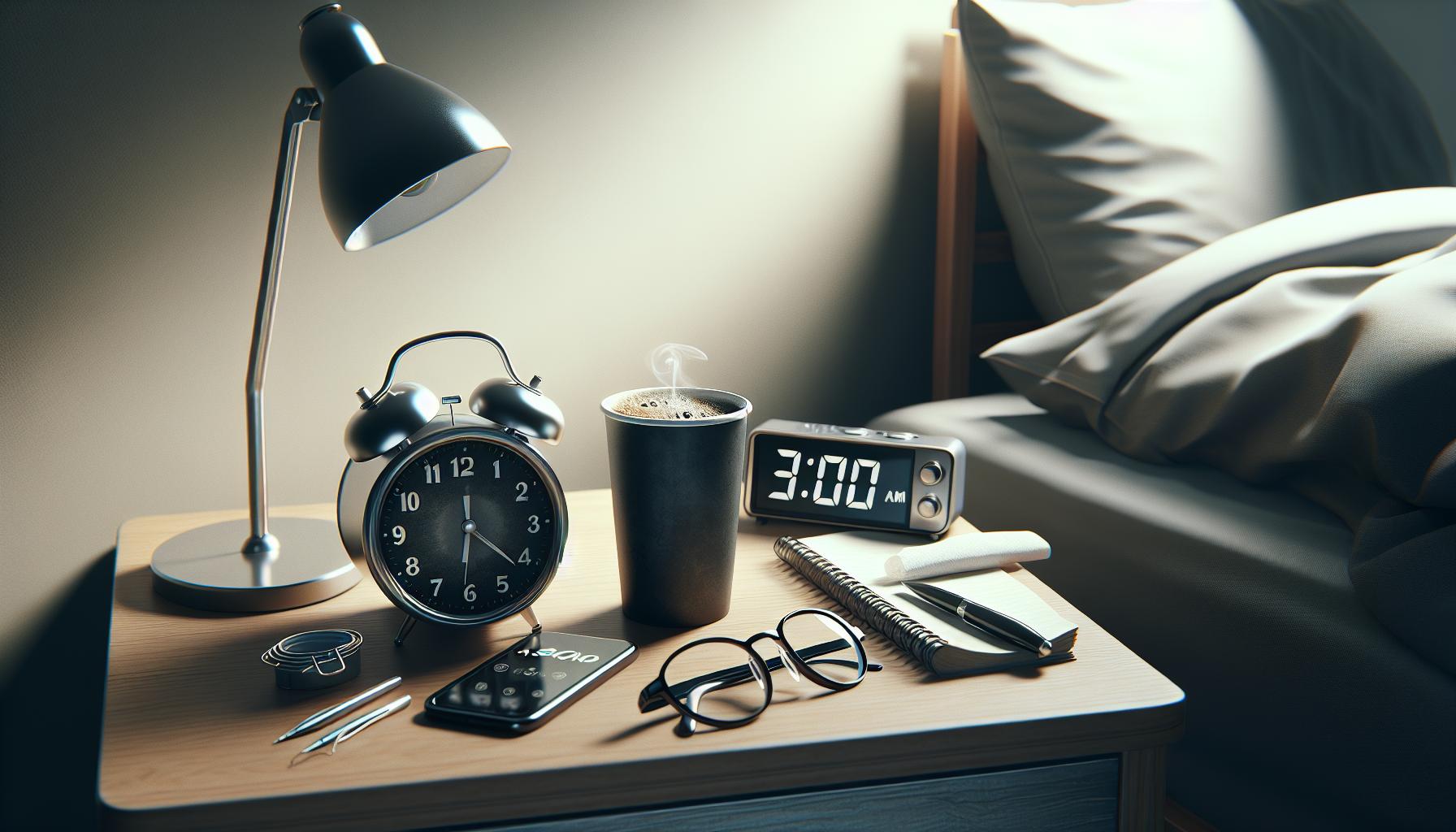
Alcohol Consumption: Risks Before Sleep Testing
Consuming alcohol before a sleep study can have significant repercussions on the quality of your sleep and, consequently, the accuracy of your test results. While many believe a drink may help relax them, alcohol actually disrupts your sleep architecture, leading to fragmented sleep cycles. This disruption can make it difficult for your sleep specialist to get a clear picture of your sleep patterns and issues. Ideally, abstaining from alcohol for at least 24 hours prior to your study is advisable to ensure the most accurate results.
Alcohol is a sedative, which can initially make you feel drowsy; however, it affects the second half of your sleep cycle. It can reduce REM sleep, the restorative phase crucial for cognitive function and emotional regulation. As the evening progresses, alcohol metabolism can lead to increased awakenings and a lighter sleep state. This can result in a poor night’s sleep that does not accurately represent your usual sleeping habits, complicating the interpretation of the sleep study.
If you’re hoping to prepare effectively for your sleep study, consider these tips:
- Skip the Drinks: Avoid all forms of alcohol for at least 24 hours before your test. This not only helps improve sleep quality, but also allows for a more accurate assessment.
- Alternative Relaxation Techniques: Instead of alcohol, explore calming activities such as reading, gentle stretching, or meditation to help wind down.
- Communicate Openly: If you have anxiety about your sleep study, discuss your concerns with your healthcare provider; they might offer alternatives to help you relax without alcohol.
By focusing on these strategies, you’ll maximize the benefits of your sleep study, providing clearer insights into your sleep health and leading to better recommendations for improvement. Understanding the impact of alcohol consumption on sleep can empower you to make smart choices leading up to this important evaluation.
Timing Your Last Meal: Importance and Tips
Timing your last meal can greatly affect the quality of your sleep study results. Ideally, you should aim to finish your last meal at least 2 to 3 hours before bedtime. This allows your body ample time to digest the food, minimizing the risk of discomfort or disturbances during sleep, which can compromise the accuracy of your study. Engaging in late-night snacking or indulging in heavy meals can lead to issues such as acid reflux, bloating, or general discomfort, preventing you from entering deeper sleep stages that are crucial for an accurate assessment.
When preparing for a sleep study, consider opting for lighter, easily digestible foods during your last meal. Think along the lines of a small salad, a piece of grilled chicken, or a bowl of oatmeal-options that won’t weigh you down or cause agitation as you sleep. Also, try to avoid overly spicy or fatty foods, which can lead to digestive distress. Instead, focus on carbohydrates and proteins, which can promote relaxation. Foods like yogurt with fruit or a slice of whole-grain toast with peanut butter can be beneficial; they contain nutrients that may help regulate sleep cycles.
Keep in mind the importance of consistency in your pre-sleep routine. If you regularly eat dinner later than usual, consider gradually shifting your meal times in the days leading up to the study. This adjustment can help your body adapt to the new schedule, making it easier to sleep more naturally on the night of the test. Establishing a routine signals to your body that it’s time for sleep, reinforcing healthier patterns that could positively influence your sleep health long beyond just the study itself.
Ultimately, the key is to listen to your body. If you feel hungry closer to bedtime, a small, healthy snack can help alleviate any discomfort without overwhelming your digestive system. Remember, the goal is to enter the sleep study relaxed and devoid of any distractions related to hunger or indigestion. By being mindful of what and when you eat, you set yourself up for a more successful sleep study experience, leading to clearer insights into your sleeping patterns.
The Role of Sleep Aids and Supplements
When it comes to framing the best conditions for a successful sleep study, understanding is crucial. Many individuals turn to various over-the-counter options or natural supplements, hoping to promote better sleep quality. However, it’s important to consider how these aids may interact with your sleep study results.
Common Sleep Aids and Their Impacts
- Melatonin: This hormone is naturally produced by the body and regulates sleep-wake cycles. Supplementing with melatonin can help some people fall asleep faster, but taking it too close to your test may alter the way your body naturally prepares for sleep.
- Herbal Supplements: Products like valerian root and chamomile are popular for their calming effects. While they may help with relaxation, ensure you discuss these with your healthcare provider beforehand, as efficacy can vary widely between individuals.
- Prescription Medications: If you’re using medications such as benzodiazepines or newer sleep aids (like eszopiclone), these can significantly affect sleep architecture and may lead to unreliable study results. Consult your doctor about the timing and necessity of such medications before your test.
Before a sleep study, it is essential to consult with your healthcare provider regarding taking any aids or supplements. Many sleep studies require you to refrain from using sleep medications in the days leading up to the test to capture your true sleep patterns. In some cases, discontinuing medications suddenly can lead to withdrawal symptoms that may complicate the study. Hence, a well-planned discussion can enhance the reliability of the results by allowing for a clearer analysis of your natural sleep pattern.
Additionally, remember that the effectiveness and safety of sleep aids can vary considerably from person to person, and what works for someone else might not work for you. To reduce anxiety during the study, focus on establishing a calming bedtime routine that doesn’t involve the use of sleep aids. This might include practices like gentle stretching, meditation, or reading-simple tools that promote relaxation without potentially altering your sleep architecture.
In summary, while sleep aids and supplements can be helpful, they must be approached with caution and care, especially in relation to sleep studies. Understanding how these substances work in your body and their potential impact on your sleep study can help you make informed choices that contribute to more accurate and meaningful results.
How Food Choices Influence Sleep Stages
Many people underestimate the profound impact that food choices can have on sleep stages. The connection between what you eat and how well you sleep is not just about comfort; it’s intricately linked to the architecture of your sleep itself. Your dietary patterns can influence how you transition through different stages of sleep-especially the deep and REM sleep cycles that are crucial for restorative rest.
Carbohydrates, for instance, can significantly enhance the amount of tryptophan that reaches the brain, encouraging the production of sleep-regulating hormones like melatonin. Consuming a balanced meal that incorporates complex carbohydrates, lean proteins, and healthy fats may aid in entering deeper sleep stages. Foods that promote good sleep include whole grains, nuts, and dairy products, which all play a role in providing the body with the necessary nutrients to facilitate better sleep quality.
Conversely, certain food groups can disrupt this delicate balance. High sugar and high-fat snacks, particularly those consumed close to bedtime, can lead to sleep disturbances. Caffeine, often found in coffee and many soft drinks, can lead to prolonged wakefulness, making it harder to achieve the restorative sleep phases. It’s also essential to keep in mind that alcohol, while it may make you feel drowsy initially, has been shown to interfere with REM sleep patterns, ultimately leaving you feeling less rested.
Ultimately, being mindful of what you consume before a sleep study can set the stage for capturing accurate data on your sleep patterns. Adopting a diet that supports your sleep cycles can be as beneficial as focusing on other sleep hygiene practices. By aligning your food choices with your sleep goals, you can greatly enhance your sleep quality and overall well-being.
Understanding Sleep Study Protocols and Requirements
Understanding the intricate details of how to prepare for a sleep study can significantly influence the results and overall experience. These studies are designed to monitor various physiological parameters during sleep, providing critical insights into possible sleep disorders. Adhering to specific guidelines, particularly regarding food and beverage intake, is essential for achieving the most accurate outcomes.
Before your sleep study, it is generally recommended to avoid eating heavy meals just before bedtime. This is important because digestion can interfere with the sleep cycle, potentially impacting the data collected during the study. Instead, aim to finish your last meal a few hours prior to your scheduled appointment, allowing your body time to digest.
Here are some key aspects to consider when preparing for your sleep study:
Food and Beverage Guidelines
- Avoid Caffeine: Eliminate caffeine sources such as coffee, tea, chocolate, and certain sodas at least 6-8 hours before your study. Caffeine’s stimulating effects can delay sleep and affect your ability to enter deeper sleep stages.
- Alcohol Considerations: While some believe alcohol helps them fall asleep, it can disrupt your sleep architecture. It’s best to refrain from alcohol consumption the night before your study to avoid skewing results.
- Nutritious Choices: Opt for lighter, nutrient-dense snacks if you must eat close to your bedtime. Foods rich in complex carbohydrates and proteins can help promote better sleep, such as yogurt with fruit or a small portion of whole grains paired with a lean protein.
- Hydration: Stay hydrated, but avoid drinking excessive fluids right before bed to minimize nocturnal awakenings for bathroom trips. Plan your hydration throughout the day leading up to your study.
Being well-informed and prepared goes a long way in alleviating anxiety surrounding the sleep study process. Take the time to understand the requirements, and aim to follow these guidelines closely; they not only help improve the quality of data collected but also enhance your overall comfort during the study.
Sample Meal Plans for Pre-Sleep Study Preparation
When preparing for a sleep study, selecting the right foods can significantly impact your ability to rest well and ensure accurate test results. A thoughtful meal plan can help you power down before the study while remaining within the guidelines for optimal sleep preparation.
Start with a balanced dinner that includes a combination of complex carbohydrates and proteins. For example, consider having grilled salmon with quinoa and steamed broccoli. Salmon is not only rich in omega-3 fatty acids but also contains vitamin D, which promotes healthy sleep patterns. Quinoa offers a steady source of energy and is recognized for its richness in magnesium, a mineral known to aid sleep quality.
Following dinner, if you’re feeling peckish, choose a light snack such as a small bowl of Greek yogurt with sliced bananas and a sprinkle of chia seeds. This combination provides a healthy dose of tryptophan, which is a precursor to melatonin, helping to prepare your body for sleep. Alternatively, a handful of almonds or a slice of whole-grain toast with almond butter can be great options, as nuts are high in magnesium and healthy fats.
Be sure to hydrate throughout the day but limit your fluid intake in the hour leading up to bedtime to avoid disruptive trips to the bathroom. Planning meals and snacks at least 2-3 hours before bedtime allows your body to digest adequately, maximizing your comfort during the sleep study.
By paying attention to your food choices, you can set yourself up for a better night’s sleep and more reliable sleep study results.
Addressing Common Concerns About Eating Before Sleep Studies
Eating the right foods can play a crucial role in preparing for a sleep study, but it’s natural to have concerns about how your dietary choices may impact your experience and results. Many people worry about what to eat and when, especially if they want to ensure they get a good night’s sleep before the assessment. While food is essential, there are some guidelines that can help you avoid common pitfalls that might interfere with sleep quality or the testing process itself.
One common question is whether you can eat before the study. Yes, you can, but it’s vital to choose your foods wisely. Focus on balanced meals that promote sleep, like those containing lean proteins and whole grains. High-sugar or high-fat meals should be avoided, as they can cause fluctuations in blood sugar and disrupt your ability to relax. For dinner, you might opt for grilled chicken with spinach or brown rice-both of which are light yet nutritious options.
Snacking can also be a concern. To help wind down before sleep, consider light snacks that contain sleep-promoting nutrients. A small serving of Greek yogurt or a handful of walnuts provides tryptophan, which aids in melatonin production. However, keep in mind that eating too close to bedtime can lead to discomfort and potential restlessness, so aim to have your last snack at least a couple of hours before you plan to sleep.
Hydration is equally important; drink plenty of fluids throughout the day to stay hydrated, but avoid excessive liquids right before bed to prevent disruptive trips to the bathroom. Balancing your hydration can help ensure your sleep study runs smoothly without interruptions.
By understanding these dietary guidelines and thoughtfully planning your meals and snacks, you can minimize anxiety around eating before a sleep study and improve your overall experience. This approach not only enhances your comfort but also increases the accuracy of your test results, giving you the peace of mind that comes from being well-prepared.
Faq
markdown
Q: Can I eat a full meal before a sleep study?
A: It is generally recommended to have a light meal before your sleep study. A heavy meal can disrupt your sleep and affect the study's accuracy. Aim for something small that won't cause discomfort during the night.

Q: What time should I stop eating before a sleep study?
A: It's best to stop eating at least 2-3 hours before your sleep study appointment. This allows your body to digest the food, minimizing any potential discomfort while you sleep.

Q: Are there specific foods I should avoid before my sleep study?
A: Yes, you should avoid caffeine, spicy foods, and heavy fatty meals before your sleep study. These can disturb your sleep patterns and may influence the results negatively.

Q: Can I drink water on the night of my sleep study?
A: Yes, you can drink water; however, it's wise to limit intake just before bed to prevent frequent trips to the bathroom during the study. Staying hydrated is essential for overall comfort.

Q: What snacks are recommended before a sleep study?
A: Opt for light snacks like fruit, yogurt, or a handful of nuts before your study. These provide energy without weighing you down and help maintain stable blood sugar levels.

Q: How does food impact sleep study results?
A: Food can affect your sleep quality and patterns, which are critical for accurate study results. Heavy, rich foods can lead to uncomfortable digestive issues, while certain foods may influence your body's natural sleep cycle.

Q: Is alcohol consumption allowed before a sleep study?
A: No, alcohol should be avoided before a sleep study. It can interfere with sleep quality and alter test results, potentially masking sleep disorders.

Q: How can I prepare my body for a sleep study regarding eating and drinking?
A: Prepare by eating light, avoiding caffeine, spicy foods, and alcohol. Stay hydrated but limit fluids close to bedtime to enhance comfort during the study. This preparation helps ensure optimal sleep and accurate results.
Future Outlook
Understanding food and beverage guidelines before your sleep study is crucial for accurate results and your overall comfort. Remember, eating the wrong foods or drinking the wrong beverages can affect your sleep quality and the insights your healthcare provider gains from the study. If you have any lingering questions about preparing for your sleep study, feel free to explore our comprehensive guides on sleep disorders and polysomnography for deeper insights on what to expect during testing.
Don’t miss the chance to empower yourself with knowledge-sign up for our newsletter to receive updates on sleep health trends and tips. Your journey to better sleep is just a click away, so why wait? Explore related topics like our comparison of wearable sleep technology, which could be a great tool for your ongoing sleep monitoring. Together, we can help you make informed choices for your sleep health, ensuring you’re always one step closer to restorative rest. Share your thoughts in the comments or reach out directly if you have specific questions-your engagement means everything to us!
Get our latest guides, news, and insights highlighted in your Google Search & AI Overviews.