
Did you know that sleep disorders affect nearly one in three adults, yet many may be tempted to fake a sleep study in hopes of finding a quick solution? This approach, while understandable, often backfires, leading to more confusion and missed opportunities for effective treatment. Understanding the real implications of sleep testing is crucial for anyone seeking answers to their sleep issues. In this article, we’ll uncover why authenticity in sleep studies is vital not only for effective diagnosis but also for your long-term well-being. If you’re grappling with sleep problems, continue reading to discover the smarter, healthier path to restful nights and restorative sleep.
Understanding Sleep Studies: The Basics You Need to Know
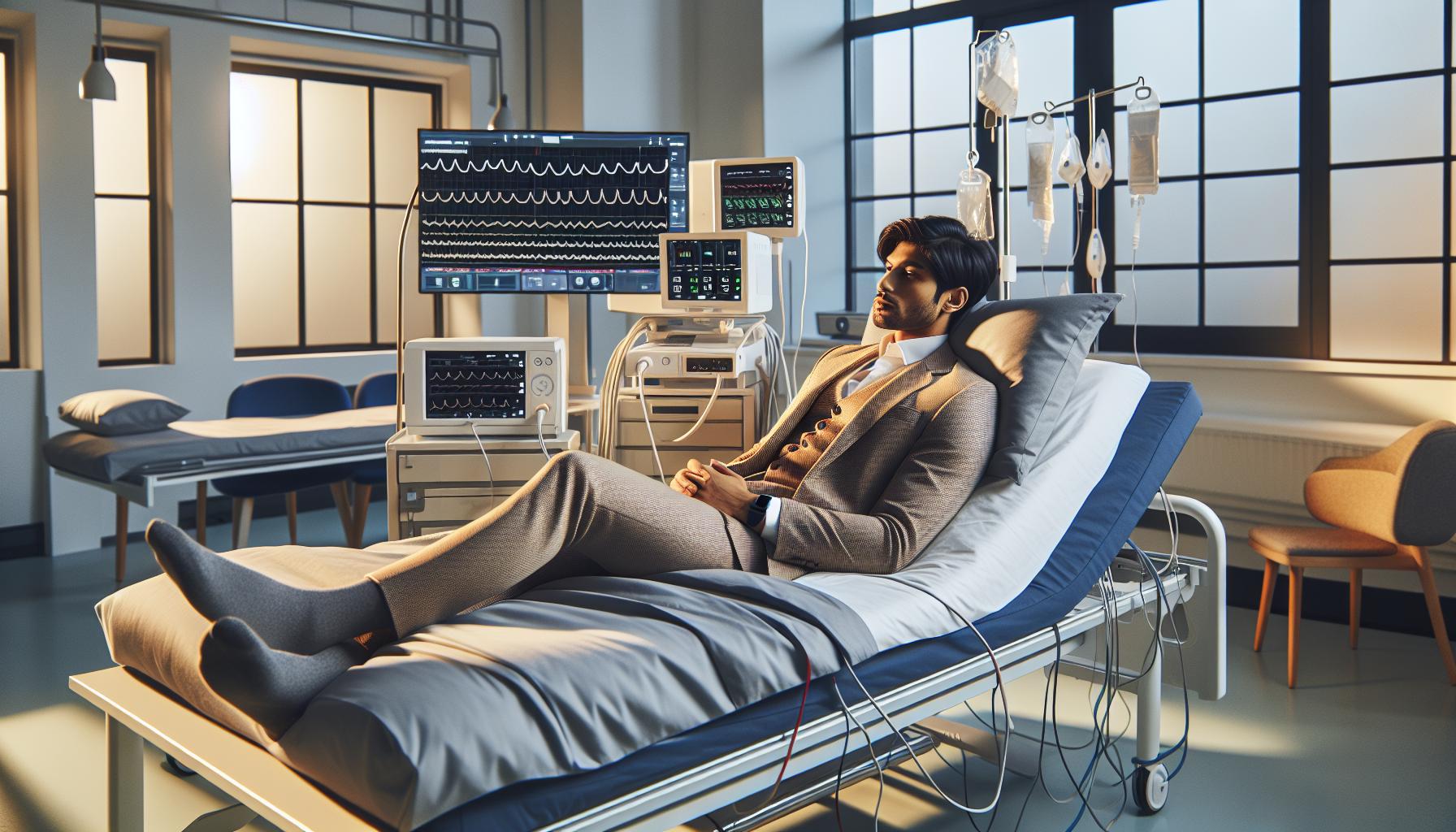
Understanding sleep studies can be daunting, yet they play a crucial role in diagnosing sleep disorders. These clinical evaluations track your sleep patterns and respiratory function, providing essential insights into your overall health. Typically conducted in a sleep lab, a study measures various physiological signals, such as brain activity, oxygen levels, heart rate, and breathing patterns. This information helps specialists identify conditions like sleep apnea, insomnia, and restless legs syndrome.
During a sleep study, electrodes are placed on your scalp, face, chest, and legs to monitor different data points through polysomnography. This setup may sound intimidating, but it’s harmless and allows for precise tracking of sleep stages: light sleep, deep sleep, and REM sleep. Each stage has unique characteristics that guide healthcare providers when diagnosing potential sleep issues. You can also expect other non-invasive monitors, like pulse oximeters, to track your oxygen levels throughout the night.
It’s also essential to prepare adequately for your sleep study. For instance, you should avoid caffeine and alcohol before the test, as these substances can disrupt your sleep patterns. Proper preparation enhances the accuracy of the study, ensuring a correct diagnosis. If you’re considering faking a sleep study, remember that the technology and expertise in assessing the data are sophisticated enough to reveal inconsistencies, leading to more significant issues down the line.
For many individuals, sleep studies are a vital first step toward effective treatment and improved sleep health. If you suspect a sleep disorder, seeking professional help is far more beneficial than attempting to manipulate test results. The data gathered during a sleep study can pave the way for tailored therapy options that significantly enhance your quality of life.
The Risks of Faking a Sleep Study
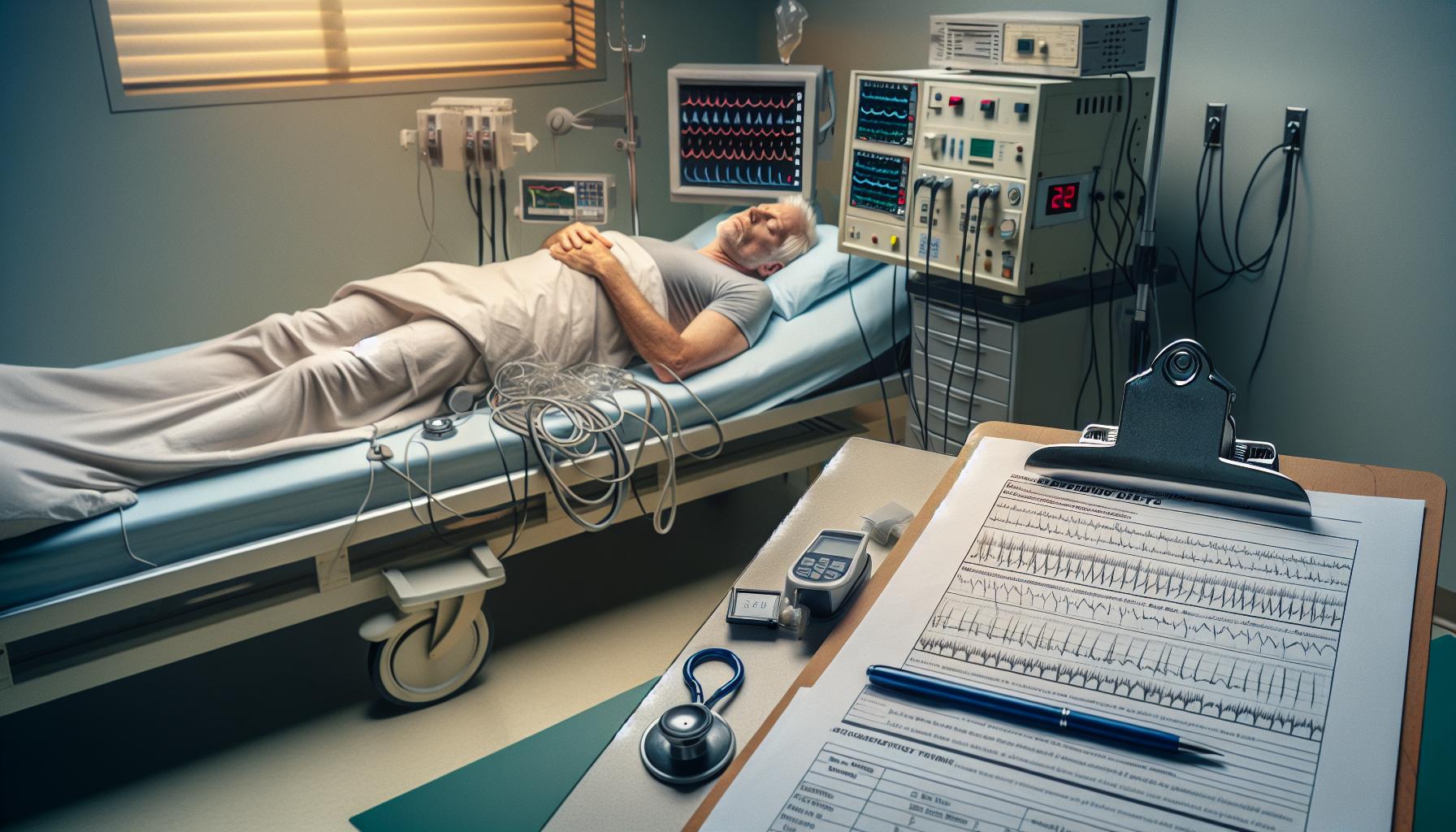
Faking a sleep study can seem tempting for those seeking shortcuts to treatment or benefits, but the risks involved are substantial. Sleep studies are designed to provide accurate and reliable data regarding your sleep patterns and potential disorders, and deceiving this process can lead to significant negative consequences.
One major risk of attempting to fake a sleep study is the possibility of receiving a misdiagnosis. Health professionals analyze multitudes of data, including brain waves, heart rate, and oxygen levels, during different sleep stages. If this data is manipulated or misleading, it can result in incorrect conclusions about your sleep health. For example, attempting to induce symptoms like snoring or irregular breathing may not only provide inaccurate results but could also mask a legitimate issue that requires urgent attention, ultimately delaying proper care.
Additionally, sleep clinics and professionals utilize sophisticated technology to monitor and evaluate sleep behavior. The equipment is designed to detect anomalies and inconsistencies in the readings. Attempting to falsify results can easily backfire, as trained technicians may notice discrepancies in the data or the physiological responses they monitor. More importantly, if dishonesty is uncovered, it could lead to a loss of credibility with healthcare providers, putting you at a disadvantage for future medical evaluations.
Moreover, there are legal and ethical ramifications to consider. Engaging in deceptive practices regarding medical testing can have serious implications, from loss of insurance coverage for legitimate medical treatments to legal consequences depending on the motives behind the deception. This not only creates stress and anxiety regarding potential fallout but can also impact your overall healthcare journey.
Rather than risking these complications, it is advisable to approach sleep studies with honesty. Engaging with your healthcare provider about your symptoms and concerns will yield results that are both trustworthy and beneficial for your health. Understanding your body’s needs is the first step toward effective treatment, and accurate sleep study results can guide you down that path.
How Sleep Studies Work: A Comprehensive Overview
Sleep studies, known clinically as polysomnography, are crucial for diagnosing various sleep disorders. Each study is designed to provide comprehensive insights into how well individuals sleep and how their bodies react during different sleep stages. This could be especially helpful for anyone considering faking a sleep study; understanding the actual process reveals just how risky that choice can be.
During a typical sleep study, patients are monitored overnight in a sleep clinic or sometimes at home. The setup involves attaching sensors to various parts of the body, including the scalp, chest, and legs. These sensors collect vital data, including brain wave patterns, heart rate, breathing efforts, and blood oxygen levels. Health professionals will analyze this information to identify patterns or irregularities that may indicate conditions such as sleep apnea, restless legs syndrome, or narcolepsy. Given the thoroughness of the monitoring equipment, even attempts at deception are likely to be caught. Trained technicians can spot inconsistencies in the data which reveal attempts at faking symptoms.
In reality, failing to achieve honest results can lead to severe implications. Not only can a misdiagnosis occur, meaning that underlying health concerns are overlooked, but it can also hinder access to appropriate treatments when they are genuinely needed. As a result, the approach to sleep studies should prioritize transparency. Providing accurate information about your sleep habits will enable healthcare providers to offer tailored recommendations that genuinely improve your sleep health.
Overall, understanding the meticulous nature of sleep studies underscores why faking results is detrimental, not just for receiving care but for one’s overall health journey. Honesty in reporting sleep issues opens the door to effective, meaningful solutions and fosters a healthier relationship with healthcare providers.
Common Sleep Disorders Diagnosed by Studies
Understanding the specific sleep disorders diagnosed through sleep studies can empower individuals to recognize symptoms in themselves and seek appropriate care. Common disorders include obstructive sleep apnea (OSA), characterized by frequent interruptions in breathing during sleep. Those suffering from OSA often report excessive daytime sleepiness, loud snoring, or choking sensations during the night, which can significantly affect overall health. Studies indicate that a significant percentage of those diagnosed with OSA can benefit from positive airway pressure therapy, dramatically improving sleep quality and reducing associated health risks.
Another prevalent disorder is restless legs syndrome (RLS). People with RLS often experience uncomfortable sensations in their legs that create an irresistible urge to move them, particularly at night or during periods of inactivity. Sleep studies can reveal the severity of RLS and how it disrupts sleep patterns, leading to tailored treatment plans that might include lifestyle changes or medications.
Narcolepsy, a less common but serious condition, is also frequently diagnosed through sleep studies. Individuals with narcolepsy struggle with excessive daytime sleepiness and may experience sudden sleep attacks, which can be dangerous if they occur during activities like driving. By capturing various sleep parameters, polysomnography can help differentiate narcolepsy from other sleep disorders, guiding effective management strategies.
Lastly, sleep studies often assess for insomnia, a disorder marked by chronic difficulty falling asleep or maintaining sleep. With insomnia, individuals may face fatigue, mood disturbances, and problems with focus during the day. Sleep studies can rule out other underlying sleep issues and inform cognitive-behavioral therapies that have been shown to provide long-term relief.
Recognizing these common disorders highlights the importance of accurate diagnosis. Misrepresenting symptoms or faking a sleep study outcome can lead not only to untreated medical conditions but also to mismanagement of resources. Being forthright about your sleep challenges allows healthcare providers to devise the most effective strategies to improve your sleep health, emphasizing how critical genuine efforts are in the pursuit of effective treatment and overall well-being.
Red Flags: Why Faking a Sleep Study Backfires
Faking a sleep study might seem like a shortcut to obtaining a diagnosis or treatment, but this approach can lead to a series of significant consequences that often outweigh the perceived benefits. A sleep study, or polysomnography, is designed to accurately capture various parameters related to sleep, such as brain activity, eye movements, heart rate, and breathing patterns. Any attempt to manipulate or misrepresent these factors can easily backfire.
In many cases, healthcare professionals are trained to detect inconsistencies and red flags during the assessment process. For example, if a patient falsely claims to suffer from symptoms associated with sleep apnea, but the study does not corroborate these claims, it could prompt further investigation and may ultimately delay appropriate treatment. Professionals rely on objective data to guide their diagnoses. When discrepancies arise between a patient’s reported symptoms and the study results, it raises doubts about the authenticity of the claims and can result in skepticism regarding the patient’s overall credibility.
Moreover, the implications of faking a sleep study can extend beyond personal health. Misrepresentation can waste valuable healthcare resources, burdening medical professionals who must allocate time and attention to cases that don’t require intervention. This diversion of resources can impact other patients who legitimately require assistance, ultimately contributing to longer wait times for crucial treatments.
It’s essential to acknowledge that the pursuit of an accurate diagnosis is in your best interest. Genuine efforts to articulate sleep concerns enables healthcare providers to tailor effective treatment plans that improve sleep health. Trust and communication are fundamental in the patient-provider relationship. By being honest about your symptoms and experiences, you pave the way for meaningful solutions that address your specific needs, rather than risking the pitfalls associated with deception. In the long run, transparency and understanding your sleep health are far more beneficial than attempting to game the system.
Legal and Ethical Implications of Fake Tests
Faking a sleep study carries serious legal and ethical implications that extend far beyond the initial act of deception. Attempting to manipulate the results of a sleep study can be considered healthcare fraud, a crime that carries significant legal repercussions. Healthcare professionals are increasingly vigilant when it comes to detecting abnormalities in test results that may hint at dishonesty, including discrepancies between reported symptoms and objective findings. This vigilance not only protects the integrity of the healthcare system but also ensures that resources are utilized effectively for those genuinely in need of support.
Legal Consequences
In many jurisdictions, faking any medical test, including sleep studies, can lead to legal action, including criminal charges and civil penalties. Depending on the severity, consequences could range from fines to imprisonment. Furthermore, if such fraud is discovered after a patient has received unnecessary treatments or medications, the individual could face liability for associated costs or damages to third parties.
Ethical Considerations
From an ethical standpoint, faking a sleep study undermines the trust fundamental to the patient-provider relationship. When patients misrepresent their health status, they not only risk their personal health but also complicate the care of others. Healthcare professionals often need to rely on accurate patient information to provide effective treatment plans. When one patient fabricates symptoms, it detracts attention and resources from patients who genuinely need care, potentially delaying their diagnoses or treatments.
It’s also worth noting that many medical facilities have strict protocols in place to verify the authenticity of patients’ claims. Institutions often monitor patterns that reveal unusual discrepancies in test results, leading to investigations. Such scrutiny serves to uphold the quality of medical care and enforce accountability in the system.
To foster a trustworthy relationship with healthcare providers, patients should engage openly about their symptoms and experiences. This approach not only supports accurate assessments but also paves the way for appropriate interventions, thus safeguarding individual health and maintaining the integrity of the healthcare system as a whole. In essence, honesty is the cornerstone of effective healthcare, making any attempt at deception ultimately counterproductive.
Alternatives to Sleep Studies: Home Testing Options
Home testing options for sleep analysis are becoming increasingly popular as a more accessible alternative to traditional in-lab sleep studies. These home-based assessments can provide valuable insights into sleep patterns and potential disorders, helping individuals monitor their sleep health without the need for hospital visits. Devices such as sleep trackers, wearable technology, and simple at-home sleep tests are paving the way for a more personalized approach to understanding sleep.
Many home sleep tests are designed to measure critical parameters such as heart rate, oxygen levels, and snoring. These devices can often be purchased over-the-counter or rented from healthcare providers. Costs can vary widely, ranging from $50 to $300, depending on the type and features of the device. Most setups are user-friendly: simply wear the device while you sleep or place it on a bedside surface to gather data. This ease of use empowers individuals to collect information in a comfortable environment and on their own schedule.
Comparing Options
It’s essential to understand the differences between various home testing options. Below is a brief comparison of some common devices:
| Device Type | Cost | What It Measures | Use Case |
|---|---|---|---|
| Wearable Trackers | $50-$300 | Heart rate, sleep stages, movement | General sleep tracking, monitoring trends |
| Overnight Pulse Oximeter | $20-$100 | Oxygen saturation levels | Detects sleep apnea risk |
| Home Sleep Apnea Test Kit | $200-$400 | Breathing patterns, heart rate, snoring | Diagnosing sleep apnea |
For those considering a home test, it’s crucial to evaluate your specific sleep concerns. For instance, if you suspect sleep apnea, a dedicated home sleep apnea test kit can provide more targeted results than a general wearable tracker. However, while these devices can offer insights, they may not replace the comprehensive evaluation a full polysomnography provides, particularly for complex sleep disorders.
Limitations and Considerations
While home testing presents a convenient option, it’s important to acknowledge its limitations. Not all sleep disorders can be accurately diagnosed through home testing, and devices can vary in reliability. Moreover, some people may feel anxious about their sleep patterns, causing them to mask their true issues when using these devices. Therefore, understanding the data they provide is essential, as it can help guide whether a more in-depth sleep study is necessary.
Engaging openly with healthcare professionals about symptoms and testing results remains vital, especially if the outcomes suggest further investigation. Home testing should complement, not replace, professional medical advice, ensuring individuals receive the appropriate care and interventions tailored to their unique sleep needs.
The Role of Technology: Can Wearables Replace Sleep Studies?
Wearable technology has rapidly evolved to offer insights into our sleep patterns, but can it truly substitute for comprehensive in-lab sleep studies? Many people turn to devices like fitness trackers or dedicated sleep monitors, enticed by their promise of easy data collection and analysis from the comfort of our own beds. While these gadgets can provide valuable information, their capabilities come with limitations that might not make them adequate replacements for traditional sleep studies, especially for diagnosing complex disorders like sleep apnea.
One of the first considerations is the difference in the depth of information provided. Wearables typically measure external factors such as heart rate, sleep duration, and movement. For instance, a standard fitness tracker may log your “sleep stages” based on movement data but lacks the ability to monitor respiratory patterns and blood oxygen levels, which are crucial for diagnosing sleep disorders. In contrast, full polysomnography, the gold standard of sleep studies, captures a wide range of physiological data, including brain activity, oxygen use, and more. This level of detail is pivotal for accurate diagnosis and tailored treatment plans.
Understanding Costs and Setup
Considering wearables? They generally range from $50 to $300, depending on the model and features. Some devices require minimal setup-like wearing a wristband during sleep-while others may involve more complicated installations. Home sleep tests designed specifically for conditions like sleep apnea can cost between $200 and $400 and usually require the use of specific devices to gather the necessary data for accurate analysis.
Meanwhile, while at-home options are growing in popularity and can be highly convenient, it’s essential to note that they should not replace a thorough evaluation by sleep specialists. If wearables or home tests flag potential issues, consulting with a healthcare provider is crucial to further investigate. This is particularly true for anyone anxious about their sleep health-trusting technology can offer peace of mind, but only a real assessment can ensure that underlying issues are not overlooked.
When to Rely on Wearables vs. Sleep Studies
Real scenarios are critical in deciding when to use wearables versus seeking a formal sleep study. If you notice persistent fatigue, loud snoring, or abrupt awakenings accompanied by gasping or choking, these are strong indicators for a sleep study. Conversely, if you’re looking simply to track sleep trends or improve your nightly routines, wearables can offer insightful feedback.
Ultimately, understanding the capabilities and limitations of wearable technology empowers you to make informed decisions about your sleep health. While these devices can conveniently provide some insights, consulting a sleep specialist remains paramount for a complete understanding of your sleep issues-a step that no gadget can replace.
Expert Opinions: What Sleep Specialists Say
Sleep specialists express deep concerns about the risks and consequences of attempting to fake a sleep study. Attempting to deceive medical professionals during sleep assessments not only jeopardizes accurate diagnosis but also personal health. Those who go down this path often misinterpret the situation; sleep studies are designed to reveal genuine, underlying issues that can have significant impacts on overall health. Sleep disorders, like sleep apnea, can lead to serious conditions, including cardiovascular disease, and masking the truth can hinder necessary treatments.
Experts emphasize that the complexity of sleep disorders often requires comprehensive testing, which includes measuring brain activity, respiratory patterns, and heart rhythms. A fake report or manipulated data can easily fail to identify real problems, leading to inadequate treatment plans that may exacerbate issues rather than resolve them. Sleep specialists advise that honesty is critical during these assessments, as accurate results not only guide treatment but also ensure safety. The integrity of the data collected in a sleep study directly affects the effectiveness of interventions and can ultimately influence the course of patients’ health.
Many sleep professionals advocate for open discussions with healthcare providers regarding any concerns or anxiety about the testing process. Emphasizing transparency can help patients feel more at ease, ensuring they understand the importance of the study and the information that it provides. Sleep is fundamental to health, and addressing sleep issues should be a priority rather than a situation to navigate through deceit. As specialists often say, the only way to truly improve your sleep health is to approach it with honesty and openness.
Preparing for Your Sleep Study: Dos and Don’ts
Preparing for a sleep study can be a pivotal moment in addressing your sleep issues, and knowing what to do can make the process smoother and more effective. The steps you take in preparation lay the groundwork for accurate testing and, ultimately, appropriate treatment. Understanding the dos and don’ts can ease any anxiety and help you get the most out of your evaluation.
Dos for Your Sleep Study
- Discuss Concerns with Your Doctor: Have an open conversation about any worries or questions regarding the sleep study. This can mitigate anxiety and clarify expectations.
- Follow Pre-Study Instructions: Your healthcare provider may give you specific guidelines, such as avoiding caffeine or alcohol before the study. Adhering to these can ensure accurate results.
- Bring Comfort Items: If you have a favorite pillow, blanket, or sleep mask, consider bringing these with you. Familiar items can help make the sleep environment more comfortable.
- Keep a Sleep Diary: Tracking your sleep patterns beforehand can provide valuable information to share with your healthcare provider, helping to tailor the study to your specific needs.
- Arrive Early: Getting to the facility ahead of your appointment allows you to fill out necessary paperwork and acclimate to the environment.
Don’ts for Your Sleep Study
- Don’t Fake Symptoms: Trying to manipulate results by faking symptoms can lead to misdiagnosis. Honesty is key for effective treatment.
- Avoid Certain Medications: Unless advised otherwise, refrain from taking sleep aids or other medications that could affect your sleep patterns on the night of the study.
- Don’t Overthink It: While it’s natural to feel nervous, try to let go of worries about the outcome. Focusing too much can impact your ability to sleep during the study.
- Skip Heavy Meals: Avoid large meals just before bedtime as they can disrupt sleep. Instead, have a light snack if necessary.
- Don’t Ignore Follow-Up Plans: After the study, ensure you follow up with your doctor to discuss results and next steps. Ignoring this could delay getting effective treatment.
Taking the right preparatory steps can maximize the value of your sleep study. Understanding proper conduct, both in what to do and what to avoid, sets the stage for a successful evaluation of your sleep health.
Real-Life Scenarios: When to Seek Professional Help
It’s easy to dismiss sleep issues as just occasional disturbances, but knowing when to seek professional help is crucial to long-term health. If you find yourself struggling with persistent insomnia, excessive daytime sleepiness, or loud snoring that disrupts those around you, it may be time to consult a sleep specialist. These symptoms are often the first signals that something more serious may be at play, such as sleep apnea or other sleep disorders.
Regularly waking up feeling unrefreshed or experiencing difficulty concentrating could indicate that your sleep is suffering. If you notice that your partner mentions snoring or gasping during sleep, it could be an alarming sign of sleep apnea, necessitating further investigation. In these scenarios, rather than attempting to fake a study or self-diagnose, a professional evaluation through a sleep study is the recommended route. This assessment ensures that the nuanced aspects of your sleep patterns are captured, which can be obscured when relying on home recordings or wearables alone.
When to Consider a Sleep Study
- Chronic Insomnia: If you struggle to fall asleep or stay asleep most nights, leading to fatigue, it’s a key indicator to seek help.
- Daytime Sleepiness: Frequent feelings of excessive sleepiness during the day, impacting your daily life and work, warrant a professional opinion.
- Heavy Snoring: Partners often notice heavy snoring or breathing pauses that suggest potential sleep apnea. Early intervention can prevent complications.
Utilizing wearables can offer insights into your sleep trends but should not replace the need for a comprehensive evaluation. Many people rely on technology to monitor their sleep, but these devices often lack the granularity needed to diagnose conditions properly. They might give you a general idea of sleep quality, yet they don’t capture vital details like sleep stages specifically analyzed in sleep studies.
Consulting with a sleep health professional will provide clarity and guide your options effectively-whether you need a formal study or suggest lifestyle changes. Remember, honesty during this process is vital; any attempts to misrepresent your symptoms could lead to misdiagnosis and inappropriate treatments, ultimately prolonging your struggle with sleep health.
Navigating Insurance: Coverage for Sleep Studies
Understanding the insurance coverage for sleep studies can feel overwhelming, yet it’s crucial for getting the care you need without incurring unexpected costs. Many people are surprised to learn that sleep studies, also known as polysomnography, are often covered by health insurance, but the specifics can vary widely based on your plan. Typically, insurance may cover the costs if a doctor has diagnosed you with a specific sleep disorder, as demonstrated by a referral or medical necessity documentation.
To make the most of your coverage, it’s essential to have a thorough discussion with your healthcare provider about your symptoms and the need for a sleep study. They can provide the necessary documentation and justification that your insurance requires for approval. Once you receive a referral, check with your insurance provider about which sleep centers or labs are in-network, as this can significantly affect your out-of-pocket costs. Out-of-network services may lead to higher copays or even denial of coverage.
Key Steps to Navigating Insurance for Sleep Studies
- Understand Your Plan: Review your health insurance policy to see what is covered regarding sleep studies, including any prerequisites such as a referral from a doctor.
- Contact Your Provider: Before scheduling, call the sleep clinic to confirm that they accept your insurance and that they’ll handle the paperwork directly with your insurer.
- Get Pre-Approval: If required, ensure that your insurance company approves the study beforehand to avoid unexpected bills.
- Ask About Costs: Inquire about the total cost, such as facility fees and professional interpretation of results, which may not be included in the initial estimates.
Lastly, don’t hesitate to advocate for yourself. If your claim is denied, you can appeal with additional documentation from your healthcare provider explaining the necessity of the study. Having a sleep disorder is a legitimate health concern that warrants proper assessment and treatment, and understanding your insurance can alleviate some of the anxiety around this critical step toward improved sleep health.
Faq
Q: Can I really fake a sleep study?
A: While you may attempt to fake a sleep study, it is difficult to manipulate the data accurately. Sleep studies utilize advanced monitoring equipment that tracks brain waves, heart rate, and breathing patterns, making it challenging to deceive medical professionals effectively.
Q: What are the consequences of faking a sleep study?
A: Faking a sleep study can have serious consequences, including misdiagnosis of sleep disorders, ineffective treatment plans, and potential legal ramifications. It’s crucial to approach sleep health honestly to receive appropriate care.
Q: Why do people consider faking a sleep study?
A: People may consider faking a sleep study to gain medications, obtain disability benefits, or avoid professional responsibilities. However, the risks and potential health consequences far outweigh the temporary benefits of such actions.
Q: What happens if my sleep study results are inconclusive?
A: Inconclusive results may lead to further testing or alternative evaluations. It’s essential to discuss your symptoms and concerns with a sleep specialist to determine a proper diagnosis and treatment plan.
Q: How can sleep studies be conducted at home?
A: Home sleep studies involve using portable monitoring devices that track your sleep patterns. Consult a sleep specialist to determine if a home test is appropriate for your situation, as it may be a more convenient alternative.
Q: Are there cheaper alternatives to traditional sleep studies?
A: Yes, at-home testing kits are typically less expensive than in-lab sleep studies. However, it’s important to ensure that the home kit is clinically validated and suitable for diagnosing your specific sleep issues.
Q: What should I do if I suspect I have a sleep disorder?
A: If you suspect a sleep disorder, consult a sleep specialist who can evaluate your symptoms and recommend appropriate testing. Early diagnosis and treatment can lead to better overall health outcomes.
Q: How does my lifestyle affect my sleep study results?
A: Lifestyle factors like diet, caffeine intake, stress levels, and sleep environment can significantly impact sleep study results. Maintaining a consistent sleep schedule and healthy habits prior to the study may improve accuracy.
Insights and Conclusions
In conclusion, attempting to fake a sleep study can lead to detrimental outcomes, not just for obtaining the necessary diagnosis but also for your overall health. Understanding your sleep patterns through legitimate means, such as consulting with a sleep specialist or participating in an authentic sleep study, is crucial. If you suspect sleep apnea or struggle with insomnia, it’s vital to get professional help rather than resorting to shortcuts. Dive deeper into related topics by checking out our guides on sleep deprivation and the benefits of sleep diaries.
Don’t hesitate to reach out if you have questions or need assistance navigating the complexities of sleep health. Remember, prioritizing your well-being today could lead to better sleep tomorrow! Subscribe to our newsletter for expert tips and the latest research on sleep disorders, or explore additional resources on sleep studies and wearable sleep trackers. Your journey to better sleep starts here-let’s take the next step together!
Get our latest guides, news, and insights highlighted in your Google Search & AI Overviews.