
Sleep is fundamental to our health and well-being, yet many of us struggle to get the restful nights we need. With the rise of wearable technology, WHOOP has emerged as a popular tool for tracking sleep patterns, but how accurate is it? Understanding the nuances of WHOOP’s sleep tracking capabilities can empower you to make informed decisions about your health. In this deep dive, we’ll explore the accuracy of WHOOP’s sleep metrics, comparing its insights against traditional sleep studies, and clarify what you can realistically expect from this innovative device. Whether you’re seeking to improve your sleep quality or simply curious about sleep tracking technology, read on to uncover the truth behind WHOOP’s claims and how it may benefit your nightly routine.
How Accurate is Whoop Sleep Tracking?
Sleep technology has advanced significantly, and accuracy is crucial for anyone looking to improve their sleep health. WHOOP’s sleep tracking capabilities are designed to provide users with a comprehensive view of their sleep patterns. Studies suggest that WHOOP’s algorithms are highly effective; they utilize data from heart rate variability, resting heart rate, and sleep onset to generate detailed insights about your sleep cycles. Users often find WHOOP particularly useful in tracking sleep quality, as it measures both duration and various sleep stages, including light, deep, and REM sleep.
To ensure reliable measurements, WHOOP has incorporated a snug fit and advanced technology into its wearable devices. This snug fit is crucial, as the accuracy of sleep tracking can be impacted by movement during the night. For individuals who tend to shift positions or experience disruptions in their sleep, the WHOOP strap continuously monitors biometric data to provide more reliable assessments.
However, while many users report satisfaction with the accuracy of WHOOP’s sleep tracking, it’s important to remember that no device is infallible. Some limitations include the fact that wearables can misinterpret periods of wakefulness for light sleep, and there may be discrepancies in how the device records sleep onset times. Users should also be cautious when using WHOOP data to self-diagnose sleep disorders, as this technology cannot replace professional evaluations. For those experiencing significant sleep disturbances, consulting with a healthcare provider is recommended for a thorough assessment and more tailored treatment options.
In summary, WHOOP sleep tracking can be a valuable tool for understanding your sleep patterns and improving overall sleep health. As with any wearable technology, it’s best used in conjunction with a broader understanding of personal sleep needs and habits.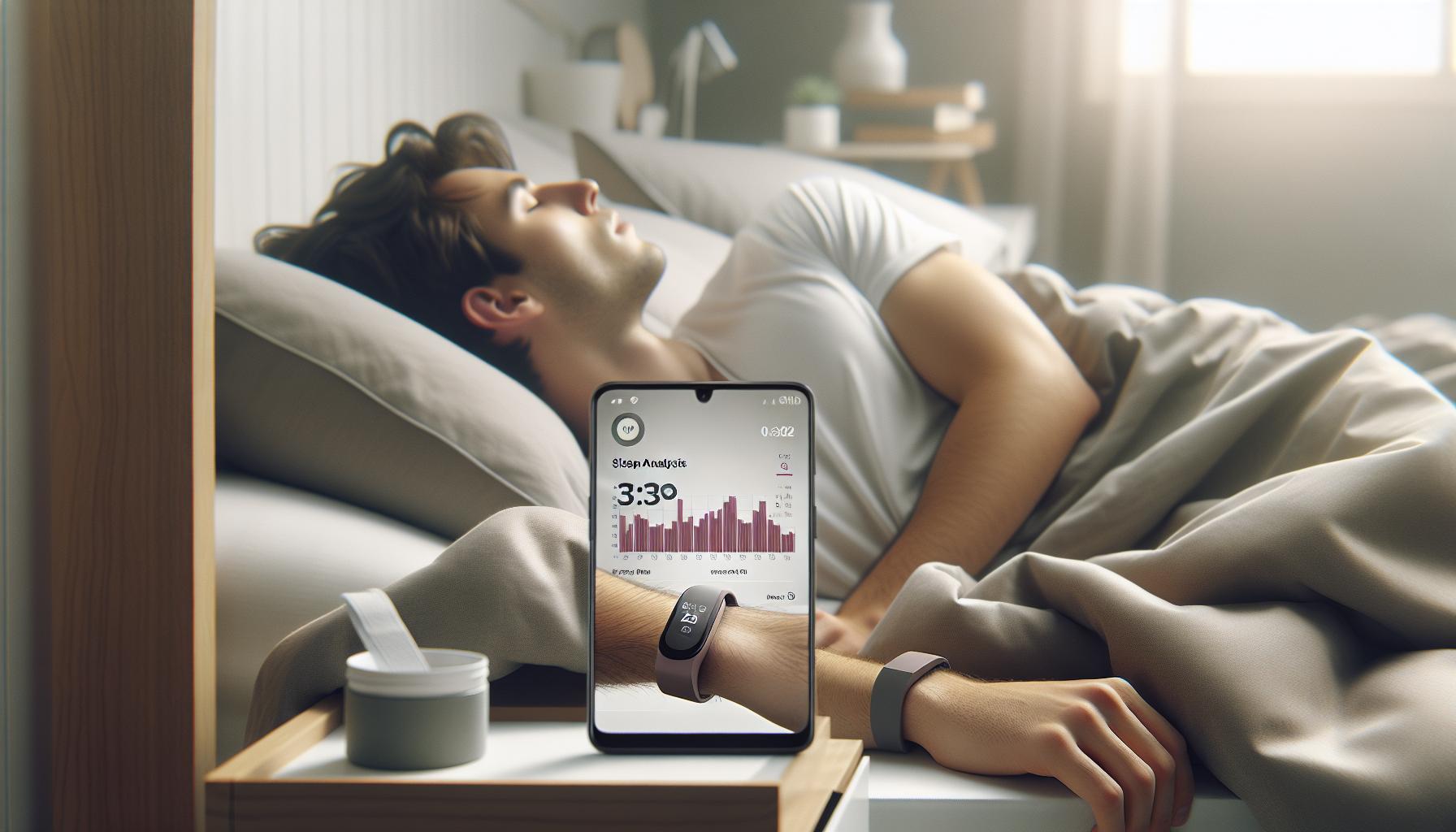
Understanding Whoop Sleep Metrics
WHOOP’s sleep metrics offer a fascinating glimpse into the depths of your nightly rest. At its core, the WHOOP strap works by harnessing a range of physiological data-such as heart rate variability and resting heart rate-to provide a nuanced view of your sleep patterns. One of the standout features is its ability to monitor sleep duration and categorize the sleep stages you experience each night: light, deep, and REM sleep. Understanding these metrics can help you recognize how well you’re sleeping and where improvements might be useful.
The precision of WHOOP’s algorithms is what sets it apart in the realm of sleep tracking devices. The wearable continually collects data throughout the night, creating a detailed profile of your sleep environment and habits. This intensity is coupled with sophisticated machine learning techniques that adapt and refine its understanding over time, tailoring suggestions to fit your unique sleep patterns. For individuals looking to enhance their rest quality, WHOOP’s deep dive into sleep metrics can reveal trends and inform lifestyle changes.
With that being said, some users might wonder how to translate these metrics into actionable insights. Here are a few ways WHOOP sleep data can be utilized for better rest:
- Sleep Quality Assessment: Use WHOOP to track how specific lifestyle choices, like caffeine consumption or exercise timing, impact your sleep quality.
- Personalized Recommendations: Based on your sleep data, WHOOP offers personalized insights to help improve your nightly routine.
- Monitoring Recovery: Knowing how well you recover from previous workouts can inform your training intensity and frequency.
However, it’s important to be aware of certain limitations associated with WHOOP’s sleep metrics. While the data provides a solid foundation for understanding sleep habits, it may not always align perfectly with clinical sleep studies. For instance, the device could misclassify wake periods as light sleep due to minor interruptions, leading to potential misunderstandings about sleep quality. Recognizing these nuances helps prevent over-reliance on any single metric, encouraging a more holistic approach to sleep health.
Ultimately, WHOOP sleep metrics serve as a powerful tool for anyone looking to take control of their sleep health. By combining detailed insights with practical applications, users can enhance their nightly routines and optimize day-to-day performance.
Comparing Whoop to Other Sleep Trackers
When it comes to sleep tracking, WHOOP stands out for its deep dive into sleep metrics, yet it’s essential to compare it to other popular devices to fully understand its capabilities and limitations. Unlike traditional sleep trackers that primarily measure duration and basic sleep cycles, WHOOP prides itself on analyzing not just when you sleep, but how well you sleep by monitoring physiological data like heart rate variability (HRV) and resting heart rate. This approach allows users to gain a comprehensive overview of their sleep quality, aiding in recovery and performance optimization.
In contrast, devices such as the Fitbit or Apple Watch also provide sleep stage tracking, but their methodologies differ significantly. For instance, Fitbit uses movement and heart rate to estimate sleep stages, which might not always be as accurate as WHOOP’s more refined system that combines additional physiological parameters. Apple Watch, while feature-rich, often requires more user engagement and offers robust health monitoring features-but it may lack the same depth in sleep analytics that serious athletes or sleep scientists might seek. Ultimately, it boils down to what features are most important to you: an in-depth analysis to improve performance or a user-friendly device that offers a bit of everything without the same level of granularity.
Key Comparisons
| Feature | WHOOP | Fitbit | Apple Watch |
|---|---|---|---|
| Sleep Stage Tracking | Light, Deep, REM | Light, Deep, REM | Light, Deep, REM |
| HRV Monitoring | Yes | No | Limited |
| Personalized Insights | Yes | No | Yes |
| Subscription Model | Yes | No | No |
One possible limitation users find with WHOOP is its subscription model, which may deter some from fully engaging due to the ongoing costs. In comparison, devices like Fitbit and Apple Watch offer one-time purchases without recurring fees, but they may not deliver the same level of personalization and professional insight that WHOOP provides for serious athletes and health enthusiasts.
For those contemplating which device adds the most value to their sleep tracking, it’s crucial to weigh your needs against the unique strengths of each option. If getting detailed insights based on extensive physiological data is paramount, WHOOP could be your best ally. Conversely, if ease of use and affordability are more pressing, Fitbit, or Apple Watch might be suitable alternatives. Understanding these nuances can significantly empower you to make informed decisions about your sleep health journey.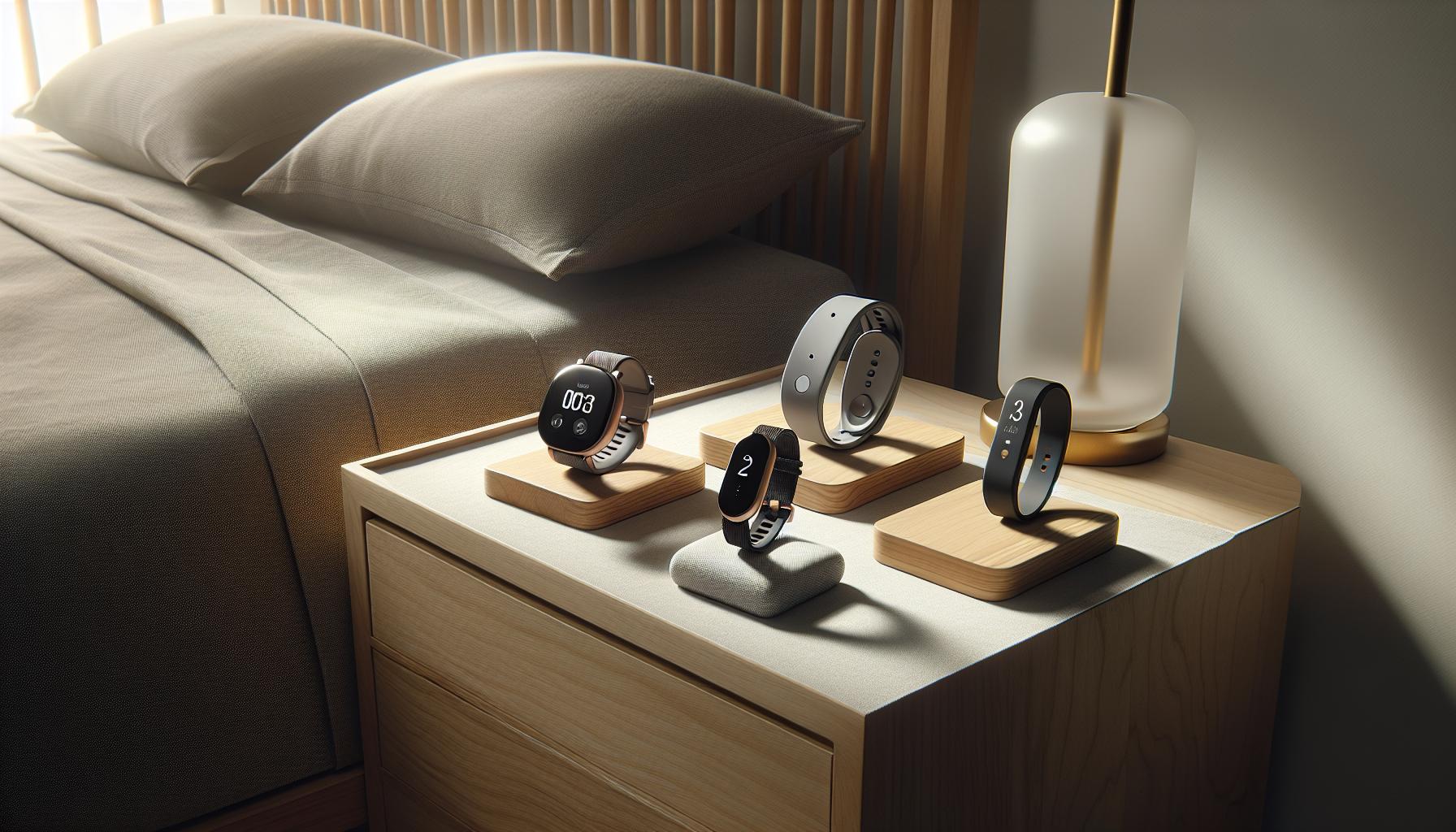
Interpreting Your Whoop Sleep Data
To truly benefit from WHOOP’s extensive sleep tracking capabilities, it’s essential to understand how to interpret the data it provides. The device doesn’t just clock hours spent asleep; it delves into various sleep metrics that can influence your overall health and athletic performance. By focusing on metrics like sleep duration, sleep efficiency, sleep stages, and recovery, WHOOP allows you to gain insight into your nightly rest and how it affects your daily performance.
When reviewing your sleep results, there are several key areas to focus on:
- Sleep Duration: Aim for the recommended 7-9 hours of sleep. WHOOP provides a clear breakdown of how long you actually slept versus how much time you spent in bed.
- Sleep Efficiency: This percentage reflects the quality of your sleep. A higher percentage indicates that you spent most of your time in deep or REM sleep. Consider making adjustments to your bedtime routine if this number is consistently low.
- Sleep Stages: WHOOP categorizes sleep into Light, Deep, and REM stages. Monitoring these phases helps you understand your sleep architecture. For instance, if you’re deficient in REM sleep, which is crucial for cognitive function, you might need to prioritize earlier bedtimes or reduce late-night screen time.
- Recovery Metrics: WHOOP provides insights into heart rate variability (HRV) and resting heart rate, which can indicate your body’s readiness to perform. A high HRV may suggest you are well-recovered, while a low HRV might signal stress or inadequate rest.
In terms of interpreting this data, it’s beneficial to look for patterns over time rather than fixating on individual nights. For example, a single night of poor sleep might not drastically affect you, but trends showing multiple nights of inadequate rest could indicate the need for lifestyle changes. Consider correlating your sleep data with factors such as workout intensity, nutrition, and stress levels to assess how these elements interact with your recovery.
Understanding WHOOP’s sleep metrics may seem daunting initially, but with consistent tracking and analysis, you can tailor your sleep habits to better meet your performance goals. By leveraging this technology, you’re not just wearing a device-you’re engaging in a deeper exploration of your health that empowers you to make informed decisions.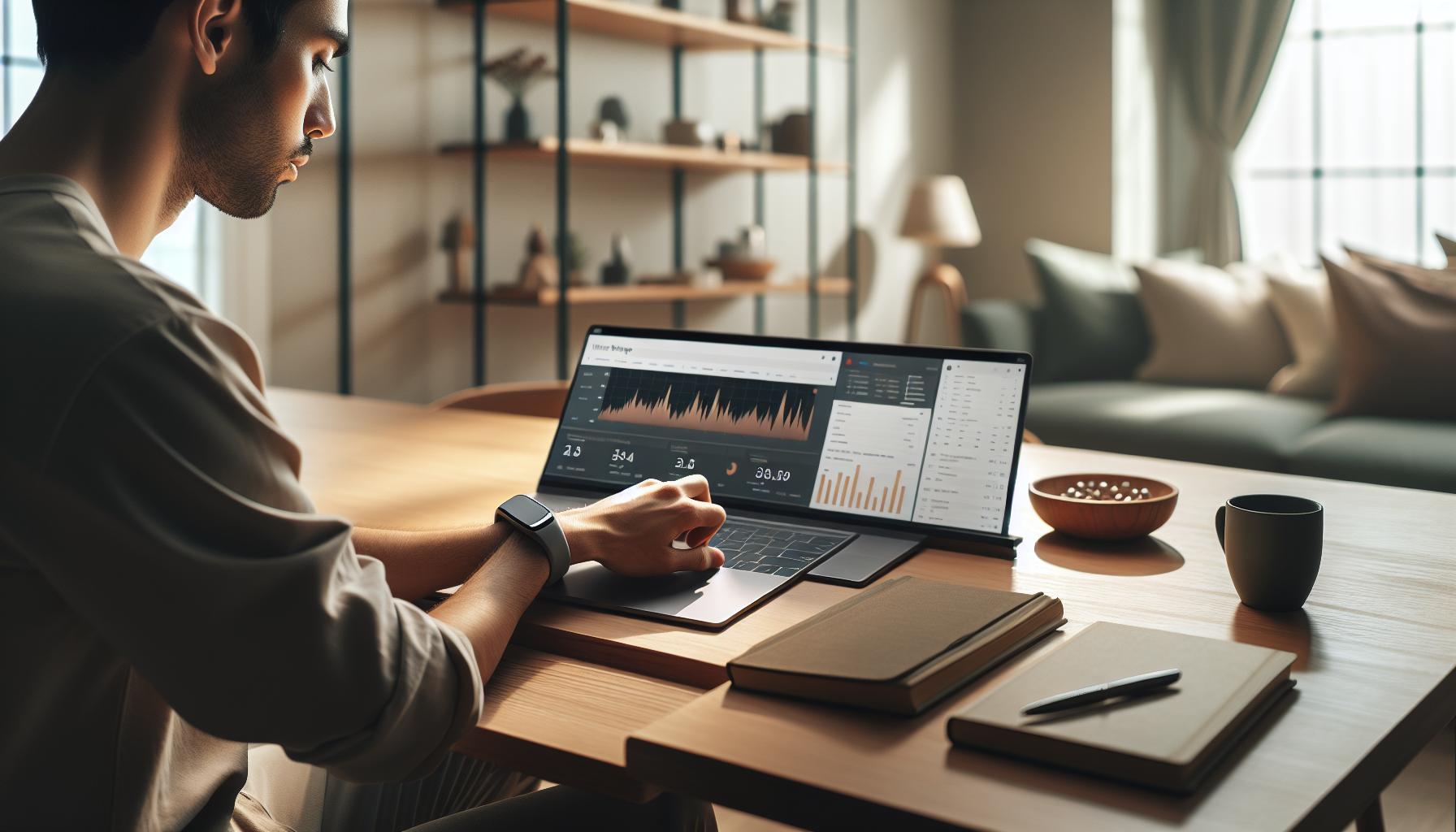
Real User Experiences with Whoop Sleep Tracking
Many users rave about their experiences with Whoop’s sleep tracking, often highlighting its surprising accuracy in capturing various elements of their nightly rest. One common theme in testimonials is the device’s ability to provide insights that inspire positive behavioral changes. For instance, athletes and fitness enthusiasts frequently mention that by observing their sleep efficiency and recovery metrics, they’ve started prioritizing more consistent sleep schedules and bedtime routines, which enhances their performance during workouts.
User reviews often reveal that Whoop’s categorization of sleep stages-Light, Deep, and REM-helps individuals understand their sleep quality better. A user might share an experience where they noticed insufficient REM sleep correlating with dips in focus and productivity during the day. This realization prompted them to adjust their evening habits, such as reducing screen time before bed, which subsequently led to improvements in their sleep scores. Many have found the customizable notifications particularly useful, as reminders to wind down help facilitate a more restful environment.
Real-Life Scenarios
Users also provide intriguing insights into their unique situations. For example, one professional athlete discussed how tracking recovery metrics, like resting heart rate and heart rate variability (HRV), allowed them to fine-tune training loads. On several occasions, they were able to identify when they were over-training and needed a rest day, directly contributing to improved performance during competitions.
Despite the positive experiences, some users note occasional discrepancies in tracking accuracy when compared to other methods, like traditional sleep studies. One user remarked that while Whoop generally tracks sleep stages reliably, they sometimes felt the transitions from sleep stages were not perfectly aligned with perceived restfulness. Yet, the convenience of having this data readily available on their wrist outweighed these minor inconsistencies.
Overall, real user experiences with Whoop’s sleep tracking capabilities demonstrate that it can be a powerful tool for anyone looking to deepen their understanding of sleep health, optimize recovery, and improve athletic performance. By fostering awareness and encouraging lifestyle adjustments, Whoop not only provides data but becomes a partner in a user’s health journey.
Sleep Stages: What Whoop Measures
Understanding how sleep stages affect your rest is essential for optimizing health and performance, and Whoop provides meaningful insights in this area. The device measures three primary stages of sleep: Light, Deep, and REM (Rapid Eye Movement). Each stage plays a vital role in recovery and overall health, allowing users to identify patterns and make changes for better sleep quality.
What Whoop Measures
- Light Sleep: This stage is where you drift in and out of sleep, making up a significant portion of your night. While it’s essential for transitioning between deeper sleep stages, prolonged light sleep without adequate deep or REM sleep might indicate poor sleep quality.
- Deep Sleep: Often referred to as slow-wave sleep, deep sleep is critical for physical recovery, muscle repair, and immune function. Whoop tracks how much time you spend in deep sleep, helping you understand if you’re getting enough restorative rest.
- REM Sleep: This stage is crucial for cognitive functions such as memory consolidation, emotional regulation, and creativity. Whoop assesses the duration of REM sleep, allowing users to see how it correlates with their daytime alertness and performance.
Real-World Impact
Many users report that their understanding of these sleep stages has led them to prioritize sleep hygiene. For example, a user might notice that a higher percentage of time spent in deep sleep corresponds with improved workout performance the following day. This prompted them to adopt pre-sleep routines, such as meditation or reading, which enhance relaxation and support deeper sleep.
Conversely, some users have found the insights illuminating but also humbling. A common experience is realizing that despite spending a significant amount of time in bed, their actual time in deep and REM sleep is lower than expected. This realization can prompt changes in lifestyle-like adjusting caffeine intake or creating more conducive sleep environments-to enhance those crucial sleep stages.
Utilizing Whoop’s data can empower you to make informed decisions about your health habits. While the device provides valuable metrics, it’s essential to remember that variability can occur based on daily activities, stress levels, or even diet. By tracking these metrics over time, you’ll gain a comprehensive understanding of your sleep patterns and how they impact your overall well-being.
The Science Behind Whoop Sleep Tracking
The advancements in sleep tracking technology have ushered in new ways to understand and improve our sleep quality, and WHOOP stands at the forefront of this innovation. By leveraging sophisticated algorithms and biometric data, WHOOP offers insights that extend beyond basic sleep duration to encompass the intricacies of sleep architecture. Understanding how WHOOP tracks your sleep can empower you to make informed changes to your habits for better health and performance.
At its core, WHOOP utilizes a combination of heart rate variability, respiratory rate, and motion sensors to create a comprehensive picture of your sleep. The device analyzes the subtle physiological changes that occur during different sleep stages-Light, Deep, and REM. These stages are crucial for various recovery processes: Light sleep aids in transitioning between deeper stages, Deep sleep facilitates physical recovery and immune health, while REM sleep is essential for cognitive function and emotional regulation. By focusing on these metrics, WHOOP allows users to discern not only how long they sleep but also the quality and restorative value of that sleep.
Many users initially report a learning curve with interpreting their WHOOP data, but this journey often leads to profound insights. For instance, individuals might track their sleep metrics alongside lifestyle factors, such as exercise and nutrition. Users frequently find correlations between increased time in Deep sleep and improved athletic performance, prompting them to adopt routines that enhance their sleep quality, like reducing screen time before bed or maintaining a consistent sleep schedule. This continuous feedback loop not only fosters a better understanding of personal health patterns but also encourages accountability in sleep hygiene practices.
While WHOOP provides valuable data, it’s essential to recognize its limitations. As with any wearable technology, varying external factors-such as stress levels, ambient sleep conditions, and even diet-can impact accuracy. Users should consider WHOOP’s insights as part of a broader health strategy rather than the sole determinant of sleep quality. With this approach, the device can serve as a powerful tool in your quest for optimal health and performance, helping you navigate common sleep challenges and encouraging you to explore additional resources or interventions when needed.
Limitations of Whoop in Sleep Tracking
While WHOOP is celebrated for its sophisticated sleep tracking capabilities, it’s crucial to acknowledge the device’s limitations to set realistic expectations. Firstly, although WHOOP aggregates data through heart rate variability, motion sensors, and respiratory rates, the accuracy of these measurements can be influenced by various external factors. For instance, disturbances such as ambient noise, temperature, and even your sleep environment can skew results. Users may find discrepancies in sleep duration or stage classification based on these elements, leading to potentially misleading insights.
Another aspect worth considering is the device’s dependency on user behavior. The effectiveness of WHOOP relies on consistent wear and correct usage. If the device is not worn properly during sleep or if users fail to charge it regularly, the data collected can be incomplete or inaccurate. Moreover, WHOOP does not account for every individual variant in sleep patterns; everyone has unique sleep needs, and a one-size-fits-all tracking model may not accurately reflect your personal health.
Additionally, while WHOOP provides detailed insights into light, deep, and REM sleep, these metrics may not capture all facets of sleep health that a professional sleep study (polysomnography) would reveal. Conditions such as sleep apnea or other sleep disorders may go undetected unless users pursue more comprehensive testing. Thus, those experiencing significant sleep issues should consider discussing their symptoms with a healthcare provider rather than solely relying on WHOOP data as a diagnostic tool.
Ultimately, using WHOOP effectively requires a balanced approach, understanding its limitations while integrating additional health practices and possible professional evaluations. By complementing WHOOP insights with other resources and being mindful of its constraints, users can better navigate their sleep health and make well-informed decisions regarding their overall wellness.
Whoop Sleep Tracking for Sleep Disorders
Many people struggle with sleep disorders, seeking tools to track their sleep patterns and improve their rest. WHOOP offers a compelling option for those looking to monitor their sleep, but it’s essential to understand its role, capabilities, and limitations in this context. While WHOOP provides valuable insights into sleep duration and stages (light, deep, and REM), it may not be sufficient for diagnosing or treating clinical sleep disorders such as sleep apnea or insomnia.
For individuals with specific sleep concerns, WHOOP can serve as a useful preliminary tool. It captures metrics like heart rate variability and sleep quality, presenting a general overview of your sleep habits. However, it’s crucial to remember that WHOOP’s data is derived from algorithms and sensors that track changes, which can sometimes lead to inaccuracies. Many users report variations in their sleep data that can depend on environmental factors or device usage-information that could mislead someone trying to assess a sleep disorder. Thus, while WHOOP might highlight patterns that suggest an issue, it is not a substitute for a professional evaluation.
When to Seek Professional Help
If you notice consistent disruptions in your sleep data from WHOOP-such as trouble falling asleep, waking up frequently during the night, or excessive daytime fatigue-it may be a sign to consult a healthcare professional. Polysomnography, or a sleep study, conducted in a clinical setting is the gold standard for diagnosing conditions like sleep apnea. These studies can provide rich, detailed information that WHOOP cannot, including oxygen levels, brain activity, and movements during sleep.
Real-life scenarios can illustrate this well. For example, a user might find they are getting an adequate amount of total sleep hours according to WHOOP, yet still experience excessive daytime sleepiness. This discrepancy could signal a sleep disorder that requires further investigation, emphasizing the value of a sleep lab assessment.
Combining WHOOP with Professional Guidance
Using WHOOP in conjunction with professional guidance can enhance its effectiveness. If you suspect a sleep disorder, start by tracking your sleep using WHOOP. Pay attention to your metrics and look for patterns or anomalies. You can then share this data with a healthcare provider, who might find it useful during evaluations.
In summary, WHOOP can be a valuable wearable for tracking sleep and gaining initial insights into your sleep health. However, when it comes to diagnosing or managing sleep disorders, it should be viewed as one piece of a larger puzzle that includes professional assessment and possibly additional testing. This balanced approach ensures you’re taking informed steps toward better sleep health.
Getting Started with Whoop: Setup Guide
Understanding how to set up and get started with your WHOOP device is crucial for maximizing its sleep tracking capabilities. To dive right in, the first thing you’ll need is a WHOOP Strap, which is available through their membership plan. WHOOP typically operates on a subscription model, starting around $30 a month, which also provides access to the app loaded with insights and analytics.
Begin by charging your WHOOP Strap using the included charger. A full charge should give you several days of use. Once charged, download the WHOOP app from the App Store or Google Play Store. It’s essential to create an account in the app, so you can begin to personalize your experience. Follow the straightforward on-screen instructions to link your strap to your account via Bluetooth, which allows your strap to sync data seamlessly.
Next, you’ll want to calibrate your device. Put the strap on your wrist-it should fit snugly, but not too tight-as this ensures accurate heart rate monitoring, a crucial component of sleep tracking. The app will prompt you to enter baseline data about yourself, such as your age, sex, weight, and height. This information enhances the accuracy of the metrics WHOOP provides. Consider setting up your sleep schedule in the app, where you can specify your typical bedtimes to help the device better track your sleep patterns.
As you start using the WHOOP Strap, remember to explore the app’s features. The Sleep Coach feature can be especially useful. It will analyze your sleep data and recommend specific amounts of sleep based on your recovery and strain levels. Initially, it’s beneficial to wear the device continuously, including during sleep, to gather integrated insights and develop a comprehensive understanding of your sleep patterns over time.
Don’t forget to regularly check the app for updated insights and metrics. Understanding your sleep stages, recovery scores, and heart rate variability can empower you to make informed decisions about your health and fitness routines. If you encounter any issues, WHOOP’s customer support is readily available for troubleshooting, ensuring you have the best experience possible as you embark on your journey to better sleep.
Maximizing Sleep Insights with Whoop
Understanding how to utilize the WHOOP device to its fullest potential can vastly improve your sleep insights and overall health management. A common misconception is that simply wearing the device will suffice for meaningful data; however, improving your tracking accuracy and insights relies heavily on how you engage with the app and respond to its recommendations.
To enhance your WHOOP experience, take advantage of the Sleep Coach feature. This tool analyzes your historical data, including recovery scores, strain levels, and sleep patterns, to provide personalized recommendations on your sleep needs. It may suggest adjusting your bedtime based on your prior day’s exertion or recovery needs. Following these suggestions can lead not only to improved sleep quality but also optimize your day-time performance.
Utilizing the app’s daily insights regularly can also empower you to make informed decisions about your lifestyle. Monitor your sleep stages, marked by time spent in light, deep, and REM sleep. Understanding these patterns can help identify external factors that affect your sleep, such as caffeine intake or screen time before bed. For instance, if you notice a decrease in REM sleep after late-night screen usage, you might consider setting a digital curfew to improve your overall sleep architecture.
Another practical approach is to engage in a sleep diary alongside your WHOOP data. Documenting your energy levels, mood, and daytime focus can provide context to the numbers you see in the app. This old-fashioned method doesn’t just inform you about how well you’re sleeping but also lets you correlate sleep data with your performance in daily activities. Over time, this holistic view will make it easier to implement lasting changes that promote better sleep hygiene and heightened well-being.
Overall, the WHOOP device can offer remarkable insights into your sleep, but maximizing its benefits requires active engagement. By incorporating its features thoughtfully and maintaining awareness of your overall habits, you can leverage your WHOOP data to foster significant improvements in your sleep health and everyday life.
Future Developments in Sleep Tracking Technology
As technology revolutionizes the way we monitor and analyze our sleep, exciting developments are on the horizon for wearables like the WHOOP device. The growing interest in sleep health has prompted manufacturers to prioritize advancements in sleep tracking accuracy, user interface, and overall functionality. With the potential integration of artificial intelligence and machine learning, future sleep trackers are poised to provide even more personalized insights based on historical data and individual user patterns.
Enhanced Sleep Metrics
One area expected to see significant advancement is the enhancement of sleep metrics. Future models may include more granular measurements such as sleep disturbance triggers, breaths per minute, and even biometric responses, like stress levels, at various sleep stages. By incorporating more complex data points, users could receive deeper insights into their sleep health and learn more about how lifestyle factors contribute to their sleep quality.
Smart Home Integration
The interoperability of sleep tracking devices with smart home technology is also anticipated to evolve. Imagine your WHOOP device communicating seamlessly with smart thermostats, lighting systems, and even coffee makers to create an environment that fosters better sleep. For example, a smart home system could adjust the room temperature and gradually dim the lights as bedtime approaches, providing an ideal environment for restful sleep.
Real-Time Recommendations
Additionally, future developments might focus on real-time recommendations based on sleep data. With the use of advanced algorithms, a sleep tracker could analyze your data live and offer suggestions that adapt throughout the night. If it detects that you’re restless, it could provide prompts to modify your sleep position or suggest breathing exercises to calm might stress levels.
User Engagement and Support
To empower users further, sleep trackers may introduce features that promote engagement and accountability, such as community challenges or progress tracking compared to similar peer groups. This social aspect can motivate users to adopt better sleep hygiene practices by sharing their progress within a supportive community.
As the field of sleep tracking technology evolves, users can look forward to a wealth of improvements that not only enhance accuracy but also provide actionable insights and foster healthier sleep habits. The aim is to turn passive sleep data into an interactive component of overall wellness. Through these innovations, devices like WHOOP undoubtedly strive to make sleep tracking not just a routine but an empowering tool for enhancing health and lifestyle.
Q&A
Q: How does Whoop measure sleep quality?
A: Whoop measures sleep quality using a combination of heart rate variability, resting heart rate, sleep duration, and sleep stages. It analyzes these metrics to provide insights into recovery and overall sleep quality, helping users optimize their nightly rest for better performance.
Q: Can Whoop track naps effectively?
A: Yes, Whoop is capable of tracking naps. The device automatically detects when a user falls asleep during the day and categorizes these naps within the overall sleep data, helping users understand their daytime rest as part of their recovery strategy.
Q: What sleep metrics are unique to Whoop?
A: Unique to Whoop, the device offers metrics like “Sleep Performance” which quantifies sleep quality, and “Sleep Needs” to highlight how much sleep you specifically require based on activity levels and recovery patterns. These insights assist in personalizing rest recommendations.
Q: Is Whoop’s sleep tracking accurate compared to clinical methods?
A: While Whoop provides valuable insights, it may not match the high precision of clinical sleep studies performed in labs. It uses algorithms for estimation, making it effective for daily tracking but less ideal for diagnosing sleep disorders, as noted in the article’s section on limitations.
Q: How often should I wear Whoop for optimal sleep tracking?
A: For optimal sleep tracking, wear Whoop continuously, including during sleep. Consistent wear allows the device to gather comprehensive data on your sleep patterns and recovery, enabling more accurate insights into your overall health and fitness.
Q: Can Whoop help with sleep disorders like insomnia?
A: While Whoop offers valuable tracking tools that could benefit individuals with sleep disorders by identifying patterns, it is not designed as a clinical solution. Users with chronic sleep issues should consult healthcare professionals for proper diagnosis and treatment.
Q: How does Whoop compare with other sleep trackers like Fitbit or Oura Ring?
A: Whoop differs from other trackers like Fitbit or Oura in its focus on recovery and performance optimization. It provides more in-depth insights into recovery metrics rather than just sleep duration, making it particularly appealing for athletes and fitness enthusiasts.
Q: What do I do if Whoop detects irregular sleep patterns?
A: If Whoop detects irregular sleep patterns, use the insights to adjust your routine, such as improving sleep hygiene or managing stress. If issues persist, consider consulting a healthcare professional for deeper analysis and tailored advice regarding sleep health.
Final Thoughts
In conclusion, WHOOP’s sleep tracking offers a unique and scientifically-backed approach to understanding your nightly rest and recovery, empowering you to optimize your overall health and performance. With accurate insights into sleep patterns, stages, and recovery strategies, WHOOP provides tools that can help you make informed decisions for better sleep health. If you’re eager to dive deeper, check out our guides on sleep disorders and wearable sleep technology for further insights.
Don’t wait to take control of your sleep! Explore the WHOOP membership options that best suit your lifestyle and experience the benefits firsthand. If you have any questions or concerns about how to integrate WHOOP into your routine, feel free to reach out. Your journey to improved sleep starts now, and we’re here to support you every step of the way! For more resources, visit our sections on sleep studies and wearability features, and consider signing up for our newsletter for the latest tips and product updates. Your best sleep is just a click away!
Get our latest guides, news, and insights highlighted in your Google Search & AI Overviews.