
When preparing for a sleep study, you might wonder about the options available to help you relax or pass the time, such as watching TV. The ambiance of a sleep lab, often unfamiliar and anxiety-inducing, can intensify your concerns about the testing process. Understanding whether entertaining activities like television are permitted can ease your mind and enhance your experience. In this article, we’ll explore guidelines around watching TV during a sleep study, addressing common questions and providing insights that empower you to navigate this vital evaluation with confidence. Your comfort during a sleep study is essential, and knowing your options can make a big difference in how you approach this important step towards better sleep health.
Can You Watch TV During Your Sleep Study?
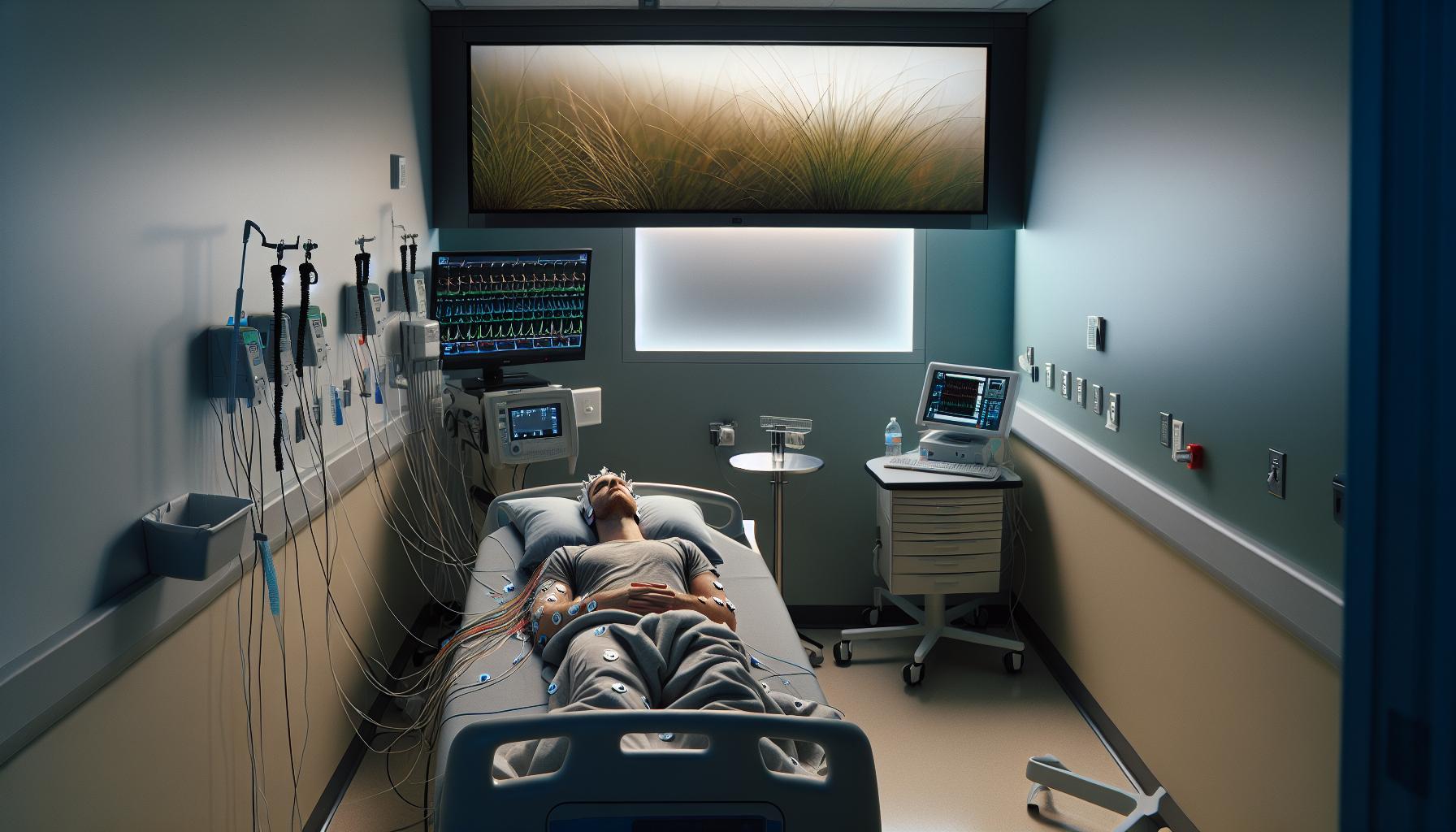
Watching TV during a sleep study may seem like a cozy way to pass the time, but it’s not as simple as it sounds. Many sleep centers have specific protocols that discourage or even prohibit activities like watching television in order to maintain the integrity of the study. This is because engaging with screens-whether it’s a TV, tablet, or smartphone-can interfere with your sleep patterns, potentially compromising the data collected during the study.
Sleep studies are designed to monitor sleep cycles, brain waves, and other crucial metrics that can provide insights into various sleep disorders. Typically, the environment of a sleep study is intentionally as quiet and distraction-free as possible. Thus, the bright lights and sounds from a television could skew the results and ultimately impact recommendations for treatment. Instead of turning on the TV, it’s advisable to follow the guidance of your sleep technician, who may suggest calming activities that promote relaxation without generating too much stimulation.
If you’re feeling anxious about the sleep study process, consider alternatives to watching TV. Engaging in quiet activities such as reading a book or listening to soothing music (at a low volume) can help ease your mind without disrupting your ability to fall asleep. Audiobooks and podcasts, particularly those with gentle narratives or calming sounds, can be good options as they allow for a more immersive experience without the harsh light emissions that screens produce. Following the advice of sleep specialists is key, as they are familiar with what helps-or hinders-successful sleep research outcomes. Remember, the primary goal of a sleep study is to gather the most accurate data to assist in diagnosing any sleep issues you may face.
Understanding Sleep Study Protocols
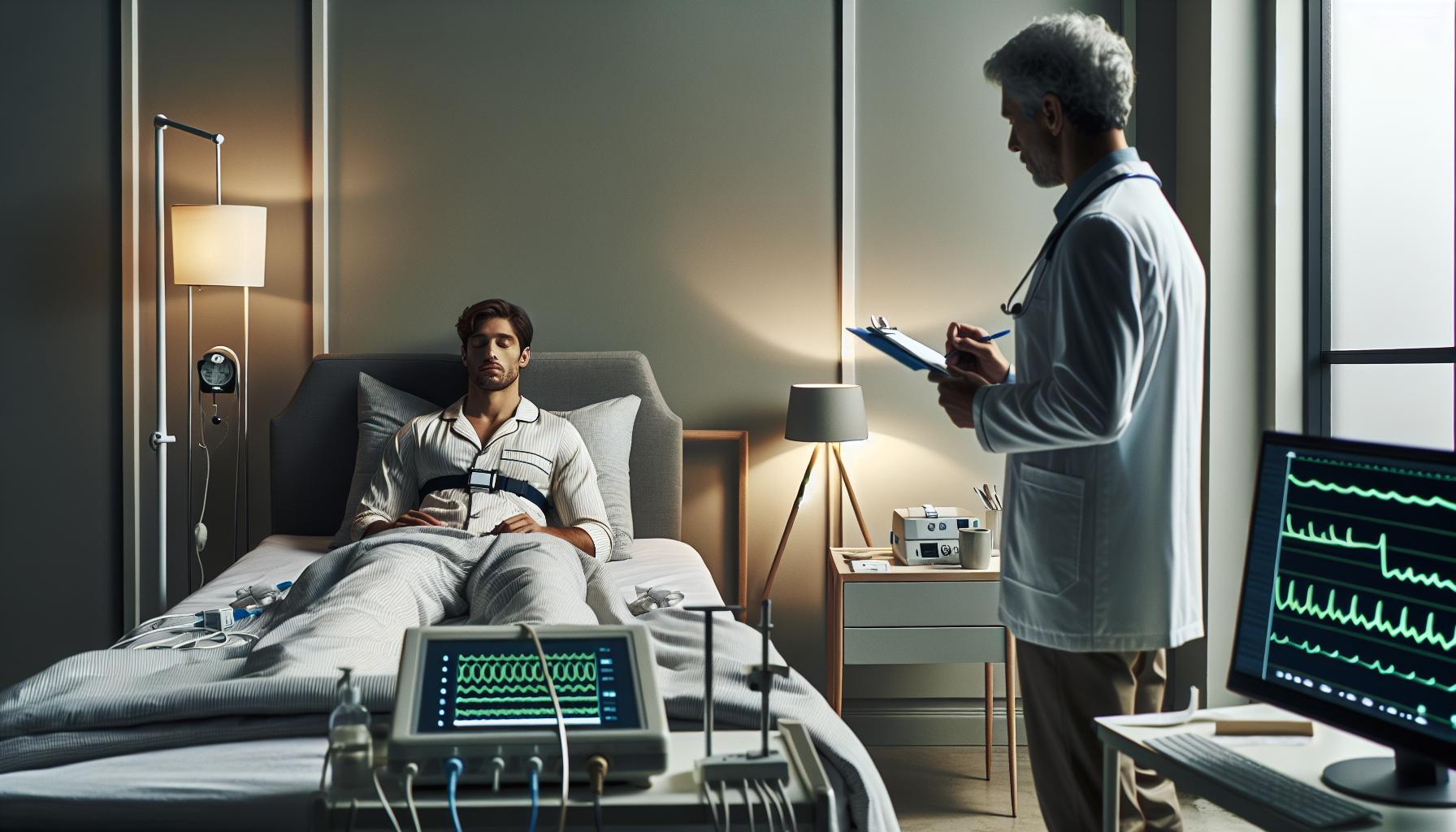
During a sleep study, the environment is meticulously controlled to gather accurate data about your sleep patterns. Most sleep centers have specific protocols designed to ensure that nothing interferes with the delicate process of monitoring your sleep. For this reason, activities like watching TV are typically not allowed. The rationale behind this is straightforward: bright screens and loud sounds can disrupt your natural sleep cycles, leading to compromised data that could hinder proper diagnosis and treatment of potential sleep disorders.
Sleep studies often involve placing sensors on your body to monitor brain waves, heart rate, and breathing patterns throughout the night. To capture these metrics accurately, the study room is kept in a calm, quiet state, devoid of distractions that might alter your sleep behavior. The presence of a television can introduce unnecessary noise and light, disrupting the sleep process and making it difficult for technicians to assess your baseline sleep quality. Therefore, rather than indulging in screen time, your sleep technician will likely recommend alternative calming activities that help maintain a peaceful atmosphere conducive to sleep.
If anxiety about the study fills your mind, consider engaging in pre-sleep practices that foster relaxation but don’t rely on screens. Options such as reading a physical book or listening to soft music can serve as effective ways to unwind. Audiobooks with soothing narratives are especially beneficial, as they can help occupy your thoughts without the negative impact of screen light or sound disruptions. Ultimately, following the protocols advised by sleep specialists is vital for achieving the best outcomes during the study. Their expertise is geared towards facilitating a successful evaluation of your sleep, which is the primary goal of this essential process.
How Entertainment Affects Sleep Quality
Engaging with entertainment before bedtime can significantly impact your sleep quality, especially during sleep studies where monitoring is critical. Research consistently shows that activities involving bright screens-like watching TV or scrolling through mobile devices-can interfere with your body’s natural sleep-wake cycle. When exposed to the blue light emitted by screens, your brain produces less melatonin, the hormone responsible for regulating sleep, making it harder to fall asleep. This challenge is particularly important during a sleep study, where you want the most accurate data possible related to your sleep patterns.
Moreover, the auditory effects of television shows or movies can lead to fluctuating noise levels that may disrupt restful sleep. Even if you’re not actively paying attention to the screen, background noises and abrupt volume changes can prevent you from reaching deeper sleep stages, which are vital for restorative rest. Sleep technicians design the study environment to limit any external stimuli that could compromise data integrity. Thus, if permitted a choice, it’s best to forgo screen time in favor of quieter, more soothing entertainment options that can promote relaxation without disturbing the sleep process.
Here are some alternatives that can support better sleep quality during a study:
- Reading a book: Choose genres that are light and engaging but not overly stimulating.
- Listening to soothing music: Opt for soft instrumental tracks that can help calm your mind.
- Audiobooks with gentle narratives: These can provide distraction without the negative effects of screen time.
Consider that sleep studies require adherence to specific protocols for optimal results. Following these guidelines can ease any anxiety you might feel about the process. Focusing on quiet activities instead of television not only respects the study’s integrity but also aligns with creating an environment conducive to sleep, vastly improving your chances for a successful evaluation.
Popular Entertainment Options During Testing
During a sleep study, the environmental setup is crucial for obtaining accurate data on your sleep patterns. While the allure of watching TV might seem like a comforting boredom-buster, it’s important to consider the impact different forms of entertainment can have on your study results. Many patients wonder what entertainment options are suitable during testing, and there are several avenues worth exploring that can support relaxation without disrupting your sleep quality.
Choosing non-screen-based activities can significantly enhance your experience. For instance, reading a book can be a great way to unwind. Opt for light and engaging genres such as fiction or inspiring memoirs, which can help calm your mind while avoiding the overstimulation that often comes from more intense narratives. Another excellent option is listening to soothing music or nature sounds. Soft instrumental tracks can create a peaceful atmosphere, encouraging your body to relax as you prepare for sleep. Furthermore, consider audiobooks with gentle narratives; they can provide a pleasant auditory distraction without the harmful effects associated with screens.
If you’re unsure where to start, here are a few ideal options you might consider during your sleep study:
- Light Fiction Books: Engaging reads that aren’t overly stimulating.
- Instrumental Music: Calming tracks that aid relaxation.
- Gentle Podcasts or Audiobooks: Easy listening materials that promote tranquility.
Being aware of these alternatives can not only make your sleep study more pleasant but also help maintain an environment conducive to achieving accurate results. Remember that both your comfort and the integrity of the data collected are of utmost importance during this process.
The Role of Relaxation in Sleep Studies
Relaxation plays a pivotal role in sleep studies, as it sets the foundation for accurate and meaningful results. The environment in which a sleep study is conducted needs to be serene and conducive to sleep; this is where relaxation techniques come into play. A calm mind can significantly enhance the body’s ability to transition through various sleep stages, allowing for a clearer analysis of sleep patterns and potential disorders.
In the context of a sleep study, traditional forms of entertainment, particularly those involving screens such as watching TV, may not be the ideal choice. Screen time can stimulate the brain, potentially leading to difficulty in relaxing and falling asleep. Instead, patients are encouraged to engage in activities that promote a state of calm. For instance, practices like deep breathing, gentle stretches, or even meditative exercises can help lower stress and prepare the body for sleep.
Here are some strategies to enhance relaxation before and during a sleep study:
- Deep Breathing Exercises: Focus on slow, deep breaths to reduce anxiety and promote physical relaxation.
- Progressive Muscle Relaxation: Tense and then relax each muscle group in your body, starting from your toes and working up to your head.
- Gentle Stretching: Simple stretches can relieve tension and soothe the body before sleep.
- Visualization Techniques: Picture a peaceful scene to help shift your mind away from stressors and induce a calm state.
By incorporating these relaxation techniques, patients can create an environment that maximizes the chances of a restful night’s sleep, which is crucial for the reliability of the data collected during the study. A focused approach to relaxation not only aids in achieving accurate results but also empowers patients to feel more in control during the sleep study experience.
Exploring Alternatives: Audiobooks and Podcasts
Listening to audiobooks or podcasts can be a soothing alternative to watching TV during a sleep study, offering a way to help you unwind without the potential overstimulation that screens can bring. Audiobooks and podcasts engage the mind gently and can provide a narrative thread that supports relaxation, allowing your brain to focus on the narrative rather than everyday worries. This can be especially beneficial in a sleep study environment, where creating a calm state is essential for accurate results.
One of the great advantages of audiobooks and podcasts is their versatility. They come in a variety of genres, meaning you can choose calming nature sounds, favorite stories, or even mindful meditation podcasts, each tailored to foster a more tranquil atmosphere. Many apps allow for downloading these audio files ahead of time, so you won’t have any internet connectivity issues during your study. Here’s how to make the most of this entertainment option:
- Choose Content Wisely: Look for materials that are slow-paced and soothing. Consider genres like classified as “sleep stories” or calming meditations, which focus on relaxation and can ease you into a sleep state.
- Use Sleep Timers: Many apps allow you to set a sleep timer so the audio will automatically turn off after a set time, which can help minimize disruptions during the night.
- Keep Volume Low: To prevent startling yourself awake, adjust the volume to a comfortable level that promotes relaxation but is not intrusive.
Taking these steps can enhance your sleep study experience, making it easier to relax and prepare for sleep. Keeping distractions at bay and replacing them with calming audio instills a sense of control over your environment, ultimately aiding in a successful sleep study process.
Adjusting to Sleep Study Conditions: Tips
When preparing for a sleep study, it’s essential to create an environment conducive to rest, which sometimes means adjusting to unusual circumstances. Understandably, the idea of spending a night connected to various sensors can be daunting, and the desire for comfort often leads to questions about acceptable entertainment options-like watching TV. However, both the potential benefits and drawbacks of screen time should be carefully considered in this context.
First, while some might find solace in watching their favorite shows, it’s crucial to recognize that television can stimulate your mind and disrupt the natural wind-down process necessary for sleep. Instead of watching TV, opt for quieter alternatives that can help signal to your body that it’s time to rest. Consider bringing along calming audiobooks or relaxing music playlists that don’t have the potential overstimulation that a screen can create. This approach not only promotes relaxation but may help you acclimate to sleep study conditions without unnecessary disturbances.
As you adjust to the sleep study environment, establishing a routine can enhance your comfort and readiness. Here are a few tips to help you transition smoothly:
- Stick to Your Sleep Schedule: Try to maintain your usual sleep and wake times leading up to the study. This consistency can help make the transition into the sleep study more natural.
- Limit Caffeine and Heavy Meals: Avoiding stimulants and heavy foods several hours before your study can help promote a more peaceful night’s rest.
- Communicate with the Staff: Don’t hesitate to ask the sleep technicians about the study process and express any concerns you have. They are there to help you feel comfortable and ensure accurate results.
Additionally, embracing some relaxation techniques prior to sleep can also aid in your adjustment. Techniques such as deep breathing, gentle stretches, or mindfulness meditation can help create a serene mental space, encouraging a smoother entry into sleep. Finally, it’s okay to feel anxious before the study-many patients experience similar feelings. Remember, the objective of the test is to provide valuable insight into your sleep health, and being well-prepared can make the experience less intimidating.
Sleep Study Do’s and Don’ts: Expert Advice
Timing is everything when it comes to preparing for a sleep study, and knowing what to do-or not do-can enhance the quality of the experience. While it may be tempting to unwind by flipping on the TV, experts generally advise against it. Why? Screen time before sleep can interfere with your body’s natural wind-down process, making it harder to enter a restful state. Instead, embrace methods that foster relaxation and signal to your body that it’s time to sleep.
Focus on calming activities during the hours leading up to your study. This might include listening to soothing audiobooks or engaging in light yoga or meditation. These alternatives can help put you in a state of relaxation without the potential overstimulation associated with screen time. Furthermore, it’s important to keep your usual sleep routine, going to bed and waking up at the same time as you normally would, which can make your adjustment to the sleep study environment much smoother.
When attending a sleep study, some essential do’s and don’ts can help ensure that you have a successful experience. Here are a few recommendations:
- Do: Bring comfortable clothing and any items that help you relax, like a favorite pillow or blanket.
- Do: Discuss any concerns with the sleep technicians before the study begins-they’re there to help.
- Don’t: Drink caffeine or consume heavy meals close to bedtime, as these can disrupt sleep.
- Don’t: Overdo it with screen time; opt for quieter, calming alternatives instead.
These practical guidelines not only prepare you for the sleep study but also contribute to better sleep quality, ultimately helping to garner accurate insights into your sleep health. Remember, staying calm and informed is the key to navigating the sleep study process effectively.
The Impact of Screen Time Before Sleep
The allure of sinking into your favorite show just before sleep can be powerful, but the implications of screen time before bed are significant, particularly during a sleep study. Research suggests that exposure to screens emits blue light, which can inhibit the production of melatonin, the hormone responsible for regulating sleep. As a result, watching TV might delay your body’s natural transition to sleep, making the diagnostic process during a sleep study less effective.
When preparing for a sleep study, you may find it helpful to consider alternative activities that promote relaxation without the stimulating effects of screens. Engaging in calming practices, such as reading a book or listening to gentle music, can effectively signal your body that it’s time to wind down. Practices like deep breathing or light stretching can also pave the way for a more restful night’s sleep, which is essential for accurate monitoring during the study.
Many individuals have shared their experiences regarding the role of screen time when preparing for a sleep study. A common sentiment is that ignoring the urge to binge-watch and instead opting for peaceful alternatives can significantly enhance their comfort and readiness. The goal is to create an environment conducive to sleep, which allows for the most accurate assessment of sleep patterns during the study. Therefore, while the temptation to enjoy some pre-sleep entertainment might be strong, prioritizing restful activities can play a crucial role in the success of your sleep evaluation.
Ultimately, understanding the impact of screen time helps empower you to make informed decisions that benefit your sleep quality. Adapting to a routine devoid of screens in the hours leading up to your sleep study not only prepares you physically but also mentally for the process, ensuring you are in the best possible state for optimal rest and accurate analysis.
Patient Experiences: Watching TV in Sleep Studies
Many individuals preparing for sleep studies grapple with the idea of watching TV to unwind before bed. While this late-night ritual may seem comforting, many patients have reported mixed experiences regarding its impact on their sleep study outcomes. One common concern among participants is that engaging with a screen can interfere with the body’s natural sleep cues. The blue light emitted by televisions is known to suppress melatonin production, making it harder to fall asleep naturally when transitioning to the sleep study environment.
Patients who have chosen to watch TV prior to their studies often reflect on feeling more alert when the lights go out, which can complicate the accuracy of the sleep data collected. For instance, one participant noted, “I thought catching up on my favorite show would help me relax, but I ended up tossing and turning when I should have been sleeping.” This resonates with the experiences of many who find that opting for soothing activities-such as reading or deep breathing exercises-can lead to a more restful experience during their studies.
Additionally, it’s important for patients to prepare their mindset for the study itself. Those who eliminated screen time reported feeling calmer and more at ease. One individual shared that practicing a brief meditation session instead of watching TV made the process less intimidating and helped them approach the study with a more restful mindset. Creating a pre-sleep routine that omits screens can set the stage for better monitoring and results, allowing for a clearer understanding of sleep patterns.
Ultimately, countless experiences suggest that while it might be tempting to indulge in some light entertainment, focusing on relaxation techniques and avoiding screens can foster a more effective sleep study. Adjusting to a screen-free routine in the hours leading up to the study not only aligns with best practices but can also enhance comfort and readiness for the evaluation. Empathetic and aware of the challenges patients face, many healthcare providers encourage preparation strategies that help ease anxiety and promote natural sleepiness, ensuring the best possible results during sleep assessments.
Preparing for Your Sleep Study: What to Expect
Preparing for a sleep study can feel daunting, but understanding what to expect can ease much of that anxiety. A sleep study, or polysomnography, is designed to monitor and analyze your sleep patterns, helping to diagnose potential sleep disorders. Your experience begins from the moment you arrive at the sleep center, where you’ll be welcomed by a sleep technician who will guide you through the process.
First, you’ll receive a brief orientation about the equipment and protocols. This might include how electrodes are placed on your scalp, face, and body to monitor brain activity, eye movements, heart rate, and respiration. Key to your preparation is understanding that no screens-like televisions or phones-should be used in the hours leading up to your sleep study. The blue light emitted from screens can interfere with your natural melatonin production, making it harder to achieve the restful state necessary for accurate data collection.
What to Bring
Consider these guidelines to ease your transition into the sleep study environment:
- Comfortable Sleepwear: Bring PJs that make you feel at ease.
- Personal Toiletries: Items like toothpaste and a toothbrush can help you feel refreshed before bed.
- Medications: Bring any medications you typically take.
- Relaxation Aids: Consider bringing items like a book or soothing music if they help you unwind.
Knowing that you may have to spend the night away from home can be unsettling. Many patients report feeling anxious, primarily due to the unfamiliar environment and the presence of monitoring devices. To combat this, engage in calming activities prior to your study-think light reading or meditation instead of indulging in any screen time. Creating a cozy corner with your favorite blanket or pillow can also help simulate your home environment, making it easier to drift off to sleep during the study.
By preparing physically and mentally, you can increase your chances of obtaining the most accurate results. Keep in mind that the data collected during your sleep study is crucial for diagnosing any underlying sleep disorders, ultimately leading to better health outcomes.
Insurance Coverage: Entertainment During Sleep Studies
When preparing for a sleep study, many patients often wonder whether their insurance will cover the entertainment options available during their stay. Unfortunately, most insurance policies typically do not extend to personal entertainment choices, such as watching TV. Instead, coverage is generally limited to diagnostic services related to sleep health, including the costs associated with the sleep study itself and relevant medical evaluations. It’s crucial to review your specific policy details, as coverage can vary significantly.
If you’re considering bringing personal devices or entertainment items, keep in mind that while some sleep centers may allow you to use them during downtime, it’s more common for the focus to remain on the diagnostic procedures. Most importantly, federal regulations require that accurate data be collected for sleep analysis, which often means limiting distractions. Therefore, while the comfort of familiar entertainment might seem appealing, participating in the study as prescribed is essential for gathering valid results.
Understanding Your Policy
To better navigate the coverage for your sleep study and its components, consider the following tips:
- Verify Coverage Beforehand: Contact your insurance provider to clarify what aspects of your sleep study are covered, including any associated costs.
- Ask About Facility Policies: When you schedule your sleep study, inquire about the specific rules regarding personal entertainment options.
- Utilize Pre-Study Resources: Many sleep labs offer educational materials to help patients understand what to expect, which can indirectly aid in alleviating anxiety about what will happen and what will be permissible during your stay.
In summary, while personal entertainment options like watching TV may enhance the comfort of your overnight stay, they are unlikely to be covered by insurance. Focus on ensuring that your sleep study environment is conducive to accurate diagnostics by engaging with the sleep center’s protocols and recommendations.
Q&A
Q: Can I bring my own TV for entertainment during a sleep study?
A: Generally, you cannot bring your own TV to a sleep study. Facilities provide specific equipment to ensure a controlled environment. However, check with your sleep center for their policies on in-room entertainment options.
Q: What types of entertainment are allowed during a sleep study?
A: Most sleep studies permit watching TV or movies provided they are pre-approved by the staff. Some centers may offer their own entertainment systems, but you should confirm available options with the facility ahead of your appointment.
Q: How does watching TV affect my sleep study results?
A: Watching TV may impact sleep patterns, depending on the time and content. It’s best to avoid stimulating shows that could hinder your ability to fall asleep and discuss your viewing preferences with the sleep technician prior to the study.
Q: Are there any restrictions on screen time during a sleep study?
A: Yes, many sleep centers advise limiting screen time close to your sleep period. This helps mimic normal sleep conditions. Always consult with the sleep center to understand their specific guidelines regarding screen time.
Q: What if I can’t sleep without entertainment during a sleep study?
A: If you struggle to sleep without entertainment, communicate this to your sleep technician. They may offer alternatives like calming audio or suggest strategies to help you relax before the study begins.
Q: Will I have access to my phone for entertainment during a sleep study?
A: Access to your phone generally depends on the sleep study protocols. Many facilities advise limiting phone usage to avoid disruptions, but you should check with your sleep center to know their rules.
Q: Can I use headphones for entertainment during my sleep study?
A: Headphones may be allowed, but this varies by facility. It’s essential to verify this with the sleep center beforehand to ensure they don’t interfere with monitoring equipment.
Q: What are the best entertainment options to consider for a sleep study?
A: Ideal options include calming shows, light documentaries, or soothing music. Discuss preferences with the staff to ensure they align with the study’s objectives and won’t disrupt your sleep cycle.
Concluding Remarks
Now that you understand whether you can watch TV during a sleep study and the entertainment options available, it’s time to take action towards improving your sleep health. Remember, making sleep a priority can lead to significant benefits for your energy, mood, and overall well-being. Have lingering questions? Explore our resources on natural treatments for insomnia or read about the benefits of quality sleep for more insights and guidance.
If you’re considering a sleep study or have concerns about the process, don’t hesitate to reach out for personalized advice or to schedule a consultation. Join our newsletter for the latest updates on sleep health and fascinating insights into optimizing your sleep environment. Your journey to better sleep starts today-why wait? Drop your thoughts in the comments below or connect with us on social media; we’d love to hear from you!
Get our latest guides, news, and insights highlighted in your Google Search & AI Overviews.